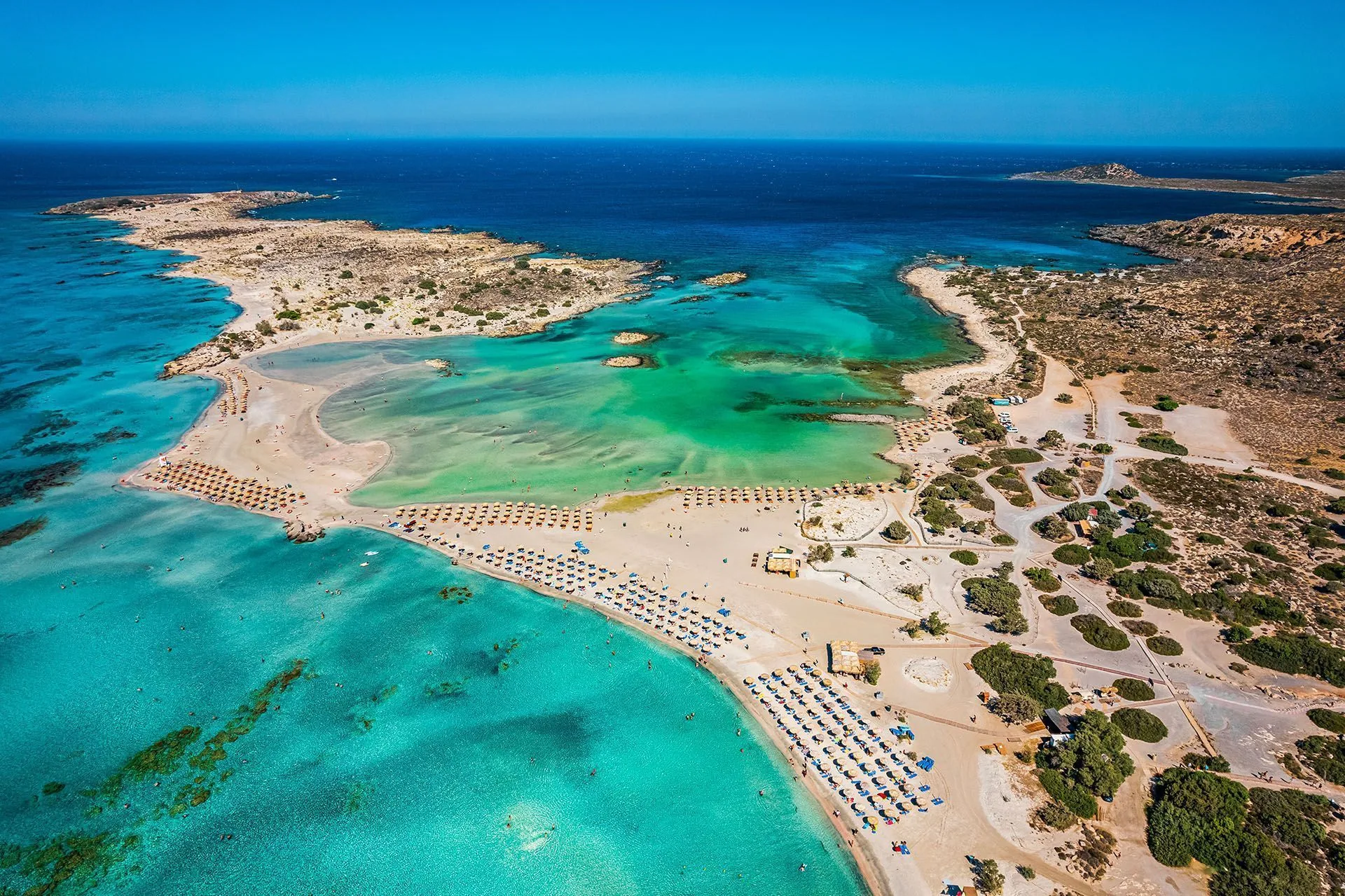
Elafonisi Beach
Summary
Elafonisi is one of Crete's most iconic beaches, famous for its pink-tinged sand, shallow turquoise lagoon, and wild, protected nature setting on the island's remote southwest coast.
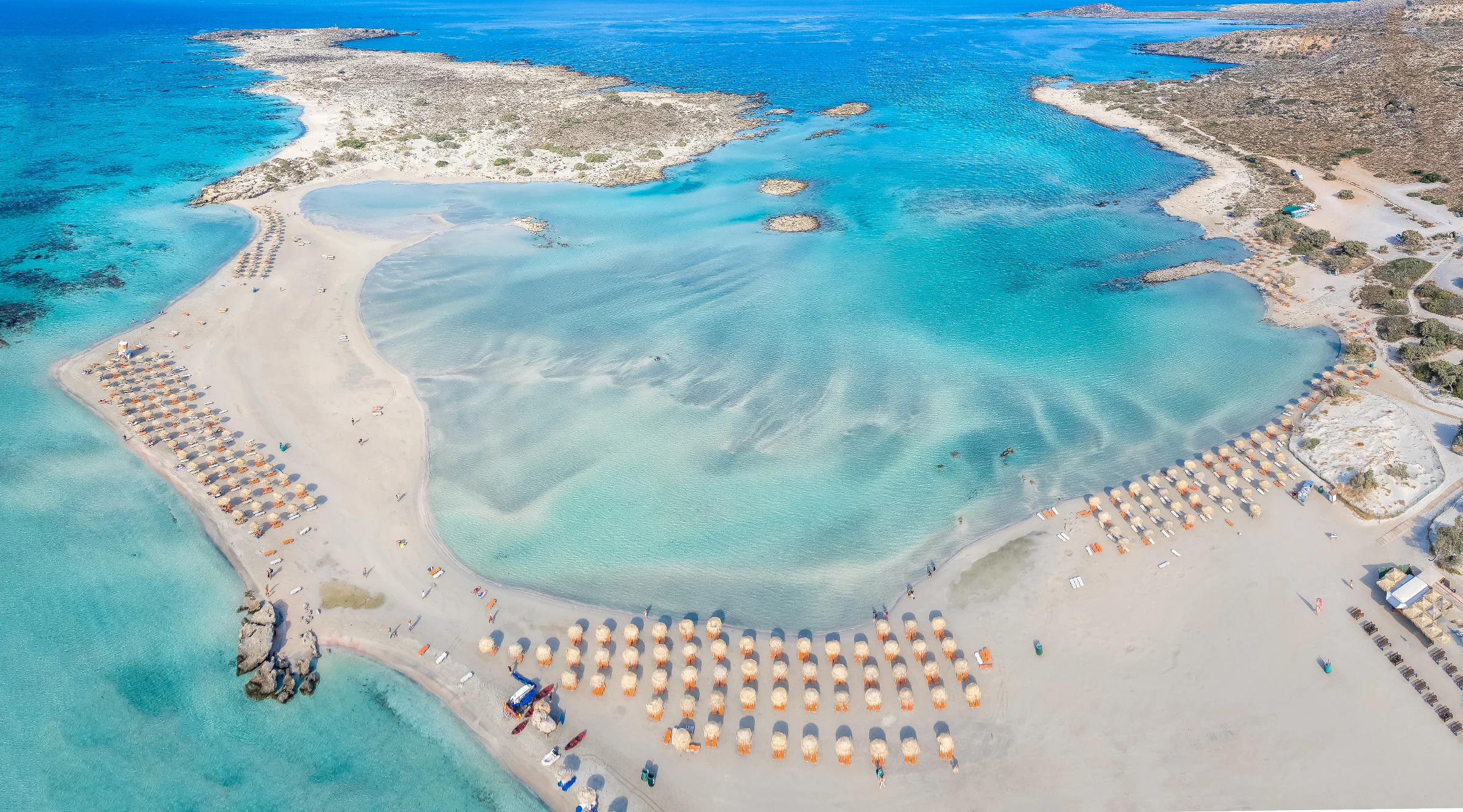
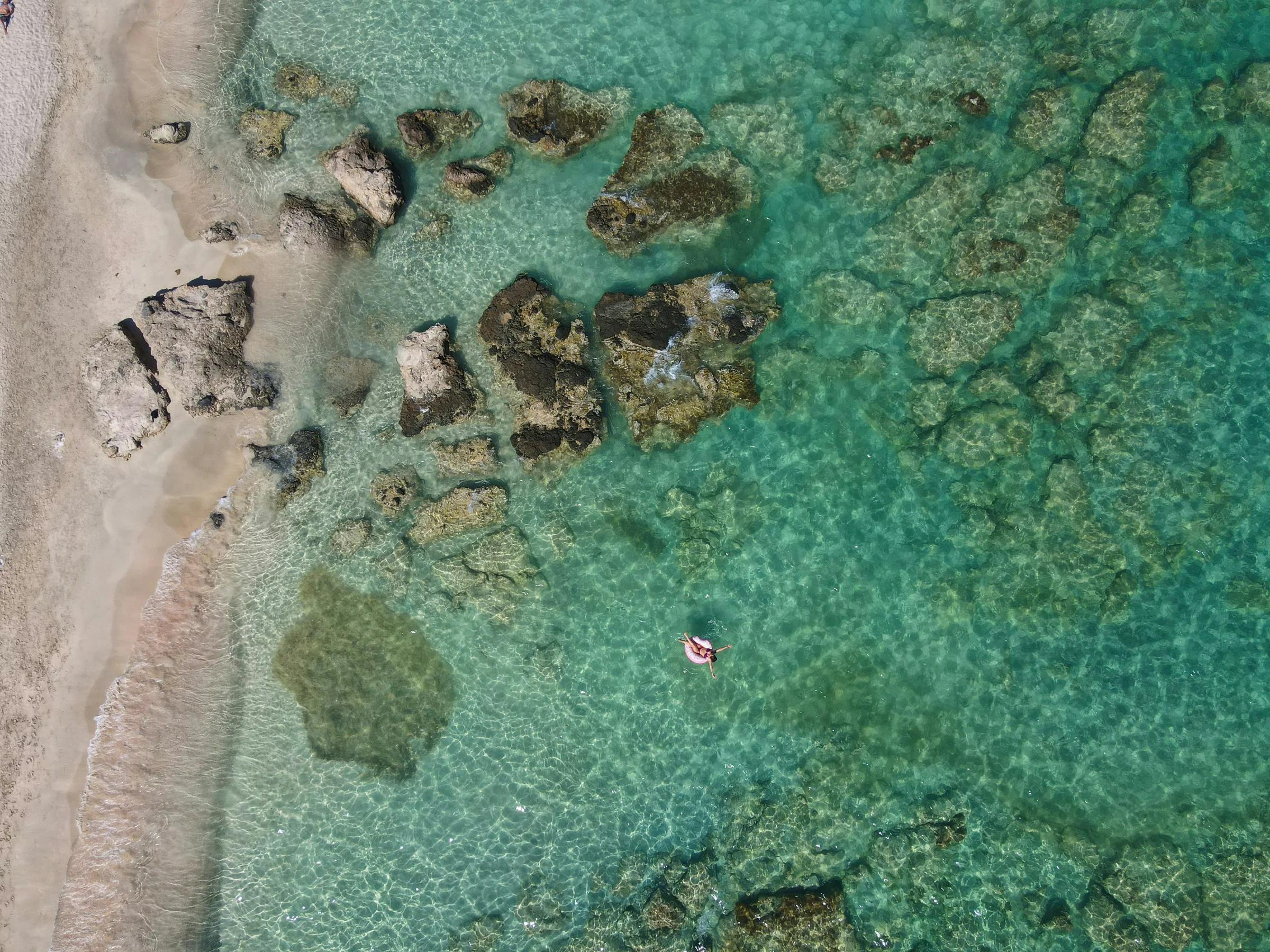
Elafonisi (or Elafonissi) sits on a tiny peninsula that often looks like a separate island, separated from the mainland by a wide, lagoon-like strip of shallow, clear water. Its powdery white and pink sand, calm sea, and exotic landscape have made it one of Europe's most photographed beaches, especially popular with families and day-trippers from Chania.
1Key Features
Elafonisi's main lagoon area is fully organized, with sunbeds, umbrellas, lifeguards, showers, snack bars and a large paid parking area, while quieter zones along the dunes and on the islet feel more semi-organized to wild.
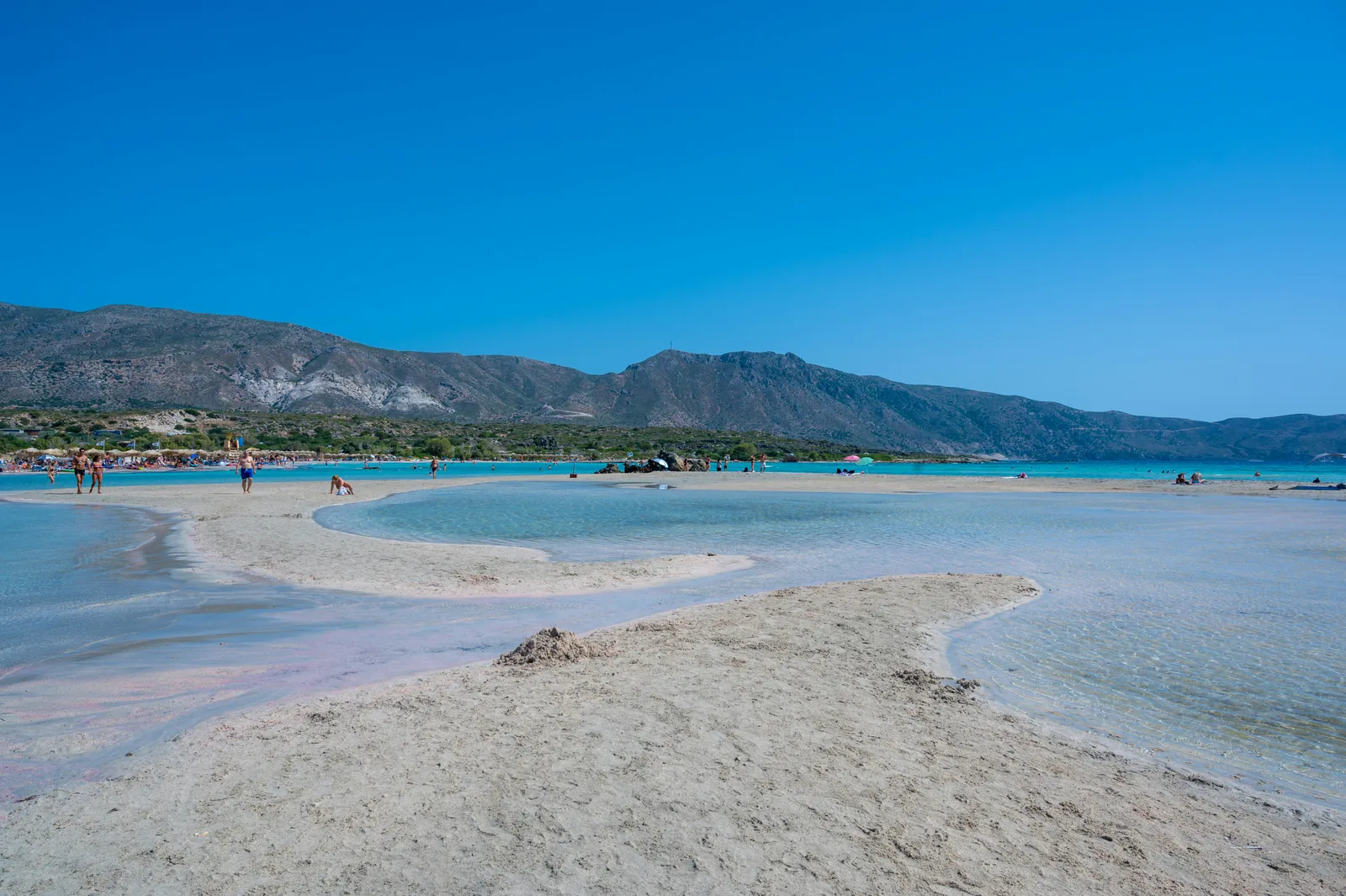
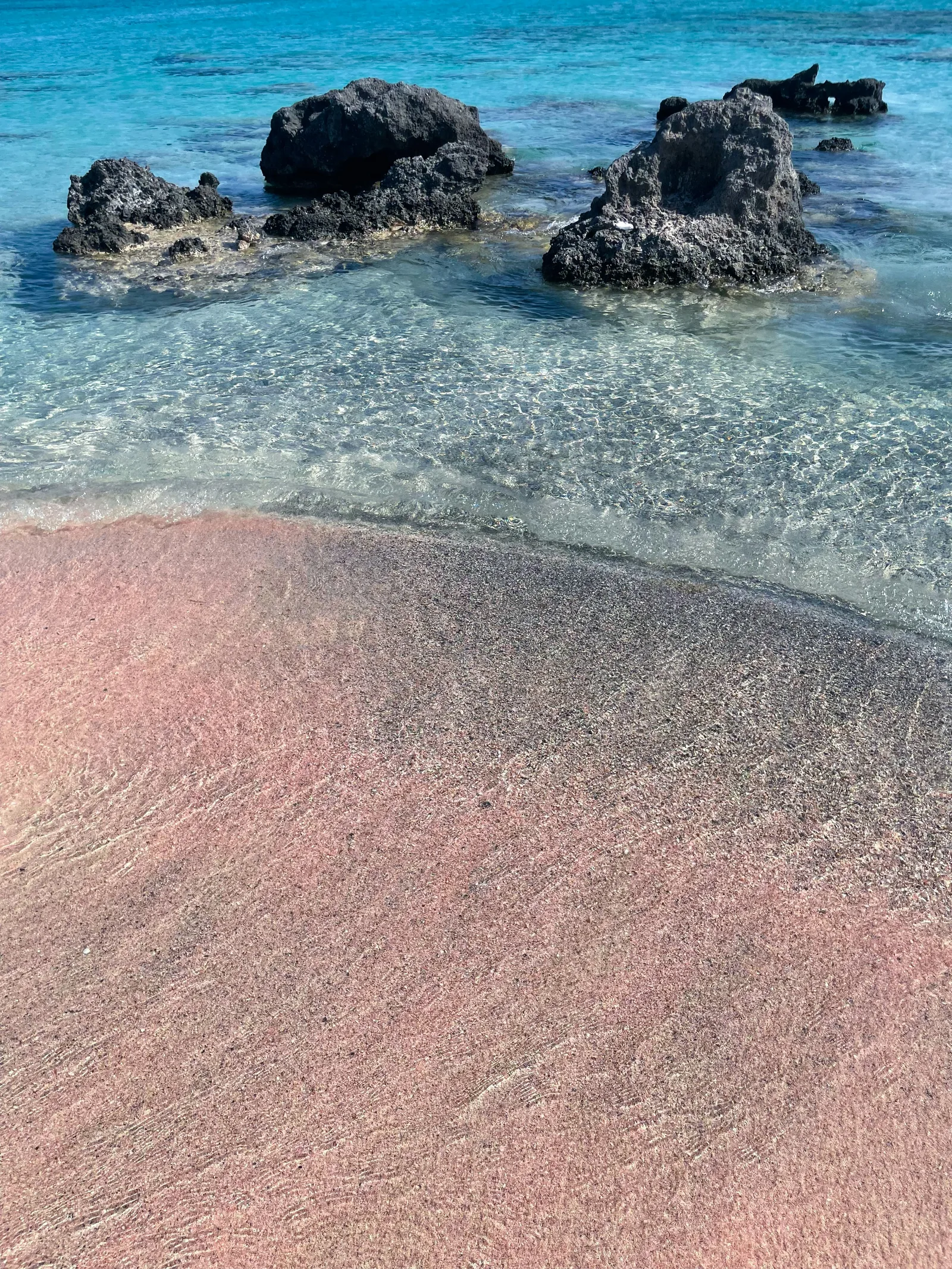
The beach is known for its pink sand created by crushed red and pink shells mixing with white sand, and for ultra-shallow, usually calm waters that rarely form big waves, making it an excellent choice for children and less confident swimmers.
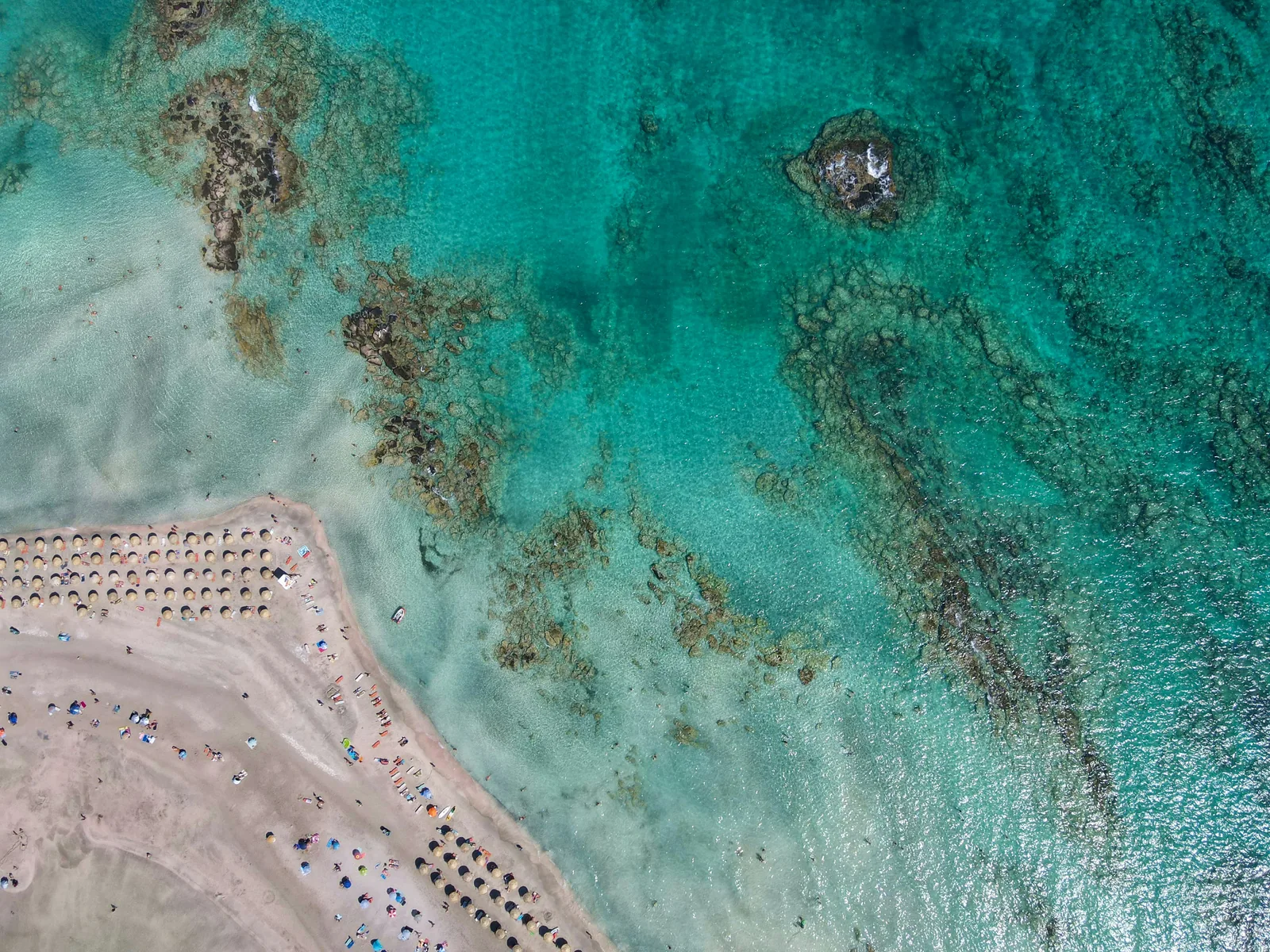
Beyond the main strip, the rocky edges and more secluded coves offer "local secret" spots for gentle snorkeling, naturist bathing, and sunset walks once the crowds thin out in late afternoon.
2Things to do in Elafonisi
Elafonisi is more than a photo stop; you can easily spend a full day here.
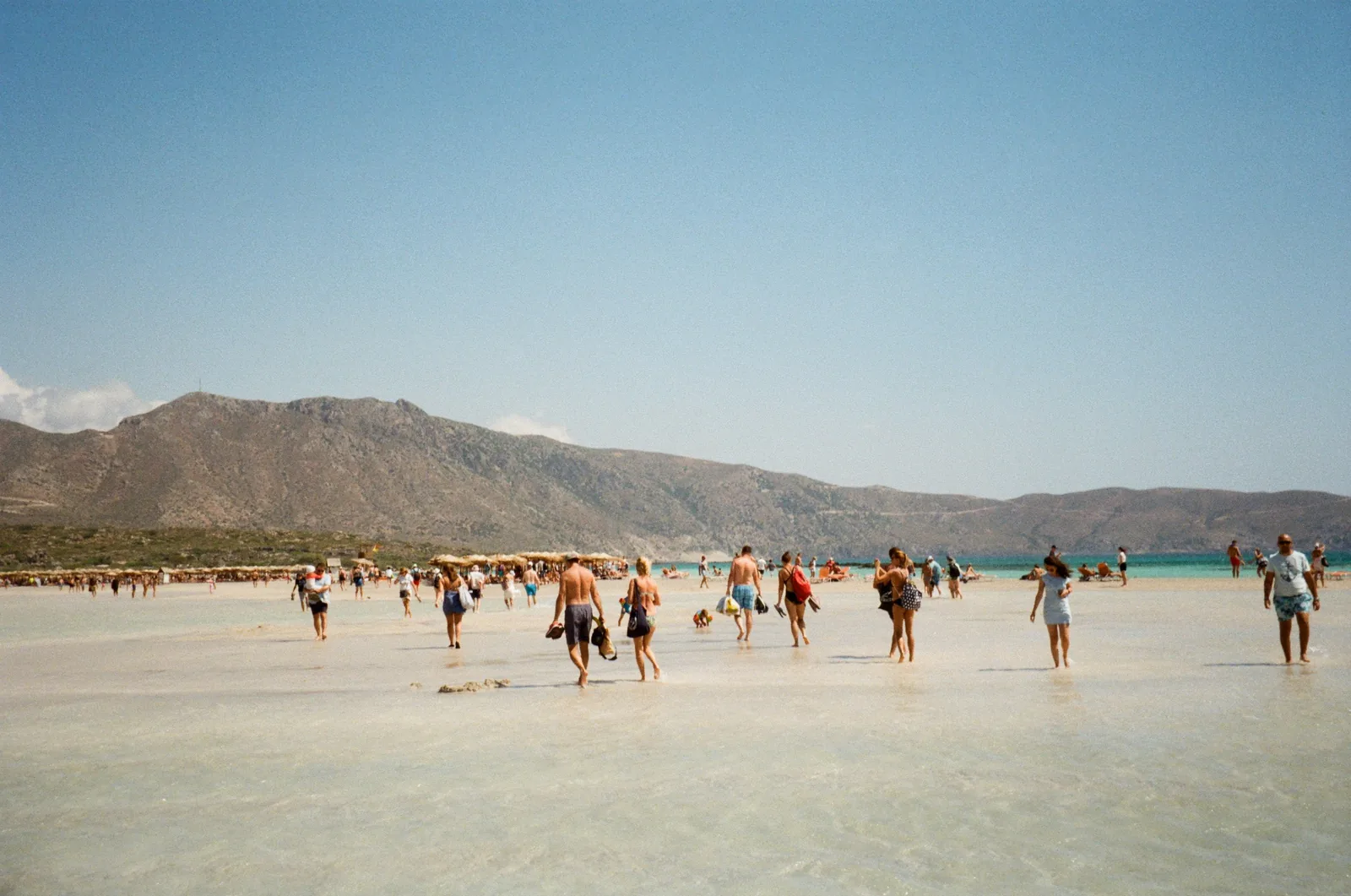
Wade across the lagoon
Explore the islet's quieter beaches, dunes, and small coves away from the main crowds.
Swim & paddle
Enjoy the warm, waist-deep water of the lagoon, ideal for kids, beginner swimmers, and relaxed floating sessions.
Snorkel the rocky sections
Discover small fish and clear-water views, especially toward the edges of the islet where the lagoon gives way to deeper blue sea.
Find secluded spots
Walk further west along the islet for more secluded spots and naturist-friendly coves in high season.
Windsurf & kitesurf
Take advantage of steady winds that draw enthusiasts to specific zones around the bay (within protected area rules).
Scenic drive via Topolia Gorge
Combine your day with a scenic drive through Topolia Gorge, stopping at mountain villages and viewpoints en route.
3Transportation options to Elafonisi
Elafonisi is remote but very reachable from Chania with several transport choices.
The most flexible option. The route follows a scenic but winding mountain road via Topolia Gorge and small villages, with some narrow sections and tunnels that require cautious driving.
Large paid parking area close to the beach (around €5/day in recent seasons), which can fill up late in the morning during peak summer.
4More about Elafonisi
Infrastructure & Services
The eastern side of Elafonisi, facing the lagoon and parking, is the main organized area, with rows of sunbeds and umbrellas, simple beach bars and kiosks, lifeguard presence, showers, changing cabins, and basic toilets. Behind the beach is an extensive parking zone and a few small accommodation units and rooms, but there is no fully built-up resort right on the sand; the wider area remains relatively low-rise.
Sand & Swim Characteristics
Elafonisi's signature feature is its fine sand with pink hues, strongest along the waterline and in certain patches where crushed foraminifera shells and other red-tinged organisms mix with white grains. The lagoon is extremely shallow—often knee-to-waist deep for long distances—so the water warms quickly and usually remains very calm.
Local "Secret" Angles
Away from the busiest section near the main umbrellas, the farther reaches of the islet hide quieter coves and pockets of naturist use, especially in high season. Walking a bit further along the sandbanks toward the open sea can reveal better pink-sand patches and clearer water, particularly early in the day before footprints and churned sand dull the effect.
Environmental Notes
Elafonisi is a protected Natura 2000 site, home to rare plants and fragile dune systems, so walking on dunes, removing sand, and leaving litter are strongly discouraged and in some cases prohibited. Early arrival, low-impact behavior, and avoiding peak weekends help reduce strain and improve your experience.
5Recommended places to stay nearby
Most visitors base themselves in Chania and visit Elafonisi as a day trip, but there are several good location choices depending on your plans.
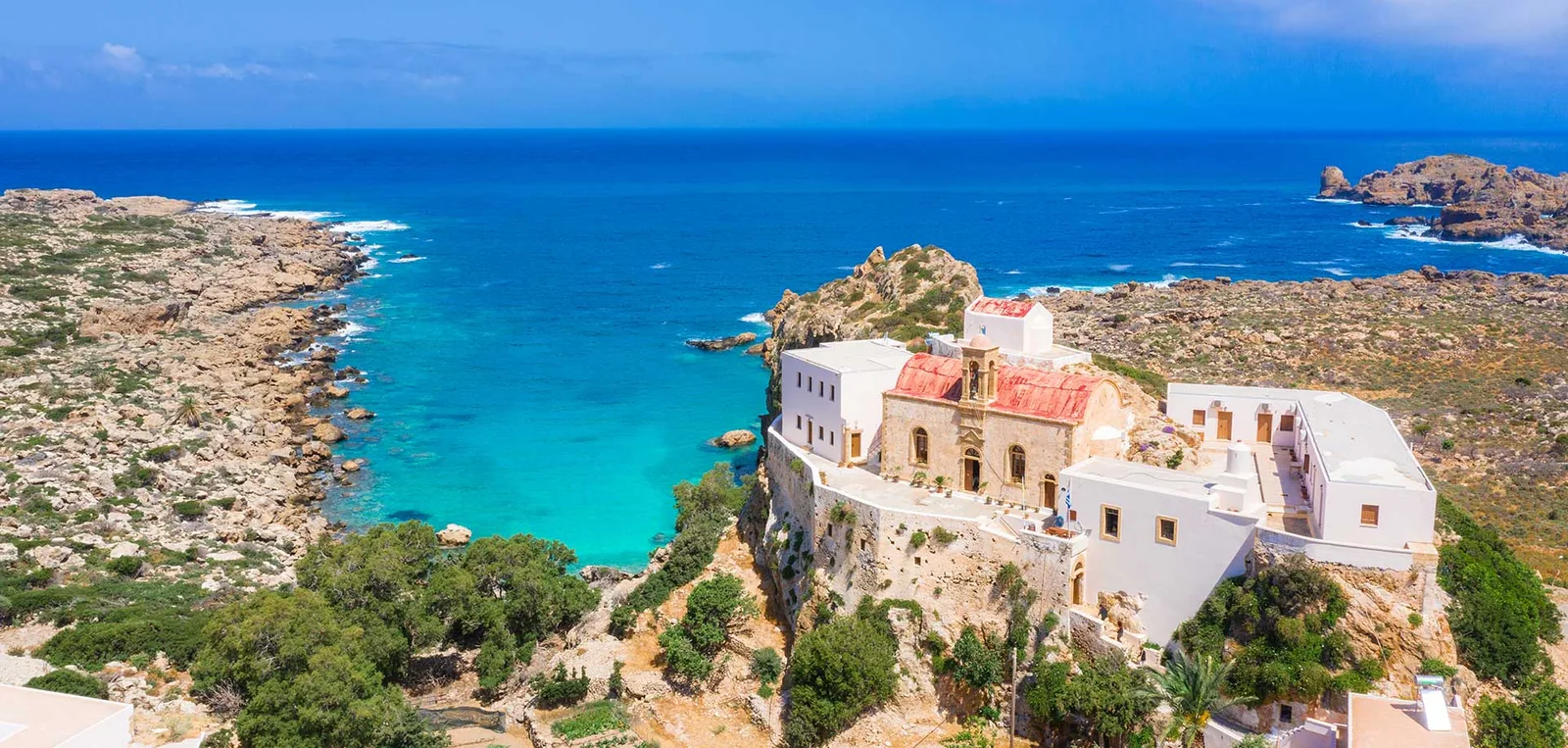
Elafonisi / Chrysoskalitissa area
|0–5 kmA few small guesthouses and rooms lie very close to the beach and the nearby Chrysoskalitissa Monastery, ideal if you want dawn or sunset access and minimal driving.
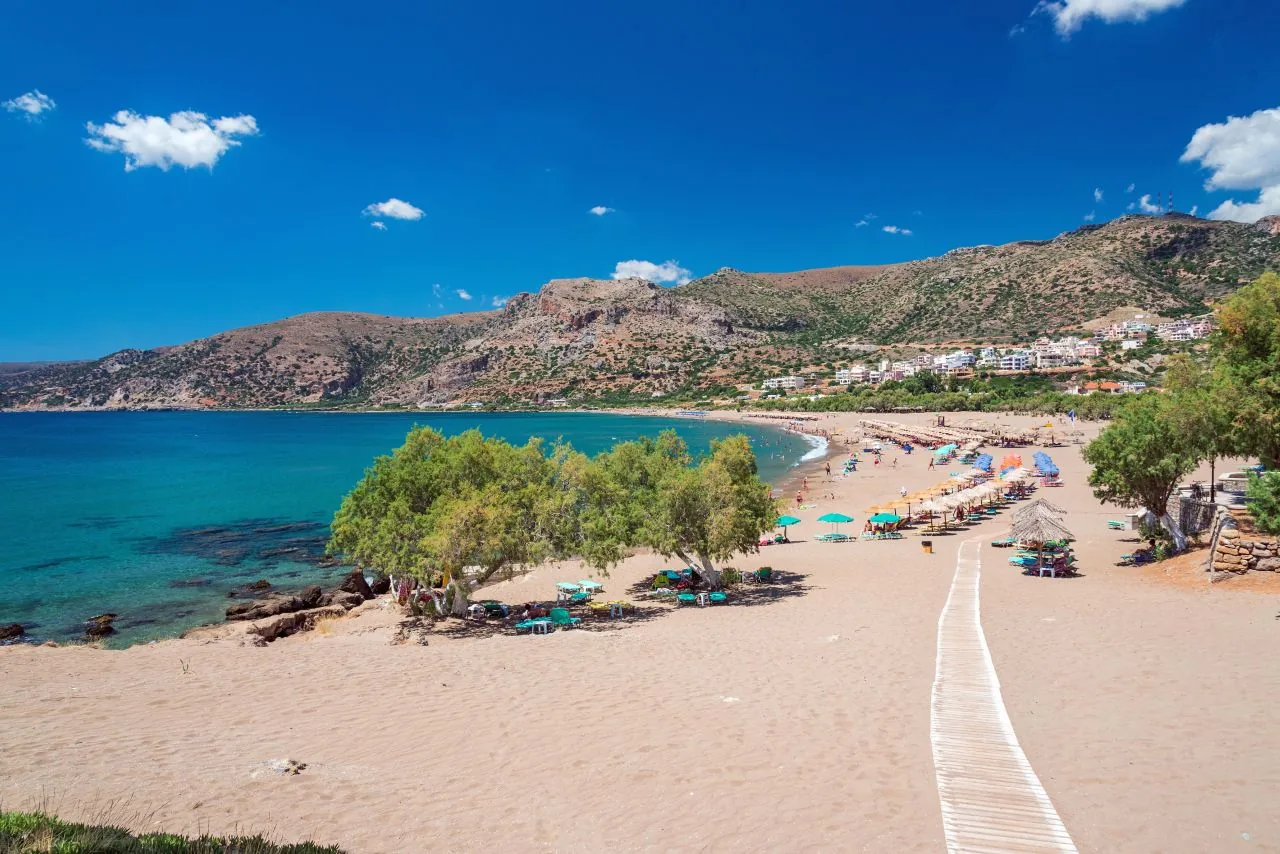
Palaiochora
|55–60 kmA laid-back south-coast town with more tavernas, bars, and accommodation, roughly 1–1.5 hours' drive from Elafonisi, good for combining several beaches and boat trips along the Libyan Sea.
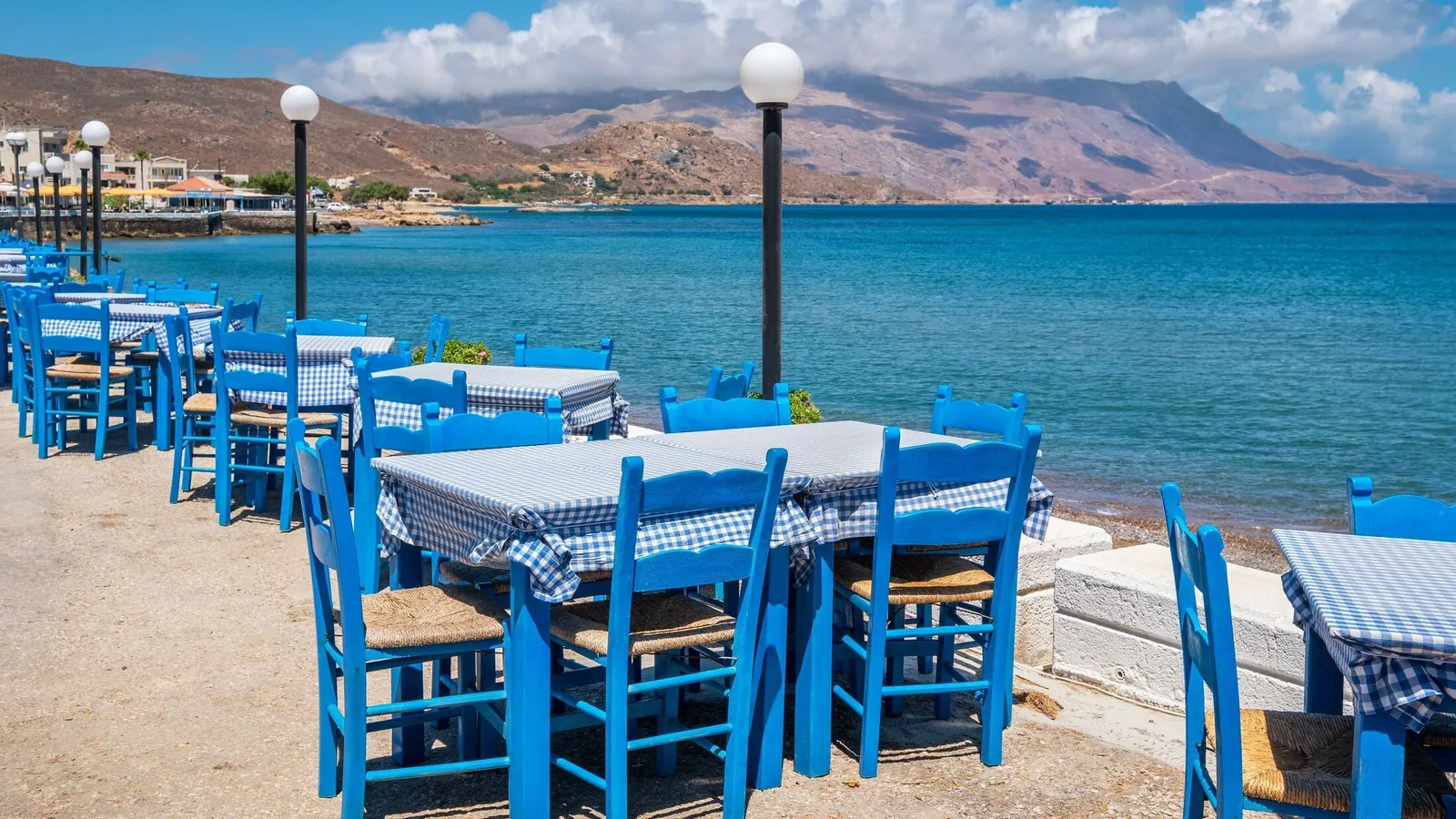
Kissamos
|55–65 km northA small harbor town on the north coast, handy if you want to combine Elafonisi with Balos and Falasarna, using Kissamos as a multi-beach base.
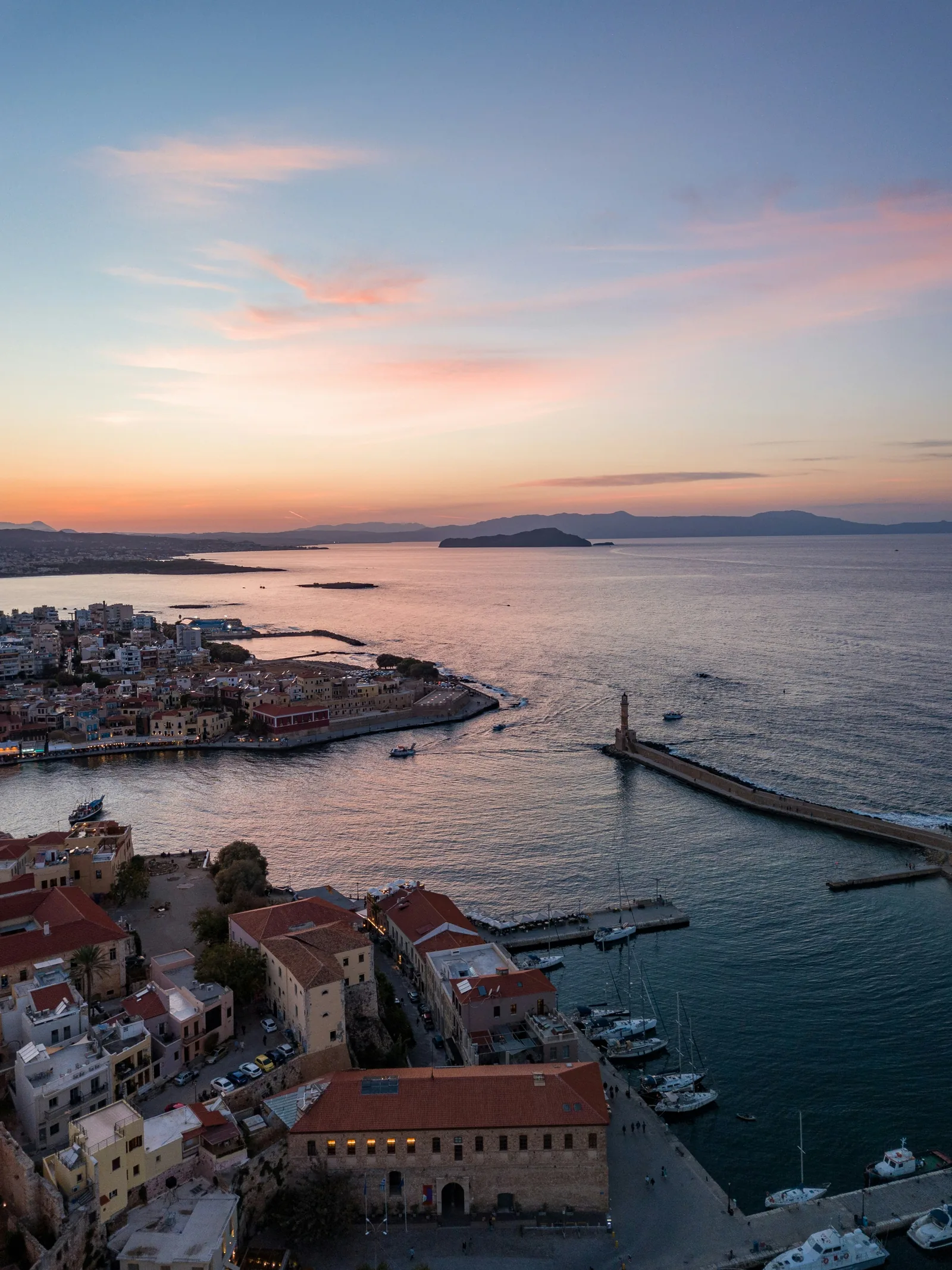
Chania Town
|72–75 kmThe most atmospheric base, around 1.5–2 hours' drive from Elafonisi, with a wide choice of boutique hotels, apartments, and guesthouses in and around the Old Town.
6Learn More About Chania
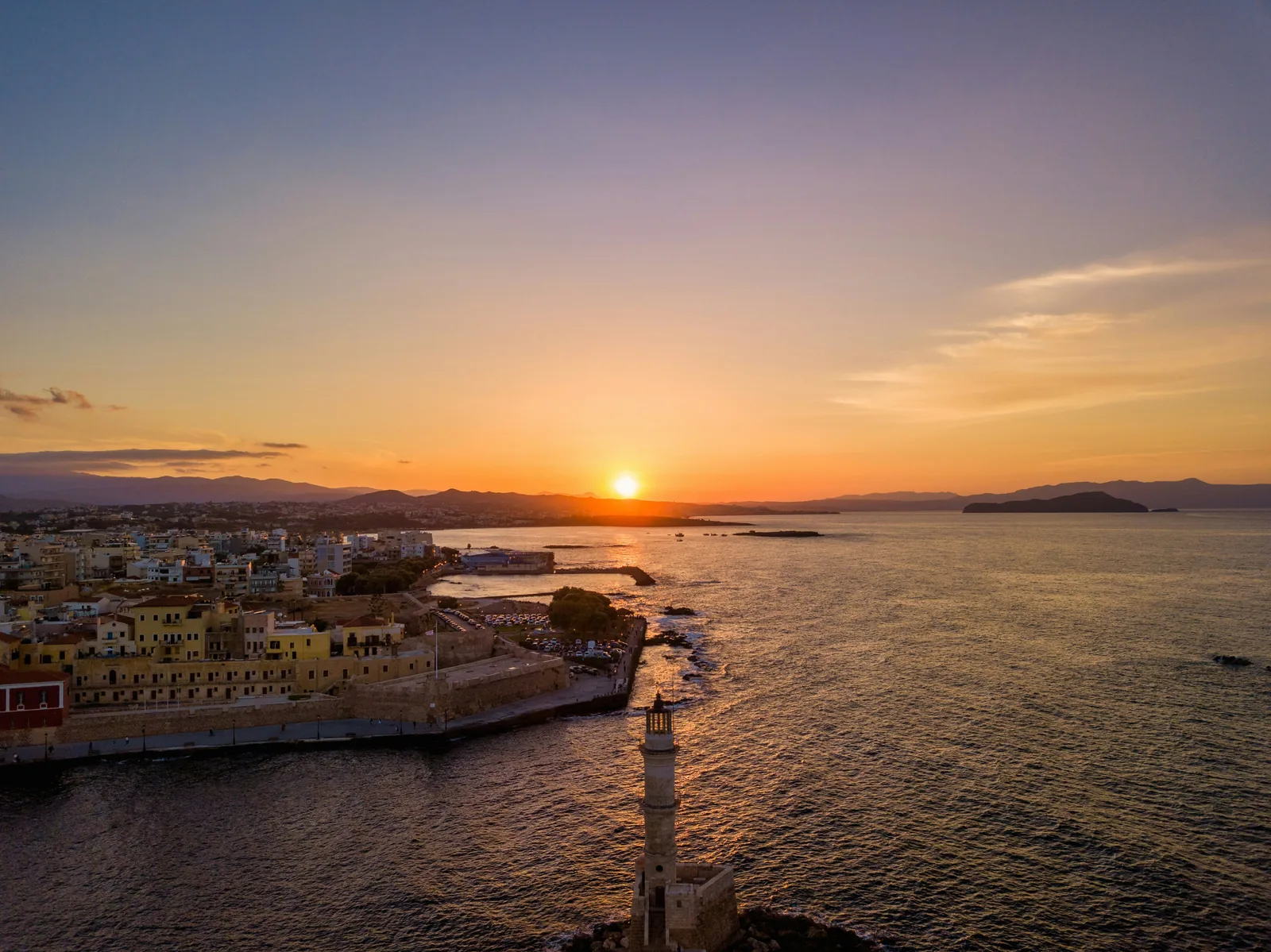
Elafonisi is just one of the many treasures Chania has to offer. Discover more about this stunning region of Crete — from its historic Old Town and Venetian harbor to hidden mountain villages and world-class beaches.
Explore ChaniaFAQs
Elafonisi is famous for its pink-tinged sand, created by crushed red and pink shells mixing with white sand. The beach features a shallow turquoise lagoon that you can wade across to reach a small islet, offering an exotic, almost Caribbean-like landscape.
Yes, Elafonisi is excellent for children due to its ultra-shallow, calm waters that rarely form big waves. The lagoon often remains knee-to-waist deep for long distances, making it safe for non-swimmers and young children.
Elafonisi can get very crowded during peak summer months (July-August), especially on weekends. The parking lot fills up by late morning. For a better experience, arrive early in the morning or visit in late afternoon when most tour buses leave.
The main organized area has sunbeds, umbrellas, lifeguards, showers, changing cabins, basic toilets, and snack bars. However, as you move along the islet toward the dunes, infrastructure thins out quickly.
No, Elafonisi is a protected Natura 2000 site, and removing sand is prohibited. Walking on dunes and leaving litter are also strongly discouraged to protect the fragile ecosystem and rare plants.
Chania like a local
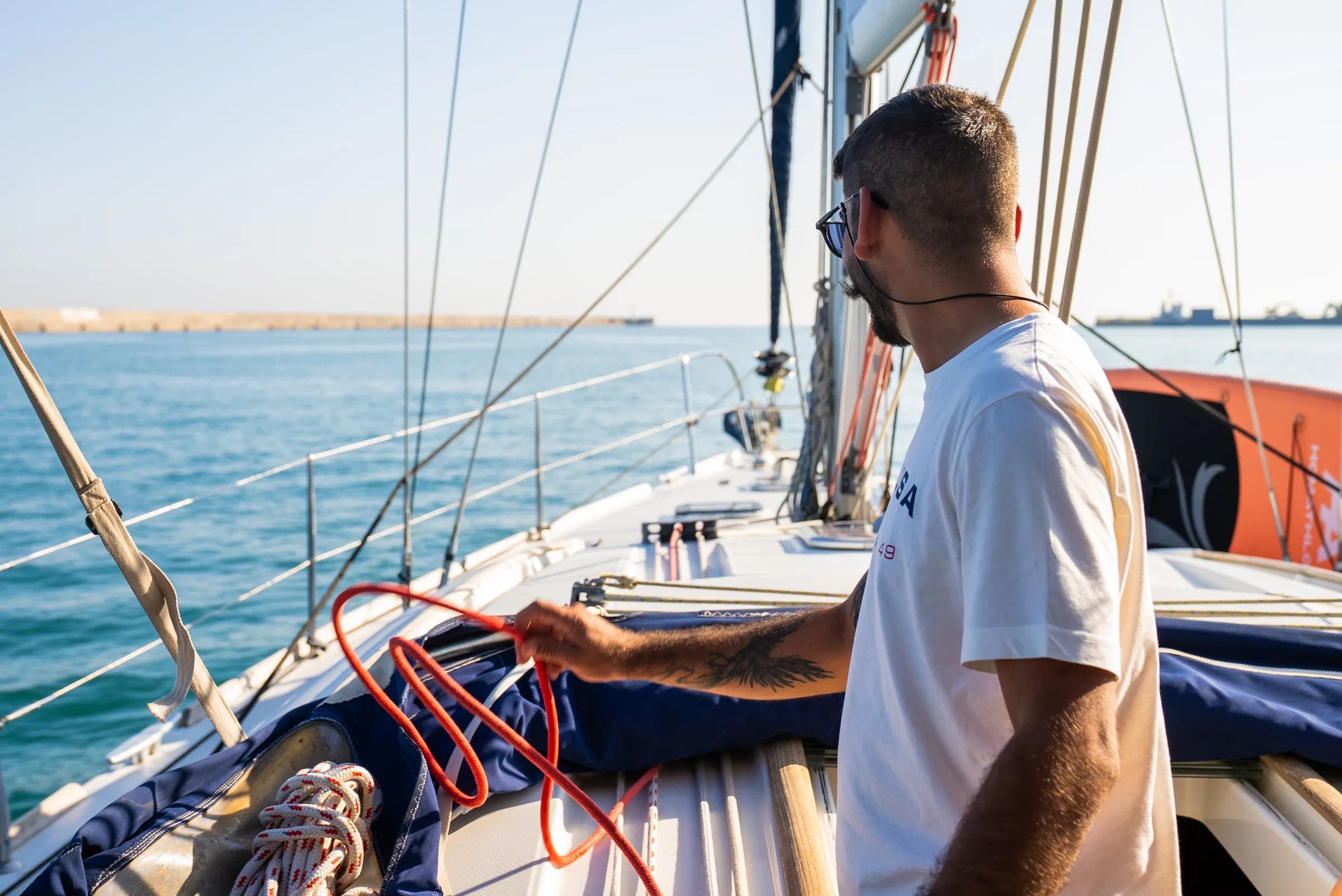
Combine Elafonisi with sailing, food walks and the wider Chania experiences travellers actually love.
Chania like a local
Combine Elafonisi with sailing, food walks and the wider Chania experiences travellers actually love.
Let Chania come to you
Sign up to get authentic stories, travel tips, and new experiences
By entering my email, I agree to receive marketing notifications from travel & do.