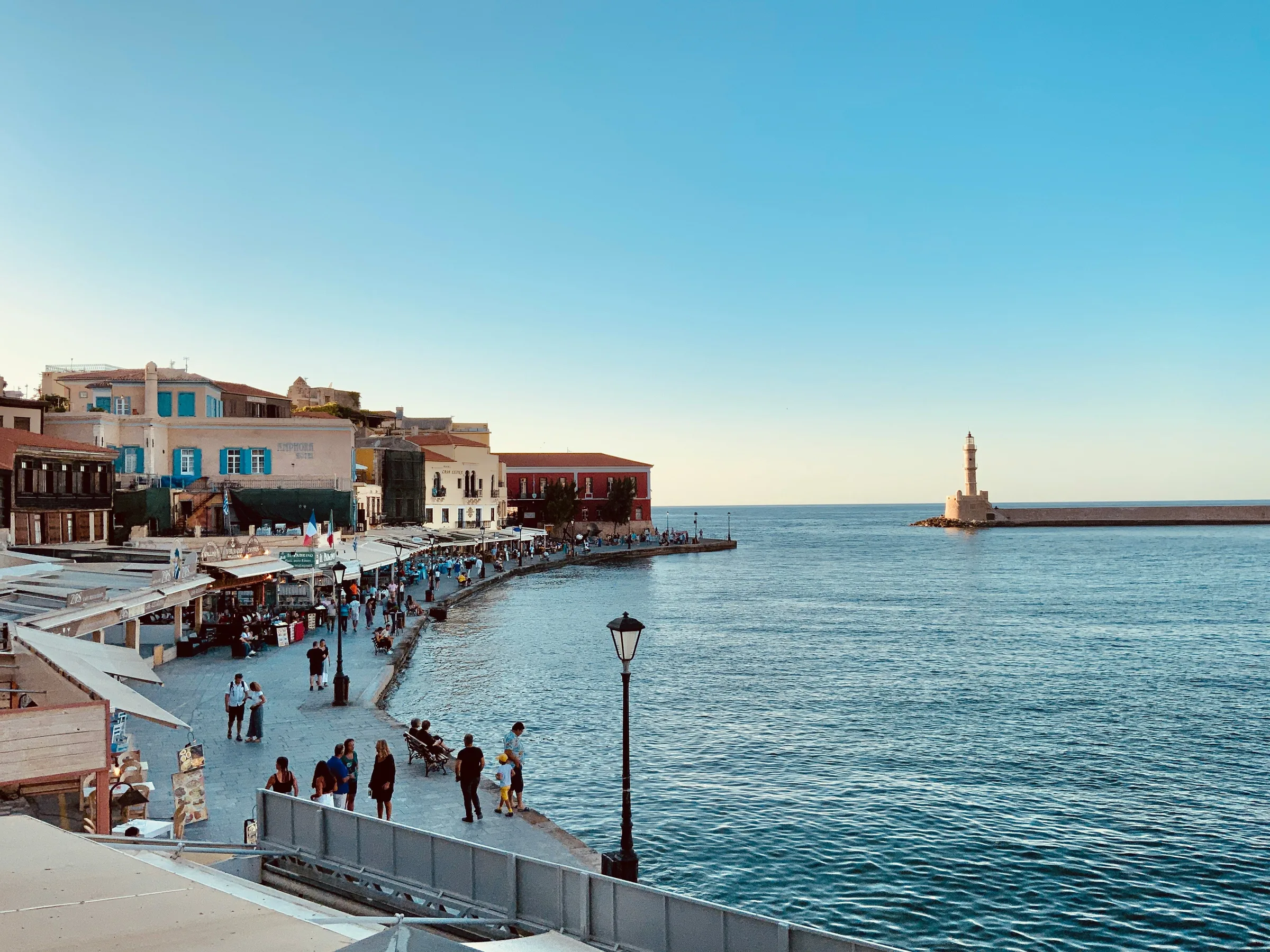
Best Time to Visit Chania
Summary
Chania, in western Crete, has its own rhythm. The Venetian harbour, the White Mountains rising behind the city, and the famous beaches of Balos and Elafonisi all feel different in each season. This guide gives you the data — temperatures, rainfall, crowds, prices — month by month, so you can pick the right window for your trip.
1Average weather in Chania
26°C
Avg. Temperature
3mm
Rainfall
23°C
Sea Temperature
High
Crowd Level
2Understanding the climate
Chania has a Mediterranean climate with hot, dry summers and mild, rainy winters. The White Mountains (Lefka Ori) shape its weather: the south coast is warmer and drier than the north, especially in shoulder seasons.
Spring
March – May
Wildflowers blanket the hillsides, temperatures are mild, and beaches are uncrowded. Perfect for hiking, sightseeing, and exploring nature.
Summer
June – August
Peak season with hot, dry weather and warm seas. Ideal for beaches and water activities but expect crowds and higher prices.
Autumn
September – November
Sea is still warm, crowds thin out, and prices drop. Great for a balanced holiday with fewer tourists and pleasant weather.
Winter
December – February
Rainy but mild. Off-season means empty beaches, lowest prices, and a chance to experience local life without tourist crowds.
3Month-by-month guide
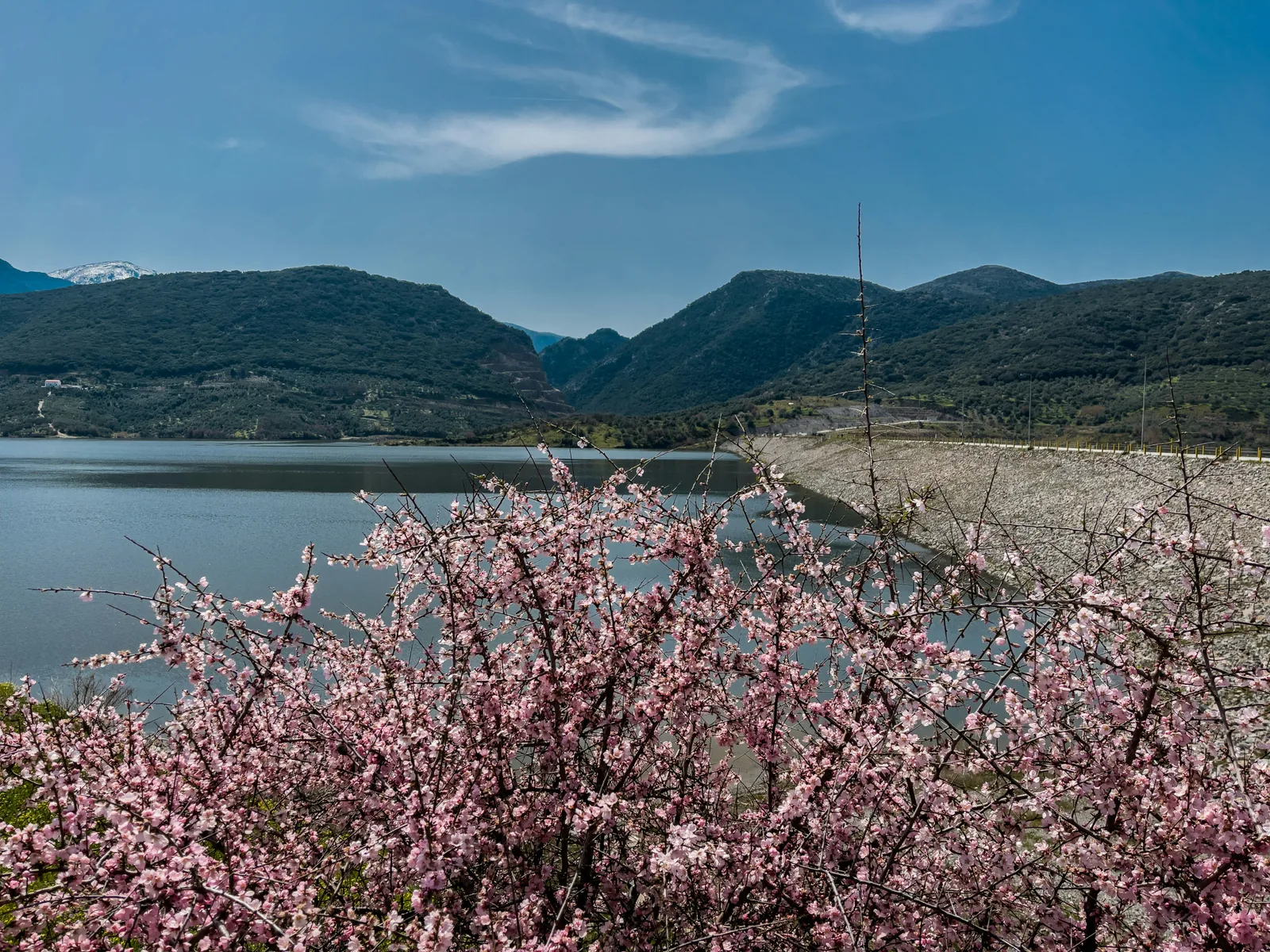
Spring
March – May
March
14°C avg · 57mm rain · Sea 16°C
Almond and orange blossoms, occasional rain, very quiet beaches.
April
17°C avg · 30mm rain · Sea 17°C
Greek Easter (date varies), green hills, warming days.
May
21°C avg · 15mm rain · Sea 20°C
Samaria Gorge opens, beaches uncrowded, perfect hiking and sightseeing.
June
26°C avg · 3mm rain · Sea 23°C
Hot and dry, all beaches open, schools out — crowds rising.
July
28°C avg · 1mm rain · Sea 25°C
Peak heat, busy beaches, possible afternoon meltemi winds.
August
28°C avg · 1mm rain · Sea 26°C
Highest prices, hottest sea, busiest period — book everything in advance.
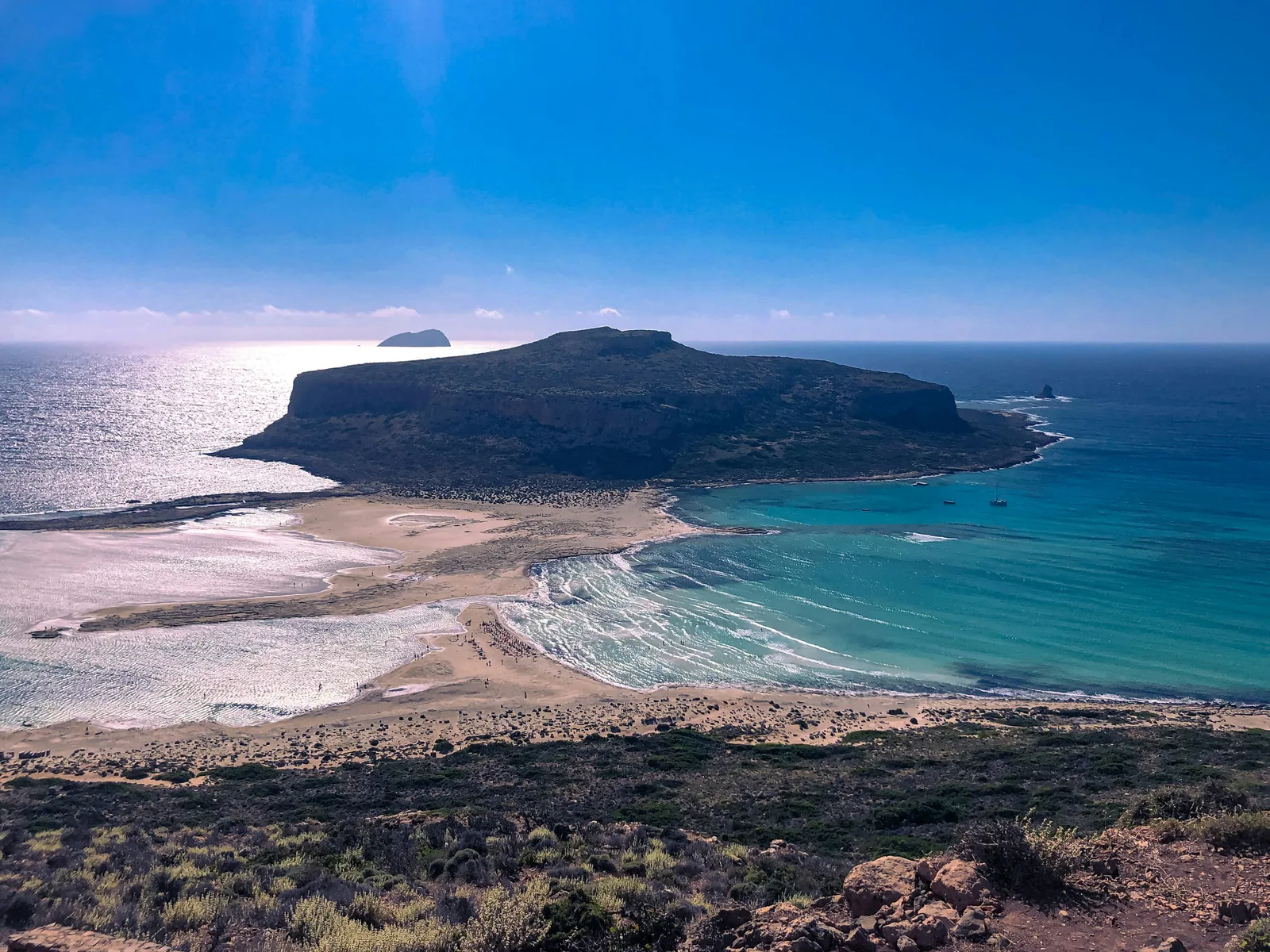
Summer
June – August
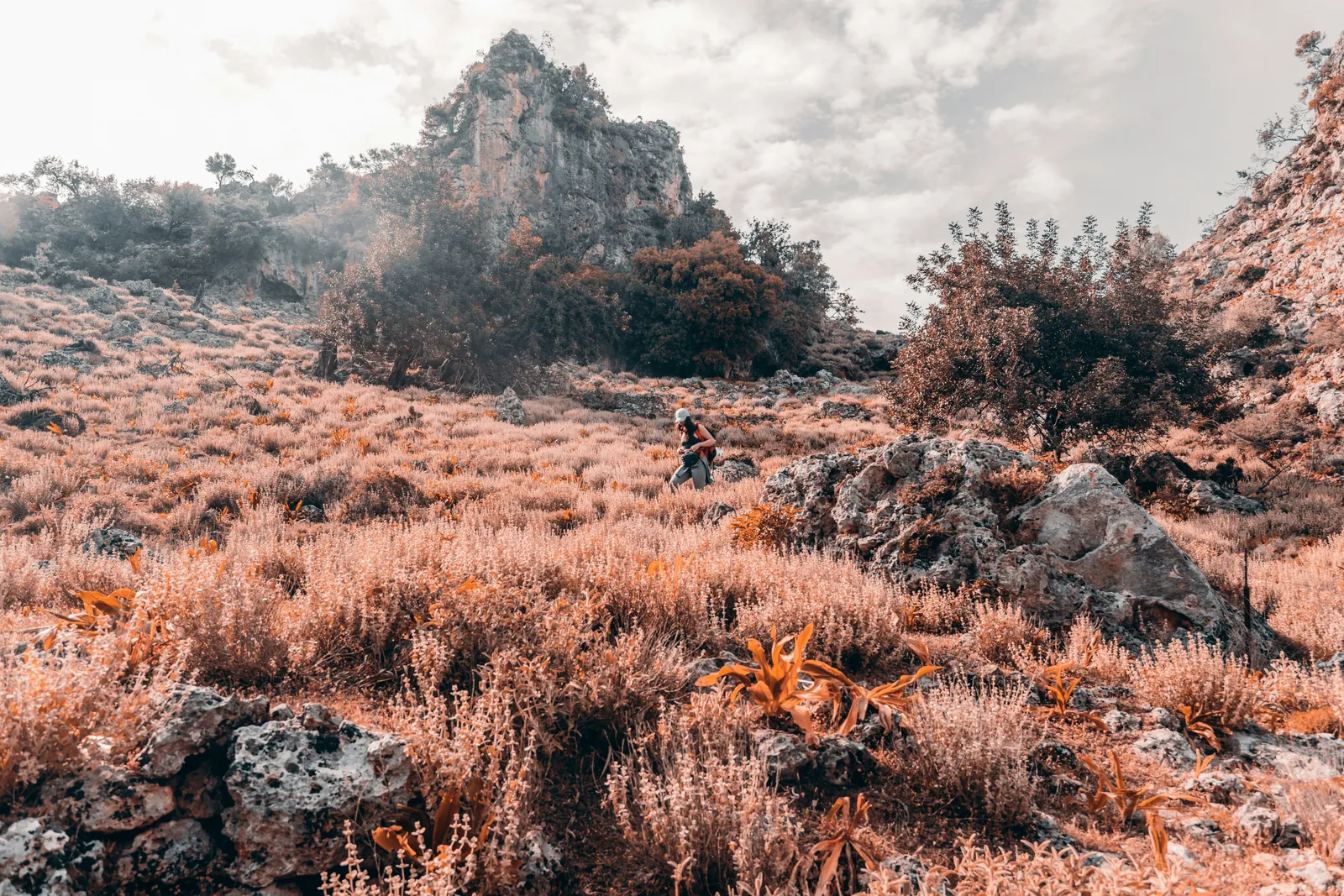
Autumn
September – November
September
25°C avg · 20mm rain · Sea 25°C
Warmest sea, easing crowds — many locals say the best month.
October
21°C avg · 53mm rain · Sea 23°C
Mild and sunny, perfect for hiking and culture, olive harvest begins.
November
17°C avg · 58mm rain · Sea 20°C
Off-season starts, lower prices, occasional rain, quiet villages.
December
14°C avg · 77mm rain · Sea 18°C
Mild but rainy, festive atmosphere, Christmas in the old town.
January
12°C avg · 93mm rain · Sea 16°C
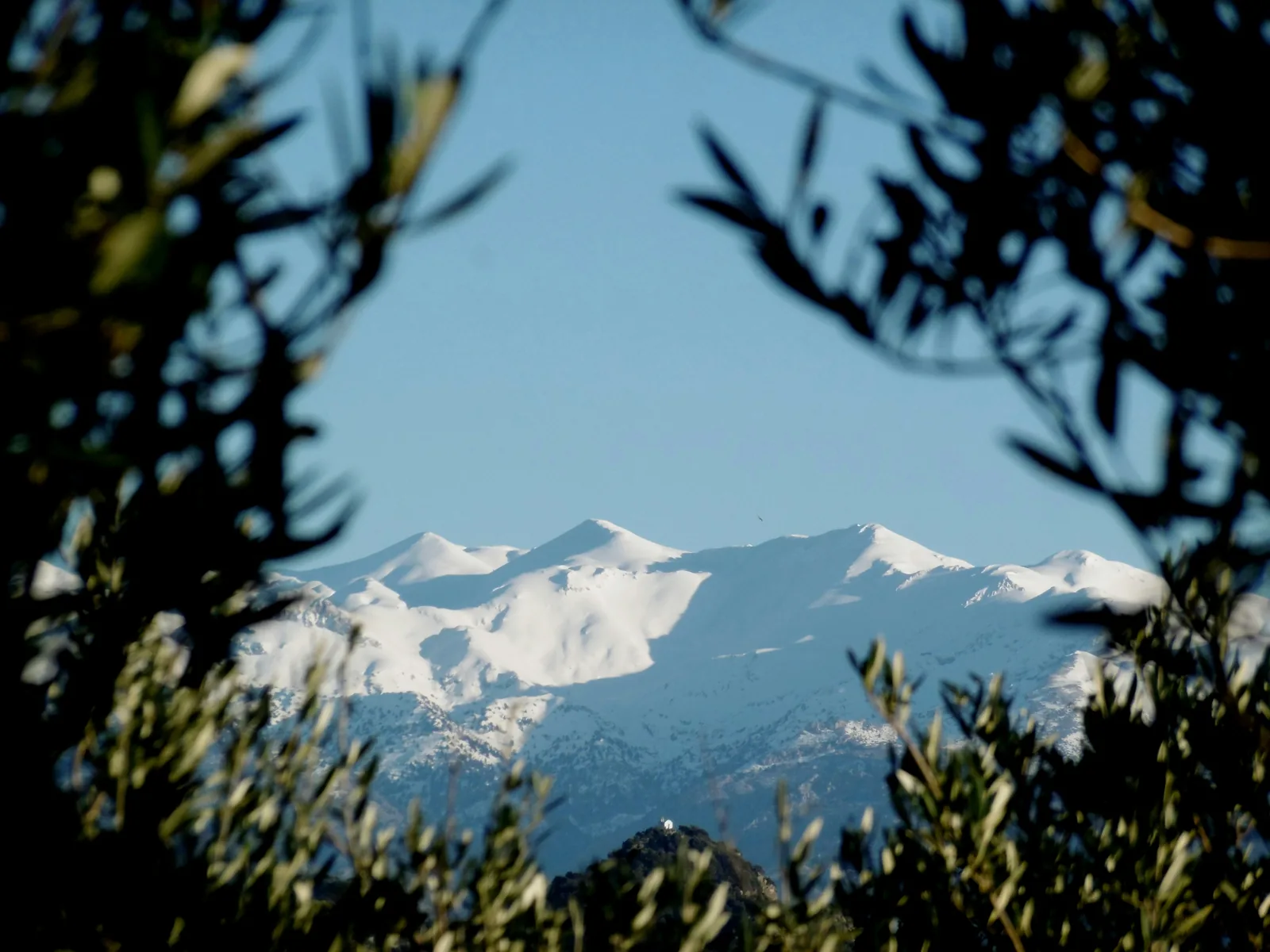
Coolest month, snow on the mountains, very quiet — great for cities.
February
12°C avg · 69mm rain · Sea 15°C
Almond blossoms, carnival celebrations, beginning to warm.
Winter
December – February
4Best time for...
Beach holidays
Warmest sea temperatures (23-26°C), minimal rainfall, and long sunny days.
Sightseeing & culture
Pleasant temperatures for walking, fewer crowds at archaeological sites.
Hiking & nature
Mild weather, green landscapes, Samaria Gorge open (May-October).
Budget travel
Lowest accommodation and flight prices, off-season discounts.
Families with kids
Warm but not scorching, sea is swimmable, smaller crowds than July-August.
Honeymoons
Romantic weather, less crowded beaches, golden hour photography.
5Practical planning
Booking windows
Packing essentials
Getting around
FAQs
September is often considered the sweet spot – warm sea, fewer crowds than summer, good weather, and lower prices than peak season. May and June are also excellent for a balanced experience.
Yes, if you enjoy mild weather, authentic local experiences, and lower prices. Winter brings rain but also empty beaches, cozy tavernas, and a chance to see Crete without tourists.
The sea reaches comfortable swimming temperatures (above 22°C) from June through October. September often has the warmest sea temperatures as it retains summer heat.
Samaria Gorge typically opens in early May and closes in late October, depending on weather conditions. The best hiking months are May-June and September-October when temperatures are moderate.
August is the busiest month. Popular beaches like Balos and Elafonissi can be very crowded, accommodation prices are highest, and you should book restaurants and activities in advance.
Chania like a local
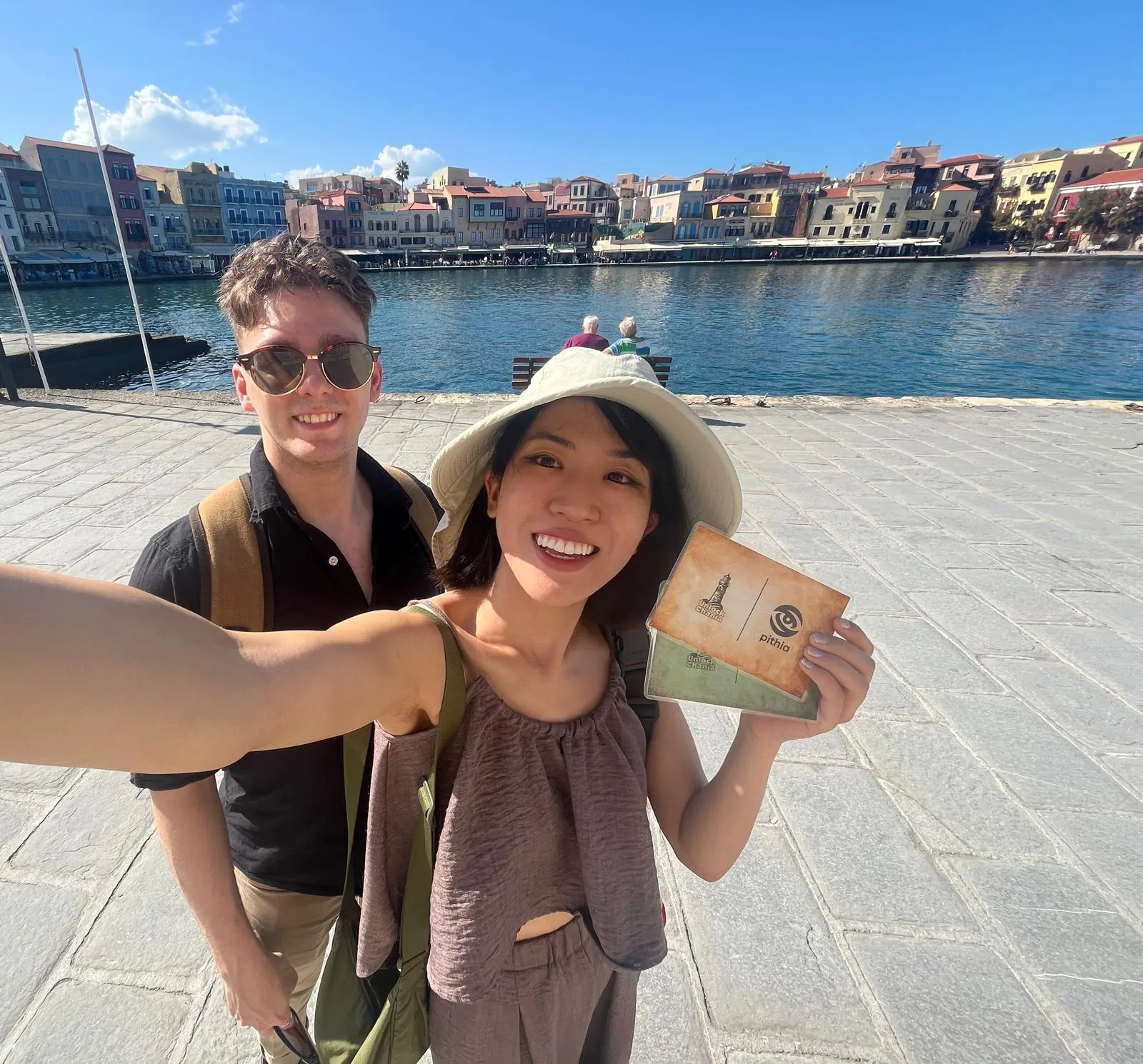
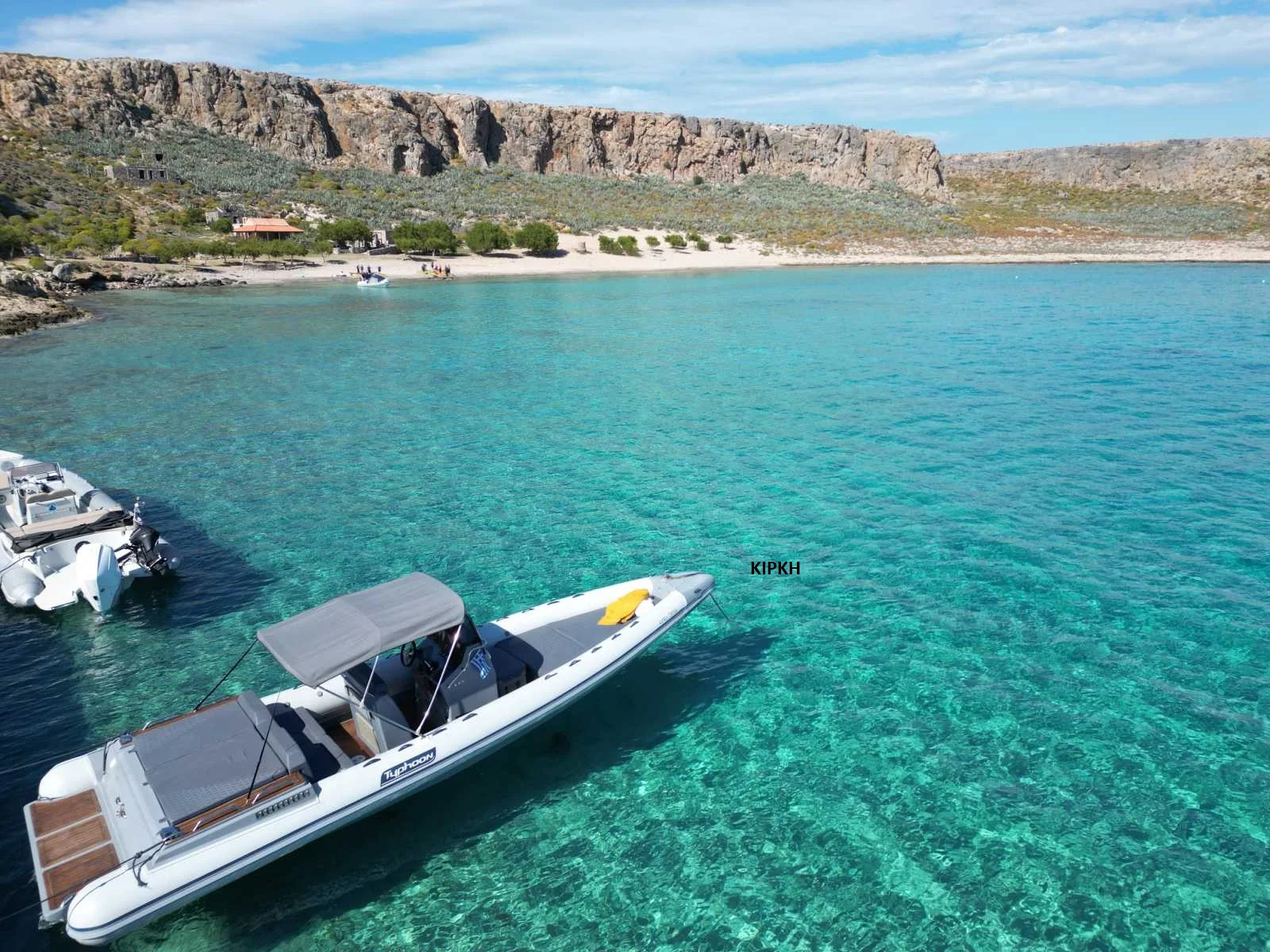
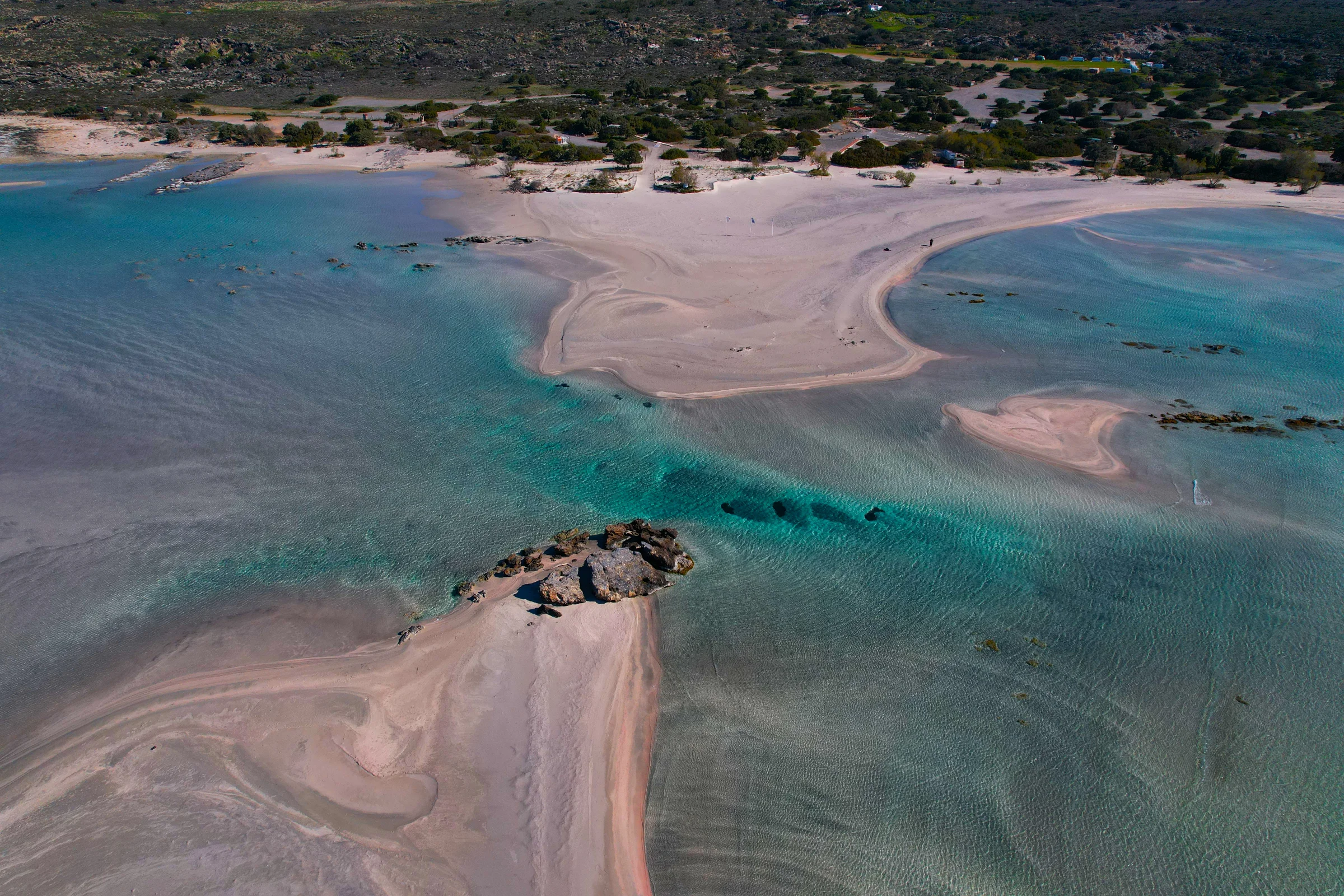
From the White Mountains to the Libyan Sea, Chania rewards travellers who slow down. Here are some insider picks to inspire your bucket list.
Chania like a local
From the White Mountains to the Libyan Sea, Chania rewards travellers who slow down. Here are some insider picks to inspire your bucket list.
Let Chania come to you
Sign up to get authentic stories, travel tips, and new experiences
By entering my email, I agree to receive marketing notifications from travel & do.