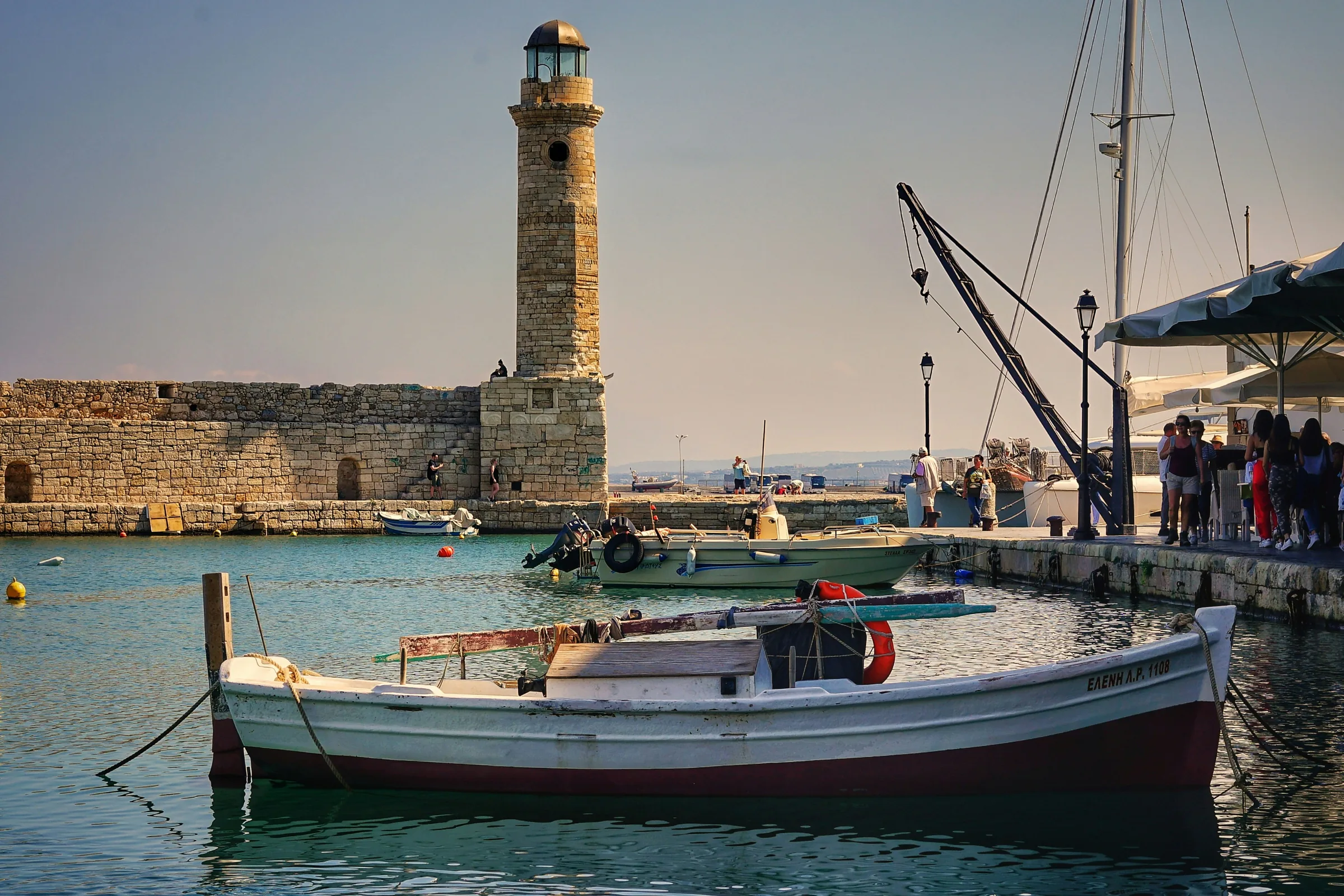
When to Visit Rethymno, Crete: The Complete Guide
Summary
Deciding when to visit Rethymno, a gem of a city on the northern coast of Crete, is about more than just chasing the sun. It is about matching your personal travel style to the rhythm of the seasons. Do you dream of languid days on a sun-drenched beach, or are you drawn to the vibrant energy of a historic carnival? Do you prefer the quiet intimacy of the off-season, or the lively buzz of a town in full swing?
For the perfect balance of warm weather, swimmable seas, and manageable crowds, the best times to visit Rethymno are late May to June and September to early October. These shoulder-season months offer the quintessential Cretan experience without the peak-season intensity of July and August.
However, the "best" time truly depends on your priorities. For budget travelers and culture enthusiasts, the winter offers a unique, authentic experience, while dedicated sun-worshippers will find their paradise in the hot, vibrant summer. The key insight that most travel guides miss is this: timing your trip is less about temperature and more about the kind of experience you want to have.
1Rethymno at a Glance: Month-by-Month Summary
The table below provides a quick-reference overview. Use it as a starting point, then read the detailed sections that follow for the nuanced, experiential detail that will help you make the right choice.
| Month | Avg Temp | Sea Temp | Crowd Level | Prices | Vibe & Atmosphere | Best For |
|---|---|---|---|---|---|---|
| January | 10°C | 17°C | Very Low | € | Quiet, Local, Authentic | Cultural immersion, budget travel |
| February | 10°C | 16°C | Low | € | Festive, Energetic (Carnival) | Carnival, local experiences |
| March | 12°C | 16°C | Low | € | Awakening, Fresh, Green | Hiking, spring blooms |
| April | 15°C | 17°C | Moderate | €€ | Pleasant, Sunny, Blossoming | Easter celebrations, exploration |
| May | 19°C | 19°C | Moderate | €€ | Warm, Vibrant, Pre-peak | Beach days without crowds, value |
| June | 23°C | 23°C | High | €€€ | Hot, Lively, Summery | Swimming, nightlife, early summer |
| July | 25°C | 26°C | Very High | €€€€ | Peak-season Buzz, Hot | Festivals, sun-worshipping |
| August | 25°C | 26°C | Very High | €€€€ | Intense, Festive, Crowded | Guaranteed sun, peak holidays |
| September | 22°C | 25°C | High | €€€ | Golden, Warm, Relaxed | Ideal swimming, balanced trips |
| October | 18°C | 23°C | Moderate | €€ | Mellow, Mild, Winding Down | Sightseeing, warm seas |
| November | 15°C | 20°C | Low | € | Calm, Cozy, Authentic | Olive harvest, local life |
| December | 11°C | 18°C | Very Low | € | Festive, Quiet, Local | Christmas traditions, peaceful escape |
2Rethymno Weather: Average Conditions by Month
23°C
Avg. Temperature
3mm
Rainfall
23°C
Sea Temperature
High
Crowd Level
3Rethymno's Four Seasons: An Experiential Guide
Rethymno experiences four distinct seasons, each offering a vastly different travel experience. Understanding the unique atmosphere and practical realities of each period is key to planning a trip that aligns with your expectations.
Spring in Rethymno is a time of renewal. The landscape, refreshed by winter rains, is at its most lush and green. Wildflowers, including rare orchids and tulips, carpet the hillsides, and the air carries the scent of orange blossoms from the groves that surround the town. The Old Town slowly awakens from its winter slumber; cafe owners set out their chairs on the narrow Venetian streets, and a sense of optimism is palpable. This is a Rethymno that feels like it belongs to you, not to the tour groups.
Weather Reality
The weather is generally mild and sunny, perfect for exploring the Old Town or hiking in the surrounding countryside. However, be prepared for some variability. March can still be cool with occasional rain, and while May feels like summer, the sea is still brisk at around 19°C, taking its time to warm up after the winter. One of the most common misconceptions is that warm air means warm sea.
Activities
This is the ideal season for outdoor activities that don't revolve around swimming. Hiking through the gorges, cycling along coastal paths, and sightseeing are all at their best. It is also a time of major cultural significance, with the celebration of Orthodox Easter, a deeply moving and festive experience involving candlelit processions, midnight services, and communal feasts of roasted lamb.
Atmosphere & Vibe
Optimistic, fresh and uncrowded. The town feels like it belongs to you, not to tour groups, with locals preparing for the coming season and a slower, more personal rhythm.
Pros & Cons
The main advantage is the beautiful scenery, comfortable temperatures for walking, and the relative lack of crowds. The downside is that the sea is not yet warm enough for comfortable swimming for most people, and some tourist facilities may not yet be fully open in March.
Who Should Visit
Nature lovers, hikers, photographers, and culture seekers will find spring to be the perfect time to visit Rethymno. It is also a great choice for those who want to experience a greener, more tranquil side of Crete before the summer rush.
4A Deeper Dive: Rethymno Month by Month
While the seasons provide a general overview, a month-by-month look can help you fine-tune your travel plans.
January
The quietest month. Perfect for exploring the Old Town without the crowds and enjoying the authentic local life. Expect about 5 hours of sunshine per day.
February
The energy builds towards the famous Rethymno Carnival, a celebration of music, dancing, and elaborate parades that transforms the town. The festivities typically peak in the final two weeks before Clean Monday.
March
The arrival of spring with green landscapes and wildflowers. Ideal for hiking and exploring the countryside, with about 7.8 hours of sunshine per day.
April
Warm, sunny weather. The town celebrates Orthodox Easter with solemn processions and joyous feasts. Tourist amenities begin to open for the season.
May
The perfect pre-season month. Weather warm enough for the beach, the sea begins to feel swimmable, and the crowds have yet to arrive. Prices remain moderate, making it excellent value.
June
Summer in earnest. Beaches are lively, the sea is warm at 23°C, and the nightlife is buzzing. The sweet spot between good weather and not-yet-peak crowds.
July
Peak season. Hot, sunny, and crowded. The Cretan Diet Festival and Renaissance Festival are in full swing, and the town is at its most energetic.
August
The hottest and busiest month. A time for sun, sea, and high-energy holidays. The Feast of the Assumption on August 15th is a major celebration. Book everything well in advance.
September
The golden month. Sea is at its warmest at 25°C, the crowds are thinning, and the weather is perfect for both beach and sightseeing.
October
The last of the warm weather. A great time for a relaxed holiday that combines beach time with sightseeing. Some businesses begin to close towards the end of the month.
November
The beginning of the olive harvest, a cornerstone of Cretan culture. A time to experience the agricultural heart of Crete and the communal tradition of raki distillation.
December
The town is decorated for Christmas, and the atmosphere is festive and peaceful. Traditional sweets like melomakarona fill the bakeries, and the harbour takes on a quiet charm.
5The Best Time to Visit Rethymno for YOU
Match Rethymno's seasons to the way you actually want to travel — whether that's chasing beaches, history, harvests, or quiet local life.
For Beach Lovers and Sun Worshippers
The sea is warm, the sun is reliable, and the beaches are fully serviced. September offers the warmest sea (~25°C) with fewer people.
For Culture and Sightseeing
Comfortable temperatures for walking, beautiful light, and the chance to explore the Fortezza, Old Town and museums without the oppressive summer heat.
For Couples and Romantic Trips
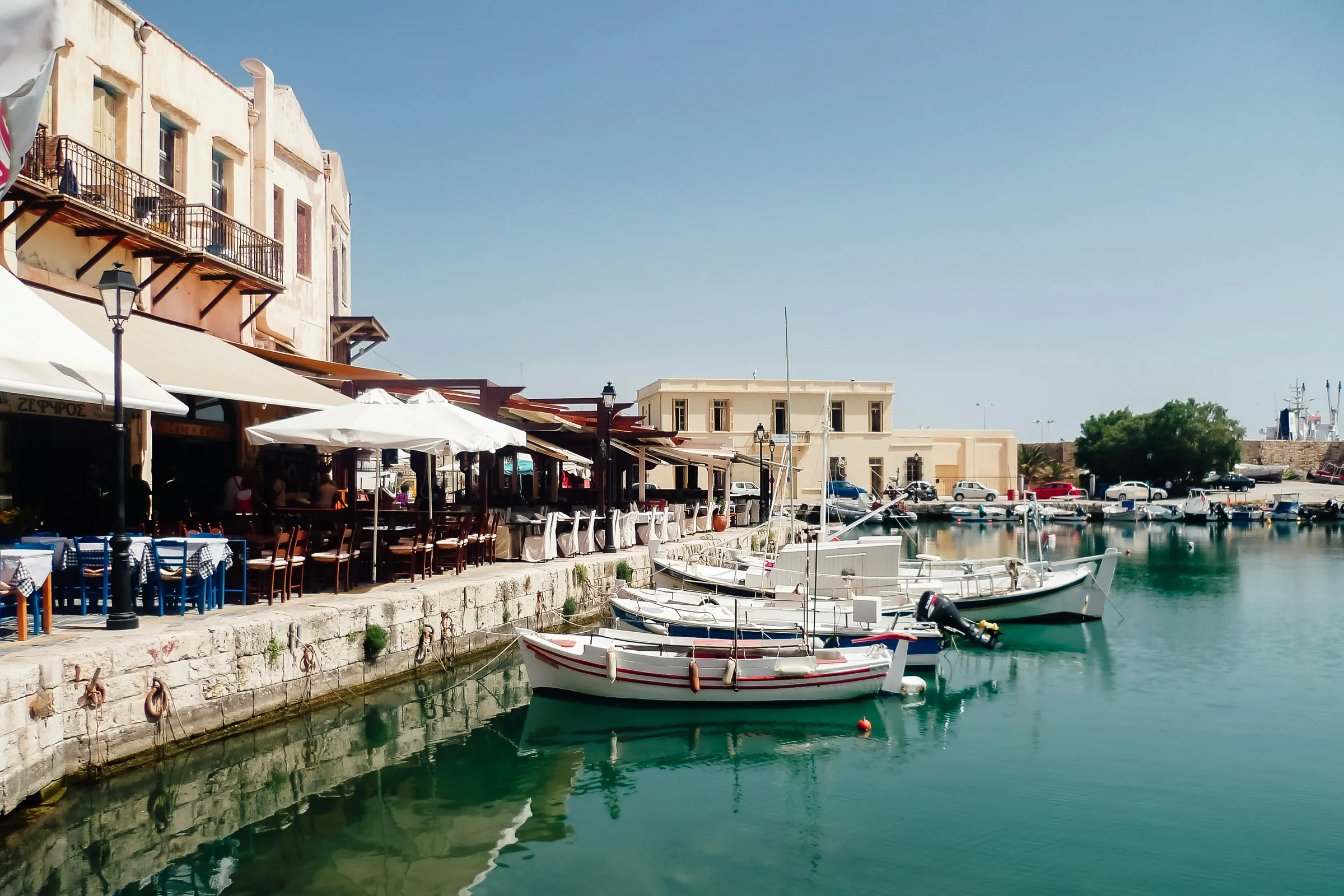
Lively but not overwhelming, warm and long evenings, and Venetian harbour restaurants at their most inviting.
For Budget Travellers
Lowest prices on flights, accommodation and dining. The Climate Resilience Tax is also significantly reduced during these months.
For Avoiding the Crowds
The quiet season. The Old Town, beaches and restaurants are largely yours.
For an Authentic Local Experience
Olive harvest, raki season, Christmas traditions and Carnival offer a window into genuine Cretan life that is invisible in summer.
6Key Events and Festivals That Shape the Year
Understanding the local event calendar is one of the most effective ways to choose your travel dates, and it is an area where most competitor guides fall short.
Rethymno Carnival
February
One of the most famous carnivals in Greece, with a history stretching back over a century. In 2026, the festivities run from early February through to Clean Monday on February 23rd, with the main parades on the final weekend. With 12,000 participants and 26 floats, it is a spectacle that rivals Patras.
Orthodox Easter
April or May
The most important religious holiday in Greece. The week leading up to Easter Sunday is filled with solemn candlelit processions through the Old Town, culminating in a midnight service and a joyous feast of roasted lamb.
Wine and Traditional Products Festival
Late May
A celebration of local produce in the Rethymno region, offering tastings and cultural events.
Cretan Diet Festival
First week of July
A week-long celebration of Cretan cuisine and culture, held in the Municipal Garden of Rethymno, with food stalls, music, and demonstrations of traditional cooking.
Renaissance Festival
July – August
An annual arts festival that takes place in the magnificent Fortezza, with a programme of theatre, music, and dance performances that bring the historic fortress to life.
Yakinthia Festival
Late July / Early August
A cultural festival held in the mountain village of Anogia, near Rethymno, featuring theatre performances, traditional music, and a connection to the rugged Cretan highland culture.
Feast of the Assumption
August 15
A major national holiday. Expect celebrations, church services, and a festive atmosphere, but also peak crowds and prices.
7Weather Reality vs. Tourist Expectations
Many visitors arrive in Crete with misconceptions about the weather, largely because most travel guides present only temperature tables without explaining what those numbers actually feel like on the ground.
The Meltemi Wind is not your enemy
This strong, northerly wind is a dominant feature of summer in the Aegean. While it can make the sea on the north coast quite choppy, it also provides essential relief from the heat. On a 30°C day, a moderate Meltemi can make the difference between an uncomfortable afternoon and a perfectly pleasant one. On windy days, head to the sheltered south coast or enjoy the breeze at a waterfront cafe.
Rain in winter does not mean grey days
While winter is the rainy season, it rarely rains for days on end. More often, the rain comes in short, heavy bursts, followed by periods of bright sunshine. A typical winter week might include two or three rainy episodes and four or five perfectly pleasant days for exploring.
Summer heat is manageable with the right rhythm
The summer heat can be intense, especially in July and August. But the locals have long since figured out the solution: rise early, enjoy the morning, retreat to shade or air conditioning during the midday hours, and come alive again in the evening. Adopting this Mediterranean rhythm transforms summer from endurance to pleasure.
Sea temperature tells you more than air temperature
If swimming is a priority, focus on sea temperature rather than air temperature. The sea does not become truly comfortable for most swimmers until late May or June, and it stays warm well into October and even November.
8Practical Planning and Booking Advice
A few logistical pointers — flights, hotels, the Climate Resilience Tax and how to actually get to Rethymno.
When to Book Flights for the Best Prices
For the best deals on flights to Heraklion (the nearest international airport, about 80 km from Rethymno), book your trip for the shoulder seasons. April and October typically offer the cheapest fares. Prices are highest in July and August, and midweek flights (Tuesday and Wednesday) tend to be cheaper than weekend departures.
Hotel Availability and Booking Windows
For July or August, book accommodation at least two months in advance, especially for a particular hotel. For the shoulder seasons, two to four weeks is usually sufficient. In winter, you can often book just days ahead, though options will be more limited as many hotels close for the season. Mid-range hotels in Rethymno typically cost between €90 and €150 per night in season.
Understanding the Climate Resilience Tax
As of 2024, Greece has implemented a "Climate Resilience Tax" on accommodation. The fee varies depending on the time of year and the star rating of your hotel. During the high season (April–October), expect to pay between €2 and €15 per night. During the low season (November–March), the tax drops to between €0.50 and €4 per night. This is charged per room, per night, and is payable directly to the hotel.
Getting to Rethymno
The nearest airport is Heraklion International Airport (HER), which receives direct flights from most major European cities during the summer season. From Heraklion, Rethymno is an easy 80-kilometre drive west along the national highway, or you can take a regular KTEL bus service. There are also direct ferry connections from Piraeus to Rethymno, with the journey taking between 9 and 15 hours depending on the service.
Frequently Asked Questions
September is the best month for swimming, as the sea is at its warmest at around 25°C. June, July, and August are also excellent, though the Meltemi wind can make the sea choppy on some days.
Rethymno can be very crowded in July and August, particularly along the main beach and in the Old Town. If you dislike crowds, consider visiting in June or September for a similar experience with significantly fewer people.
Yes, Rethymno is a year-round destination. Winter is a great time to experience the authentic local culture, enjoy very affordable prices, and attend the famous Carnival in February.
The cheapest months to visit are from November to March, when accommodation, flights, and dining are all at their lowest prices.
We recommend at least three to four days to explore the Old Town, the Fortezza, and the surrounding beaches. A week or more will allow you to take day trips, experience agrotourism, and fully immerse yourself in the local culture.
The weather in October is generally mild and sunny, with average temperatures around 18–22°C. The sea is still warm enough for swimming at about 23°C, but the evenings can be cool and there is a greater chance of rain than in summer.
Yes, the Meltemi wind can be quite strong in Rethymno, especially in July and August. It provides a welcome cooling breeze but can make the sea on the north coast choppy. On windy days, consider heading to the more sheltered south coast.
The Rethymno Carnival is one of the most famous in Greece, with a history of over 100 years. It is a month-long celebration featuring elaborate parades with up to 12,000 participants, music, dancing, and costumes. It typically takes place in February, culminating on the weekend before Clean Monday.
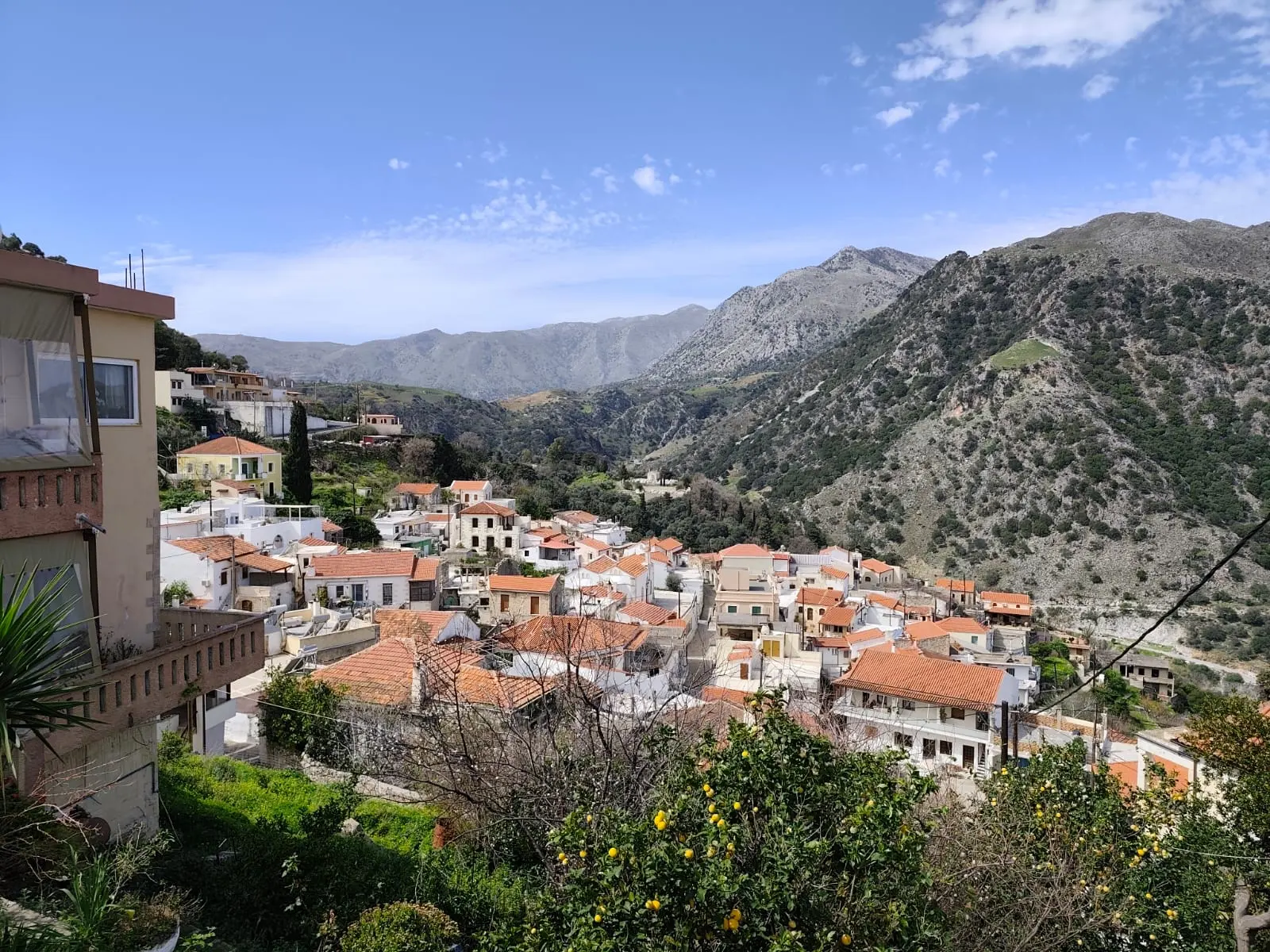
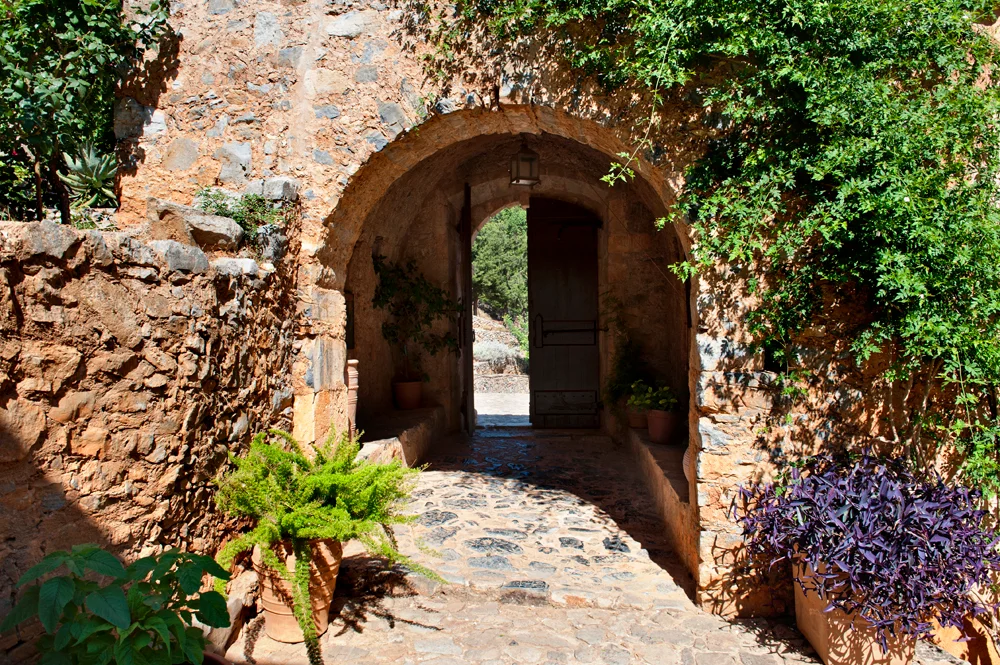
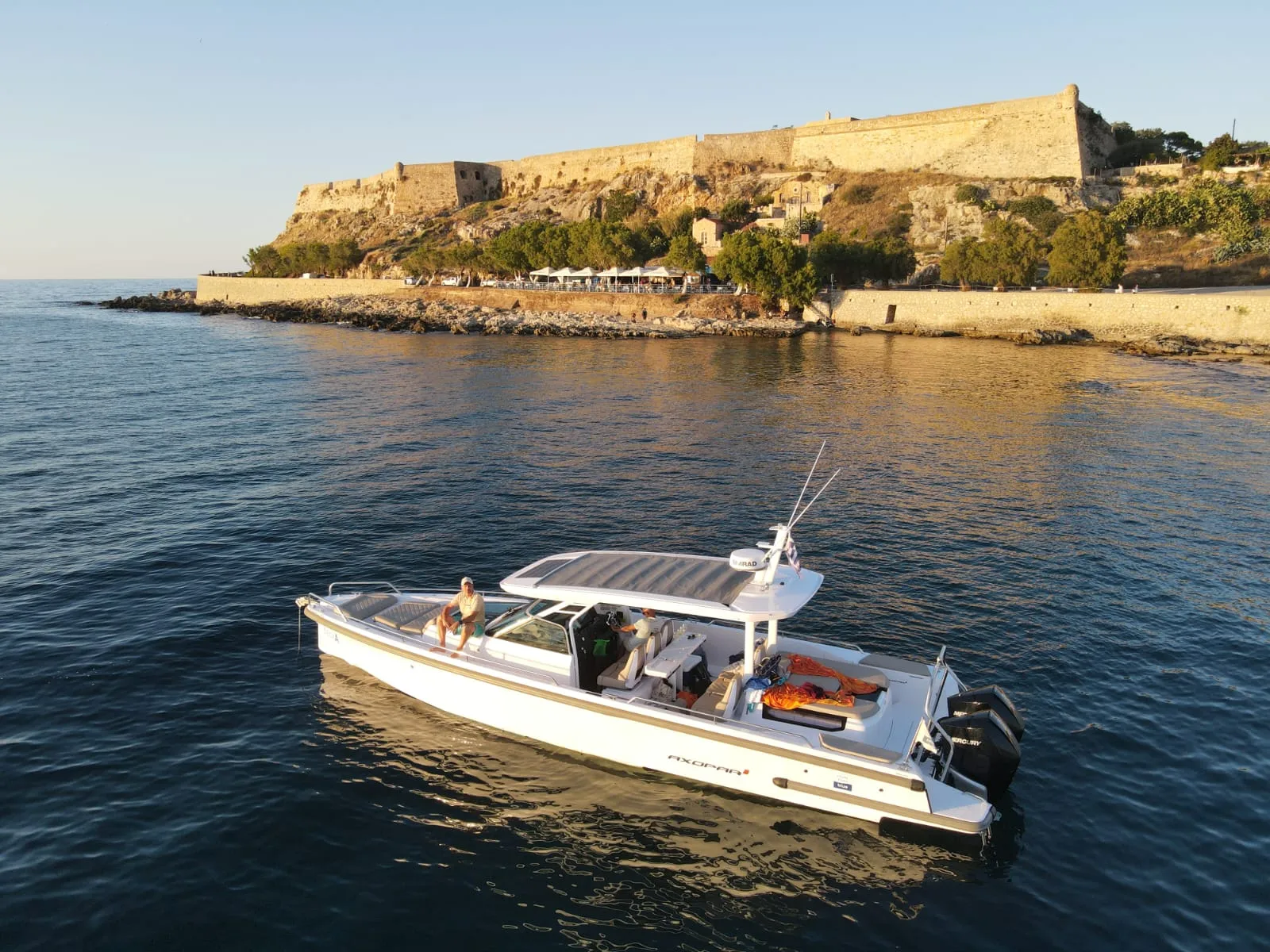
Rethymno like a local
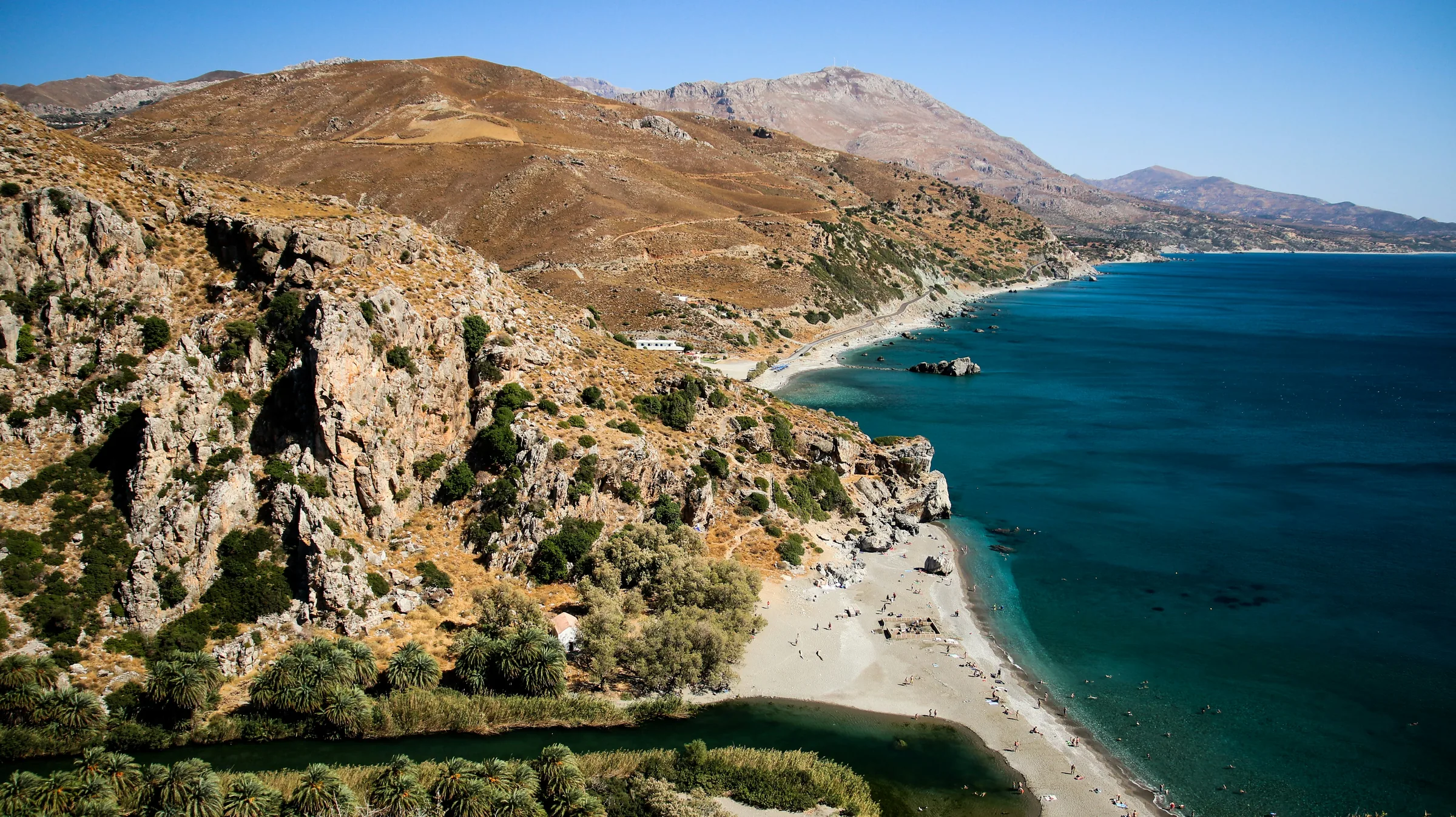
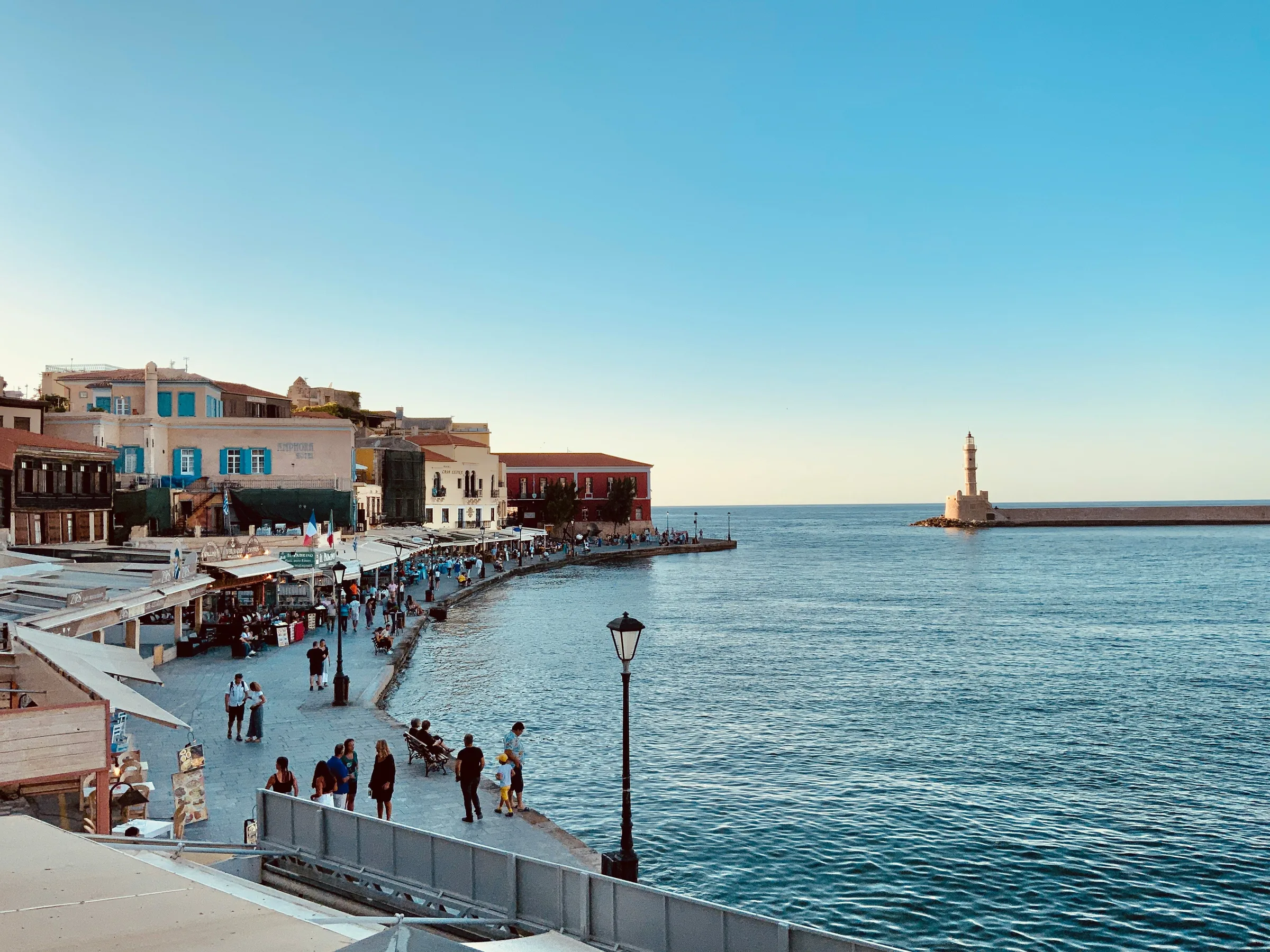
From the Venetian harbour to Preveli palm beach, here are insider picks for Rethymno.

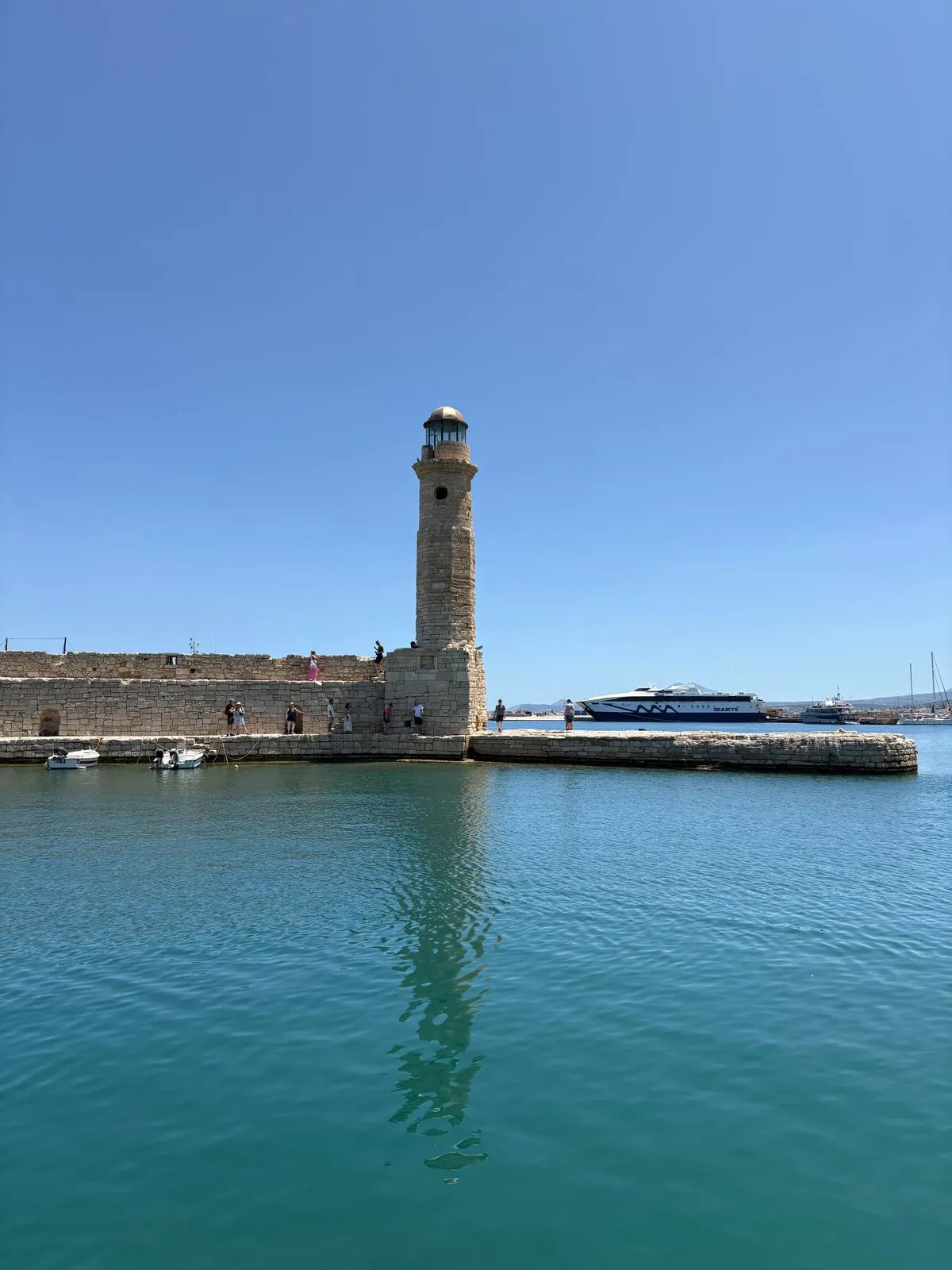
Rethymno like a local
From the Venetian harbour to Preveli palm beach, here are insider picks for Rethymno.


Let Rethymno come to you
Sign up to get authentic stories, travel tips, and new experiences
By entering my email, I agree to receive marketing notifications from travel & do.