The Ultimate Guide to Unforgettable Things to Do in Rethymno, Crete
Rethymno is more than just a destination; it is an experience that unfolds in layers. Nestled on the northern coast of Crete, halfway between Chania and Heraklion, this city is a captivating blend of history, culture, and coastal beauty. It is a place where the echoes of Venetian and Ottoman rule resonate through labyrinthine streets, where the mountains meet the sea in a dramatic display of nature, and where the warmth of Cretan hospitality is as radiant as the Mediterranean sun.
Unlike the more famous resort towns that line the Greek islands, Rethymno has managed to preserve an authentic identity, one that reveals itself slowly to those who take the time to look. This guide is designed to be more than a simple list of attractions; it is an invitation to explore Rethymno meaningfully, to understand its rhythms, and to discover the experiences that make it truly unforgettable.
What is Rethymno best known for? A quick overview
Rethymno's allure lies in its remarkable diversity. For the traveler seeking a quick orientation, the city is best known for several key attributes that define its character.
What Rethymno is best known for
The Enchanting Venetian Old Town
A beautifully preserved labyrinth of narrow alleys, Renaissance mansions, and historic monuments, all crowned by the magnificent Fortezza.
History buffs · slow travellers
A 13-Kilometer Sandy Beach
A vast expanse of golden sand stretching east from the city, offering a convenient and lively seaside experience.
Families · easy beach days
Authentic Cretan Gastronomy
A rich culinary scene that celebrates local produce, traditional recipes, and the iconic spirit of raki.
Foodies · culture lovers
A Perfect Base for Exploration
Its central location makes it an ideal starting point for venturing into Crete's mountains, gorges, and idyllic south coast.
Road trippers · explorers
Step Back in Time: Exploring Rethymno's Venetian Old Town
To wander through Rethymno's Old Town is to walk through the pages of history. Venetian-era stone facades meet ornate Ottoman wooden balconies in a unique fusion that rewards slow, deliberate exploration over a hurried checklist.
The Majestic Fortezza: a citadel with a view
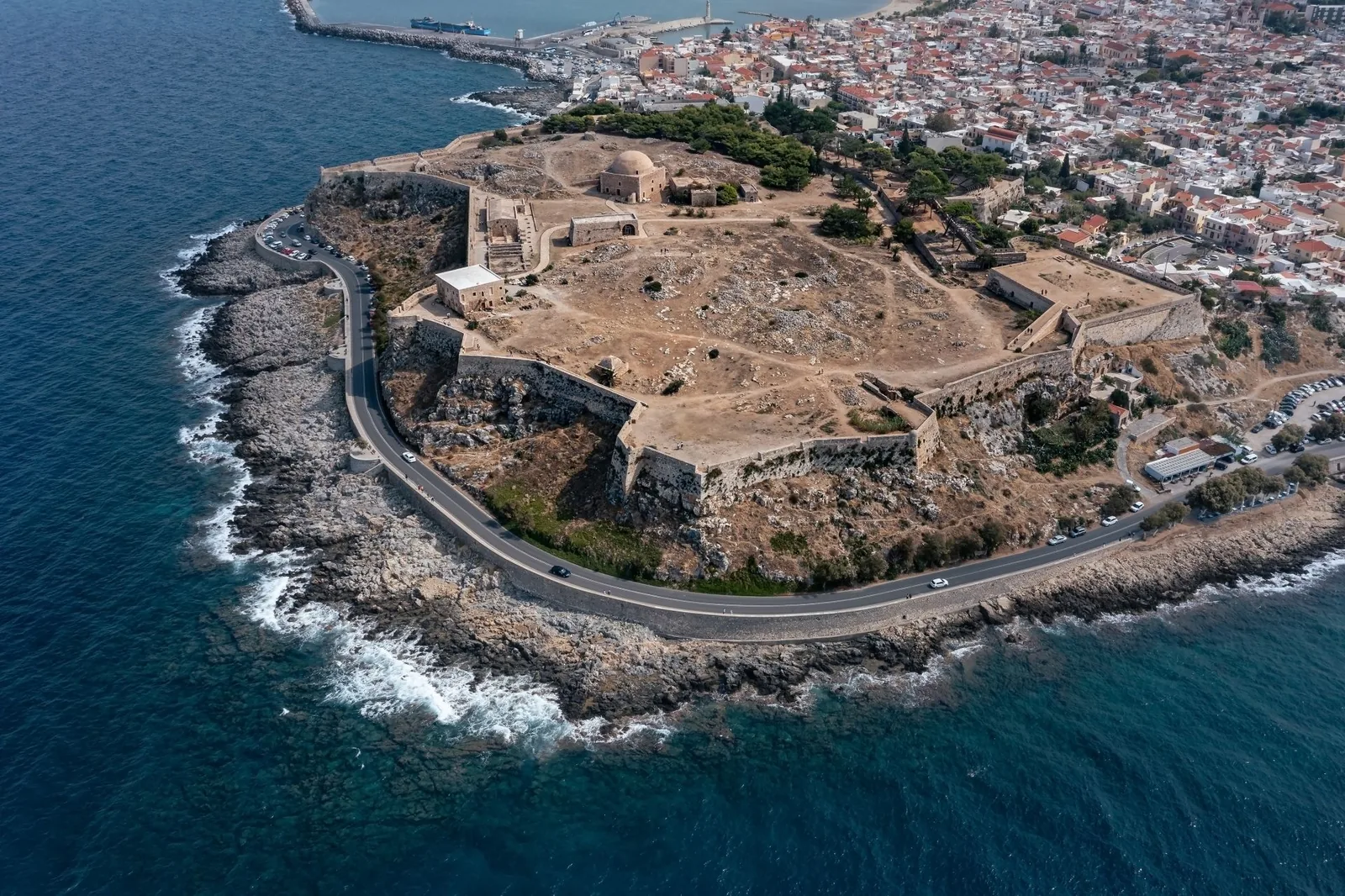
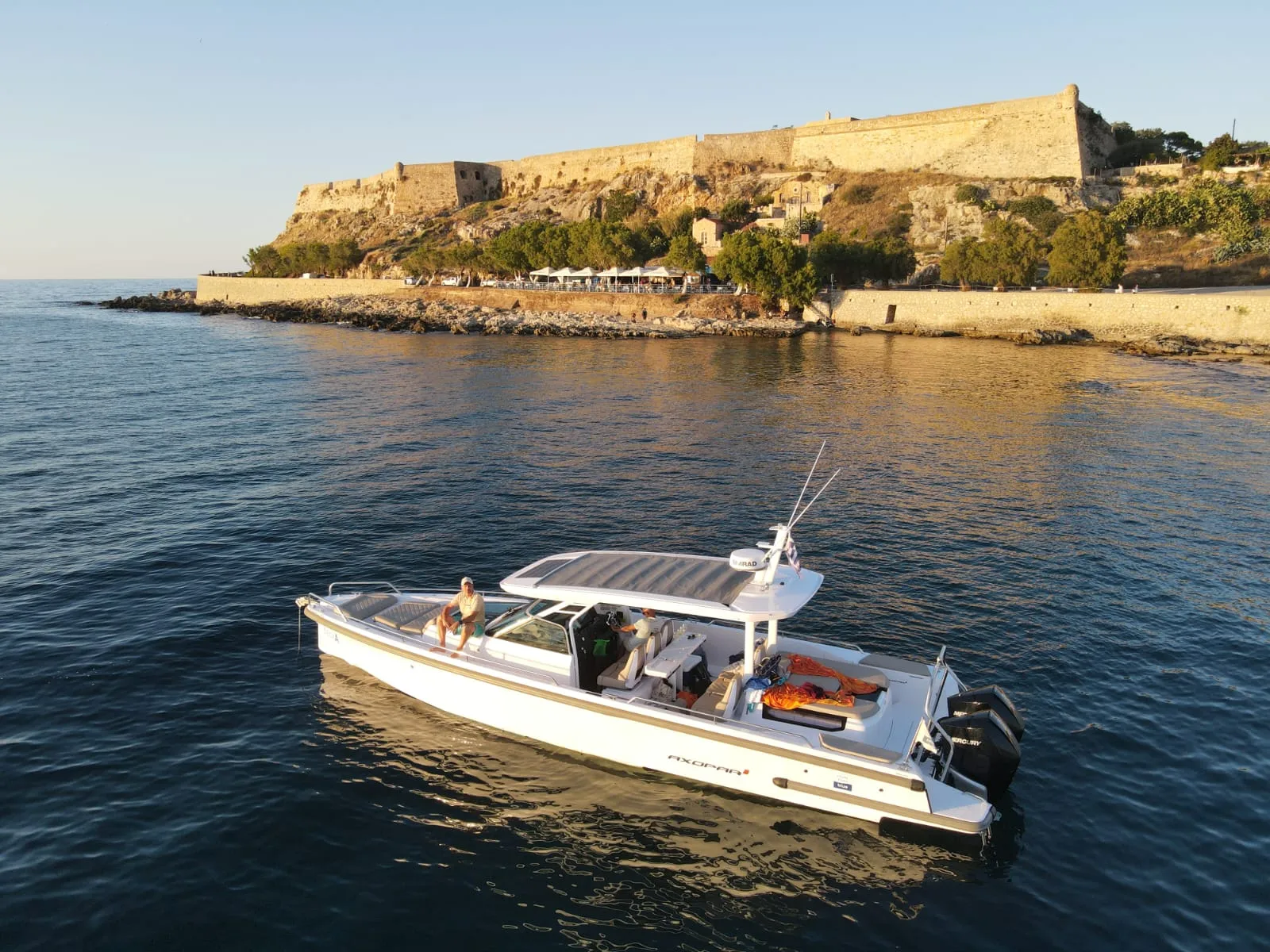
Dominating the city from its perch on Paleokastro hill, the Fortezza is Rethymno's most iconic landmark. Built by the Venetians in 1573, this massive fortress was designed to protect the city from pirate raids and the looming Ottoman threat. Exploring its bastions, ramparts, and underground munitions vaults requires at least a couple of hours, but the reward is a profound sense of history and some of the most breathtaking panoramic views in Crete.
Inside the walls, the Mosque of Sultan Ibrahim, converted from the original Cathedral of St. Nicholas after the Ottoman conquest, stands as a testament to the city's layered past. Go inside to see the beautiful dome and the mihrab, a niche that points towards Mecca. The Fortezza is open daily, from 8:00 to 20:00 in summer and 8:00 to 17:00 in winter.
Insider Tip: Visit the Fortezza in the late afternoon. The golden hour light is perfect for photography, and you can watch a spectacular sunset over the Cretan Sea. For a drink with a view, find a table at the "Sunset Bar" located on the sea wall just below the fortress.
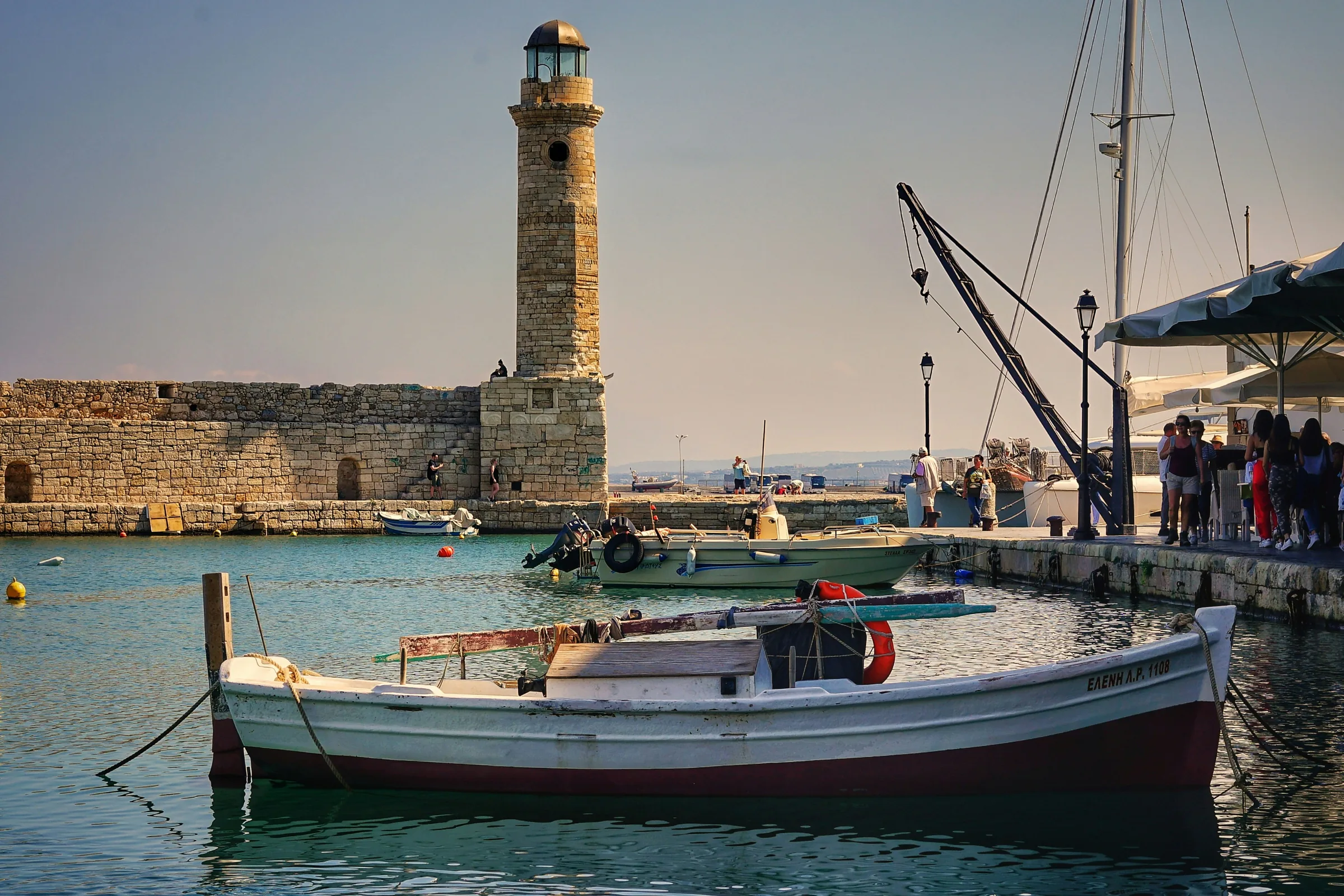
The picturesque Venetian Harbor & Lighthouse
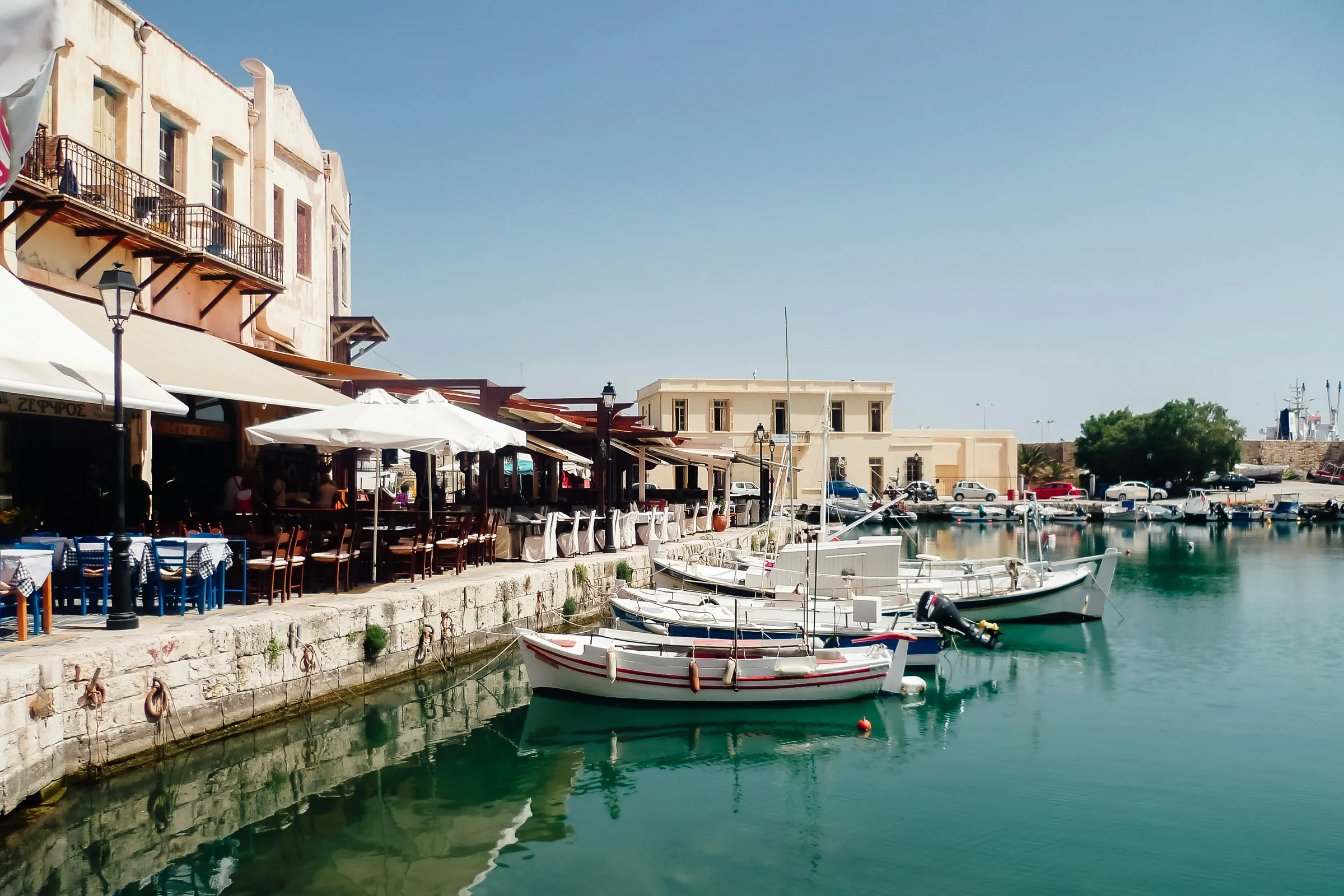
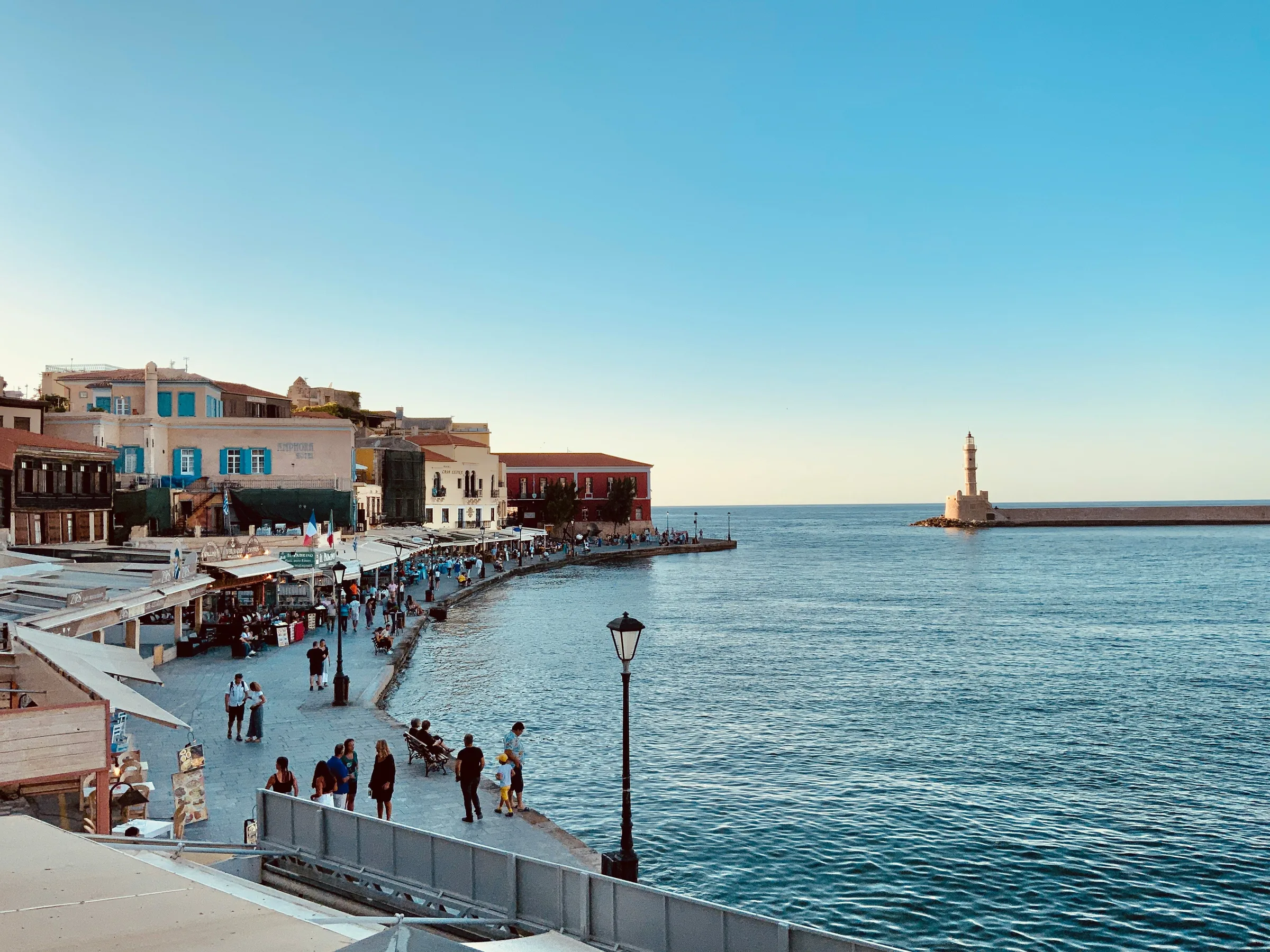
The Venetian Harbor is the jewel of Rethymno's waterfront. A crescent of colorful buildings houses a lively array of fish restaurants and cafes, their tables spilling out onto the promenade. Brightly painted fishing boats bob gently in the water, creating a postcard-perfect scene.
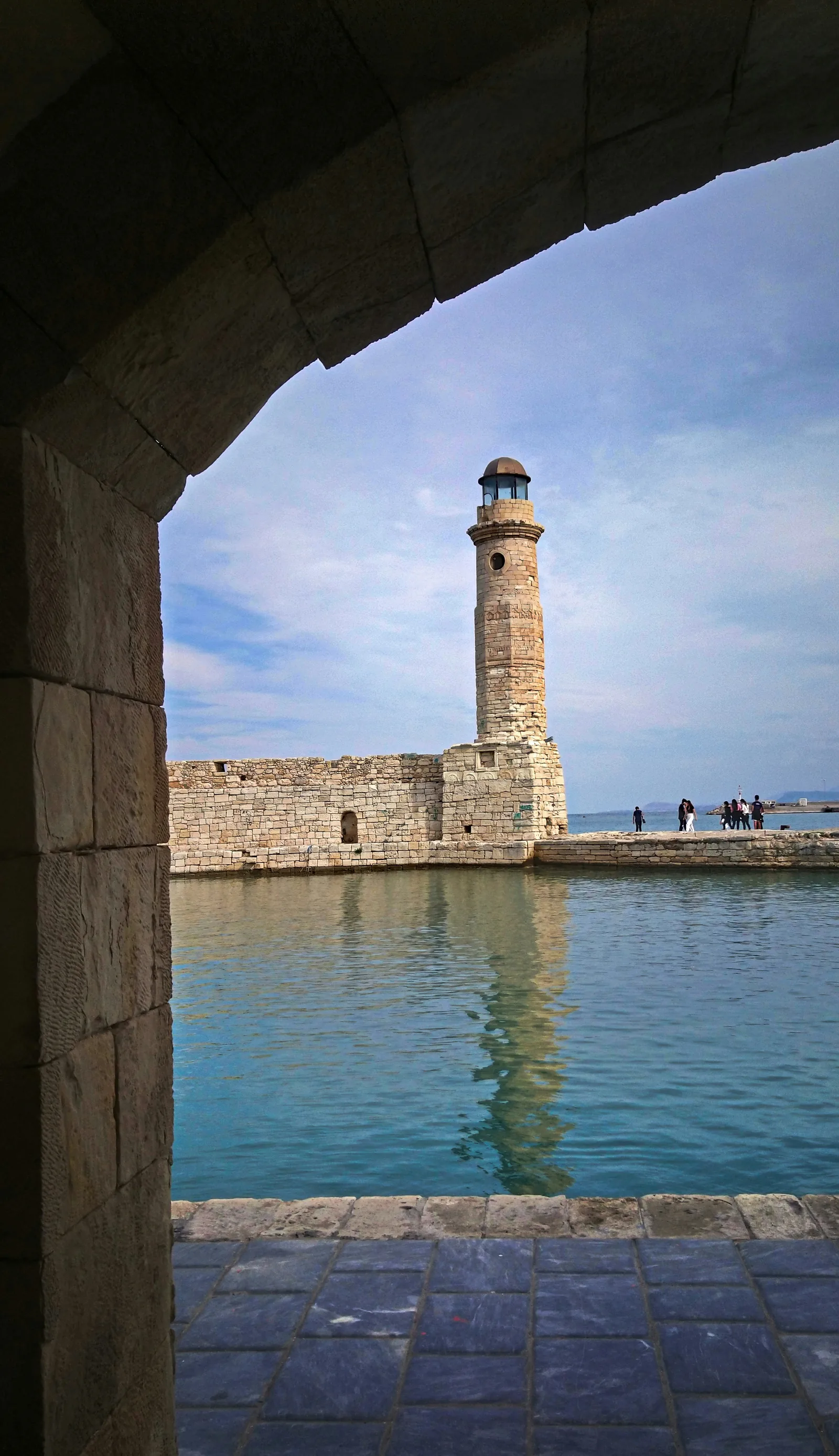
A walk along the harbor wall leads to the iconic 19th-century lighthouse, built by the Egyptians during a brief period of control after the Ottoman cession. Look closely at its top to spot intricate carved symbols. The harbor's atmosphere is vibrant and romantic, especially as dusk settles and the lights begin to twinkle.
Insider Tip: While the harbor restaurants offer unparalleled scenery, the most authentic and often better-value dining experiences are found in the backstreets of the Old Town. Enjoy a pre-dinner drink by the water, then venture into the maze of alleys to find a traditional taverna for your main meal.
The heart of the Old Town: Rimondi Fountain & Porta Guora
At the social and historical heart of the Old Town lies Petychaki Square, home to the elegant Rimondi Fountain. Built in 1626 by the Venetian governor of the same name, its three Corinthian columns and lion-head spouts still provide fresh, cool drinking water, you can fill your water bottle here for free, just as locals have done for centuries.
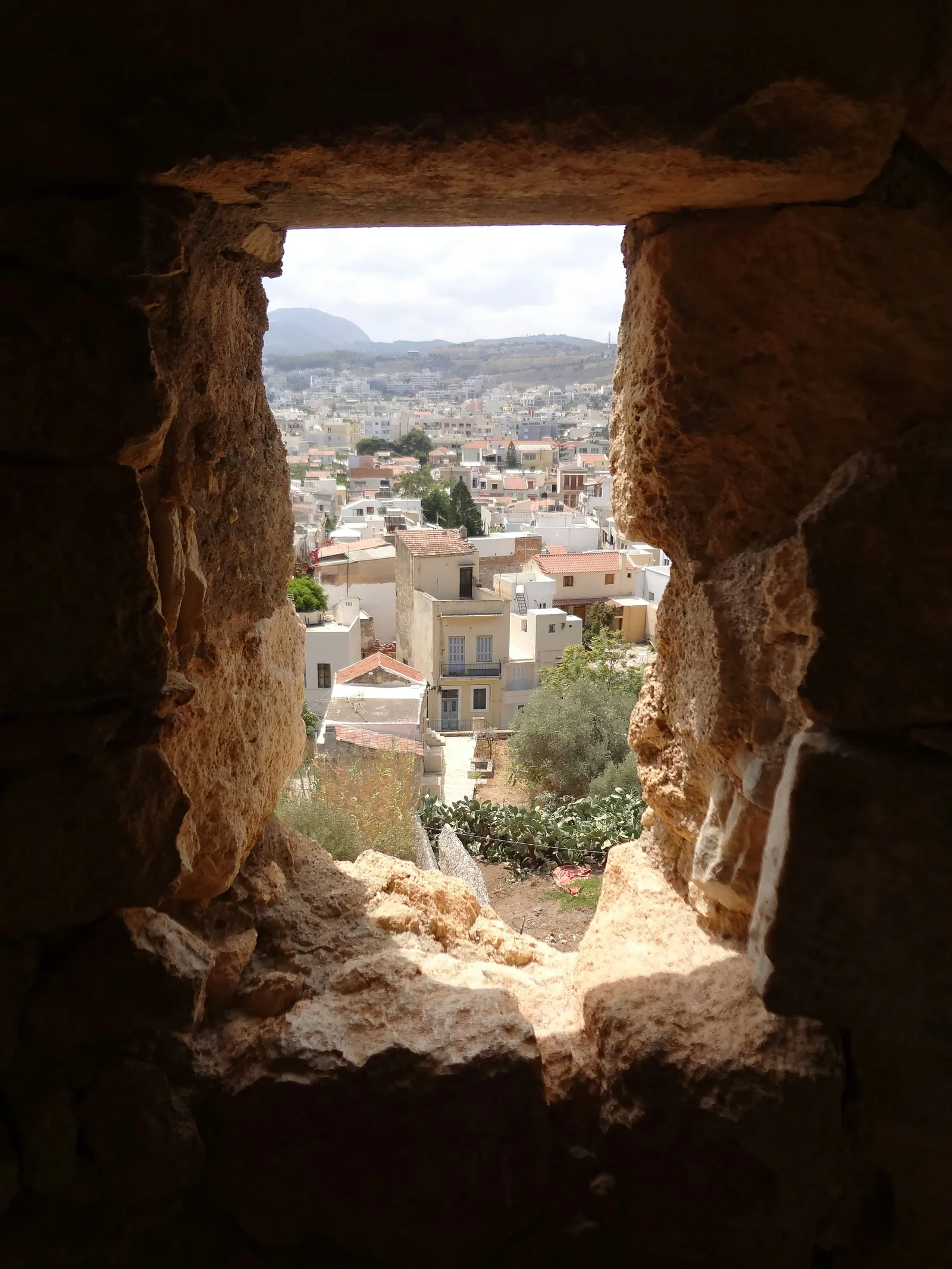
Nearby, the 27-meter minaret of the Neratze Mosque, originally the Church of Santa Maria, pierces the skyline and now houses a music conservatory. Not far away, the Porta Guora, or "Great Gate," stands as the sole surviving remnant of the city's 16th-century defensive walls. Passing through this grand archway feels like a true entry into the historical core of Rethymno.
Sun, Sand and Sea: The Best Beaches In and Around Rethymno
Rethymno's coastline offers a diverse array of beaches, from the long, organized city beach to secluded, wild coves on the remote south coast. Whether you seek convenience and amenities or natural beauty and solitude, you will find a stretch of sand or pebble to suit your taste.
| Beach | Vibe & Setting | Best For | Facilities |
|---|---|---|---|
| Rethymno City | Lively, convenient, long and sandy | Families, non-drivers, accessibility | Fully organized |
| Preveli | Exotic, unique, palm forest river lagoon | Adventurous travelers, nature lovers | None (wild beach) |
| Plakias | Developed resort, spacious bay | All-around beach day, water sports | Fully organized |
| Damnoni | Relaxed, sheltered bay | Calm swimming, families | Organized sections |
| Triopetra | Dramatic, wild, huge rock formations | Escaping crowds, dramatic landscapes | Partially organized |
| Skinaria | Small cove, crystal-clear water | Snorkeling and diving | Partially organized |
The convenient city beach
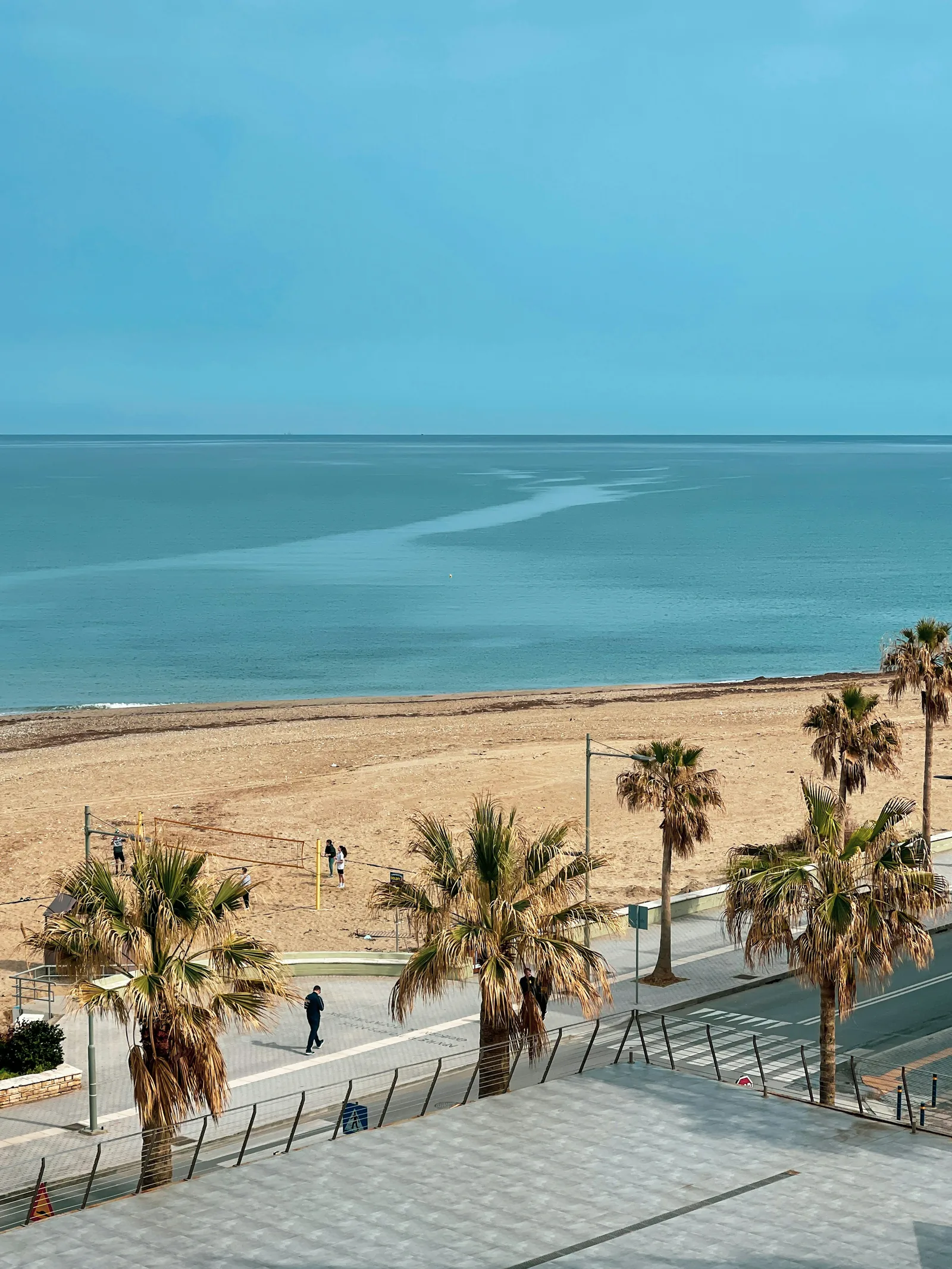
Stretching for an impressive 13 kilometers to the east of the Old Town, Rethymno's city beach is a hub of activity. Its golden sands and shallow, calm waters make it an ideal spot for families. The beach is fully organized, with countless sunbeds, umbrellas, and lifeguards on duty during summer.
The promenade is lined with hotels, restaurants, and beach bars, ensuring that every convenience is just a few steps away. It is the perfect choice for travelers staying in town who want an easy and accessible beach day without the need for a car.
The legendary south coast: Preveli Beach
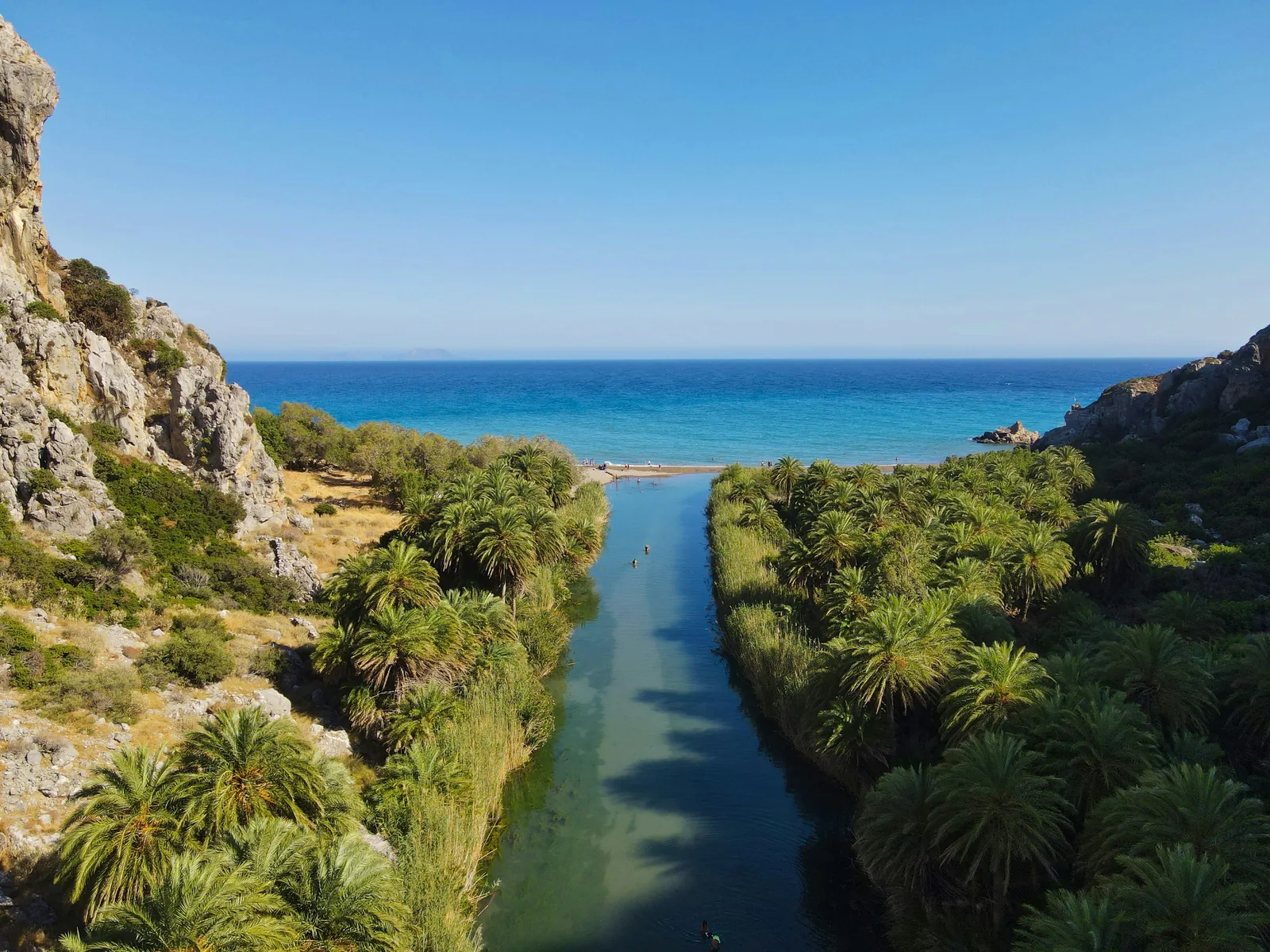
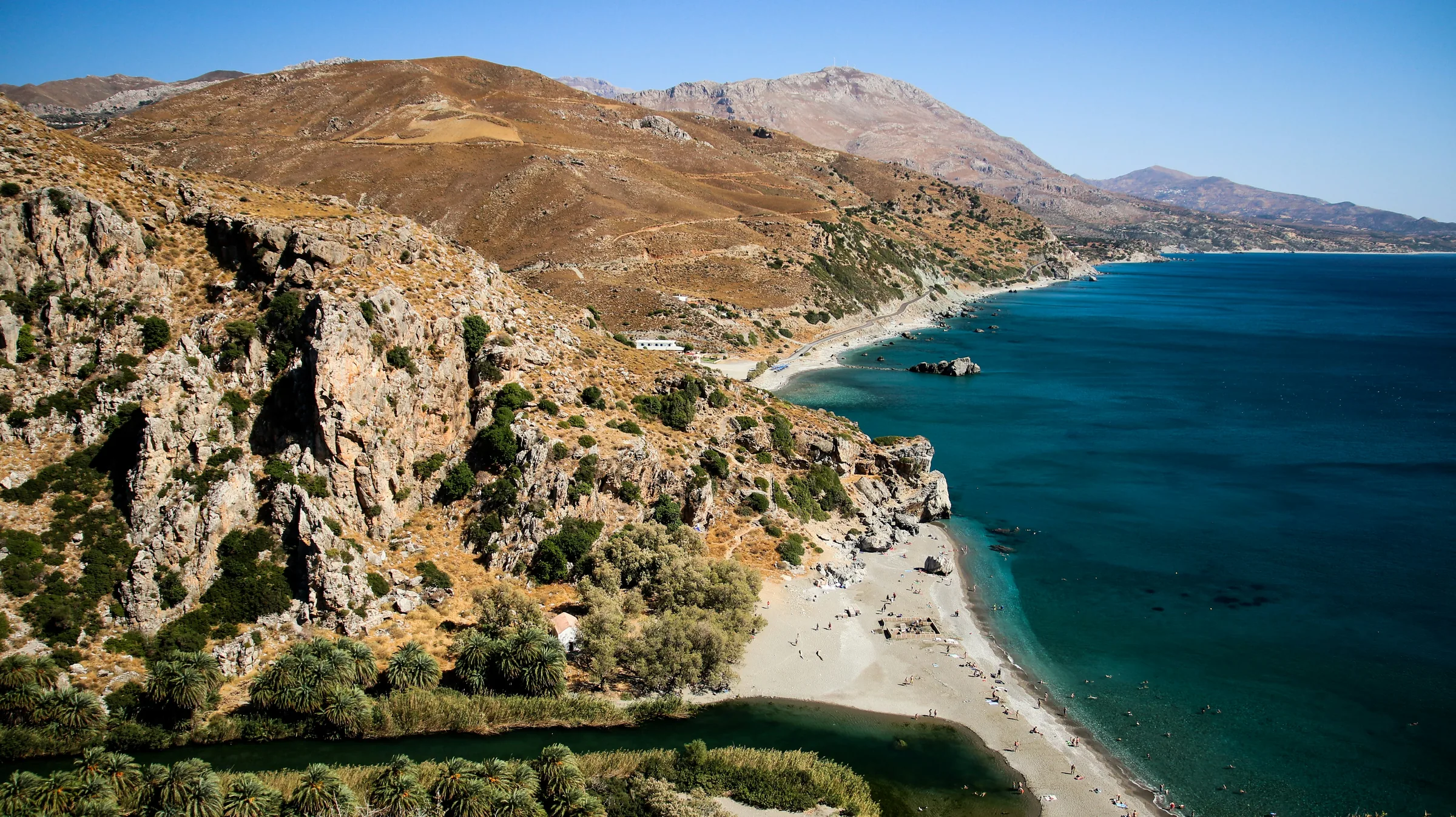
A journey to Preveli Beach is an adventure in itself. Located 46 kilometers south of Rethymno, this is arguably one of the most iconic and beautiful beaches in all of Crete. Here, the Kourtaliotiko River flows through a lush palm forest before emptying into the Libyan Sea, creating a unique, tropical-like lagoon.
The beach is a stunning, wild cove of sand and pebbles, backed by the palm-filled gorge. There are no facilities here, which preserves its natural, unspoiled beauty.
Insider Tip: Reaching Preveli requires some effort. You can either drive and face a steep 15–20 minute walk down (and back up) a cliffside path, or you can take a more leisurely boat trip from the nearby coastal villages of Plakias or Agia Galini.
A tale of two beaches: Plakias and Damnoni
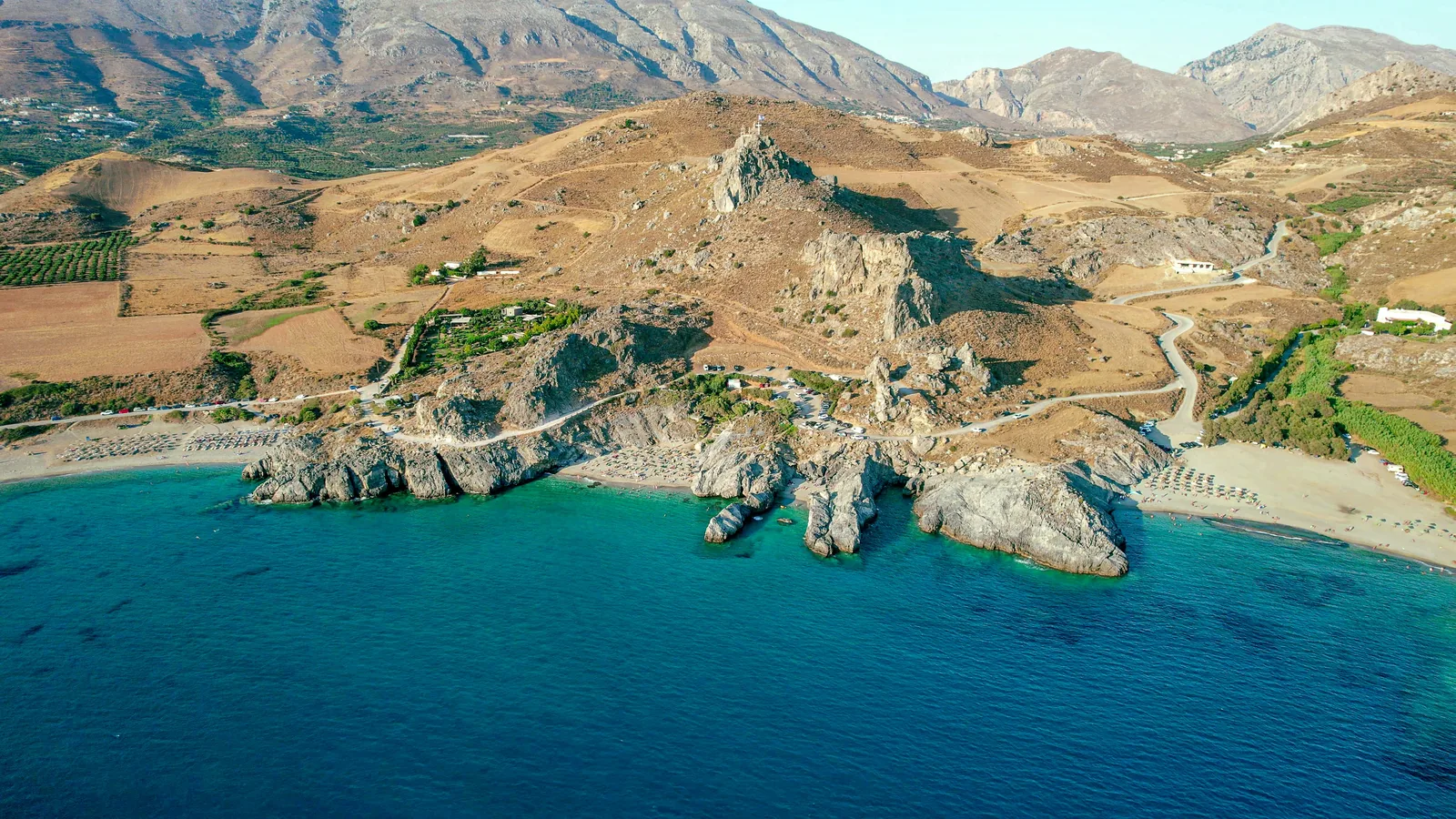
Also on the south coast, the neighboring beaches of Plakias and Damnoni offer different experiences. Plakias is a large, sweeping bay with a well-developed resort town, offering a wide range of tavernas, cafes, and water sports.
Just a short drive away, Damnoni is a more sheltered and relaxed bay, with several organized sections and calm, turquoise waters that are perfect for a peaceful swim. Both are excellent alternatives to Preveli for travelers who prefer more amenities.
A Journey Through History: Cultural & Historical Experiences
While the Old Town is a living museum, Rethymno's cultural significance extends far beyond its Venetian walls. The surrounding region is dotted with sites that offer profound insights into the Cretan spirit of resilience, faith, and artistry.
The sacred Arkadi Monastery: a symbol of Cretan resistance
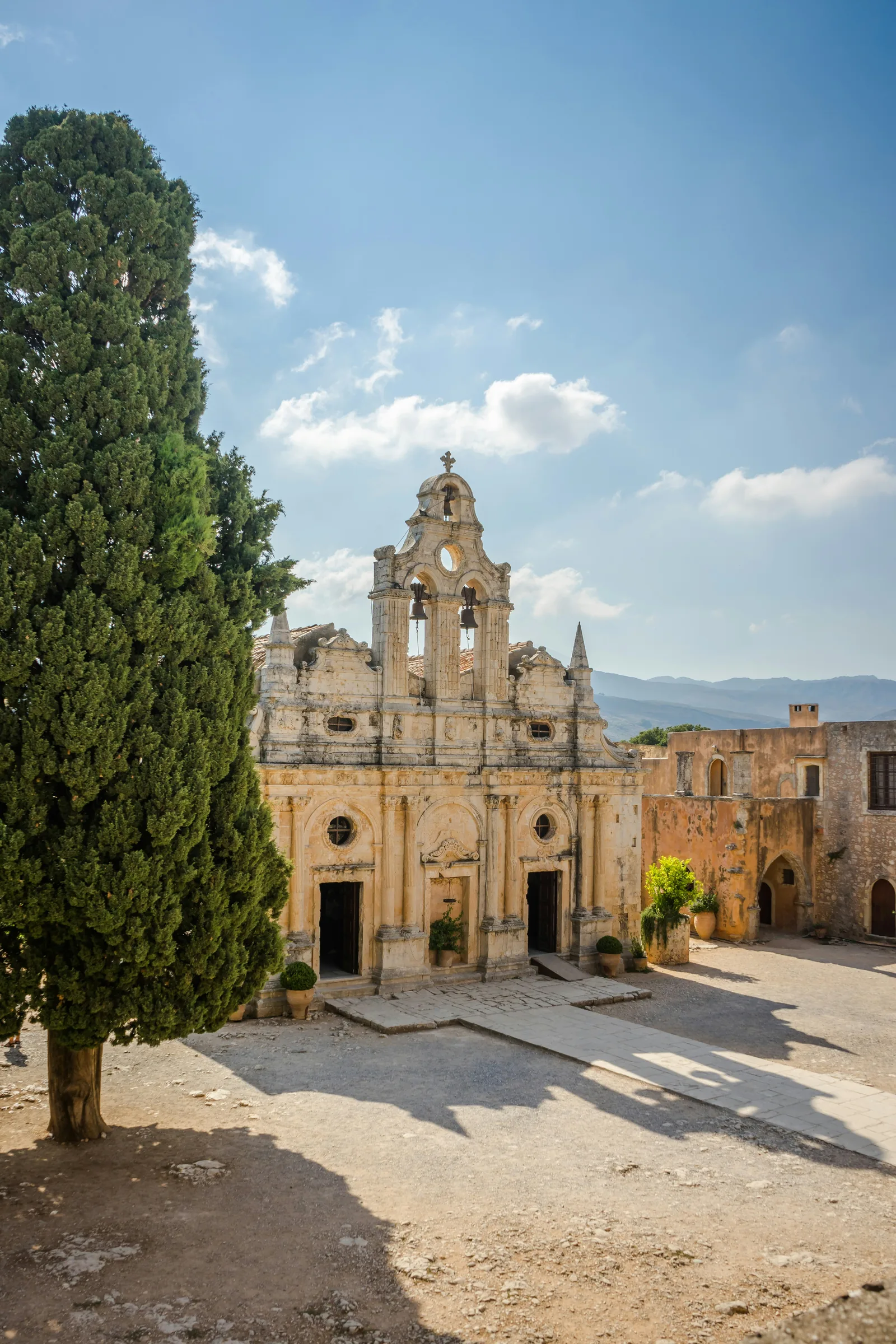
Located 23 kilometers southeast of Rethymno, the Arkadi Monastery is not just a beautiful 14th-century religious site; it is the most important national monument in Crete. Its significance stems from a tragic event during the 1866 rebellion against Ottoman rule.
Hundreds of Cretan men, women, and children took refuge in the monastery. Rather than surrender to the surrounding Turkish army, they chose to ignite the gunpowder stores, sacrificing themselves in a heroic act of defiance that sent shockwaves across Europe and garnered international support for Cretan independence.
A visit here is a moving experience, offering a deep connection to the island's turbulent history and the unwavering spirit of its people. The monastery's beautiful Venetian baroque church is a highlight, and buses run daily from Rethymno.
The ancient city of Eleutherna
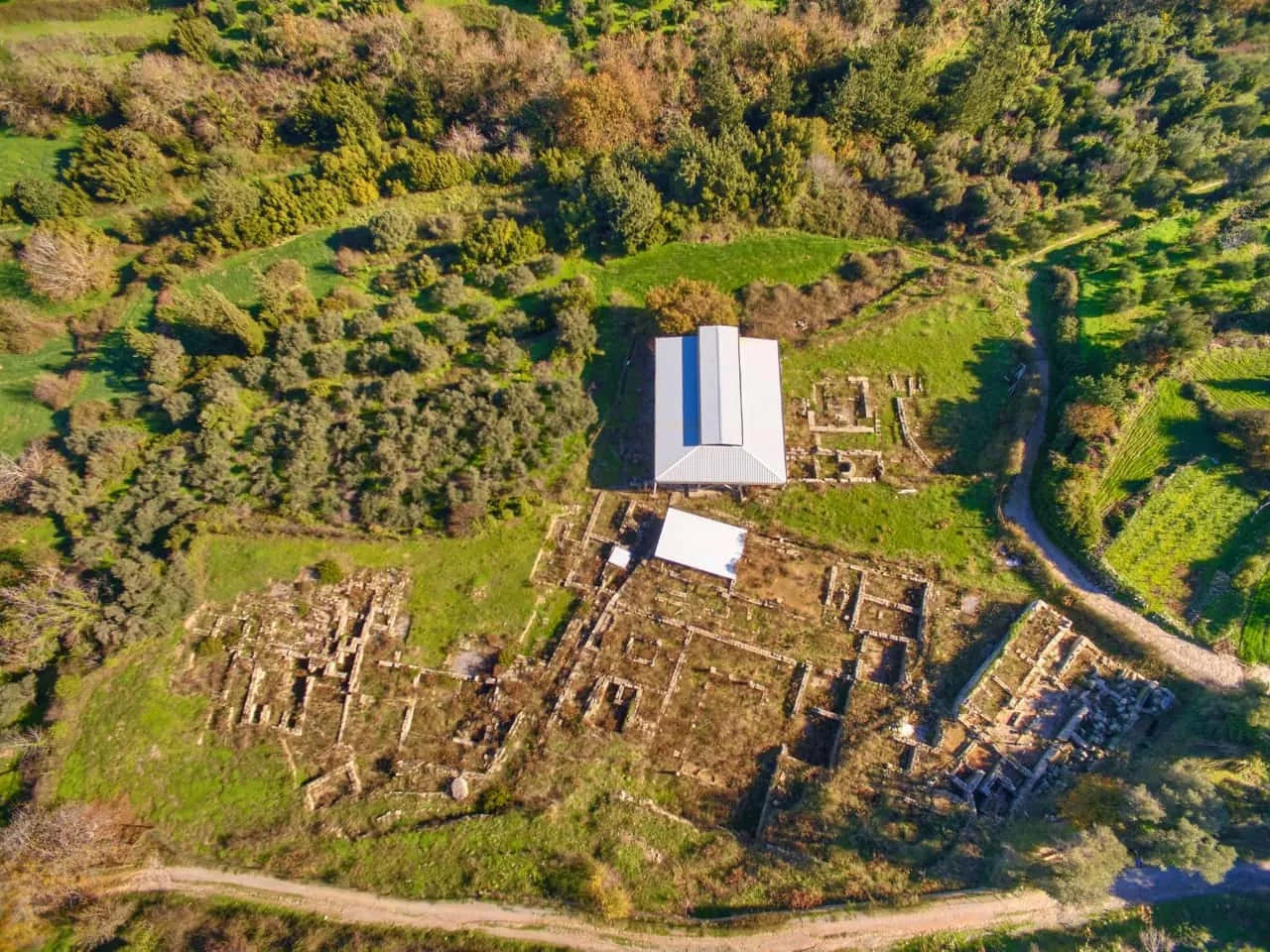
For a journey into even deeper history, the archaeological site of Eleutherna is a must-visit. Inhabited from the Bronze Age to the Byzantine era, this ancient city-state was one of the most important in Crete. Excavations have unearthed a wealth of treasures, including a necropolis with finds reminiscent of Homeric burial rites.
The adjacent Museum of Ancient Eleutherna, opened in 2016, is a modern marvel that brilliantly showcases the site's history and artifacts. It is the first archaeological site museum in Crete, comparable in concept to those at Olympia and Delphi.
Insider Tip: A visit to Eleutherna can be easily combined with a trip to the nearby pottery village of Margarites, creating a day trip rich in both ancient history and living tradition.
A Taste of Crete: Food, Wine, and Local Rhythms
To truly understand Rethymno, you must taste it. Cretan gastronomy is a celebration of fresh, seasonal produce and a testament to philoxenia (hospitality), where sharing a meal is an act of friendship and generosity.
The art of Cretan cuisine: what to eat
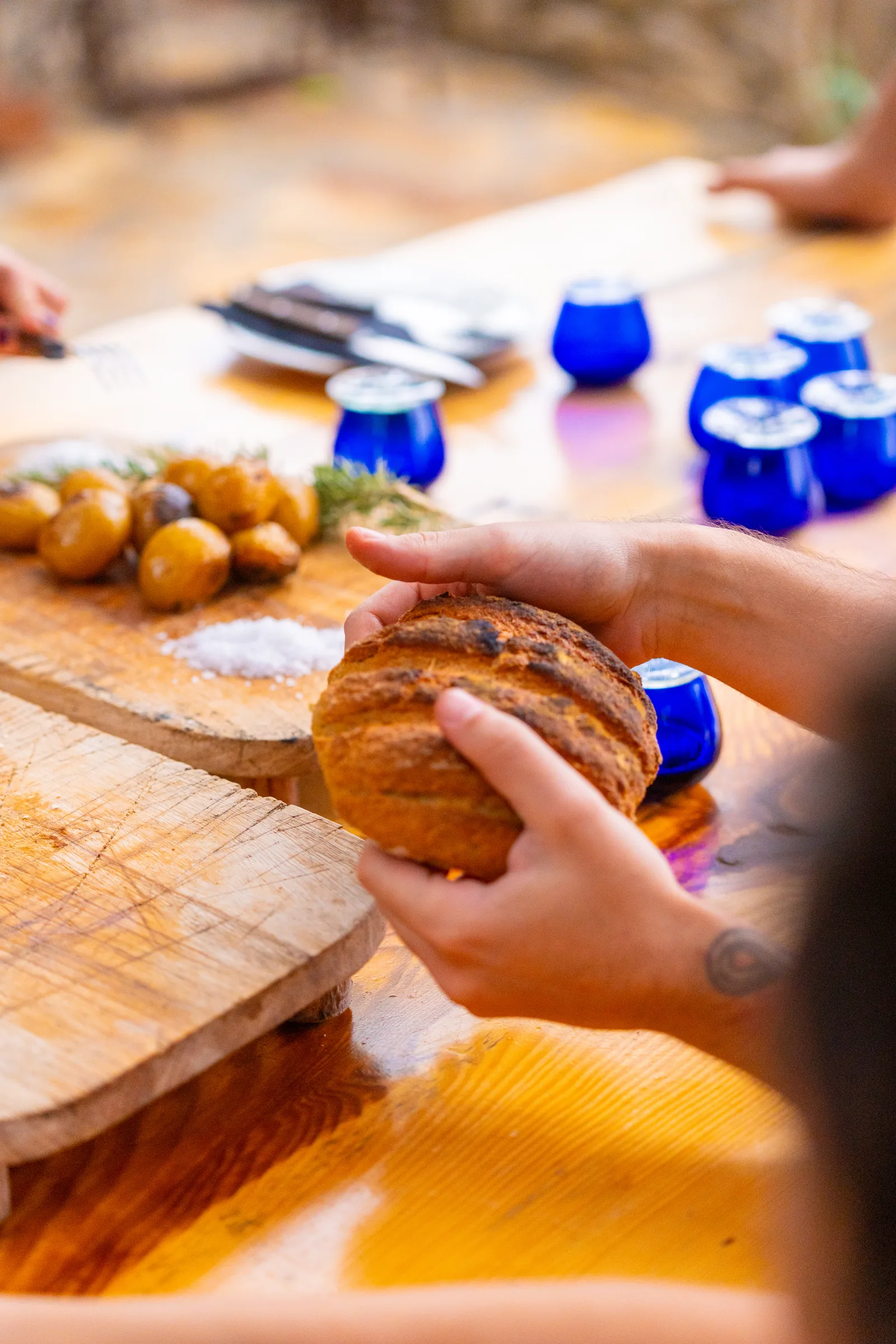
The flavors of Crete are pure and honest. Look for traditional tavernas that serve dishes made with locally sourced ingredients. Must-try specialties include Dakos, a barley rusk topped with chopped tomatoes, mizithra cheese, and drizzled with extra-virgin olive oil; Apaki, smoked and salted pork seasoned with local herbs; Kalitsounia, small cheese or herb pies; and, of course, the freshest seafood imaginable, often grilled simply with lemon and herbs.
Don't miss the chance to sample local cheeses like graviera and mizithra, or to try a traditional boureki (a layered zucchini and potato pie).
The culture of raki (tsikoudia)
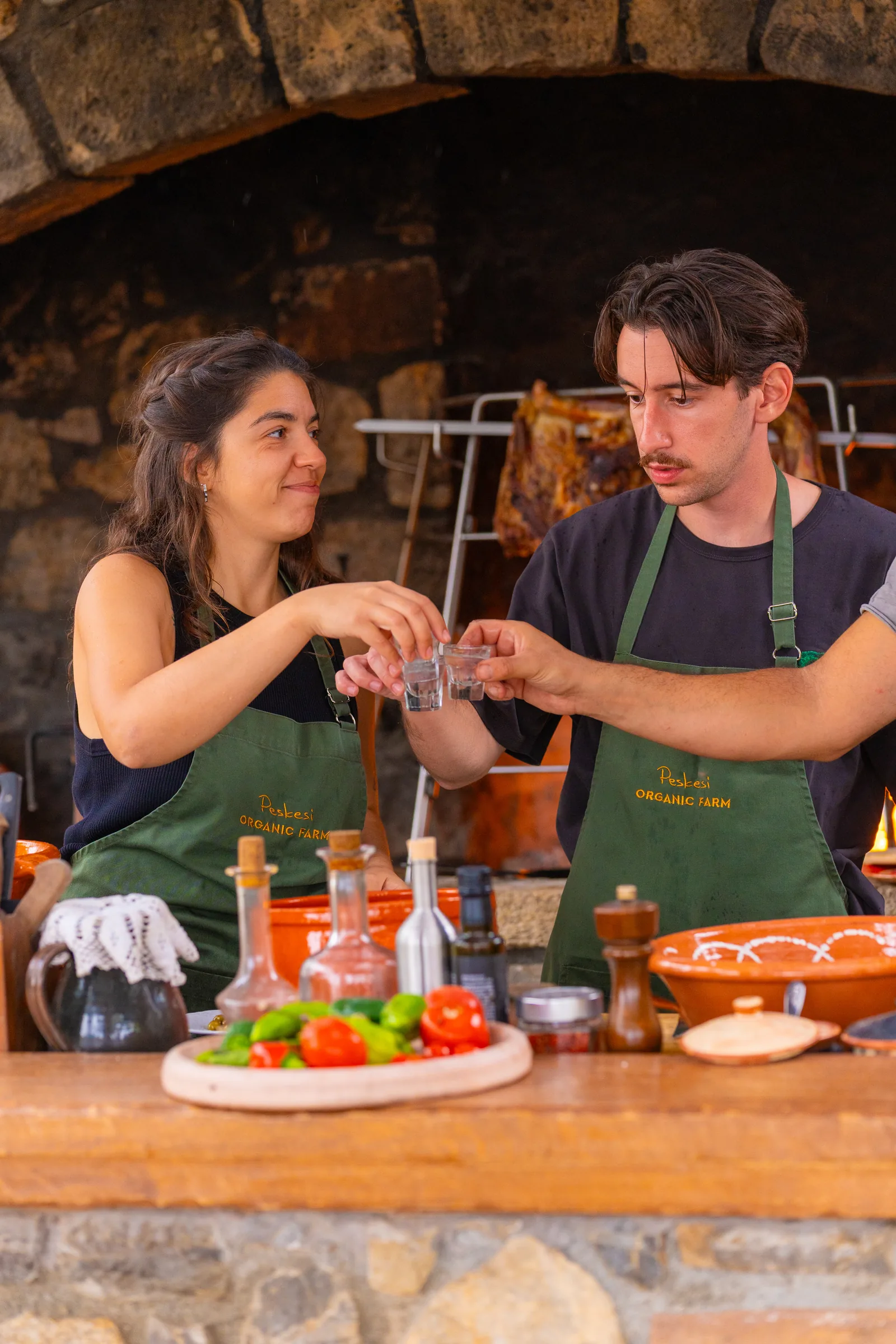
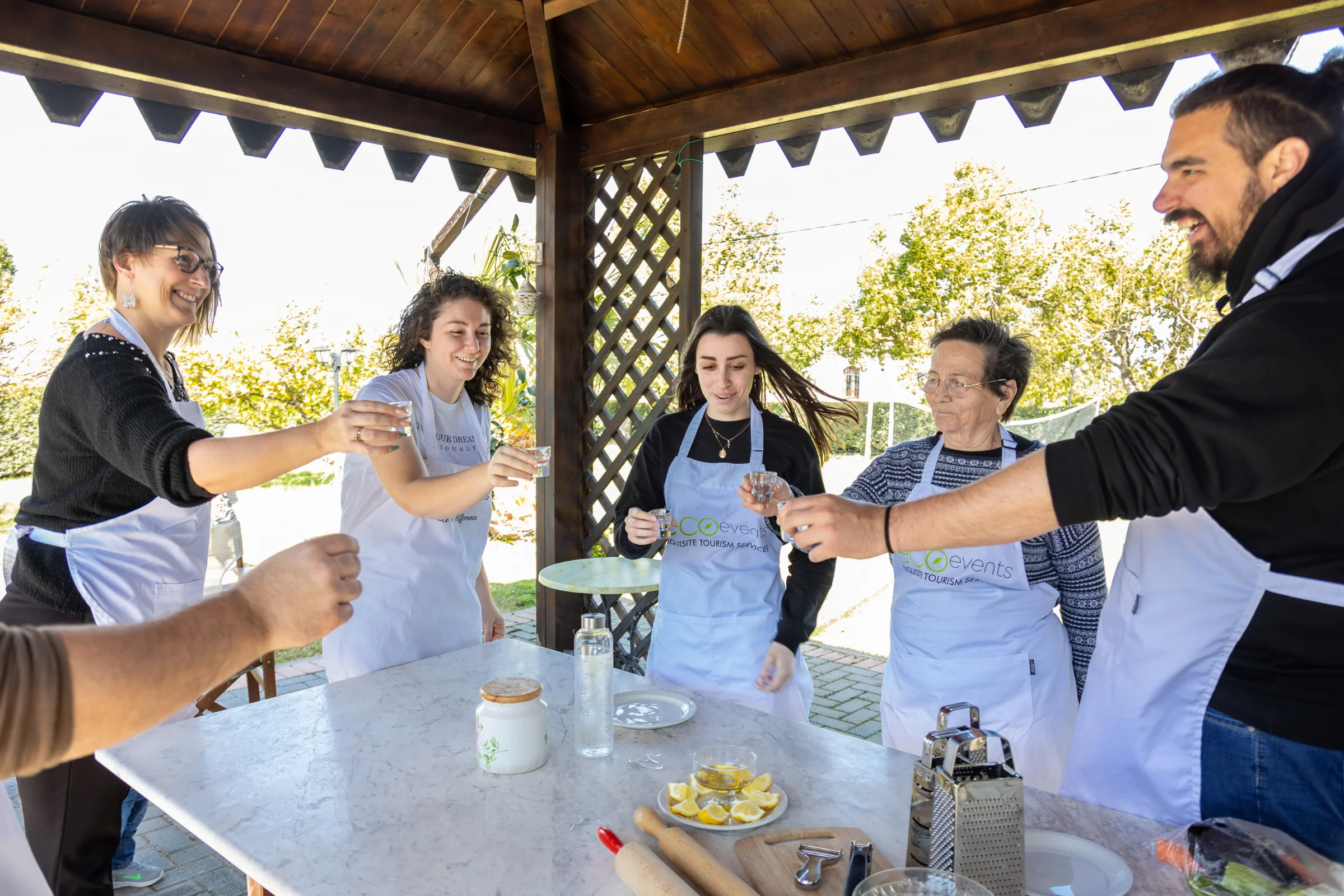
In Crete, no meal is truly complete without a small bottle of raki (also known as tsikoudia). This potent, grape-based spirit is more than just a drink; it is a symbol of social connection and hospitality. It is almost always served complimentary at the end of a meal, often accompanied by a small dessert or fresh fruit.
To be offered raki is to be welcomed. The clinking of glasses and the shared toast of "Yamas!" (To our health!) is an essential part of the Cretan dining experience.
A special type of restaurant, the rakadiko, is dedicated to serving raki alongside a variety of small plates, or meze. In Rethymno's Old Town, Raki Ba Raki is a beloved example, offering creative interpretations of traditional Cretan sharing dishes.
The Rethymno Market & Souliou Street
For a vibrant slice of local life, visit the weekly farmers' market. Here, you will find a colorful abundance of fresh fruits, vegetables, local honey, cheeses, and aromatic herbs. It is a feast for the senses and a great place to see the ingredients that form the foundation of Cretan cuisine.
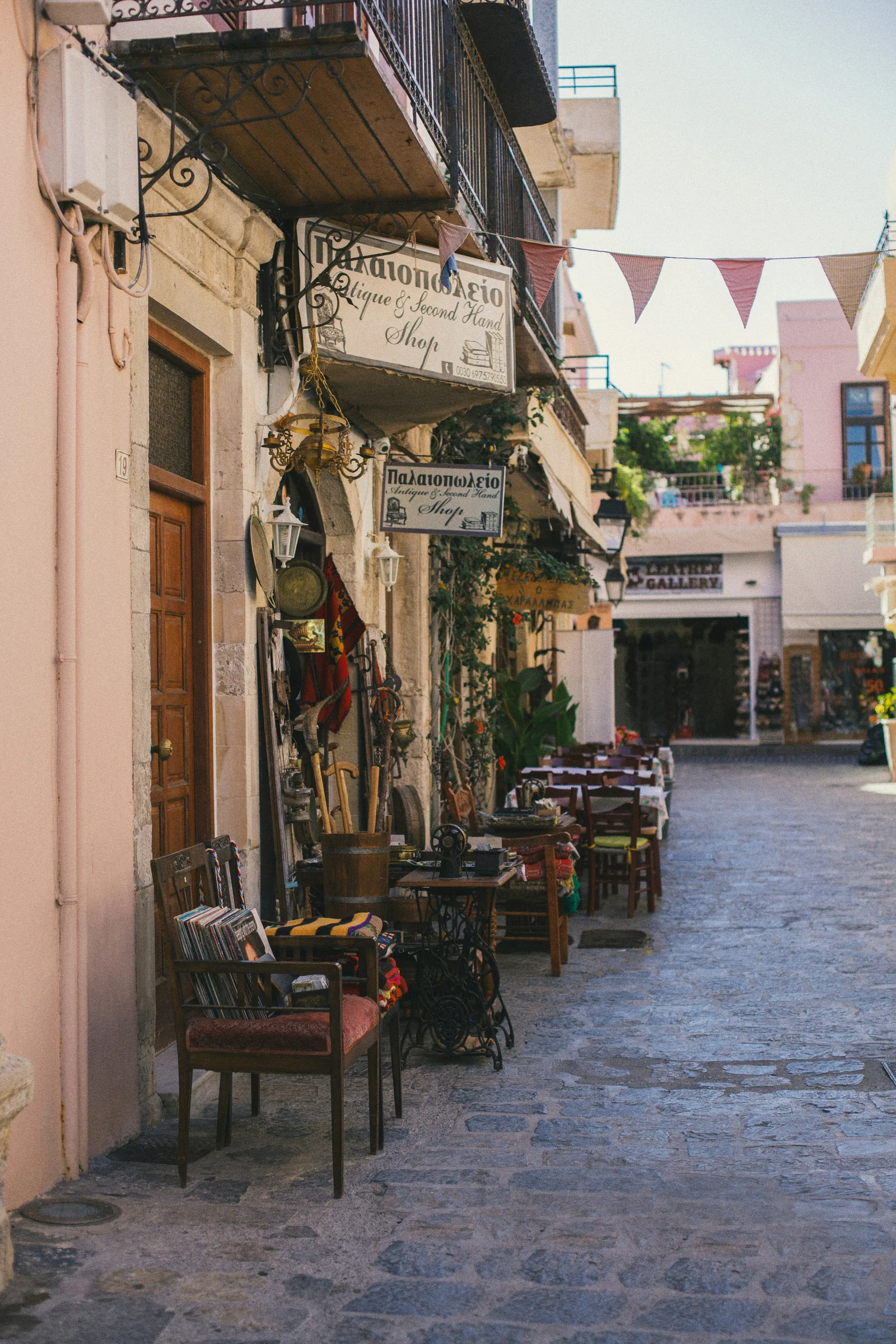
For a different kind of shopping, wander down Souliou Street in the Old Town. This is the best place to find high-quality souvenirs and artisan crafts, from handmade leather goods and jewelry to intricate pottery and products made from local olive oil.
Into the Wild: Nature & Outdoor Activities
Rethymno's appeal extends far beyond its historic urban core. The region's hinterland is a paradise for nature lovers, offering rugged gorges, verdant valleys, and traditional mountain villages that reveal the island's raw, untamed beauty.
Hiking the gorges: Mili and Kourtaliotiko
Crete is famous for its gorges, and Rethymno provides access to some of the most impressive. For a relatively easy and enchanting walk, the Mili Gorge is an excellent choice. Located just seven kilometers from the city, this green oasis follows a stream that once powered over 30 watermills. The four-kilometer path winds past the atmospheric ruins of these mills, small churches, and lush vegetation of olive groves and citrus trees.
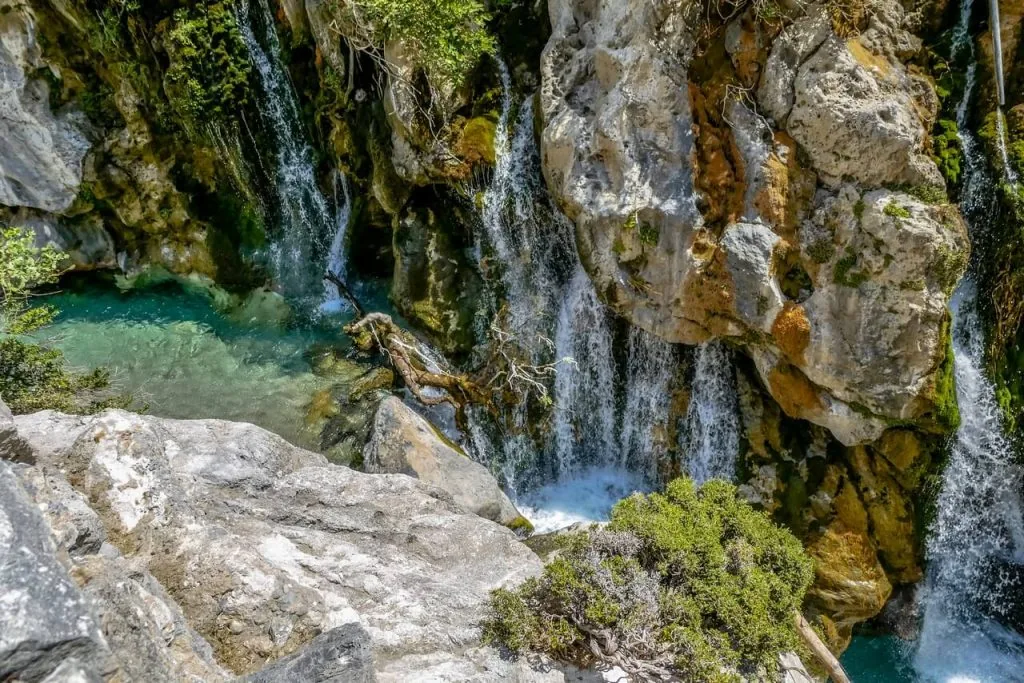
For a more dramatic and awe-inspiring experience, the Kourtaliotiko Gorge is unmissable. The drive through this massive canyon is spectacular in itself, with cliffs soaring to heights of 600 meters. For the more adventurous, it is possible to hike down to the riverbed and follow the water's path to a series of small waterfalls. This gorge ultimately leads toward the famous Preveli Beach.
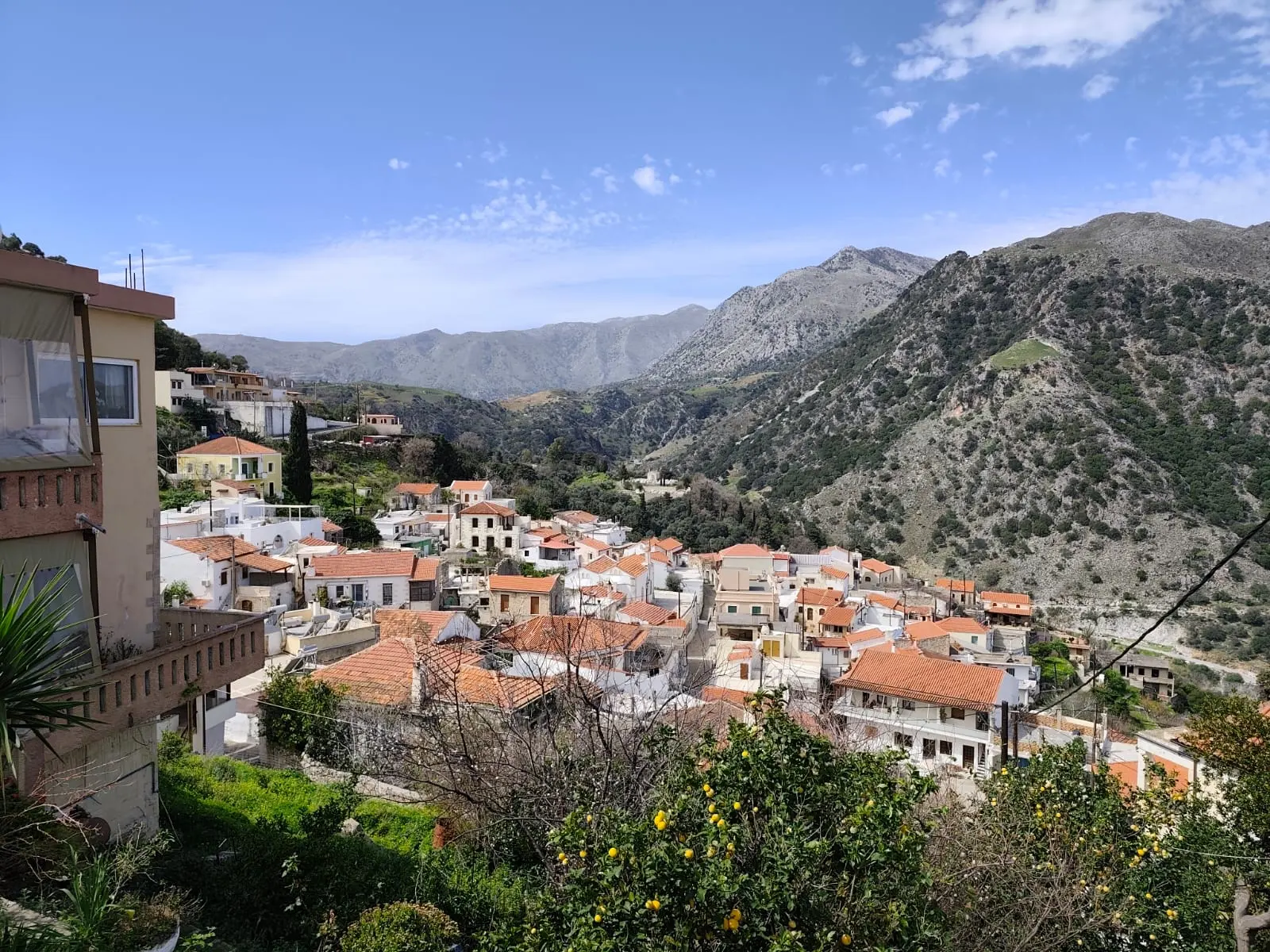
The charm of mountain villages: Spili and Anogia
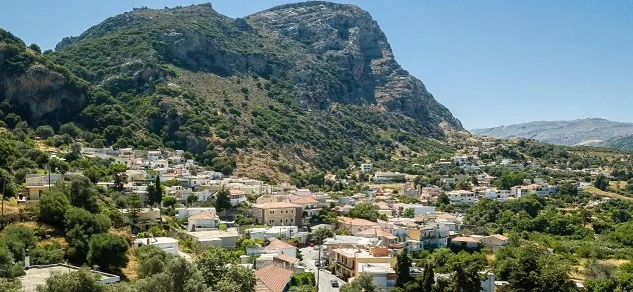
To experience the heart of inland Crete, a visit to its mountain villages is essential. Spili, nestled in the foothills of Mount Kedros, is famous for its unique Venetian-era fountain, "Kefalovrissi," where a row of 25 stone lion heads spouts cool, refreshing spring water. The village is a delightful place to stop for a coffee and soak up the tranquil atmosphere.
Further into the mountains lies Anogia, a village with a fierce and proud history. Perched on the slopes of Mount Psiloritis (Crete's highest peak at 2,456 meters), Anogia is renowned for its strong traditional character, its rich musical heritage centered on the Cretan lyra, and the resilience of its people. It offers a glimpse into a more traditional way of Cretan life, seemingly untouched by the coastal tourism boom.
Off the Beaten Path: Unique & Less Touristy Experiences
The region holds many treasures for those willing to venture off the beaten path, offering a more intimate and authentic connection to the land and its traditions.
The pottery village of Margarites
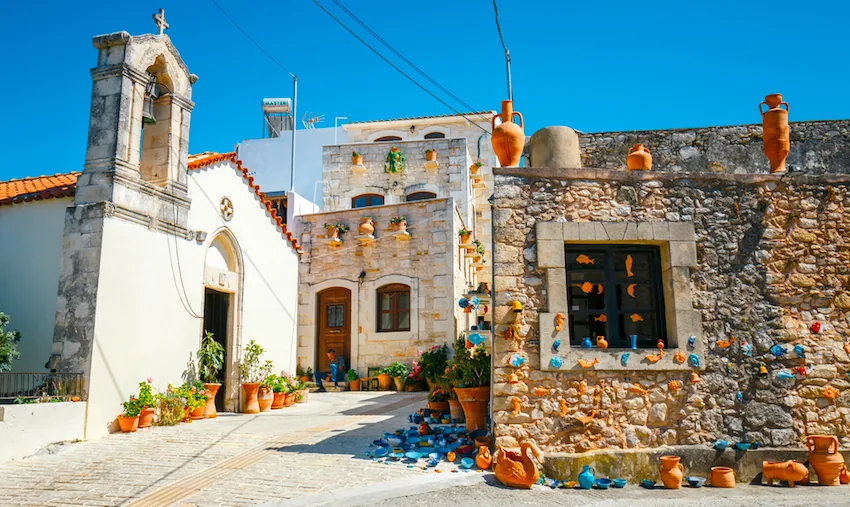
Tucked away in the green hills inland from Rethymno, the village of Margarites has been a center for pottery for centuries. The local clay has provided the raw material for generations of artisans.
A visit here is a journey into a living tradition. You can wander through the workshops, watch potters skillfully shape clay on the wheel, and admire the vast array of ceramics, from ancient Minoan replicas to modern designs. Many studios offer the chance to try your hand at the craft, making for a unique and hands-on souvenir.
Exploring the Amari Valley
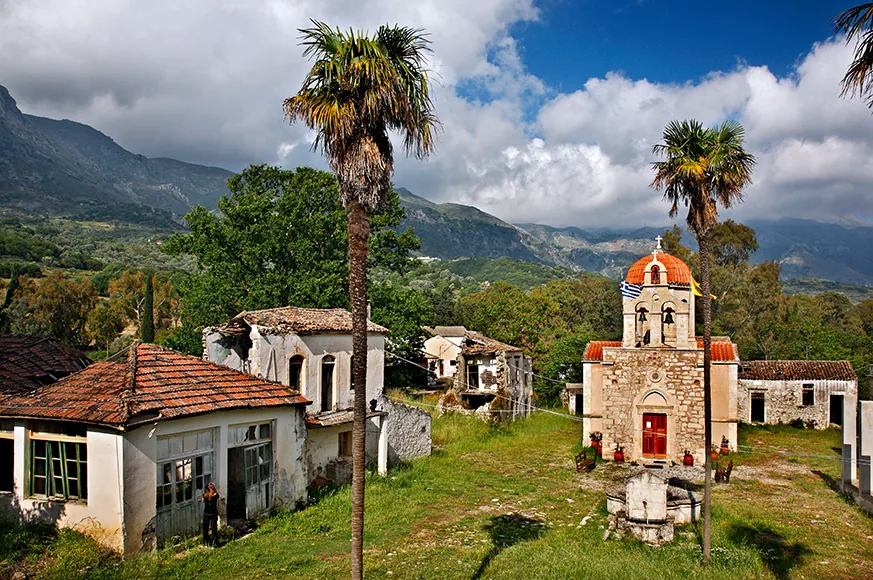
For a true escape into rural Crete, the Amari Valley is an idyllic destination. This lush, fertile basin, nestled at the foot of Mount Psiloritis, feels a world away from the bustling coast. The valley is a patchwork of olive groves, fruit orchards, and traditional villages.
It is dotted with dozens of tiny, ancient Byzantine churches, many containing remarkably preserved frescoes dating back centuries. Driving or cycling through the Amari Valley offers a glimpse into a slower, more agricultural way of life and the deep history of the Cretan countryside. This is slow travel at its finest.
Plan Your Visit: Day Trips, Itineraries, Tips & FAQs
Practical guidance to turn Rethymno's rich offering into a smooth, well-paced trip, whether you have a single day, a long weekend, or a full week of slow travel.
The best day trips from Rethymno
Rethymno's central location makes it an outstanding base for exploring the wider wonders of Crete. From dramatic natural landscapes to other historic cities, a variety of unforgettable day trips are within easy reach.
| Day Trip | Highlights | Distance from Rethymno |
|---|---|---|
| Kourtaliotiko Gorge & Preveli Beach | Spectacular gorge drive, palm-fringed beach, Libyan Sea swimming | ~46 km south |
| Arkadi Monastery & Margarites | Crete's most important monastery, traditional pottery workshops | ~23 km southeast |
| Chania | Beautiful Venetian harbor, larger Old Town, vibrant food scene | ~68 km west |
| Spili & the Amari Valley | Lion-head fountain, Byzantine churches, rural Cretan life | ~30 km south |
| Eleutherna & Museum | Ancient city-state ruins, world-class archaeological museum | ~25 km southeast |
Suggested Rethymno itineraries
To help you make the most of your time, here are itinerary ideas tailored to different trip lengths and travel styles.
Rethymno in 1 Day: The Old Town & a Sunset
Quick visit · cruise focus
- Morning
Explore the mighty Fortezza and get lost in the labyrinthine streets of the Old Town, stopping at the Rimondi Fountain and the Neratze Mosque.
- Afternoon
Relax and swim at the convenient city beach.
- Evening
Find a spot at the Venetian Harbor to watch the sunset paint the lighthouse gold, followed by dinner in a traditional taverna in the backstreets.
Rethymno in 3 Days: Town, Beach & Mountains
A perfect mix of city, coast and countryside
- Day 1
Full exploration of the Old Town, its museums, and the harbor.
- Day 2
Rent a car for a south coast day trip, dramatic Kourtaliotiko Gorge and a swim at Preveli Beach, lunch in Spili.
- Day 3
History and craft: Arkadi Monastery and the pottery village of Margarites, ending with an olive oil or honey tasting.
A Week of Slow Travel
Immerse yourself in the rhythm
- Days 1–3
Cover the Old Town, Preveli, Arkadi and Margarites at a relaxed pace.
- Days 4–5
Explore the remote south coast beaches (Triopetra, Skinaria) and hike through the Amari Valley.
- Days 6–7
Visit ancient Eleutherna, drive up to Anogia, and enjoy long evenings at waterfront cafes with new friends and complimentary raki.
Practical planning tips for your Rethymno trip
Best time to visit
The shoulder seasons of May, June, and September offer the best balance of pleasant weather, warm seas, and manageable crowds. April and October are ideal for calm, sightseeing-focused trips with lower prices. July and August are the hottest and busiest months, perfect for those seeking a vibrant summer atmosphere but requiring careful pacing around the midday heat.
Getting around
While the Old Town is best explored on foot, renting a car is highly recommended for exploring the region's beaches, gorges, and villages. Car rentals can be very affordable, especially when booked in advance for three days or more. Public buses connect Rethymno to Chania and Heraklion, but service to the south coast and mountain villages is limited.
Logistics
Rethymno is located on Crete's north coast. The nearest international airport is in Chania (CHQ), approximately 37 kilometers (about a one-hour drive) away. Heraklion's airport (HER) is about 80 kilometers (a 90-minute drive) to the east. Ferry connections also serve the port of Rethymno.
Frequently asked questions
Rethymno is best known for its incredibly well-preserved Venetian Old Town, the massive Fortezza that overlooks the city, its long sandy beach, and its central location which makes it a perfect base for exploring Crete.
Both cities are beautiful with stunning Venetian harbors. Chania's Old Town is larger and it is closer to famous beaches like Balos and Elafonisi. Rethymno has a better city beach and is arguably a better base for exploring a wider variety of landscapes, including the mountains and the south coast.
While you can see the main highlights in one packed day, three to four days is ideal to explore the Old Town, enjoy the beaches, and take at least one day trip into the surrounding region.
Yes, you can easily enjoy the Old Town and the city beach without a car. However, to experience the best of the region (including the south coast beaches, gorges, and mountain villages) a car is highly recommended.
Aside from the long city beach, the most famous beach is Preveli on the south coast, known for its palm forest. Other excellent south coast options include Plakias, Damnoni, Triopetra, and Skinaria.
Yes, its central location on the north coast makes it an excellent base. It provides relatively easy access to both the west (Chania, Balos) and the east (Heraklion, Knossos), as well as the mountains and the entire south coast.
Conclusion: Why Rethymno captures the heart
Rethymno is a city that rewards curiosity. It is a place where every narrow street tells a story, every meal is a celebration, and every sunset over the Venetian harbor feels like a masterpiece. It manages to be both a vibrant, modern city and a perfectly preserved window into the past.
Whether you come for the history, the beaches, the food, or the mountains, you will leave with a deep appreciation for the unique spirit of this Cretan gem, a spirit of resilience, hospitality, and timeless beauty that captures the heart of every traveler. Rethymno does not shout for attention; it simply invites you in, pours you a glass of raki, and lets you discover its magic at your own pace.
Rethymno like a local
From the Venetian harbour to Preveli palm beach, the experiences travellers actually love.
Rethymno like a local
From the Venetian harbour to Preveli palm beach, the experiences travellers actually love.

Let Rethymno come to you
Sign up to get authentic stories, travel tips, and new experiences
By entering my email, I agree to receive marketing notifications from travel & do.