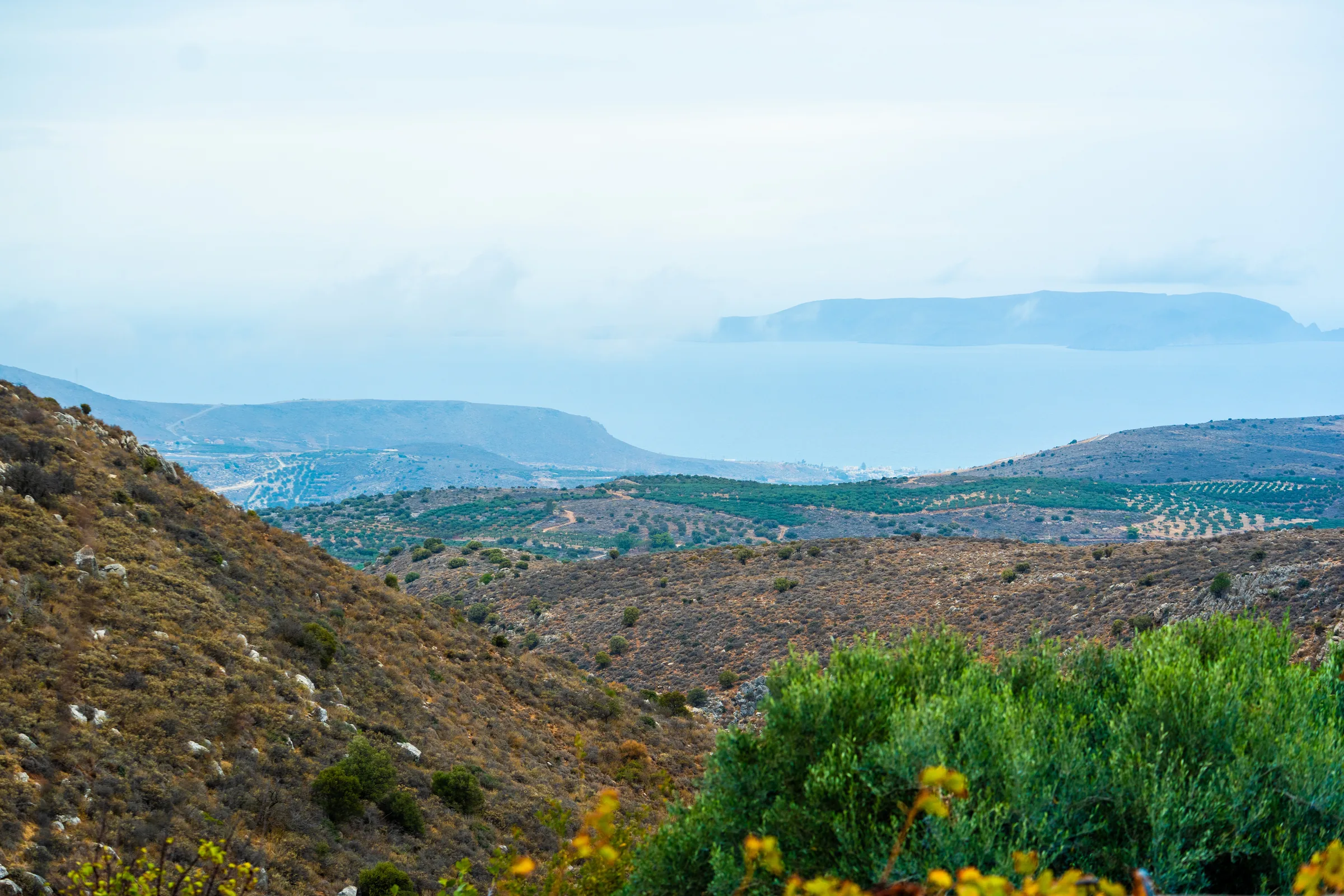
Best Time to Visit Crete
Summary
Determining the "best" time to visit Crete is not a simple question of summer versus winter. As the largest Greek island, Crete functions like a small country with its own microclimates, agricultural rhythms, and cultural calendar. This guide synthesizes the top travel guides with deep meteorological data and a complete calendar of region-specific yearly events to help you pick your perfect travel window.
1Average weather in Crete
28°C
Avg. Temperature
8mm
Rainfall
22°C
Sea Temperature
High
Crowd Level
Key takeaways from the data
- The "Wet" Surprise: October and November are significantly wetter than May and June. If you hate rain, choose Spring over Autumn.
- The "Cloudy" Reality: January and December are overcast nearly 50% of the time. This is a true winter with moody storms — not a winter sun destination.
- Swimmer's Logic: The sea lags behind the air temperature. October (23°C) is actually warmer for swimming than June (22°C).
2Understanding the climate
Crete has a typical Mediterranean climate with long, hot summers and short, mild winters. The island enjoys over 300 days of sunshine per year. Microclimates matter though — the south coast is often significantly warmer and drier than the north, especially in shoulder months.
Seasons
Spring
March – May
Wildflowers blanket the hillsides, temperatures are mild, and the 50+ gorges are at their best. Perfect for hiking, sightseeing, and Orthodox Easter celebrations.
Summer
June – August
Peak season with hot, dry weather, the Meltemi winds and warm seas (up to 25°C). Ideal for beaches and festivals but expect crowds, especially in August.
Autumn
September – November
The "velvet season". Sea is at its warmest in September, crowds thin out, and the grape & olive harvests begin. October is significantly wetter than September.
Winter
December – February
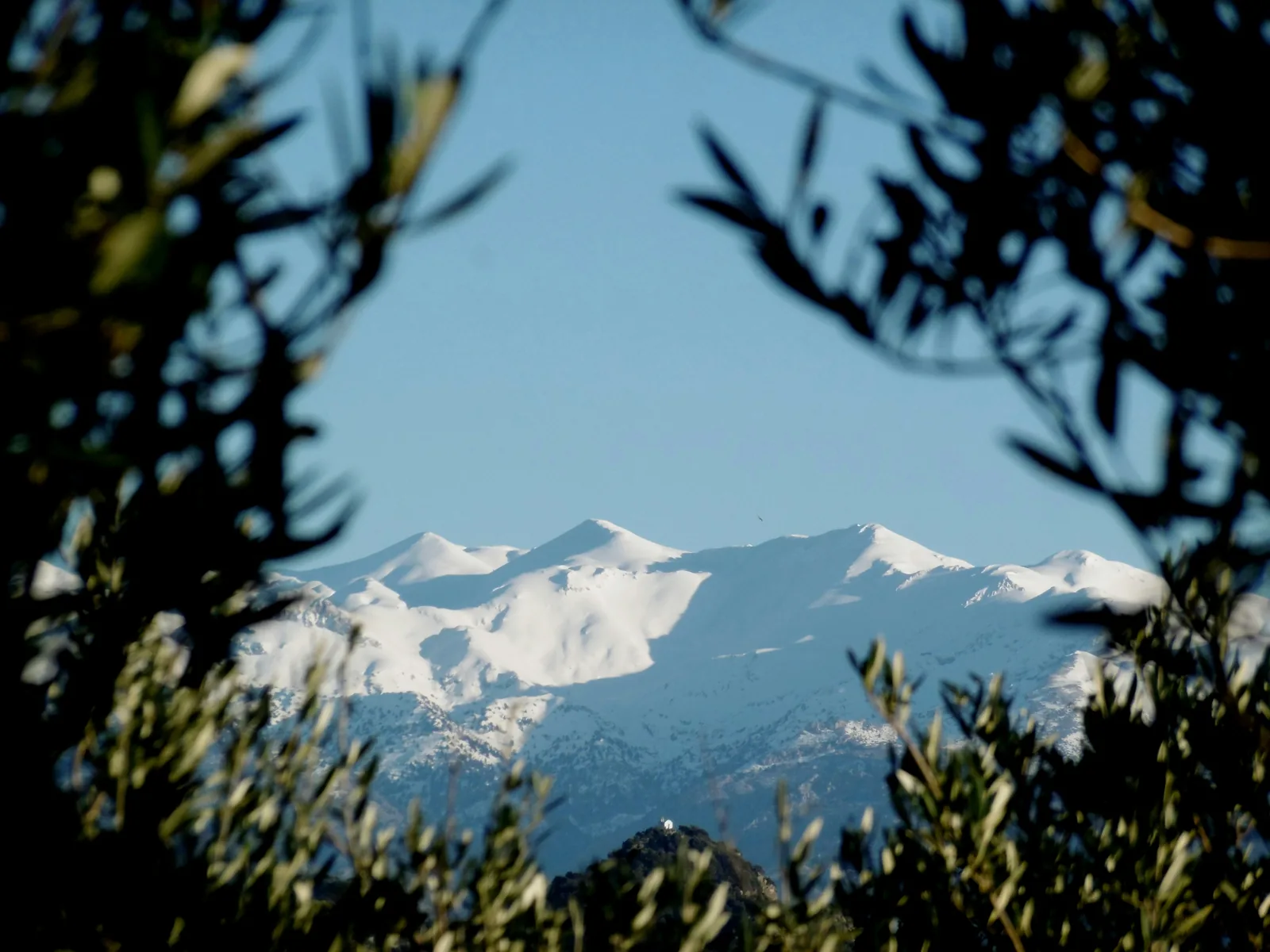
Cloudy and wet (up to 48% cloud cover) but mild. Snow-capped Lefka Ori, raki distilling season, and a chance to experience authentic Cretan village life.
3Month-by-month guide
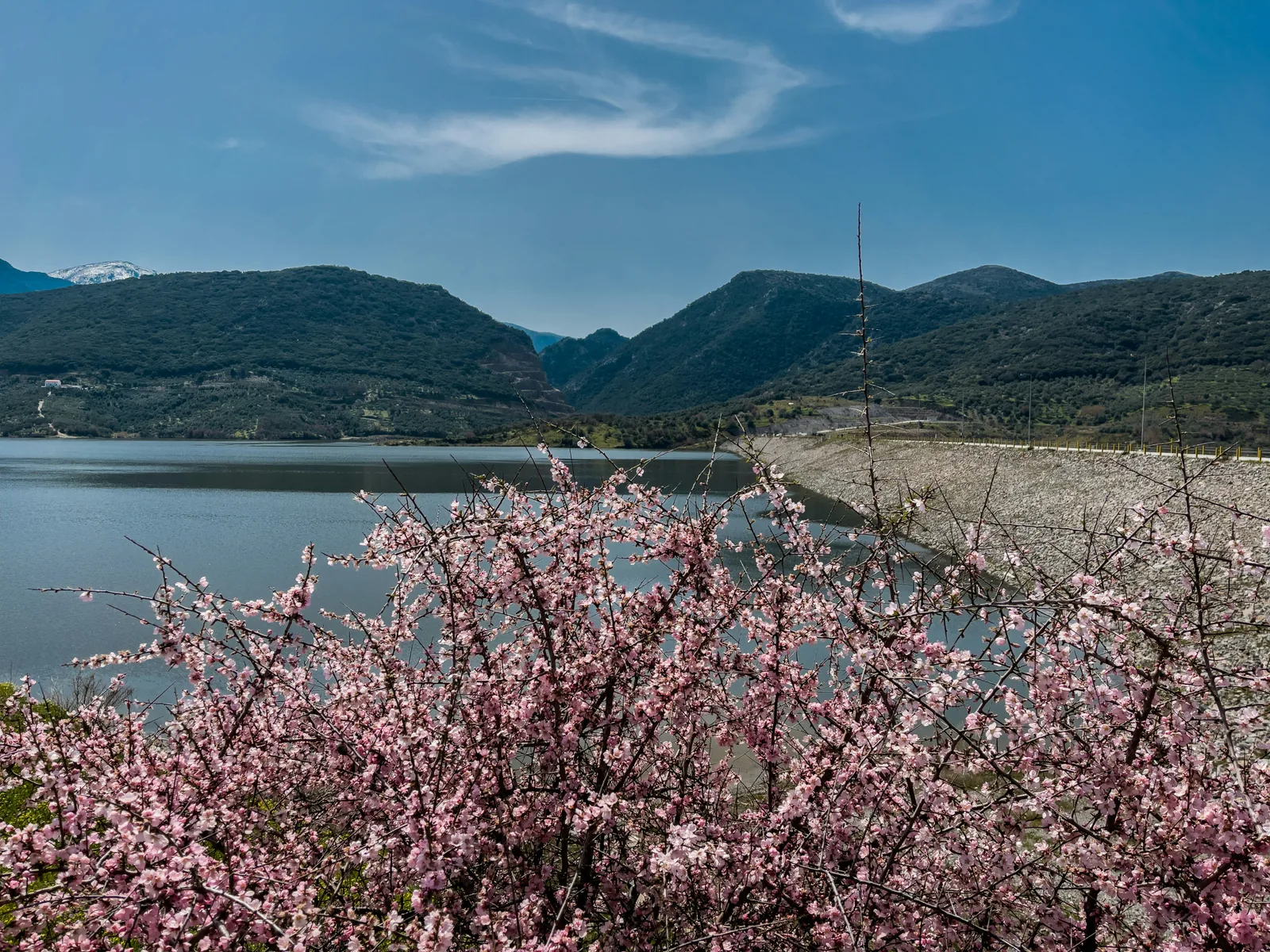
Spring
March – May
March: The Awakening
17°C avg · 90mm rain · Sea 16°C
Wildflowers, poppies and herbs blanket the island. Independence Day parades on March 25.
April: The Holy Month
20°C avg · 38mm rain · Sea 17°C
Orthodox Easter — Burning of Judas in Agios Nikolaos, feasting island-wide.
May: Hiker’s Paradise
24°C avg · 20mm rain · Sea 19°C
Samaria Gorge opens May 1st. Battle of Crete commemorations May 20-31.
June: Sweet Start
28°C avg · 8mm rain · Sea 22°C
Long sunny days, Matala Beach Festival, Casa dei Mezzo classical music.
July: Music & Wind
29°C avg · 3mm rain · Sea 24°C
Yakinthia (Anogia), Chania Summer Festival, Vlatos Jazz. Meltemi cools the north.
August: The Peak
29°C avg · 3mm rain · Sea 25°C
Assumption Day Aug 15, Houdetsi music festival, sea like bathwater. Very crowded.
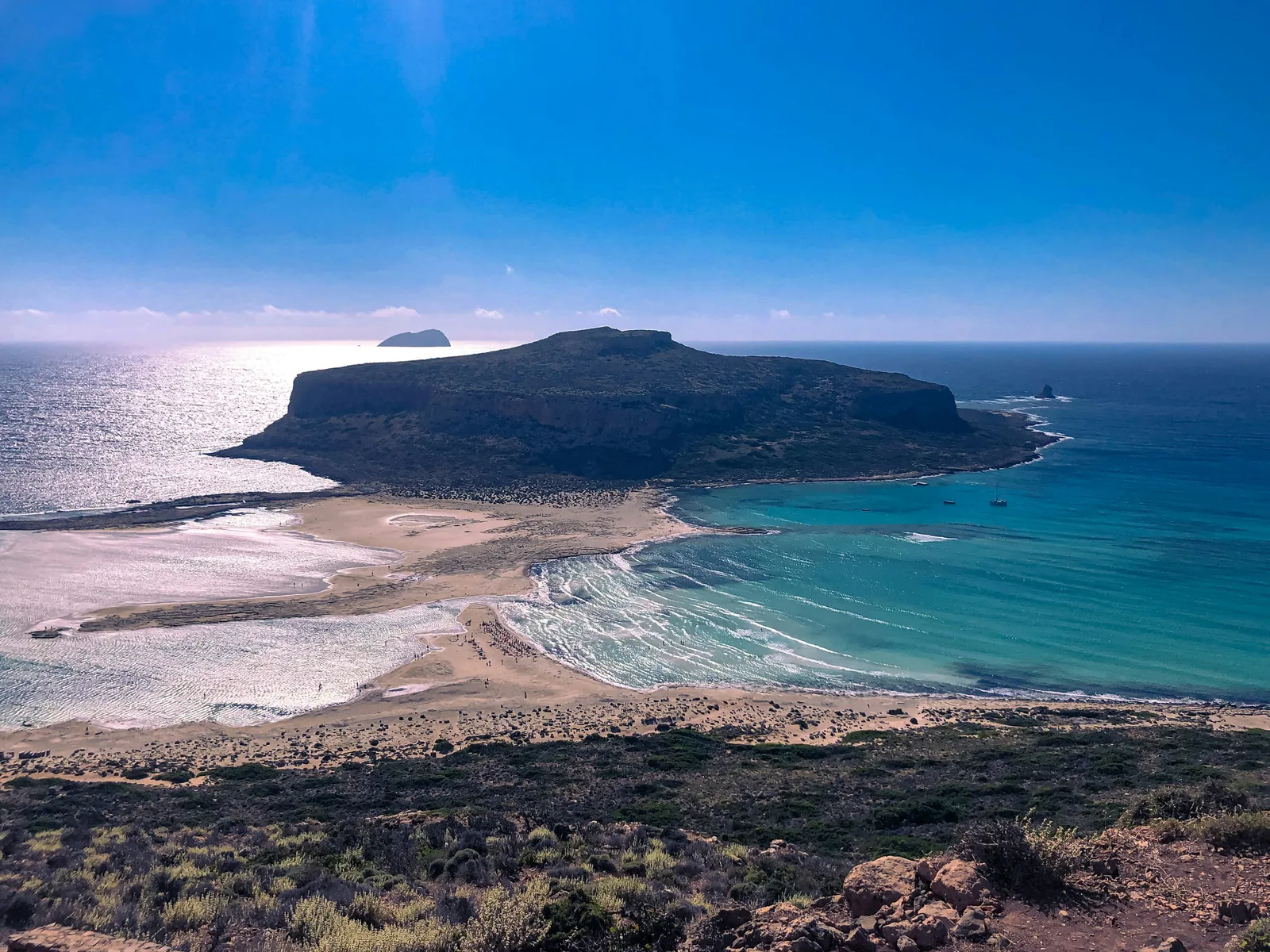
Summer
June – August
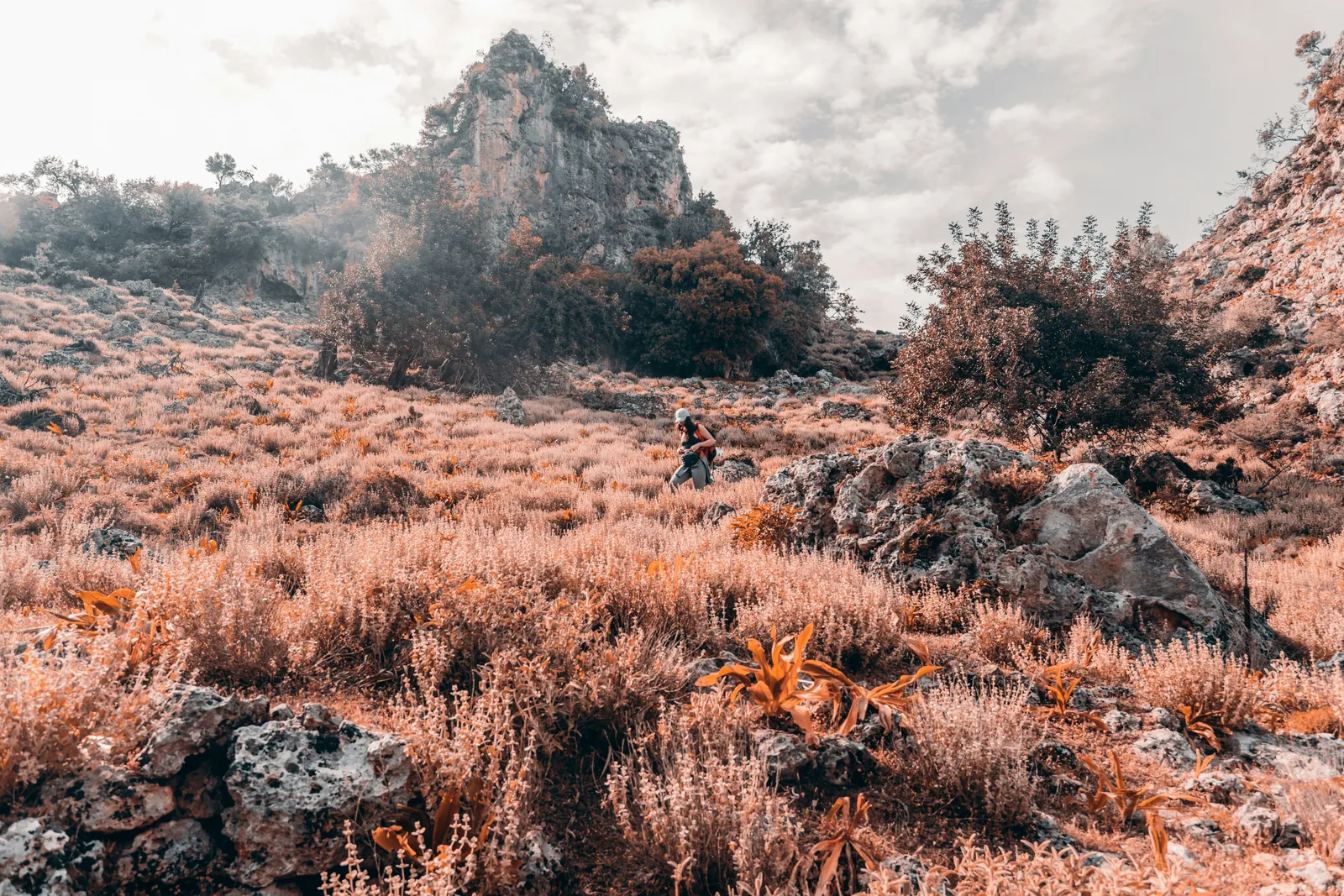
Autumn
September – November
September: Velvet Season
27°C avg · 23mm rain · Sea 24°C
The smart traveller’s choice. Grape harvest in Peza & Archanes, softer light.
October: Last Hurrah
24°C avg · 95mm rain · Sea 23°C
Rainfall spikes 4× vs September. Chestnut Festival in Elos. Sea still warm.
November: Olive Harvest
20°C avg · 83mm rain · Sea 20°C
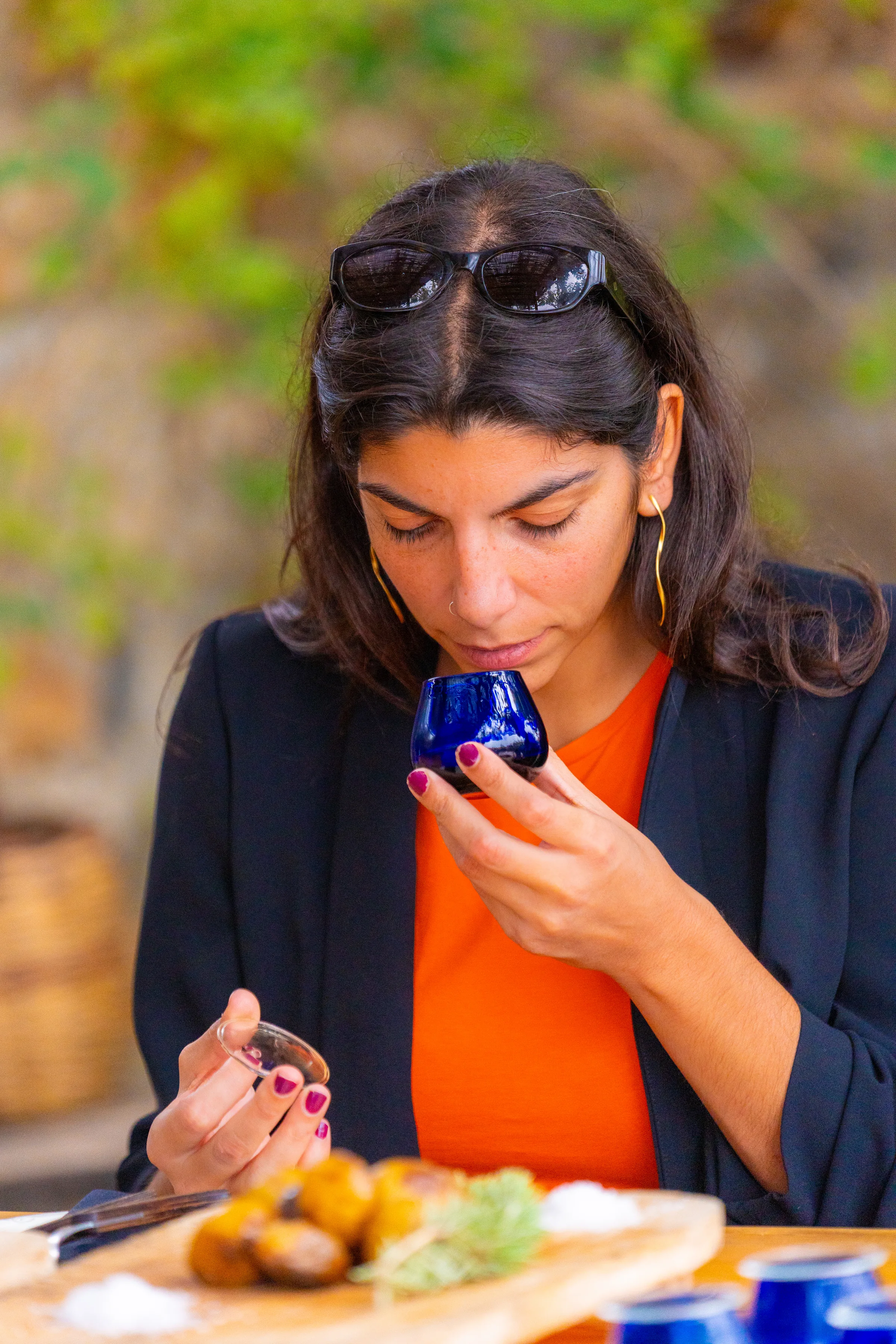
Rakokazana season. Olive mills open — buy the freshest "liquid gold".
December: Olive Harvest
17°C avg · 122mm rain · Sea 18°C
Wettest of the year alongside January. Quiet, festive, dramatic coastal walks.
January: Quiet Heart
15°C avg · 153mm rain · Sea 16°C
Epiphany (Jan 6) — diving for the cross. Snow-capped Lefka Ori, woodsmoke villages.
February: Carnival
15°C avg · 118mm rain · Sea 15°C
Rethymno Carnival begins. Almond trees blossom, "Alkyonides Days" sunshine.
Winter
December – February
4Best time for...
Beach holidays
Warmest sea temperatures (22-25°C), virtually no rainfall, and long sunny days. September retains summer heat with fewer crowds.
Sightseeing & culture
Pleasant temperatures for walking Knossos and Venetian old towns, fewer crowds at archaeological sites.
Hiking & gorges
Samaria opens May 1st. May offers green landscapes and flowing water; October has cooler temperatures but watch the rain spike.
Budget travel
Lowest accommodation and flight prices, off-season discounts, authentic local experiences.
Families with kids
Warm but not scorching, sea is swimmable, smaller crowds than peak July-August.
Festivals & culture vultures
Orthodox Easter offers unforgettable traditions; July hosts Yakinthia, Vlatos Jazz, and the Chania Summer Festival.
5Practical planning
Booking windows
Packing essentials
Getting around
FAQs
September 15 – October 10 is the sweet spot — the sea is at its warmest (24°C), the Meltemi wind is gone, crowds are down ~50%, and most restaurants are still open. May is the runner-up for hikers.
Yes — if you want authenticity. Winter brings rain and overcast skies (~48% cloud cover) but also empty archaeological sites, snow-capped Lefka Ori, the olive harvest, and the rakokazana (raki distilling) season in mountain villages.
The sea reaches comfortable swimming temperatures (above 22°C) from June through October. Surprisingly, October (23°C) is warmer than June (22°C) because the sea lags behind the air temperature.
Samaria typically opens on May 1st and closes in late October, weather permitting. May is ideal — green and flowing with water. By September the gorge is very dry. The Imbros Gorge is a great less-crowded alternative.
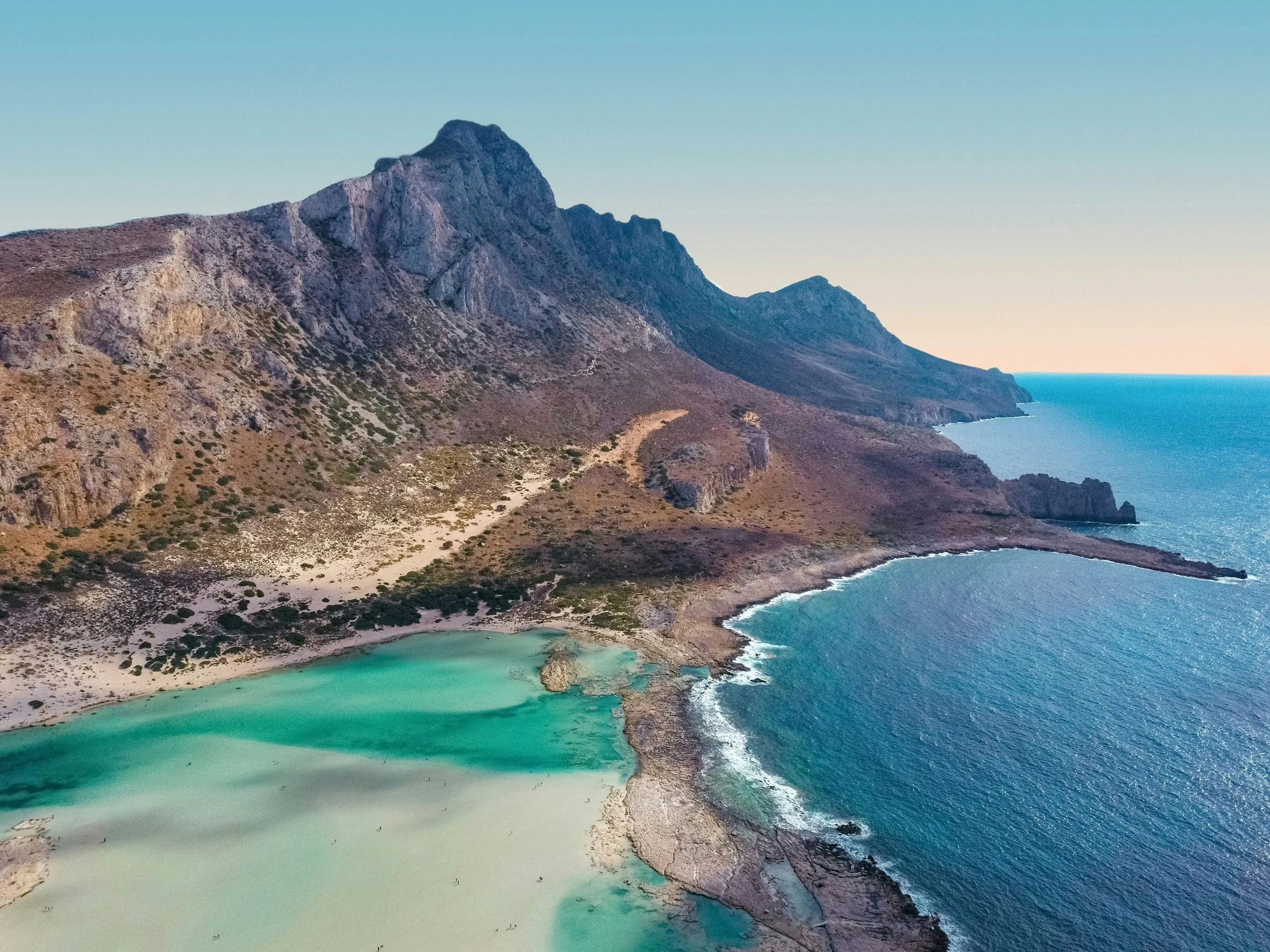
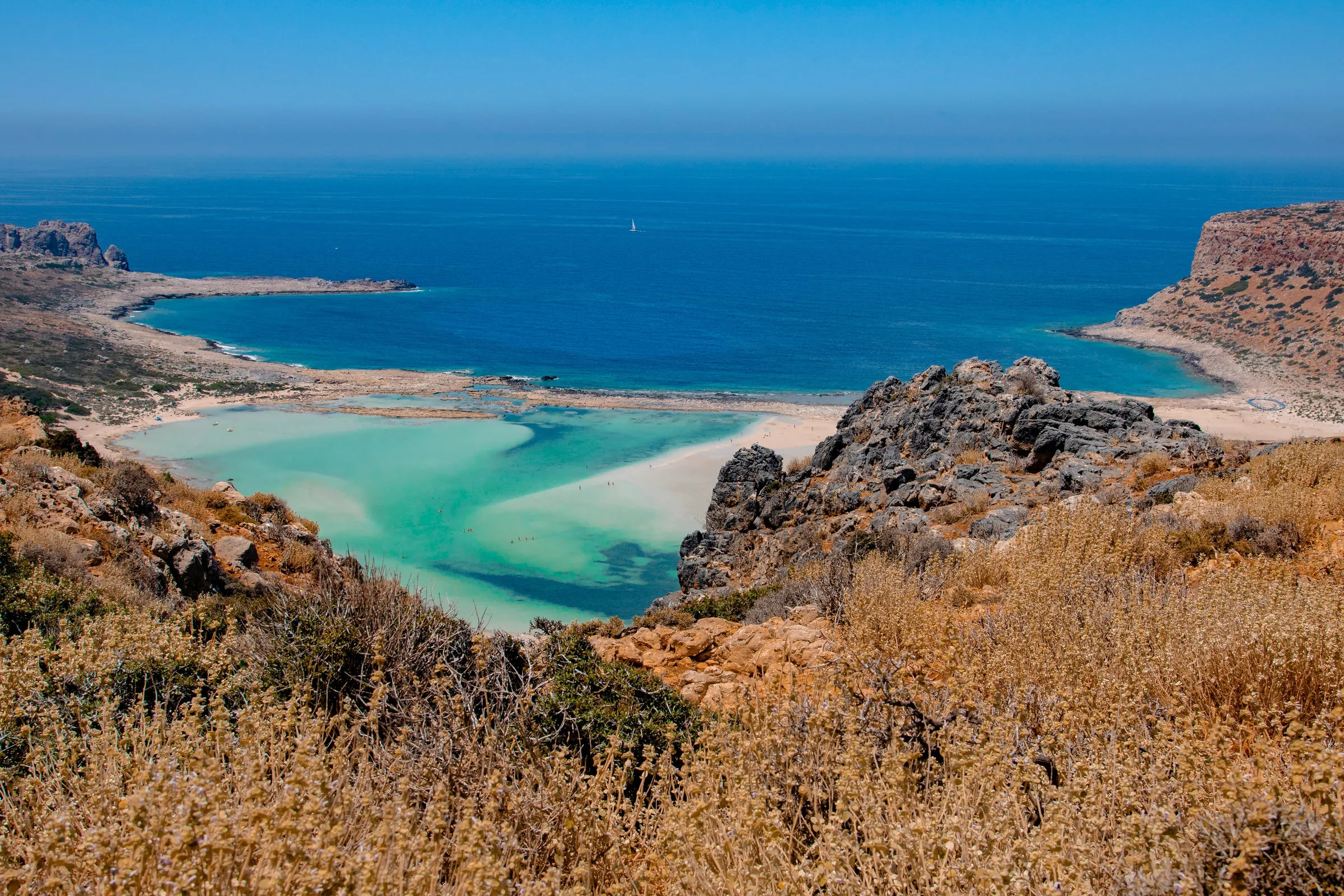
Extremely. Around August 15th (Assumption of Mary), many local services pause for the holiday and crowds at Balos and Elafonissi become unmanageable. Visit those beaches before 10 AM or after 4 PM, or consider September instead.
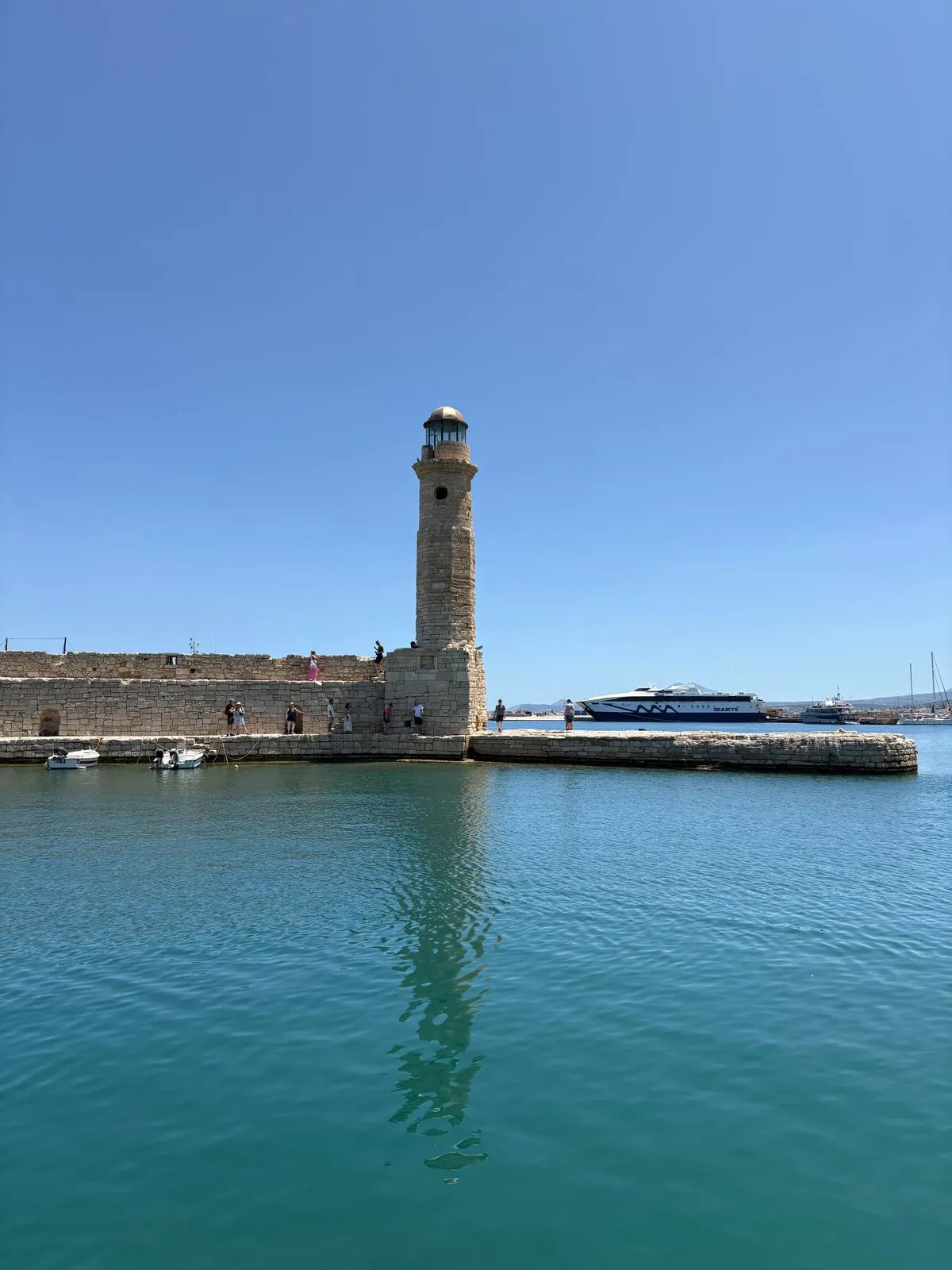
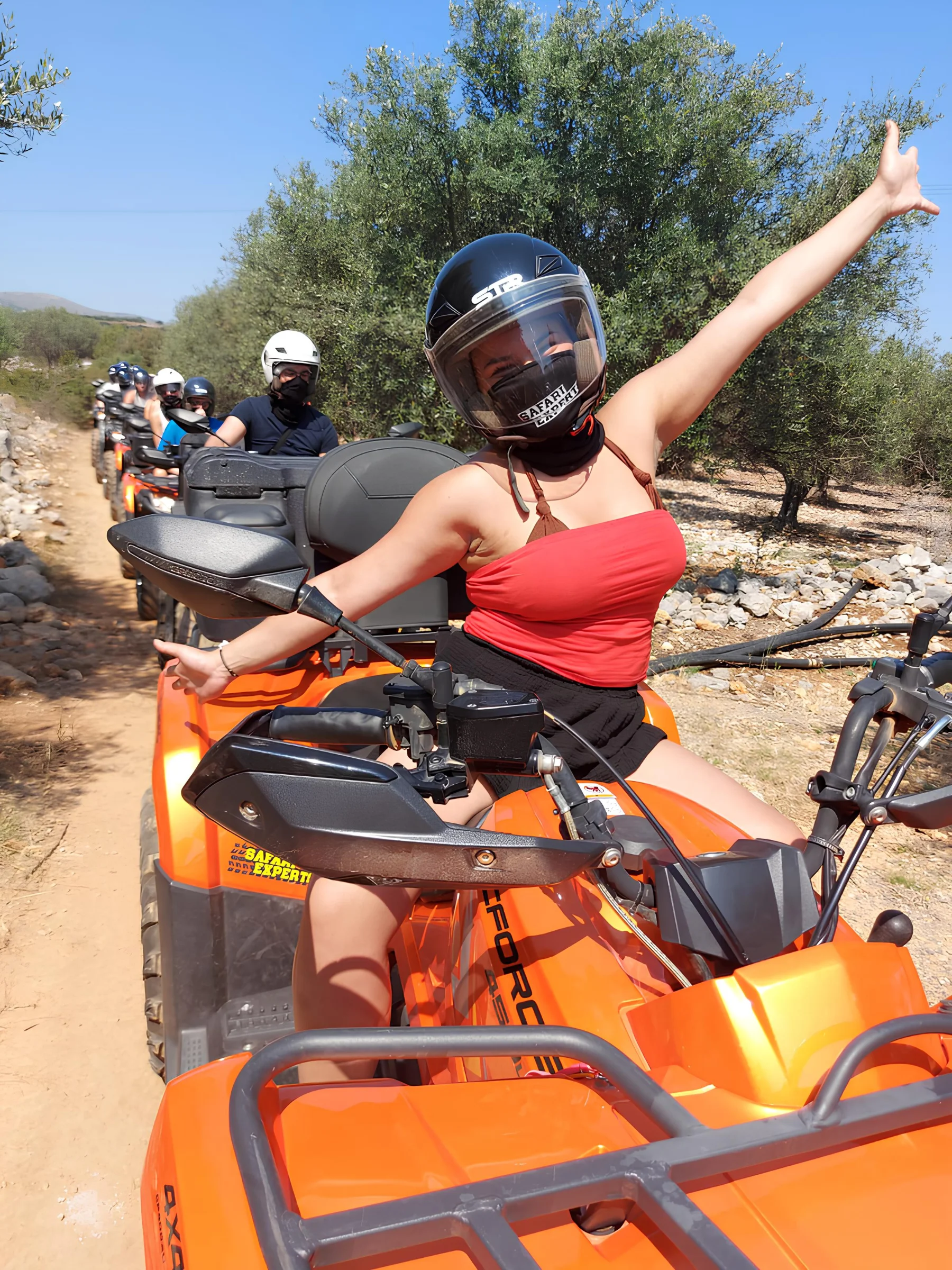
Crete like a local
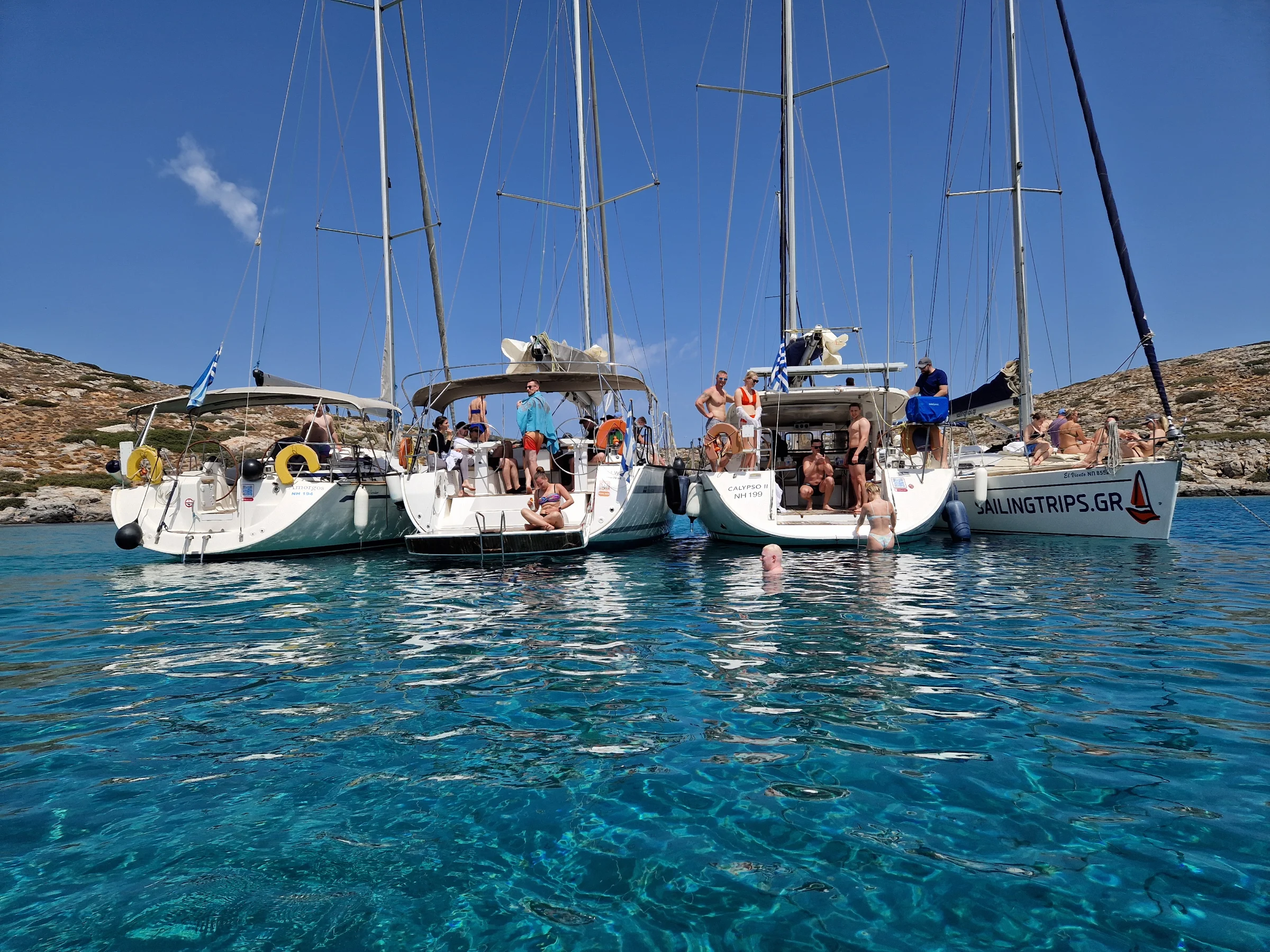
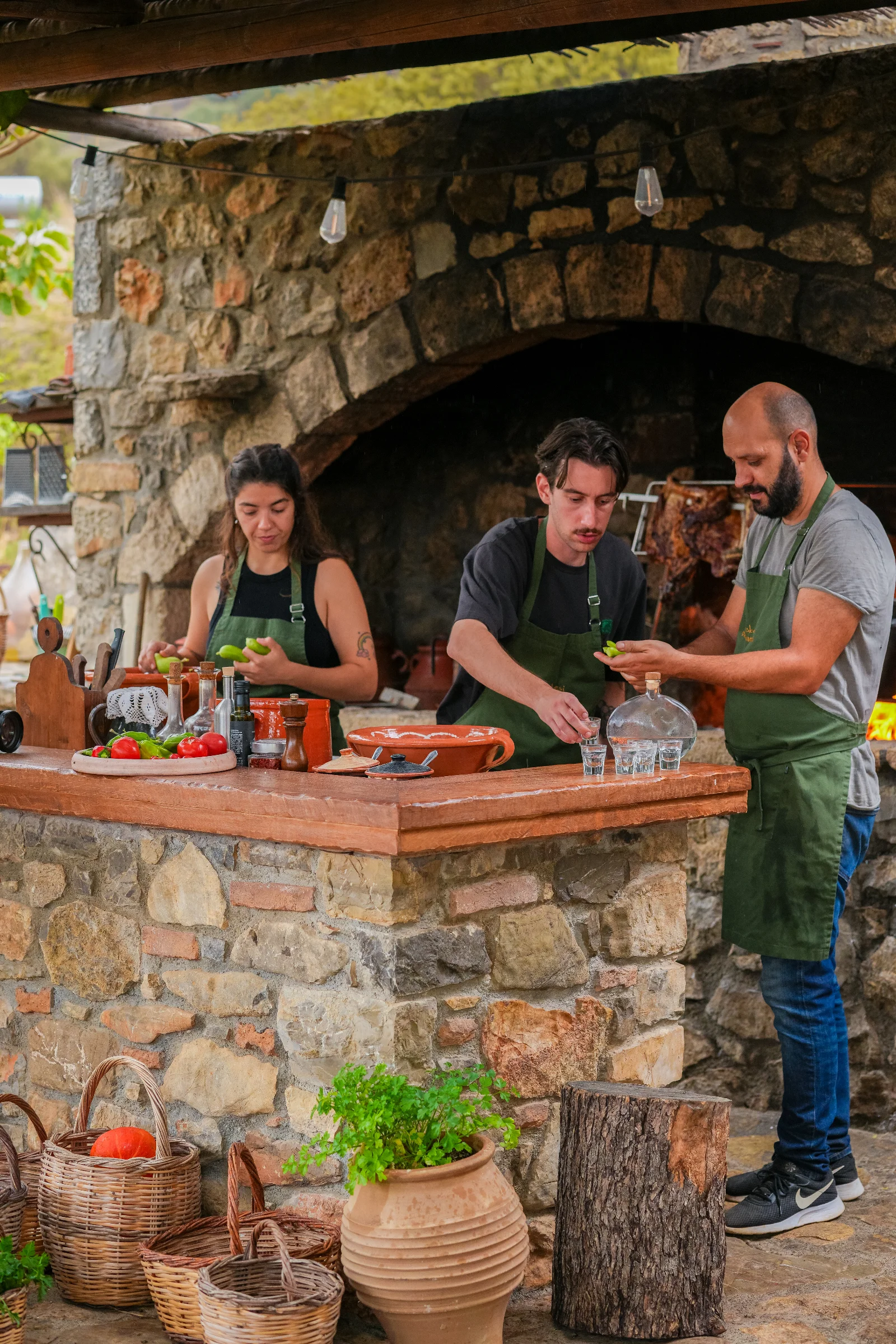
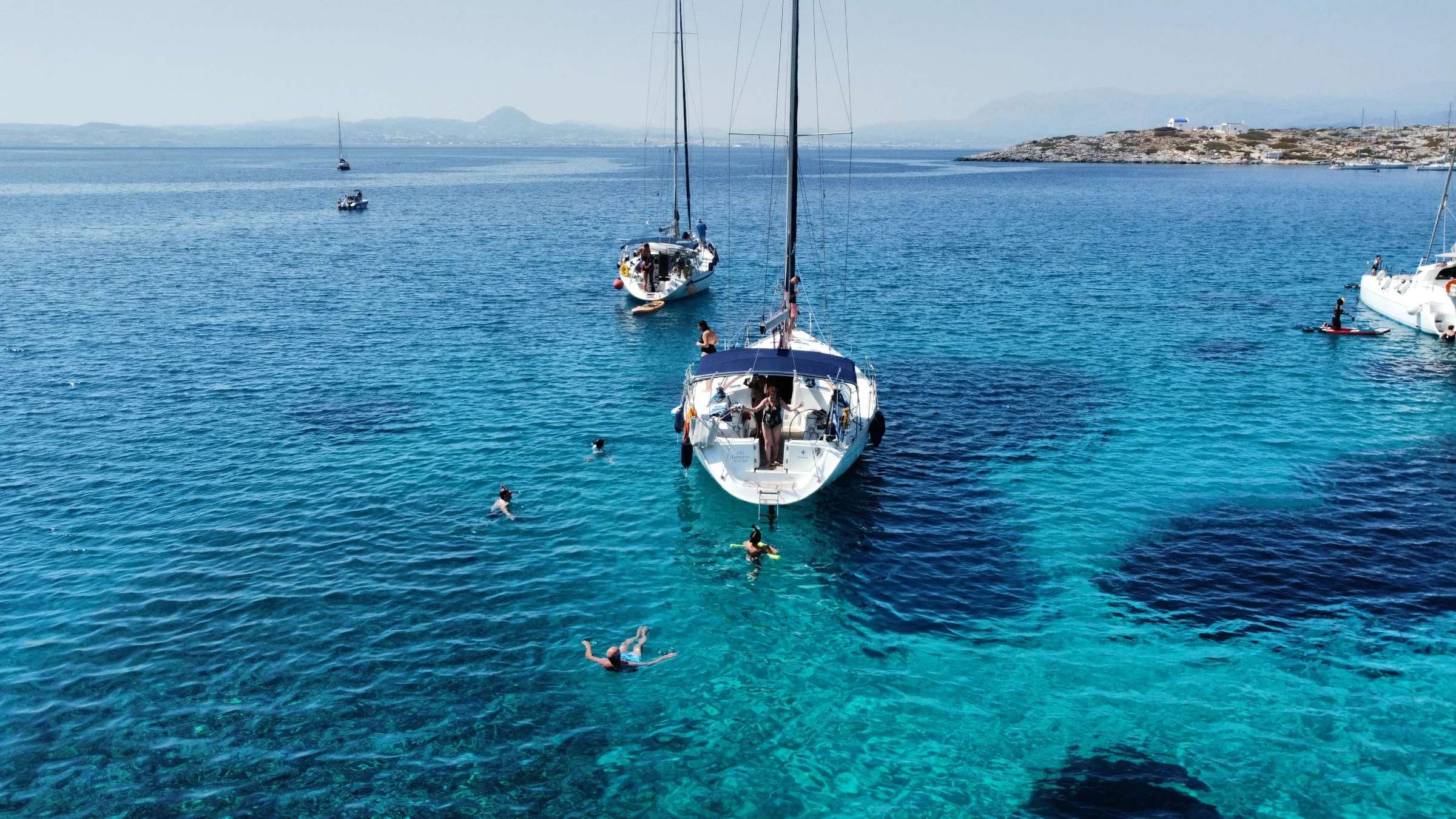
As Greece's largest island, Crete is a treasure trove of beauty, history and local charm. To help you plan your ideal holiday there, here are some insider tips to get your bucket list started.
Crete like a local
As Greece's largest island, Crete is a treasure trove of beauty, history and local charm. To help you plan your ideal holiday there, here are some insider tips to get your bucket list started.
Let Crete come to you
Sign up to get authentic stories, travel tips, and new experiences
By entering my email, I agree to receive marketing notifications from travel & do.