Stories from Crete
Local insights, travel guides and authentic tips.
Let Crete come to you
Sign up to get authentic stories, travel tips, and new experiences
By entering my email, I agree to receive marketing notifications from travel & do.
Local insights, travel guides and authentic tips.
Sign up to get authentic stories, travel tips, and new experiences
By entering my email, I agree to receive marketing notifications from travel & do.
Showing 10 articles

Agritourism in Crete is one of the best ways to see the island beyond the coast, because you stay close to farms, villages, and daily rural life. The strongest stays mix comfort with hands-on experiences like cooking, harvesting, and meeting animals. This guide explains what agritourism looks like in Crete, what to expect, and how to choose the right place.

A private tour in Crete is worth it when you want flexibility, a slower pace, and more attention from your guide. It is not always the cheapest choice, but it can make a lot of sense for families, couples, and travelers with limited time. This guide explains the trade-offs clearly so you can decide when a private tour is the right move.

Farm-to-table experiences in Crete are a direct way to understand the island's food culture, because the meal starts in the field, the grove, or the farm itself. The best places do not just serve local ingredients, they show how those ingredients are grown, cooked, and tied to Cretan life. This guide explains what to expect, how to choose a good experience, and which details matter most when you are planning a food-focused day in Crete.

Olive oil tasting in Crete is one of the best ways to understand the island's food culture, because it connects the landscape, the mills, and the people behind the oil. The best experiences usually combine grove visits, tastings, and a look at production rather than a quick sample table. This guide explains how to choose a good tour, what happens during a tasting, and what to look for in high-quality Cretan olive oil.

Crete has no shortage of places where the water is clear enough to make snorkeling feel effortless. The best spots range from sheltered lagoons and rocky coves to island beaches with strong visibility and plenty of marine life. This guide covers the spots that come up most often, including Balos, Elafonissi, Kolokytha, Bali, Agia Pelagia, and Dia Island, along with practical answers to the questions most travelers ask before they go.
Matala Beach is one of Crete's most iconic destinations — a sun-drenched bay framed by ancient limestone caves that once sheltered Joni Mitchell, Bob Dylan and a generation of free spirits. Whether you're here to swim in crystal-clear water, walk through Roman-era cave tombs, explore Minoan ruins or simply eat fresh fish as the sun sets over the Asterousia cliffs, Matala delivers history and beauty in equal measure.

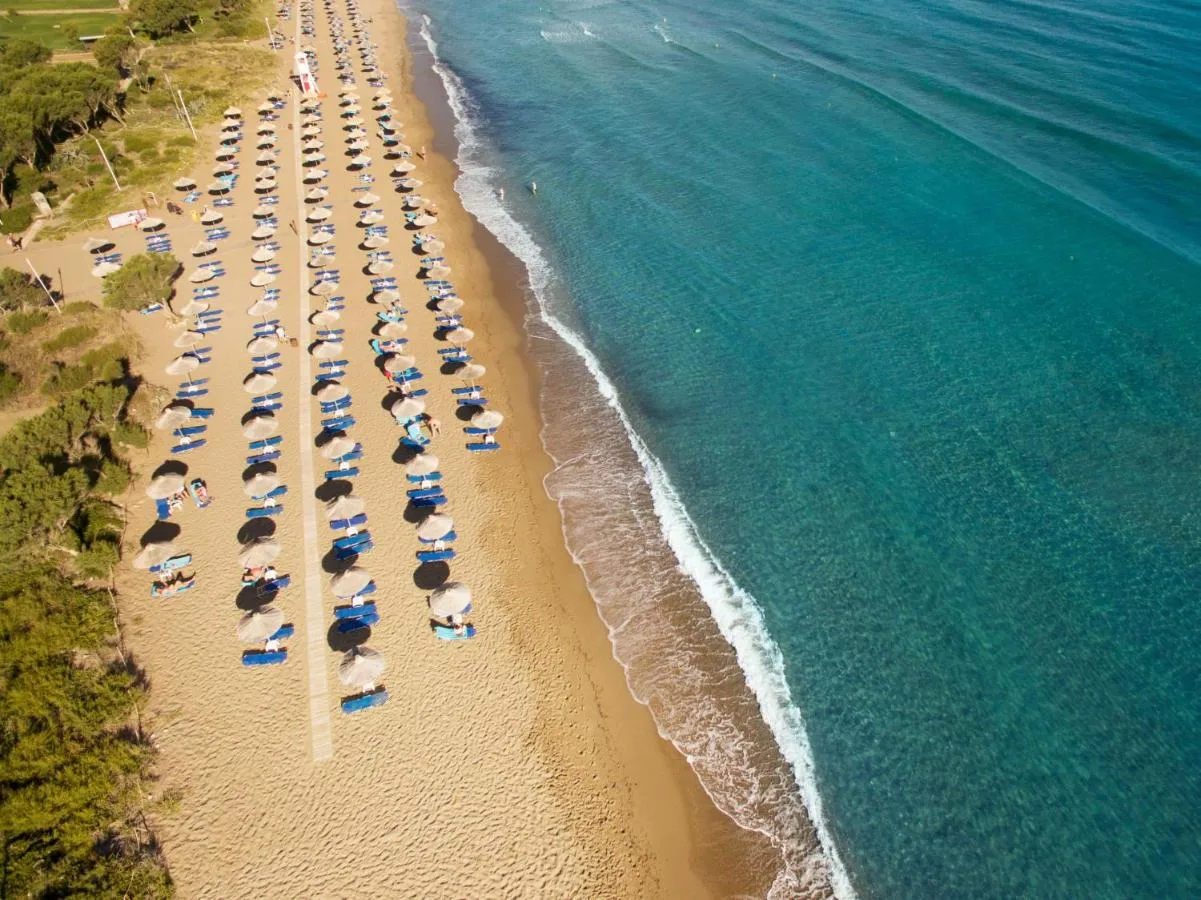
Plakias is one of the longest beaches in Crete, a 1.3 km stretch of grey-golden sand facing the Libyan Sea in the south of Rethymno. It holds a Blue Flag, offers a full range of water sports and organised facilities, and sits in a bay calm enough for families but open enough to attract windsurfers and divers. What makes it more interesting than most Cretan beach towns is that it also works as a genuine base. From here you can reach Preveli, the Kotsifou Gorge, and a string of quieter coves withi

Koules Fortress stands at the entrance of Heraklion harbour, where it has dominated the waterfront for five centuries. If you are spending a day in Crete's capital, this is the landmark that sets the tone for the rest of the city. It connects directly to the Old Town, the harbour promenade, and some of the best eating and walking in central Heraklion. Start here and the rest of the day falls into place.

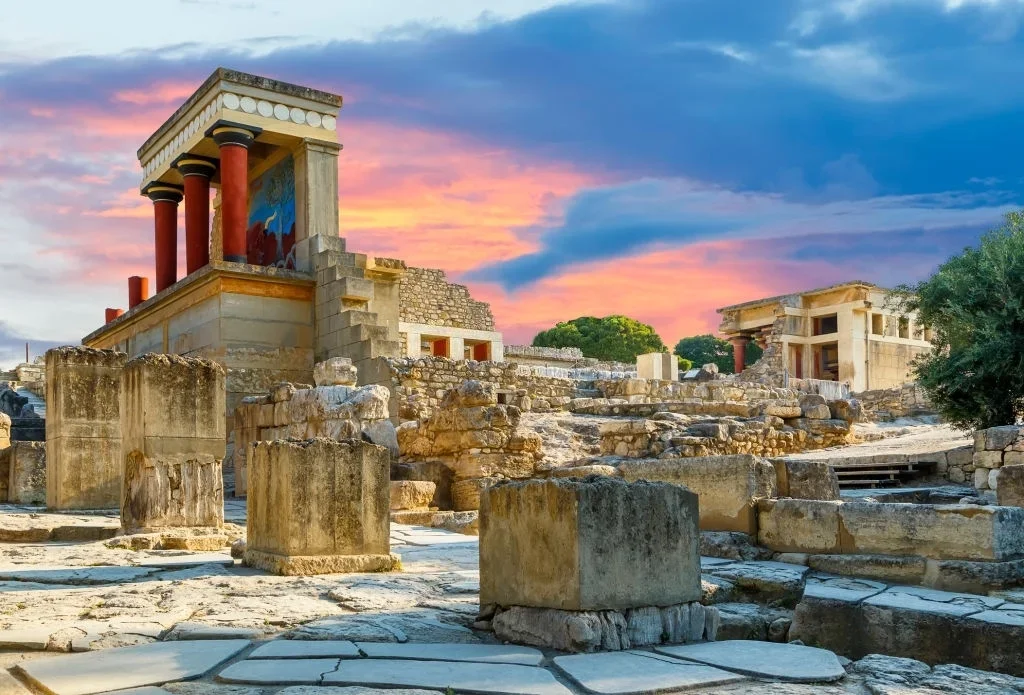
Knossos Palace is one of Crete's most talked-about archaeological sites, and for good reason. It combines Minoan history, royal quarters, ceremonial spaces, and one of Greece's best-known myths. This guide answers the questions people actually ask before they go, from tickets to the labyrinth story.

Agia Pelagia Beach is one of the easiest Cretan beaches to reach from Heraklion, and one of the most rewarding for a short stay or a full beach day. Set in a sheltered bay with clear water, nearby coves, tavernas, and a strong local identity, it works well for visitors who want more than just sand and sea. This guide covers what makes it different, when to go, and why many travelers choose it as a base in northern Crete.