 Back to blog
Chania Venetian Harbour & Old Town | Guide
On this page
- Quick Summary
- What Is Chania Venetian Harbour?
- What Makes the Venetian Harbour of Chania Special?
- A Brief History of Chania Venetian Harbour
- Things to Do at Chania Venetian Harbour
- The Best Walking Route Around Chania Old Town
- The Lighthouse and Sea Wall Walk
- History and Architecture in Chania Old Town
- Food, Bars and Tavernas
- Weather and Best Time to Visit
- Getting There
- Where to Stay
- Nearby Attractions
- Nea Chora Beach
- Koum Kapi
- Archaeological Museum of Chania
- Chalepa
- Venizelos Tombs
- Agioi Theodoroi
Quick Summary
Chania Venetian Harbour was developed by the Venetians during the 14th century for trade and protection.
The harbour’s best-known landmarks include the lighthouse, Firka Fortress, the Venetian shipyards and the Mosque of Kioutsouk Hasan.
Chania Old Town extends behind the waterfront through the neighbourhoods of Topanas, Kastelli, the Jewish Quarter and Splantzia.
Allow at least half a day to explore the harbour and Old Town without rushing.
The walk from Firka Fortress to the lighthouse is one of the best routes in the city.
Early morning and late afternoon are the most comfortable times to visit during summer.
The harbour can be explored throughout the year, although spring and autumn offer better conditions for walking.
Most of Chania Old Town is pedestrianised, but several streets have cobbles, steps and uneven surfaces.
What Is Chania Venetian Harbour?
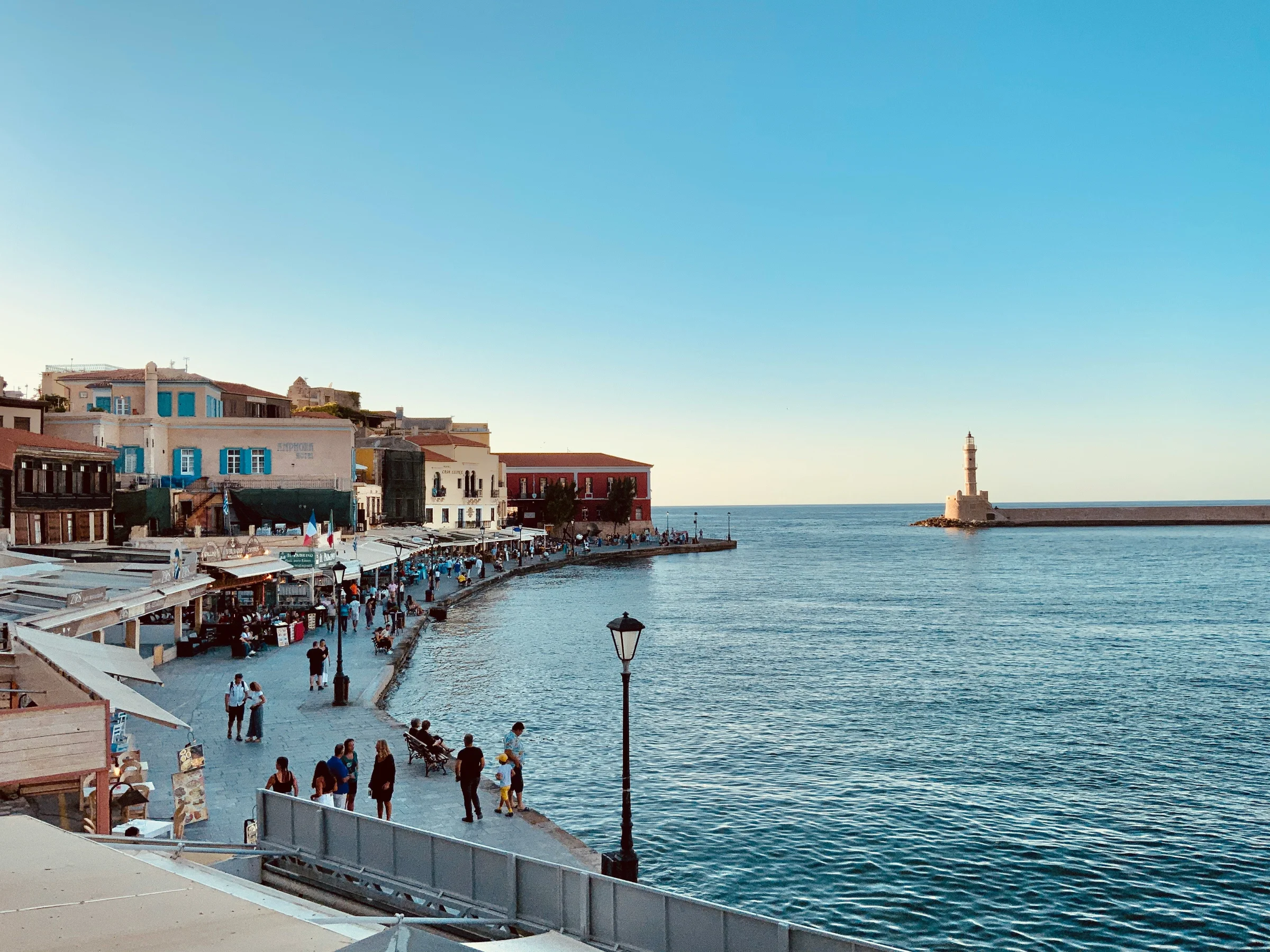
Chania Venetian Harbour is the historic seafront of Chania, on the northern coast of western Crete. It sits directly in front of Chania Old Town and remains the city’s most recognisable area.
The harbour was developed during the Venetian occupation of Crete, when Chania was known as La Canea. Its sheltered position allowed it to serve as a commercial port, naval base and defensive point on important Mediterranean routes.
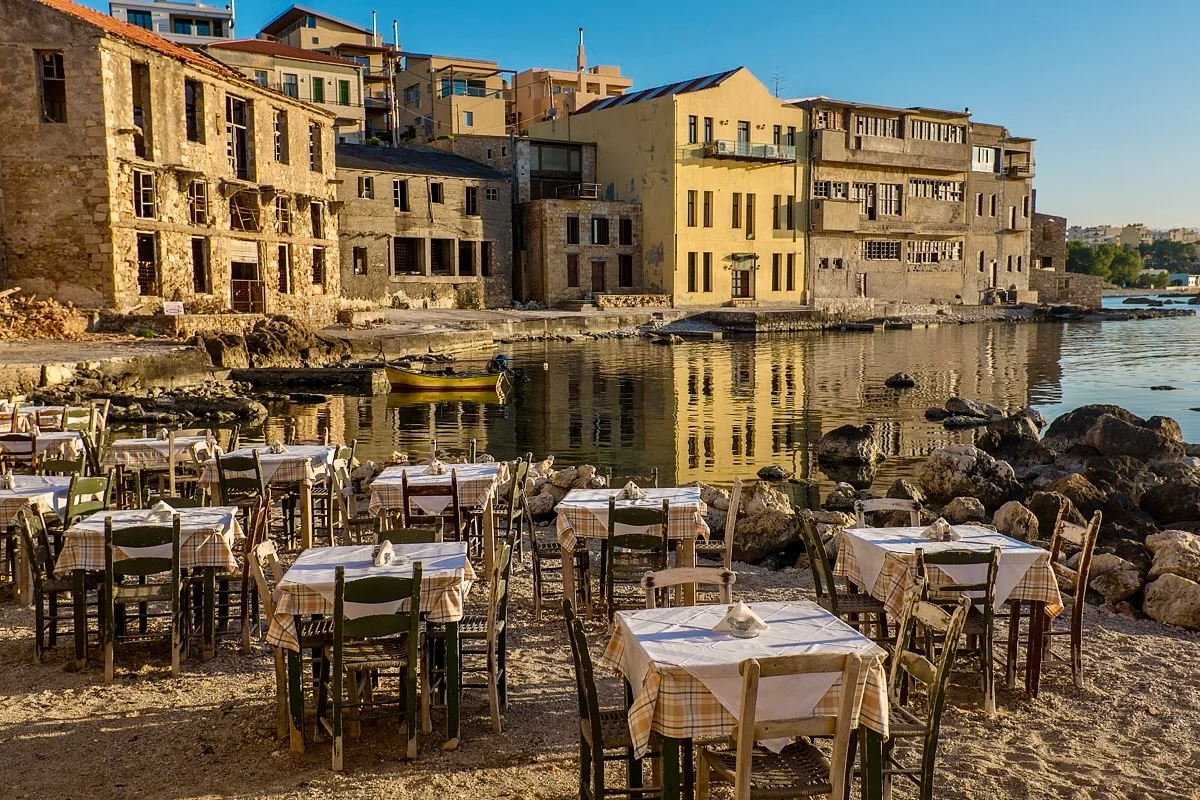
Today, the harbour is no longer the city’s main commercial port. Fishing boats, small excursion vessels and sailing yachts now occupy the water beside cafés, restaurants and restored historic buildings.
The harbour is often treated as a single attraction, but it is better understood as the starting point for exploring the wider Old Town. Behind the waterfront are former Venetian mansions, Ottoman houses, religious buildings, archaeological remains and neighbourhoods that still retain their individual identities.
What Makes the Venetian Harbour of Chania Special?
The defining feature of Chania Venetian Harbour is the way several periods of the city’s history remain visible within a relatively small area.
The Venetian sea wall and shipyards reveal the harbour’s original commercial and military purpose. The Mosque of Kioutsouk Hasan, also known as Yali Tzamii, represents the Ottoman period. Firka Fortress is connected both with Venetian defence and with the later union of Crete and Greece.
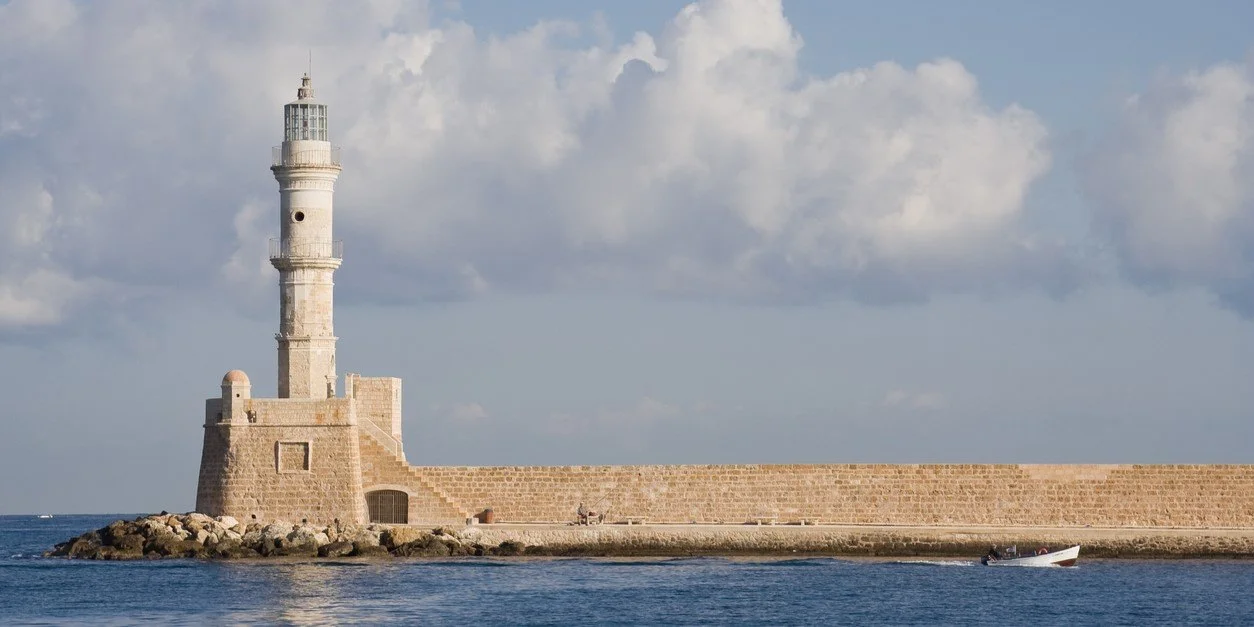
The lighthouse at the harbour entrance brings these different periods together. A lighthouse was constructed by the Venetians near the end of the 16th century. Its present appearance is linked to restoration work completed during the period of Egyptian administration in Crete between 1830 and 1840.
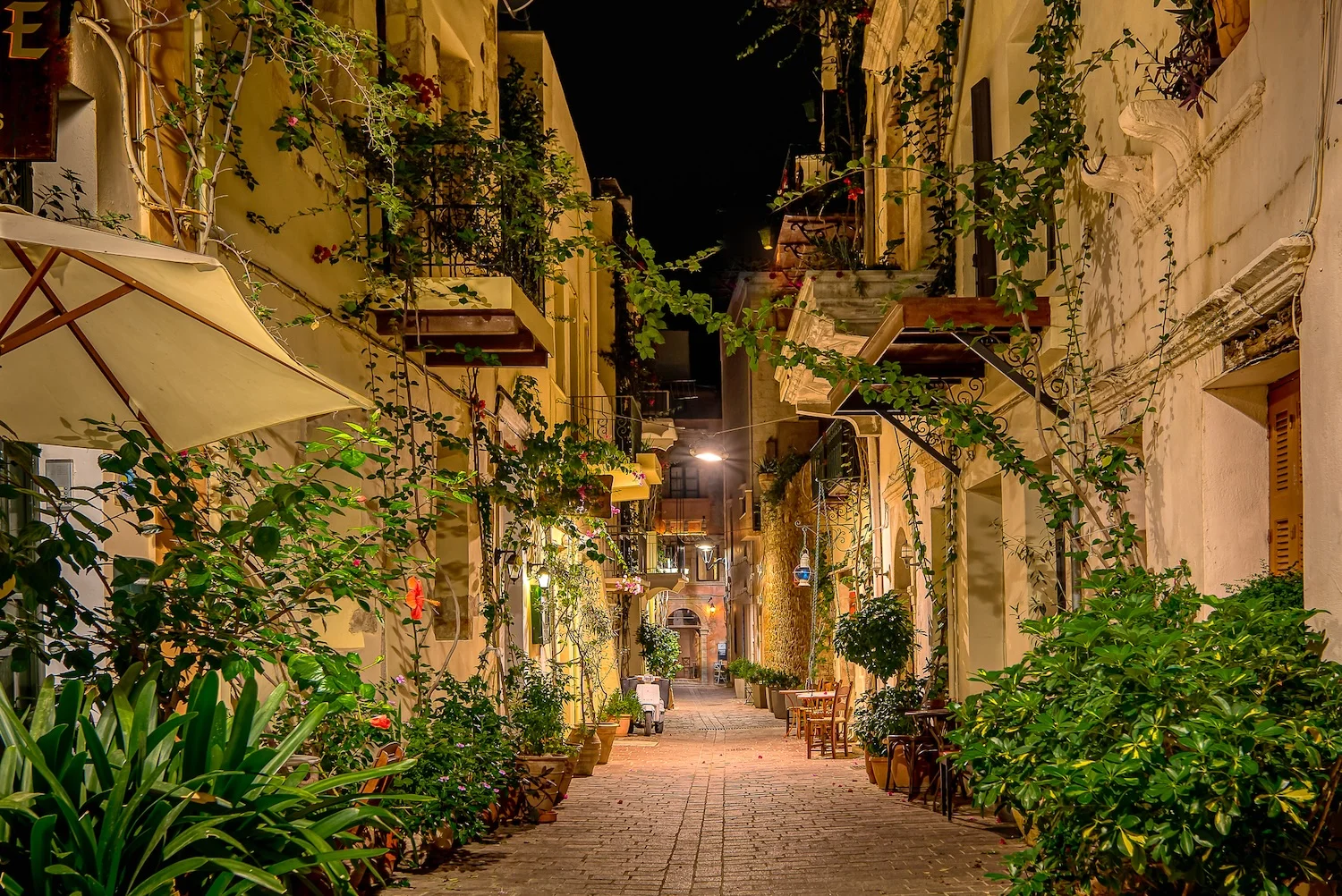
Chania Old Town begins only a few steps behind the waterfront. Narrow lanes lead away from the harbour into quieter residential streets, former workshops, small squares and places of worship.
The result is a city centre that changes character quickly. The busy waterfront may be full of people, while the next side street can feel almost removed from it.
A Brief History of Chania Venetian Harbour
Chania stands on the site of ancient Kydonia, one of the most important cities of western Crete. Archaeological evidence around Kastelli Hill shows that the area was inhabited from very early periods.
The Venetians controlled Crete from the early 13th century until the Ottoman conquest during the 17th century. They recognised Chania’s strategic position and developed its harbour during the 14th century to support commerce and protect ships from attacks.
Construction of the port is generally placed between 1320 and 1356. The harbour could reportedly accommodate more than 40 galleys and became an important base for controlling trade routes in the eastern Mediterranean.
The Venetians later strengthened the harbour with defensive walls, bastions and the fortress now known as Firka. They also constructed the shipyards, or Neoria, where galleys could be built, maintained and stored.
Chania fell to the Ottoman Empire in 1645. During the following centuries, churches were converted into mosques, new religious buildings were constructed and neighbourhoods developed around different communities.
The lighthouse was rebuilt during the period when Crete was administered by Egypt in the 19th century, giving the structure much of its present form.
In 1913, the Greek flag was raised at Firka Fortress to mark the official union of Crete with Greece. The harbour later suffered damage during the Second World War, but restoration projects have preserved many of its most important structures.
Things to Do at Chania Venetian Harbour
Walk along the waterfront
Begin near Firka Fortress and follow the curved promenade towards the eastern side of the harbour. The route passes historic buildings, cafés, the mosque, the marina and the Venetian shipyards.
See the Egyptian Lighthouse
The lighthouse is the main visual landmark of Chania Venetian Harbour. You can see it from almost every part of the waterfront or walk along the breakwater to reach its base when conditions are suitable.
Visit Firka Fortress
Firka Fortress occupies the western entrance of the harbour. It was used as a Venetian defensive structure, an Ottoman barracks and a prison. Today, part of the fortress houses the Maritime Museum of Crete.
See the Mosque of Kioutsouk Hasan
The domed mosque stands directly beside the water. It was constructed during the Ottoman period and is now used for exhibitions and cultural events rather than religious services.
Explore the Venetian shipyards
The surviving Neoria were built for the construction and repair of Venetian ships. Seven connected shipyards remain beside the marina, along with the larger Grand Arsenal, which now houses the Centre for Mediterranean Architecture.
Walk through Topanas
Topanas lies behind the western side of the harbour. Its streets contain restored Venetian houses, Ottoman architectural details, small hotels and some of the most photographed lanes in Chania Old Town.
Visit the Jewish Quarter
The historic Jewish Quarter is located between Topanas and the centre of the Old Town. The area includes the Etz Hayyim Synagogue and streets that reflect the long presence of Chania’s Jewish community.
Continue to Splantzia
Splantzia developed as an important Muslim neighbourhood during the Ottoman period. Today, its square, churches, cafés and shaded streets provide a quieter alternative to the main harbour promenade.
The Best Walking Route Around Chania Old Town
A good walking route begins at Firka Fortress, on the western end of the harbour. From here, follow the waterfront past the Maritime Museum and the restored buildings of Akti Kountourioti.
Continue towards the Mosque of Kioutsouk Hasan. This section is the busiest part of the promenade, particularly around sunset. Early morning offers clearer views and a quieter atmosphere.
From the mosque, walk towards the marina and the Grand Arsenal. The connected Venetian shipyards stand immediately beyond it. Their tall stone interiors show the scale of the ships once constructed and repaired here.
From the marina, you can continue onto the sea wall. The path runs around the eastern edge of the harbour and leads towards the lighthouse. There is little shade, and the stones may be slippery during rough weather, so choose comfortable shoes and avoid the route when waves are crossing the wall.
Return to the marina and enter Splantzia through the eastern streets of Chania Old Town. Visit Agios Nikolaos Church, which has both a bell tower and a minaret, reflecting its use during different religious periods.
Walk west towards Kastelli Hill, the oldest inhabited part of the city. The hill offers views over the harbour and contains remains associated with ancient Kydonia and later Venetian administration.
Continue through the central Old Town towards Halidon Street and the Cathedral of the Presentation of the Virgin Mary, known locally as Trimartiri.
From there, enter the narrow lanes of the Jewish Quarter and Topanas before returning to Firka Fortress. The complete route can be covered in two hours, but three to four hours allows time for museums, photographs and stops.
The Lighthouse and Sea Wall Walk
Walking to the lighthouse is the main activity associated with Chania Venetian Harbour.
The route begins near the Venetian shipyards and follows the long sea wall around the harbour entrance. From the wall, you can look back towards the curved waterfront, the mosque, Firka Fortress and the White Mountains behind the city.
The walk is most comfortable early in the morning or before sunset. Around midday, the path is exposed to direct sun and has no meaningful shade.
The lighthouse tower itself is not normally open as a visitor attraction, but reaching its base gives you one of the best viewpoints towards Chania Old Town.
Avoid the sea wall during strong winds or rough conditions. Waves can reach sections of the path, and parts of the stone surface are uneven.
History and Architecture in Chania Old Town
The architecture of Chania Old Town is not purely Venetian. It reflects a sequence of Minoan, Byzantine, Venetian, Ottoman and modern Greek periods.
Venetian influence is particularly visible in the harbour walls, Firka Fortress, the shipyards and several tall townhouses. Some façades still have arched entrances, stone frames and upper floors adapted during later periods.
Ottoman influence appears in domes, enclosed wooden balconies, courtyards, fountains and former mosques. One of the clearest examples is Agios Nikolaos Church in Splantzia, where a minaret survives beside the Christian bell tower.
Kastelli Hill forms the oldest core of the city. It was inhabited from the Neolithic period and later became an administrative centre under Venetian rule.
The Old Town was damaged by bombing during the Second World War. Some sections disappeared or were heavily altered, while others were restored as homes, guesthouses, restaurants and cultural spaces.
Food, Bars and Tavernas
The harbour promenade has the greatest concentration of restaurants, but location does not always guarantee the best meal. Waterfront tables are useful for views and evening drinks, while many stronger food choices can be found a few streets inland.
Look around Splantzia, Topanas and the streets near the Municipal Market for traditional tavernas, contemporary Cretan restaurants and small cafés.
Typical dishes include bougatsa, kalitsounia, dakos, lamb with stamnagathi, snails, local cheeses and seafood. Chania is also closely associated with products from western Crete, including olive oil, thyme honey, avocados and local wines.
For drinks, the western harbour is busy around sunset. Splantzia and the streets behind the marina tend to feel more relaxed later in the evening.
Reservations are useful during July and August, particularly for restaurants with harbour views.
Weather and Best Time to Visit
Chania Venetian Harbour can be visited throughout the year, but each season creates a different experience.
April to June is one of the best periods for walking through Chania Old Town. Temperatures are generally comfortable, daylight hours are long and the city is active without reaching peak summer crowd levels.
July and August are the hottest and busiest months. Explore early in the morning, return in the evening and avoid the exposed lighthouse walk during the hottest part of the day.
September and October combine warm weather with a slower atmosphere. The sea is usually still warm, making it easier to combine the harbour with beaches or boat activities.
November to March is quieter and more local. Some tourism-focused businesses reduce their hours, and rainy or windy days are more common, but museums, neighbourhood walks and restaurants remain available.
🔗 For detailed monthly conditions and seasonal advice, read the best time to visit Chania guide.
Getting There
Chania Venetian Harbour is located in the centre of Chania city. The main waterfront and most streets of Chania Old Town are best explored on foot.
From Chania International Airport, the journey to the city centre usually takes around 20 to 30 minutes by car, depending on traffic. Public buses also connect the airport with the central bus station.
From Souda Port, the city centre is approximately 7 kilometres away. Local buses and taxis operate between the port and Chania.
Cars are not practical inside the Old Town. Use one of the public parking areas outside the historic centre and continue on foot. Parking becomes more difficult in the evening and during the busiest summer months.
The central intercity bus station is within walking distance of the harbour and connects Chania with Rethymno, Heraklion and several destinations across western Crete.
Where to Stay
🔗 For detailed information, read the best place to stay in Chania guide.
Inside Chania Old Town
Staying inside the Old Town gives you direct access to the harbour, restaurants and historic streets. Many properties occupy restored buildings, so rooms may include stairs, compact layouts or limited vehicle access.
Near the Venetian Harbour
Harbour-facing accommodation provides excellent views but can be noisy, particularly during high season. Check whether the room faces the promenade and whether nearby restaurants stay open late.
Splantzia
Splantzia is close to the harbour but has a more residential character. It works well for visitors who want access to the centre without staying on the busiest streets.
Nea Chora
Nea Chora lies west of the Old Town and has a beach, fish tavernas and a more local atmosphere. The Venetian Harbour is reachable on foot along the coast.
Koum Kapi
Koum Kapi is located east of the Old Town. Its waterfront has cafés and bars, while the Venetian Harbour is around a 10 to 15-minute walk away.
Nearby Attractions
Nea Chora Beach
Nea Chora is the closest organised beach to Chania Old Town. It can be reached on foot from Firka Fortress and has several seafood tavernas beside the water.
Koum Kapi
Koum Kapi extends east of the Venetian walls. Its seafront is popular for coffee, drinks and evening walks.
Archaeological Museum of Chania
The Archaeological Museum is now located in the Chalepa district. Its collection covers the history of the Chania region from prehistoric periods onwards.
Chalepa
Chalepa contains neoclassical houses, former consulates, the residence of Eleftherios Venizelos and the historic Tabakaria leather-working district.
Venizelos Tombs
The tombs of Eleftherios and Sofoklis Venizelos are located on a hill east of the city. The site provides a broad view over Chania and the northern coast.
Agioi Theodoroi
Boat trips from the Chania coast may travel towards Agioi Theodoroi, a protected island visible west of the city.
Frequently asked questions
What is Chania Venetian Harbour famous for?
Chania Venetian Harbour is famous for its historic lighthouse, sea wall, Venetian shipyards, Firka Fortress and Ottoman mosque. It is also the main entrance to Chania Old Town.
When was Chania Venetian Harbour built?
The Venetians developed the harbour mainly during the 14th century. Construction is generally dated between 1320 and 1356, with later fortifications and shipyards added as the city’s naval role expanded.
Is Chania Old Town worth visiting?
Yes. Chania Old Town contains some of the best-preserved historic streets in Crete, with Venetian, Ottoman and modern Greek architecture within a compact, walkable area.
Can you walk to the Chania lighthouse?
Yes, you can walk along the sea wall to the base of the lighthouse when weather and sea conditions are suitable. The route is exposed and may be unsafe during strong winds or high waves.
How long do you need at Chania Venetian Harbour?
Allow at least two to three hours for the harbour and main Old Town streets. Half a day is better if you plan to visit museums, walk to the lighthouse or stop for food.
What is the best time to visit Chania Venetian Harbour?
Spring and early autumn offer the most comfortable conditions. During July and August, visit early in the morning or later in the afternoon to avoid high temperatures and larger crowds.
Things to do nearby
Book a guided experience in this area
Related Articles
Continue exploring Crete
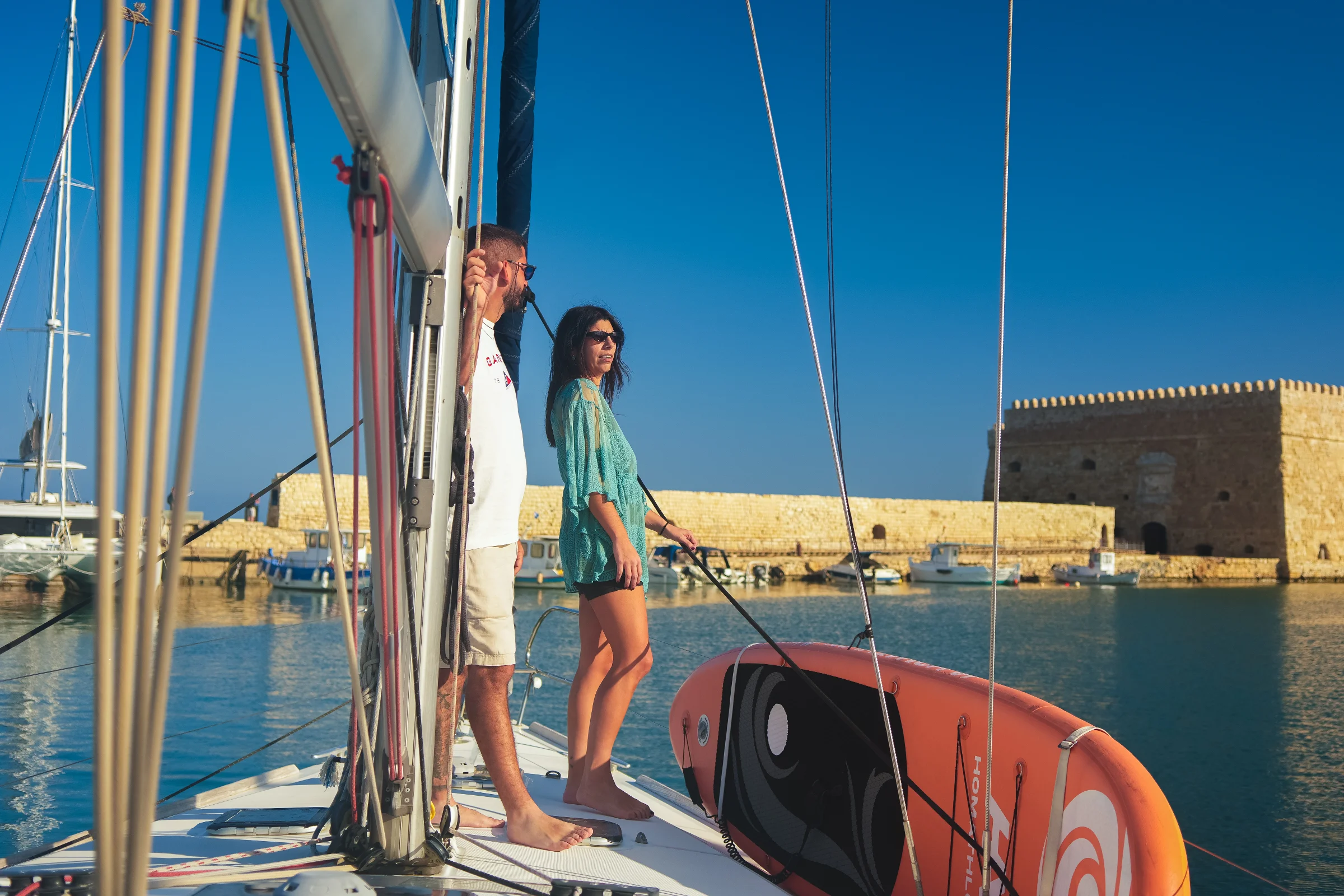
One Day in Heraklion: The Complete Itinerary for Crete's Capital
Most visitors get exactly one day in Heraklion, and most of them spend it queuing at Knossos in the worst of the afternoon heat. It does not have to go that way. This is the order we would put the day in — the palace first thing, the Old Town on foot while the shade still favours you, the museum indoors when the sun is at its worst, and the Venetian harbour at the end. Every time and price below comes from our own booking calendar, so you can plan the day around what is genuinely running rather
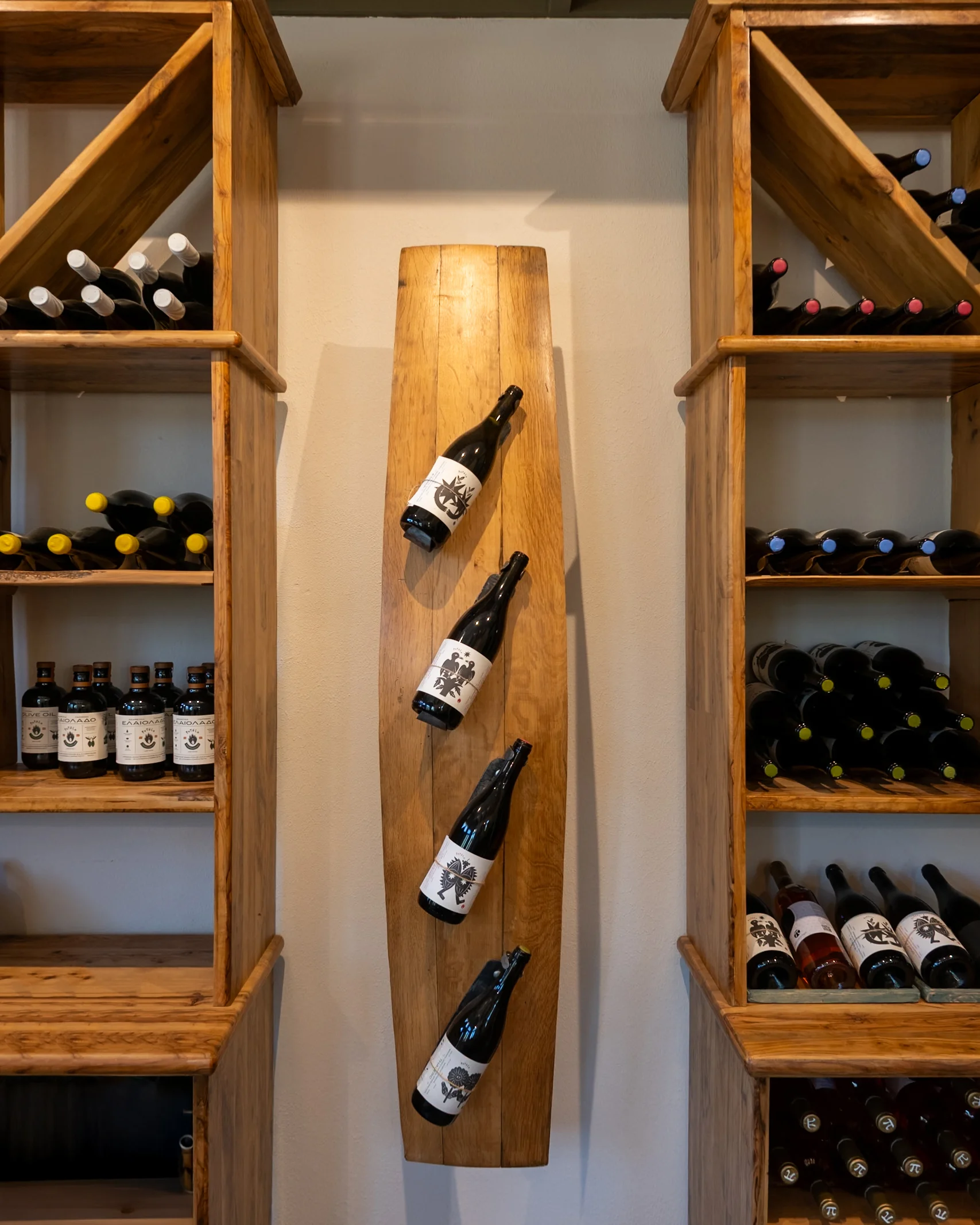
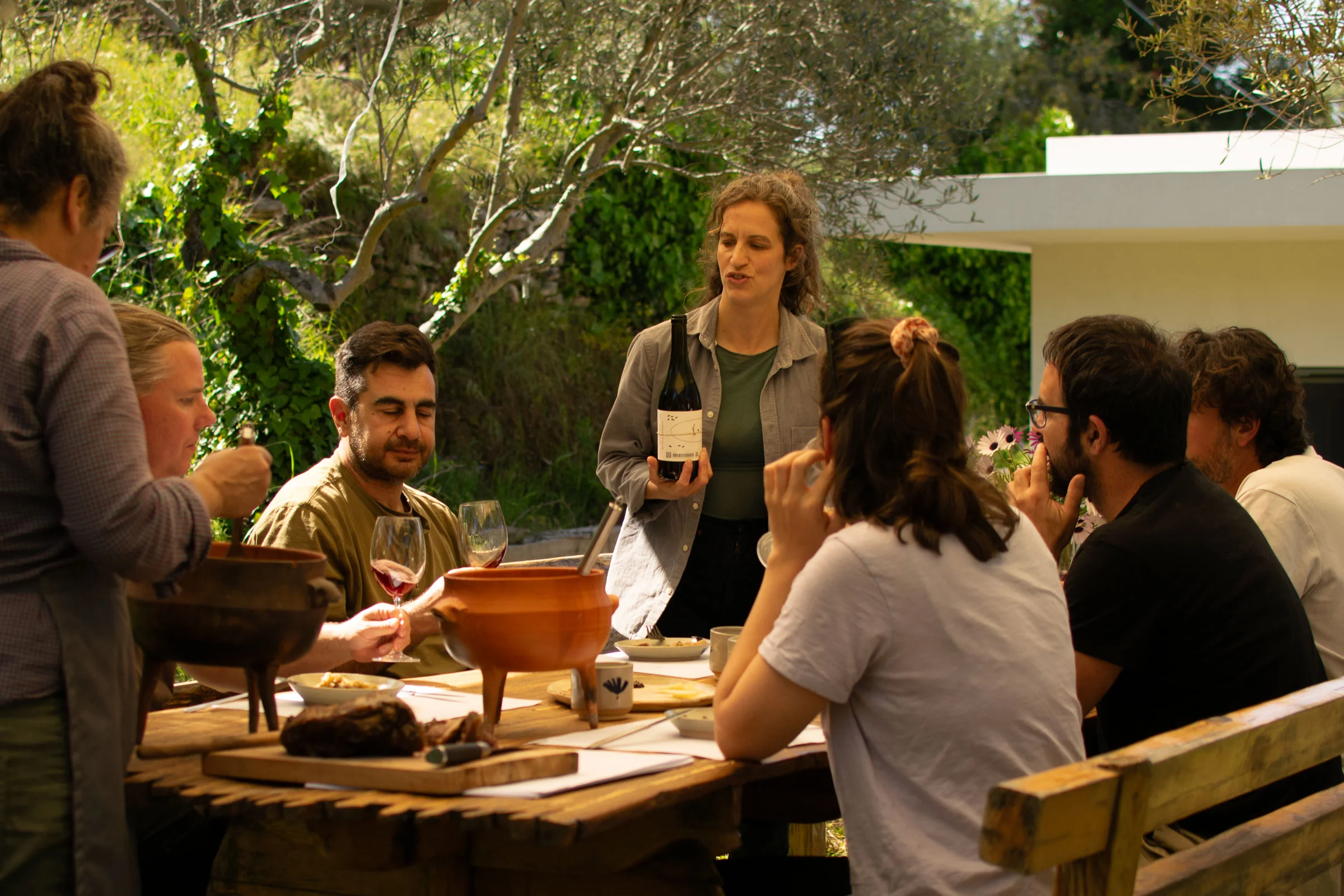
Cretan Red Wine: The Grapes, the Blends and What the Label Hides
Crete's red wines are easier to enjoy than to read. The island's leading red grape is almost never named on the front of a bottle, the two appellations built on it print no recipe at all, and the most confident Englishlanguage writing about Cretan wine repeats three claims that Greek planting and appellation records flatly contradict. This is the grapebygrape, labelbylabel version: what the four native reds taste like, why they are blended rather than bottled alone, what a PDO and a PGI
Venetian Fortresses of Crete: History and Visitor Guide
The Venetian fortresses of Crete still guard harbours, hilltops and remote islands across the coast. Some have become city landmarks, while others require a boat journey or a steep walk to reach their walls. This guide covers their history, the best fortresses to visit and how to include them in a trip around Crete.
Let Crete come to you
Sign up to get authentic stories, travel tips, and new experiences
By entering my email, I agree to receive marketing notifications from travel & do.