 Back to blog
The Best Things to Do in Crete: A Complete Island Guide
Quick Summary
The best things to do in Crete fall into a few clear groups:
Minoan ruins, mountain gorges, western and southern beaches, and old Venetian towns.
Most first-time visitors try to see all of it in a few days, then spend half the trip in the car.
The island is the largest in Greece, and driving between the far west and the far east can take four hours or more.
A better plan is to pick one or two bases, usually near Chania in the west and Heraklion or Agios Nikolaos in the centre and east, and treat each as a hub for day trips.
This guide walks through the sites that earn their place, then covers food, weather, transport, and how to match activities to the number of days you have and the people you are traveling with.
Introduction
There are more things to do in Crete than any single week can hold, which is why the island repays a little planning. It has ancient palaces, one of the longest gorges in Europe, beaches with pink and white sand, and towns where Venetian and Ottoman history sits in plain view. It also has a working interior of olive groves, high plateaus and small villages that most package holidays skip entirely. The result is a destination that suits history readers, hikers, beach travelers and families equally, as long as you accept that you cannot cover the whole island at a relaxed pace in one visit. The sections below are organised so you can lift out the parts that fit your trip and leave the rest for next time.
A Quick Sense of History and Identity
Crete has been settled for at least four thousand years. The Minoan civilisation, Europe's earliest recorded culture, rose here in the third millennium BC and lasted until around 1400 BC, when the mainland Mycenaeans took over. After them came Romans, Byzantines, Venetians and, from the seventeenth century, the Ottomans, before Crete joined the modern Greek state and later became a fiercely contested battleground in the Second World War. That long sequence of rulers is the reason a single afternoon can move you from a Bronze Age palace to a Venetian harbour to an Ottoman mosque. It also shaped the food, the architecture and the strong local identity that Cretans still carry. Knowing the rough order of events makes the ruins and old towns far easier to read, and turns a list of sights into something closer to a story.
The Best Things to Do in Crete
The entries below are the anchors of most good Crete itineraries. Each note says who it suits and gives the practical detail that tends to trip people up.
Explore the Palace of Knossos
The Palace of Knossos, just south of Heraklion, is the most significant Minoan site on the island and the one place most visitors build a day around. The layout is famously maze-like, which fed the ancient legend of the Labyrinth and the Minotaur. Much of what you see was reconstructed in the early twentieth century, and many original finds now sit in the Heraklion museum, so a guide or good audio guide makes a real difference to what you take away. Allow two to three hours, wear proper shoes for uneven ground, and go early to beat both the heat and the tour buses. It suits history readers and older children who like a story attached to the stones.
Hike the Samaria Gorge
The Samaria Gorge, cut through the White Mountains in the west, is one of the longest gorges in Europe at roughly sixteen kilometres, and crossing it is a full day out. Most people start early on an organised transfer, walk down through pine and past the abandoned village and the narrow Iron Gates, and finish at the coast at Agia Roumeli, where a ferry carries them along the shore to a bus home. It is demanding rather than technical, so decent boots, water and an early start matter more than fitness heroics. If a full day on your feet is too much, the shorter Imbros Gorge nearby gives a similar feel in a fraction of the time. Both suit walkers and anyone who wants Crete beyond the beach.
Wander Chania Old Town
Chania, in the west, has the old town most travelers fall for. Its Venetian harbour, the domed former mosque on the waterfront, and the tangle of lanes behind it reward slow, aimless walking rather than a checklist. The streets are quiet in the morning and come alive in the evening, when the harbour front fills and the light on the water is at its best. Chania also works as the ideal base for the whole west, within reach of the best beaches and the Samaria trailhead. Give it at least half a day on foot, and an evening if you can.
See Balos Lagoon and Elafonisi Beach
The west holds Crete's two most photographed beaches. Balos Lagoon, on the northwest tip, is a shallow, pale sweep of sand and turquoise water reached by boat from Kissamos or by a rough drive plus a walk down. Elafonisi, on the southwest corner, is a protected reserve known for its pink-tinged sand and shallow channels you can wade across. Both are stunning and both get very busy, so arrive early, bring shade and water, and treat them as half-day trips rather than quick stops. A four-wheel-drive helps on the Balos track, which is one reason many travelers take the boat instead. They suit beach lovers, photographers and families with young children who need calm, shallow water.
Take the Boat to Spinalonga
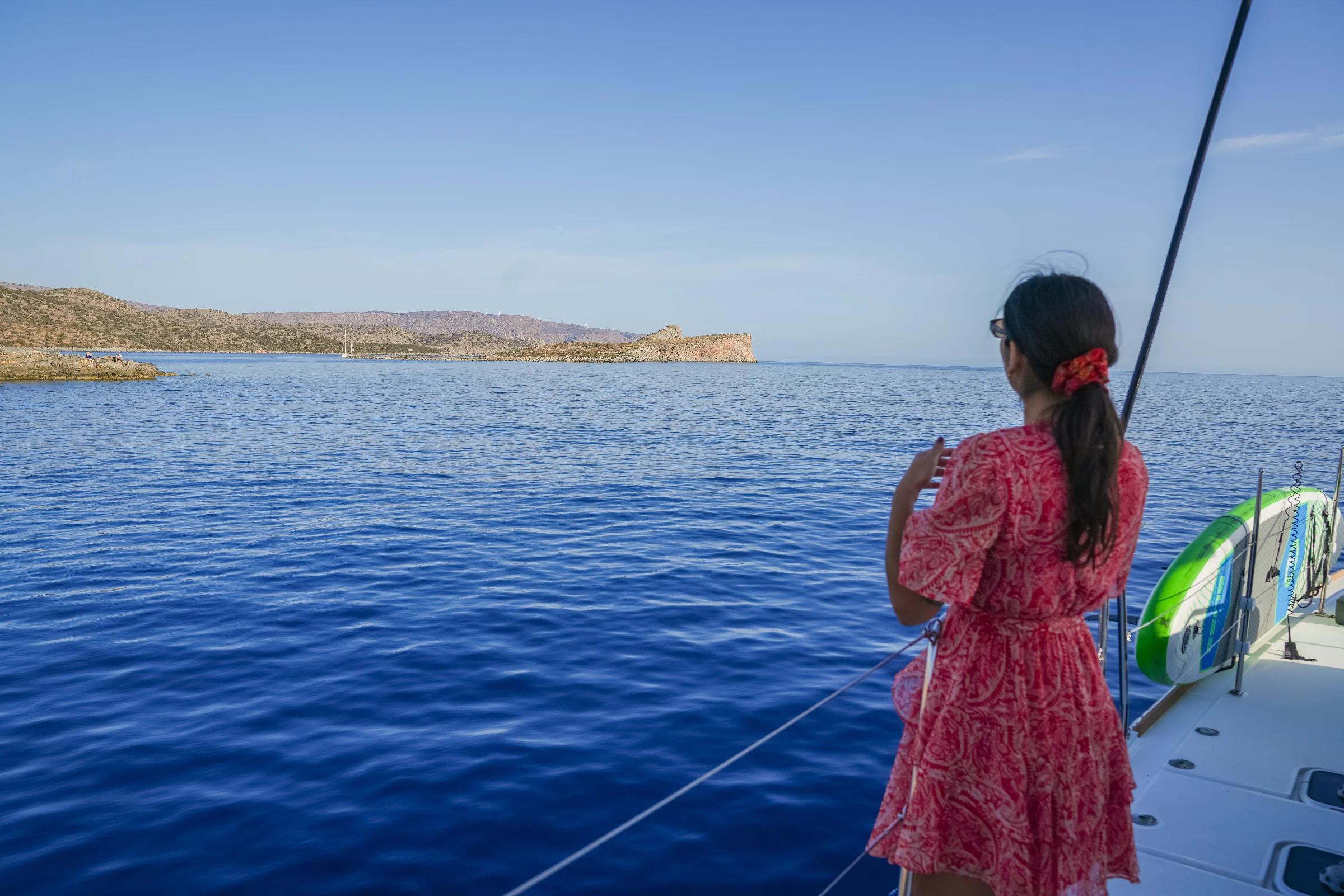
Spinalonga, a fortified islet off Elounda in the east, spent the twentieth century as a leper colony, a history made famous by Victoria Hislop's novel The Island. Short ferries run across from Elounda, Plaka and Agios Nikolaos, and the walk around the ruins takes an hour or so. It is an unusual, moving stop rather than a beach day, and pairs naturally with time in the pretty resort towns of the Mirabello coast. Bring water and a hat, since there is little shade on the island.
Stroll Rethymno Old Town
Halfway between Heraklion and Chania, Rethymno is a smaller, quieter version of Chania's appeal, with a Venetian harbour, an Ottoman-era old town and a large fortress above the sea. It makes an easy half-day on foot and a good lunch stop when you are crossing the island, or a calmer base for travelers who want old-town atmosphere without the biggest crowds.
Visit the Heraklion Archaeological Museum
If Knossos lights a spark, the Heraklion Archaeological Museum is where it catches. The collection holds the finest Minoan art anywhere, including the frescoes and objects moved from Knossos itself, so seeing the two together tells a far fuller story than either alone. Plan two to three hours, and consider pairing it with a walk around Heraklion's old harbour and the Koules fortress. It suits anyone with a serious interest in the island's ancient past.
Base Yourself in Agios Nikolaos
Agios Nikolaos, built around a small deep lake beside the harbour, is the friendliest base in the east. It has good tavernas, easy swimming nearby, and quick access to Spinalonga, Elounda and the Lassithi region inland. Families like it for the gentle pace and the paddle boats on the lake, while couples use it as a calm evening base after busier days out.
Go Inland to the Lassithi Plateau and Dikteon Cave
Most visitors never leave the coast, which is exactly why the interior is worth a day. The Lassithi Plateau is a ring of farming villages and old windmills high in the mountains, and above it sits the Dikteon Cave, known in myth as the birthplace of Zeus. The cave is a steep, cool walk down among stalactites, best with sturdy shoes. A day up here, with a village lunch, shows the working Crete that beaches and ruins hide.
Add a Village, an Olive Grove or a Cooking Class
Beyond the headline sights, some of the best hours in Crete are quiet ones. The island has the highest number of olive trees in the world, and the ancient tree at Vouves, west of Chania, is thought to be over two thousand years old. A grove visit, a cooking session built around local produce, or a slow lunch in a mountain village gives a trip its texture and balances the bigger, busier days. These experiences suit travelers who want to understand the place, not only photograph it.
Food and Tavernas
Cretan cooking is one of the strongest reasons to visit, and it is refreshingly simple. Expect wild greens, plenty of olive oil, cheeses like graviera and mizithra, slow-cooked lamb and goat, snails, rusks piled with tomato, and honey with everything sweet. Coastal tavernas do fresh fish sold by weight, so check the price before it hits the grill. Inland villages tend to serve heartier, meat-forward plates and their own wine and raki. The best meals are rarely the ones with harbour-front photos on the menu, and are more often the small family places a street or two back. Build at least one long, unhurried lunch into your week rather than treating food as fuel between sights.
Weather and Best Time to Visit
Crete has a long, warm season. June, July and August bring the hottest weather, the warmest sea and the biggest crowds and prices, which is worth knowing before you commit to a midsummer gorge hike. May, September and October are the shoulder months many regulars prefer, with softer heat, thinner crowds and better value, and September in particular still has warm swimming. From November to April the island is quiet and green, good for walking and towns but too cool for reliable beach days, and some coastal businesses close. For a mixed trip of ruins, hiking and swimming, late May and September are the easiest windows.
Getting There and Getting Around
Crete has two main airports, at Heraklion and Chania, both a short flight from Athens at around forty-five minutes, plus ferry links from Piraeus and several Cycladic islands into Heraklion, Chania and other ports. Once you land, a rental car is close to essential, because the sights are spread across the island and buses, while cheap and reliable on the main north coast, cannot reach most beaches, gorges and villages. Book the car early in high season, check whether rough tracks such as the Balos road are excluded from your insurance, and remember that a four-wheel-drive is only needed for a few specific routes. Distances look small on a map and drive long on mountain roads, so plan fewer things per day than you first expect.
How to Choose What to Do in Crete
The simplest way to plan is by region and by days. If you have three days, pick one side, usually the west, and combine Chania, one famous beach and either the Samaria Gorge or a quiet village day. With five days, add a second base and mix ruins, beaches and one inland trip. With a week or more, you can pair a western base with an eastern one and slow the whole thing down. Then filter by traveler type. History readers should weight Knossos, the Heraklion museum and the old towns. Walkers should build around the gorges and the interior. Beach travelers should chase Balos, Elafonisi and the softer south coast. Families do best mixing calm beaches, the Minotaur story at Knossos and short village outings rather than long drives. The point is to choose a theme for each day instead of stringing distant sights together and losing the day to the road.
Find curated Crete experiences below and choose the ones that match your route, pace and travel style.
Common Mistakes to Avoid
The first and biggest mistake is underestimating distance and trying to see the whole island from one hotel, which turns a holiday into a driving tour. The second is visiting Balos and Elafonisi in the middle of the day in July, when the heat and crowds are at their worst, rather than going early. The third is skipping the interior entirely, so the trip becomes a string of car parks and beaches with none of the villages that give Crete its character. Other common slips include booking a hire car too late in summer, wearing the wrong shoes for the gorges and the cave, planning a big beach day for a windy stretch of the north coast, and packing every day so full that there is no time for the long lunches that are half the reason to come.
Where to Stay
Where you sleep shapes the whole trip, because it decides which sights are an easy day out and which are a slog. For the west, a base in or near Chania puts the best beaches, the Samaria Gorge and a beautiful old town within reach. For the centre, Rethymno or Heraklion balances Knossos, the museum and cross-island drives. For the east, Agios Nikolaos and Elounda open up Spinalonga and the quieter Mirabello coast. Many travelers find a private base with its own kitchen and outdoor space works better than a large resort, especially for families or longer stays, since it gives room to spread out and a quiet evening after busy days. My Creta Villas lists villas across these areas so you can match the location to the days you are planning.
Nearby Attractions and Day Trips
Wherever you base yourself, keep a few flexible half-days for the smaller stops between the headline sights. From the west, that might mean the palm beach at Preveli, the fishing village of Loutro reached only by boat or on foot, or the beaches around Falasarna for sunset. From the centre, the Minoan site of Phaistos and the hippie-era caves at Matala make an easy pairing on the south coast, while Lake Kournas, the island's only freshwater lake, is a calm change of pace. From the east, the Lassithi villages and quiet coves along the Mirabello coast fill a relaxed day. These are the stops that turn a good week into a memorable one, precisely because they are not on every itinerary.
Frequently asked questions
How many days do you need in Crete?
Five to seven days is the comfortable minimum for a first visit that mixes ruins, one gorge, a couple of beaches and a town or two. With only three days, focus on a single region rather than racing across the island. Two weeks lets you cover both ends at a genuinely relaxed pace.
What is the top thing to do in Crete for first-time visitors?
If you do only one thing, make it Knossos paired with the Heraklion Archaeological Museum, since together they explain the island's deep history. Close behind are a day in Chania's old town and, for anyone able to walk it, the Samaria Gorge.
Do you need a car in Crete?
For most itineraries, yes. Buses cover the main north-coast towns well, but the beaches, gorges, caves and mountain villages that make the island special are hard to reach without your own transport. Book early in summer.
When is the best time to visit Crete?
Late May, June, September and early October give the best balance of warm sea, manageable crowds and fair prices. July and August are hottest and busiest, while winter is quiet, green and better suited to towns and walking than to the beach.
Is Crete good for families?
Very. Shallow beaches such as Balos and Elafonisi, the Minotaur legend at Knossos, paddle boats at Agios Nikolaos and easy village days give children variety without long drives, as long as you keep each day focused on one area.
Related Articles
Continue exploring Crete
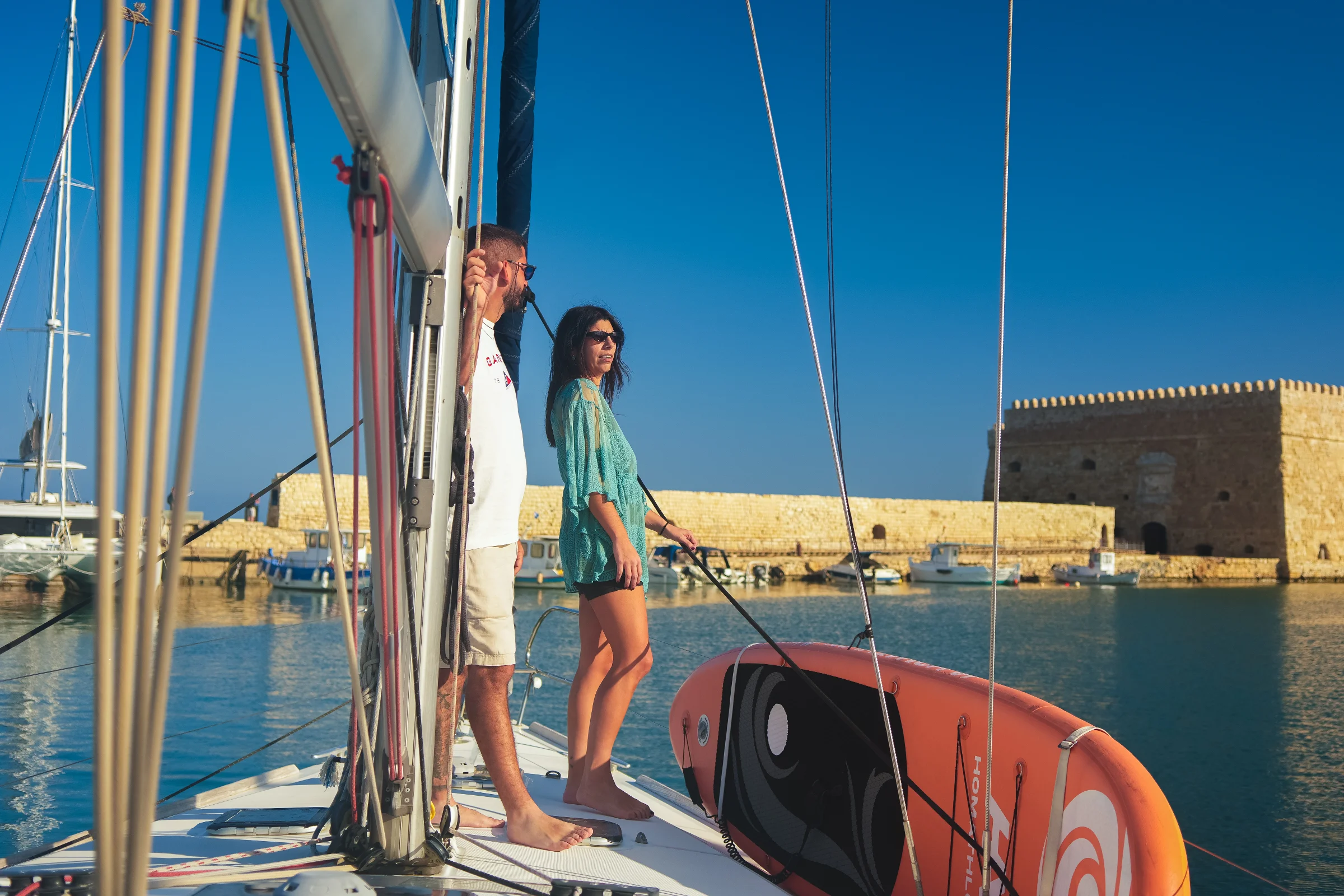
One Day in Heraklion: The Complete Itinerary for Crete's Capital
Most visitors get exactly one day in Heraklion, and most of them spend it queuing at Knossos in the worst of the afternoon heat. It does not have to go that way. This is the order we would put the day in — the palace first thing, the Old Town on foot while the shade still favours you, the museum indoors when the sun is at its worst, and the Venetian harbour at the end. Every time and price below comes from our own booking calendar, so you can plan the day around what is genuinely running rather
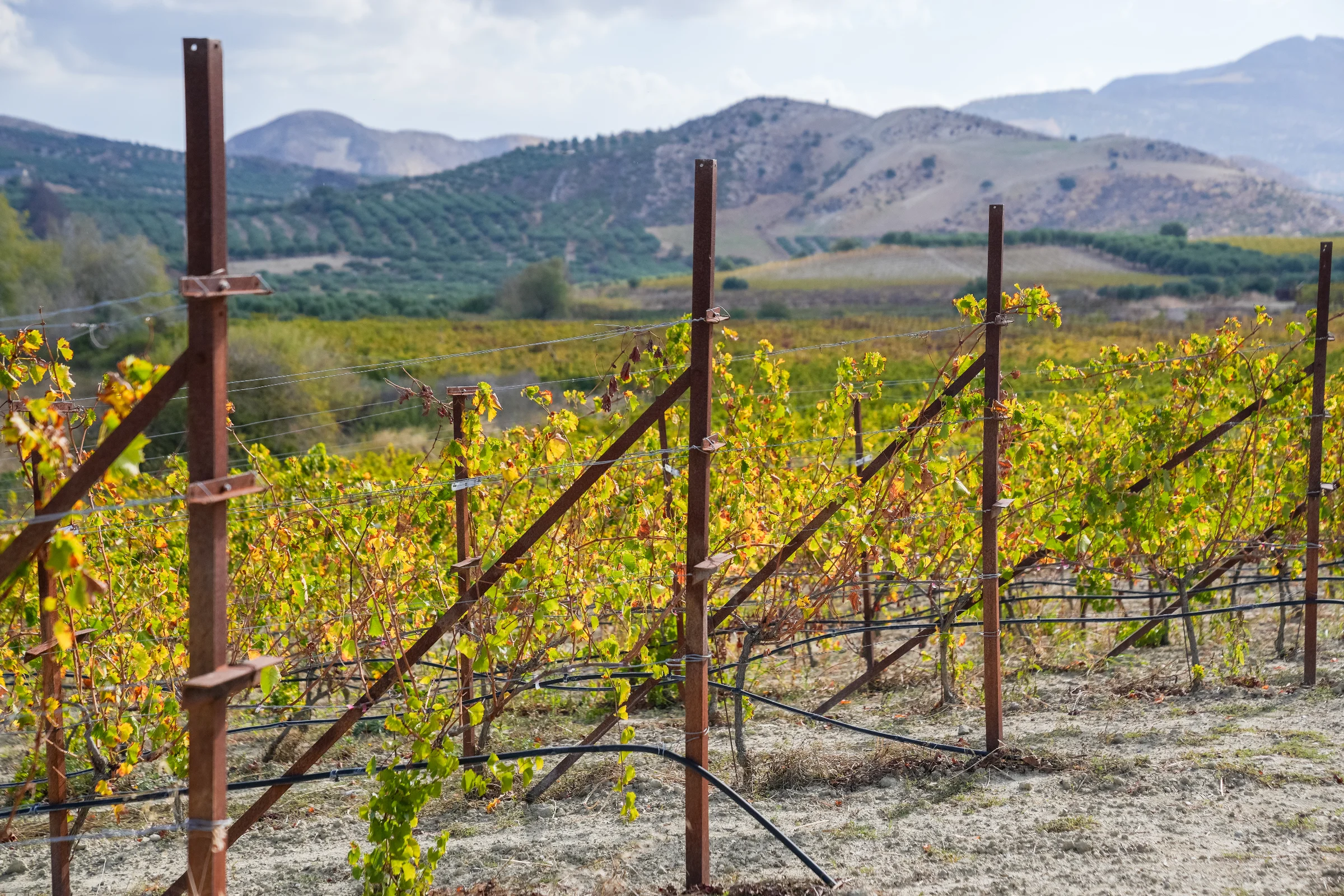
Cretan Red Wine: The Grapes, the Blends and What the Label Hides
Crete's red wines are easier to enjoy than to read. The island's leading red grape is almost never named on the front of a bottle, the two appellations built on it print no recipe at all, and the most confident Englishlanguage writing about Cretan wine repeats three claims that Greek planting and appellation records flatly contradict. This is the grapebygrape, labelbylabel version: what the four native reds taste like, why they are blended rather than bottled alone, what a PDO and a PGI
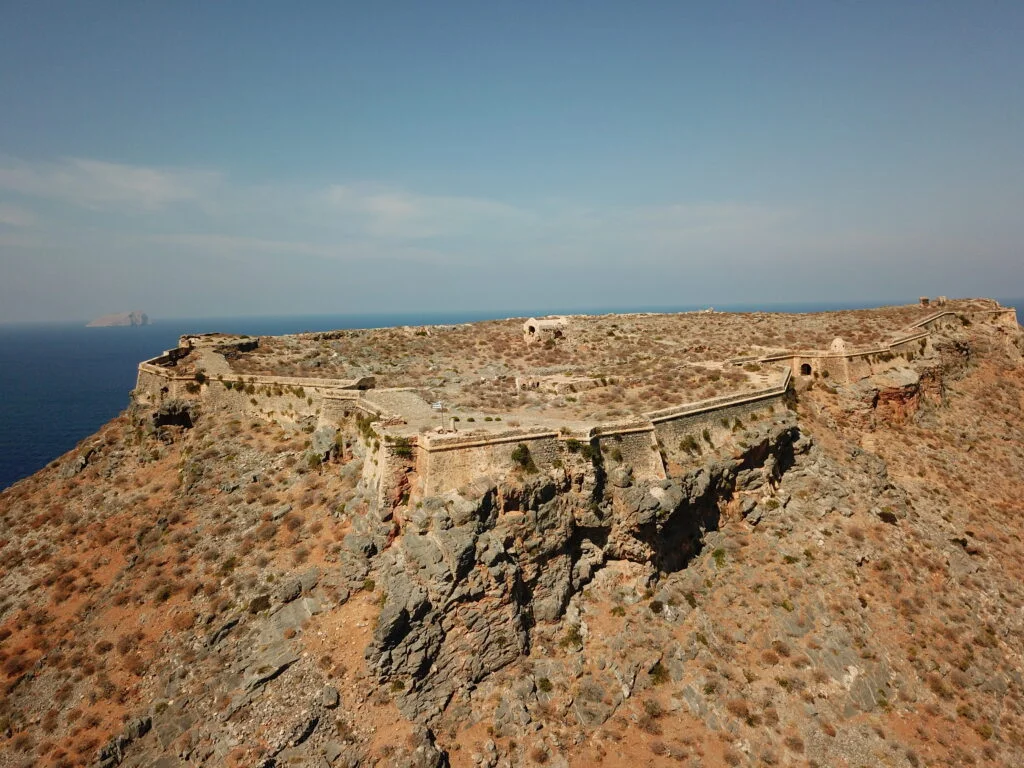
Venetian Fortresses of Crete: History and Visitor Guide
The Venetian fortresses of Crete still guard harbours, hilltops and remote islands across the coast. Some have become city landmarks, while others require a boat journey or a steep walk to reach their walls. This guide covers their history, the best fortresses to visit and how to include them in a trip around Crete.
Let Crete come to you
Sign up to get authentic stories, travel tips, and new experiences
By entering my email, I agree to receive marketing notifications from travel & do.