 Back to blog
Crete Wine Tours: A Complete Guide to Wineries, Regions and Tastings
On this page
Quick Summary
Crete wine tours take you inland from the coast into rolling hills of vines and olive groves, where family wineries pour indigenous grapes like Vidiano, Liatiko, Kotsifali and Vilana.
Most tours run between April and early November, last a half or full day, and combine two or three winery visits with tastings and often a Cretan lunch.
The main wine country sits in the center of the island around Heraklion, with the appellations of Peza, Archanes and Dafnes, while Chania in the west and Sitia in the east add their own character.
Budget around 25 euro per person for a guided tasting with a winery visit, less for short walking tastings and more for private full days.
This guide covers the regions, grapes, winery styles, food, timing and the practical choices that make a wine day work.
Why Crete Wine Tours Belong on Your Trip
Many visitors come to Crete for the sea and leave without tasting what grows a few kilometers inland. That is a missed opportunity, because Crete wine tours reach one of the oldest wine cultures in Europe. The island has been making wine since the Bronze Age, and today a new generation of producers is reviving grapes that almost disappeared. A day among the vines gives you shade, quiet, long views over terraced hills, and a chance to understand how wine, olive oil and food fit together in Cretan life.
There is also a practical reason to book a tour rather than drive yourself. Cretan wineries are spread across valleys and hill villages, roads can be narrow, and tastings are more relaxing when someone else handles the driving. A good guide books your visits, times the day so wineries are ready for you, and translates both language and context. That turns a set of stops into a story about the land.
A Short History of Cretan Wine
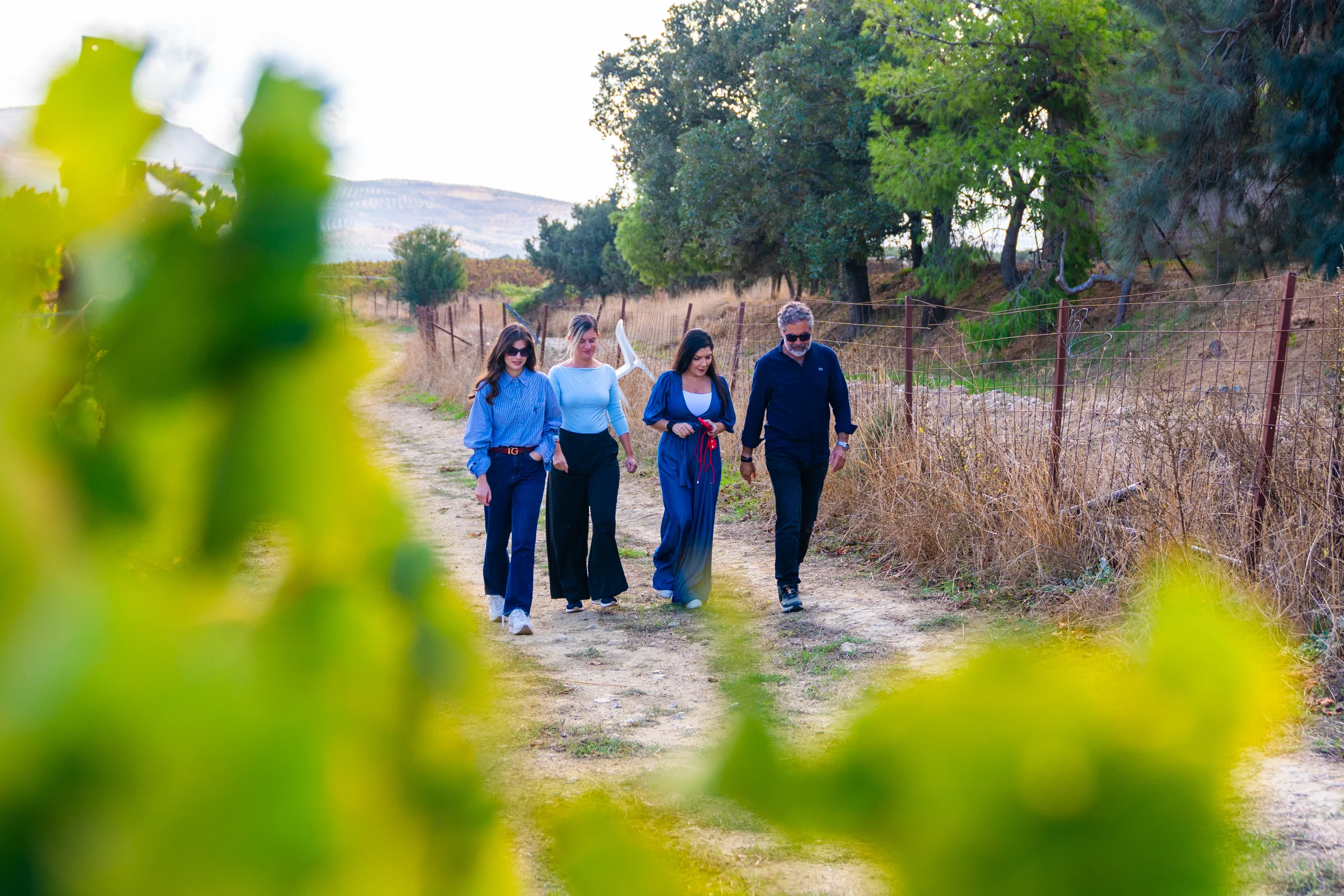
Crete's winemaking goes back roughly four thousand years to the Minoan civilization, which built its wealth on exports of olive oil, grain and wine. Archaeologists have found ancient grape presses in the hills south of Archanes, evidence that the same valleys pouring wine today were doing so in the sixteenth century BCE. The island's wines later traveled through the Roman world, and under Venetian rule the sweet Malvasia of Crete became a prized export across Europe.
That long line was nearly broken. The phylloxera louse that devastated European vineyards reached Crete late, in the twentieth century, and much of the island effectively restarted its wine industry in the 1980s. This is why Crete feels both ancient and young. You can taste a grape with a thousand-year record beside a modern label made by a winemaker in their thirties. By some estimates the island accounts for more than a tenth of Greece's total wine output, and its dry Mediterranean climate suits organic growing, which many producers have embraced.
The Grapes Behind Crete Wine Tours
Understanding a few grape names makes any tasting richer. On the white side, Vidiano has become the island's flagship. Rescued from old terraced parcels near Rethymno, it gives textured, stone-fruit whites that can age. Vilana is the workhorse white of the Peza appellation, floral and citrus-fresh. Thrapsathiri, Dafni and Plyto round out the whites, the last two saved from near extinction by growers in the Heraklion hills.
Among the reds, Kotsifali is a plummy, aromatic variety often blended with the darker, more tannic Mandilaria to add structure and color. Liatiko is one of Greece's oldest reds and the star of the Dafnes zone, pale and fragrant in a way some drinkers compare to lighter Burgundy. In the west, the quirky Romeiko can be turned into red, rose, white or sparkling wine depending on the maker. International grapes such as Syrah, Mourvedre and Viognier also thrive here and appear in many blends.
Cretan Wine Regions to Explore
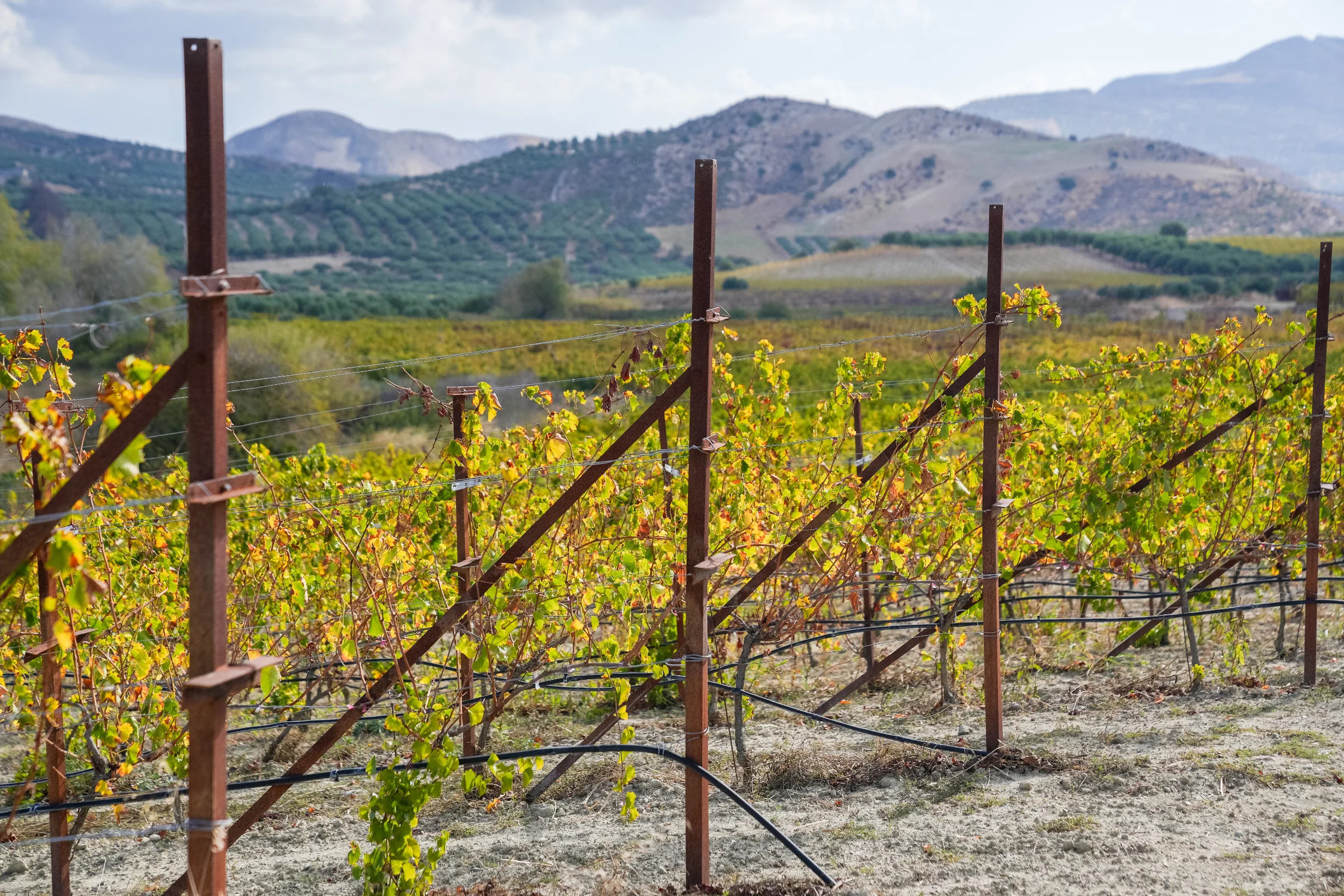
From a wine-touring point of view, Crete divides roughly into three bands from west to east: Chania, the central Heraklion area, and Sitia in the far east. Most of the designated wine regions sit in the middle of the island, which is why many wine travelers base themselves near Heraklion for a few days.
Heraklion: Peza, Archanes and Dafnes
The heart of Cretan wine tourism lies just south of the capital. Peza is the largest appellation, known for reds from Kotsifali and Mandilaria and crisp whites from Vilana. Archanes, on the road south-east past the palace of Knossos, shares those red grapes and has become a testing ground for rare varieties. Dafnes, to the south-west toward Phaistos, is Liatiko country. These three zones lie a short drive apart, so a single day can cover two of them comfortably.
Chania: Western Crete
Chania has no protected appellation yet, but it has a long winemaking history and a growing tasting scene. The signature grape is Romeiko, and several estates near the city pair wine with olive oil and mountain scenery. Western tours often combine a winery with an olive mill, since the two crops share the same terraces.
Rethymno and the Center-West
Between Chania and Heraklion, the Rethymno hills hide small, ambitious producers working old terraced vineyards. This is where some of the most talked-about Vidiano is made, often organically or biodynamically, in tiny quantities that rarely leave the island.
Sitia and the East
Far to the east in the Lasithi region, Sitia has its own appellation built on Vilana and Thrapsathiri whites, plus Liatiko reds and air-dried sweet Malvasia. It is a long drive from the main resorts, so it rewards travelers who base themselves in the east and prefer thinner crowds.
For wineries worth visiting, check our full list of wine tours in Crete.
Types of Crete Wine Tours
There is no single format, and choosing the right style matters more than most people expect. A half-day tour usually visits two wineries, with a tour of the cellar and a seated tasting of three or four wines at each, returning by early afternoon. A full-day tour adds a third winery and a lunch stop, either at a winery restaurant or a village taverna, and typically runs seven hours or so.
Beyond length, the main split is private versus group. A private tour follows your interests and pace and suits couples, keen wine drinkers, or anyone who wants to dig into technical detail. A semi-private or shared group tour, often capped at eight to ten guests, costs less and adds the social energy of tasting with others. There are also walking wine tastings through old towns, where you sample local varieties across a few stops without leaving the city, and wine and olive oil days that fold in a mill visit. In the west, evening and dinner tastings run through the warmer months.
Food, Tavernas and Wine Pairing
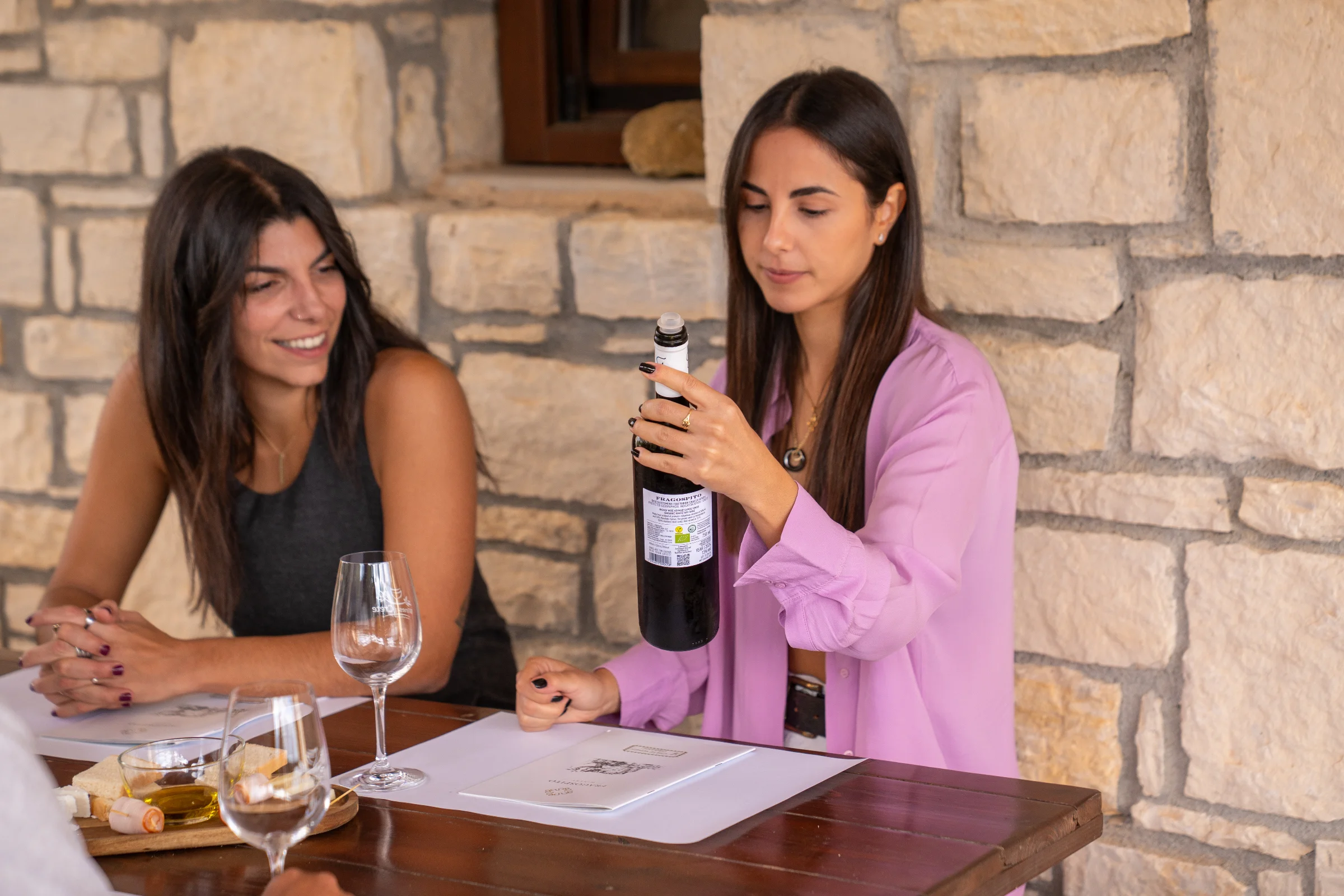
Cretan wine is inseparable from Cretan food, and most tours build in eating. Expect mezze of local cheeses like graviera and mizithra, rusks topped with tomato and olive oil, slow-cooked lamb, and greens gathered from the hills. Whites from Vilana and Vidiano handle grilled fish and vegetables well, while Kotsifali and Liatiko reds suit lamb, tomato-based dishes and aged cheese. Olive oil is the constant thread, and many wineries and mills let you taste oil beside the wine, which shows how closely the two crops are farmed. If lunch is not included in your tour, ask your guide to book a village taverna near the last winery rather than driving back to the coast hungry.
Weather and Best Time for Crete Wine Tours
The tasting season broadly follows the tourist season. Most wineries welcome visitors from April to early November, and a few in the west run year round. High summer, from June through August, brings heat that can top the mid-thirties Celsius inland, so morning tours or shaded terraces are more comfortable than midday in the vines. The shoulder months of April, May, September and October are ideal, with softer light, warm but manageable temperatures and fewer crowds. Harvest, usually from late August into September depending on the grape and altitude, is the most atmospheric time to visit, though wineries are also at their busiest then.
Getting There and Getting Around
Crete has two main airports, at Heraklion and Chania, plus ferry links from Athens. Heraklion sits closest to the central wine country, which is one reason it makes a natural base. From the city, Peza and Archanes lie a short drive south past Knossos, and Dafnes a little further to the south-west. A rental car lets you build your own route, but tasting and driving mix badly, so a guided tour or a designated driver is the safer choice on a wine day. If you plan to self-drive, keep tastings light, spit rather than swallow, and space out your stops.
How to Choose the Right Crete Wine Tour
Start with how much wine and detail you actually want. If you are new to Cretan grapes, a half-day group tour with a knowledgeable guide is a gentle, affordable start. If you already love wine or want to focus on one appellation, a private day gives you depth and flexibility. Think about pace: two wineries done well beat three done in a rush. Check whether lunch and tastings are included, how many wines you will try at each stop, and whether pickup covers your hotel. Match the region to your base as well, since a Heraklion stay pairs naturally with Peza and Dafnes, while a Chania stay points you west. Booking curated experiences in advance saves you from arriving at an estate that only takes appointments.
For wineries worth visiting, check our full list of wine tours in Crete.
Common Mistakes to Avoid
The most frequent error is trying to cram in too many wineries. Three thoughtful visits fill a day, and four turns tasting into a checklist. A second mistake is self-driving and then tasting fully, which is both unsafe and illegal above the limit. Others book only in Chania or only near their resort and miss the deeper wine country around Heraklion, or they visit in the dead heat of midday rather than the cooler morning. Skipping food is another trap, since tasting several wines on an empty stomach ends the day early. Finally, many travelers forget that small estates often require appointments, so walking in unannounced can mean a closed door.
For wineries worth visiting, check our full list of wine tours in Crete.
Nearby Attractions
A wine base in central Crete sits beside some of the island's headline sights. The Minoan palace of Knossos lies on the road between Heraklion and the Peza vineyards, making it easy to pair ruins with a tasting. The Heraklion Archaeological Museum holds the finds that explain the Minoan world, including its wine and olive culture. Gorges, mountain villages and beaches are all within reach, so a wine day can be balanced by a morning at an ancient site or an afternoon swim. This mix is part of what makes Crete unusual: few places let you combine deep history, mountain scenery and serious wine in a single short drive.
Frequently Asked Questions
How much do Crete wine tours cost?
As a rough guide, a guided tasting that includes a winery visit averages around 85 euro per person. Short town walking tastings can start closer to 20 euro, while full-day private tours with lunch and a driver run higher. Prices vary by season, group size and how many wineries you visit.
How long does a wine tour take?
A single winery visit with a cellar tour and seated tasting usually takes two to three hours. Half-day tours cover two wineries in about four to five hours, and full-day tours run around seven hours with a lunch stop.
Do I need to book in advance?
Yes, especially for smaller family estates, which often welcome visitors by appointment only. Booking ahead also lets a guide time your day so each winery is ready for you.
Which region is best for a first wine tour?
For most visitors the Heraklion area, with Peza, Archanes and Dafnes close together, offers the widest choice in the smallest driving radius. Chania is the natural pick if you are staying in the west.
Can I visit wineries with children?
Many wineries are family-run and happy to host children, often with grape juice, food and open space to move around. Confirm when you book, and expect a calmer pace than an adults-only tasting.
Final Thoughts
Crete wine tours reward curiosity. Behind the beaches sits a working landscape of old vines, revived grapes and families who have made wine for generations, and a single day among them changes how you taste the island. Pick a region that matches your base, keep the schedule unhurried, eat as you drink, and let a guide handle the logistics. Do that and you leave with more than a few bottles. You leave understanding why wine has mattered on this island for four thousand years.
Related Articles
Continue exploring Crete
One Day in Heraklion: The Complete Itinerary for Crete's Capital
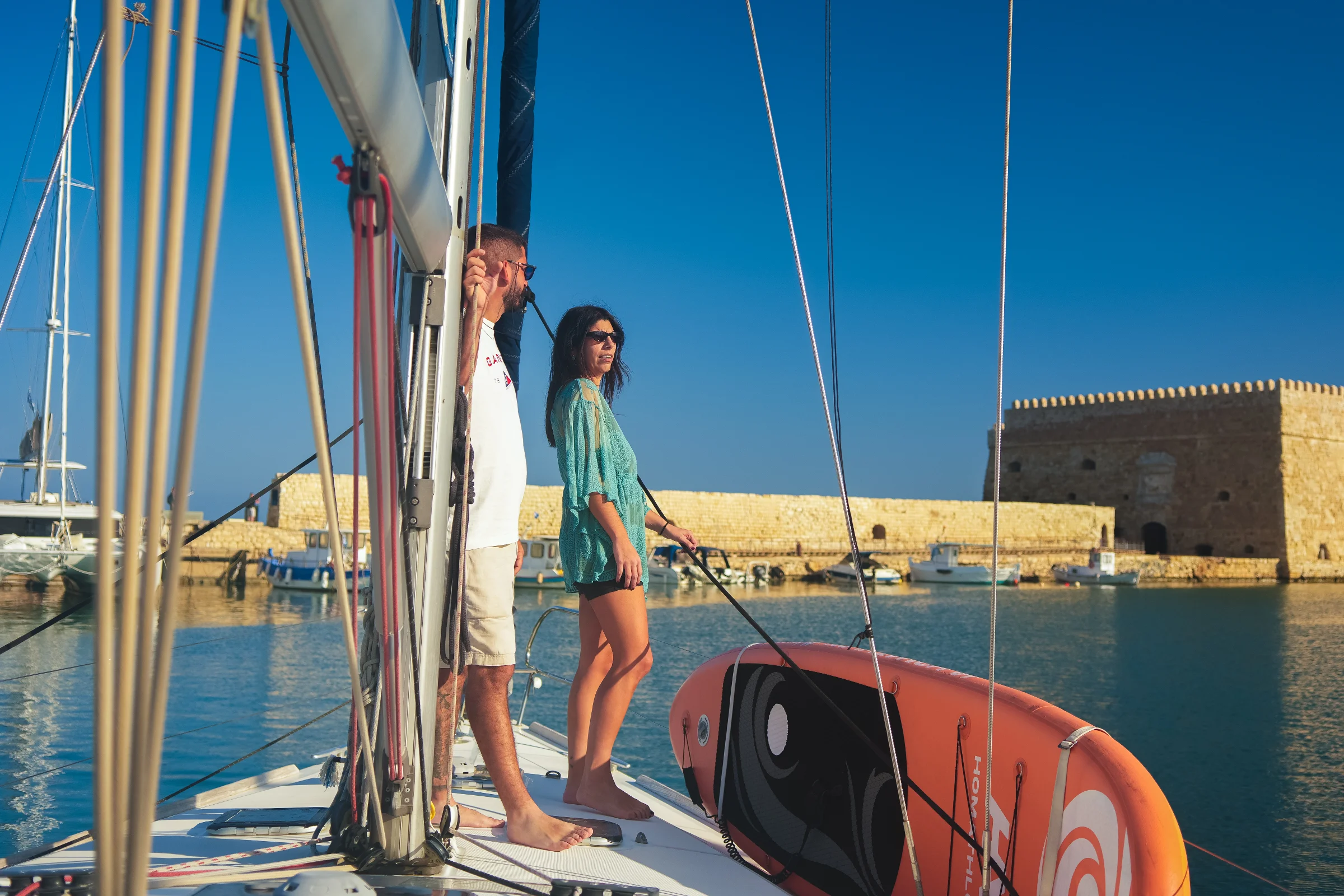
Most visitors get exactly one day in Heraklion, and most of them spend it queuing at Knossos in the worst of the afternoon heat. It does not have to go that way. This is the order we would put the day in — the palace first thing, the Old Town on foot while the shade still favours you, the museum indoors when the sun is at its worst, and the Venetian harbour at the end. Every time and price below comes from our own booking calendar, so you can plan the day around what is genuinely running rather
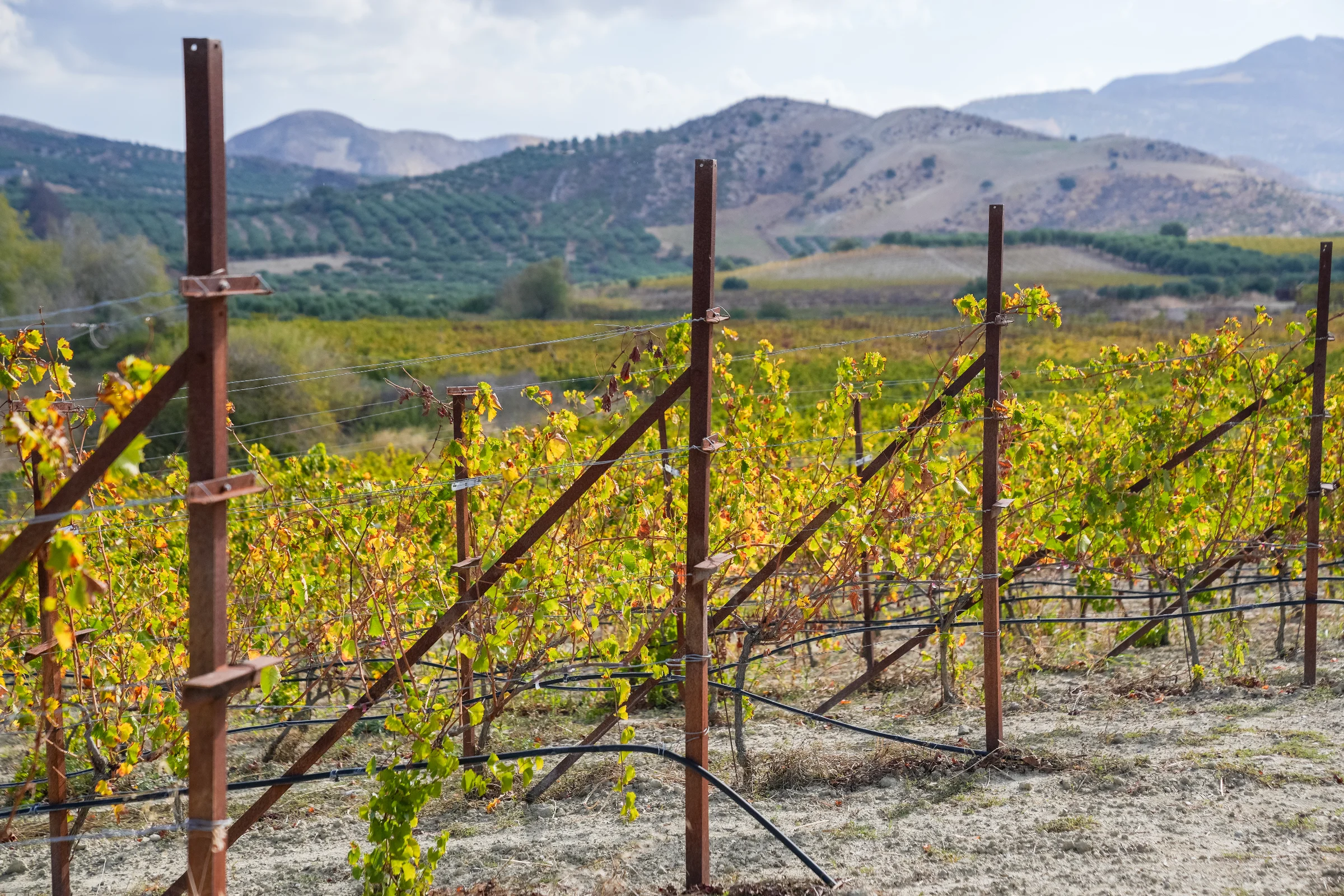
Cretan Red Wine: The Grapes, the Blends and What the Label Hides
Crete's red wines are easier to enjoy than to read. The island's leading red grape is almost never named on the front of a bottle, the two appellations built on it print no recipe at all, and the most confident Englishlanguage writing about Cretan wine repeats three claims that Greek planting and appellation records flatly contradict. This is the grapebygrape, labelbylabel version: what the four native reds taste like, why they are blended rather than bottled alone, what a PDO and a PGI
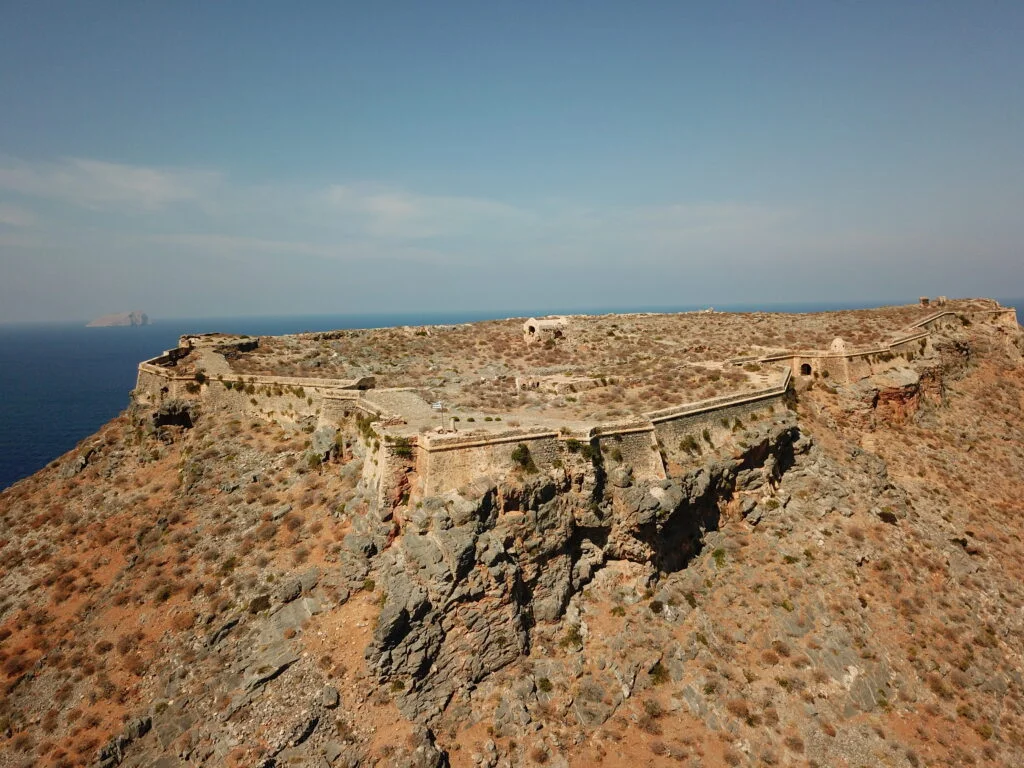
Venetian Fortresses of Crete: History and Visitor Guide
The Venetian fortresses of Crete still guard harbours, hilltops and remote islands across the coast. Some have become city landmarks, while others require a boat journey or a steep walk to reach their walls. This guide covers their history, the best fortresses to visit and how to include them in a trip around Crete.
Let Crete come to you
Sign up to get authentic stories, travel tips, and new experiences
By entering my email, I agree to receive marketing notifications from travel & do.