 Back to blog
Sailing to Dia Island: Everything You Need to Know
On this page
Quick Summary
Dia Island sits roughly 7 nautical miles north of Heraklion, which makes it one of the most accessible sailing outings on Crete’s north coast.
Most visitors go on organized sailing trips from Heraklion, usually as morning, daytime, or sunset departures.
The main draw is simple: clear water, swimming, snorkeling, and time at anchor rather than sightseeing on land.
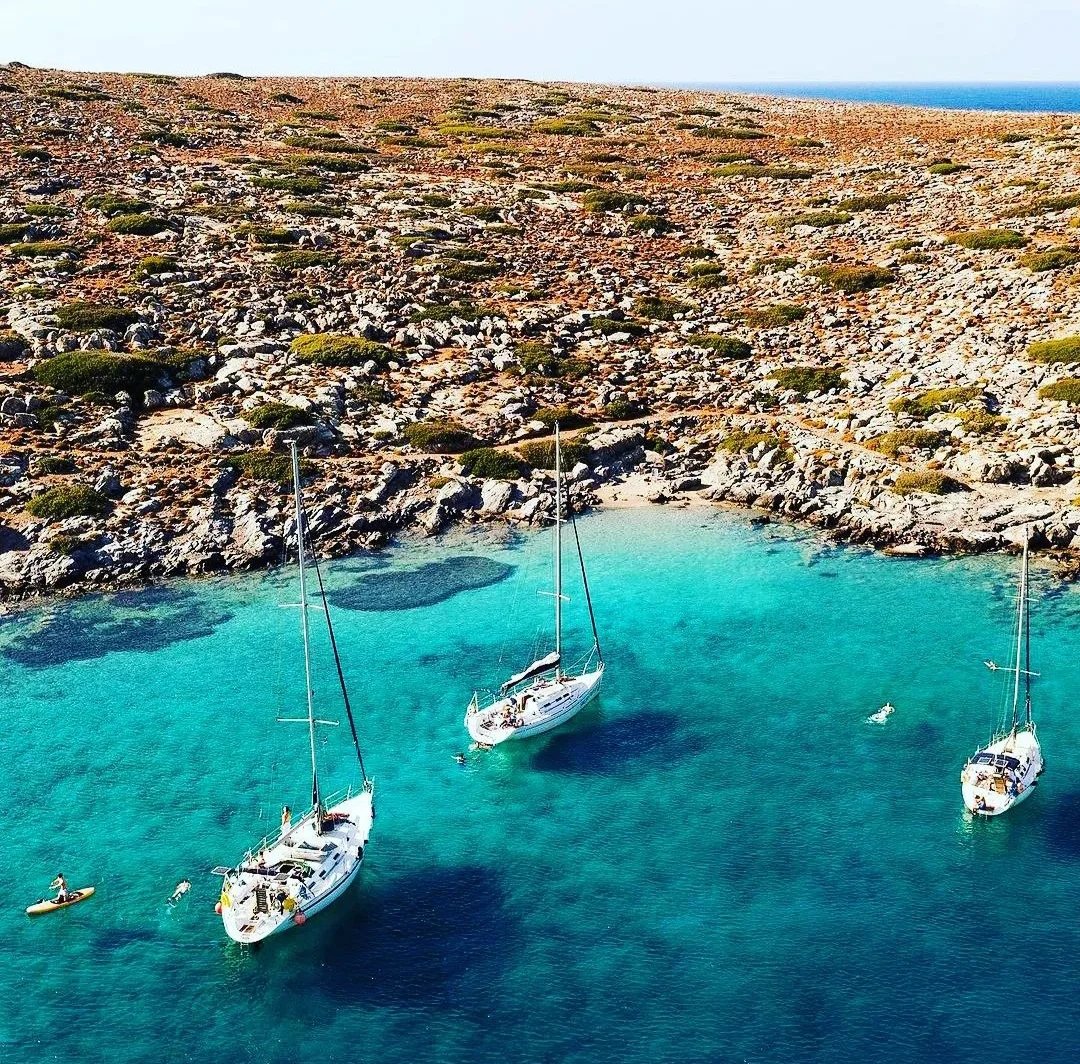
Many trips stop in Saint George Bay, one of the island’s best-known anchor points.
The experience suits first-time sailors, couples, small groups, and anyone who wants a sea day without a long transfer.
Lunch, drinks, and snorkeling gear are often included, which makes planning much easier.
Dia has mythological and historical weight, but the real appeal today is the feeling of being close to Heraklion while still getting a genuine break from it.
What Dia Island Is
Dia Island is the island you keep seeing from the coast around Heraklion without always realising what it is. From the city, it looks close enough to matter, and once you sail toward it, that impression turns out to be accurate. This is not a full island-hopping mission or a long-distance cruise. It is a short sea crossing that changes the mood of the day very quickly.
The island is uninhabited, dry, and rugged. There are no beach bars, no village square, and no built-up tourism scene waiting for you when you arrive. That is exactly the point. Dia works because it gives you something cleaner and quieter than the mainland coast, while still being easy to reach from Heraklion.
For many visitors, this becomes the most practical boat day in the area. You do not need to drive across Crete. You do not need to build your holiday around a full expedition. You can wake up in Heraklion, walk or transfer to the port, step onto a sailing boat, and spend the day between open water and calm coves.
The Defining Feature
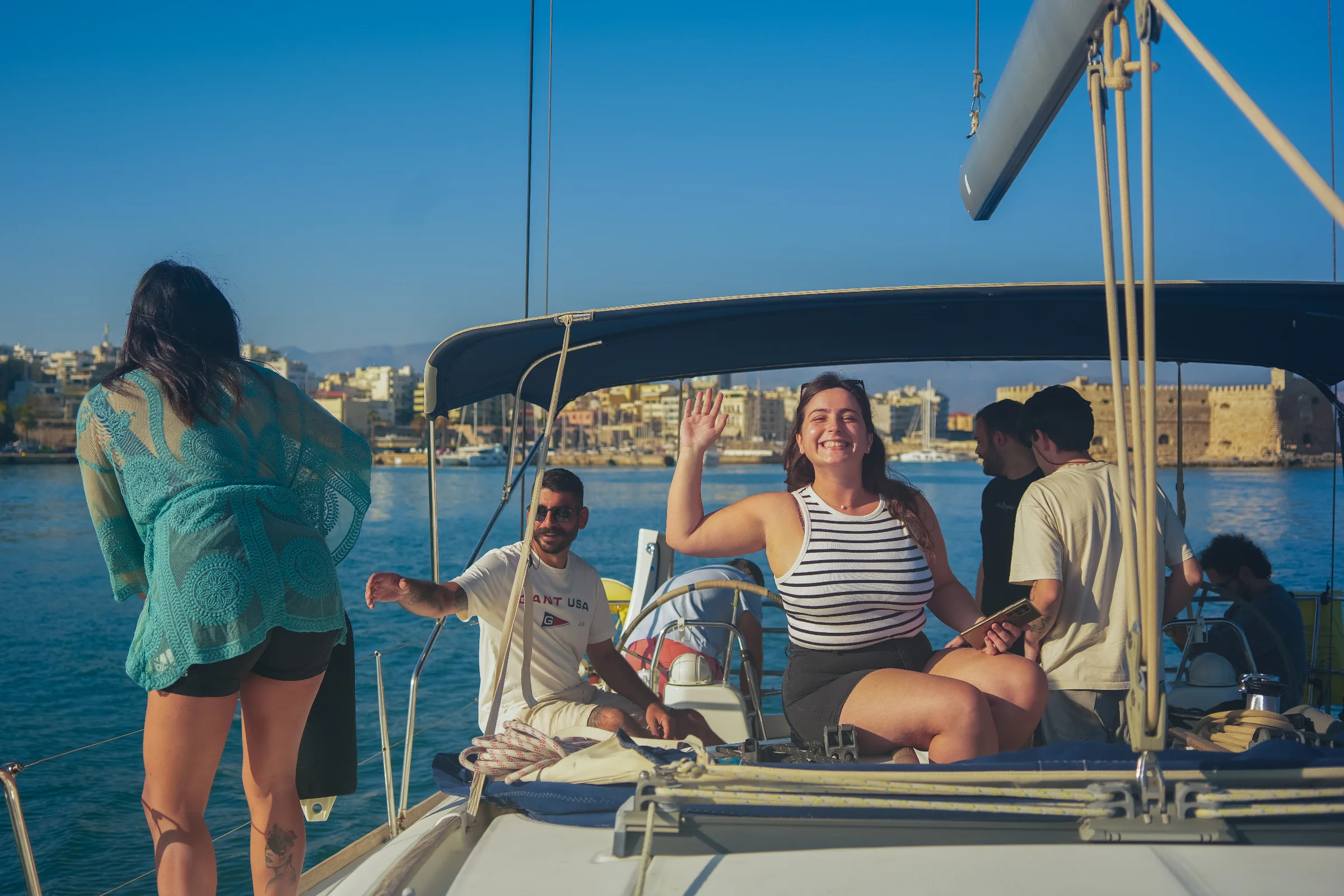
The defining feature of Dia is not one single monument, beach, or photo spot. It is the contrast between Heraklion’s urban coastline and the quiet water around an island that feels much further away than it is.
That contrast is what makes the trip work so well. You start in one of Crete’s busiest transport and city hubs, then within a relatively short sailing time you are floating off an uninhabited coastline, swimming in clear water, and hearing very little besides the boat, the wind, and whoever is in the water with you.
This is why Dia tends to appeal even to people who are not obsessed with sailing itself. The journey is part of the experience, but the payoff is not technical or niche. It is simply the feeling of leaving the city behind without needing a complicated plan.
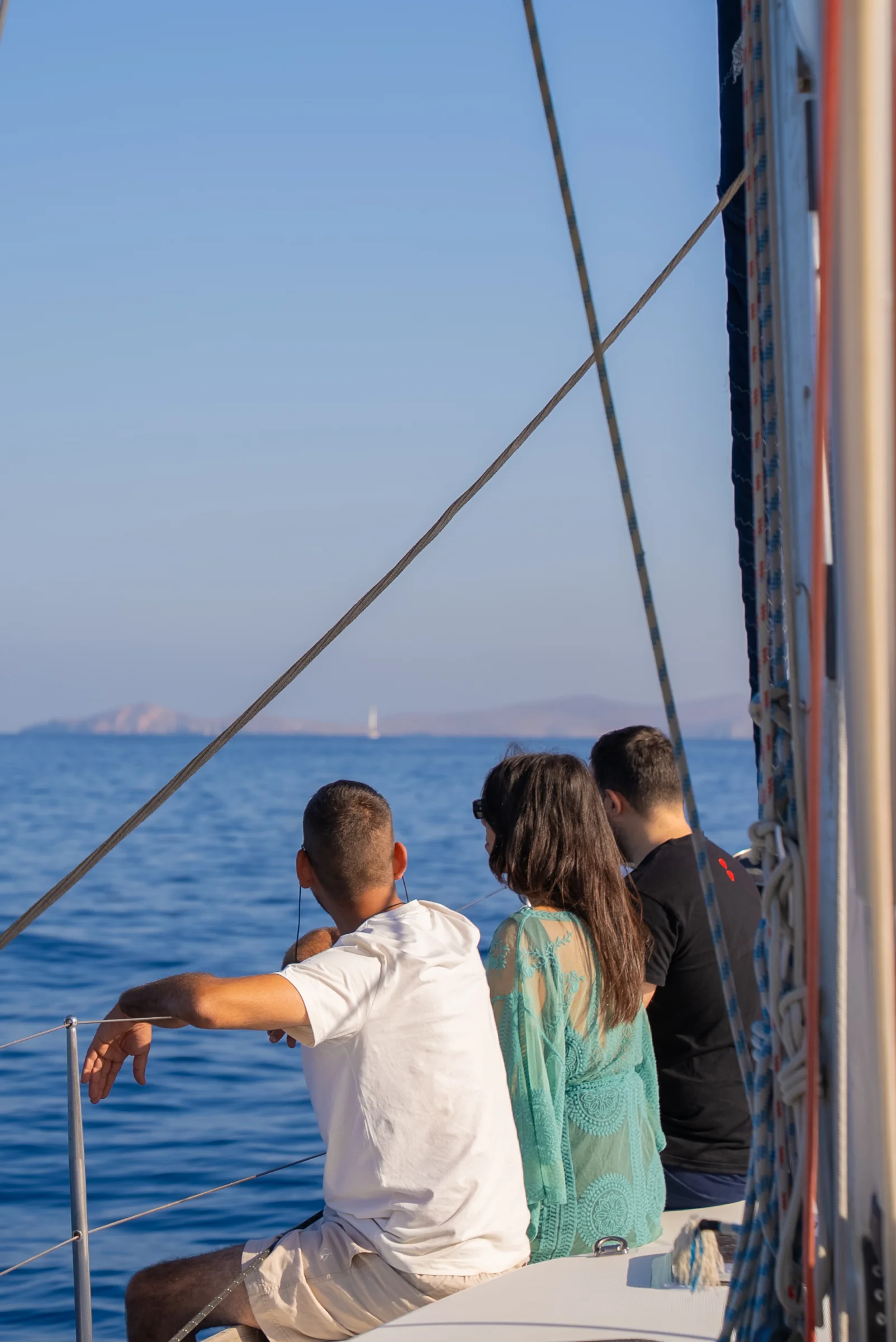
For first-time visitors, that is a major advantage. Some boat excursions in Greece can feel like logistics disguised as leisure. Dia is easier to understand. You board in Heraklion, sail north, anchor in a bay, swim, eat, relax, and sail back. That structure is one of the reasons the trip has such broad appeal.
History
Dia is often linked to myth and local identity, and that gives the island more depth than a standard swim stop. It is commonly associated with Zeus, and in local storytelling it has long carried the aura of a place that belongs to the larger cultural landscape of central Crete rather than just the recreational map of Heraklion.
The island also has a historical profile tied to seafaring and the wider maritime life of the region. That matters because when you sail there from Heraklion, you are not only going out for a swim. You are following a route shaped by the same coastline that connected ports, trade, fishing grounds, and shelter points for centuries.
None of this means the trip is heavy or academic. It simply means Dia has identity. It is not an anonymous rock in the sea, and that is part of why the experience stays with people. Even if you come mainly for the water, the island still feels like a destination with context.
Its environmental character matters too. Because it is uninhabited and relatively protected in feel, the coastline keeps a raw, stripped-back appearance. That sense of distance from built tourism is one of the strongest reasons people choose it over a simple mainland beach day.
Things to Do
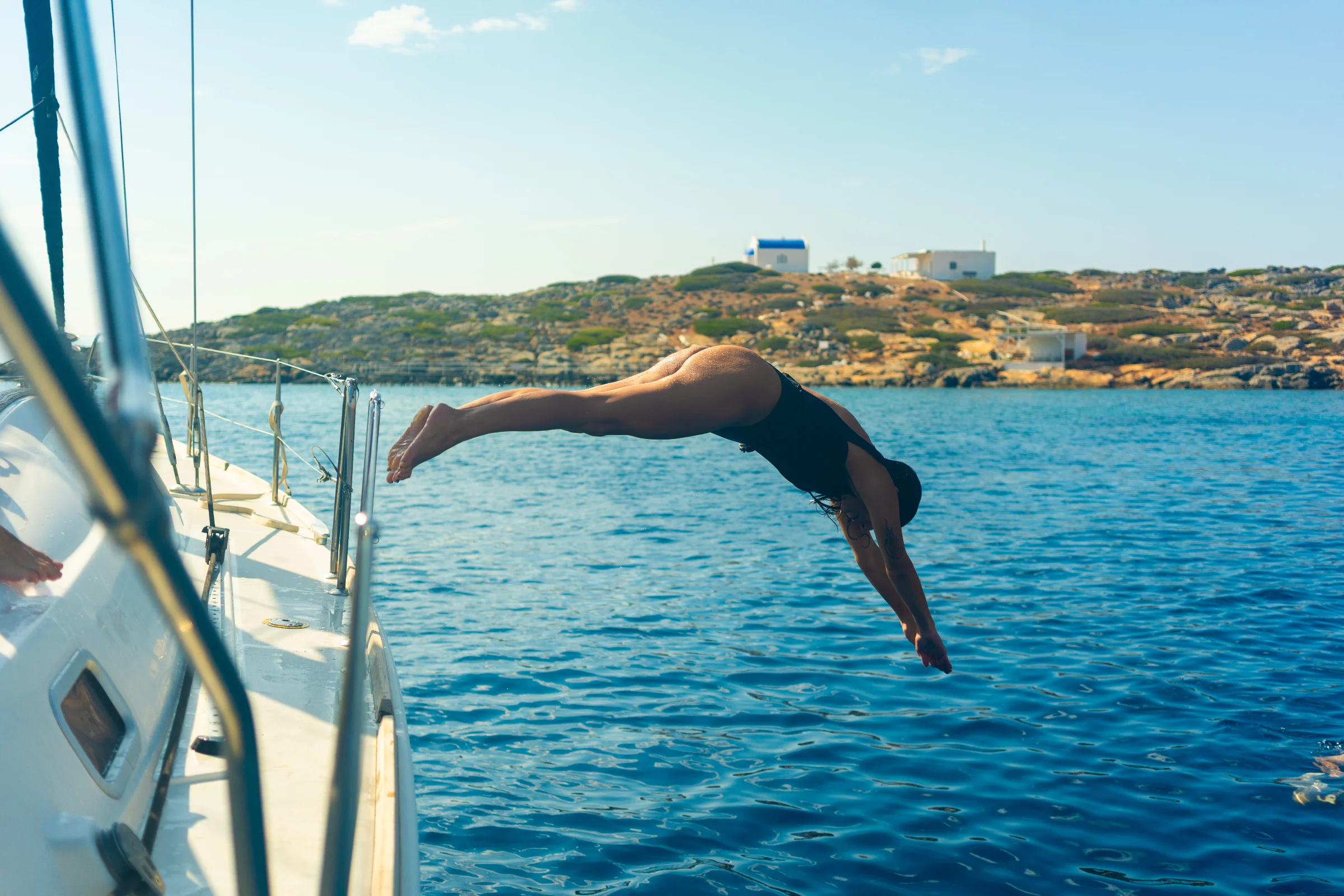
Swim in clear water The main activity is also the most obvious one. Once the boat drops anchor, most people head straight into the water. The clarity is a big part of the appeal, especially compared with busier urban beaches near the city.
Snorkel around the bay Dia is well suited to light snorkeling, especially for people who want something easy rather than technical. You are not going there for a specialist dive expedition. You are going because the water is clean, visibility is good, and the sea feels inviting.
Spend time on deck A surprising part of the trip is how much enjoyment comes from doing almost nothing. Lying on deck, watching the coastline, having a drink, and moving between sun and shade is part of the reason people book this kind of outing in the first place.
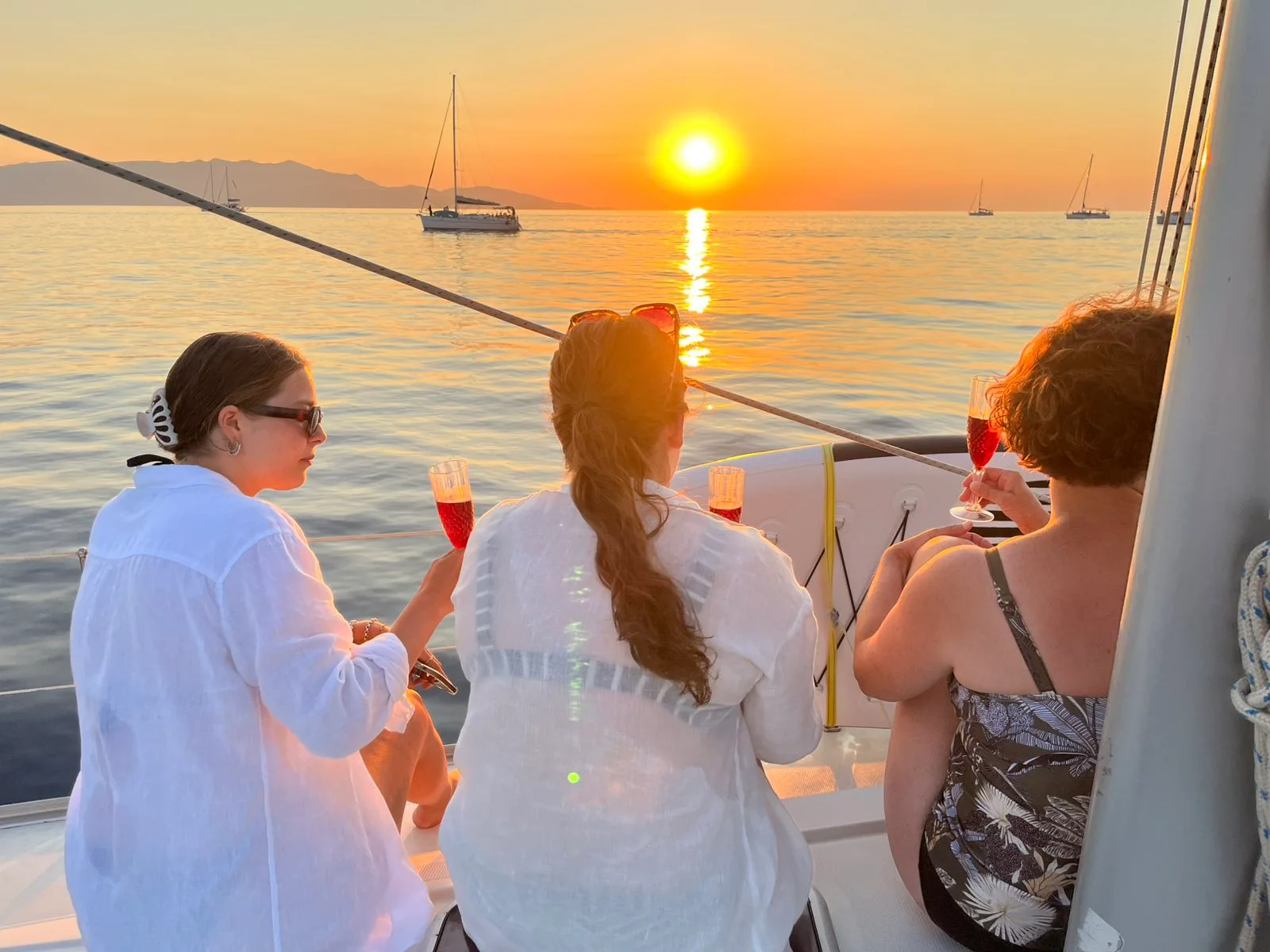
Take a sunset sailing trip If you do not want a full daytime excursion, sunset options from Heraklion can work very well. The light softens, the sea usually feels calmer emotionally if not always literally, and the trip has a more intimate rhythm.
Book a small-group cruise Dia is especially good in smaller groups. The island itself feels quiet, so a packed boat can work against the atmosphere. A more limited group size makes the stop feel more personal and less transactional.
🔗 If you want to compare sea-day options before booking, explore our Heraklion boat trips page.
Sailing to Dia in Detail
The crossing from Heraklion is short enough to stay easy and long enough to feel like a real outing. That balance matters. You are not paying for hours of transport before the day begins. At the same time, you still get the sensation of leaving the mainland behind and entering a different space.
Most trips are built around a few core elements: departure from Heraklion port, sailing time toward the island, anchoring in a bay such as Saint George Bay, swimming and snorkeling breaks, food and drinks on board, then the return journey. Some tours last about half a day. Others stretch into a longer cruise with more deck time and a slower pace.
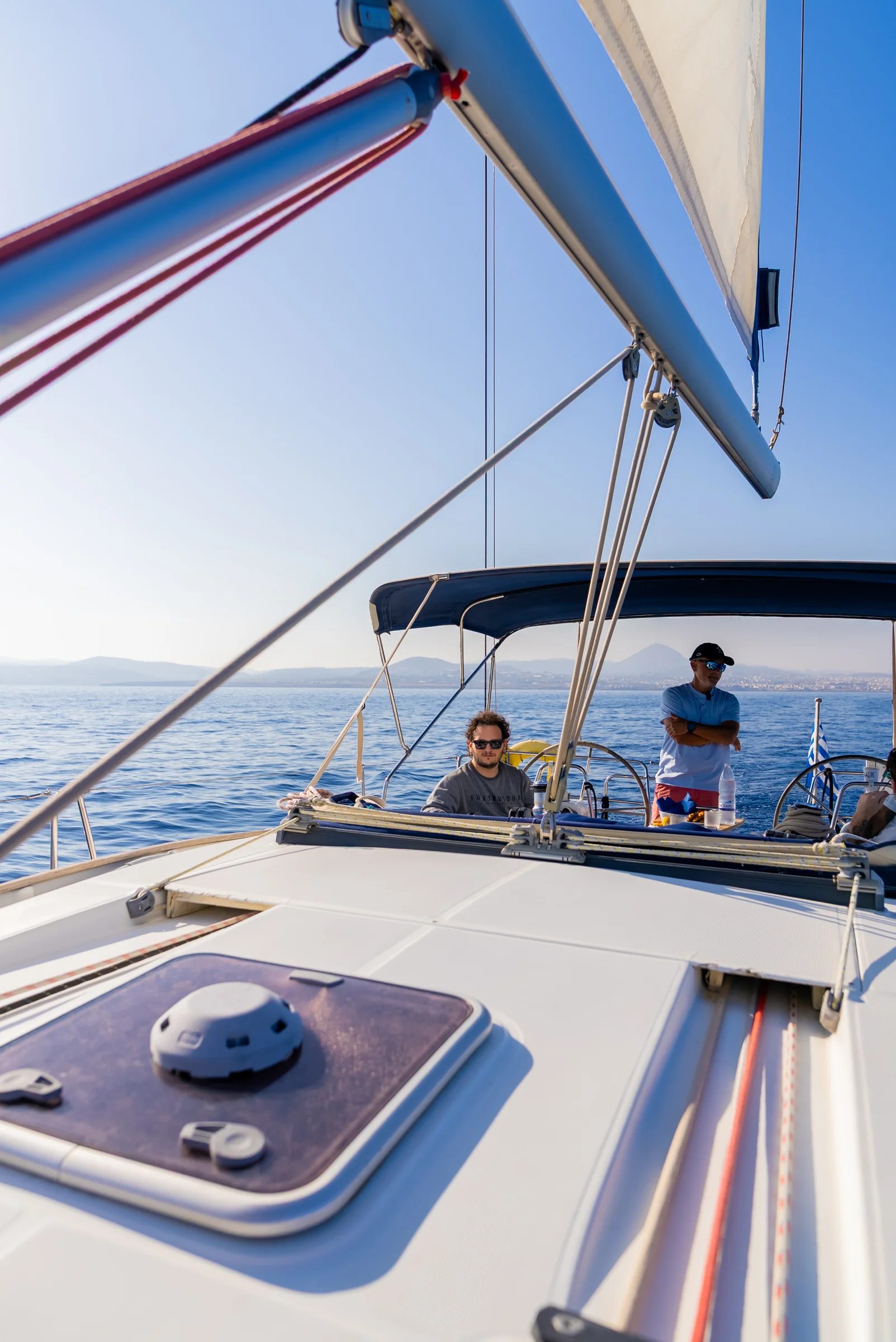
This makes Dia especially strong for people who have never done a sailing excursion before. You do not need experience. You do not need to understand routes, wind, or mooring. You do not need to rent a private boat unless you specifically want that. The organized format removes the complicated part and leaves the enjoyable one.
It also helps that the departure point is Heraklion. If you are staying in the city, you can often reach the port on foot or with a short taxi ride. If you are staying along the north coast, many operators also arrange transfers or have meeting points that simplify the day.
What should you bring? Keep it practical. Swimwear, towel, sunglasses, sunscreen, a light layer for the ride back, and a phone pouch or dry bag are enough for most people. You do not need to overpack for Dia. In fact, the lighter you travel, the easier the day feels.
History & Archaeology
Dia is not visited in the same way as Knossos or the Archaeological Museum of Heraklion, and you should not approach it expecting a land-based heritage stop. The history here is more atmospheric and geographical. The island sits within the maritime story of central Crete, and sailing there helps you understand that in a physical way.
From Heraklion, the relationship between city and sea is constant. Ports, fortifications, fishing activity, and movement across the north coast have always shaped the area. Dia belongs to that world. Even if you only see it from the water, you feel its role as an offshore counterpart to the city.
This is one reason the trip pairs so well with time in Heraklion itself. On land, you can explore the museum, the Venetian harbour, and the city’s layered past. On the water, you get the coastal perspective that ties those pieces together.
Food, Bars & Tavernas
One important point about Dia is that there is no restaurant scene on the island in the usual sense. You are not sailing there to eat at a taverna by the sea. You are sailing there to anchor, swim, and eat on board or back in Heraklion afterwards.
That makes the quality of the boat setup more important than many first-time visitors expect. If lunch, fruit, wine, soft drinks, or snacks are included, the day feels much smoother. You are not thinking about what to buy later or whether you brought enough with you. You can stay in the rhythm of the trip.
Back in Heraklion, that is where the food scene picks up. If you want to continue the day well, stay near the harbour or in the city centre for a proper meal after your return. Fish tavernas, modern Cretan restaurants, wine bars, and casual meze spots are all easy to find without needing another transfer.
A good strategy is simple: let the boat cover the midday meal, then save your proper dinner for Heraklion. That gives the day a strong shape, sea during the day, city in the evening.
Weather & Best Time to Visit
The best time for sailing to Dia is usually between late spring and early autumn, when sea excursions are running consistently and the water is warm enough to enjoy properly. Summer is the obvious peak season, but shoulder months can be excellent if you want good conditions with a slightly quieter feel.
The key issue is not only temperature. It is also wind. Even on a short route, sea conditions shape the comfort of the trip. On calm days, Dia feels easy and open to almost everyone. On windier days, the crossing can feel more energetic, which some people love and others do not.
Morning trips tend to suit people who want the full day experience and stronger swimming time. Sunset departures are better if you prefer softer light, a shorter outing, or a more relaxed end-of-day mood. Neither is automatically better. It depends on whether you want active sea time or atmosphere.
If you are planning in peak summer, book earlier than you think. Dia may feel like a simple outing, but that is exactly why it fills up. It is easy to fit into a Crete itinerary, and Heraklion has a high turnover of visitors looking for one memorable boat trip without losing a full day to travel.
Getting There
Getting to Dia means first getting to Heraklion. That is the main gateway and the reason the trip is so accessible compared with other sea outings in Crete.
If you are already staying in Heraklion, this is straightforward. Depending on your operator, you will either depart directly from the harbour area or meet nearby before boarding. That convenience is one of Dia’s biggest selling points.
If you are staying east or west along the north coast, check transfer options when booking. Some operators offer hotel pickup from nearby resort areas, while others expect you to make your own way to the port. This is worth confirming in advance because the whole appeal of Dia depends on keeping the day simple.
For cruise passengers or short-stay city visitors, Dia can also work well when timings line up. Because the sailing distance is manageable, you are not committing to a long expedition across the island. You are booking a contained sea experience with a clear return point.
Where to Stay
If Dia is one of the main reasons you want to be in this part of Crete, staying in Heraklion makes the most sense. It puts you close to the departure point, removes early-morning transfer stress, and lets you combine the sailing trip with the city’s museums, restaurants, and waterfront.
This is especially useful for short trips. If you are only in Crete for a few days, basing yourself in Heraklion allows you to do the boat excursion without sacrificing another half day to road travel.
North coast stays outside the city can also work, especially if you want resort-style accommodation and your operator offers transfer support. But if your priority is Dia itself, proximity to Heraklion is the most efficient choice.
The best approach is to think about what kind of trip you are planning. If you want nightlife, museums, food, and easy logistics, stay central. If you want pool time and a resort atmosphere with one boat day included, nearby coastal areas can still do the job.
Nearby Attractions
Dia is the main sea experience here, but it pairs well with a few strong attractions in and around Heraklion.
Start with the Venetian Port and Koules Fortress. Even if you only spend an hour there, it helps frame the sailing experience. You see the city not just as a base, but as a port with a long relationship to the sea.
The Heraklion Archaeological Museum is the best cultural counterpart to a Dia trip. If your boat day gives you the coastal and environmental feel of central Crete, the museum gives you the historical depth.
Knossos is the obvious land-based extension if you want to add archaeology to the trip, though it creates a more packed schedule. It works best if you are staying at least two nights in Heraklion rather than trying to force everything into one day.
For something lighter, Ammoudara offers an easy beach option if you want another swim day without boarding a boat again. It is not a replacement for Dia, but it can balance out a city stay.
Dia is one of the best examples in Crete of a trip that feels special without being complicated. You leave from a major city, cross a relatively short stretch of sea, and arrive somewhere that still feels removed from urban life. That is why the outing works so well. It gives you the escape people want from an island boat trip without demanding a full expedition to get there.
For many travellers, especially first-timers, that balance is exactly right. You get swimming, snorkeling, food on board, and time at sea, but you also get a clear plan and an easy return to Heraklion. In practical terms, that makes Dia one of the smartest sailing choices on the island.
Related Articles
Continue exploring Crete
One Day in Heraklion: The Complete Itinerary for Crete's Capital
Most visitors get exactly one day in Heraklion, and most of them spend it queuing at Knossos in the worst of the afternoon heat. It does not have to go that way. This is the order we would put the day in — the palace first thing, the Old Town on foot while the shade still favours you, the museum indoors when the sun is at its worst, and the Venetian harbour at the end. Every time and price below comes from our own booking calendar, so you can plan the day around what is genuinely running rather
Cretan Red Wine: The Grapes, the Blends and What the Label Hides
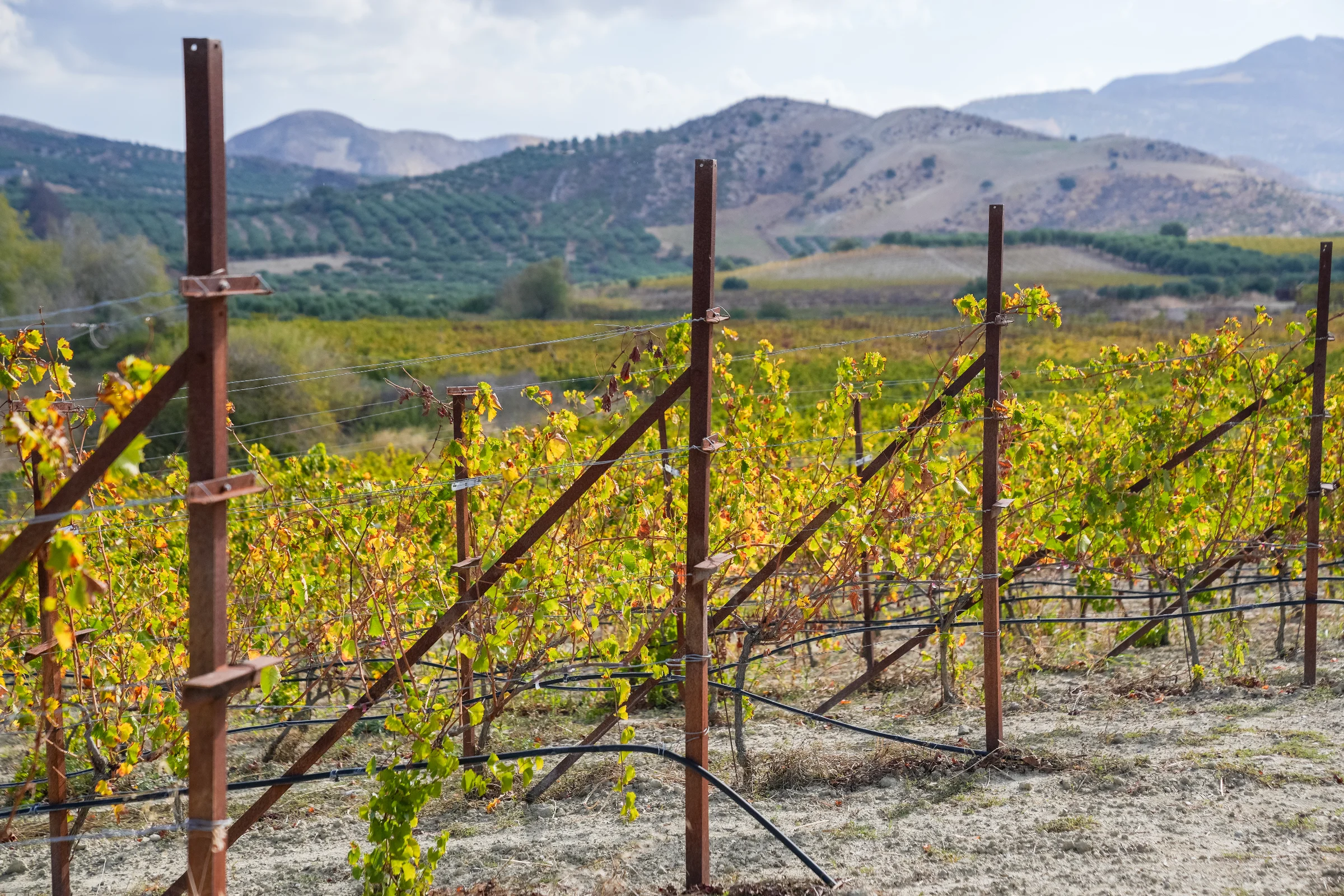
Crete's red wines are easier to enjoy than to read. The island's leading red grape is almost never named on the front of a bottle, the two appellations built on it print no recipe at all, and the most confident Englishlanguage writing about Cretan wine repeats three claims that Greek planting and appellation records flatly contradict. This is the grapebygrape, labelbylabel version: what the four native reds taste like, why they are blended rather than bottled alone, what a PDO and a PGI
Venetian Fortresses of Crete: History and Visitor Guide
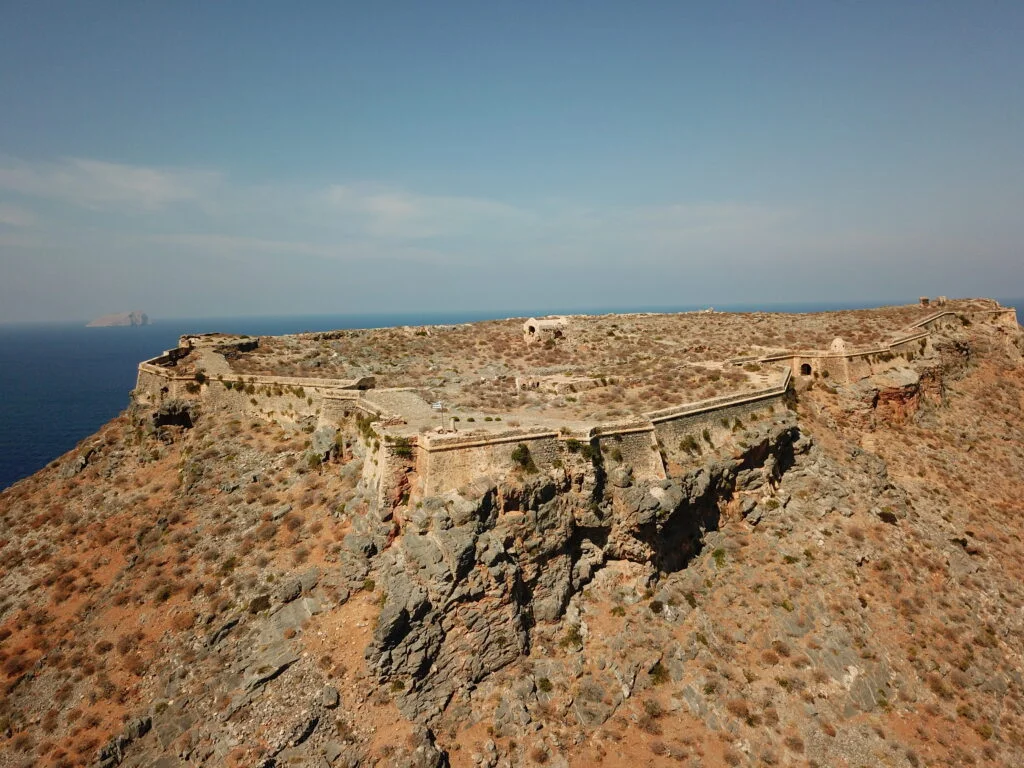
The Venetian fortresses of Crete still guard harbours, hilltops and remote islands across the coast. Some have become city landmarks, while others require a boat journey or a steep walk to reach their walls. This guide covers their history, the best fortresses to visit and how to include them in a trip around Crete.
Let Crete come to you
Sign up to get authentic stories, travel tips, and new experiences
By entering my email, I agree to receive marketing notifications from travel & do.