Best Things to Do in Crete: The Ultimate Guide
Summary
Crete is not merely an island; it is an "island continent" with a distinct identity that sets it apart from the rest of Greece. Its landscape is a dramatic collage: snow-capped peaks in the White Mountains coexist with palm-forest beaches like Preveli, while Venetian harbors in the north contrast with the raw, African-influenced coastlines of the south. This guide digs deep into the authentic experiences that define Crete, moving beyond the standard tourist trail to help you understand the soul of this ancient land.
1Good to Know: What Makes Crete Unique
A Continent in Miniature
Crete's geography creates extreme diversity. You can drive from a sub-tropical beach on the Libyan Sea to an alpine plateau like Lasithi or Omalos (1,000m+ altitude) in under 90 minutes. This means you need to pack for multiple microclimates; the south is often significantly hotter and drier than the north.
Philoxenia & The Mediterranean Diet
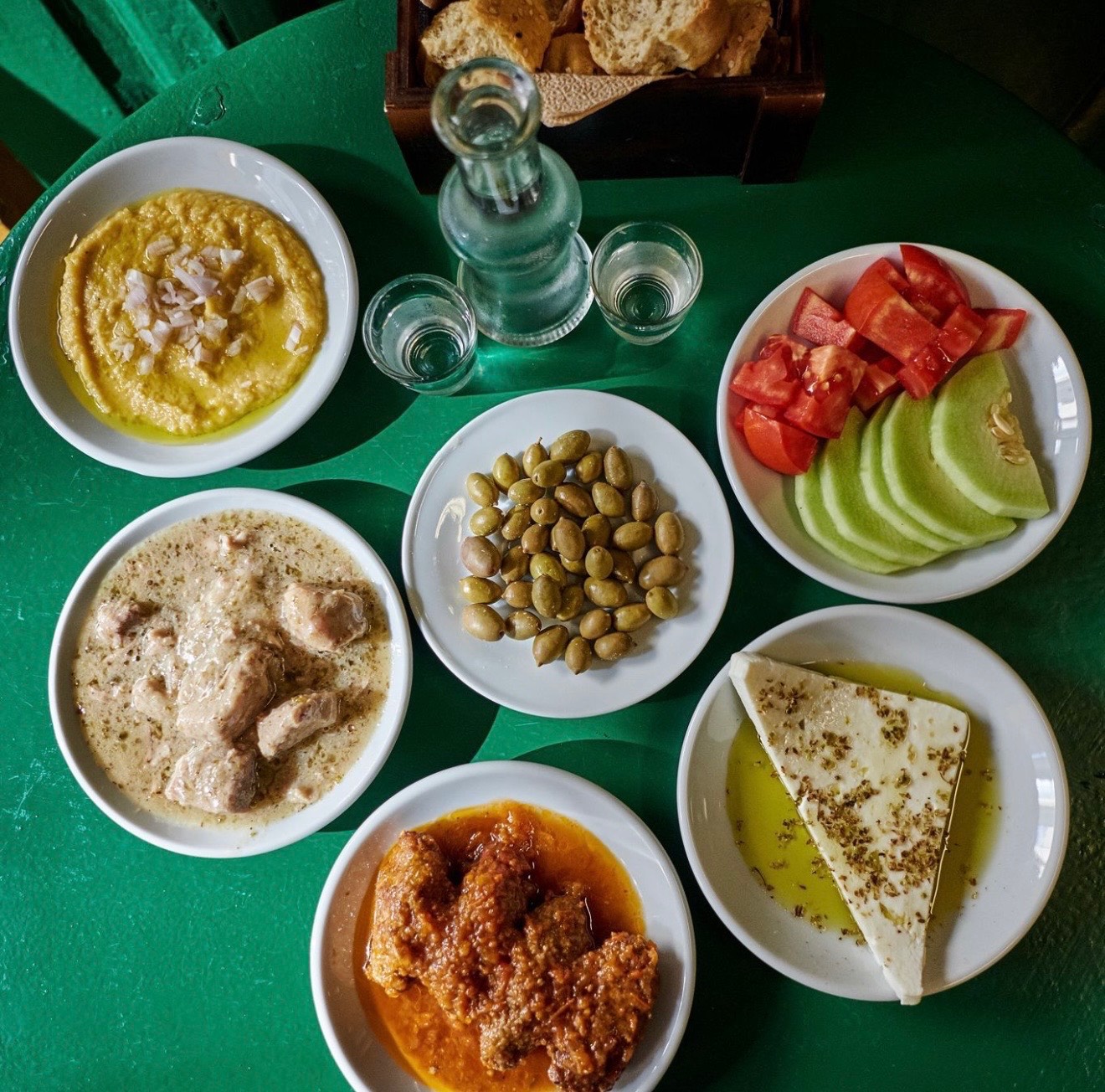
Hospitality here is aggressive in the best way. Locals practice philoxenia (friend of the stranger) religiously. Crete is the birthplace of the Mediterranean diet, but it's specific: wild greens (horta), twice-baked barley rusks (dakos), and mountain herbs are staples, a nutritional philosophy that has produced some of the world's longest-living populations.
A 365-Day Destination
Unlike smaller Cycladic islands that shut down in October, Crete is alive year-round. Its major cities, Chania, Heraklion, and Rethymno, are bustling urban centers with universities and winter cultural scenes, making it a viable destination even in the off-season.
The Wild South
The north coast is developed and connected by the main national road (VOAK). The south coast, facing Africa, is rugged, isolated, and accessible only by winding vertical roads through gorges. This is where you find the most pristine waters and 'end-of-the-world' vibes.
2Master the Art of the Cretan Diet
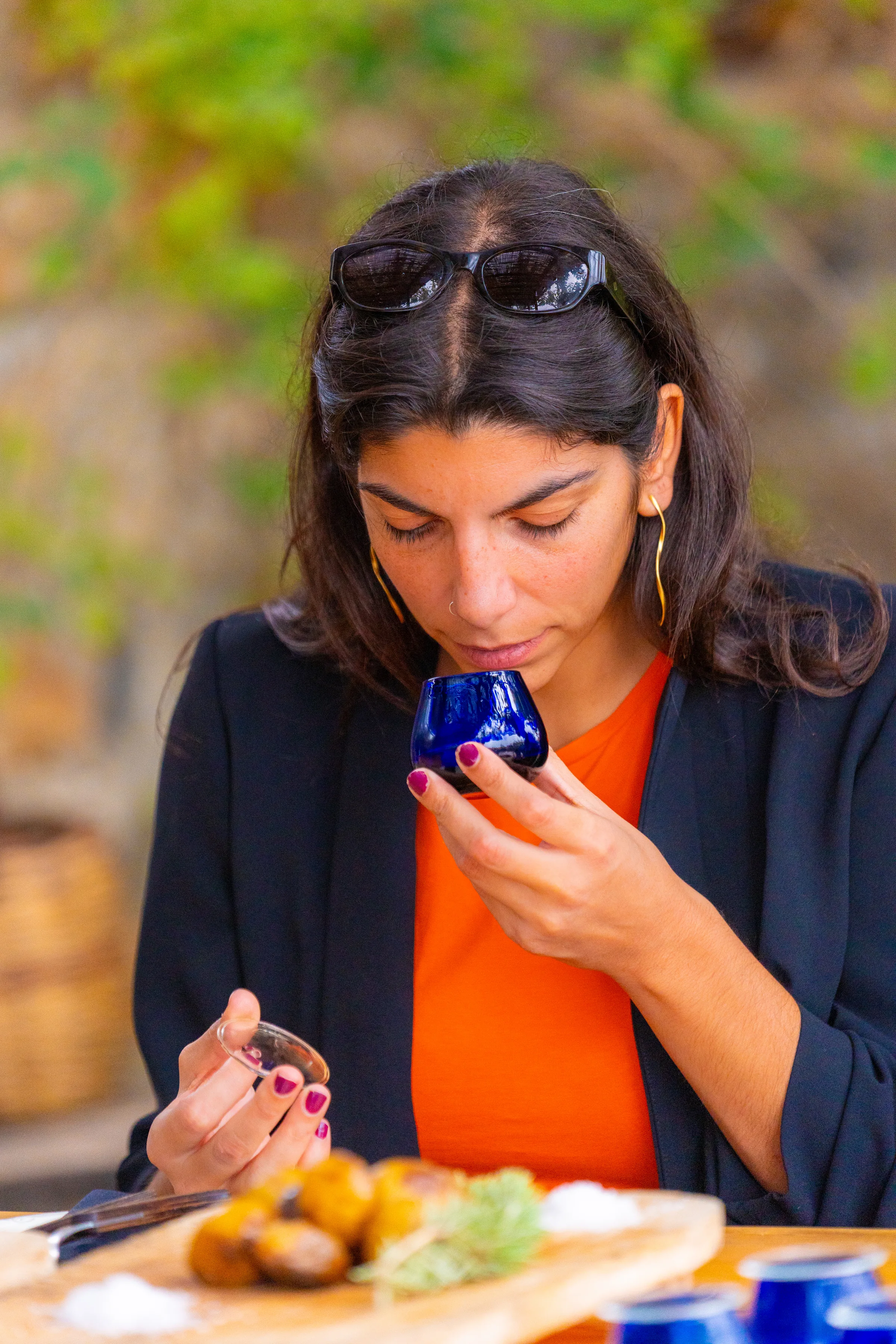
Eating in Crete is a ritual, but cooking here is a history lesson. We recommend moving beyond the standard moussaka and learning to cook dishes that define the island's agrarian roots. Look for classes in traditional villages like Vamos or Archanes, often hosted in restored olive mills.
What you'll do: You will likely learn to roll kalitsounia (sweet or savory cheese pies) and prepare staka (a rich, butter-cream roux). A true highlight is learning the art of the wood-fired oven. Must-Try Dish: Ask if your class covers Antikristo, lamb cooked slowly across an open fire, a technique used by shepherds on Mount Psiloritis for centuries.
3Snorkel in Crystal Clear Libyan Waters
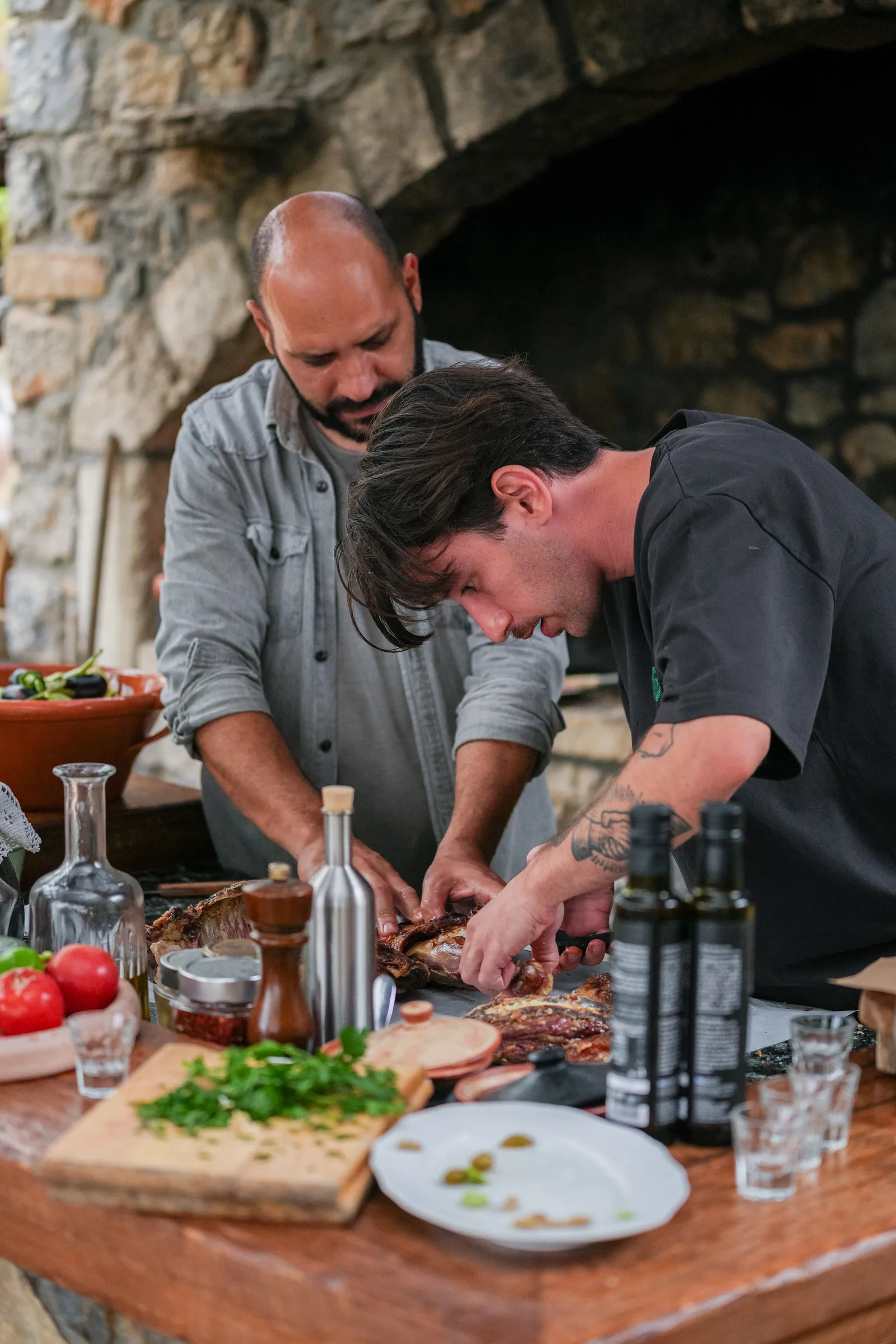
While the Aegean North is beautiful, the Libyan Sea in the South offers superior clarity and marine life due to its rocky seabed and deeper waters. The absolute highlight for snorkelers is Shinaria Beach near Plakias. The water is deep blue, and the seabed is dramatic, often hosting octopuses, moray eels, and groupers in the rocky crevices.
For the Adventurous: Experienced snorkelers and divers should seek out the Elephant Cave in the Chania region (Drepano Cape). It is an underwater cavern containing the fossilized remains of an extinct elephant species, a surreal mix of paleontology and diving.
4Embark on Full-Day Island Adventures
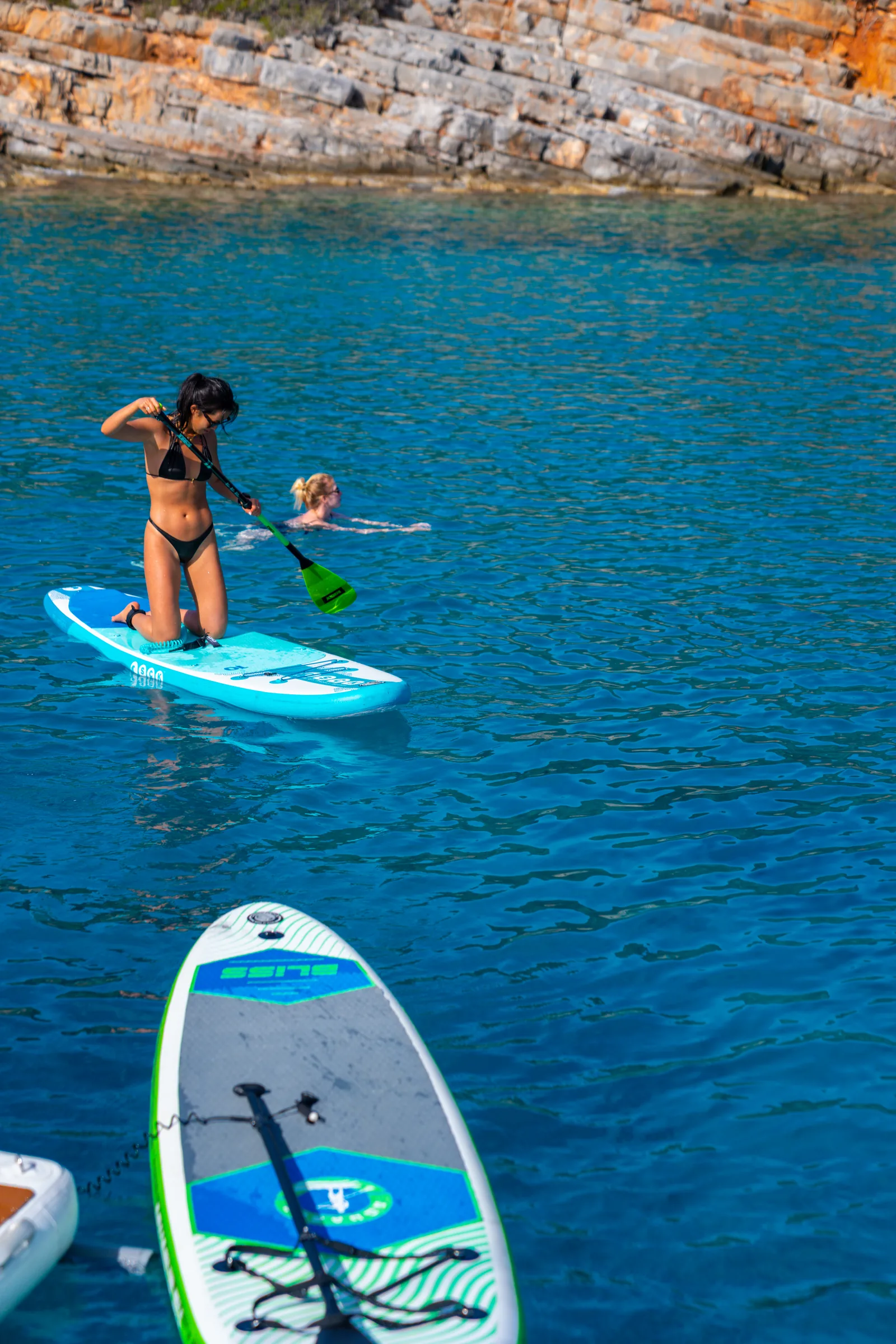
Crete is massive, 260km long, so seeing the highlights often requires a dedicated day trip. The most famous is the trek through the Samaria Gorge, a UNESCO Biosphere Reserve. It's a 16km descent starting from the Omalos plateau and ending at the seaside village of Agia Roumeli.
Alternative Option: If hiking isn't your preference, a day trip to Elafonissi is essential to see the rare pink sand created by crushed shells. A guided tour is highly recommended here to avoid the stress of navigating the narrow mountain roads and to ensure you arrive at the optimal time.
5Sail the Aegean & Libyan Seas
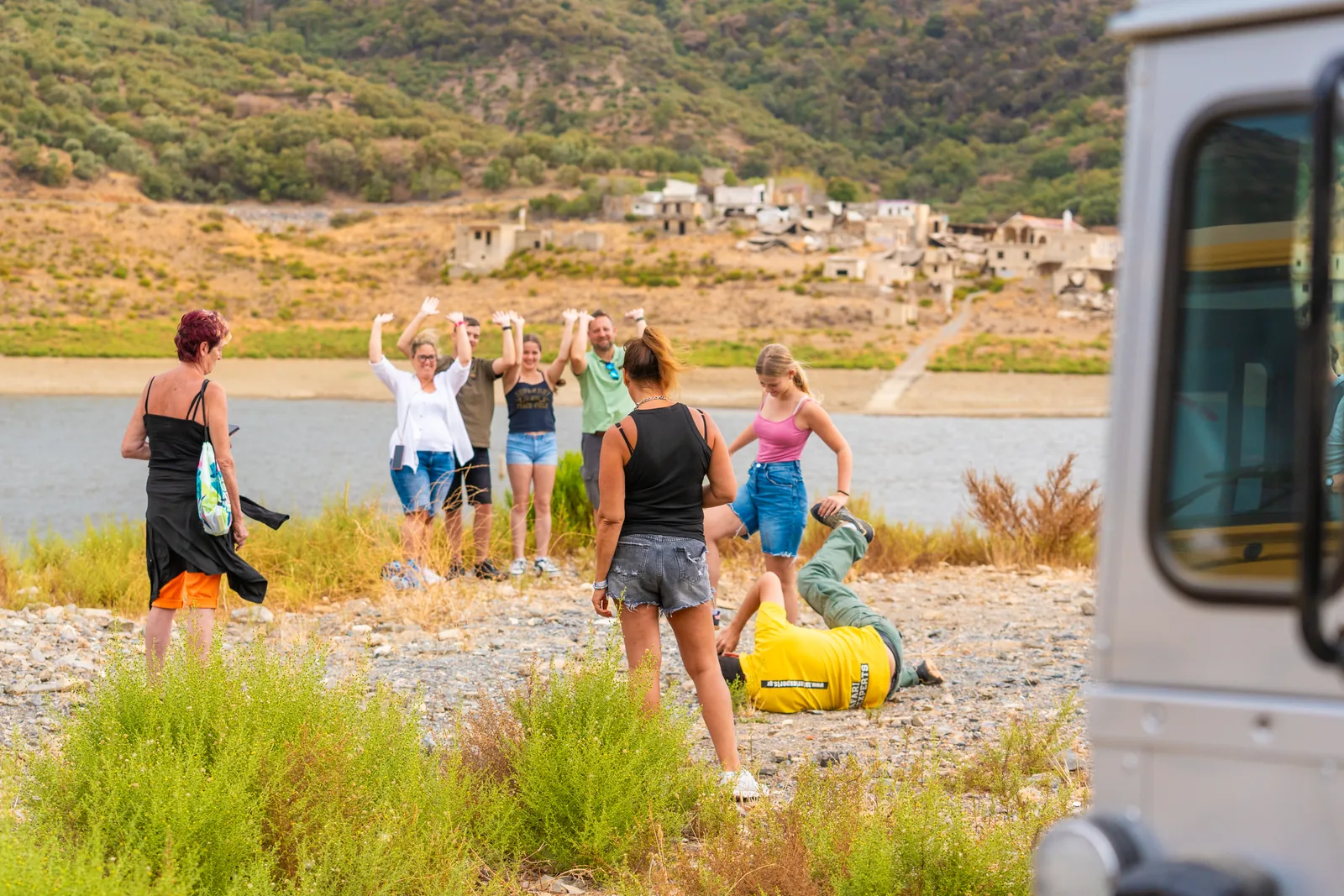
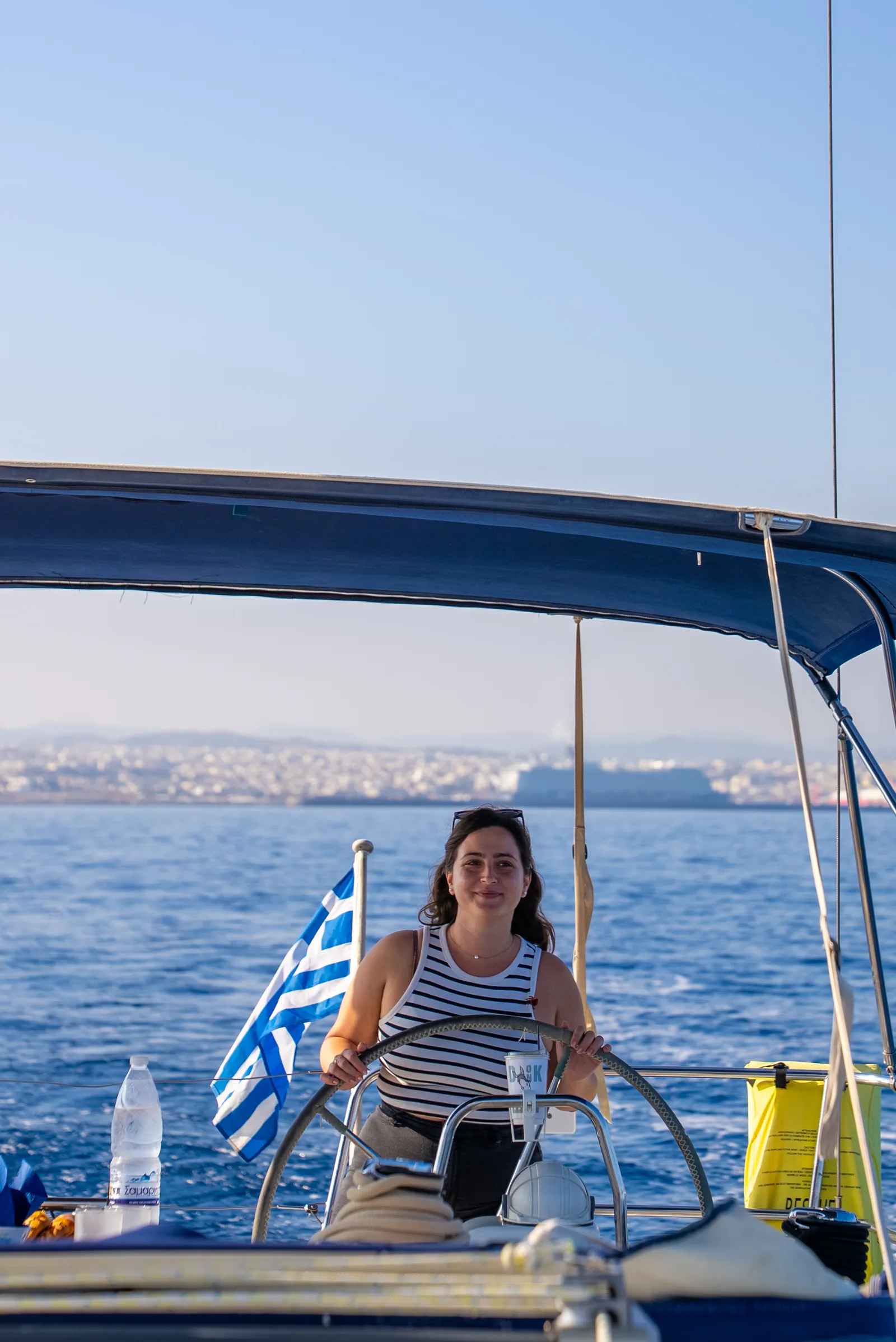
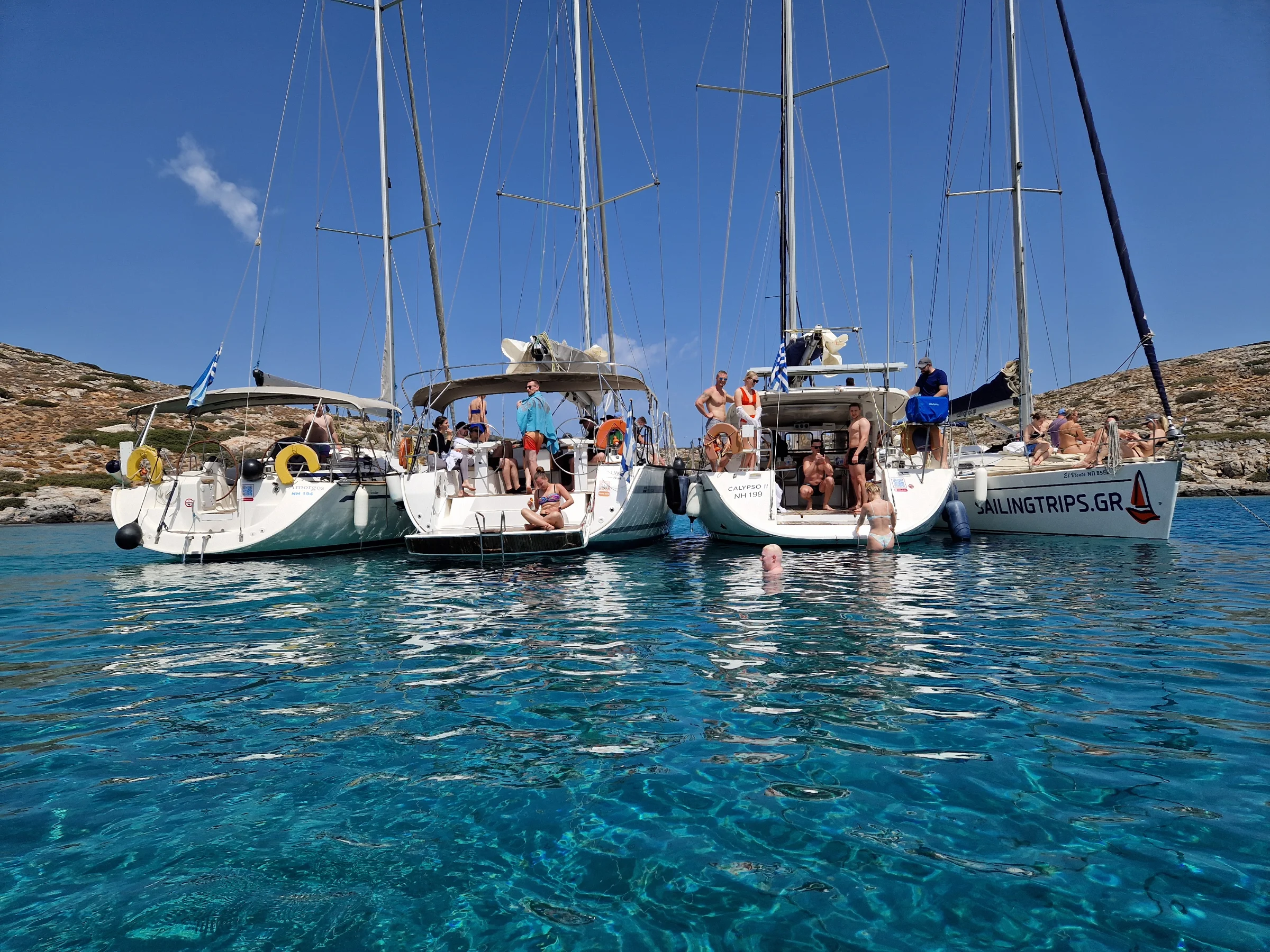
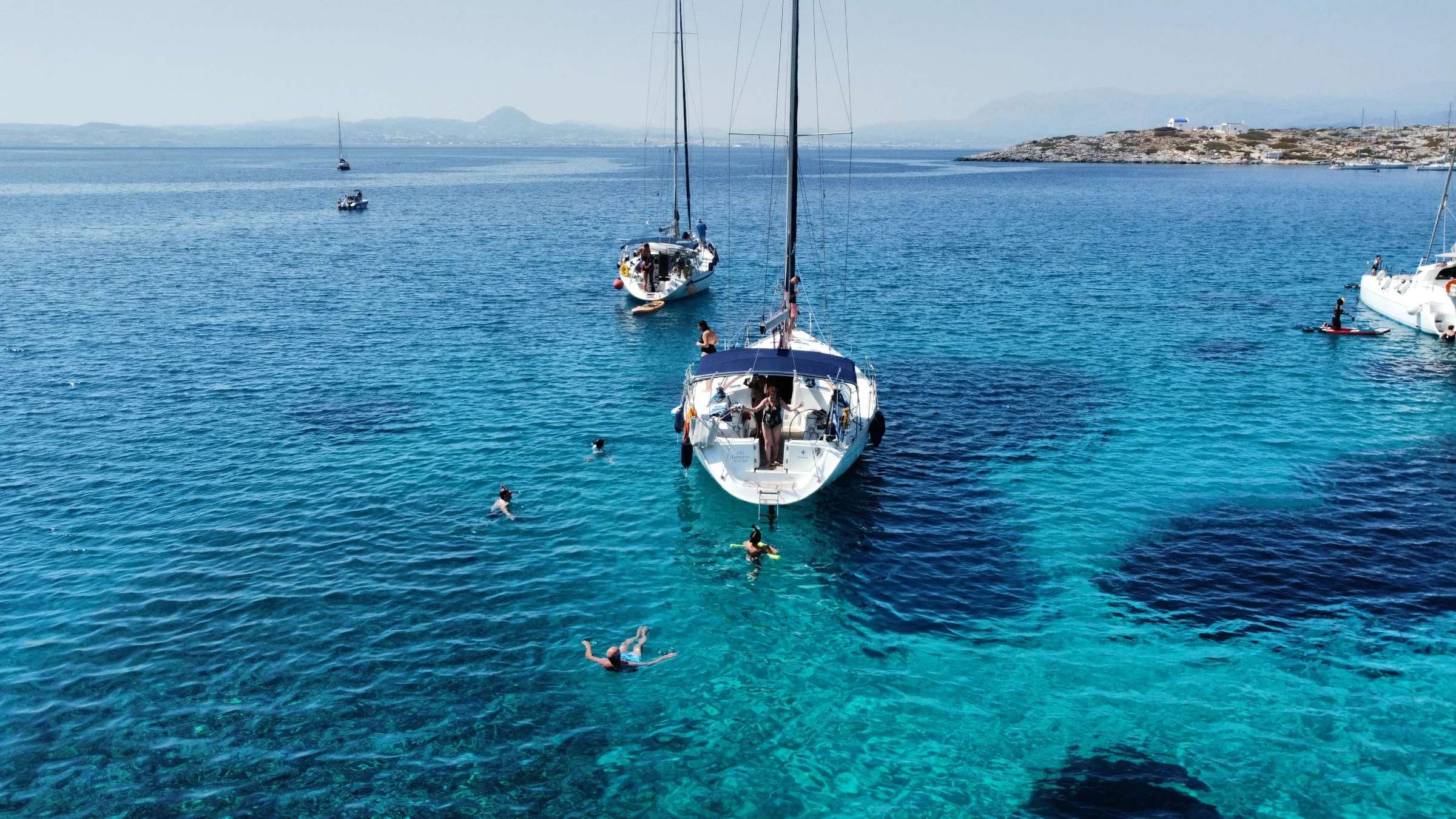
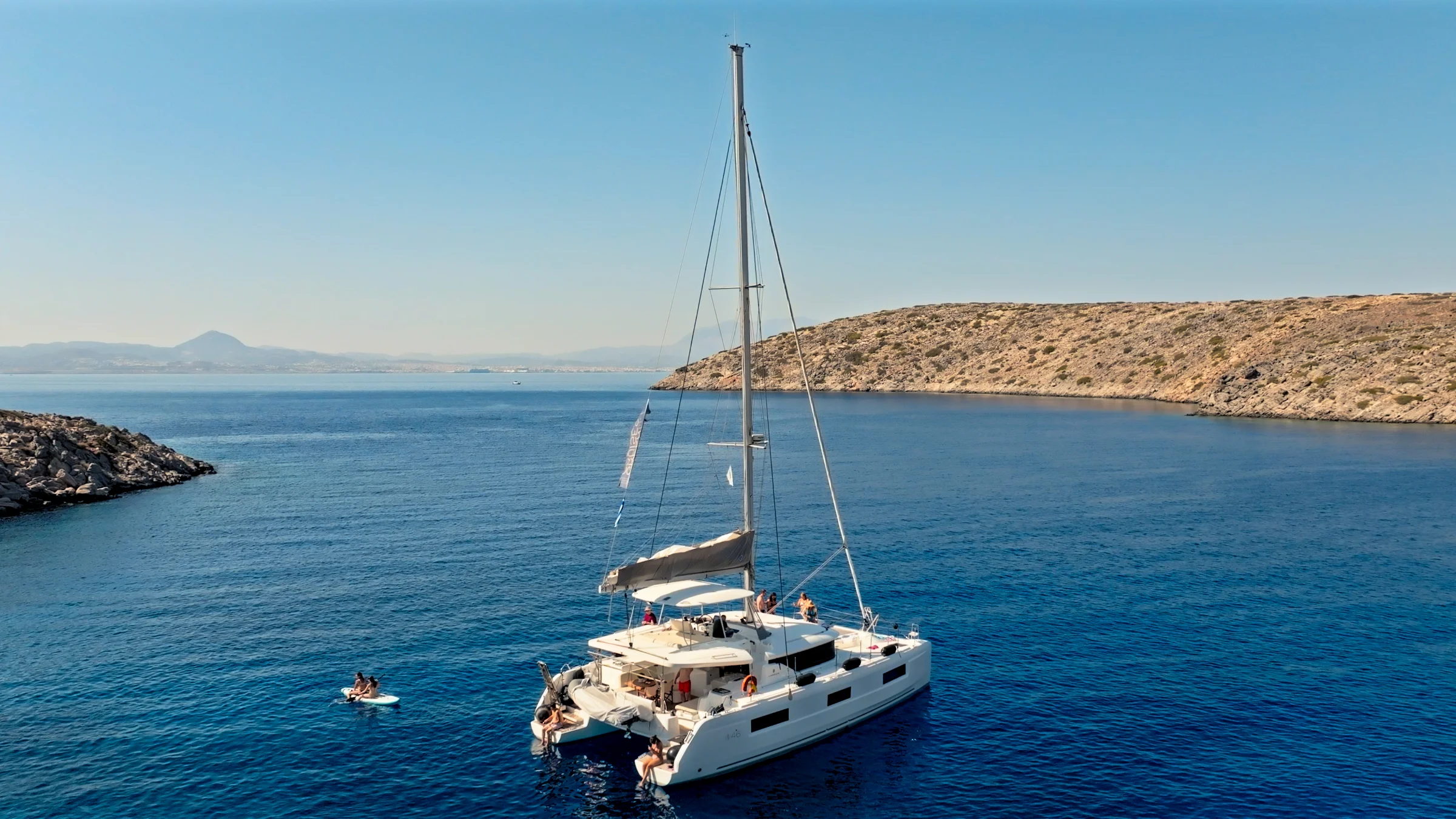
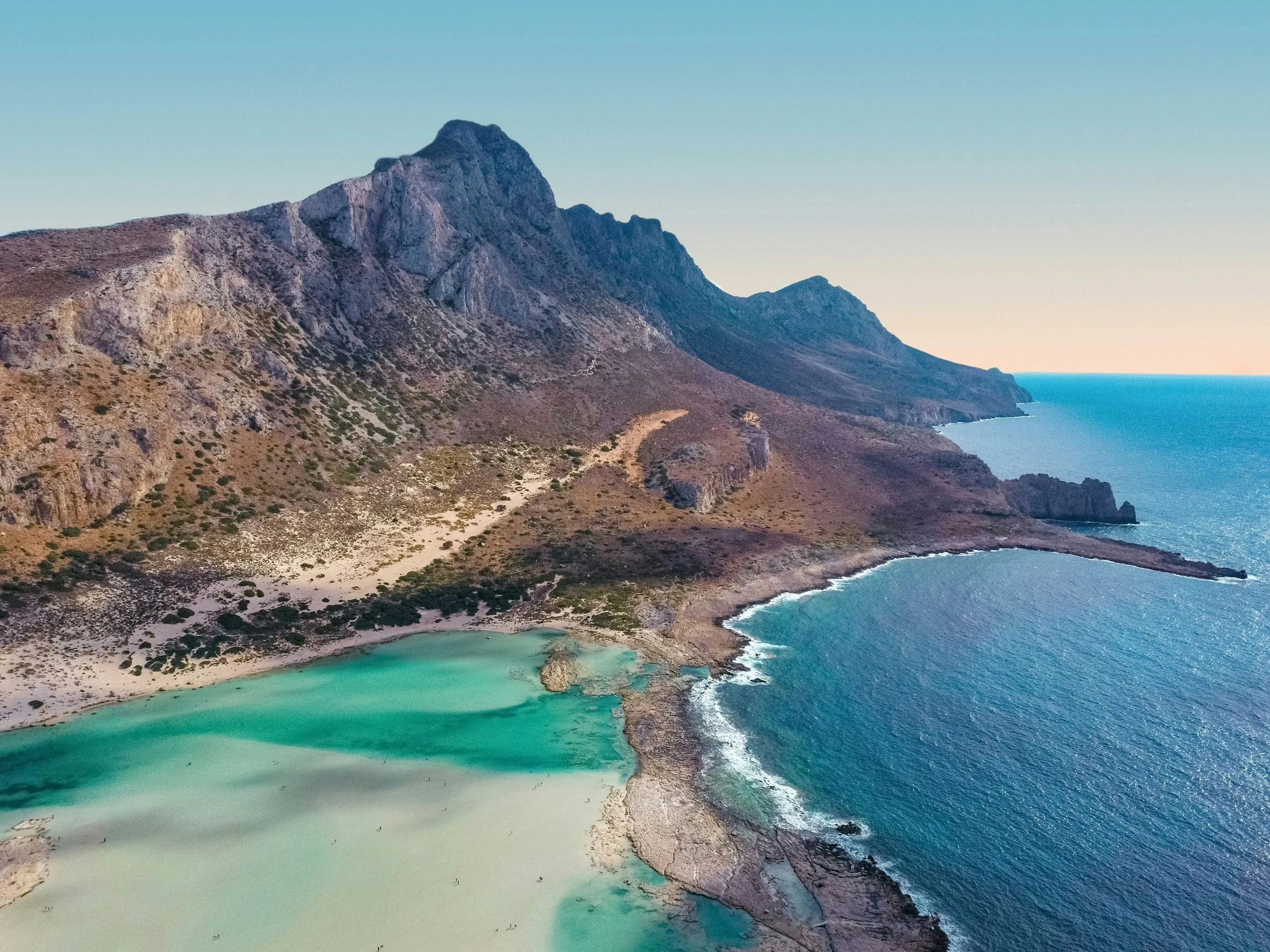
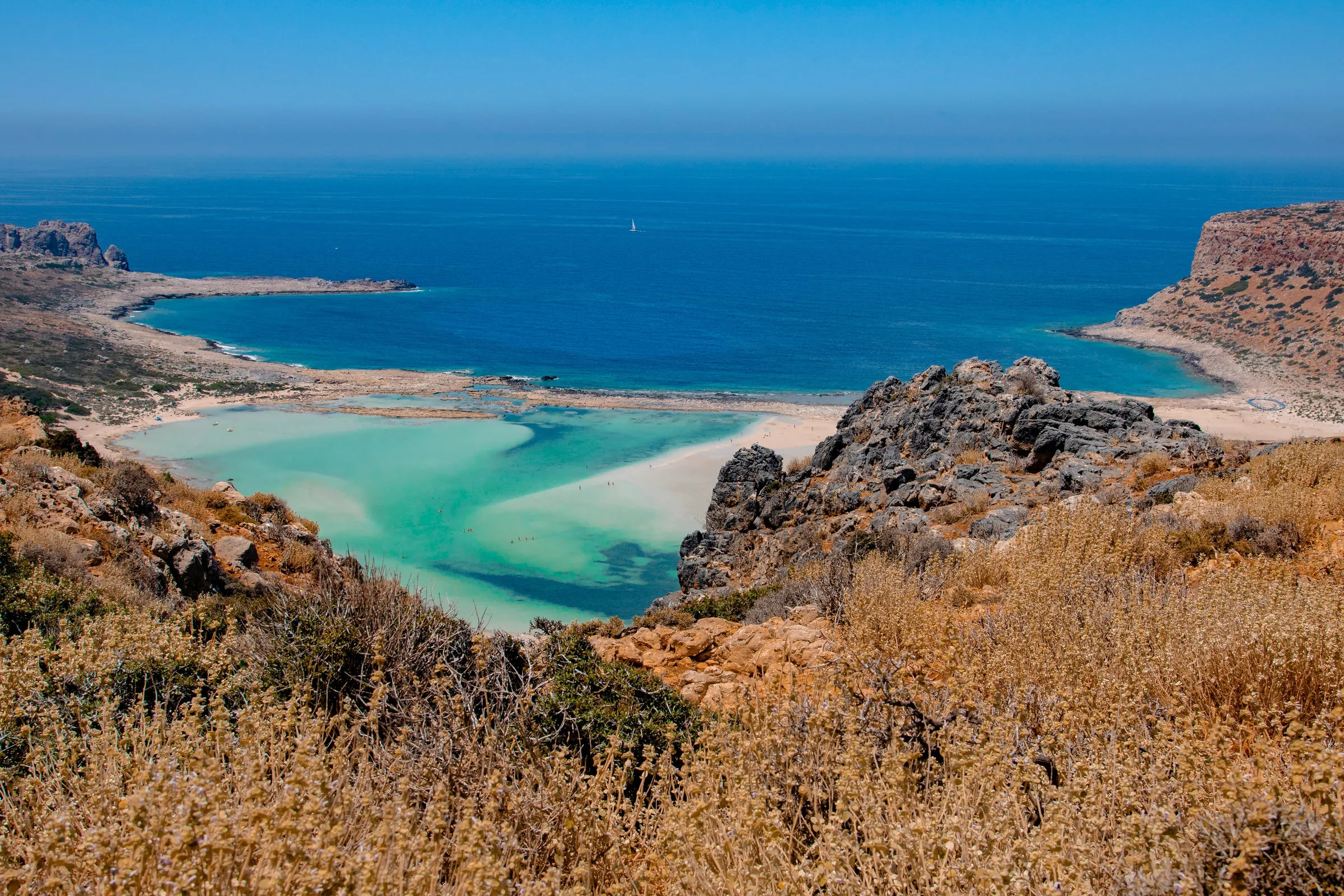
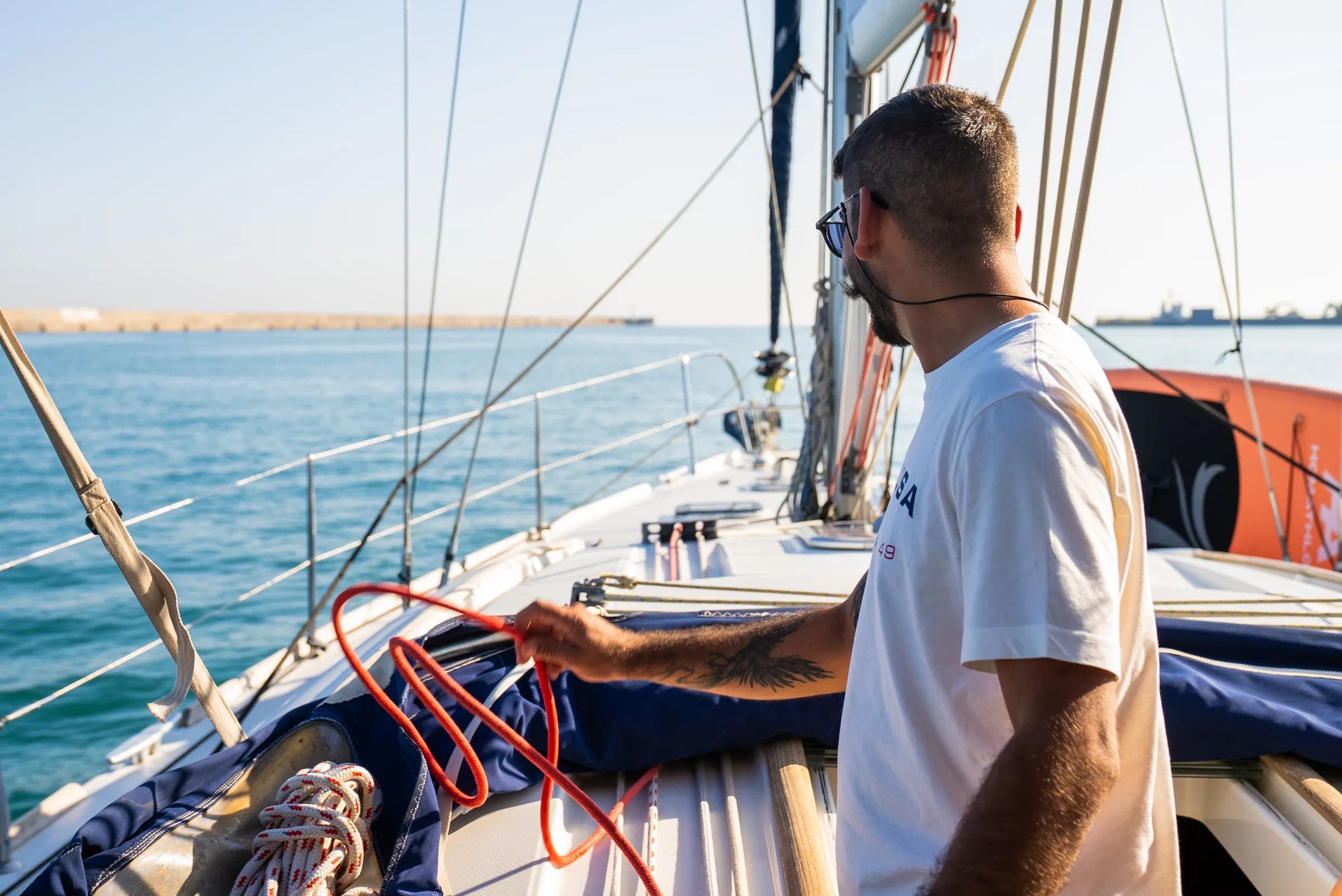
The winds in Crete (specifically the Meltemi) define the summer. A sailing trip is the best way to work with the wind rather than fighting it on a sandy beach. The Classic Route: The cruise to Balos Lagoon and Gramvousa is iconic. The water is shallow and neon-turquoise, resembling the Caribbean. A boat allows you to visit the Venetian fortress on Gramvousa island, which is otherwise inaccessible.
The Hidden Gem: For a quieter experience, sail to Dia Island off Heraklion. It's a Natura 2000 protected reserve and a sanctuary for the Kri-Kri (Cretan wild goat). The bays here are sheltered, making it perfect for swimming when the main coast is windy.
6Off-Road into the White Mountains
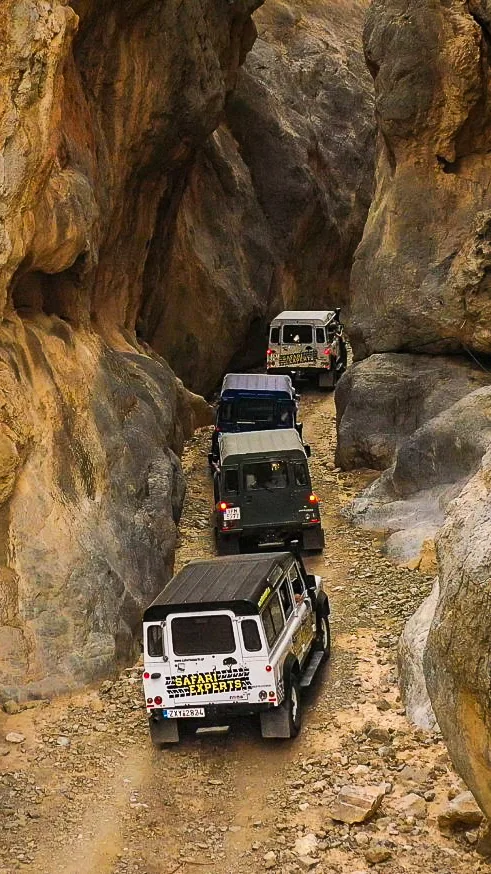
The 'real' Crete exists above 800 meters. A Jeep Safari is the only way to access the shepherds' zones (mitata) in the White Mountains (Lefka Ori) or the Katharo Plateau. These routes take you on dirt tracks far from rental car territory.
You'll drive through ancient cypress forests and stop at authentic shepherd huts to taste cheese made that morning. The route to the Katharo Plateau offers views of the Dikti mountains that few tourists ever see, often including a stop at the huge, ancient plane tree in Krasi.
7Curated Cultural Experiences
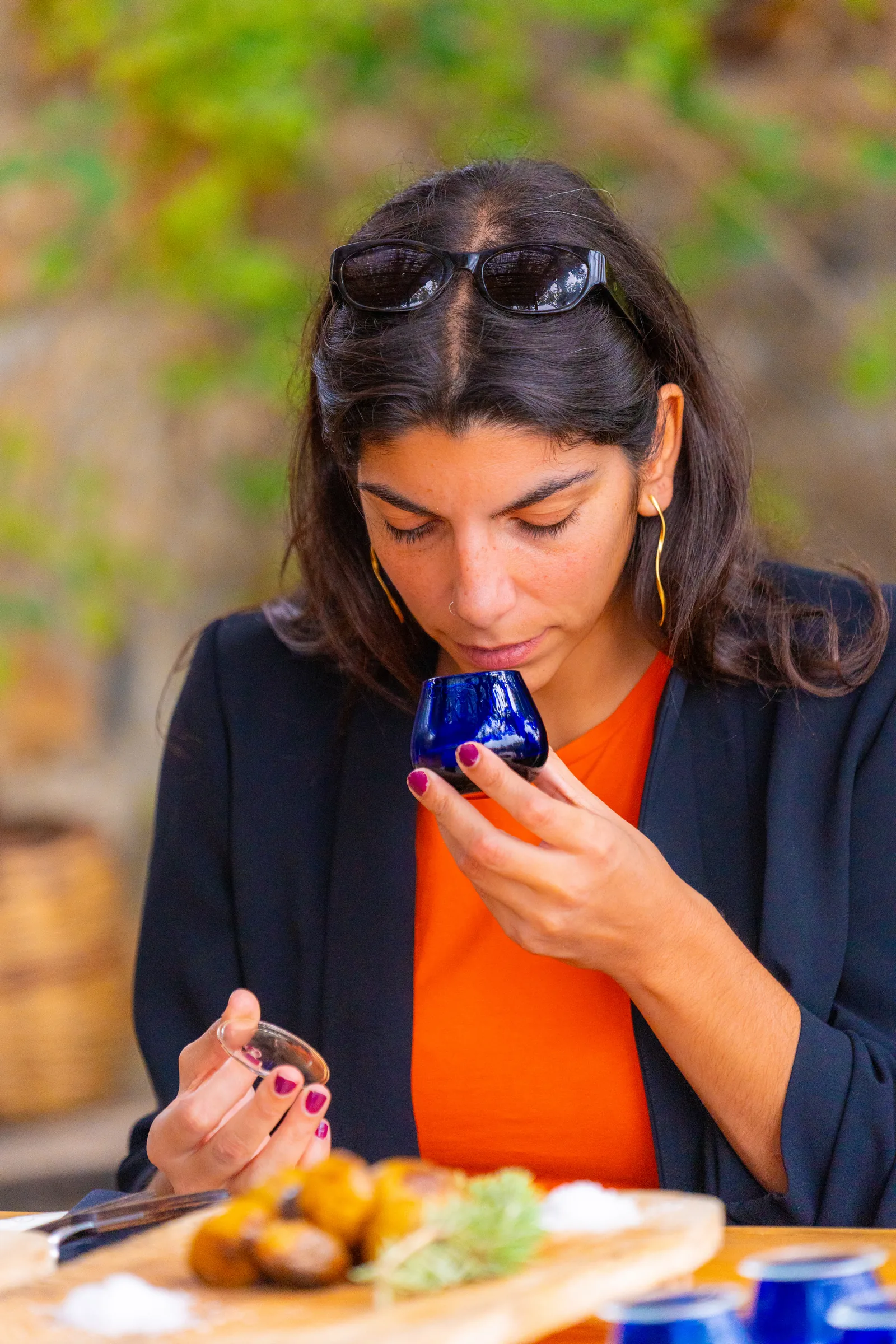
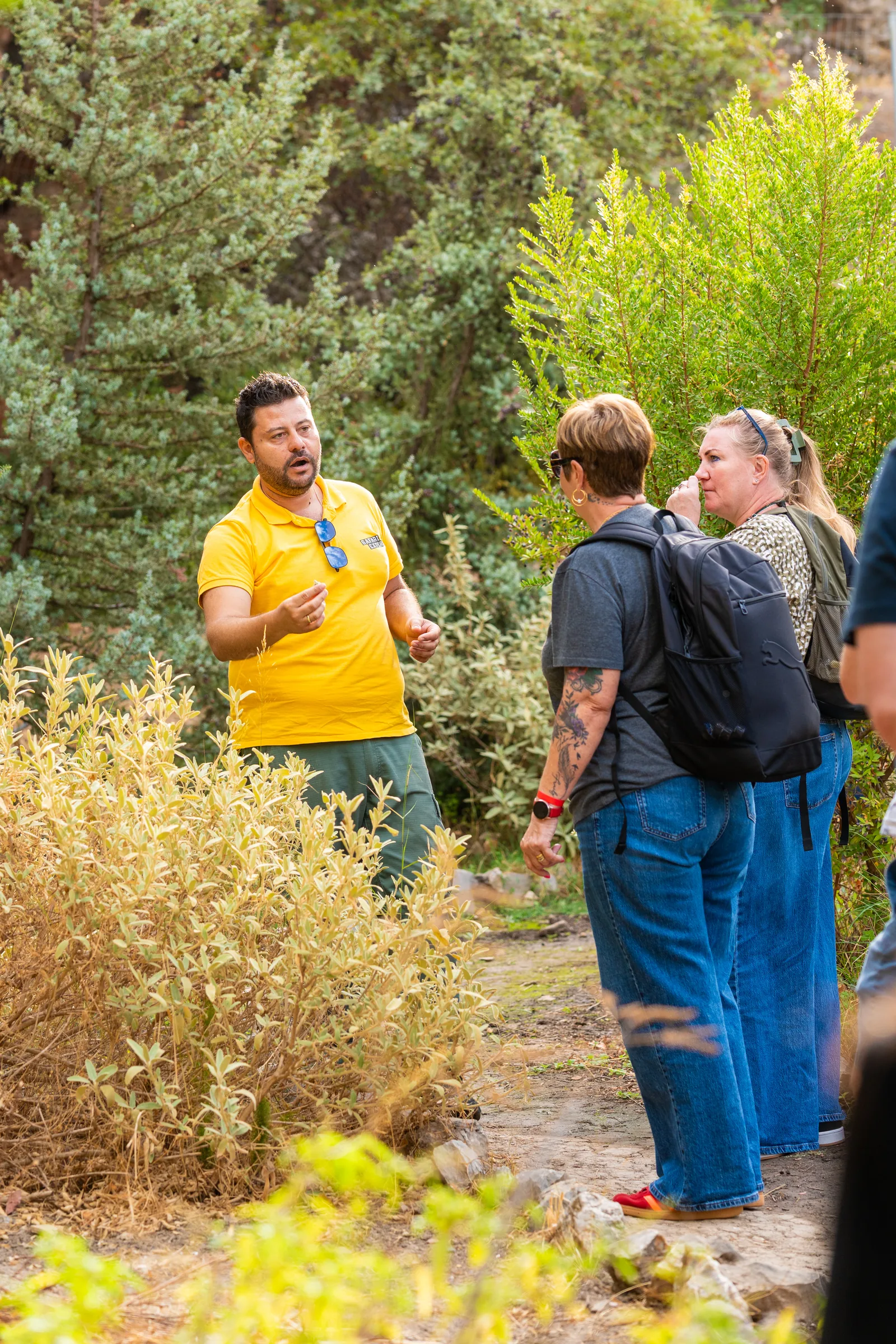
Sometimes you want a guide who can weave together the strands of history, nature, and mythology. A general tour might combine a visit to the Cave of Zeus (Psychro Cave) on the Lasithi Plateau with a pottery workshop in Margarites.
These tours are excellent for families who want a mix of education and activity without the physical demand of a gorge hike, balancing storytelling with light walks and hands-on workshops.
8Discover Secret Coves by Boat
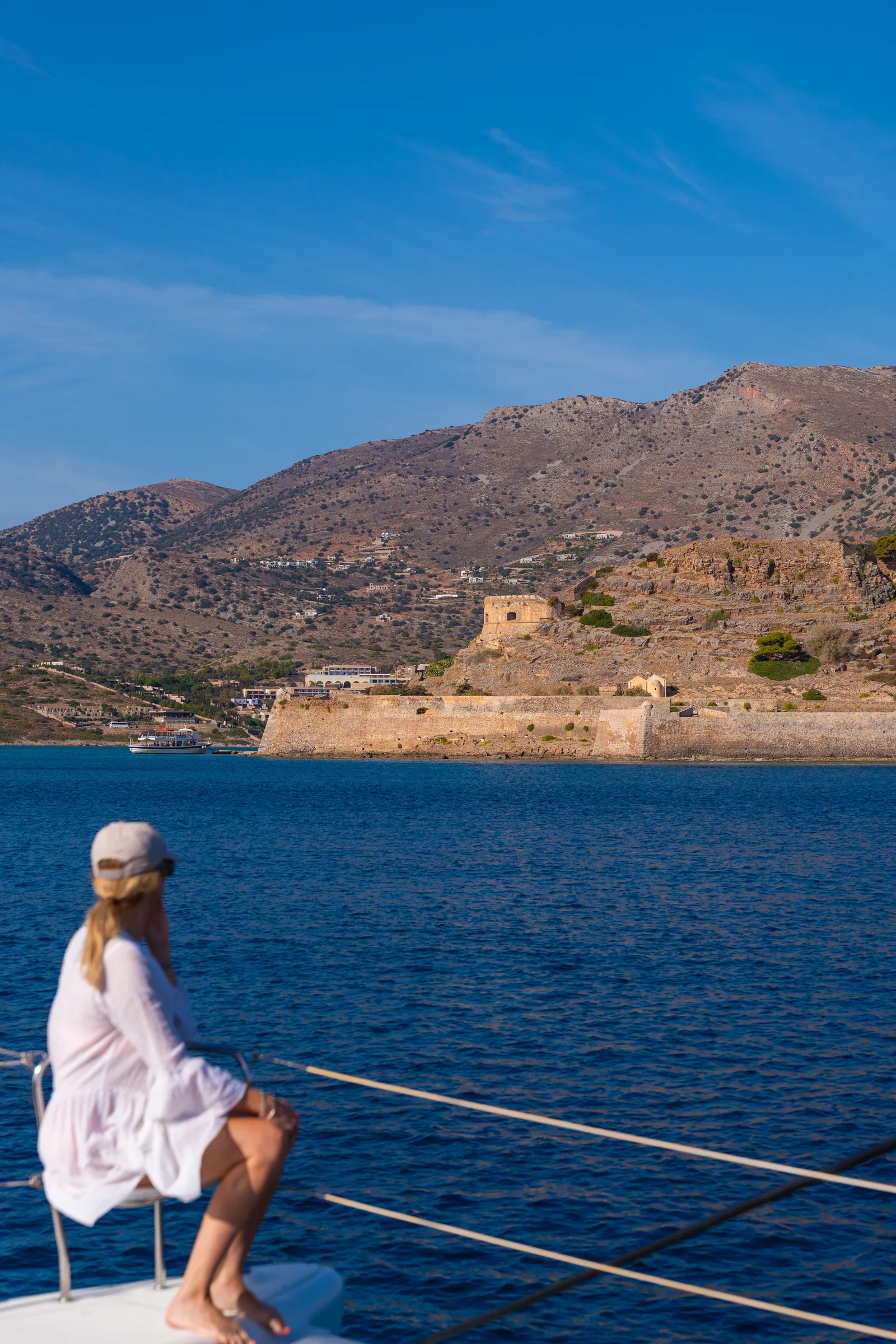
You don't need a sailboat to explore the sea. Motorboat tours are fantastic for 'cove hopping.' Top Pick: Explore the coastline of the Akrotiri Peninsula near Chania. Famous for locations like Seitan Limania, the coast is riddled with tiny, inaccessible fjords that you can only swim in if you arrive by boat.
South Coast Magic: From Sfakia or Loutro, boat taxis and tours can take you to Marmara Beach or Sweetwater Beach, where fresh mountain water springs right out of the pebble beach into the sea.
9Step Through History in the Old Towns
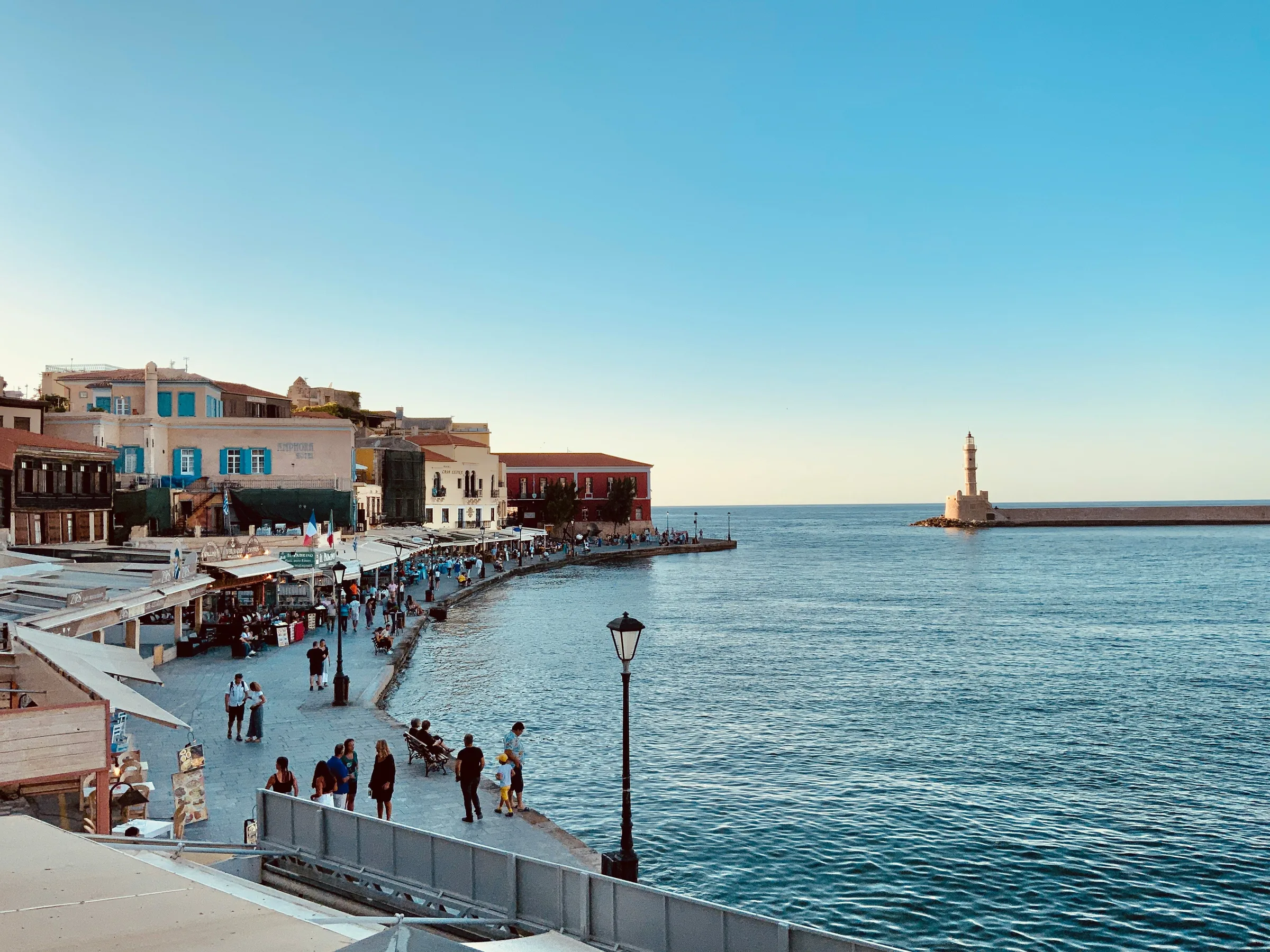
The cities of Chania and Rethymno are open-air museums. A walking tour here is less about sightseeing and more about 'reading' the architecture. You will see Venetian mansions with Ottoman wooden balconies (sachnisi) added later.
Foodie Twist: We highly recommend a Street Food Tour. You'll stop for Bougatsa Iordanis (Chania's famous cheese pastry), taste local olives in the municipal market, and drink raki with locals. It's the fastest way to feel like a resident rather than a tourist.
10Short Bursts of Adventure
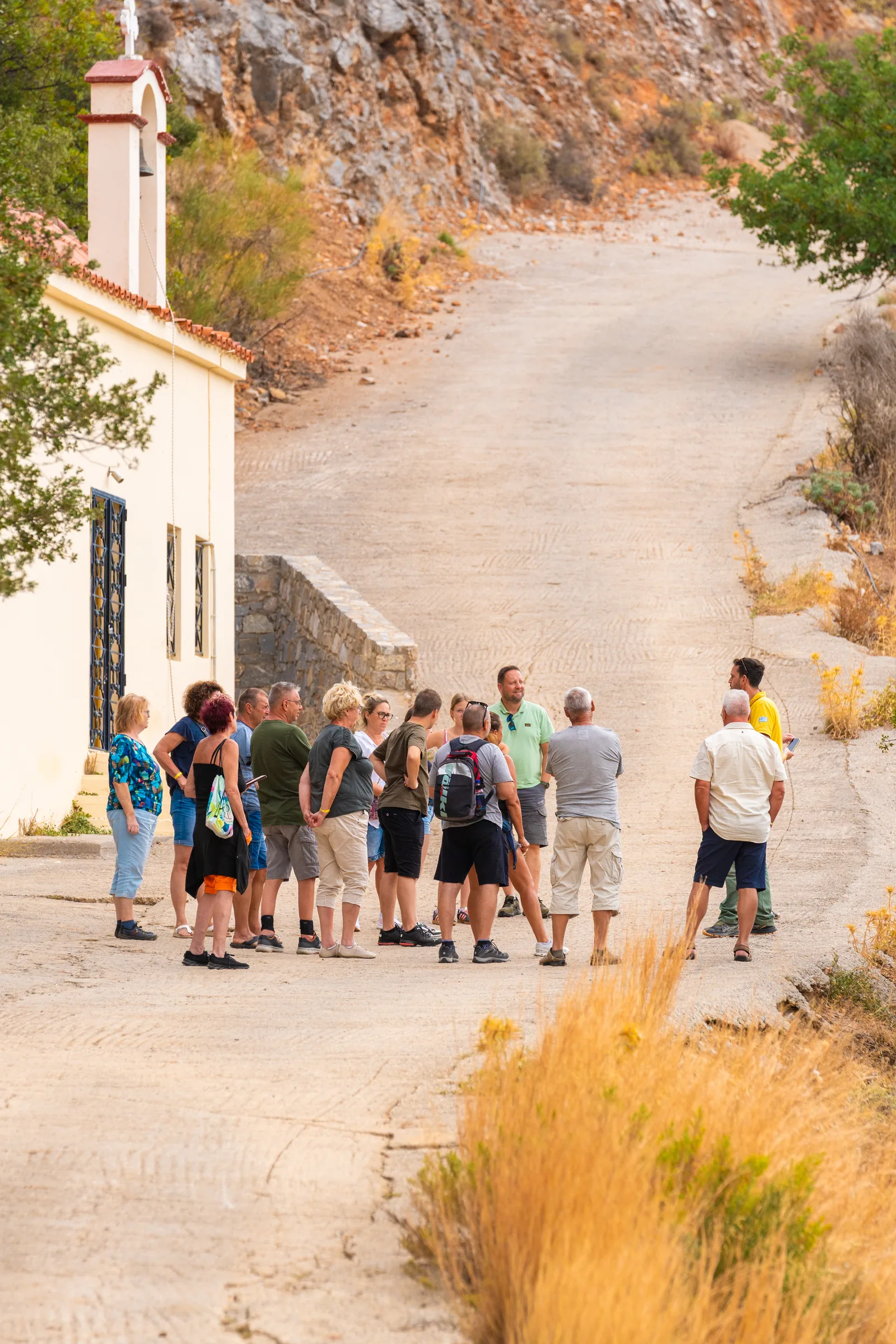
If you are short on time or traveling with young children, half-day tours offer a condensed experience. A 4-hour sunset jeep tour gives you the golden hour views over the olive groves without the full-day commitment.
Alternatively, a half-day boat trip to Lazaretta Island off Chania provides a quick snorkeling fix and is back in time for lunch, perfect for cruise passengers and families balancing rest with exploration.
11Walk in the Footsteps of the Minoans
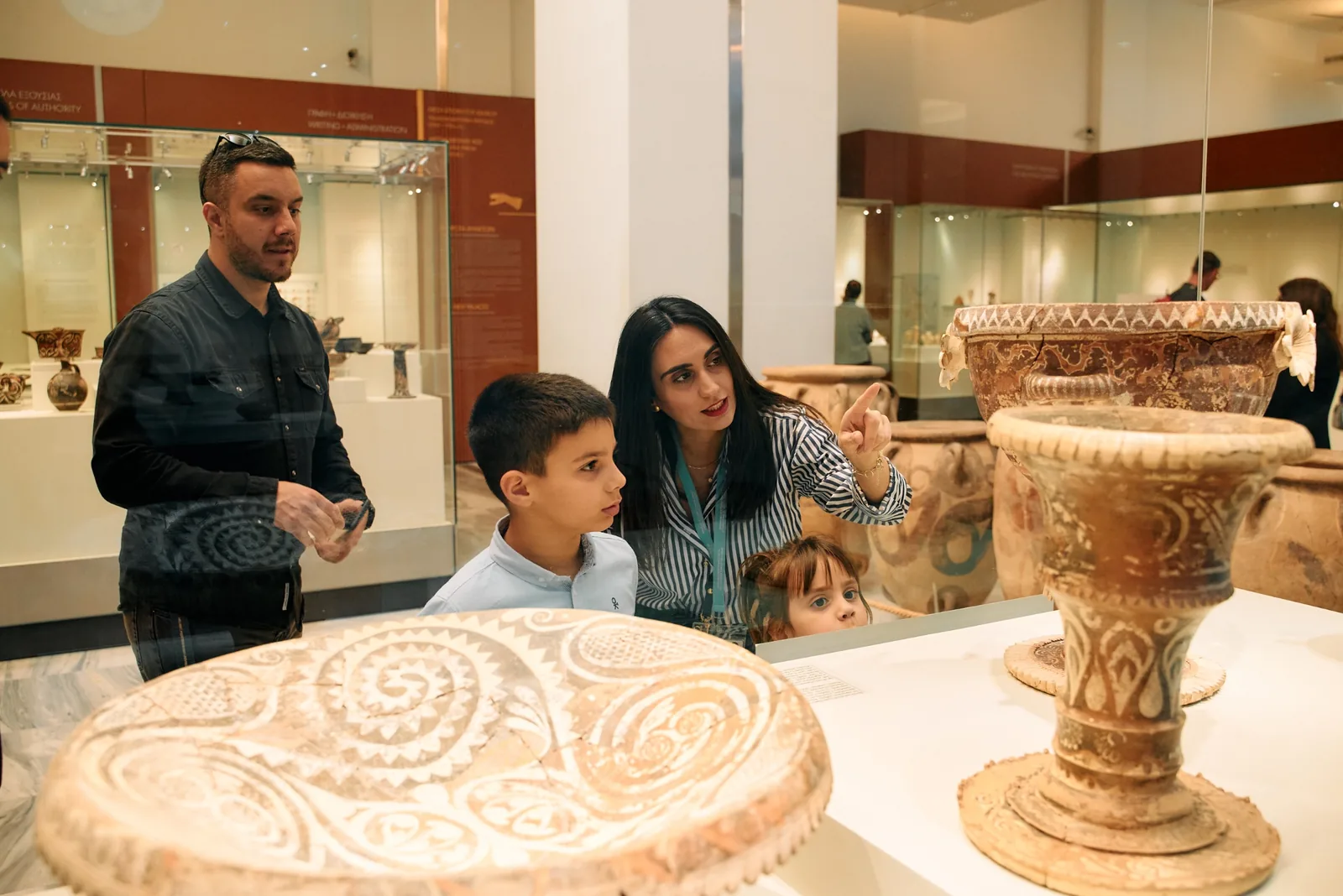
You cannot visit Crete without acknowledging the Minoans, Europe's first advanced civilization. The Big One: Knossos is the site of the legendary Labyrinth. It is sprawling and complex; a guide is absolutely necessary to decipher the ruins and understand the sophisticated plumbing and ventilation systems that existed 4,000 years ago.
The Hidden Gem: For a more atmospheric experience, visit Ancient Eleutherna near Rethymno. It is a recently excavated site with a state-of-the-art museum that rivals those in Athens, yet it remains peaceful and uncrowded.
Crete like a local
From the White Mountains to the Libyan Sea, Crete rewards travellers who slow down and look closer. Here are some insider picks to inspire your bucket list.
Crete like a local
From the White Mountains to the Libyan Sea, Crete rewards travellers who slow down and look closer. Here are some insider picks to inspire your bucket list.
Let Crete come to you
Sign up to get authentic stories, travel tips, and new experiences
By entering my email, I agree to receive marketing notifications from travel & do.