
When to Visit Heraklion, Crete: A Complete Guide
Summary
Deciding when to visit Heraklion, the vibrant capital of Crete, is the first step in planning an unforgettable journey. While the easy answer is that late spring (May–June) and early autumn (September–October) offer a perfect balance of glorious weather, manageable crowds, and accessible attractions, the truth is that the best time to visit depends entirely on your personal travel priorities. Are you dreaming of sun-drenched beaches, exploring ancient palaces in solitude, or immersing yourself in the authentic rhythm of local life?
This guide is designed to be the most comprehensive resource available, moving beyond simple weather summaries to provide practical, experiential insights. We will delve into the unique character of each season, from the energetic buzz of summer to the quiet introspection of winter. You will find detailed monthly breakdowns, analysis of crowd levels and price trends, and a calendar of cultural events that can transform your trip. Whether you are a first-time visitor, a history enthusiast, or an island explorer using Heraklion as your base, this guide will empower you to choose the perfect time for your Cretan adventure.
1When to Visit Heraklion: Quick Overview Table
For a quick decision, this table summarises the key factors for each month, helping you find the perfect window for your trip.
| Month | Avg Temp Range | Crowd Level | Prices | Best For… |
|---|---|---|---|---|
| January | 9°C – 16°C | Very Low | Low | Museums, local life, budget travel |
| February | 9°C – 16°C | Very Low | Low | Carnival (Apokries), authentic experiences |
| March | 10°C – 17°C | Low | Low | Wildflowers, hiking, comfortable sightseeing |
| April | 12°C – 20°C | Moderate | Moderate | Easter celebrations, pleasant sightseeing weather |
| May | 15°C – 24°C | Moderate-High | Moderate-High | Ideal balance of warm weather and manageable crowds |
| June | 20°C – 27°C | High | High | Swimming, beach life, Summer Arts Festival |
| July | 23°C – 30°C | Very High | Peak | Peak beach season, vibrant nightlife, festivals |
| August | 23°C – 30°C | Peak | Peak | Hottest weather, guaranteed sun, lively atmosphere |
| September | 21°C – 28°C | High | High | Warm seas, grape harvest, pleasant evenings |
| October | 18°C – 24°C | Moderate | Moderate | Swimming, comfortable sightseeing, Tsikoudia season |
| November | 15°C – 22°C | Low | Low | Visiting ancient sites, local interaction, budget travel |
| December | 12°C – 18°C | Low | Low | Christmas festivities, quiet city exploration |
2Heraklion Weather by Month: A Detailed Breakdown
25°C
Avg. Temperature
3mm
Rainfall
23°C
Sea Temperature
High
Crowd Level
3The Seasons in Heraklion Explained
Heraklion, like all of Crete, experiences four distinct seasons, each offering a vastly different travel experience. Understanding the unique atmosphere and practical realities of each period is key to planning a trip that aligns with your expectations.
Spring is a time of awakening in Heraklion. The landscape, refreshed by winter rains, is lush with wildflowers, and the air is fresh and mild. This season is arguably the best for cultural exploration, as visiting the Palace of Knossos and other archaeological sites is a pleasure without the intense heat of summer.
Weather Reality
Temperatures are mild and pleasant, gradually warming through the season. While March can still see some rain, May is generally sunny and beautiful. The sea, however, remains chilly for swimming until the latter half of May.
Cultural Activity
This is the prime season for sightseeing. The weather is perfect for long walks through the city's historical streets and for exploring the vast grounds of ancient palaces. Orthodox Easter, which often falls in April or May, is a deeply significant and atmospheric celebration to witness.
Tourism Intensity
Tourism is low in March, building to a moderate level by May. You'll find a more relaxed atmosphere, with locals preparing for the coming summer rush. This translates to more personal interactions and a more authentic feel.
Atmosphere & Vibe
The city feels fresh, optimistic, and authentic. It's a time of preparation and anticipation, offering a glimpse into the local rhythm before the peak season crowds arrive.
Pros & Cons
The primary advantages are the comfortable weather, fewer crowds, and lower prices for flights and accommodation. The main drawback is that the sea is often too cold for comfortable swimming until late in the season.
Who Should Visit
Spring is ideal for culture and history travelers, hikers, budget-conscious visitors, and anyone seeking a more relaxed and authentic Cretan experience.
4Heraklion Weather by Month: A Detailed Breakdown
While the seasons provide a general overview, a month-by-month look can help you fine-tune your travel plans.
January & February
These are the coldest months, but still mild by European standards. It's a time for museum-hopping and enjoying the local cafe culture. February often brings the vibrant celebrations of Carnival (Apokries).
March & April
Spring arrives with blooming wildflowers and increasingly sunny days. It's perfect for hiking and comfortable sightseeing. Orthodox Easter in April is a major cultural highlight.
May
Often considered the perfect month. The weather is warm and sunny, but not yet scorching. The crowds are manageable, and the sea is just starting to become warm enough for swimming.
June
Summer truly begins. The weather is hot and sunny, perfect for the beach. The first of the summer festivals kick off, and the tourist season gets into full swing.
July & August
These are the hottest and most crowded months. Life revolves around the sea. The Meltemi winds can be strong. Book everything far in advance.
September
A continuation of summer with slightly cooler evenings. The sea is at its warmest, and the summer crowds begin to dissipate, making it a favorite for many.
October
A beautiful month with still-warm seas and pleasant daytime temperatures. The risk of rain increases towards the end of the month, but it's generally a great time for a mixed activity holiday.
November & December
The tourist season is over. The weather is cooler and can be wet, but there are still many clear, sunny days. It's a time for quiet exploration, enjoying local festivals like the feast of Agios Minas, and experiencing the city's festive Christmas decorations.
5Best Time to Visit Heraklion Based on Your Travel Style
Match Heraklion's seasons to the way you actually want to travel — whether that's chasing ruins, beaches, harvests, or quiet local life.
For Visiting Knossos & Museums
The best times are undoubtedly spring (April–May) and autumn (September–October). The weather is pleasant for walking around the expansive outdoor site of Knossos, and the crowds are smaller than in the summer, allowing for a more immersive experience.
For Beaches Near Heraklion
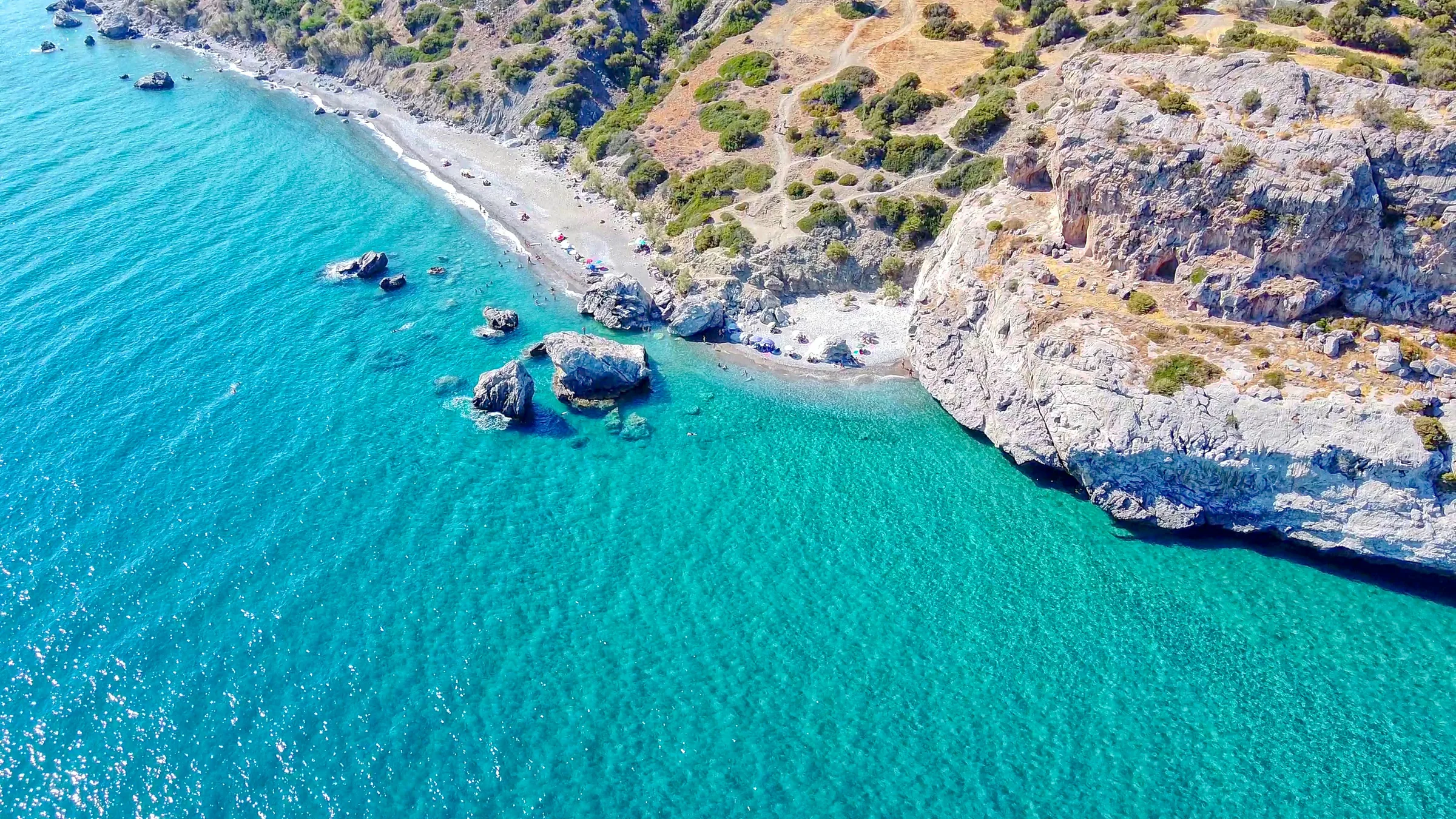
The prime beach season runs from June to September. During these months, the weather is hottest, and the sea is wonderfully warm, perfect for swimming and sunbathing.
For Cultural Exploration & Local Life
To see Heraklion as a living, breathing city rather than a tourist destination, visit in winter (November–March). You'll share cafes with locals, have museums to yourself, and witness unique traditions like the Apokries carnival.
For Food & Wine Experiences
Autumn (September–November) is the season for gourmands. The grape harvest in September is followed by the buzzing activity of the rakokazana (tsikoudia distilleries) in October and November.
For Budget Travel
The lowest prices for flights and accommodation are found in the winter months (November–February). If you prioritise savings over sunshine, this is the time to go.
For Avoiding Crowds
Winter (November–February) and early spring (March–April) are your best bets. You will experience a quiet and peaceful version of Heraklion that is unimaginable in summer.
For Combining Heraklion with Other Crete Destinations
The shoulder seasons (May–June, September–October) are ideal. The weather is reliable enough for beach hopping, but also comfortable for driving and exploring the island's diverse landscapes, from mountains to remote villages.
6Key Events & Festivals That Influence Timing
Unlike its competitors, this guide recognizes that a city's culture is not just in its stones but in its celebrations. Planning your trip around one of these events can offer a deeper connection to Cretan life.
Kastrini Apokria (Carnival)
Late February / Early March
Taking place in the weeks before Lent (usually late February or early March), this is a joyous festival of costumes, parades, and street parties, offering a fascinating glimpse into local traditions.
Orthodox Easter
April or May
Often in April or May, this is the most important religious holiday in Greece. The candlelit Epitaph processions on Good Friday are a profoundly moving and beautiful spectacle.
Heraklion Summer Arts Festival
June – September
From June to September, the city hosts a rich program of theatre, music, and dance in stunning open-air venues. Check local listings for the schedule.
Matala Beach Festival
June
Usually held in June, this famous music festival revives the hippie spirit of the 1960s and 70s on the iconic sands of Matala beach.
Feast of Agios Titos & Agios Minas
August 25 & November 11
These are major religious holidays celebrating the patron saints of Crete and Heraklion, respectively. November 11th is a public holiday in the city.
Tsikoudia & Rakokazana Season
Late September – November
From late September through November, the air in the villages around Heraklion is filled with the aroma of distilling grapes. Many villages host festivals celebrating the production of Crete's signature spirit, tsikoudia.
7Weather Expectations vs. Reality: The Meltemi Wind & Cruise Crowds
Two crucial factors that many guides overlook can significantly impact your Heraklion experience: the Meltemi wind and the daily influx of cruise ship passengers.
The Meltemi Wind
This is not just a gentle breeze. The Meltemi is a strong, dry, northerly wind that blows across the Aegean, primarily in July and August. While it can offer a welcome respite from the summer heat, it can also make the sea on Heraklion's north-facing coast too choppy for swimming and can occasionally disrupt ferry schedules. Beaches on the south coast of Crete are generally more sheltered during this time.
Cruise Season Impact
From April to October, Heraklion is a major port of call for cruise ships. On any given day, thousands of passengers can descend upon the city's main attractions, particularly the Palace of Knossos and the Archaeological Museum. This can create significant crowds between 10am and 3pm, even during the otherwise quieter shoulder seasons. To avoid the rush, plan your visits to these key sites for early in the morning or later in the afternoon.
8Practical Planning Advice for Your Heraklion Trip
A few logistical pointers — booking timelines, flight seasonality and hotel availability — to help you lock in the right trip for the right month.
Booking Timelines
For a summer trip (June–August), it is crucial to book flights and accommodation 3–6 months in advance to secure the best prices and availability. For the shoulder seasons (May, September, October), a window of 2–4 months is advisable. For winter travel, you can often find last-minute deals.
Flight Seasonality
Heraklion's airport (HER) has a dual personality. It operates year-round with essential connections to Athens and Thessaloniki, but its international character explodes from April to October. During these months, dozens of airlines offer direct flights from across Europe. In winter, you will almost certainly need to connect through Athens.
Hotel Availability Trends
While hotels within Heraklion's city center remain open year-round, many of the large beach resorts and smaller family-run properties in the surrounding areas close down from November to April. If you are visiting in the off-season, plan to stay in the city itself.
FAQs
For the ideal combination of warm weather, swimmable seas, and manageable crowds, September is arguably the best month. May and June are close seconds.
To see the main highlights of the city (Archaeological Museum, Koules Fortress, Old Town) and visit the Palace of Knossos, allow for at least two full days. If you plan to use Heraklion as a base to explore nearby beaches and villages, a stay of 4-5 days is recommended.
It can be very hot, with temperatures often exceeding 30°C (86°F). If you are not accustomed to high heat, sightseeing during the middle of the day can be challenging. Plan to visit attractions early in the morning and spend afternoons by the sea or a pool.
Yes, absolutely. The sea retains its summer warmth throughout October, with average water temperatures around 23°C (73°F), which is very pleasant for swimming.
Yes, for a certain type of traveler. If you are interested in culture, history, authentic food, and interacting with locals without the crowds, winter can be a magical and highly affordable time to visit.
July and August are typically the windiest months due to the Meltemi winds that blow across the Aegean Sea.
The cheapest flights are generally found in the winter months, from November to February (excluding the Christmas holiday period).
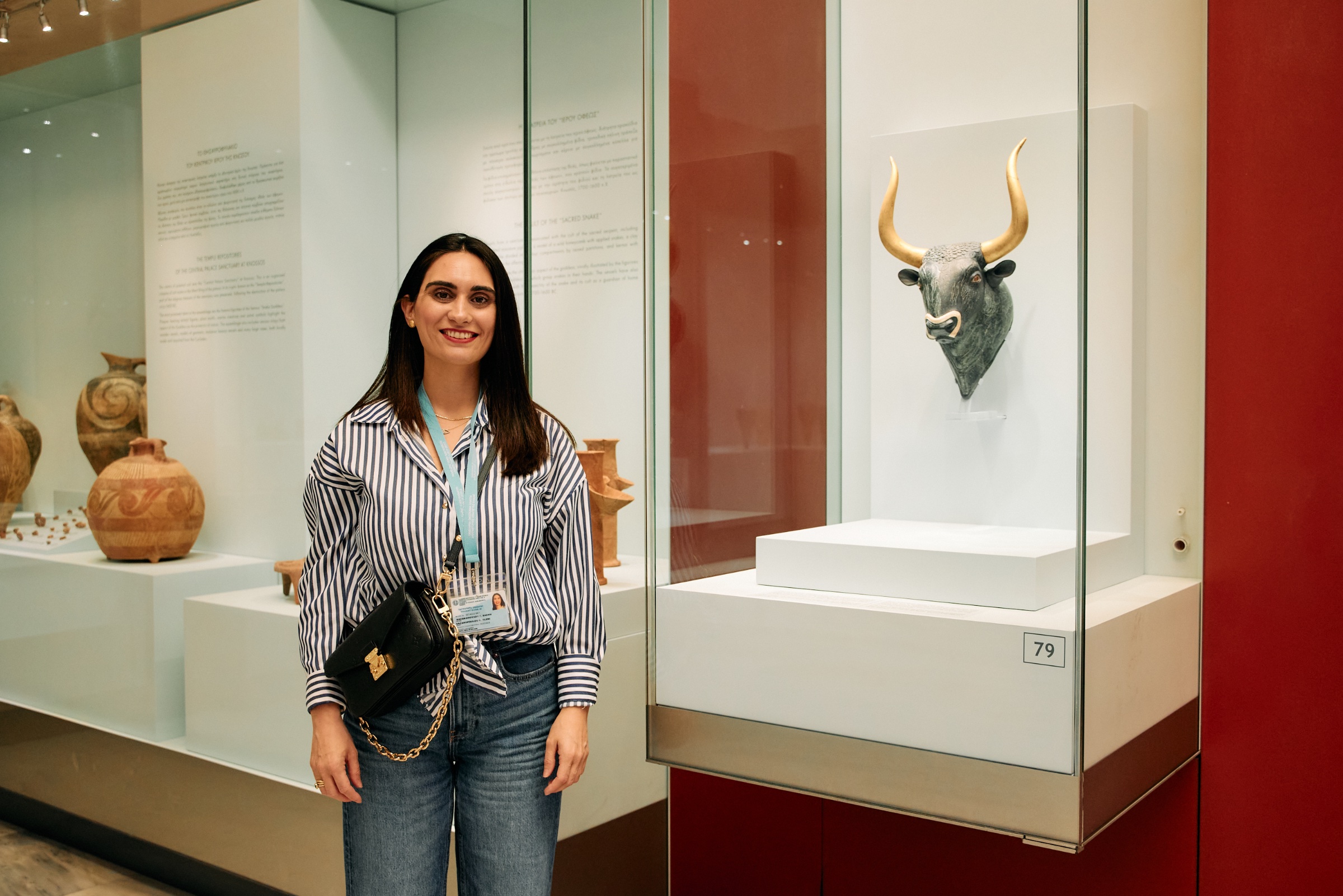
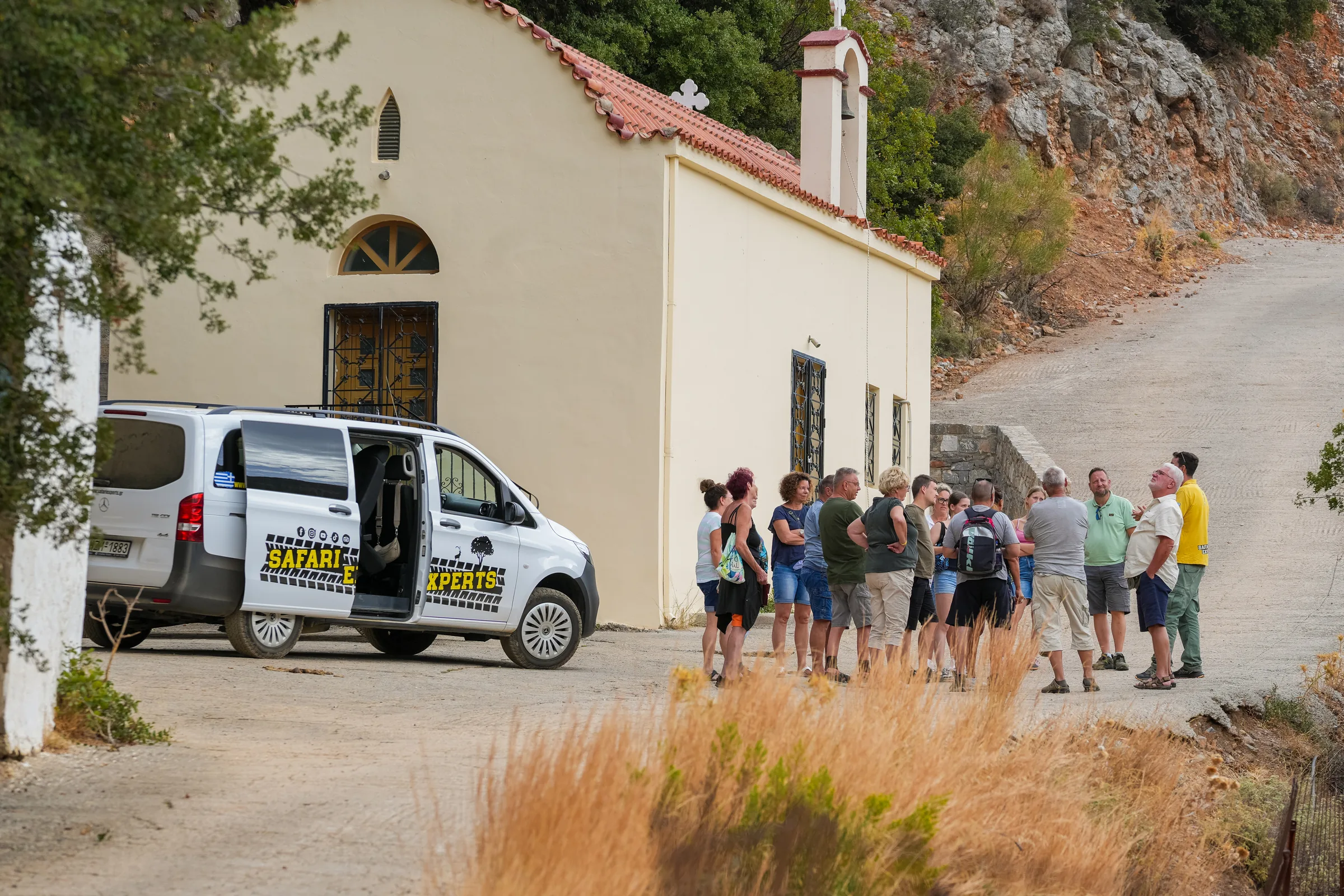
Heraklion like a local
From Knossos to wine country, here are the experiences travellers actually book in Heraklion.
Heraklion like a local
From Knossos to wine country, here are the experiences travellers actually book in Heraklion.
Let Heraklion come to you
Sign up to get authentic stories, travel tips, and new experiences
By entering my email, I agree to receive marketing notifications from travel & do.