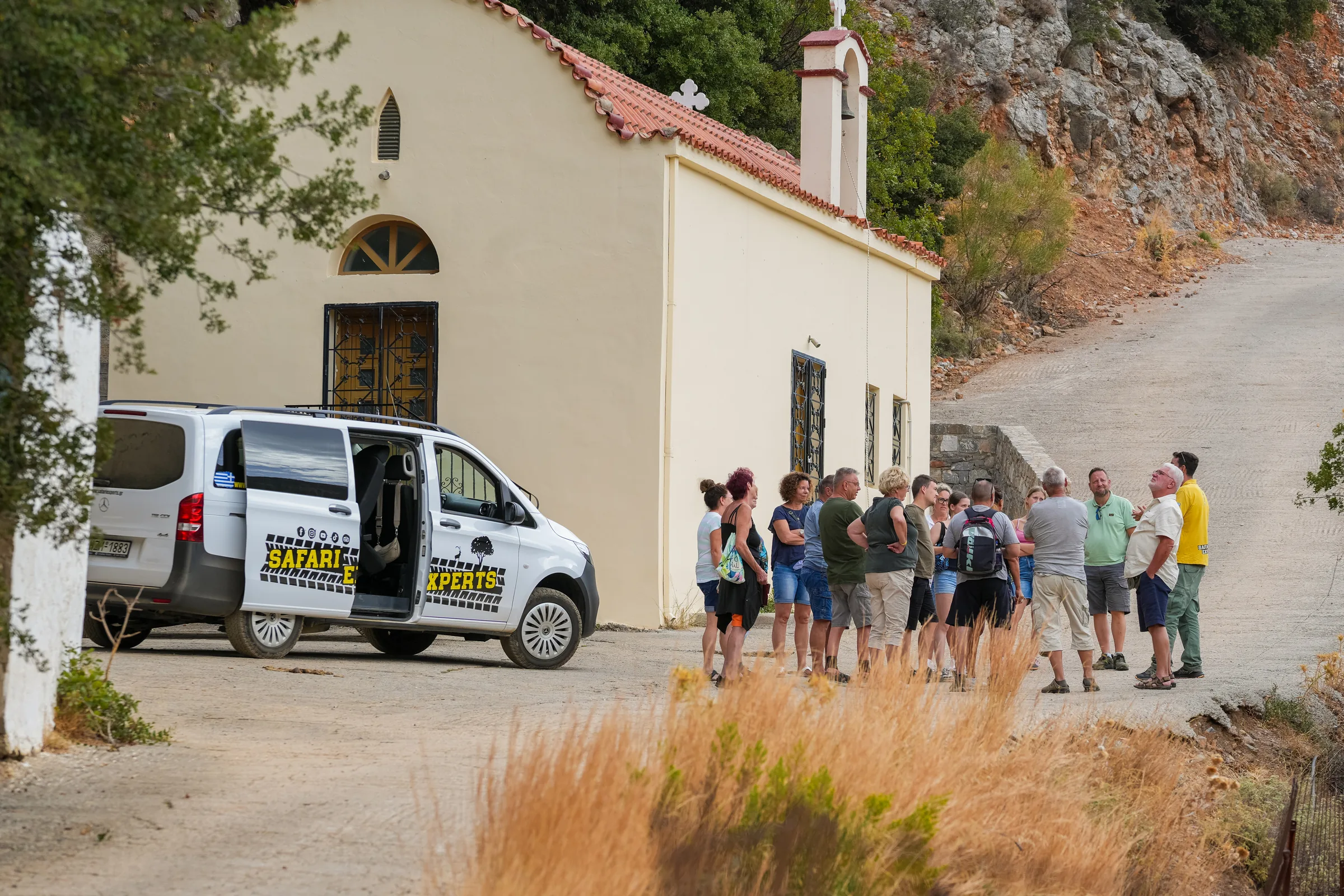
The Ultimate Guide to Things to Do in Heraklion
As the capital of Crete, Heraklion, is the island's vibrant, beating heart and the primary gateway for travelers seeking to unlock the secrets of the Minoan civilization and beyond. Yet, for many, Heraklion is a city misunderstood, a brief stopover en route to the famed beaches of Chania or the resorts of the eastern coast. But to treat it as a mere transit point is to miss the very soul of Crete.
In our guide we will delve deep into the rich tapestry of experiences that Heraklion offers, from its world-class museums and archaeological wonders to its dynamic food scene and the echoes of Venetian history that resonate through its ancient streets. This is not just a list of attractions; it is an invitation to understand Heraklion as a cultural destination in its own right, a city that bridges the gap between a mythical past and a vibrant present.
Beyond the gateway: why Heraklion is Crete's cultural heart
Unlike the more polished and tourist-centric towns of Chania and Rethymno, Heraklion presents a more authentic, lived-in version of Cretan urban life. Its modern cityscape, a result of both historical misfortunes and contemporary growth, wraps around a core of profound historical significance.
It is a city of contrasts, where bustling commercial streets give way to quiet, history-laden alleys, and the shadow of the Venetian walls protects a treasure trove of cultural gems. Heraklion's true charm lies not in picture-perfect facades, but in its depth, its energy, and its role as the custodian of Crete's most important historical narratives.
What Heraklion is best known for
For the traveler on a tight schedule, understanding Heraklion's key highlights is essential. The city's fame rests on a few monumental pillars that offer a gateway into the island's soul, a journey through 5,000 years of history, from the Bronze Age to the present day.
Palace of Knossos
The legendary center of the Minoan civilization, tied to the myth of the Minotaur.
History buffs · all visitors
Archaeological Museum
Houses the world's most significant collection of Minoan art and artifacts.
Culture enthusiasts · essential visit
Venetian Harbor & Koules Fortress
A picturesque harbor guarded by a formidable 16th-century Venetian fortress.
Photography · sunset views
Old Town & Local Life
A vibrant mix of historic landmarks, bustling markets, and authentic Cretan gastronomy.
Foodies · urban explorers
Echoes of the Minoans: Heraklion's Archaeological Wonders
Heraklion is the gateway to one of the world's earliest advanced civilizations. Within easy reach of the city lie the great Minoan palaces, sites where myth, archaeology, and the long story of Europe converge.
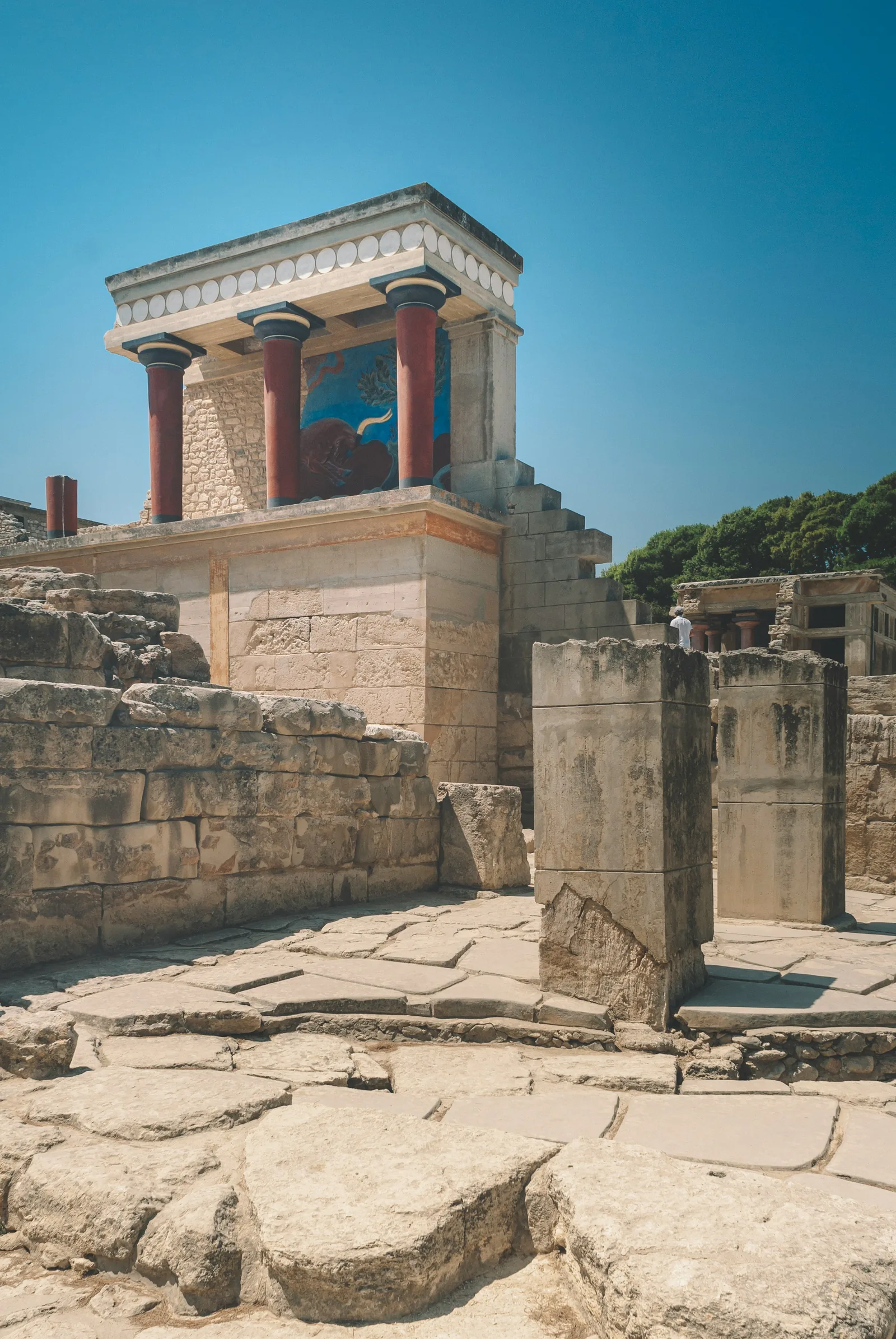
3The legendary Palace of Knossos: a visitor's guide
Just a few kilometres south of the city centre lies the Palace of Knossos, Greece's second most visited archaeological site and the heart of the ancient Minoan world. This is not merely a collection of ruins; it is the setting for the myth of King Minos, the Labyrinth, and the Minotaur. The palace was a sprawling, multi-story complex that served as the administrative, religious, and economic centre of Minoan Crete, first built around 1900 BC.
Why it matters: Knossos offers a tangible connection to Europe's first advanced civilization. Walking through its corridors, you are treading the same ground as the Minoans nearly 4,000 years ago. A visit is essential for all first-time visitors to Crete and anyone with an interest in ancient history and mythology.
Practical expectations: the site is vast and the early 20th-century restorations by Sir Arthur Evans, using concrete and vibrantly painted frescoes, are a source of ongoing debate among archaeologists. Hire a licensed guide at the entrance or download a reputable audio guide, and arrive at opening time or in the late afternoon to avoid the crowds and the summer heat. Bus Line No. 2 connects the city centre to the site cheaply and efficiently.
Insider insight: for a complete understanding of Knossos, visit the Heraklion Archaeological Museum afterwards. It houses the original frescoes and artifacts unearthed at the site, providing crucial context and revealing the true artistry of the Minoan people.
4Beyond Knossos: other archaeological highlights
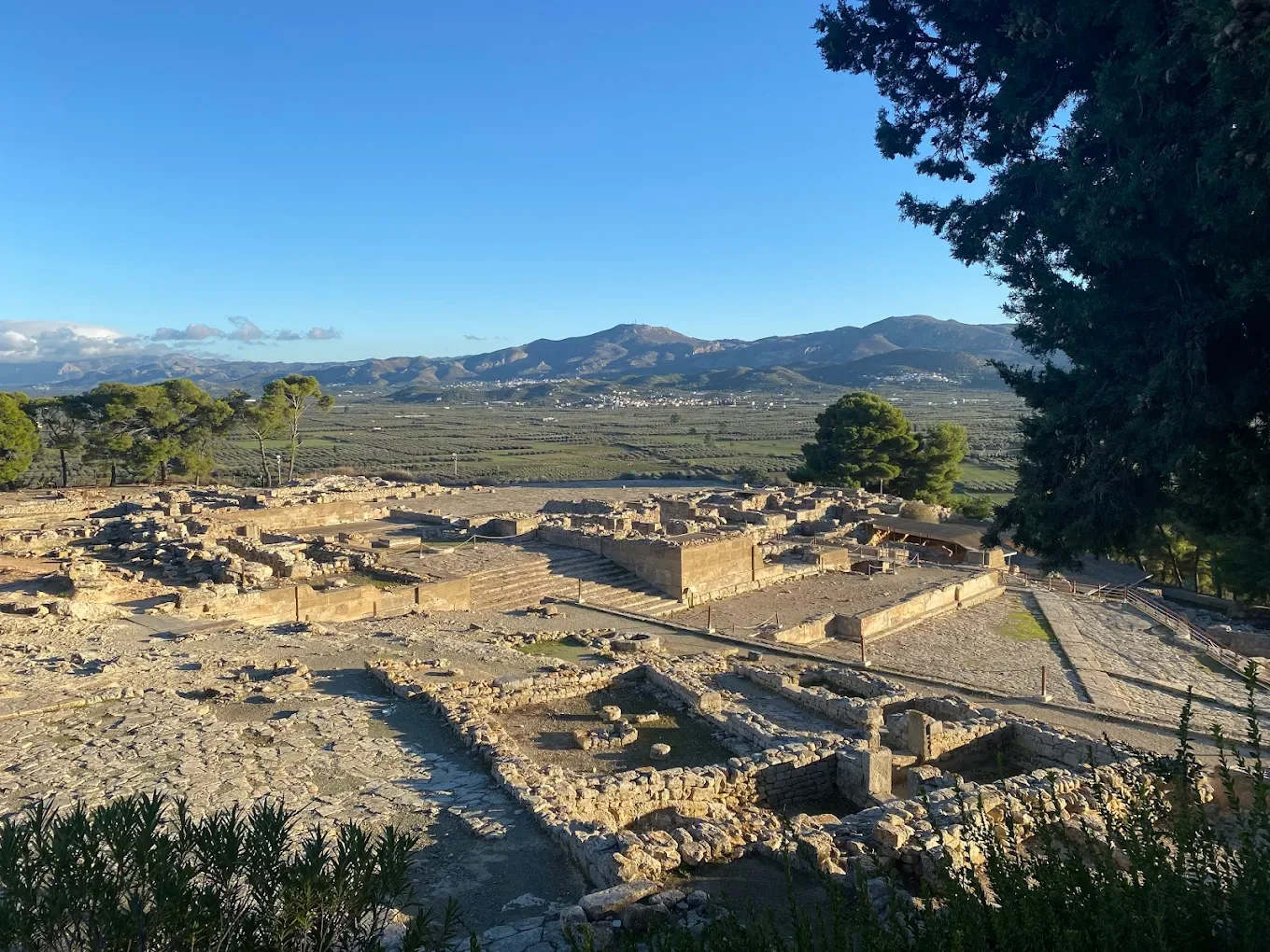
For dedicated history enthusiasts, the journey doesn't end at Knossos. South of Heraklion lies the archaeological site of Phaistos, another major Minoan palace. While less excavated and restored than Knossos, its more authentic state offers a different, and for some, a more profound, experience among the ruins.
It was here that the mysterious Phaistos Disc, a clay disc covered in an undeciphered hieroglyphic script, was discovered. Phaistos pairs nicely with a south-coast beach day at Matala or Kommos.
A Journey Through Time: Heraklion's Museums & Cultural Experiences
While Knossos provides the setting, Heraklion's museums provide the story. They are the custodians of Crete's rich and complex past, housing artifacts that span millennia and tell the tales of the many civilizations that have called this island home.
5Heraklion Archaeological Museum: a Minoan masterpiece
Considered one of the most important museums in Greece, the Heraklion Archaeological Museum is an absolute must-see. It houses the definitive collection of Minoan art and artifacts, gathered from archaeological sites across the island. The treasures you see here are not just beautiful objects; they are the primary evidence for understanding a civilization that left behind no written histories we can decipher.
Why it matters: this museum holds the key to understanding the Minoan world. The artistry, craftsmanship and sophistication on display are breathtaking and provide a vivid picture of this ancient culture. To skip it is to miss the very essence of Crete's historical identity.
Practical expectations: the museum is logically organized chronologically. Key exhibits include the enigmatic Phaistos Disc, the iconic Snake Goddess figurines, the stunningly detailed frescoes from Knossos (the Bull-Leaping Fresco and La Parisienne), and the masterfully carved stone Bull's Head Rhyton.
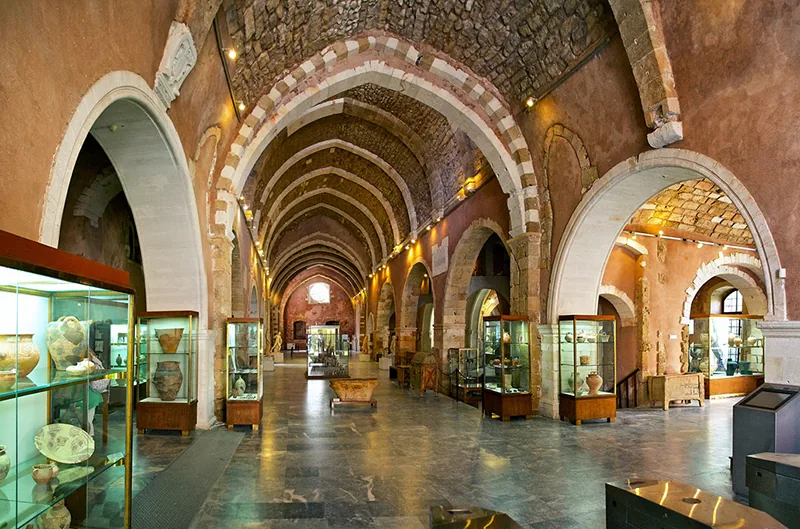
6Chronicles of Crete: the Historical Museum of Crete
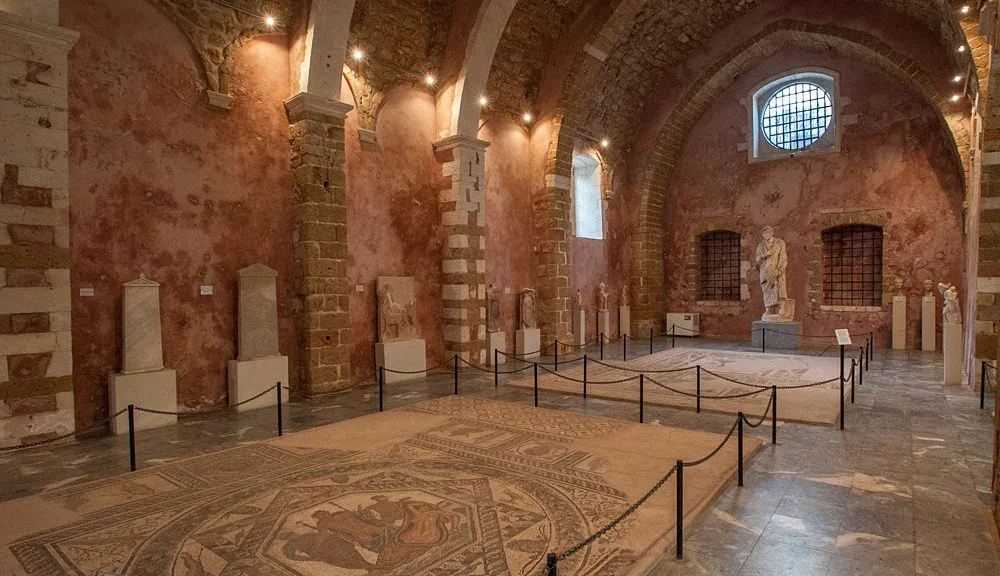
Where the Archaeological Museum ends, the Historical Museum of Crete begins. This museum picks up the narrative from the early Christian period and carries it through the Byzantine, Venetian, Ottoman, and modern eras, providing a comprehensive overview of the island's more recent and equally turbulent history.
It contextualizes the Crete of today, showcasing the layers of influence that have shaped its culture, architecture, and identity. It is particularly insightful for understanding the Venetian and Ottoman periods.
7Exploring the natural world: the Natural History Museum
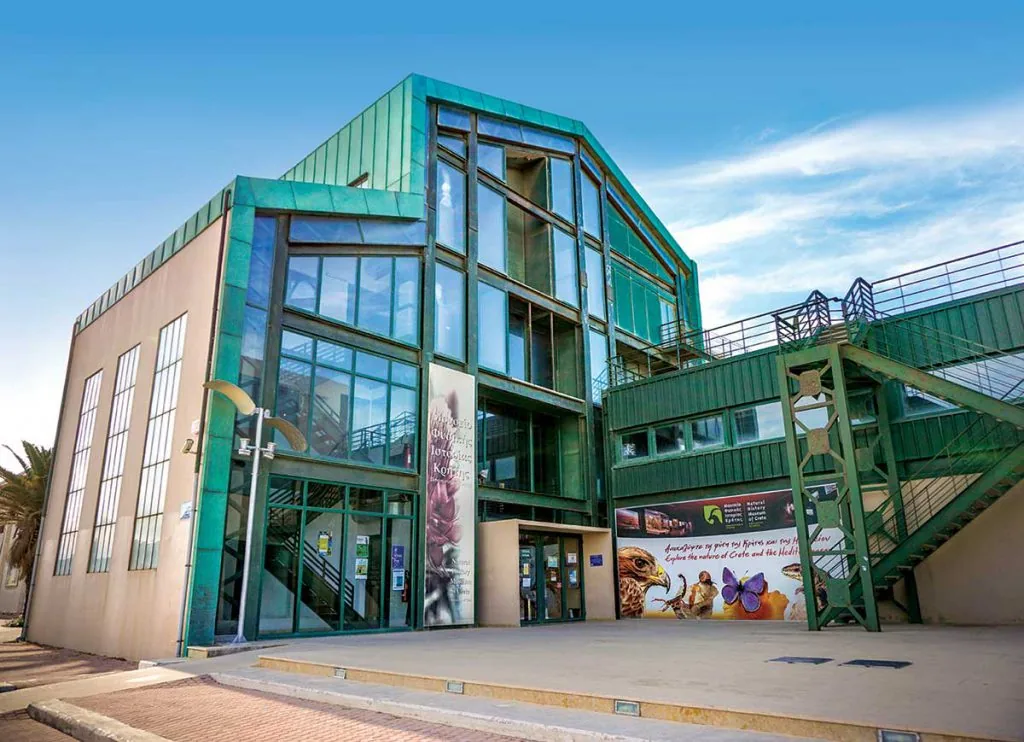
For a change of pace from archaeology and history, the Natural History Museum of Crete offers a fascinating exploration of the island's unique ecosystems and biodiversity. Housed in a modern building on the waterfront, the museum features impressive displays on the flora and fauna of the Eastern Mediterranean, including a popular earthquake and tsunami simulator.
It highlights the natural beauty and ecological significance of Crete, and is an excellent choice for families, nature lovers, and anyone seeking a deeper understanding of the Cretan landscape.
The Venetian Legacy: Old Town Landmarks and Fortifications
For over four centuries, from the 13th to the 17th century, Heraklion (then known as Candia) was the heavily fortified capital of the Venetian "Kingdom of Crete." This legacy is etched into the very fabric of the city, most notably in its formidable fortifications and elegant civic buildings, which stand as a testament to the strategic importance of the port.
8The imposing Koules Fortress and Venetian harbor
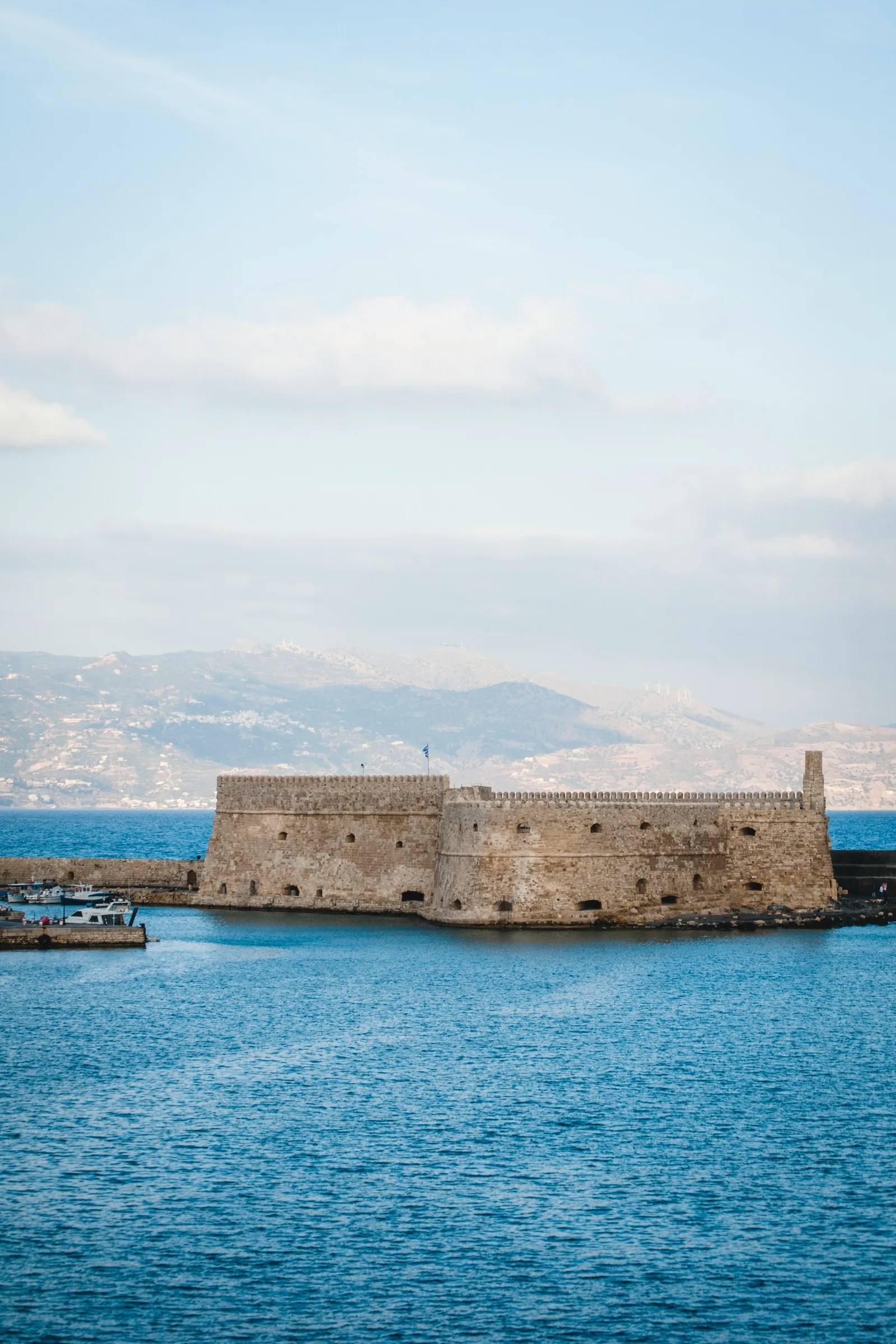
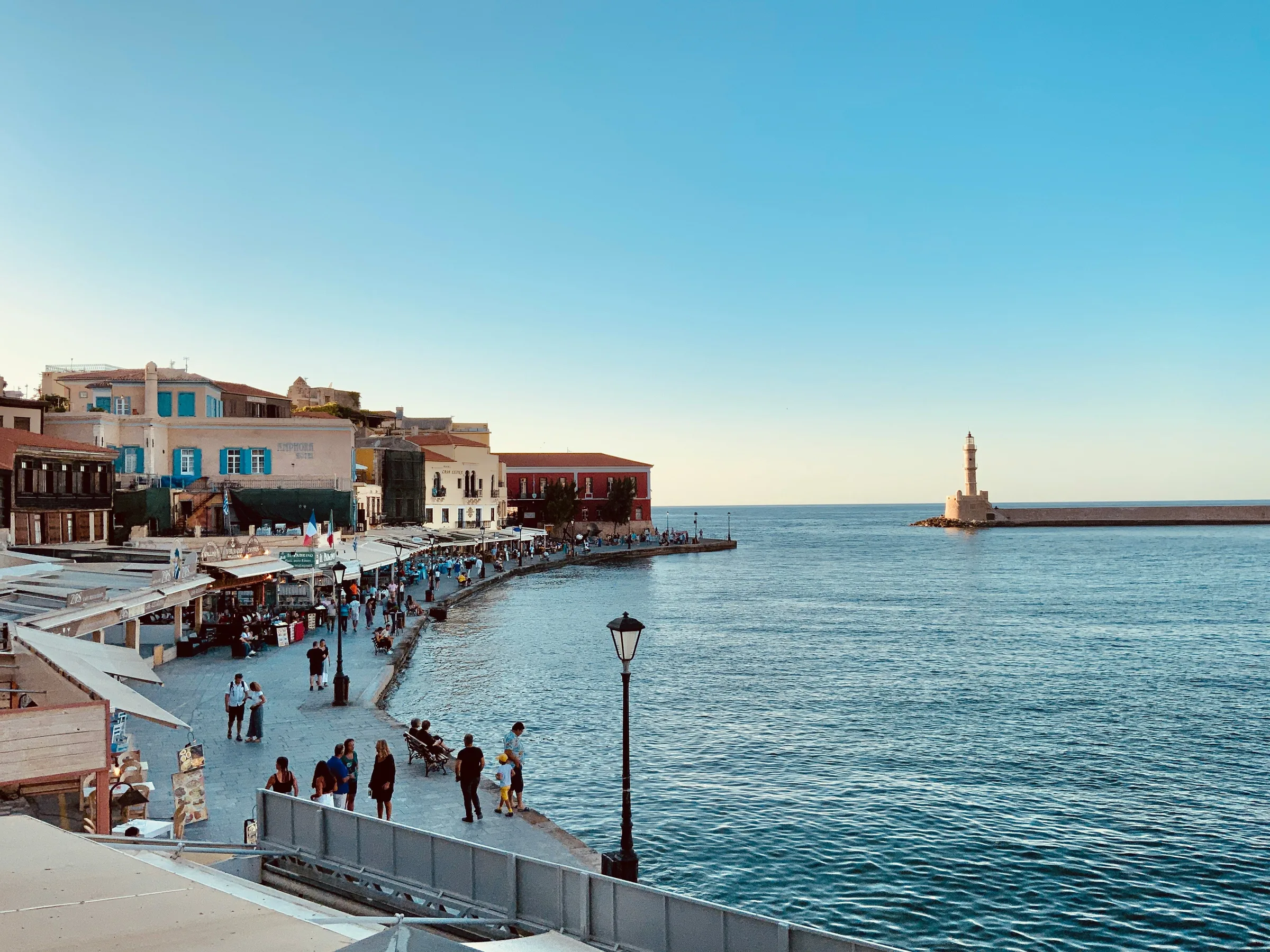
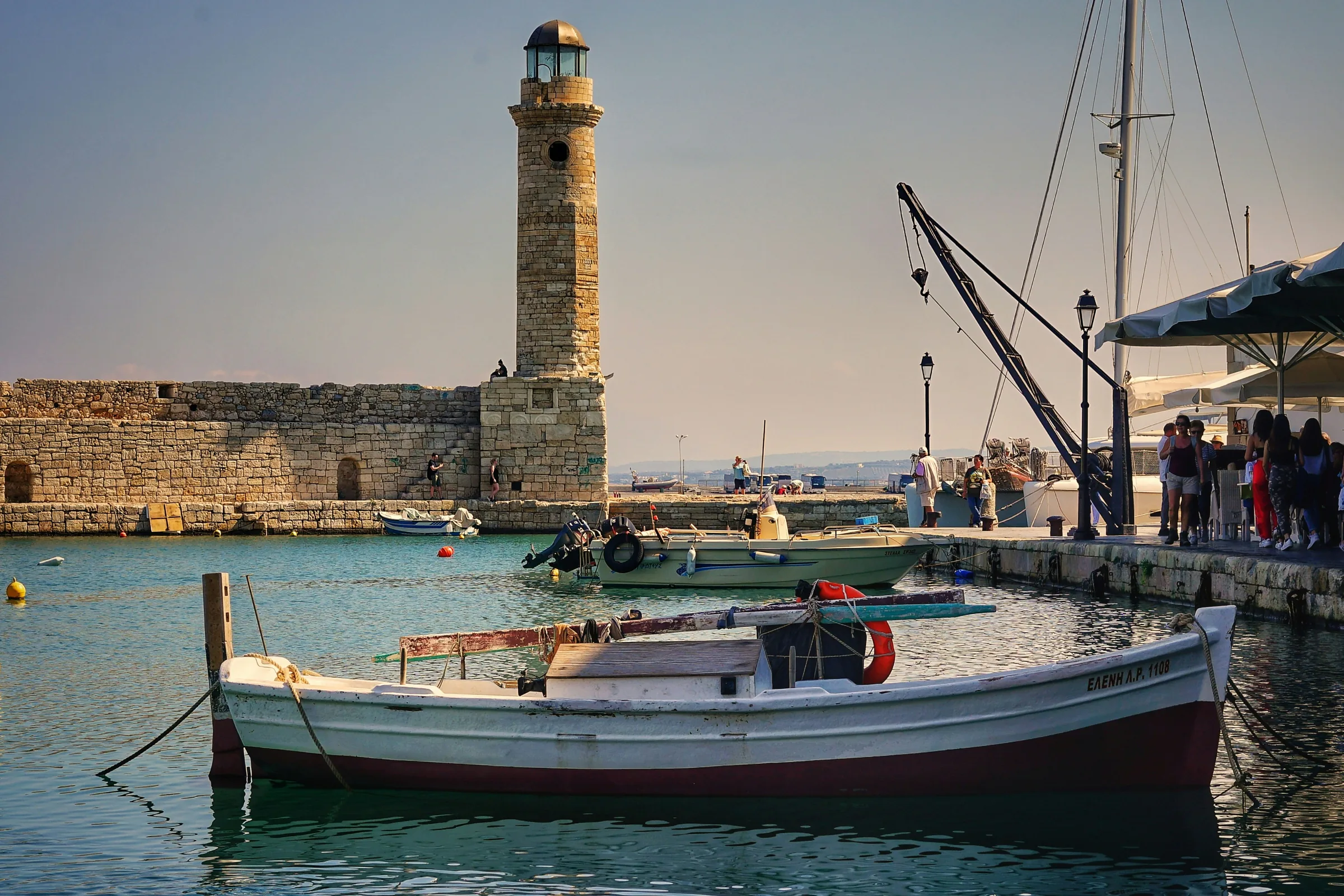
Dominating the entrance to the old harbor is the magnificent Koules Fortress, also known as Rocca a Mare. This two-story fortress, completed in the mid-16th century, is a powerful symbol of Venetian military architecture. Its massive stone walls have withstood centuries of siege and sea, and today it serves as a cultural venue and a stunning viewpoint.
The fortress is the most iconic landmark of Heraklion's waterfront and a tangible link to its Venetian past. A leisurely 15-minute walk from the city centre takes you to the harbor; the views from its ramparts are spectacular, especially at sunset. There is an admission fee to enter the fortress, which often hosts temporary exhibitions.
9Old Town landmarks: Loggia, Morosini Fountain & St. Titus
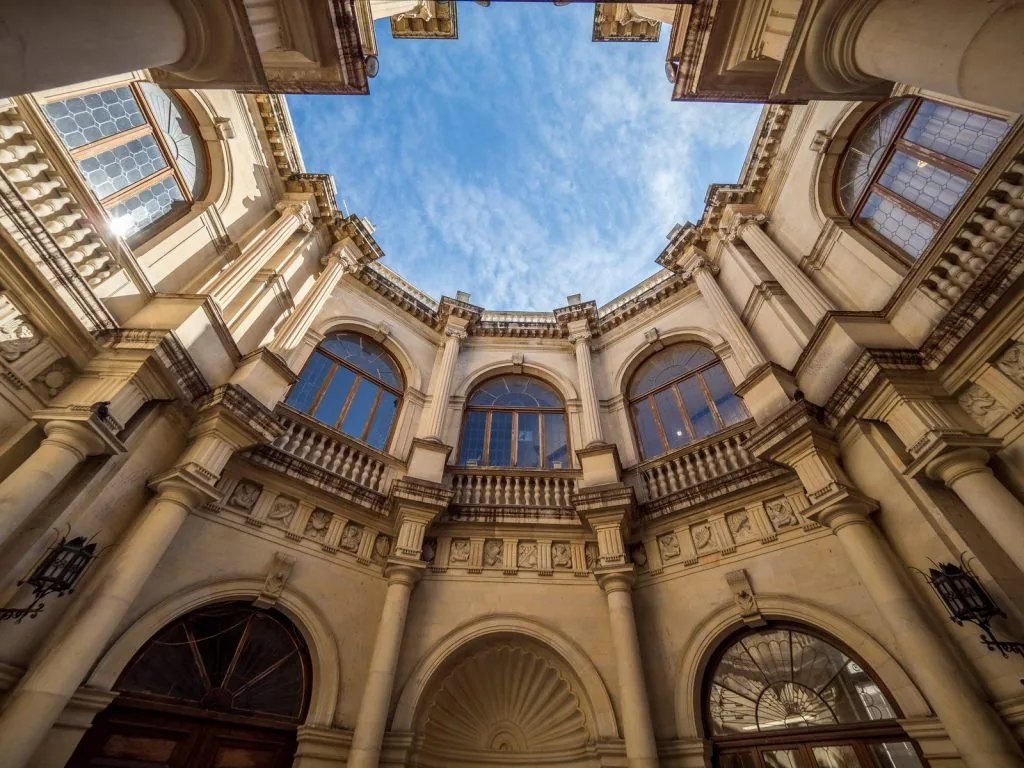
The heart of the Venetian city is a short walk from the harbor. The elegant Venetian Loggia, considered one of the finest examples of Venetian architecture in Crete, now serves as Heraklion's City Hall. A few steps away is the lively Lions Square, home to the Morosini Fountain, an ornate 17th-century fountain that was once the terminus of a Venetian aqueduct.
Nearby, the Church of Saint Titus stands as a symbol of the city's layered history, having served as a Catholic cathedral, an Ottoman mosque, and now an Orthodox church. The pedestrianized 25th of August Street threads it all together with shops, cafes and historic facades.
10Walking the Venetian walls
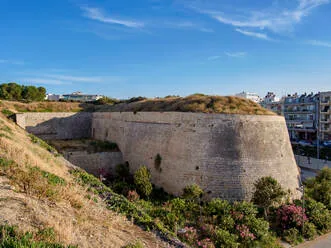
Enclosing the old city is a massive circuit of defensive walls, another legacy of the Venetians. These fortifications were among the most advanced of their time. Today, a walk along the top of these walls offers a unique perspective on the city, providing a peaceful escape from the bustle below and panoramic views of Heraklion and the sea.
The route also leads to the tomb of Cretan author Nikos Kazantzakis on the Martinengo bastion, a quiet spot with one of the most evocative views over the city.
The Living City: Food, Streets and the Cretan Way of Life
Beyond monuments and museums, Heraklion is best understood through its everyday rhythm, the markets, the late-night squares, and the flavors that have earned the city its UNESCO City of Gastronomy status.
11A taste of Crete: Central Market and gastronomy
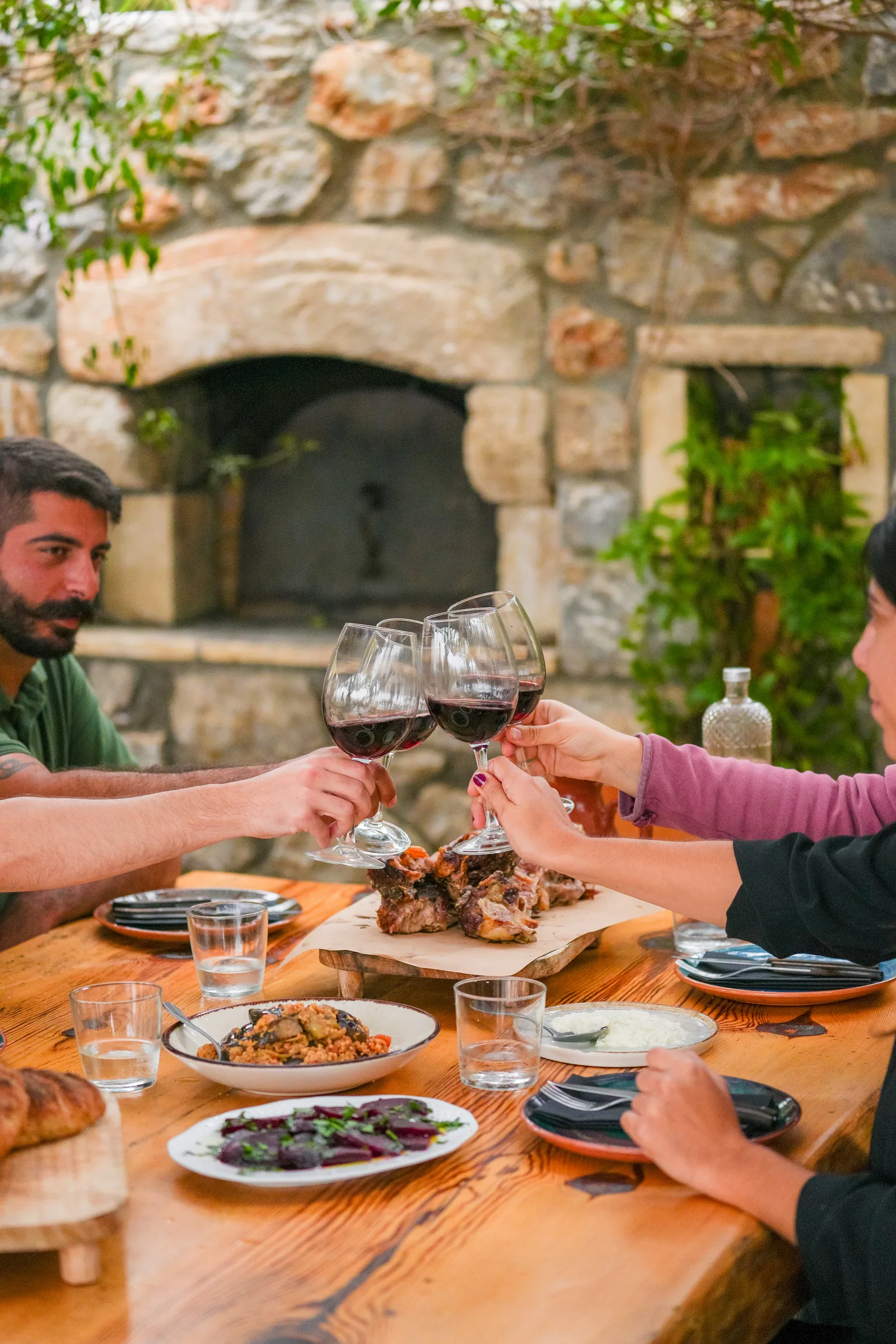
Heraklion's status as a UNESCO City of Gastronomy is no mere title, it is a recognition of a culinary tradition that is both ancient and vibrantly alive. Cretan cuisine is the heart of the Mediterranean diet, characterised by fresh, seasonal ingredients, high-quality olive oil, and simple preparations that let the flavors shine.
To truly understand Cretan food, start at the Central Market on 1866 Street: a bustling corridor of life and flavor where you'll find fresh produce, local cheeses like graviera and myzithra, fragrant herbs, golden honey, and an endless variety of Cretan olive oil.
While exploring, seek out dakos (barley rusk topped with chopped tomatoes, myzithra and olive oil) and kalitsounia (small sweet or savory pies). For an authentic dining experience, try Peskesi, renowned for its farm-to-table approach in a beautifully restored historic home. Start the day with a bougatsa from a historic shop like Kirkor in Lions Square, and end it with raki (tsikoudia), the symbol of Cretan hospitality, often served complimentary after a meal.
12The city's pulse: walkable experiences and urban atmosphere
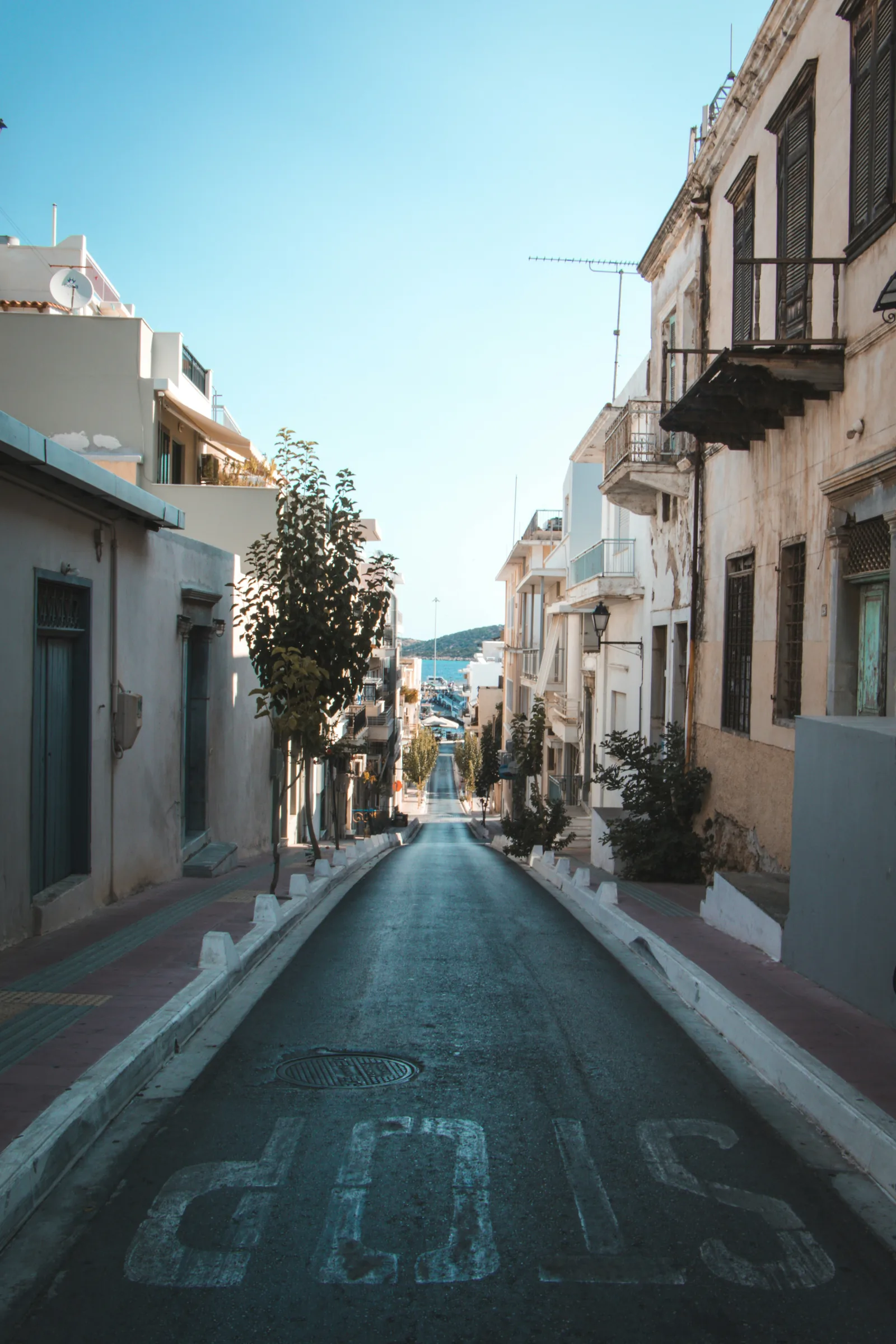
Beyond its major landmarks, much of Heraklion's charm is discovered on foot. The city's core is a vibrant space where history and modernity intertwine, offering a different experience at every turn. Pedestrianized 25th of August Street provides a direct and lively route from the city centre to the harbor, lined with shops and historic buildings.
As evening descends, the streets around the Morosini Fountain and the surrounding squares fill with locals and visitors alike, creating a palpable buzz that lasts late into the night. For a quieter experience, step into the back alleys to find quiet courtyards, family-run shops, and the unadorned beauty of everyday life. The harbor promenade is the perfect spot for a sunset stroll, with expansive views of the Aegean and the city skyline.
Beyond the City: Beaches, Villages and Day Trips
Heraklion is also a perfect base for exploring central Crete. From sandy coastlines to mountain plateaus and historic wine villages, the surrounding region offers experiences that complete any Cretan journey.
13Sun and sea: the best beaches near Heraklion
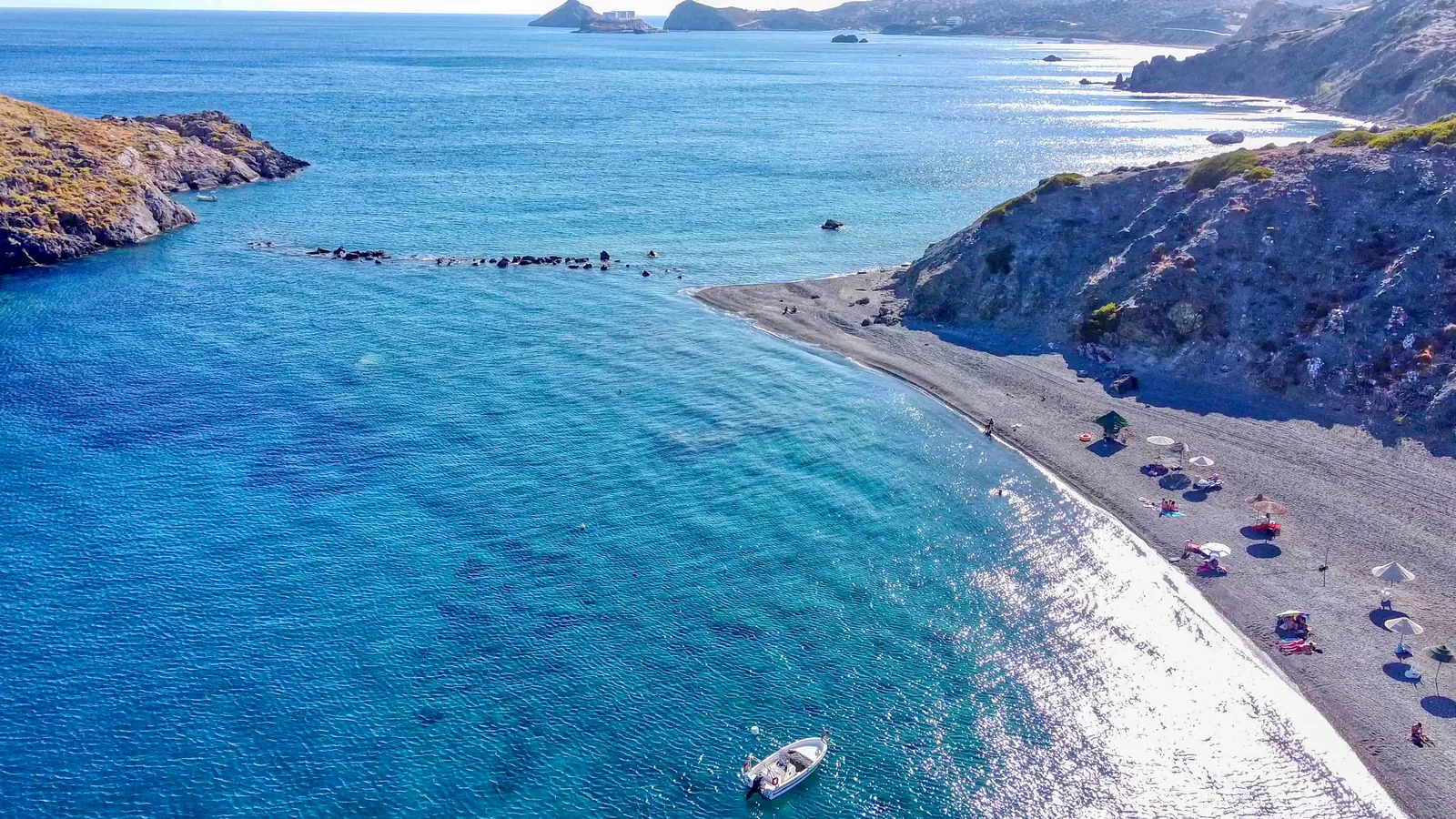
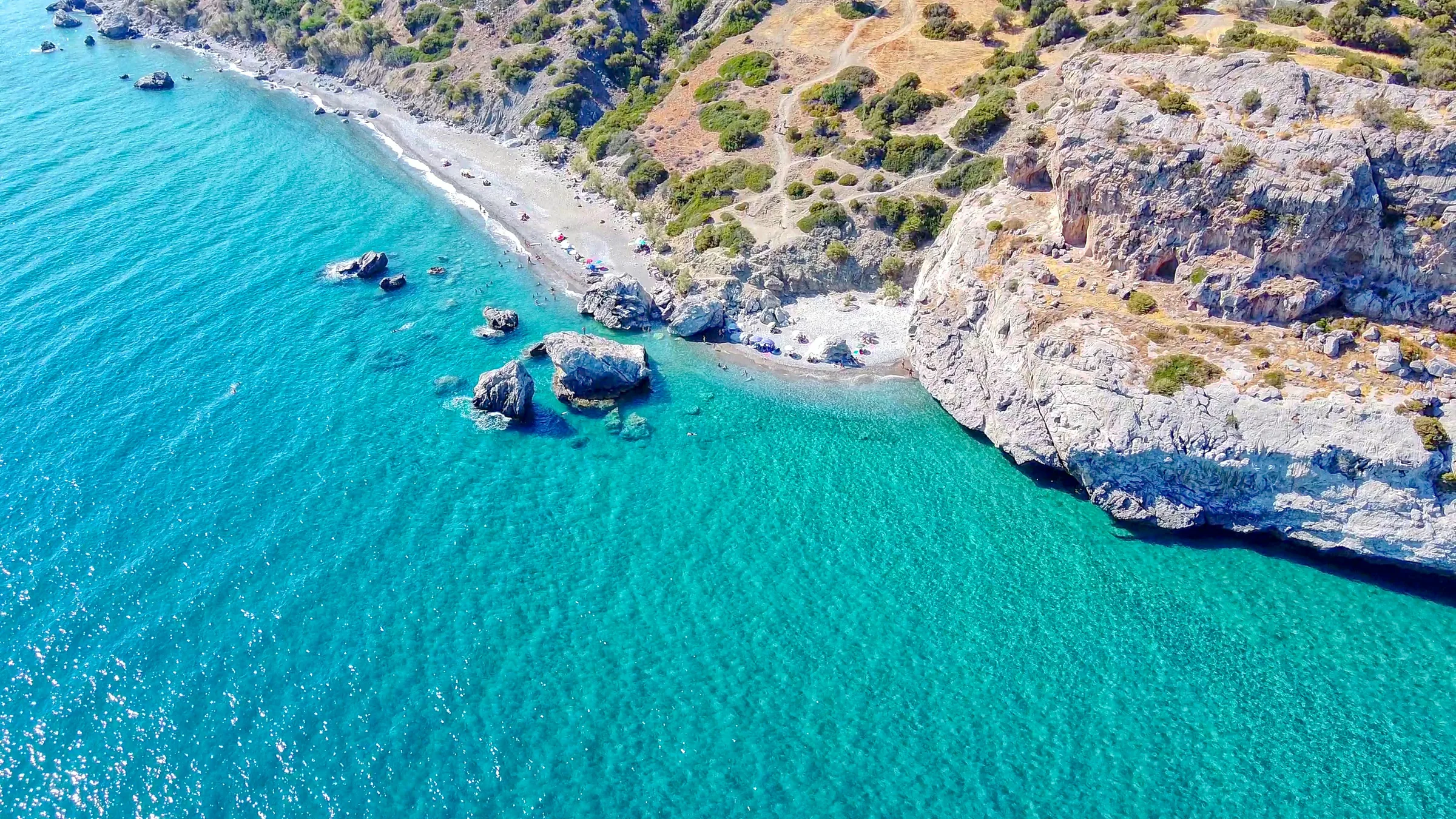
While Heraklion is primarily a cultural and historical hub, the call of the Cretan sea is never far away. Just west of the city, Ammoudara offers a long, sandy and well-organized beach with plenty of amenities, making it a convenient choice. About 23 km north, Agia Pelagia is home to a collection of beautiful sheltered coves with crystal water, popular for swimming and diving.
To the east of Heraklion, the beaches of Karteros and Amnissos are also easily accessible from the city by bus or taxi.
14A sip of history: Cretan wineries and Archanes village
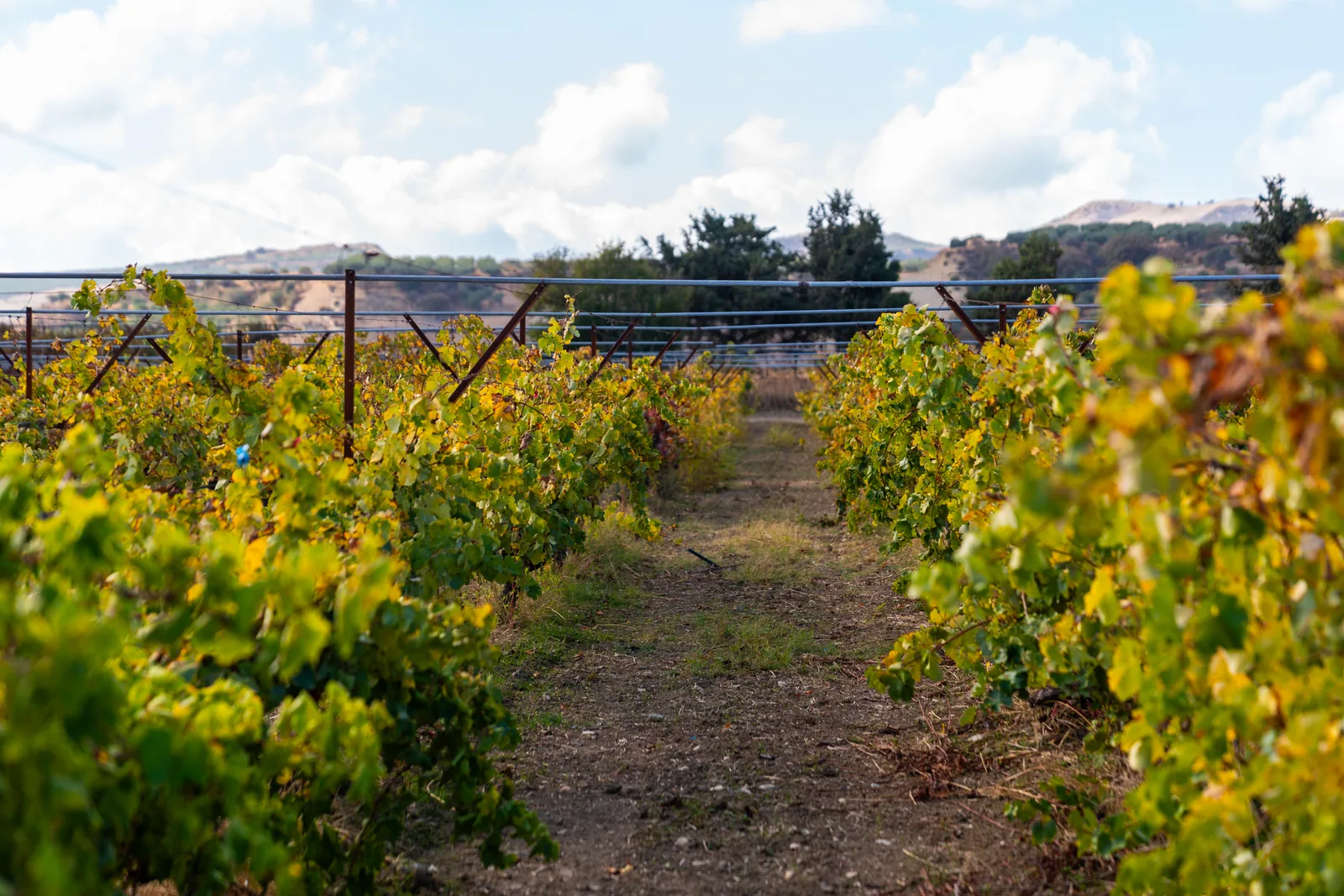
Crete has one of the oldest wine-making traditions in the world, and the region around Heraklion is at its heart. A day trip to the picturesque village of Archanes, nestled in the vine-covered hills about 14 km south of the city, offers a perfect combination of scenic beauty and cultural immersion.
The village itself is a beautifully restored settlement with colorful neoclassical houses and a rich Minoan history. Surrounding Archanes are some of the island's best wineries, Lyrarakis, Douloufakis and others, where you can tour the facilities and sample indigenous grape varieties like Vidiano and Liatiko.
15Journey to the south: Matala's caves and coastline
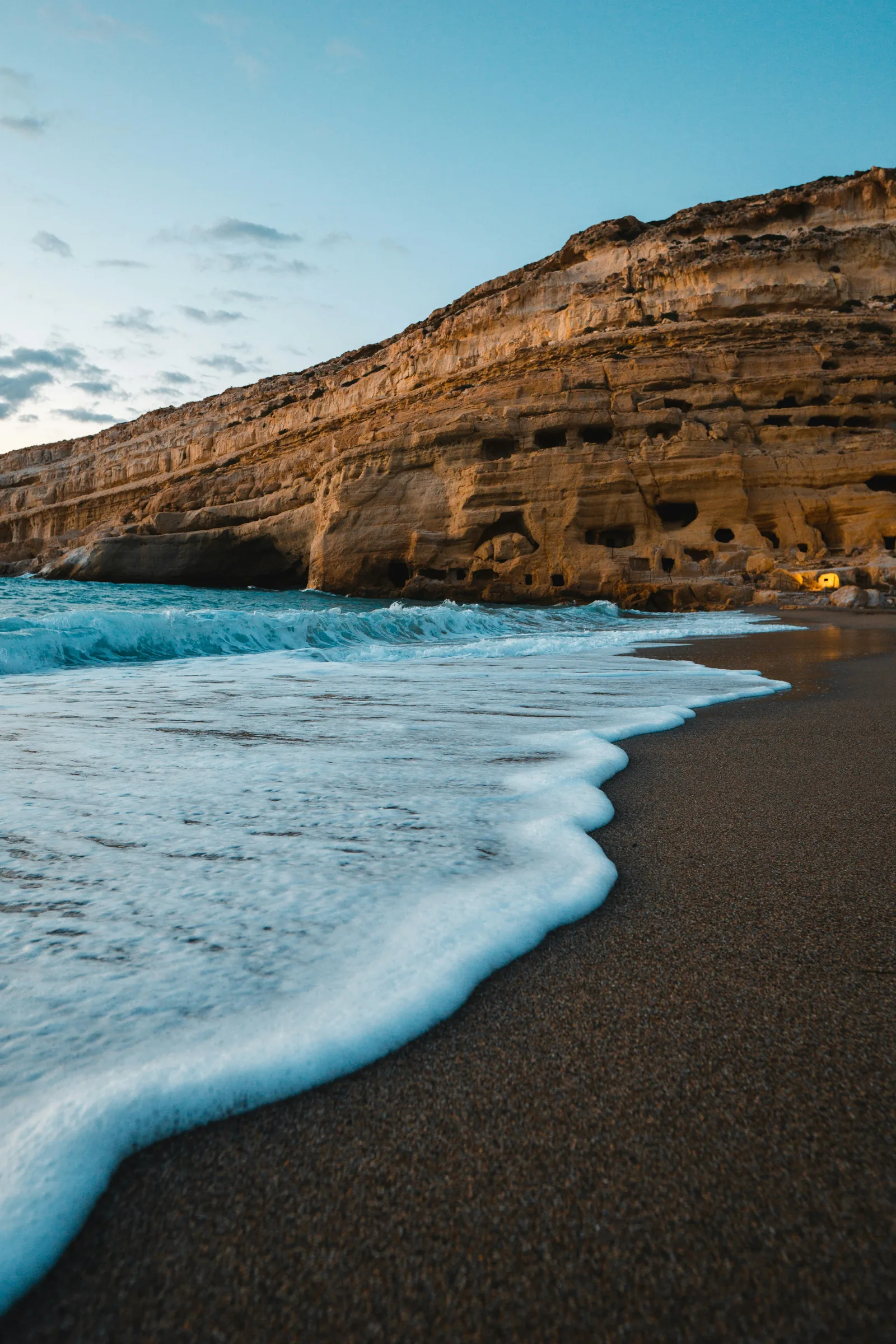
For a change of scenery, head south to the legendary beach of Matala. Famous for the man-made caves carved into its sandstone cliffs, Matala was a haven for hippies in the 1960s and still retains a bohemian vibe.
The drive itself, which takes about an hour and a half, is a beautiful journey through the Cretan countryside, and pairs well with a stop at the Phaistos archaeological site or a swim at neighboring Kommos beach.
16The Lassithi Plateau: myth and scenery
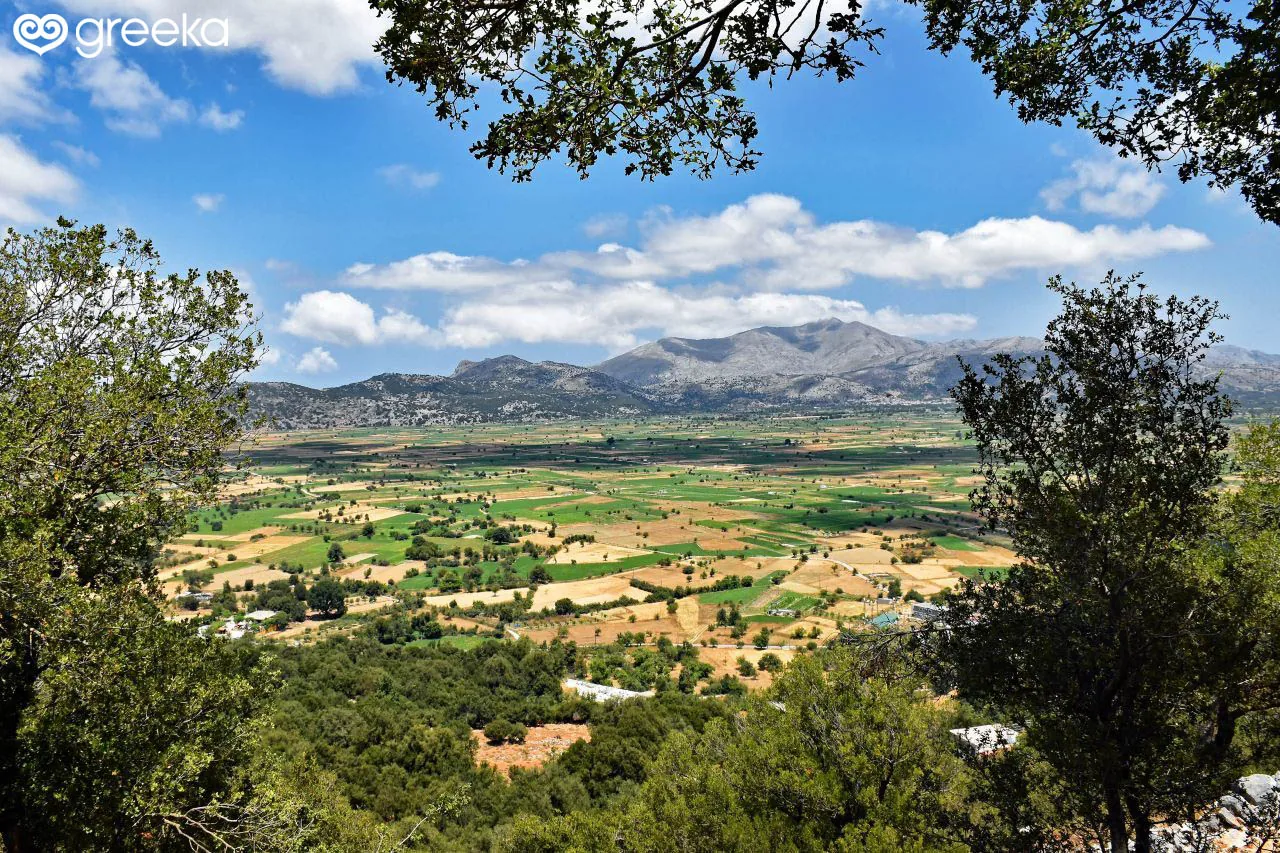
A drive up to the Lassithi Plateau, perched 850 metres above sea level, feels like entering another world. This fertile plateau, dotted with traditional windmills, is a patchwork of agricultural fields and is said to be the mythical birthplace of Zeus in the Dikteon Cave.
It offers a glimpse into a more traditional, rural way of life and works well as a long full-day trip combined with a meal in Tzermiado or a visit to the village of Krasi.
Plan Your Visit: Itineraries, Tips & FAQs
Practical guidance to turn Heraklion's rich offering into a smooth, well-paced trip, whether you have a single afternoon or a long weekend.
Suggested itineraries
To help you make the most of your time, here are two suggested itineraries tailored to different lengths of stay.
One perfect day in Heraklion
Cruise passenger focus
- Morning
Start at the Palace of Knossos, take an early taxi or the first Bus No. 2 to beat the crowds.
- Late morning
Return to the city and immerse yourself in the Heraklion Archaeological Museum.
- Afternoon
Wander the Old Town, see the Morosini Fountain, and walk to the Venetian Harbor for the Koules Fortress.
A cultural weekend in Heraklion
2 to 3 days at a relaxed pace
- Day 1
Dedicated to the Minoans: Knossos in the morning, Archaeological Museum in the afternoon.
- Day 2
Venetian heritage, Koules, the walls and the Loggia, plus the Historical Museum of Crete.
- Day 3
Day trip to the wine region of Archanes, or relax at a beach like Matala or Agia Pelagia.
Practical planning tips for a smooth trip
Navigating a new city is always easier with a few local insights. Here are some practical tips to help you make the most of your Heraklion visit.
Getting around
The city centre of Heraklion is very walkable, and most main attractions can be reached on foot. For destinations outside the centre like Knossos or the airport, the public bus system is efficient and affordable. Taxis are readily available, but Uber is not an option in Heraklion.
Navigating crowds
Heraklion is busy in July and August. Major sites like Knossos and the Archaeological Museum can get very crowded. Plan visits early morning or late afternoon, and be mindful of cruise ship schedules, the city's population can swell significantly when several ships are in port.
Opening hours and tickets
Opening hours for museums and archaeological sites vary by season, always double-check official websites before visiting. For popular sites like Knossos, purchasing tickets online in advance can save significant time waiting in line.
Frequently asked questions about visiting Heraklion
Absolutely. While it may lack the immediate postcard charm of other Cretan towns, Heraklion offers an unparalleled depth of history, a vibrant urban atmosphere, and a world-class culinary scene. It is the best place on the island to understand the full scope of Cretan history.
Two to three days is an ideal amount of time to explore the city's main attractions and take a short day trip. However, even with just one day, you can cover the absolute highlights.
The shoulder seasons of spring (April-June) and autumn (September-October) are ideal. The weather is pleasant, the crowds are smaller, and the sea is still warm enough for swimming.
Yes, the historic center of Heraklion is very pedestrian-friendly. The main sights within the old town, the harbor, and the central market are all easily accessible on foot.
Heraklion is best known for being the gateway to the Minoan civilization, home to the legendary Palace of Knossos and the magnificent Heraklion Archaeological Museum.
It depends on your priorities. For picturesque streets and a more romantic, tourist-focused atmosphere, Chania is often preferred. For history, museums, and a more authentic, bustling city experience, Heraklion is the better choice.
While Heraklion itself is a port city, there are good, organized sandy beaches just a short bus ride away, such as Ammoudara and Karteros.
The city center is a pleasant and flat 15-minute walk from the cruise passenger terminal. Taxis are also readily available at the port.
Conclusion: Heraklion, the enduring heart of Crete
Heraklion is a city that rewards the curious traveler. It may not reveal all its charms at first glance, but for those who take the time to explore its historic layers, engage with its vibrant culture, and savor its authentic flavors, the rewards are immense.
It is more than just a gateway; it is the enduring heart of Crete, a place where the echoes of ancient legends are still audible in the bustling streets of a modern European city. A visit to Heraklion is a journey into the very soul of this extraordinary island.
Heraklion like a local
From Knossos to wine country, here are the experiences travellers actually book in Heraklion.


Heraklion like a local
From Knossos to wine country, here are the experiences travellers actually book in Heraklion.

Let Heraklion come to you
Sign up to get authentic stories, travel tips, and new experiences
By entering my email, I agree to receive marketing notifications from travel & do.