On this page
Quick Summary
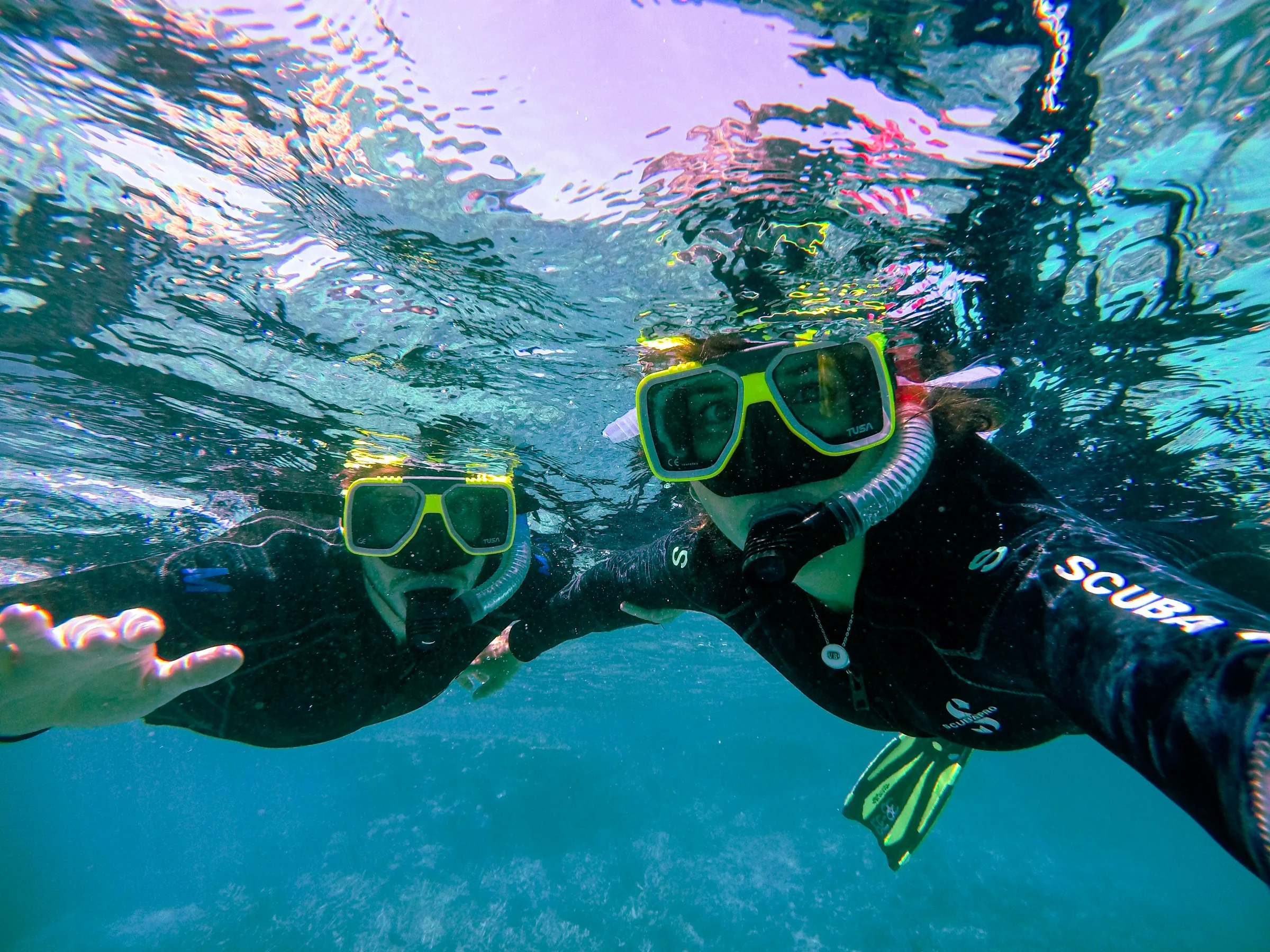
Crete is a strong snorkeling destination because of its clear waters, rocky seabeds, sheltered coves, and varied marine life.
The most reliable spots are Balos Lagoon, Elafonissi, Kolokytha, Bali, Agia Pelagia, Dia Island, Plakias, Frangokastello, and Vai.
For beginners, sheltered bays and lagoons offer the safest, calmest conditions.
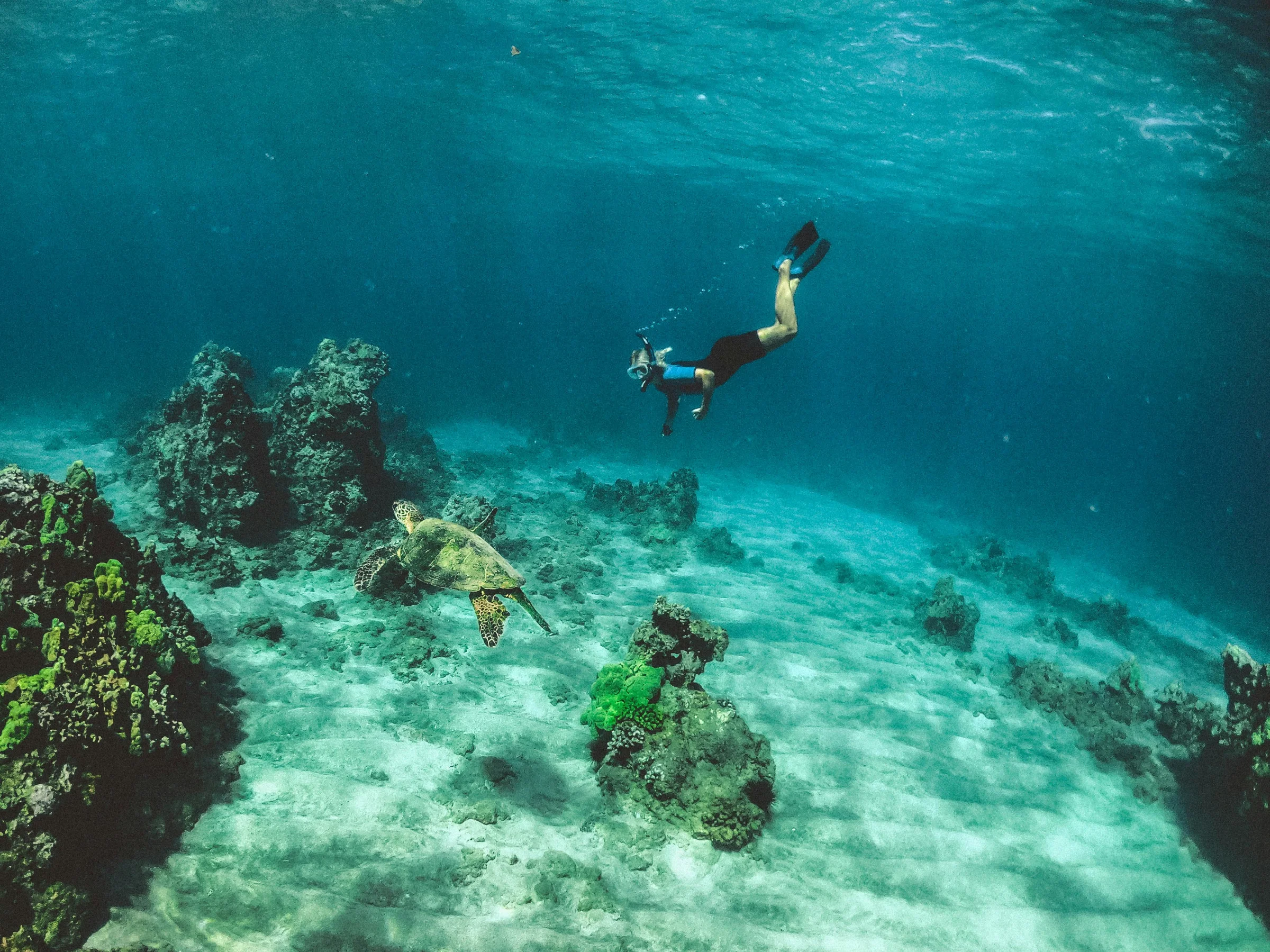
Snorkeling in Crete is generally considered safe with standard precautions. Turtles are possible but not guaranteed.
The clearest, most turquoise water is most often found along the northwest and southwest coasts.
What Snorkeling in Crete Is Like
Crete is Greece's largest island, and that size is a direct advantage for snorkelers. You can move from wide sandy beaches to rocky inlets, from shallow lagoons to deeper coves, and each setting changes the underwater experience in a meaningful way.
What you find repeatedly across the island is a combination of good water clarity, a varied seabed, and coastlines that have not been heavily developed. That matters because snorkelers are typically looking for three things: visibility, easy entry, and enough underwater structure to attract fish and other sea life. Crete delivers all three, and it does so across several different regions rather than concentrating everything in one stretch of coast.
The north, south, east, and west each offer a different kind of snorkeling day. The northwest has the famous lagoons. The south has rockier, more open water. The east has sheltered coves and access to quieter island conditions. That variety is part of why the island keeps coming up in conversations about the best places to snorkel in Greece.
What Makes It Stand Out
The combination of water clarity and underwater texture is what separates Crete from more uniform beach destinations. Some spots offer sand and calm water well-suited to relaxed swimming with a mask. Others reward a bit more effort, with rocky outcrops, small ledges, and areas where fish tend to gather in larger numbers.
That means Crete works for both casual visitors who want to look at the bottom while floating on the surface, and for people who want a more purposeful snorkeling day with better depth and more to see. The island does not ask you to choose one style. You can find both, sometimes within the same bay.
Visibility is a recurring theme. Several spots on the island are linked specifically to water clarity rather than just color, which is a useful distinction. Clear water and turquoise water are not the same thing. On Crete, several beaches deliver both.
Snorkeling activities for families
Best Snorkeling Spots in Crete
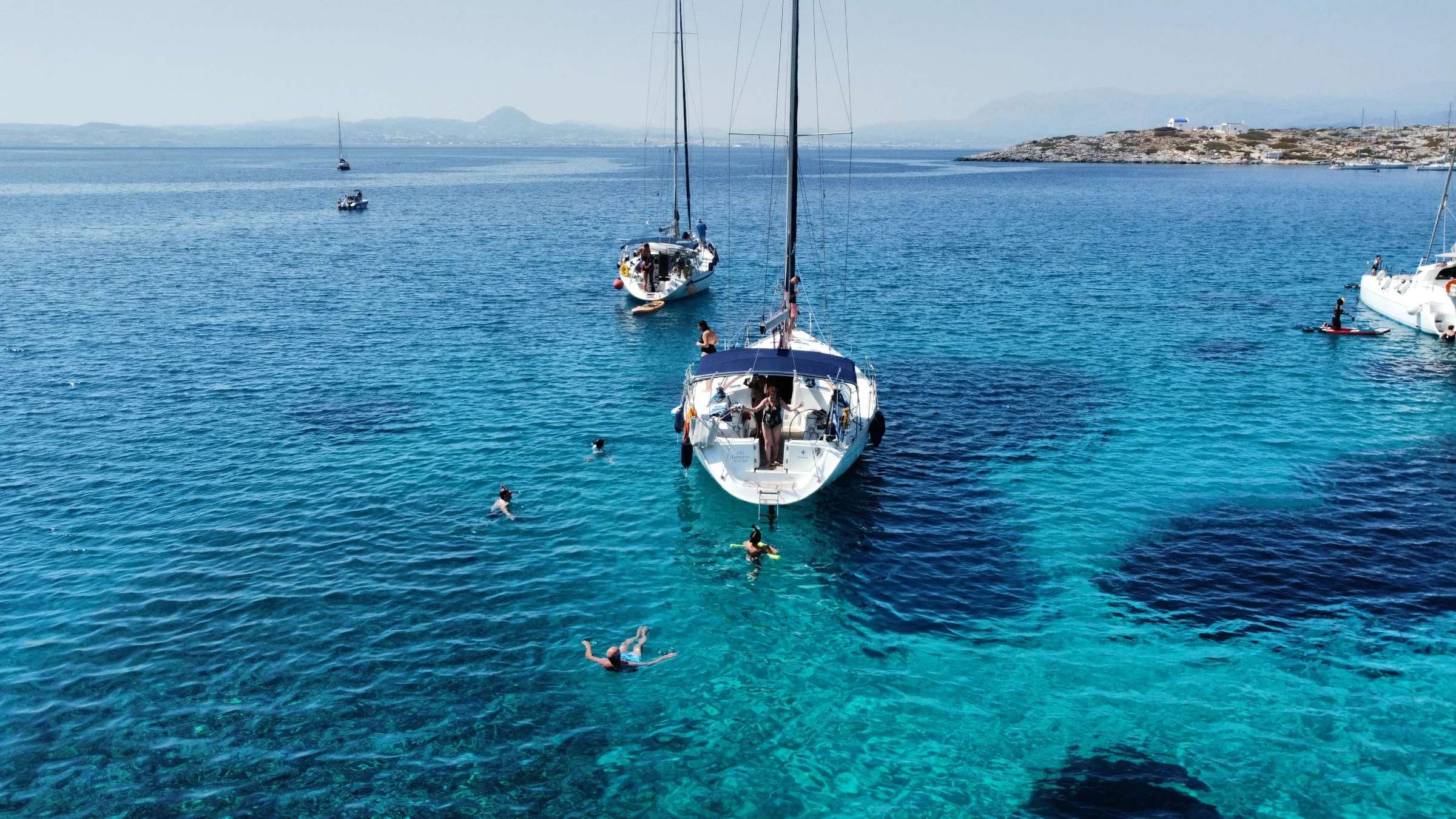
Balos Lagoon is one of the strongest all-round options on the island. It combines shallow calm water, sandy beaches, and rocky formations that provide both easy entry and enough structure to make the snorkeling worthwhile. The lagoon's enclosed shape keeps conditions gentle, which is why it suits a wide range of swimmers. Getting there takes some effort, either a boat trip from Kissamos or a walk down a rough track, but most people find the setting justifies it.
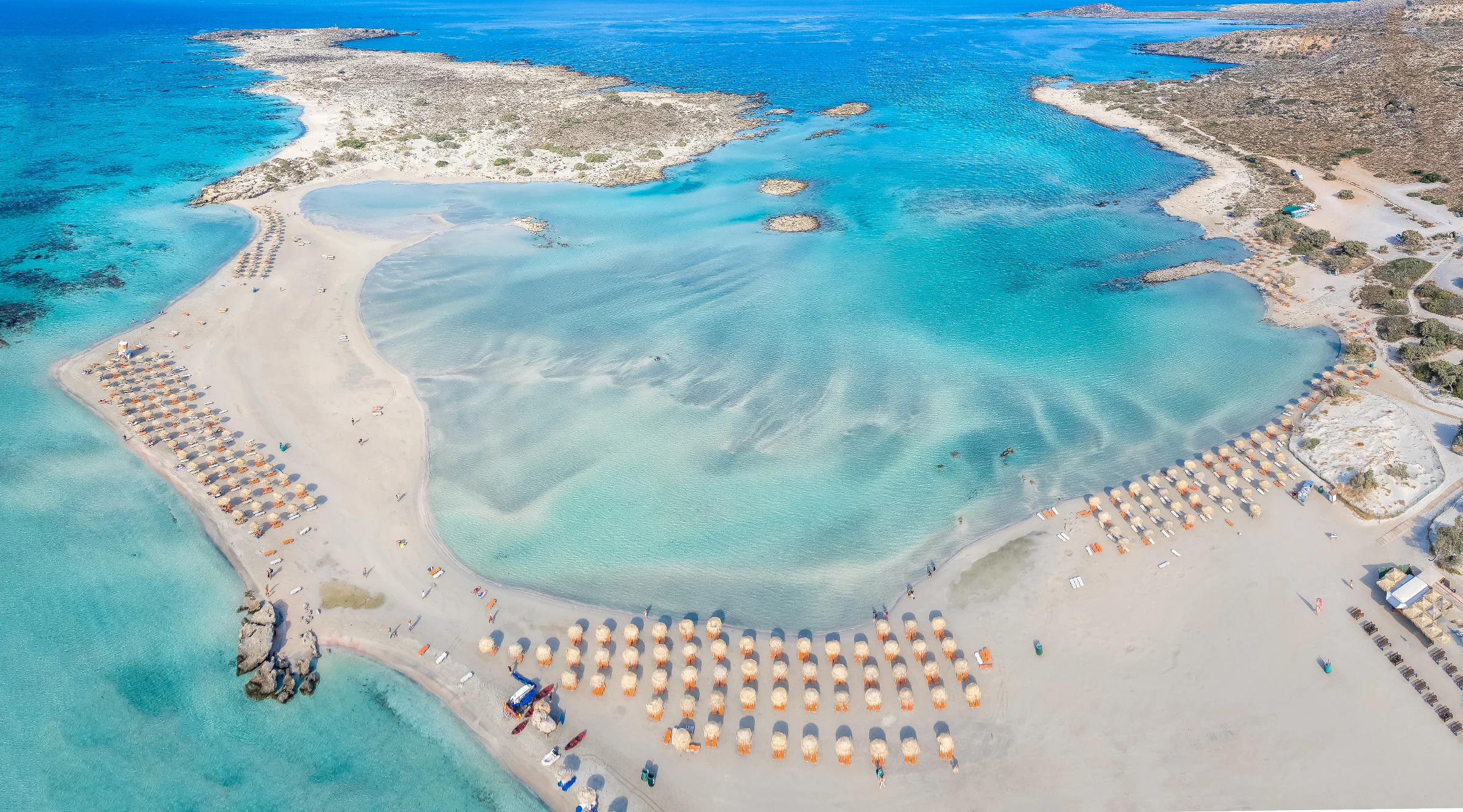
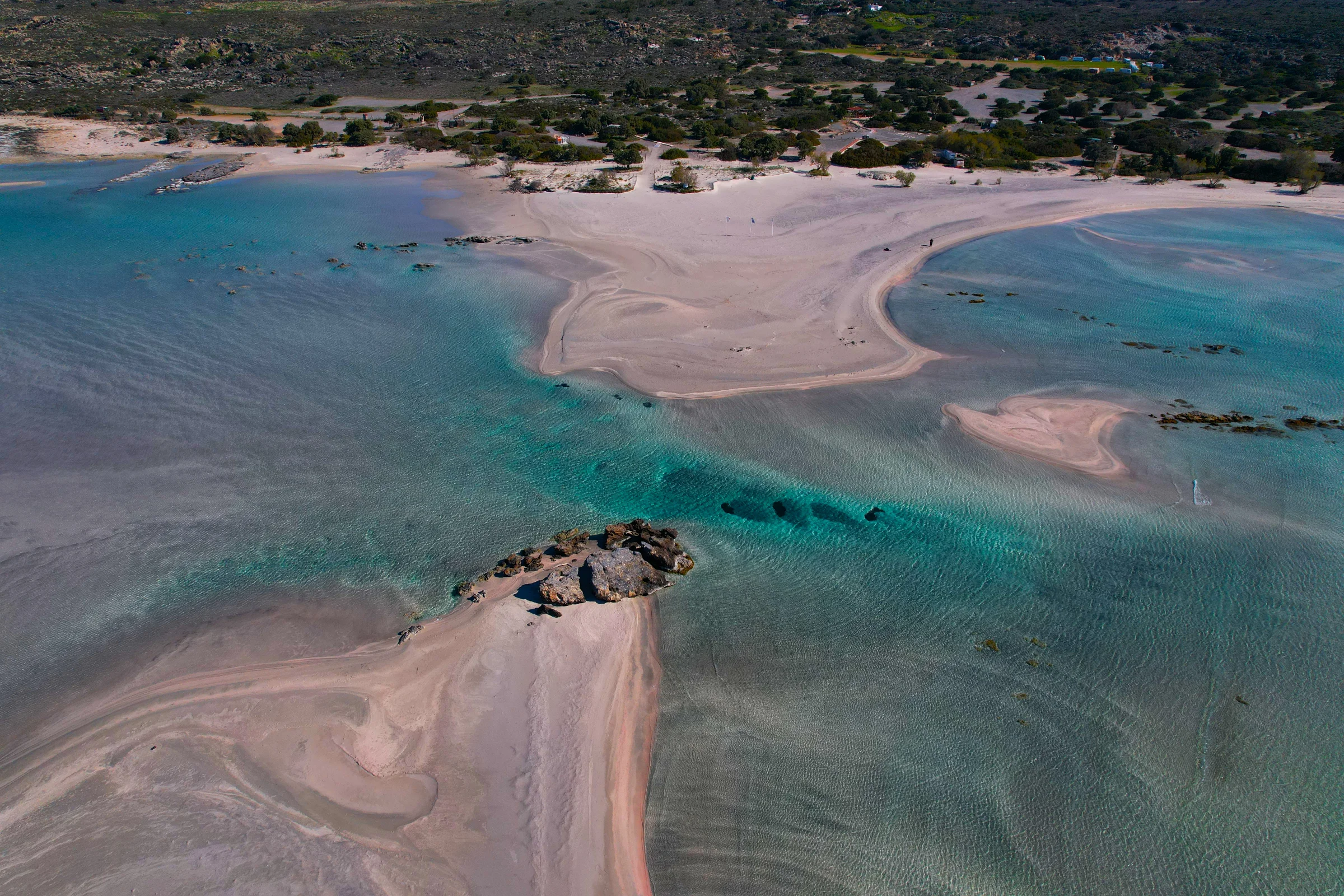
Elafonissi Beach is known for its pink sand and turquoise water, but the snorkeling conditions are a real reason to go rather than a bonus. The water is shallow and clear, visibility is usually good, and the beach's remote feel keeps it from becoming too crowded during the middle of the day. It sits on the southwest tip of Crete, which means it gets some of the island's most consistent light and water color.
Kolokytha Beach near Elounda is less well-known internationally but comes up repeatedly among travelers who explore eastern Crete. The water is clear, the seabed mixes sand and rock, and the marine life is more varied than at some of the larger, more touristic beaches. It is a good option if you want a quieter day in the east.
Bali Beach on the north coast is a practical choice for people based in or traveling through central Crete. The area is built around a series of small coves with calm water, rocky sections, and good underwater structure. Bali does not have the dramatic setting of Balos or the color of Elafonissi, but it is consistent and easy to combine with other stops on the northern route.
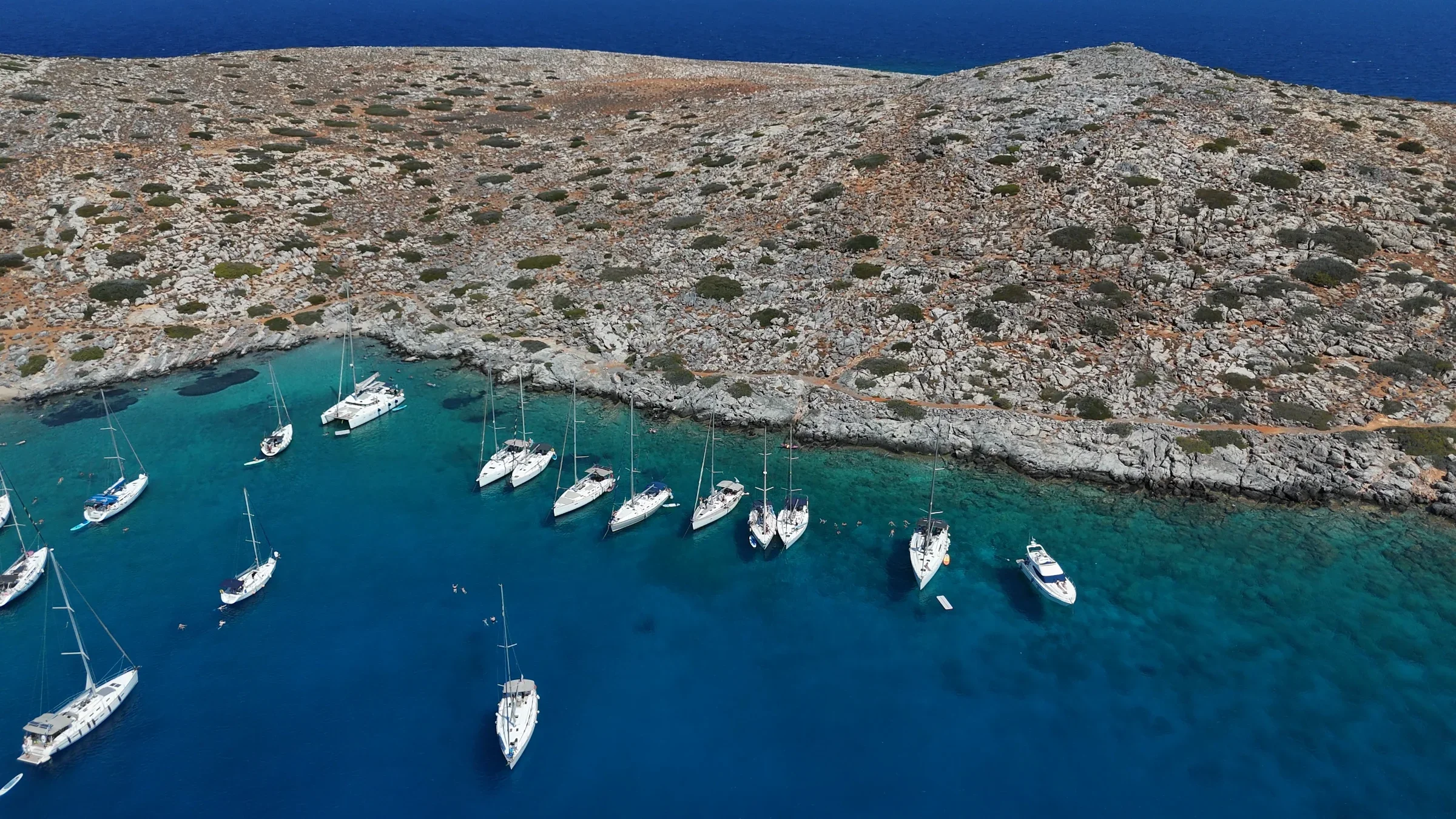
Dia Island sits off the coast near Heraklion and is typically reached by boat. It is a strong choice if you want clear water, a quieter experience, and richer marine life away from the main beach crowds. The island is protected, which limits development and helps preserve the underwater environment. A half-day or full-day trip from Heraklion or nearby ports makes the most sense here.
Agia Pelagia, also on the north coast near Heraklion, is useful for travelers staying in or near the island's main city. The bay is sheltered, the water is clear, and the snorkeling access is straightforward. It is not the most dramatic location on the island, but it is reliable and easy to fit into a shorter trip.
Plakias Beach on the south coast is better suited to people who want a rockier seabed and a more rugged feel. The south coast of Crete has a different character to the north, with fewer resorts and more open sea. Plakias is a good base for exploring that stretch, and the snorkeling rewards a little more exploration of the shoreline rather than staying in one fixed spot.
Things to Do
Snorkeling at Balos Lagoon The lagoon's enclosed shape and shallow sandy floor make it one of the easiest spots on the island for beginners. Bring your own mask and fins because rental options near the beach are limited. The rocks at the edge of the lagoon attract more marine life than the central sandy area, so it is worth exploring the perimeter once you have got your bearings.
Boat trip to Dia Island The island is protected and largely undeveloped, which keeps the water clean and the marine life relatively undisturbed. Most trips depart from Heraklion or Agia Pelagia in the morning and return in the afternoon, giving you several hours in the water. The boat journey itself is short, usually around 30 to 45 minutes, and the snorkeling at anchor is the main reason people go.
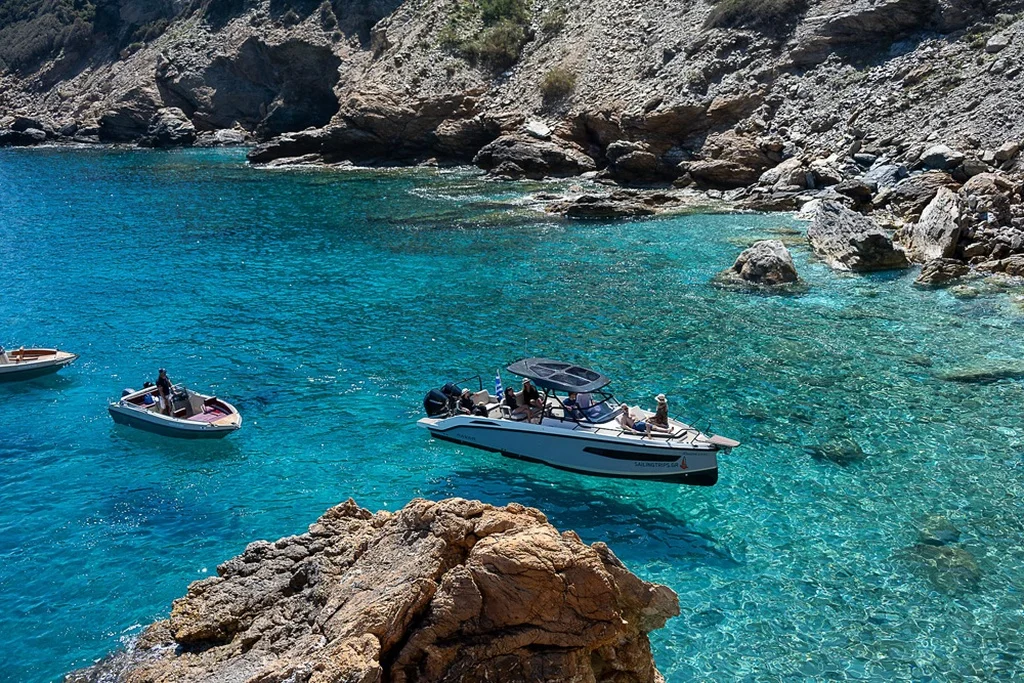
Rocky cove snorkeling at Bali The coves around Bali are small enough that you can cover a good amount of ground in a single session. The underwater ledges and rock formations are where the better fish sightings tend to happen. Go early in the morning before the light changes and the sea gets busier.
Exploring the Kolokytha peninsula The peninsula near Elounda gives you access to several small beaches with minimal foot traffic. Snorkeling here feels more exploratory than at the bigger resort beaches. The water is calm inside the bay, and the rocky sections along the shoreline are worth following.
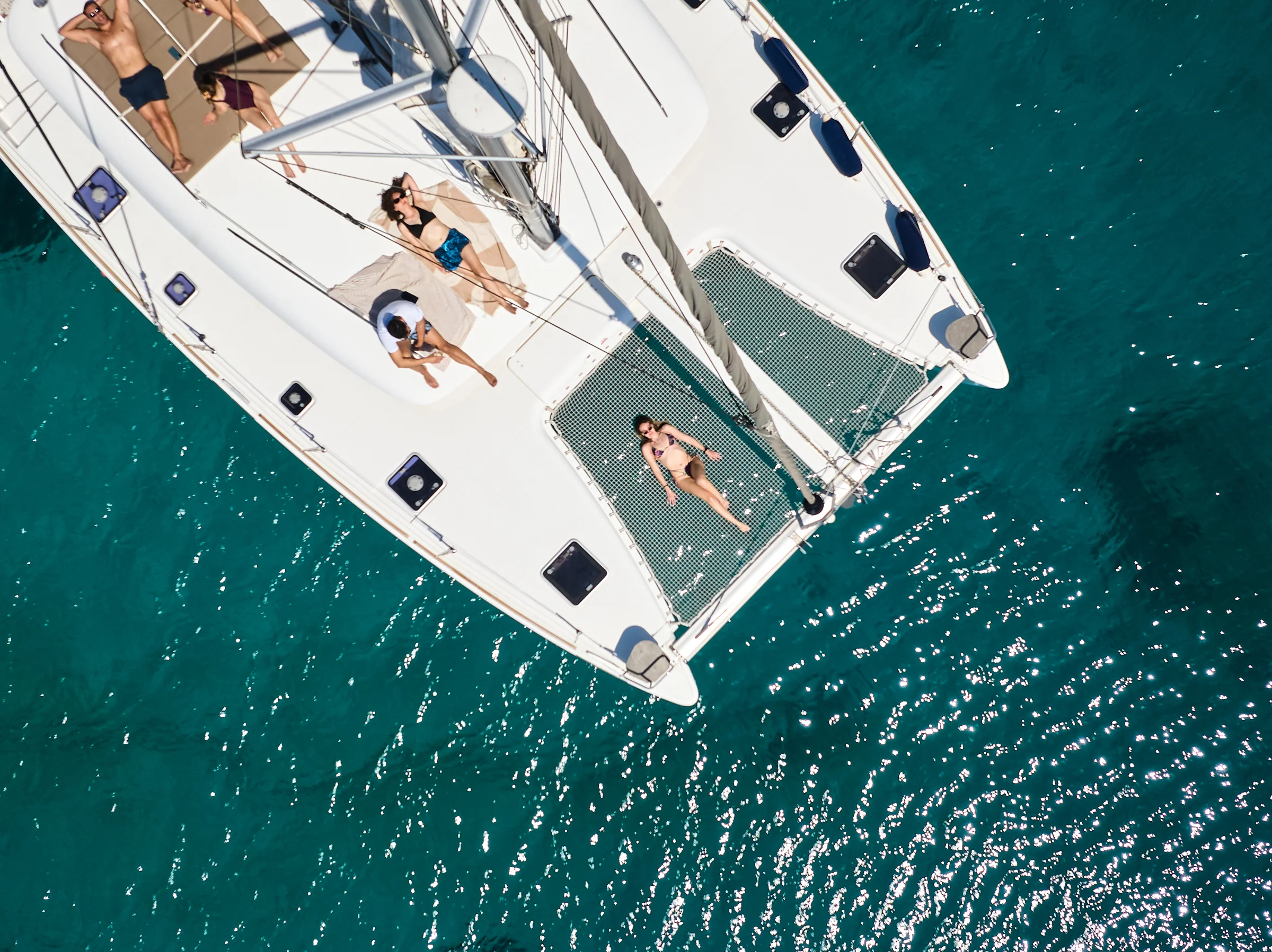
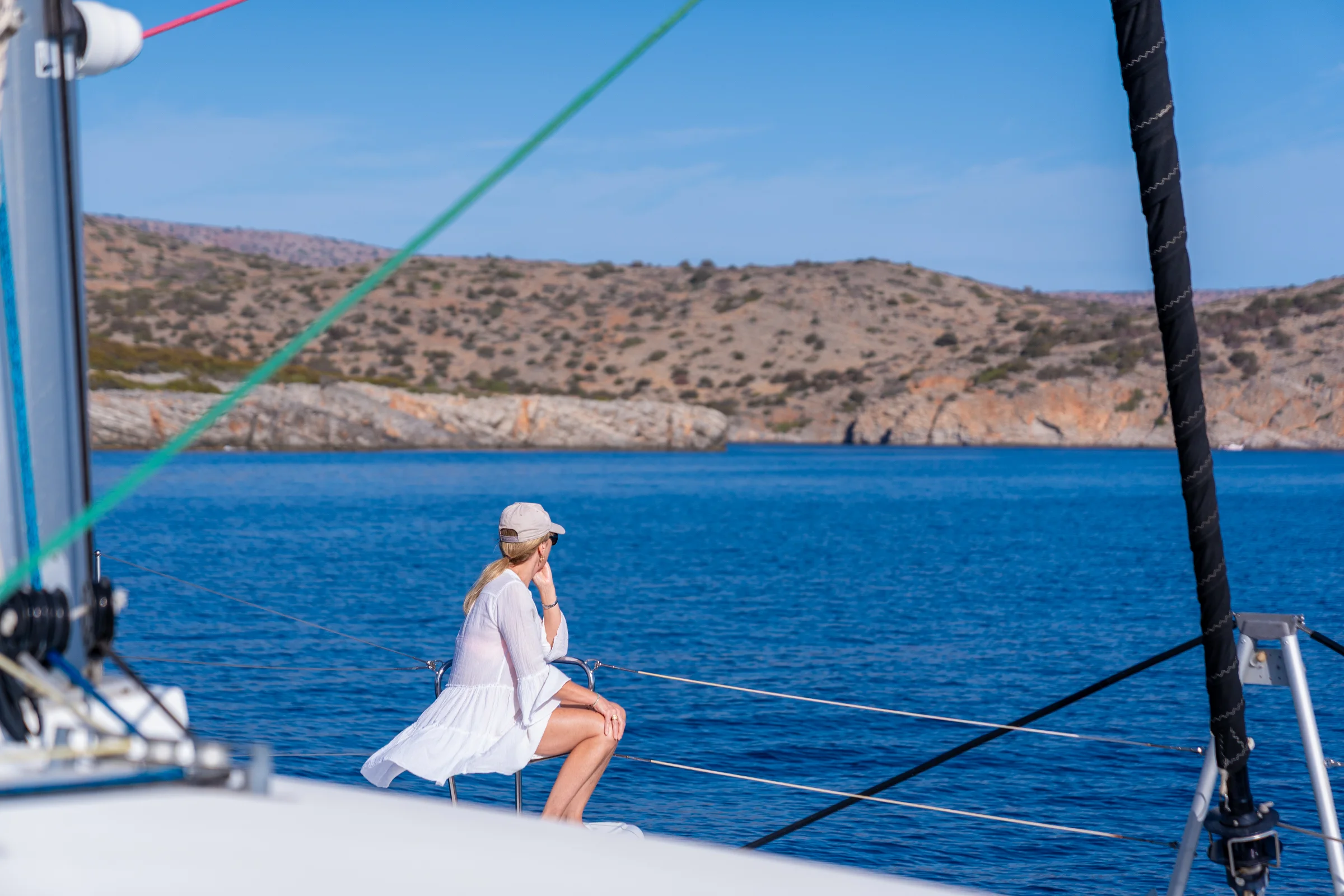
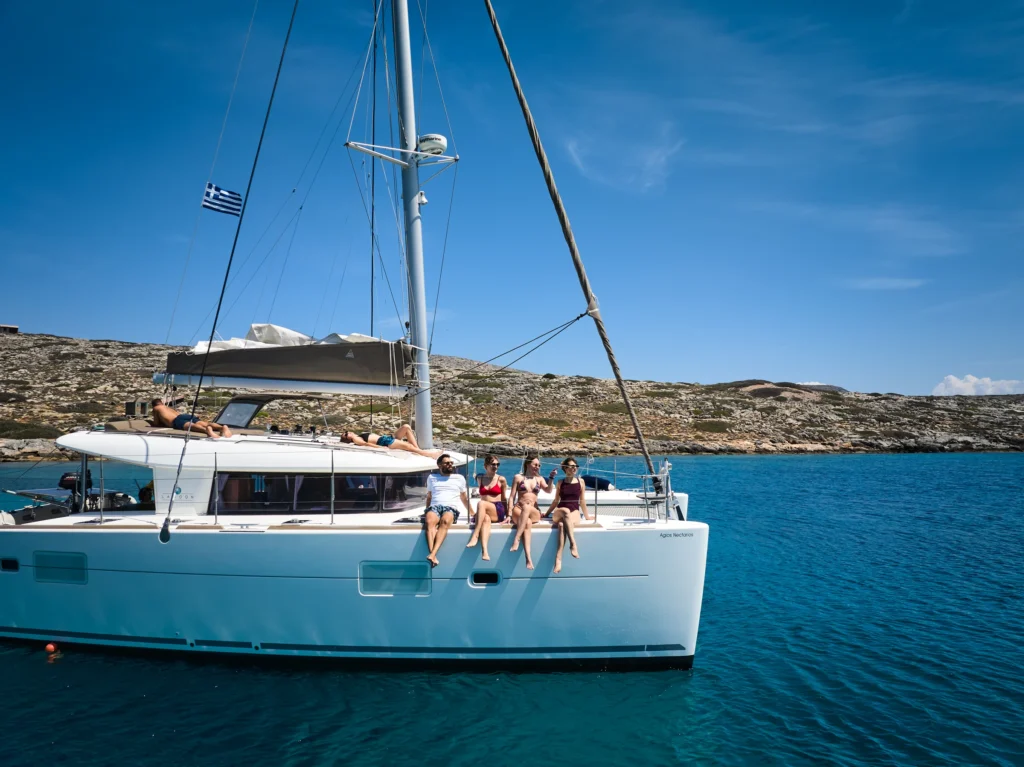
Swimming and snorkeling at Elafonissi The shallow water around Elafonissi extends quite far from the shore, which makes it suitable for children and less confident swimmers. The snorkeling is best around the rocky edges of the beach rather than the central sandy area. The light here in the late morning is particularly good for seeing the bottom clearly.
Snorkeling Conditions and Safety
Snorkeling in Crete is generally considered safe, especially in the sheltered bays and lagoons that most first-time visitors choose. The main risks are the same as anywhere in the Mediterranean: rocky entries, unexpected wind changes, and boat traffic in certain areas.
The island's south coast tends to have stronger currents and more open water than the north, which makes it better for more experienced swimmers. The northwest and southwest beaches, including Balos and Elafonissi, are usually calmer because they are more sheltered by the land.
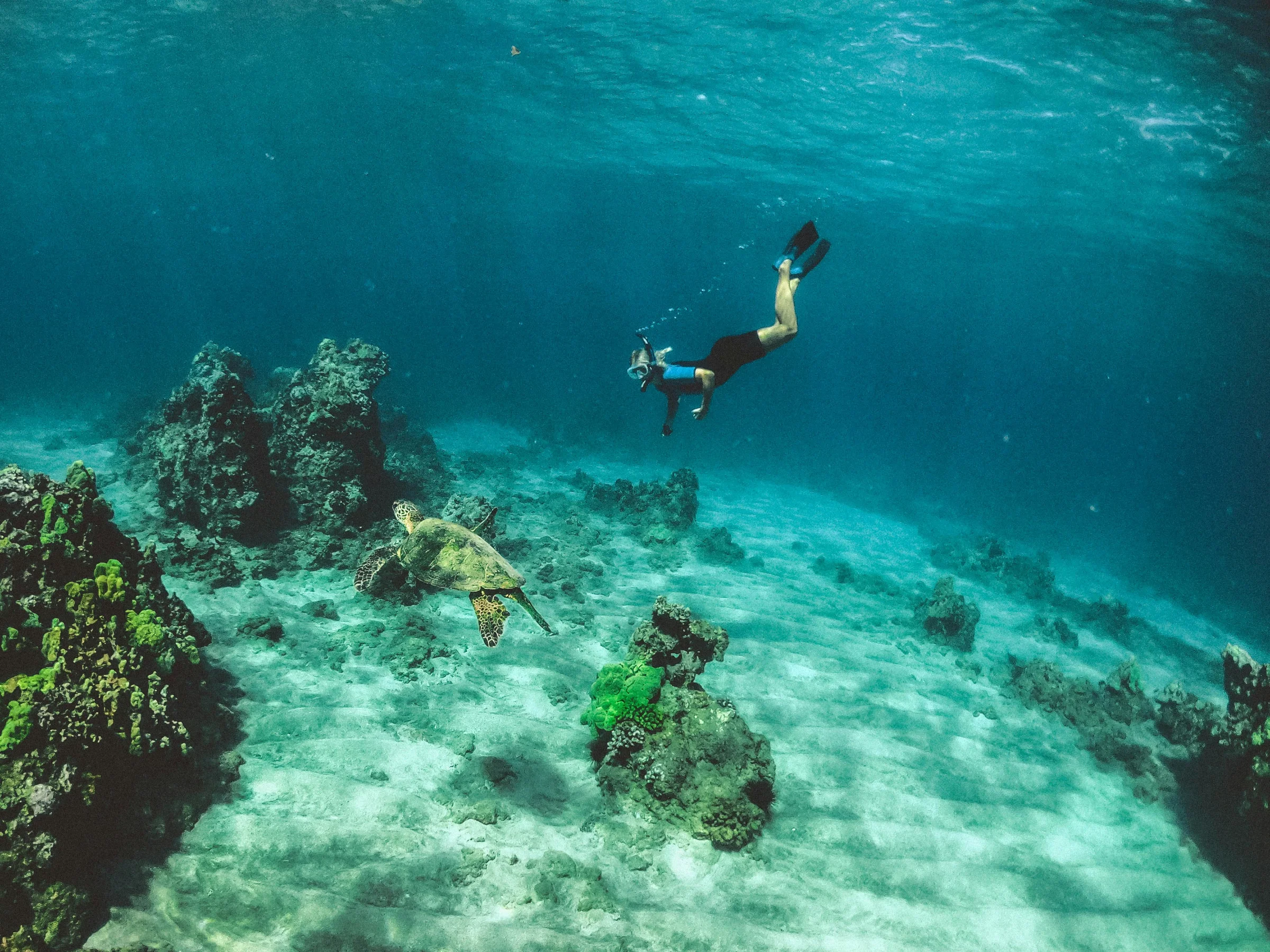
Turtle sightings are possible around Crete, since loggerhead sea turtles are present in Greek waters and nest on some Cretan beaches, particularly in the Rethymno area. That said, Crete is not a turtle-watching destination in the way that Zakynthos or Kefalonia are. If you see one while snorkeling, consider it a good day rather than an expectation.
The bluest and most turquoise water on Crete is most consistently found along the northwest and southwest coasts, particularly at Balos and Elafonissi. Dia Island and parts of the eastern coast also rank well for clarity and color. Water temperature from June to September is warm enough for extended snorkeling sessions without a wetsuit.
History & Identity
Crete's character as a snorkeling destination is shaped by its geography more than by any deliberate tourism development. The island's large size and varied coastline mean that different areas have developed at different speeds, and some of the best snorkeling spots remain relatively unspoiled because they are difficult to reach by road.
The northwest coast, where Balos sits, is one of the least developed parts of the island. The access road is rough, the beach has no permanent infrastructure, and the setting has a rawness that makes the lagoon feel genuinely remote even in summer. Elafonissi, on the southwest tip, has a similar quality. Both places are popular, but they retain something of the landscape that existed before mass tourism arrived.
The eastern coast around Elounda and Agios Nikolaos has a different history. This area developed as an upmarket resort zone from the 1970s onwards, which means better facilities and easier access, but also more boat traffic and a slightly more managed feel. Kolokytha sits just outside that zone, which is part of why it still feels like a local spot rather than a packaged destination.
Dia Island carries its own layer of history. The island was used as a quarantine station in the Ottoman and Venetian periods and has a long record of habitation going back to the Bronze Age. Today it is uninhabited and protected, which gives the snorkeling there a different atmosphere to a standard beach day.
Food, Bars & Tavernas
The coastal areas near the main snorkeling beaches tend to offer straightforward taverna food rather than anything elaborate, which suits the context well. After a morning in the water, a simple lunch of grilled fish, dakos, fried courgettes, and a cold beer is usually the right call.
Bali has a small cluster of tavernas around the coves that work well for a mid-day stop. Agia Pelagia has more options and a wider range of price points, which makes it a reasonable lunch base for people snorkeling along the north coast. Plakias on the south coast has a handful of reliable local restaurants, and the town itself is laid-back enough that you are not fighting for a table at midday.
For Balos and Elafonissi, the practical reality is that food near the beaches is limited or expensive because of the access difficulty. Packing lunch or eating before you go is the better move. The nearest towns with decent eating options are Kissamos for Balos and Paleochora or Chania for Elafonissi.
In Elounda, the dining scene is more polished, catering to the upmarket resort crowd. It works if you want a sit-down meal with a view after snorkeling at Kolokytha, but it is not a budget option.
Weather & Best Time to Visit
The most reliable conditions for snorkeling in Crete fall between late May and early October. Water clarity depends more on wind and sea state than on temperature, so the ideal day is one with light winds and a calm surface rather than simply the hottest one.
July and August are the warmest months, with sea temperatures reaching 25 to 27°C, which is comfortable for long sessions in the water. The trade-off is that these months also bring the meltemi, a strong northerly wind that affects parts of the north coast and can make conditions choppy at exposed beaches. Sheltered spots like Balos Lagoon and the coves around Bali are less affected by it.
June and September are often better for combining snorkeling with sightseeing because the crowds are smaller, prices are lower, and the weather is still reliably warm. October is workable for experienced snorkelers who do not mind cooler water and more variable conditions, but the season starts to wind down by mid-month at many beaches.
The south coast tends to be calmer in high summer than the north because the meltemi blows offshore rather than onshore. Plakias and Frangokastello benefit from this, which is worth knowing if you are planning a trip specifically around snorkeling.
Getting There
Crete's main entry points are Heraklion and Chania, both of which have international airports with summer connections across Europe. Which airport you use largely determines which coast you explore first.
Travelers arriving in Chania are well-placed for Balos and Elafonissi in the west. Balos requires either a boat from Kissamos port or a 4WD drive and a walk down to the beach. Elafonissi is reachable by car, with around 75 kilometres between Chania and the beach, most of it on a reasonable road with a rough final section.
Heraklion arrivals are best positioned for Dia Island, Agia Pelagia, and Bali. Dia Island is accessed by boat, usually through organised day trips or private charter from Heraklion port. Bali and Agia Pelagia are straightforward by rental car, each around 40 to 50 kilometres from the city centre.
Kolokytha near Elounda is best reached from Agios Nikolaos, which sits in eastern Crete roughly 65 kilometres east of Heraklion. Renting a car gives you the most flexibility across all regions, since public bus connections to the remote beach areas are limited or seasonal.
Where to Stay
If snorkeling is the main goal, stay on the coast you plan to cover most. Trying to cross the island from one coast to another in a single day adds driving time and reduces time in the water.
Travelers focused on the northwest, including Balos and the Kissamos area, will find the best base in Chania town or along the Chania coast. Chania has the widest range of accommodation and good road connections west. For Elafonissi, staying in Paleochora or a village in the southwest is more practical than commuting from Chania each day.
For Heraklion-based snorkeling, including Dia Island and Agia Pelagia, staying in Heraklion city or in one of the beach towns directly east or west of it keeps travel times short. Agia Pelagia itself has accommodation options if you want to be right on the water.
Eastern Crete snorkeling, particularly Kolokytha and the Elounda area, works well from Agios Nikolaos or Elounda itself. Elounda tends to be more expensive, but it puts you within a few minutes of the peninsula and the quieter coves nearby.
A general rule across all regions: prioritize a place with easy parking, proximity to the shore, and at least one good taverna within walking distance. For a snorkeling-focused trip, those three things matter more than hotel category.
Nearby Attractions
Most of the island's best snorkeling beaches sit near other places worth stopping at, which makes it easy to build a fuller day around the swim.
Spinalonga Island is close to Kolokytha and the Elounda area. It is one of the most visited historical sites in Crete, a former Venetian fortress and leprosarium with a well-documented history. Combining a morning of snorkeling at Kolokytha with an afternoon boat trip to Spinalonga is a natural pairing.
Frangokastello on the south coast adds a 14th-century Venetian castle to a snorkeling day. The beach itself is calm and sandy, the castle sits directly above the shore, and the surrounding area has a quietness that the north coast lacks in summer.
Vai Beach in the far east of Crete is known for its date palm forest, the largest natural one in Europe, and its clear water. It is far from the other main snorkeling spots, which makes it a destination in itself rather than a casual add-on, but it is worth planning around if you are spending time in the east.
The Samaria Gorge is a long walk rather than a beach stop, but it is often included in itineraries that also cover Elafonissi and the southwest coast. The two can be done on consecutive days using Chania or the southwest villages as a base.
Related Articles
Continue exploring Crete
One Day in Heraklion: The Complete Itinerary for Crete's Capital
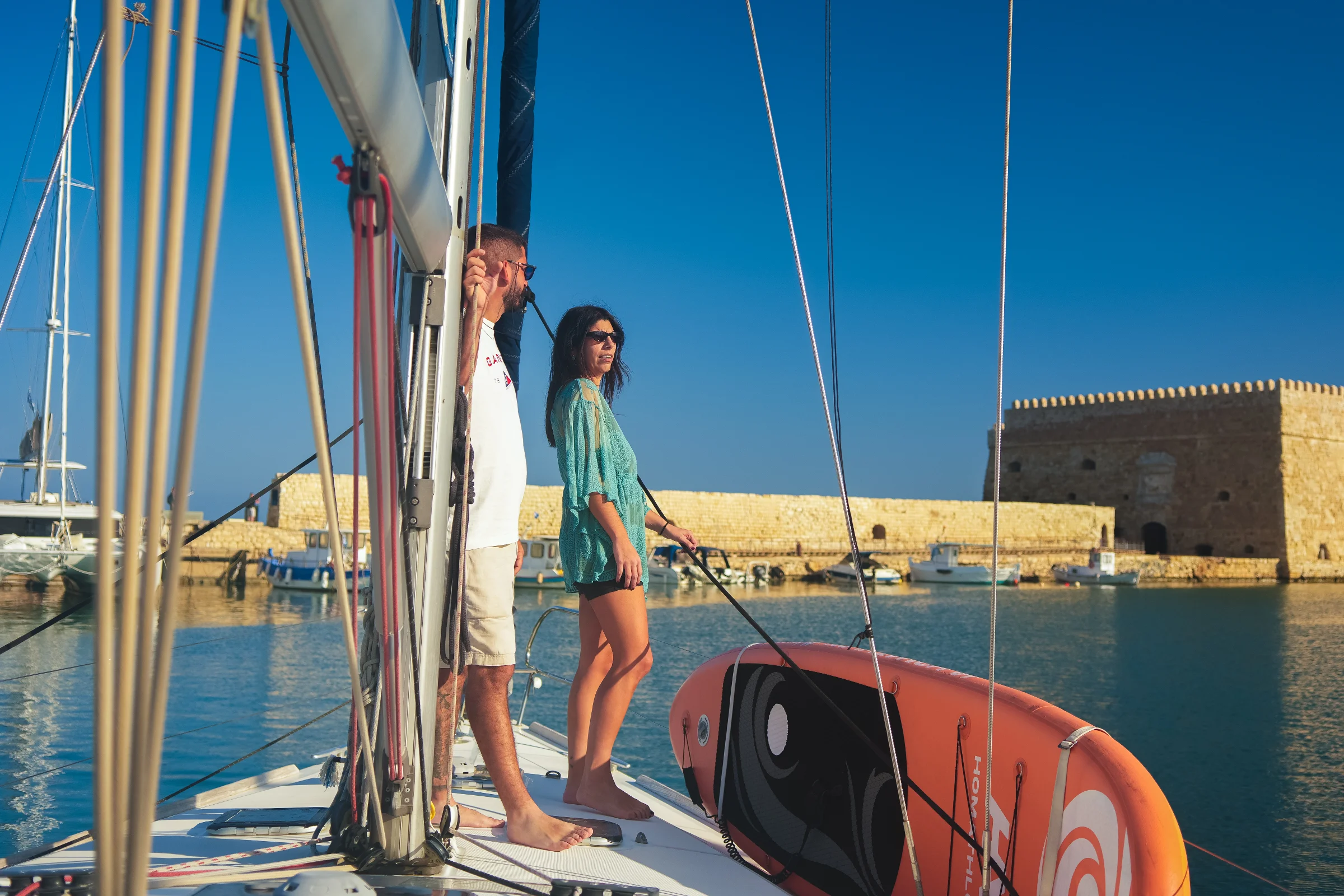
Most visitors get exactly one day in Heraklion, and most of them spend it queuing at Knossos in the worst of the afternoon heat. It does not have to go that way. This is the order we would put the day in — the palace first thing, the Old Town on foot while the shade still favours you, the museum indoors when the sun is at its worst, and the Venetian harbour at the end. Every time and price below comes from our own booking calendar, so you can plan the day around what is genuinely running rather
Cretan Red Wine: The Grapes, the Blends and What the Label Hides
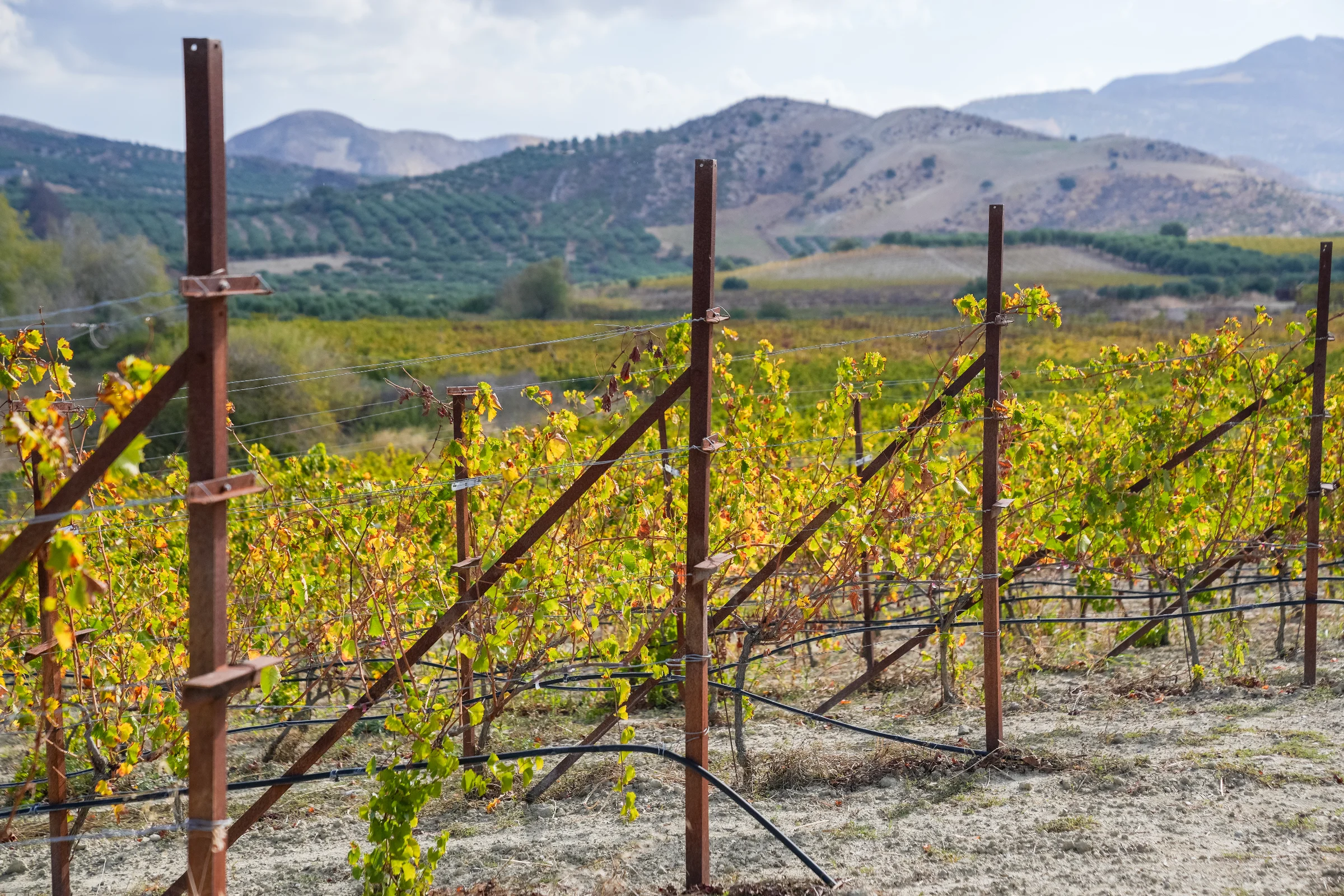
Crete's red wines are easier to enjoy than to read. The island's leading red grape is almost never named on the front of a bottle, the two appellations built on it print no recipe at all, and the most confident Englishlanguage writing about Cretan wine repeats three claims that Greek planting and appellation records flatly contradict. This is the grapebygrape, labelbylabel version: what the four native reds taste like, why they are blended rather than bottled alone, what a PDO and a PGI
Venetian Fortresses of Crete: History and Visitor Guide
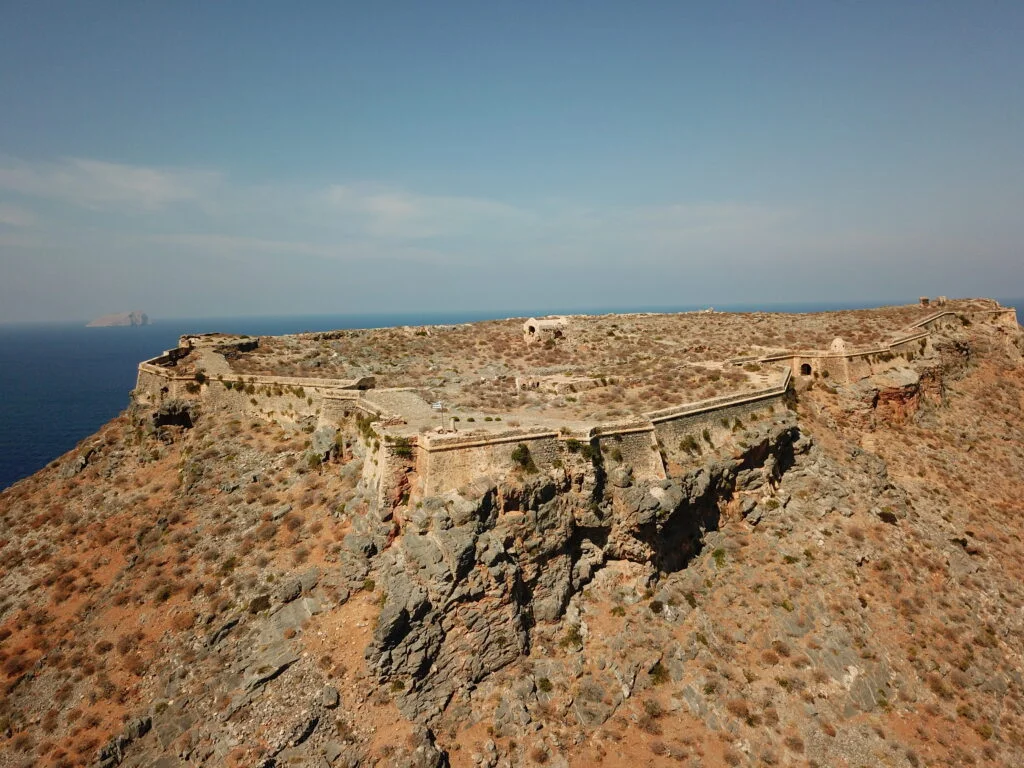
The Venetian fortresses of Crete still guard harbours, hilltops and remote islands across the coast. Some have become city landmarks, while others require a boat journey or a steep walk to reach their walls. This guide covers their history, the best fortresses to visit and how to include them in a trip around Crete.
Let Crete come to you
Sign up to get authentic stories, travel tips, and new experiences
By entering my email, I agree to receive marketing notifications from travel & do.