 Back to blog
Wine Tasting in Crete: Local Grapes, Wineries and Suggested Routes
On this page
- Quick Summary
- What Wine Tasting in Crete Actually Means
- Crete's Wine Identity
- The Local Grapes
- Things to Do
- The Heraklion Wine Routes
- Wine Tasting from Chania
- Wine Tasting from Hersonissos
- History and Archaeology
- Food, Bars and Tavernas
- Weather and Best Time to Visit
- Getting There
- Where to Stay
- Nearby Attractions
Quick Summary
Wine history: Over 4,000 years of continuous viticulture, with one of the oldest wine presses in the world found near Archanes
Key local grapes: Liatiko, Mandilaria, Vilana, Vidiano
Main wine region: Heraklion, with route clusters around Archanes, Peza, Skalani and surrounding villages
Secondary bases: Chania for west Crete visitors, Hersonissos for the north coast east of Heraklion
Notable producers: Lyrarakis, Douloufakis, Wines of Crete network
Getting around: Car essential for most route-based wine travel
Best time: April to June and September to October
Format: Route-based visits, usually half-day or full-day loops combining two to four wineries
What Wine Tasting in Crete Actually Means
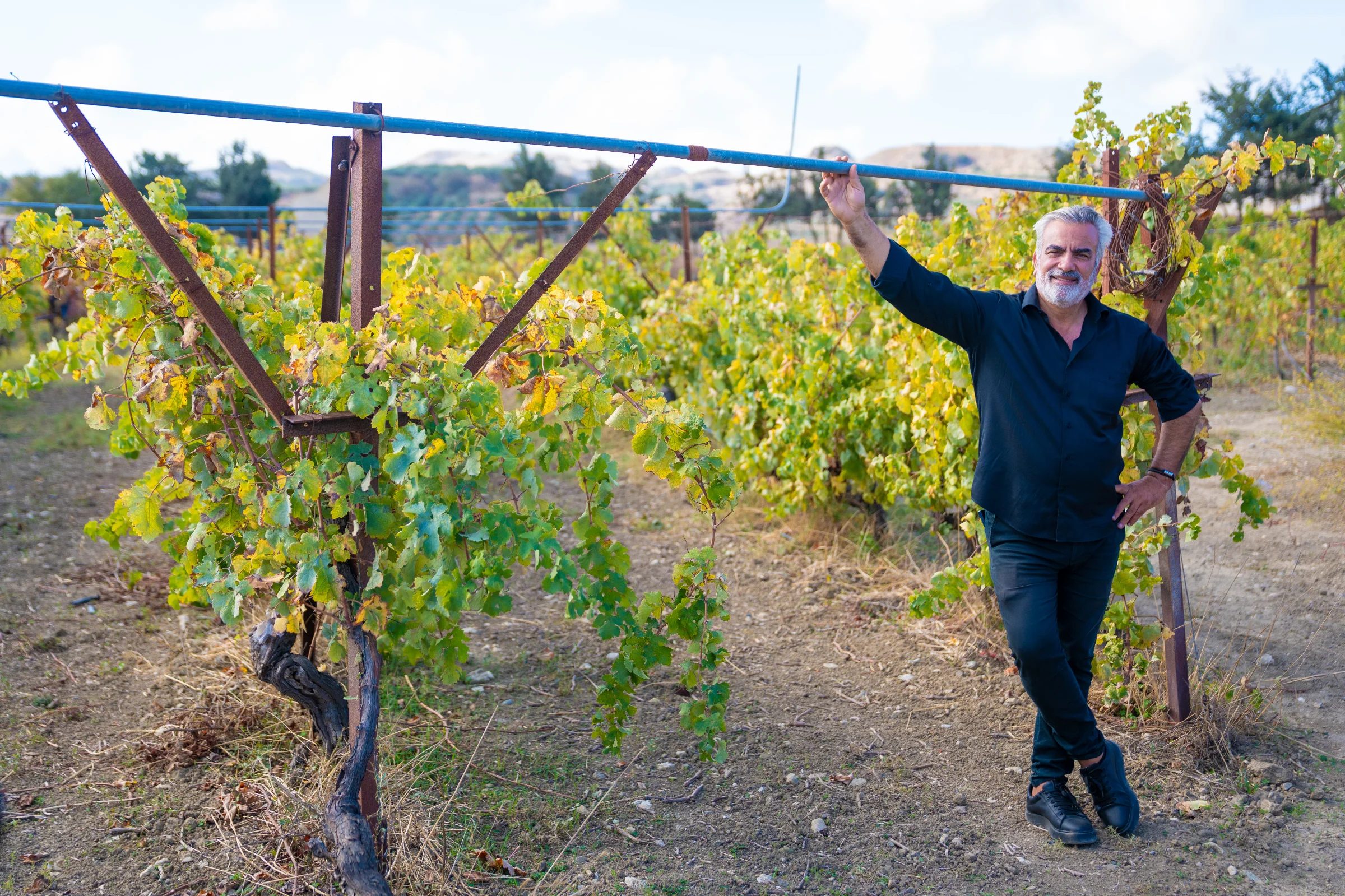
Wine tasting in Crete is not a fixed itinerary you book from a hotel lobby. It is a set of routes through working vineyards, family cellars and estate tasting rooms, most of them concentrated in the hills south of Heraklion and scattered further west into Chania territory. Some are formal operations with structured tours and tasting menus. Others are small producers where someone's grandmother might pour the wine.
The common thread is the grapes. Crete's wine producers lean almost entirely on native varieties, which means what you taste here cannot be replicated anywhere else. That distinctiveness is the reason wine tourism on the island has grown steadily over the past decade, and it is the reason a wine day in Crete feels different from a wine day in most of Europe.
Understanding the grape names before you arrive is the single most useful preparation you can do. Once you know what Liatiko and Vidiano taste like, the visits start to make sense as a connected story rather than a series of random tastings.
Crete's Wine Identity
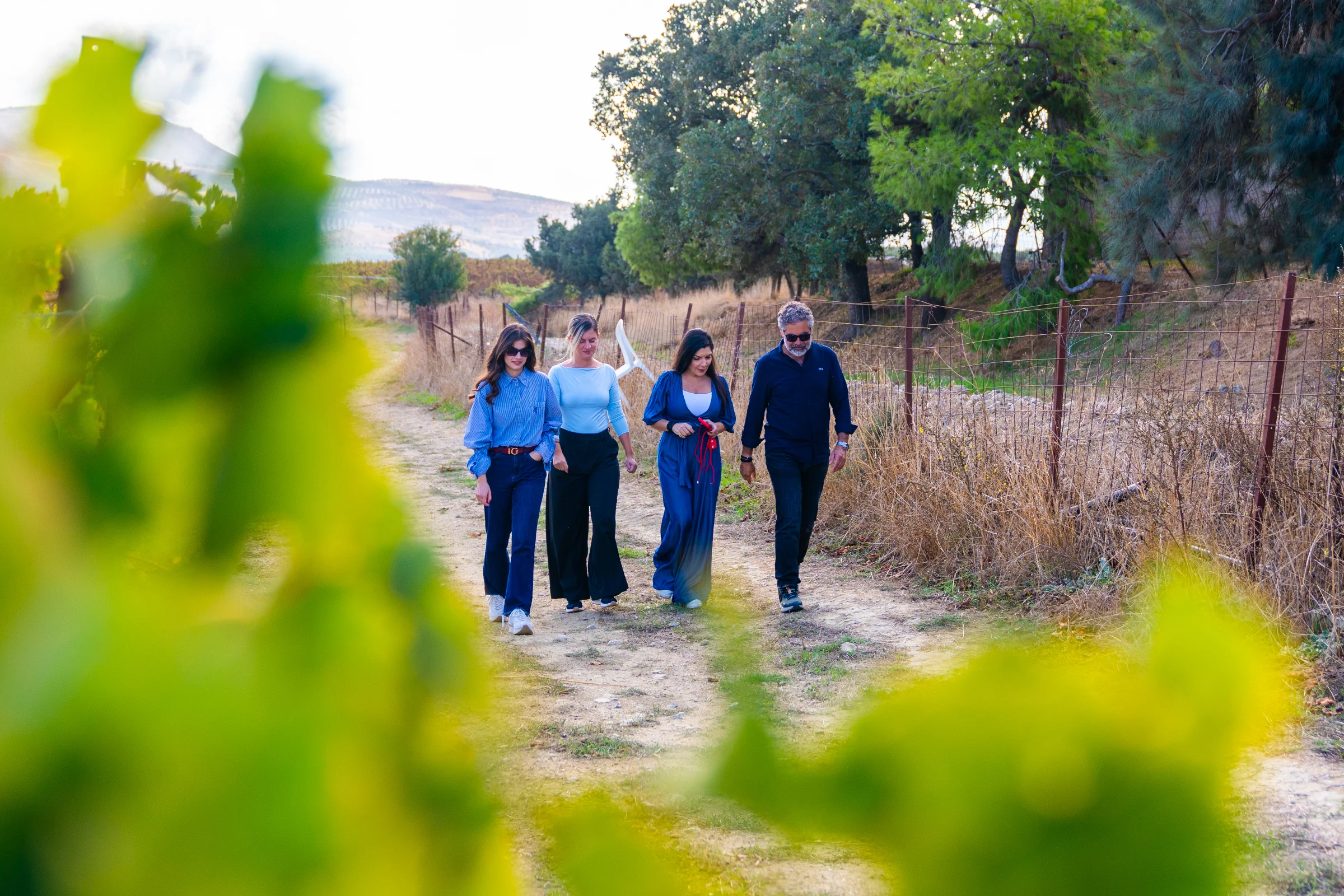
The wine history of Crete is old enough that the numbers start to lose meaning. Viticulture on the island dates back at least 4,000 years, and one of the oldest wine presses ever excavated was found near Archanes, a village in the hills south of Heraklion that remains at the centre of Cretan wine production today.
The Minoans were trading wine across the Eastern Mediterranean from Crete as early as the Bronze Age, and the island's geography suited it. The combination of limestone soils, altitude variation and a long dry summer creates conditions that favour concentrated, characterful grapes rather than high yields. The producers who understand this work with the land rather than against it, and the results show in the bottle.
What separates modern Cretan wine from the rest of Greece is the commitment to native varieties. While much of the country has moved toward international grapes or standard Greek blends, the serious producers here have built their reputations around Liatiko, Mandilaria, Vilana and Vidiano. These are not obscure curiosities. They are the foundation of the island's wine identity, and they are worth seeking out deliberately.
The Local Grapes
Knowing these four names will change how you taste your way through the island.
Liatiko is the oldest and most historically important red grape on Crete. It produces wines that range from deep and structured when harvested early to sweet and almost fortified in character when left on the vine longer. The grape is associated primarily with the Siteia and Dafnes wine zones in the east and centre of the island. At its best it has a red fruit character with earthy, almost tobacco-like depth. It is not a grape for drinkers who want something simple.
Mandilaria is the other major red variety, grown across Crete and also found on several Aegean islands. It produces deeply coloured, tannic wines with good structure and a tendency toward austerity when young. It is often blended with Liatiko to balance the two varieties' characters, and the blends are usually more approachable than either grape alone.
Vilana is the main white grape of Heraklion and the most widely planted white variety on the island. It produces fresh, dry whites with citrus and stone fruit character, best drunk young. It is not a grape that demands analysis. It is the wine you drink cold with grilled fish on a terrace, and it does that job well.
Vidiano is the white grape that has attracted the most attention from international wine writers in recent years. It has more texture and complexity than Vilana, with a richer mouthfeel and the ability to age. The best examples have an aromatic quality that is difficult to place but immediately distinctive. Producers around Heraklion have invested heavily in Vidiano over the past decade, and the quality ceiling has risen noticeably.

Things to Do
Follow a wine route from Heraklion The hill villages south of Heraklion form the densest cluster of wine producers in Crete. A half-day loop combining two or three estates takes in some of the most interesting countryside in central Crete and can be extended into a full day with a taverna lunch and a cultural stop at Archanes or Knossos.
Visit a family cellar Not all Cretan wine production happens at estate wineries with tasting rooms. Some of the most interesting wine on the island is made by smaller producers whose operations are more informal. Asking at a local taverna or checking with accommodation hosts in the wine villages often leads to visits that are not listed on any website.
Attend a harvest event September and October bring the grape harvest across the Heraklion region, and some producers organise harvest-day visits. These vary from structured events to informal open days. The atmosphere is different from a regular tasting, and the food that accompanies harvest work is worth coming for on its own.
Pair wine with Cretan food The best way to understand Cretan wine is alongside the food it was made to accompany. Aged Graviera cheese with a glass of Liatiko, fresh fish with chilled Vilana, slow-cooked lamb with a Mandilaria blend. The combination is not a wine-pairing formula. It is how people eat here, and it makes sense immediately.
Explore the archaeological context The wine press near Archanes and the broader Minoan connection to viticulture are not just history-book details. They are the reason this particular landscape produces what it produces. A morning at the Archanes archaeological site or the Heraklion Archaeological Museum before a wine afternoon adds a layer to the tasting experience that stays with you.
The Heraklion Wine Routes
The Heraklion region is where most serious Cretan wine travel begins and, for many visitors, where it ends. The density of producers in the hills between Heraklion and the south coast is high enough that a well-planned route can cover four or five estates in a single day without feeling rushed.
The village clusters that appear most often in wine-route planning are Skalani, Kounavoi, Thrapsano, Peza, Kaloni, Melesses, Alagni and Kasteliana. These are not tourist villages. They are agricultural communities where wine production is part of the economic fabric, and arriving as a visitor rather than a tourist is the right frame of mind.
Peza is the most established of the appellation zones in this area and the name most likely to appear on a Cretan wine label from this region. The Peza Union cooperative processes a significant share of the grapes grown by small-plot farmers across the zone and is worth understanding as context even if you are visiting private estates.
Archanes is the most historically layered stop on any Heraklion wine route. The village has a well-preserved Venetian and Ottoman centre, excellent tavernas, an active local wine culture and the archaeological connection to Minoan viticulture. It makes sense as either a starting point for a wine day or a lunch stop in the middle of one.
The producers most consistently cited in serious writing about Cretan wine are Lyrarakis and Douloufakis, both based in the Heraklion region. Lyrarakis has been at the forefront of reviving rare native varieties and produces some of the most discussed white wines on the island. Douloufakis operates a more accessible estate with a broader range and a tasting room that handles visitors well. The Wines of Crete network connects a wider group of producers and is a useful reference for building a route that covers different estates and styles.
Wine Tasting from Chania
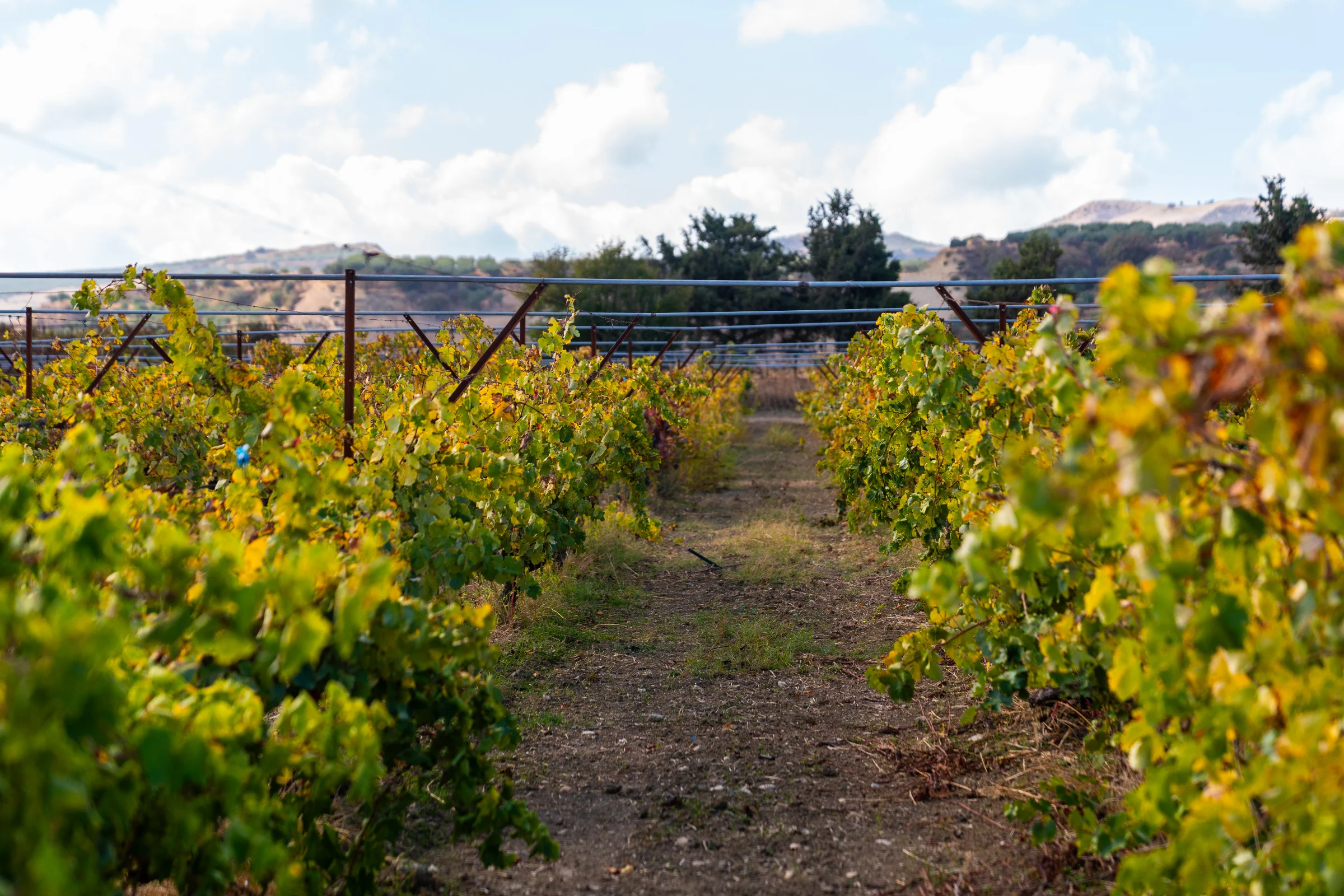
Visitors based in Chania or the western end of the island are not as close to the main wine clusters as those in Heraklion, but the west has its own producers and the drive through the landscape is worth making regardless.
The wine culture in the Chania region is less dense than Heraklion but not absent. There are producers working with local grapes in the foothills of the White Mountains and in the valleys inland from the north coast, and the broader sense of Cretan agricultural life is if anything more intact here than in the more developed east.
For Chania-based visitors who want a wine day without the full drive to Heraklion, the practical approach is to identify one or two producers in the western region, build a half-day route around them, and combine the visit with a stop in one of the inland villages. The drive from Chania south toward the Apokoronas area and into the hills reveals a side of Crete that most beach-focused visitors never see.
Wine Tasting from Hersonissos
Hersonissos sits on the north coast east of Heraklion and is the main resort base for visitors who want beach proximity combined with easy access to the capital. From here, the wine villages south of Heraklion are reachable in under an hour, which makes a wine day a practical half-day add-on rather than a major expedition.
The route south from Hersonissos through Peza and into the Archanes area passes through some of the most productive vineyard land in Crete and can be done as a self-guided loop or with an organised tour that handles the driving. Given that wine tasting and driving do not mix well, the organised option is worth considering here, particularly if you want to visit more than two estates.
History and Archaeology
The connection between Cretan wine and Minoan civilisation is not background colour. It is the actual story of why this island produces what it produces. The Minoans built a palace economy partly on the back of wine and olive oil production and trade, and the wine press excavated near Archanes is physical evidence of a sophistication that predates most of what we think of as European wine culture.
The Heraklion Archaeological Museum houses a collection of Minoan storage vessels, including enormous clay pithoi used for wine and oil, that makes the scale of ancient Cretan production visible. Visiting the museum before or after a wine route adds a dimension to the tasting experience that is difficult to replicate from a book.
Knossos, a few kilometres south of Heraklion and close to the wine country, has its own connection to wine in the fresco fragments and storage room evidence that archaeologists have pieced together. The palace was a redistribution centre for agricultural goods including wine, and the landscape between Knossos and the Archanes hills has been vineyard land, in some form, since the Bronze Age.
Food, Bars and Tavernas
Cretan wine makes most sense at a table, and the tavernas in the wine villages around Heraklion are well set up for exactly that.
Archanes has several good tavernas in its main square and on the lanes leading off it. The cooking is traditionally Cretan, meaning slow-cooked meat dishes, fresh vegetables from the surrounding fields, aged Graviera and Myzithra cheeses, and local wine either by the glass or the litre carafe. It is not the place for fine dining, but the ingredients are genuinely good and the setting in the village square is worth lingering over.
For food pairings that go beyond the obvious, Vidiano has enough texture to work with richer dishes including grilled lamb chops and the slow-braised lamb preparations common in Cretan cooking. Liatiko at its sweeter end is one of the few wines that pairs naturally with the local honey-based pastries and nut sweets. Vilana is the default wine for seafood, and at the prices charged in the inland village tavernas it is one of the better value food-and-wine combinations in Greece.
Weather and Best Time to Visit
Spring and autumn are the best times for wine travel in Crete, and the reasoning is straightforward. The temperatures are comfortable for driving through the hills and sitting through tastings, the vineyards are at their most photogenic, and the producers have more time for visitors than in the height of summer when tour groups from the coast arrive in numbers.
April and May offer the best combination of green landscape, manageable temperatures and unhurried winery visits. The vines are in their early growth stage and the countryside around the wine villages is at its most colourful. Some smaller producers may not have regular tasting hours yet and may need to be contacted in advance.
June extends the spring conditions into early summer. By late June the heat begins to build and midday visits become less comfortable.
September and October bring harvest energy to the wine regions. Grapes are being picked from mid-September in most zones, and the activity around the wineries and villages has a seasonal momentum that is absent at other times of year. Some producers organise harvest events, and the food at tavernas in autumn reflects the season in a way that summer menus rarely do.
July and August are the least comfortable months for wine tasting in Crete. The heat is intense, the tour-group traffic is at its peak, and the casual, unhurried atmosphere that makes these visits enjoyable is harder to find. If you are visiting in summer and want a wine day, start early and finish before early afternoon.
Getting There
A car is close to essential for any serious wine travel in Crete. The winery clusters south of Heraklion are spread across hill villages that are not connected by useful public transport, and moving between estates without a car means either committing to a single location or relying on taxis.
From Heraklion: The wine villages around Archanes and Peza are between 15 and 30 km south of the city, a drive of 20 to 40 minutes depending on destination. The roads are good but winding in places. A full-day loop from Heraklion covering three or four stops is entirely manageable.
From Hersonissos: Allow around 40 minutes to reach the main wine country south of Heraklion. The drive west along the north coast road to Heraklion and then south is straightforward.
From Chania: The drive to the Heraklion wine region takes approximately 1 hour 30 minutes by the E75 motorway. For a full day combining the main routes with lunch in Archanes, this is a practical excursion. For a shorter half-day, focusing on Chania-region producers is the more sensible approach.
Organised wine tours from Heraklion and from the major north-coast resort areas run during the main season. These handle transport, which matters if you want to taste seriously rather than sip and stop. They also tend to include a food element, and some are structured around themed routes covering a single grape variety or style.
Where to Stay
Heraklion city is the most practical base for wine travel. The full range of hotels is available, the wine country is 20 to 40 minutes south, and the city has enough restaurants and cultural content to fill the evenings.
Archanes itself has a small number of guesthouses and renovated village houses available for rent. Staying in the village rather than the city puts you inside the wine landscape rather than adjacent to it, and the experience of being there in the evening when the tour groups have left is markedly different from a day visit.
Hersonissos works as a base if you are combining beach time with a wine day or two. The wine country is reachable as a half-day excursion and the north-coast resort infrastructure means accommodation, dining and practical services are all straightforward.
For visitors spending several days specifically on wine travel, the area between Archanes and Peza offers enough producer density to justify basing yourself in the region rather than commuting from the coast.
Nearby Attractions
Knossos The Minoan palace site is a few kilometres north of the wine country and combines logically with a wine day in the Archanes area. The archaeological connection to Cretan viticulture is genuine, and the site is large enough to occupy a full morning.
Archanes Village Beyond its wine context, Archanes is one of the better-preserved traditional villages in central Crete. The main square is worth time on its own, and the local archaeological museum covers the Minoan finds from the surrounding area including the Fourni cemetery, one of the most important Minoan burial sites on the island.
The Heraklion Archaeological Museum The most important collection of Minoan artefacts in the world, housed in the centre of Heraklion. The storage vessels and wine-related objects give context to everything you encounter in the wine villages.
Dafnes Wine Zone East of the main Heraklion cluster, the Dafnes zone is the home territory of Liatiko and produces some of the most distinctive red wines in Crete. It is worth a detour if you have more than one day in the region and want to extend the route eastward.
Psiloritis The highest mountain in Crete, visible from most of the wine country south of Heraklion, is worth approaching from the northern side through the Anogeia route if you have a spare day. The landscape above the vineyards is dramatically different and gives a sense of the altitude range that shapes the whole region.
Let Crete come to you
Sign up to get authentic stories, travel tips, and new experiences
By entering my email, I agree to receive marketing notifications from travel & do.