 Back to blog
Samaria Gorge vs Imbros Gorge: Which Hike Is Right for You?
On this page
Quick Summary
Imbros Gorge: Approximately 8 km, easy to moderate, 2 to 3 hours, suits families and casual hikers, simple logistics
Samaria Gorge: Approximately 16 km, challenging, 5 to 7 hours, suits fit hikers, ends with a boat transfer
Samaria season: Opens 1 May, closes in autumn depending on conditions
Best time to hike in Crete: April to June and September to October
Other options: Aradena Gorge, Agia Irini Gorge, both worth considering for a quieter day
Short answer: Imbros for most visitors. Samaria for those who want the full classic trek and are prepared for it
Which Hike Fits Your Trip
Before the detail, the short answer. If you want a rewarding gorge hike that fits into a normal day without complex logistics, choose Imbros. If you want the most famous hiking experience in Crete and are prepared for a long, physically demanding day with a boat transfer at the end, choose Samaria.
Most of the people searching this comparison are not trying to decide which gorge is more beautiful. They are trying to figure out what kind of day they are signing up for. That is the right question, and the answer comes down to time, fitness and how much planning you want to do.
Samaria Gorge
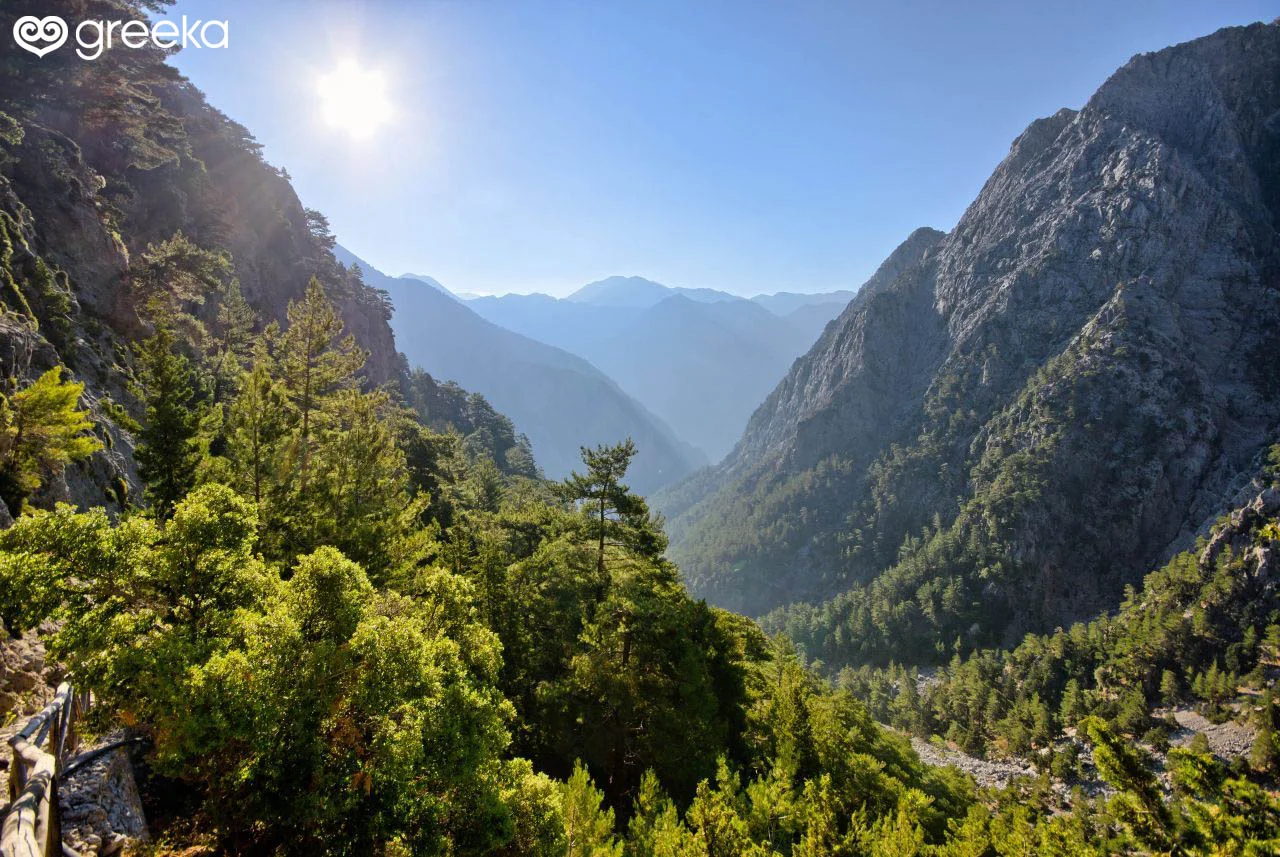
Samaria Gorge is the longest gorge in Europe and the hike that most visitors to Crete have heard of before they arrive. It runs for approximately 16 km through the White Mountains of southwest Crete, starting at the Xyloskalo plateau in the Omalos area and ending at the coastal village of Agia Roumeli on the Libyan Sea. The total descent from start to finish is around 1,200 metres.
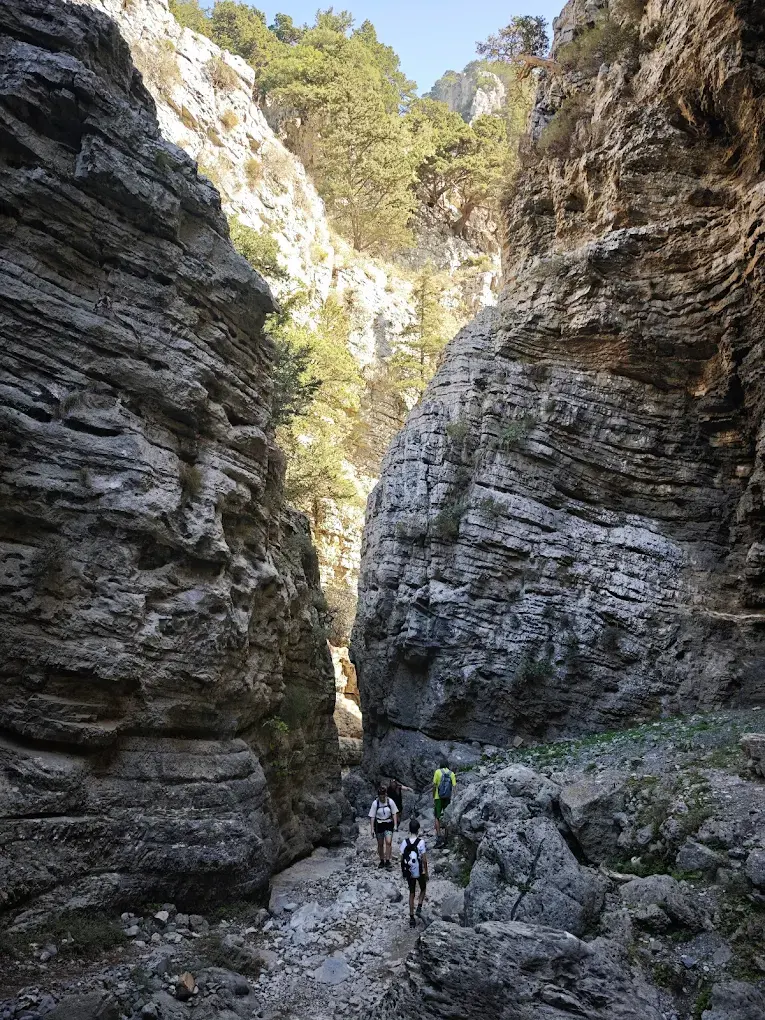
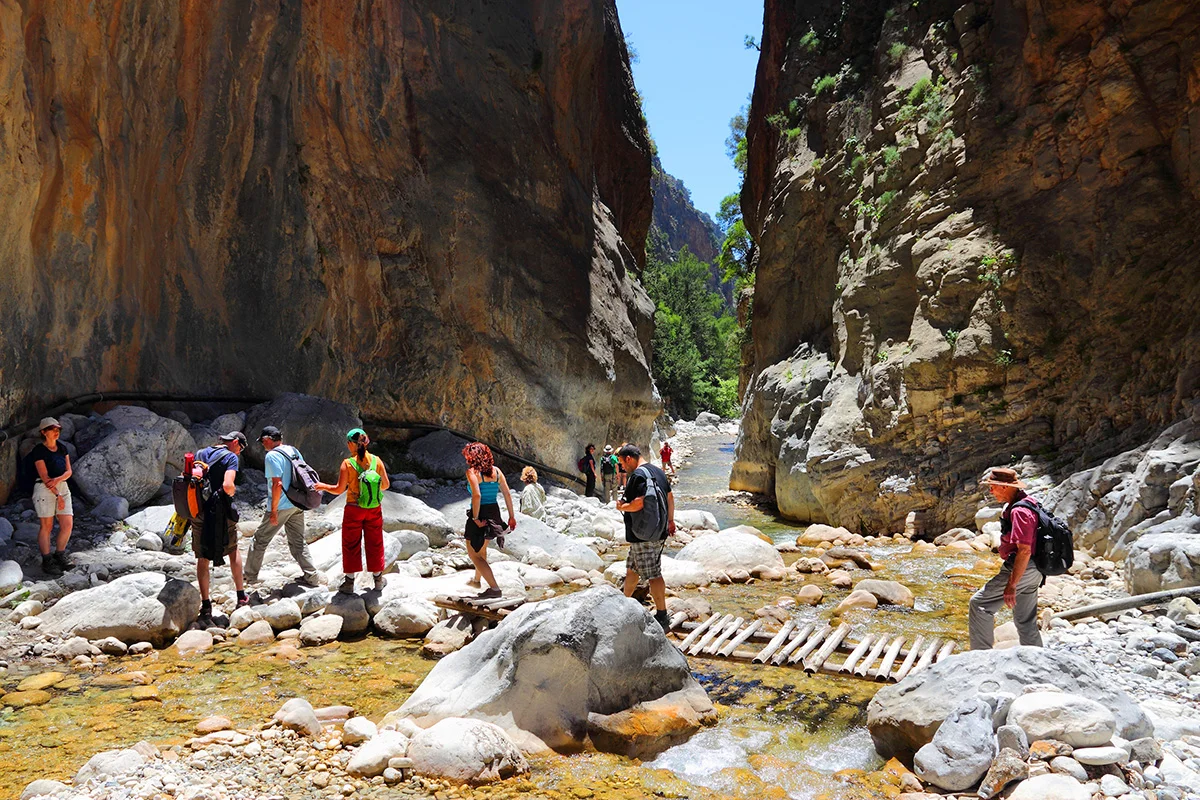
The trail passes through the Samaria National Park, which means the gorge is protected and the path is well maintained. The landscape shifts dramatically over the course of the hike, from open pine forest at the top to the famous Iron Gates, a passage where the canyon walls narrow to roughly 3 metres across and rise to over 300 metres on either side. That section alone justifies a lot of the hike's reputation.
The difficulty is real. Sixteen kilometres on uneven rocky terrain, mostly downhill but with enough scrambling and loose stone to demand proper footwear and a reasonable level of fitness. In the summer months the heat inside the gorge builds significantly, and the final stretch into Agia Roumeli is exposed and tiring. People underestimate it regularly, usually because they focus on the distance and forget the terrain.
Experiences in Chania
The logistics add another layer. Agia Roumeli has no road access. Once you finish the hike, you take a ferry west to Sougia or east to Hora Sfakion, then a bus or taxi back to wherever you started. If you joined an organised group from Chania or Rethymno, the return transfer is typically arranged. If you are independent, plan this before you set out.
The gorge is open from 1 May and closes in late autumn, with the exact closing date depending on weather conditions. It does not operate in winter or spring before May because of flood risk from snowmelt in the mountains above.
Imbros Gorge
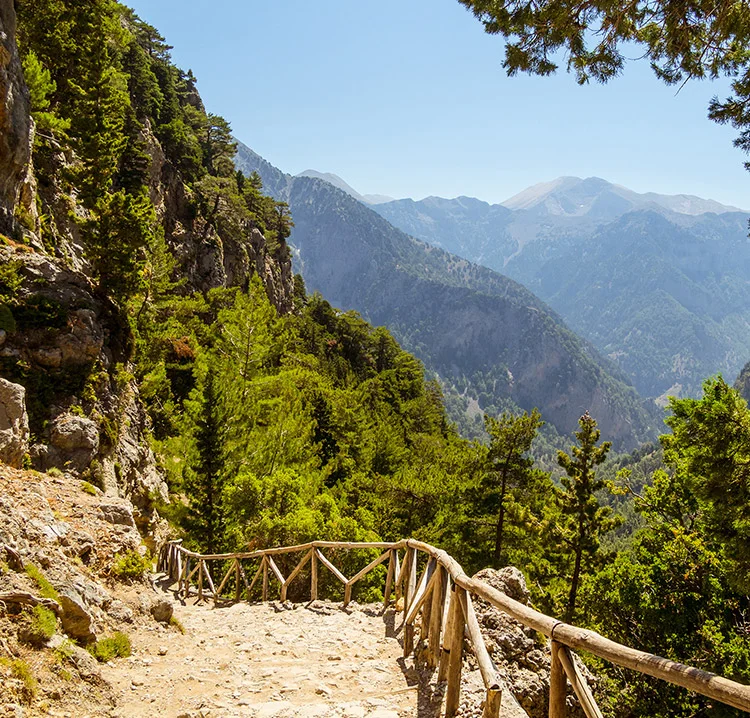
Imbros Gorge is the better hike for most people who visit Crete, and it is underrated precisely because Samaria takes all the attention. The trail is approximately 8 km long, descends from the village of Imbros down to Komitades near the south coast, and takes between 2 and 3 hours at a relaxed pace. The total descent is around 400 metres.
The scenery is genuinely impressive. The canyon walls close in at several points to create passages that feel as dramatic as anything in Samaria, and the path through the gorge has a wilder, less managed quality than the bigger-name trail. There are fewer signs, fewer crowds and fewer tour groups. In the middle section of the hike, it is entirely possible to walk for twenty minutes without seeing another person.
The logistics are straightforward compared to Samaria. The hike ends near the coastal road, taxis are available from the bottom, and the return to wherever you are based in western Crete is simple to arrange. There is no boat, no ferry schedule to catch and no forced timeline driving the pace.
Imbros is also the better option for families with older children, for visitors whose fitness is moderate rather than strong, and for anyone who wants a gorge experience without structuring the entire day around it. You can hike Imbros in the morning and be on a south-coast beach by early afternoon.
Side by Side
Imbros GorgeSamaria GorgeLength8 km16 kmDifficultyEasy to moderateChallengingTime needed2 to 3 hours5 to 7 hoursBest forFamilies, casual hikersFit, experienced hikersCrowdsModerateHigh in peak seasonLogisticsSimple return by taxi or busBoat transfer from Agia Roumeli requiredSeasonSpring to autumn1 May to late autumnCostMinimalEntrance fee plus ferry cost
Other Gorge Walks in Crete
Samaria and Imbros are the two most searched names, but Crete has a broader gorge hiking landscape that rewards anyone willing to look past the headline pair.
Aradena Gorge Aradena is the most challenging alternative and the one that attracts hikers who want something raw and relatively untouched. The gorge runs from the abandoned village of Aradena down to the coast near Loutro, on the south coast of Chania. The trail involves fixed metal ladders and rope sections in the steeper passages, and it is not suitable for those without gorge hiking experience. The payoff is a dramatic descent through deep limestone canyon with almost no other hikers. At the bottom, Loutro is one of the most beautiful coastal villages in Crete, accessible only by foot or by boat.
Agia Irini Gorge Agia Irini is the most accessible of the lesser-known gorges and a good choice for anyone who wants scenery without serious exertion. The trail runs for approximately 7.5 km from the village of Agia Irini south toward Sougia, passing through oak and plane tree forest with a stream running through the lower section in spring. It is quieter than both Imbros and Samaria, well marked, and suits the same profile of hiker as Imbros. A strong option if Imbros is busy or if you are based on the south coast.
Kourtaliotis Gorge On the south side of Rethymno, the Kourtaliotis Gorge connects the Omalos Plateau area to the south Rethymno coast and passes through some of the most dramatic limestone scenery in central Crete. The chapel of Agios Nikolaos is built into the rock face above the river. The gorge is driveable along its length but also walkable, and it appears naturally in any itinerary that includes Plakias or Preveli Beach.
Kotsifou Gorge Further west, the Kotsifou Gorge connects the village of Spili to the south Rethymno coast. It is shorter and less demanding than the others but genuinely impressive in its middle section, where the road runs along the bottom of a narrow limestone canyon. It functions better as a scenic drive than a dedicated hike, but for those based around Plakias it is worth including in a half-day exploration.
Easy Gorge Walks in Crete
For visitors who want the gorge experience without the physical commitment of Samaria, the practical shortlist is Imbros, Agia Irini and the lower section of Kourtaliotis. All three offer genuine canyon scenery, are manageable for people of average fitness, and can be done in a half day without needing to arrange complicated transport.
Imbros is the most structured of the three, with a clear start point in the village, a well-trodden path and an established return-transport setup from the bottom. Agia Irini is slightly quieter and has a more forested character. Kourtaliotis suits anyone who is already in the south Rethymno area and wants to add a short walk to a driving day.
For families with children, Imbros is the most reliable recommendation. The path is rocky but not technical, the distance is manageable for older children, and the narrow passages are exciting without being dangerous.
Best Time to Hike in Crete
The hiking season in Crete runs from April to October, but the experience changes significantly depending on the month.
April and May are the best months for gorge hiking if you are prioritising landscape and comfort. The vegetation is green from the winter rains, the streams in the lower gorges still have water running through them, wildflowers are out on the upper slopes, and the daytime temperatures are warm but not oppressive. The light is also better for photography than the bleached-out flatness of midsummer. Note that Samaria Gorge does not open until 1 May, so early April hikers are limited to the other options.
June extends the good conditions of spring, with warmer temperatures and longer days. By late June the vegetation starts to dry out and the heat in the lower gorges builds in the afternoon. Morning starts become more important.
July and August are the hardest months for hiking. The heat inside the gorges, particularly Samaria, can be extreme by midday. Both Samaria and Imbros see their highest visitor numbers in these months. If you are hiking in summer, start as early as possible and carry significantly more water than you think you need.
September and October recover much of what April and May offer. The temperatures drop to manageable levels, the crowds thin out, and the light improves. The sea is at its warmest in September, which means you can combine a gorge hike with a beach afternoon in a way that feels genuinely comfortable rather than exhausting. October brings the first autumn rains, which add atmosphere to the gorges and occasionally close the trails temporarily.
Practical Planning
What to bring For any gorge hike in Crete, the essentials are the same: proper footwear with ankle support and grip, at least 1.5 litres of water per person for a shorter hike and 2 to 3 litres for Samaria, sun protection, a light layer for the higher starting points and more food than you think you need. Flip-flops and sandals are regularly worn into the gorges by underprepared visitors and are the main source of ankle injuries on the trails.
Getting to the trailheads For Imbros, the starting village is accessible by car from the south Rethymno or Chania areas in under an hour. For Samaria, organised day trips from Chania and Rethymno include transport to Xyloskalo and the return ferry and bus transfer, which is the most straightforward option for independent travellers. Driving yourself to the top of Samaria and arranging independent return transport is possible but requires more planning.
Entrance fees Samaria Gorge charges an entrance fee per person, which covers the national park maintenance. Imbros has a small fee at the trailhead. Agia Irini and Aradena are currently free.
Guided vs independent Imbros, Agia Irini and the shorter gorge walks are straightforward to do independently. Samaria can be done independently if you are comfortable with the logistics, but organised trips handle the transport and ferry coordination, which removes the main source of stress for first-time visitors.
Food and Stops Along the Way
Imbros: The village of Imbros at the top of the gorge has a small taverna where most hikers stop for coffee before starting. At the bottom, the village of Komitades has a basic café and a taverna that functions mainly in the hiking season. Neither end is a destination for food. Bring your own lunch.
Samaria: There are water refill points and basic rest areas with toilets inside the gorge at intervals. Agia Roumeli, where the hike ends, has several tavernas and is a good place to eat before the ferry. After a long hot hike, the village's cold drinks and simple food feel more than adequate.
Agia Irini: The village of Sougia at the bottom of the trail has a good selection of tavernas and is a pleasant place to eat after the hike. Sougia is a small, low-key coastal village that does not try to be anything more than what it is, which is part of its appeal.
Getting There
Samaria Gorge The standard approach from Chania takes around 1 hour by car or bus to the trailhead at Xyloskalo on the Omalos Plateau. Organised tours from Chania and Rethymno run daily in season and handle both the outward transport and the return ferry and bus from Hora Sfakion. If driving independently, you will need to arrange the return from Agia Roumeli by ferry to Hora Sfakion and then taxi or bus back to Omalos to collect your car.
Imbros Gorge The starting point in the village of Imbros is roughly 45 km southeast of Chania by car. At the bottom, taxis from Komitades to Hora Sfakion or back to Imbros village are available, and buses run from Hora Sfakion toward Chania. The logistics are significantly simpler than Samaria and manageable without an organised tour.
From Rethymno Both gorges are accessible from Rethymno, with Samaria requiring a drive west toward Chania before heading south, and Imbros reachable via the south Rethymno road through the Kotsifou Gorge. Allow around 1 hour 30 minutes from Rethymno to either trailhead.
Where to Stay
For hikers combining both gorges or using the south coast as a base, the most practical options are:
Hora Sfakion is a small harbour village on the south Sfakia coast, which serves as the ferry arrival point from Agia Roumeli and the bus connection back from Imbros. It has basic accommodation and a good fish taverna on the harbour front. Staying here the night before Imbros or Samaria means an early start without a long drive.
Chania city is the best base for day-trip hiking if you want full services and a strong restaurant scene in the evening. Both gorges are reachable as day trips from Chania, with or without an organised tour.
Loutro for Aradena Gorge hikers. The village at the bottom of the Aradena descent is accessible only by foot or ferry, has a handful of small hotels and guest houses, and is one of the most peaceful places to spend a night on the Cretan south coast.
Nearby Attractions
Hora Sfakion The south-coast town where ferries arrive from Agia Roumeli is worth more than the ten-minute layover most hikers give it. The harbour has a quiet dignity, the seafront tavernas serve good fresh fish, and the landscape around the town is as dramatic as anything in Crete.
Loutro Accessible by boat from Hora Sfakion or on foot from Aradena, Loutro is one of the few villages in Crete with no road access. That absence of cars defines its character entirely. It is small, calm and genuinely remote-feeling even in peak season.
Agia Roumeli The village at the end of the Samaria Gorge hike exists mainly to serve tired hikers waiting for the ferry. It has a beach that most people collapse onto for an hour before the boat arrives, and the swimming after a long hot hike is excellent.
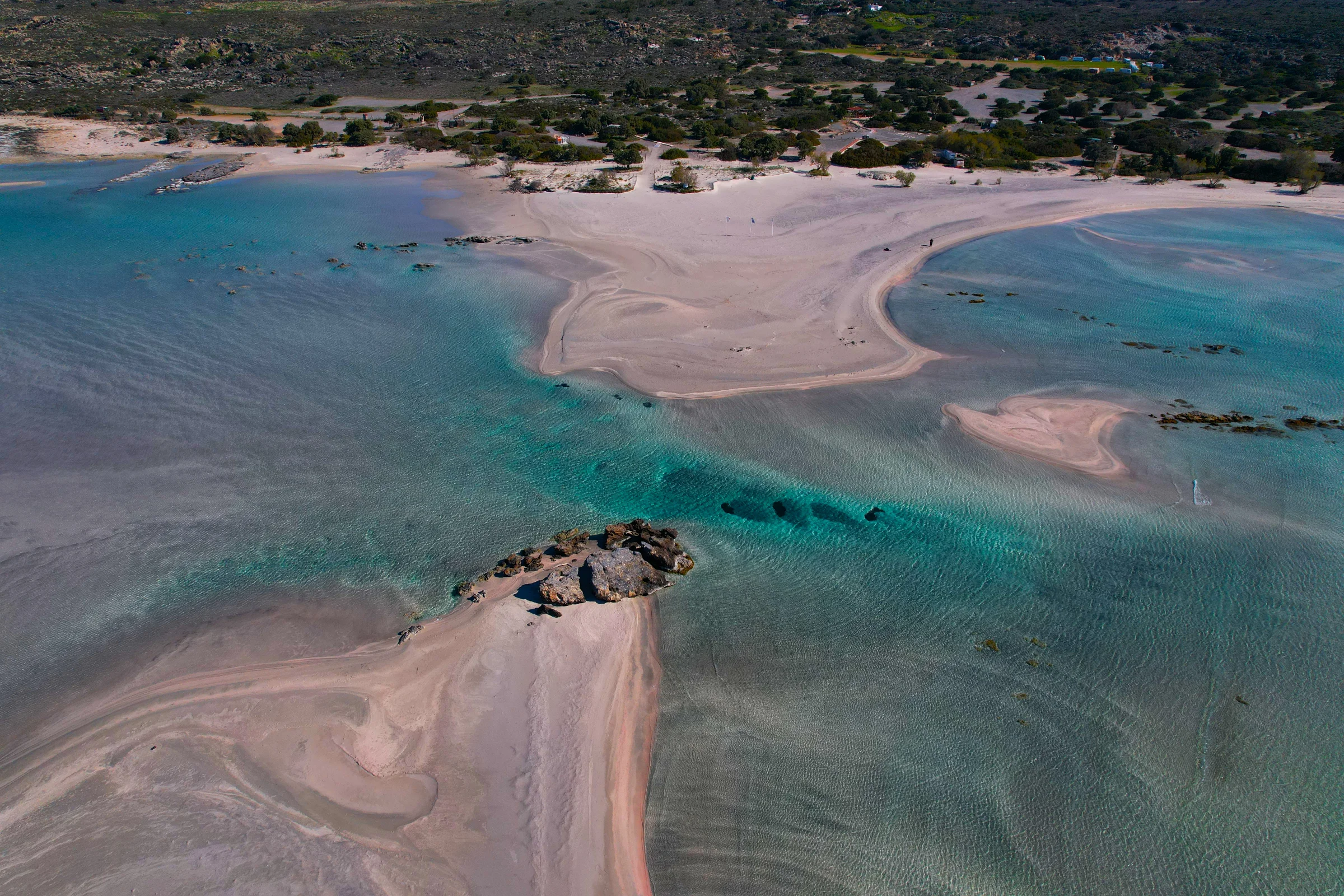
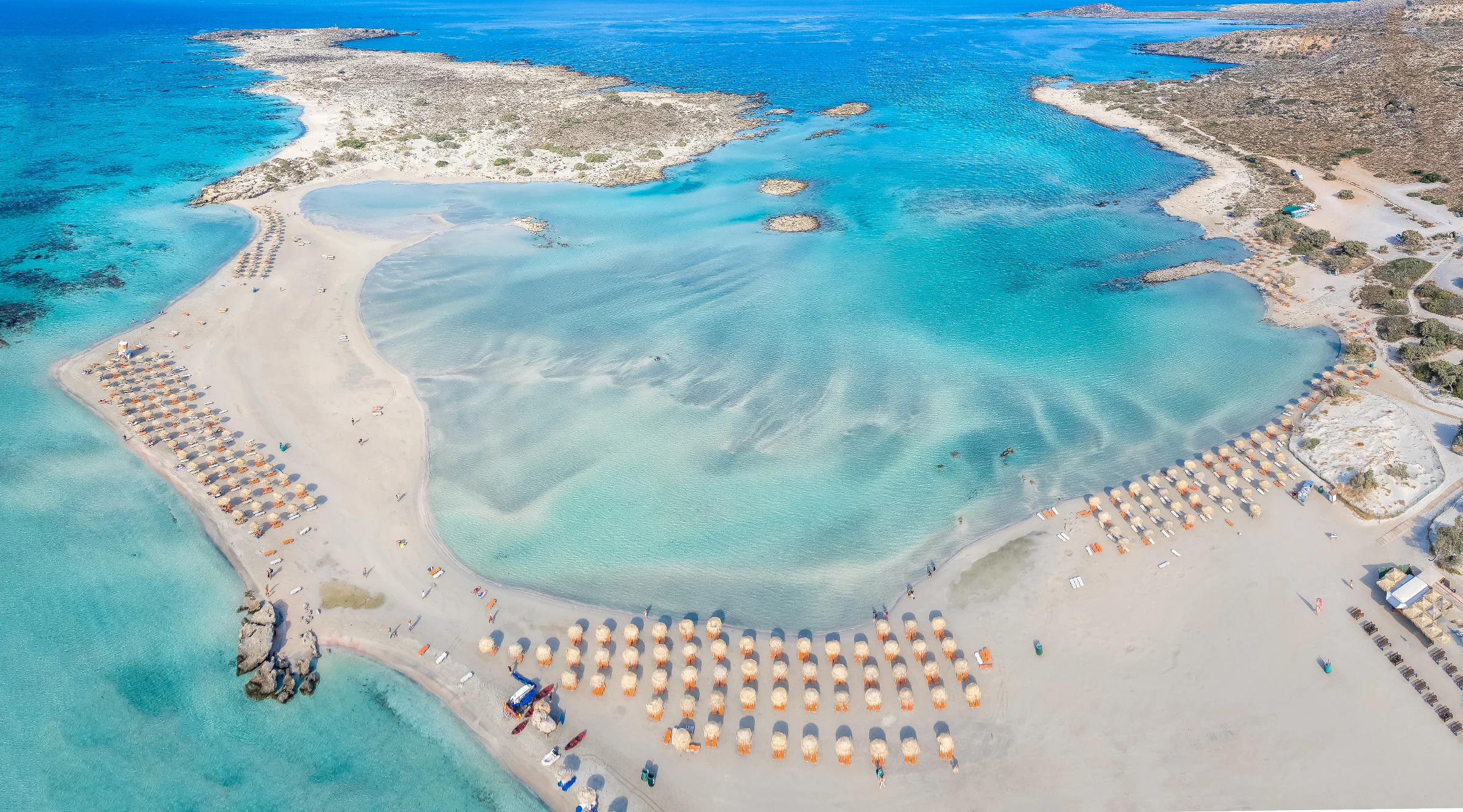
Elafonissi and the southwest coast From the Imbros and Agia Irini area, the drive west toward Elafonissi opens up the southwest corner of Crete, which is one of the least-developed stretches of coastline on the island.
Sfakia villages inland The villages of the Sfakia region behind the south coast, including Anopolis above Loutro and the area around Aradena itself, are among the most traditional in Crete. The landscape is dry, spare and striking, and the villages have a different character from the more tourist-facing coastal settlements.
Things to do nearby
Book a guided experience in this area
Let Crete come to you
Sign up to get authentic stories, travel tips, and new experiences
By entering my email, I agree to receive marketing notifications from travel & do.