 Back to blog
Plakias Beach: The Complete Guide to South Crete's Longest Bay
On this page
Quick Summary
Location: South coast of Rethymno, southwest Crete
Beach length: 1.3 km
Water quality: Blue Flag certified, calm and shallow entry, clear water
Facilities: Organised beach with sunbeds, umbrellas, changing rooms, lifeguard service
Water sports: Windsurfing, kayaking, paddleboarding, scuba diving
Boat trips: Day excursions to Preveli Beach, sea caves, and the wider south coast
Best time to visit: May to October, with June and September offering the best balance
Getting there: Car recommended. Roughly 40 km south of Rethymno town
What Is Plakias
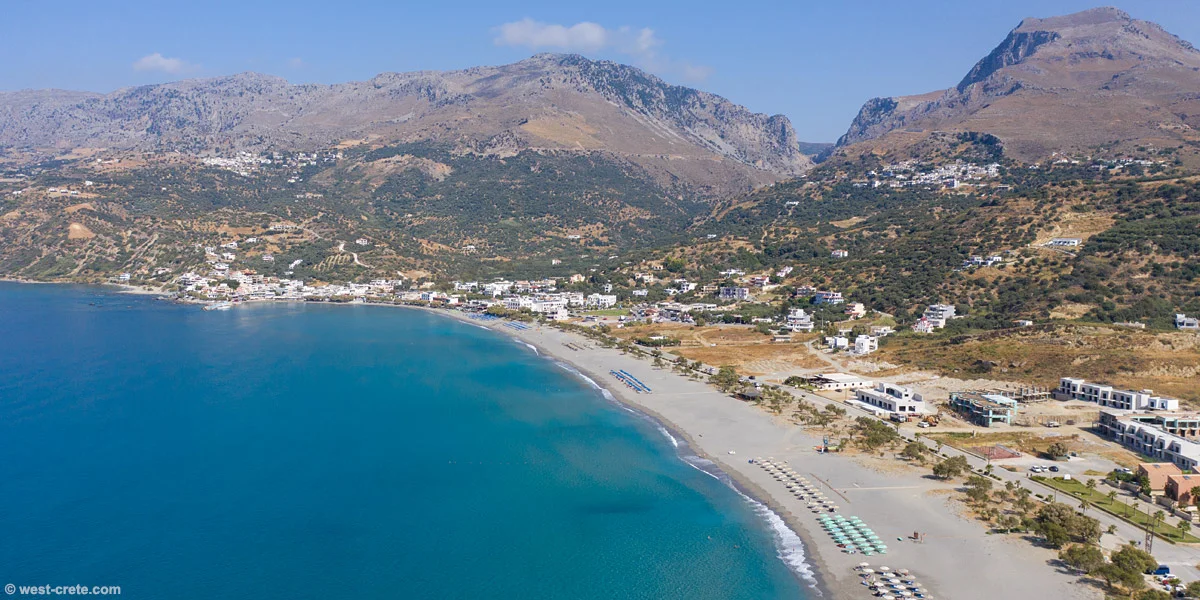
Plakias is a small resort village on the south coast of the Rethymno regional unit, sitting inside a wide bay where the foothills of the White Mountains meet the sea. It is not a postcard-pretty whitewashed village. What it has instead is a working, lived-in character, a long flat beach that gets serious afternoon sun, and enough practical infrastructure to spend several days without needing to go anywhere else. Unless, of course, you want to, which is the point.
The settlement itself is low-rise and straightforward. A single main road runs parallel to the seafront, lined with tavernas, small hotels, dive centres and rental shops. There is no old town, no Venetian harbour, no Instagram landmark to tick off. The draw is the bay, the beach, and the surrounding landscape, which is dramatic in a way that southern Crete does very well.
The Beach Itself
The beach at Plakias runs for approximately 1.3 km along the southern edge of the village. It is a mix of coarse sand and fine pebble, depending on exactly where you set down your towel, with the sand more pronounced toward the western end. The sea floor shelves gently, which makes the entry easy for children and less confident swimmers, and the water stays shallow for a reasonable distance before dropping off.
The bay faces south toward the Libyan Sea, which means it is largely protected from the northern Aegean winds that make north-coast beaches choppy in summer. The result is a calmer sea than you find at many popular Cretan beaches, and water that is clear enough to see the bottom well out from the shore.
Plakias holds a Blue Flag certification, which is awarded annually based on water quality, safety standards, environmental management and facilities. In practical terms this means the beach is regularly monitored, has adequate changing and sanitary facilities, and is staffed with lifeguards during peak season. Sunbeds and umbrellas are available for hire across the organised sections, though the eastern end of the beach tends to be quieter and less cluttered with infrastructure.
History and Identity
Plakias was a fishing settlement before it became a tourist destination, and traces of that remain. The south coast of Rethymno was slower to develop than the north coast, partly because of the road access and partly because the main tourist infrastructure in Crete was concentrated around Heraklion and the north. That relative isolation worked in Plakias' favour in the long run. It attracted a different kind of visitor, early on primarily backpackers and hikers, later divers, windsurfers and people looking for something quieter than the north-coast resorts.
The area around Plakias has a longer history than the village itself. The Kotsifou and Kourtaliotis gorges nearby were settled in antiquity, and the broader Rethymno south coast has Minoan, Roman and Byzantine layers. Plakias itself is not an archaeological site, but the context matters for understanding why people keep returning. This is old Cretan terrain, and the landscape feels it.
The village became better known internationally in the 1970s and 1980s when it appeared on the backpacker route through Greece. Some of that low-key spirit has survived. The resort facilities are real and functional, but Plakias has not turned itself into a package-holiday destination in the way that parts of the north coast have.
Things to Do
Swimming and beach walking The length of the beach makes it unusually good for an early morning or late evening walk along the waterline. The full stretch takes around 20 minutes at a relaxed pace. Cycling is also possible along the seafront road, and rental bikes and scooters are available in the village.
Windsurfing and paddleboarding The afternoon wind that builds in the bay between June and September creates good conditions for windsurfing. Equipment hire and lessons are available from operators based directly on the beach. Paddleboarding is a slower-paced alternative that works well in the calmer morning hours.
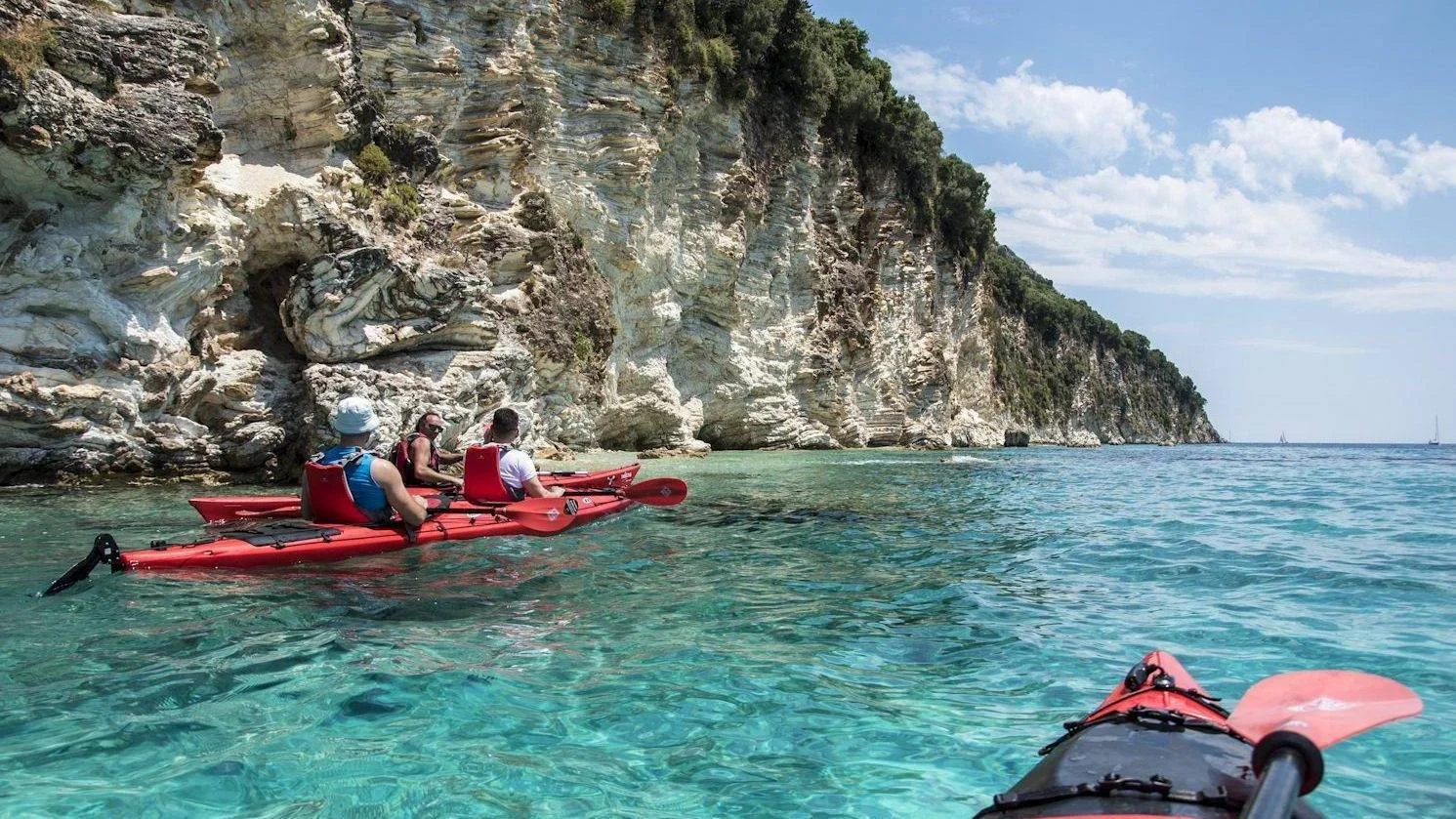
Kayaking Sea kayaks can be hired for self-guided exploration of the coastline. The cliffs and small coves east of the bay are accessible by paddle in calm conditions and offer a different perspective of the landscape.
Scuba diving Several dive centres operate from Plakias, taking advantage of the clear water and the underwater topography along the south Rethymno coast. There are sites suitable for beginners as well as more technical dives. The visibility in the Libyan Sea is consistently good through the summer months.
Hiking the gorges The Kourtaliotis Gorge begins a few kilometres east of Plakias and leads north through a dramatic limestone canyon. It is a serious hike rather than a gentle stroll, but the canyon walls and the river that runs through it in spring make it one of the more striking walks in this part of Crete. The Kotsifou Gorge, to the west, is accessible by road and can be explored on foot.
Day trips Plakias is well placed for excursions. Preveli Beach, with its palm-lined river delta, is roughly 10 km east along the coast. The Amari Valley, one of the most traditional and least-visited inland valleys in Crete, is accessible to the north. Agia Galini, another south-coast resort with a small harbour, is to the west.
Boat Tours and Sea Excursions
The boat trip side of Plakias is one of its more underrated features. Several operators run organised excursions from the beach or from the small jetty at the edge of the village, and the destinations are genuinely worth the time.
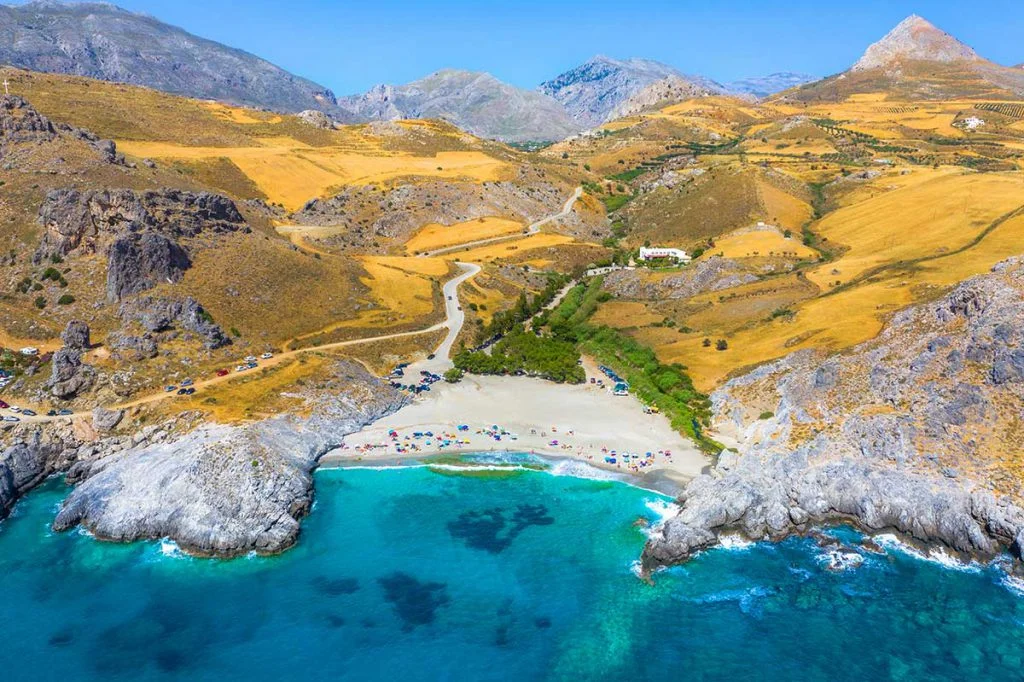
The most popular route goes east to Preveli Beach, which cannot be reached easily by road from Plakias without a longer drive. By boat the journey takes around 30 to 40 minutes and drops passengers at the beach for a few hours before returning. Preveli is famous for its freshwater river, the palm grove that meets the sea, and the gorge that runs inland behind it. Arriving by boat rather than with the road-access crowds from the north means a meaningfully quieter experience, particularly in the morning.
Other boat routes follow the coast toward the sea caves and rock formations west of the bay, or head further toward Damnoni and Ammoudi, two smaller coves that are more difficult to reach by land. Half-day and full-day formats are both available, usually with swimming stops at two or three points along the way.
Private boat hire is also possible for groups wanting more flexibility over timing and route. The south coast between Plakias and Agia Galini is largely undeveloped and makes for a good afternoon of slow coastal travel.
Food, Bars and Tavernas
The main eating strip in Plakias runs along the seafront and the parallel road just behind it. The quality is generally solid rather than exceptional. This is not a destination you come to for gastronomy, but there is enough variety and enough good cooking to eat well for a week without repeating yourself.
The most consistent recommendation among regulars is to look for places that serve fresh fish, which comes in daily from the local boats. Grilled octopus, fried whitebait and whatever whole fish is written on the chalkboard tend to be more reliable than any dish that appears on a laminated menu with photographs.
A few spots worth knowing about:
Taverna Christos at the western end of the seafront has been around long enough to have earned a local reputation. It is not fancy, the seating spills onto the road, and that is entirely the point.
Lissos and Sofia are both reliable for standard Cretan cooking, mezedes, dakos, slow-cooked lamb and local wine by the jug.
For a morning coffee or an afternoon drink, the cluster of small cafes near the main junction in the village are more comfortable than the beach bar setups. The pace is slower and the coffee is better.
Weather and Best Time to Visit
Plakias has the south Cretan climate, which means hotter and drier than the north coast, with more reliable summer sun and a longer warm season. July and August are the hottest months, with average highs around 30 to 33°C and very little rain. The sea temperature peaks in late August and stays warm well into October.
May and June are the best months for hiking and sightseeing. The landscape is still green from the spring rains, the temperatures are comfortable for walking, and the beach is usable without the August crowds.
September and October are arguably the ideal beach months. The water is at its warmest, the tourist numbers have dropped, and the light in the afternoons is noticeably softer. Many of the tavernas and boat operators continue through October.
July and August work if you want guaranteed beach weather and a livelier village atmosphere, but book accommodation early. The village fills up, and prices reflect it.
Winter is quiet. Most accommodation and many restaurants close between November and March.
Getting There
Plakias is approximately 40 km south of Rethymno town by road, a drive of around 40 to 50 minutes depending on traffic. The route heads south through the Kourtaliotis Gorge, which is scenic and worth taking slowly.
By car: This is the most practical option. Hiring a car in Heraklion or Rethymno and driving down gives you the flexibility to reach the gorges, nearby beaches and inland villages. The road is well maintained but has curves through the gorge section.
By bus: KTEL operates a bus service from Rethymno to Plakias. Services run a few times daily in summer, less frequently in the shoulder season. The journey takes roughly an hour. Check current timetables before travelling as schedules shift by season.
By ferry: There is no regular ferry service directly to Plakias. The main entry ports for Crete are Heraklion and Chania, both of which are connected to Piraeus by overnight ferries.
From Heraklion airport: Allow approximately 1 hour 30 minutes by car, taking the E75 motorway west toward Rethymno before heading south.
Where to Stay
Accommodation in Plakias is mostly small-scale. There are no large resort hotels. The options run from basic studios and apartments rented directly by local families to small boutique hotels and a few apartment complexes with pools.
Plakias Bay Hotel is one of the more established options in the village, with sea-view rooms and direct access to the beach area. It suits those who want to be central without hunting for somewhere to eat or swim.
Alianthos Beach Hotel sits slightly east of the main village, near the Damnoni end of the coast, and offers a quieter setting with a pool.
For self-catering, studios and apartments are widely available and often better value than hotel rooms. Several complexes are set back from the beach by a few hundred metres but close enough to walk in under five minutes.
Camping is also possible. Plakias Youth Hostel has operated here for decades and remains a low-cost option that attracts younger travellers and hikers.
Booking ahead is essential in July and August. In May, June, September and October, last-minute availability is usually possible.
Nearby Attractions
Preveli Beach Around 10 km east of Plakias, this is probably the most famous beach on the south coast of Crete. A freshwater river runs through a gorge and meets the sea through a palm grove. It is heavily visited in peak season but genuinely striking.
Damnoni and Ammoudi Two small coves just east of Plakias, both accessible by road or boat. Damnoni has a taverna and some organised facilities. Ammoudi is smaller and quieter.
Kourtaliotis Gorge The limestone canyon between Plakias and Rethymno is worth stopping in rather than just driving through. There is a chapel, Agios Nikolaos, built into the rock face above the river, and the walls of the gorge rise steeply on both sides.
Kotsifou Gorge West of Plakias, this gorge is shorter than Kourtaliotis but dramatic. The road through it connects Plakias to the village of Spili and the wider Rethymno hinterland.
Spili A traditional village in the hills above Plakias, best known for its Venetian fountain with 25 lion heads. Worth a stop for coffee and a walk around the square.
Agia Galini A small fishing harbour further west along the south coast. More developed than Plakias, with a compact old town and a good selection of tavernas. Reachable by car in around 30 minutes or by boat on longer excursions.
The Amari Valley Inland from Rethymno, this agricultural valley is one of the quieter corners of Crete. Traditional villages, Byzantine churches and views of Psiloritis make it a good half-day drive from Plakias.
Things to do nearby
Book a guided experience in this area
Related Articles
Continue exploring Crete
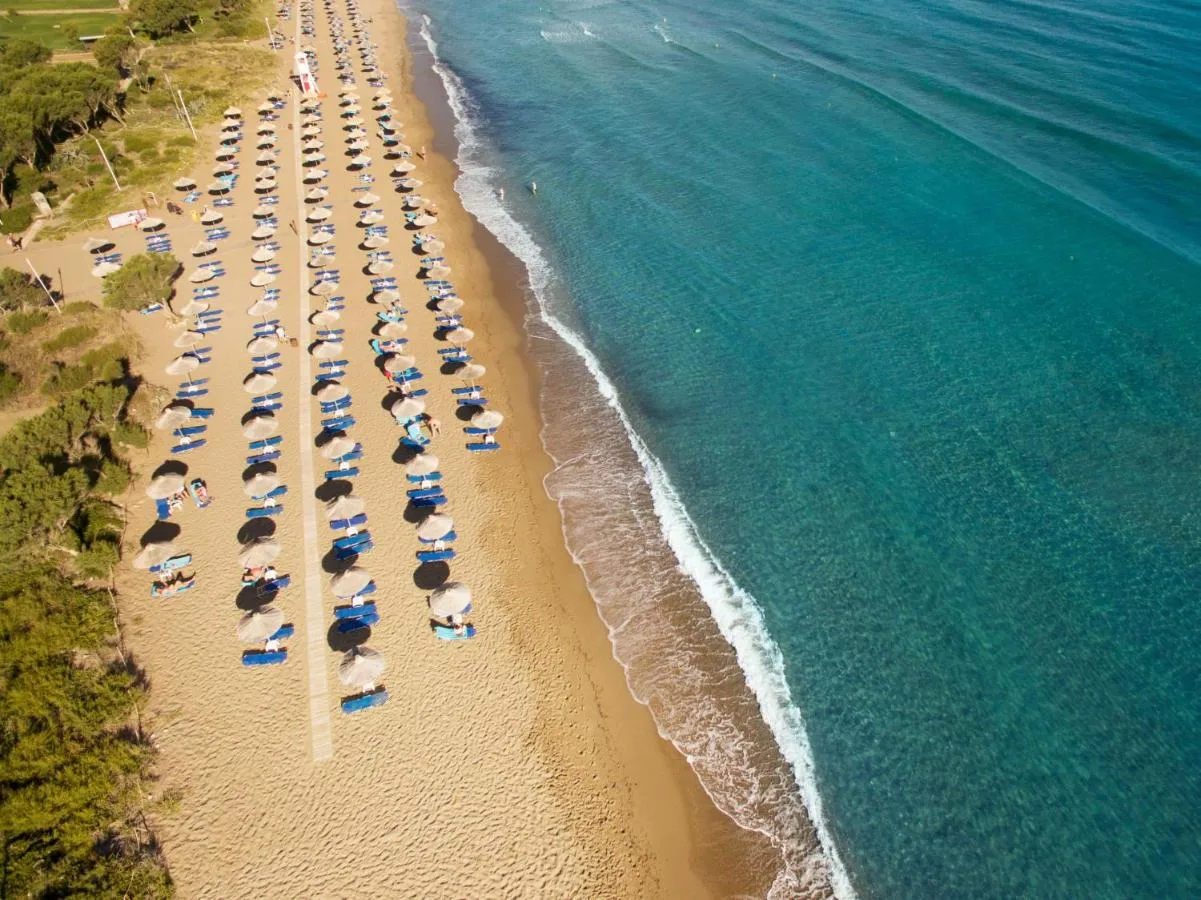
Ammoudara Beach Heraklion: Complete Visitor Guide
Ammoudara Beach combines a long sandy coastline with easy access to Heraklion city. Organised sections, water sports and beachfront restaurants make it a practical base for families, couples and active travellers. This guide covers swimming conditions, the best parts of the beach, transport and experiences around Ammoudara Heraklion.
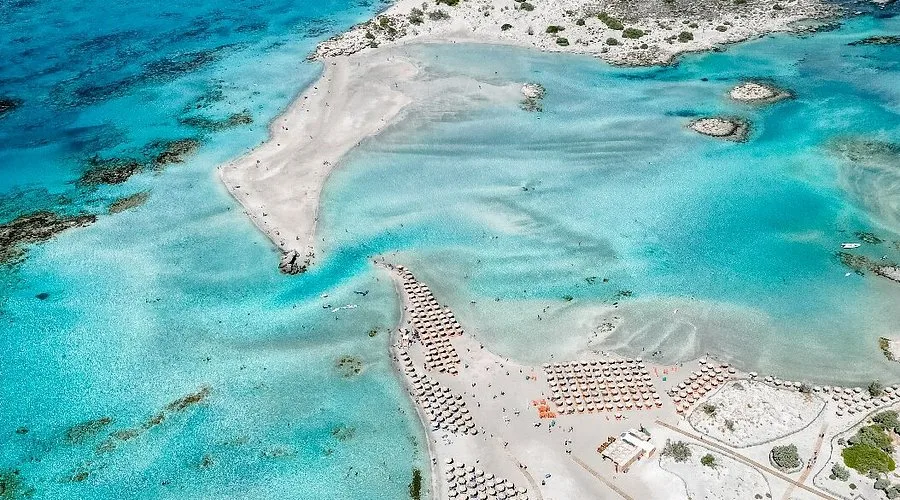
Elafonisi Beach Crete: Is the Pink-Sand Lagoon Worth the Drive?
Elafonisi Beach is one of Crete's most talked-about day trips, known for its pink-sand look, shallow water, and long drive on the island's southwest coast. It is the kind of beach people ask about before they book, because the journey, timing, and access all affect the experience. This guide answers the common questions and helps you decide whether Elafonisi is worth the effort.
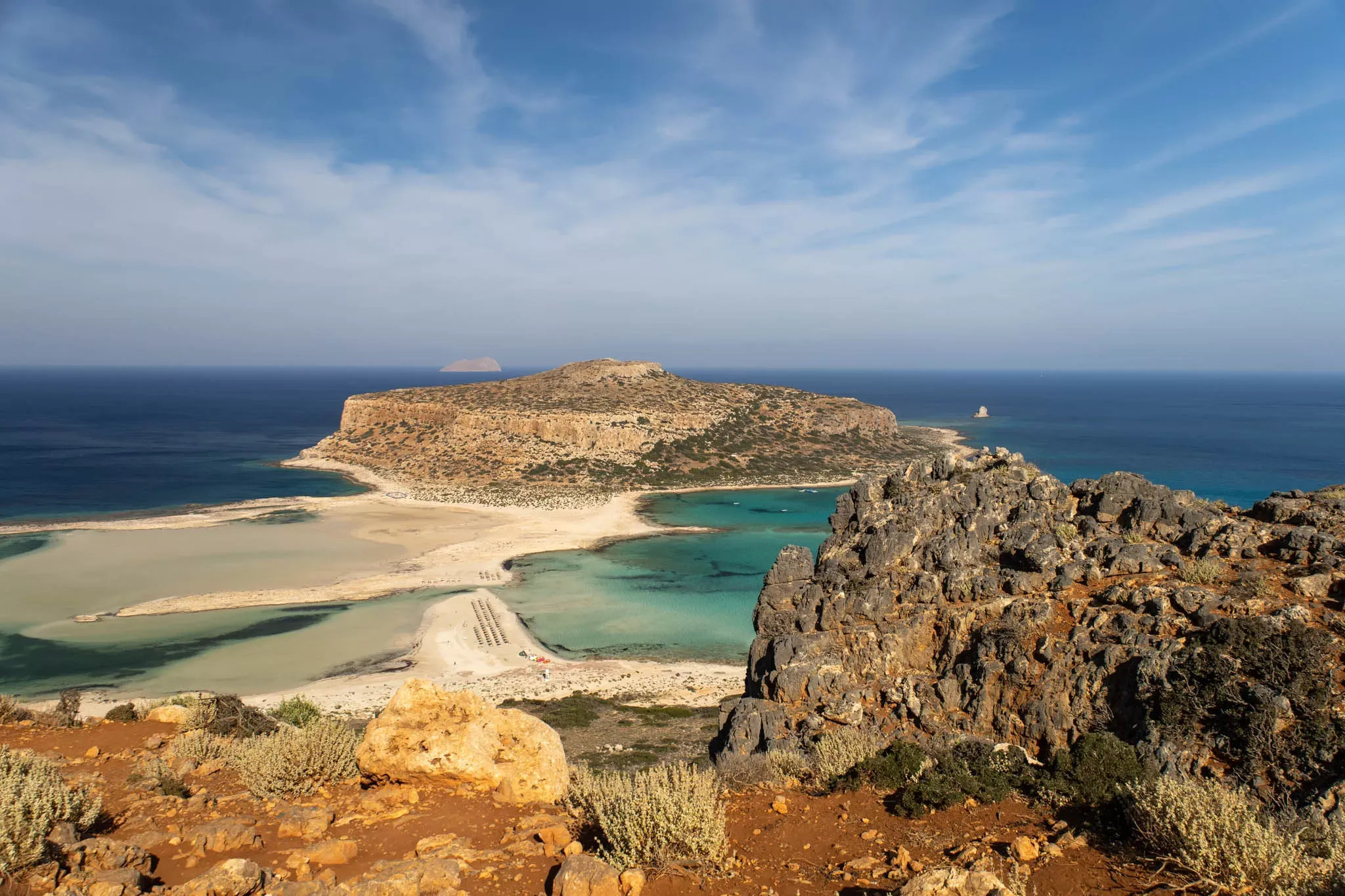
Balos Beach, Crete: The Complete Guide to the Lagoon, the Walk, and Getting There
Balos Beach is one of Crete's most photographed places, with shallow turquoise water, pale sand, and a lagoon setting that feels far removed from the island's busier resorts. It is famous, but getting there still takes planning, especially if you want to avoid the worst heat, crowds, or the wrong footwear. This guide covers the practical details travelers ask most often, plus what makes Balos different from other famous beaches in Crete.
Let Crete come to you
Sign up to get authentic stories, travel tips, and new experiences
By entering my email, I agree to receive marketing notifications from travel & do.