 Back to blog
15 Hidden Gems in Crete: Secret Villages, Beaches and Gorges Away from the Crowds
On this page
- Quick Summary
- What Makes a Hidden Gem in Crete?
- Secret Villages Worth Visiting
- 1. Theriso
- 2. Margarites
- 3. Archanes
- 4. Kritsa
- 5. Myrtos
- Hidden Beaches Away from the Crowds
- 6. Kalypso Beach
- 7. Agiofarago Beach
- 8. Marmara Beach
- 9. Xerokampos
- 10. Kouremenos' Lesser-Known Neighbours
- Dramatic Gorges and Natural Landscapes
- 11. Theriso Gorge
- 12. Richtis Gorge
- 13. Valley of the Dead
- 14. Katharo Plateau
- 15. Aposelemis Canyon Viewpoints
- Hidden Archaeological Sites
- Food, Tavernas and Local Life
- Best Time to Visit Crete's Hidden Gems
- Getting Around
- Suggested Hidden Gems Route
- Final Thoughts
Quick Summary
Discover lesser-known villages, beaches, gorges and archaeological sites across Crete.
Explore places that offer a quieter alternative to the island's busiest attractions.
Find hidden gems in western, central and eastern Crete.
Combine nature, local culture and history in the same trip.
Most locations are accessible by car and can be visited as day trips.
What Makes a Hidden Gem in Crete?
When people talk about hidden gems in Crete, they rarely mean places that are completely unknown. Crete is one of Greece's most visited islands, and very few locations remain secret.
Instead, hidden gems are the places that sit outside the usual tourist circuit. They are villages where everyday life continues at its own pace, beaches that require a little extra effort to reach, gorges that receive only a fraction of the visitors seen at Samaria, and archaeological sites where you may spend an hour without encountering a large group.
The real appeal of these places lies in contrast. They show a different side of Crete, one that feels slower, quieter and often more authentic than the island's headline attractions.
Secret Villages Worth Visiting
1. Theriso
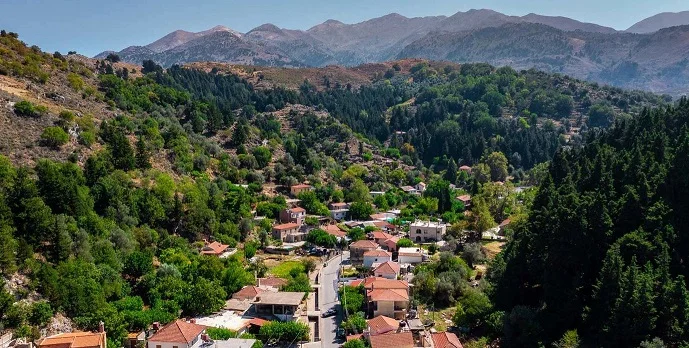
Located southwest of Chania, Theriso sits at the end of one of the most beautiful drives in western Crete. The road passes through the dramatic Theriso Gorge before reaching the village.
Stone houses, traditional tavernas and a strong connection to Cretan history give Theriso a distinct identity. The village played an important role in the political movements of Eleftherios Venizelos and remains one of the most historically significant mountain settlements on the island.
2. Margarites
In the hills of Rethymno lies Margarites, one of Crete's best-known pottery villages. Despite its reputation among locals, it remains overlooked by many international visitors.
Walking through its narrow streets reveals workshops where pottery traditions have continued for generations. Small courtyards, old churches and family-run cafés make it a rewarding stop for travelers interested in local culture.
3. Archanes
Just outside Heraklion, Archanes often surprises visitors who expect only vineyards and agricultural land.
The village combines elegant architecture, wine culture and access to important archaeological sites. It is one of the best places to experience rural Crete without traveling deep into the mountains.
🔗 If wine tourism interests you, explore our guide to Cretan wineries and vineyard experiences.
4. Kritsa
Located in Lasithi, Kritsa is one of the oldest villages in Crete. Whitewashed houses climb the hillside while traditional craft shops and local cafés line the winding streets.
Kritsa is also an excellent base for exploring nearby historical and natural attractions, making it one of eastern Crete's most rewarding village destinations.
5. Myrtos
On the southern coast, Myrtos remains one of the island's most relaxed seaside villages. Unlike many resort towns, it retains a distinctly local atmosphere.
The waterfront is lined with small tavernas, and the surrounding mountains create a dramatic backdrop. Visitors often arrive for a few hours and end up staying much longer.
Hidden Beaches Away from the Crowds
Crete has hundreds of beaches, but some of the most memorable are the ones that require a little effort to reach.
6. Kalypso Beach
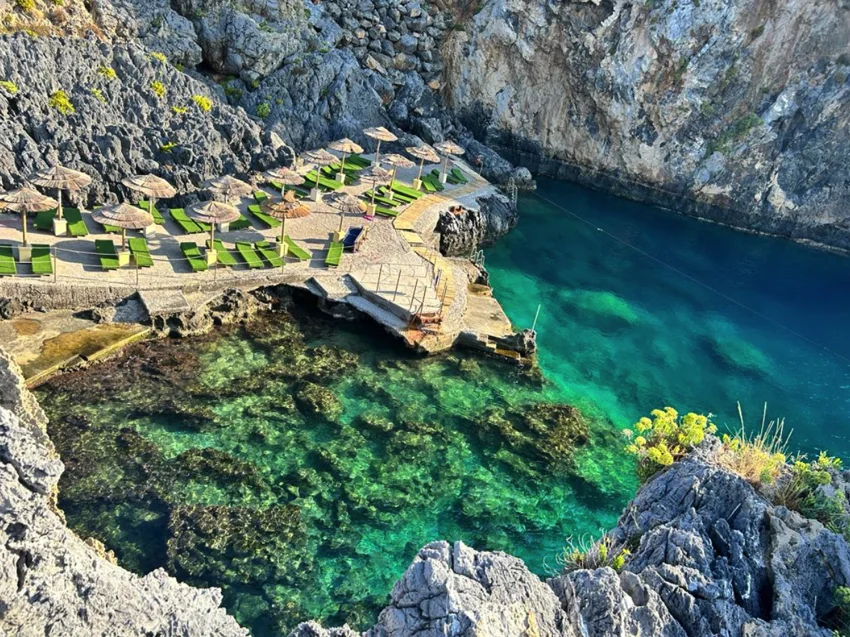
Few places look as dramatic as Kalypso Beach near Plakias. Surrounded by steep cliffs, the small cove resembles a natural fjord carved into the coastline.
The deep blue water attracts swimmers and divers, while the surrounding rock formations create one of the most striking landscapes in southern Crete.
7. Agiofarago Beach
Reaching Agiofarago Beach is part of the experience. Visitors walk through a gorge before emerging onto a secluded beach framed by cliffs.
The combination of hiking, dramatic scenery and crystal-clear water makes it one of southern Crete's most rewarding destinations.
8. Marmara Beach
Accessible mainly by boat or via a hike from Loutro, Marmara Beach remains one of the hidden highlights of the southwest coast.
Its name comes from the marble formations surrounding the cove. The water reflects shades of turquoise and deep blue depending on the sunlight.
9. Xerokampos
Eastern Crete is home to some of the island's quietest coastlines, and Xerokampos is perhaps the best example.
A collection of beaches rather than a single shoreline, Xerokampos offers clear water, wide views and significantly fewer visitors than northern resort areas.
10. Kouremenos' Lesser-Known Neighbours
Many visitors know Kouremenos Beach for windsurfing, but few continue beyond it to explore the quieter coves scattered along the eastern coastline.
These smaller beaches provide a sense of isolation that has become increasingly difficult to find elsewhere on the island.
Dramatic Gorges and Natural Landscapes
While Samaria Gorge attracts global attention, Crete has dozens of lesser-known routes that offer equally impressive scenery.
11. Theriso Gorge
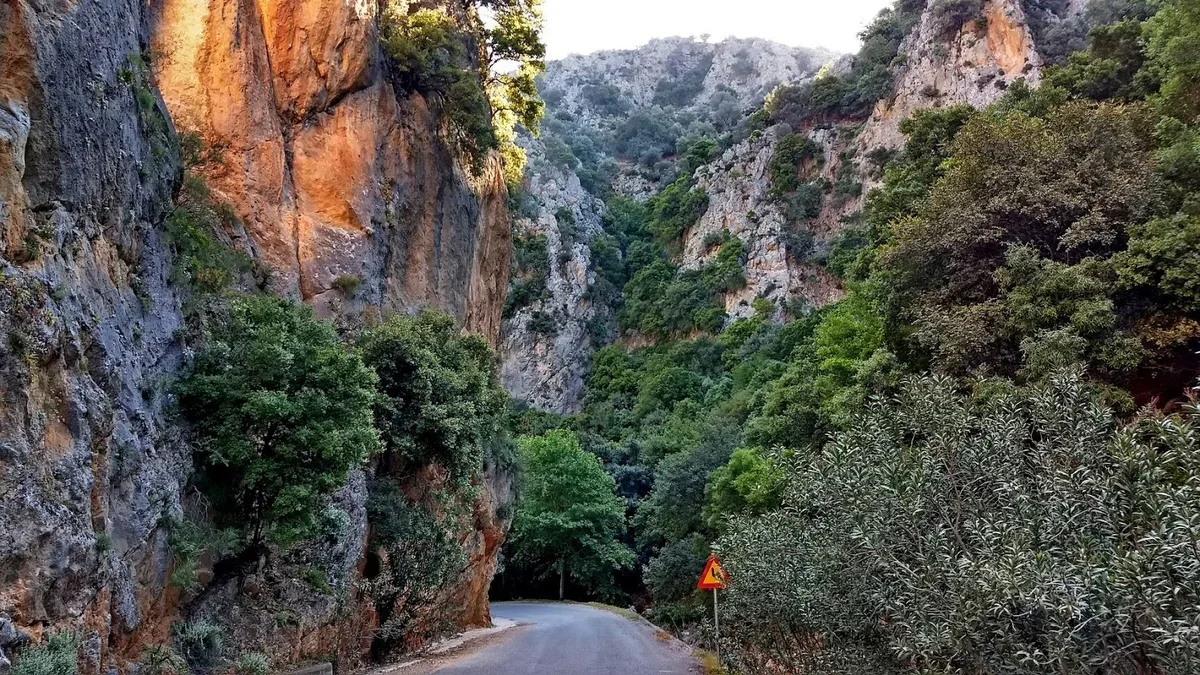
The drive through Theriso Gorge is one of the most impressive road journeys in western Crete.
Vertical cliffs rise dramatically on either side of the road, creating a landscape that feels far removed from the beaches that dominate most visitors' itineraries.
The gorge works particularly well as part of a day trip that includes both Chania and Theriso Village.
12. Richtis Gorge
Hidden in eastern Crete, Richtis Gorge combines waterfalls, lush vegetation and shaded walking trails.
Unlike many of Crete's drier landscapes, Richtis feels surprisingly green. The route eventually reaches a beautiful waterfall that serves as the highlight of the hike.
13. Valley of the Dead
The Valley of the Dead near Zakros is one of Crete's most unusual landscapes.
Its name comes from the Minoan burial caves found in the cliffs above the gorge. Walking through the valley combines natural beauty with archaeological significance, creating a unique experience that few visitors forget.
14. Katharo Plateau
While many travelers visit the Lasithi Plateau, far fewer continue to Katharo Plateau.
Surrounded by mountains and used primarily for agriculture and grazing, the plateau offers a glimpse into a more traditional side of Crete. During spring and early summer, wildflowers cover large parts of the landscape.
15. Aposelemis Canyon Viewpoints
The area surrounding Aposelemis Canyon provides some of central Crete's most impressive viewpoints.
Depending on water levels and seasonal conditions, the landscape changes dramatically throughout the year, making each visit slightly different.
Hidden Archaeological Sites
Many travelers focus exclusively on Knossos, but Crete's archaeological heritage extends far beyond its most famous palace.
One of the advantages of exploring lesser-known sites is the atmosphere. Instead of navigating large crowds, visitors can take their time and appreciate the landscape surrounding the ruins.
The area around Zakros offers excellent examples of this experience. The combination of archaeological remains, traditional villages and natural scenery creates a richer understanding of eastern Crete's history.
Food, Tavernas and Local Life
One of the biggest rewards of visiting Crete's hidden gems is the opportunity to experience local food culture away from heavily touristic areas.
Mountain villages often serve dishes based on seasonal ingredients, local cheeses, olive oil and meat sourced from nearby farms.
In places like Theriso, Kritsa and Margarites, meals tend to feel more connected to local traditions. Family-run tavernas remain central gathering places, and many recipes have been passed down through generations.
Fresh vegetables, handmade pies, grilled meats and local wine frequently appear on menus, often at prices lower than those found in major tourist centers.
🔗 Discover traditional Cretan food experiences and village tavernas across the island.
Best Time to Visit Crete's Hidden Gems
Spring and autumn are generally the best seasons for exploring Crete's lesser-known destinations.
From April to June, wildflowers cover many mountain areas, temperatures remain comfortable and hiking conditions are excellent.
September and October provide warm sea temperatures while avoiding the peak summer crowds.
Summer remains suitable for beach-focused exploration, although some hidden locations have become more popular in recent years.
Winter offers a completely different perspective, particularly in mountain villages where local life continues long after seasonal tourism slows down.
Getting Around
A rental car is the easiest way to discover Crete's hidden gems.
Many of the locations listed here are accessible by public transport, but schedules may be limited and connections can be time-consuming.
Having your own vehicle allows you to combine famous attractions with quieter stops, creating a more balanced itinerary.
A useful strategy is to visit one major attraction in the morning and spend the afternoon exploring a nearby hidden gem.
Suggested Hidden Gems Route
If you have one week in Crete, consider splitting your trip between regions:
Western Crete
Theriso
Theriso Gorge
Marmara Beach
Central Crete
Archanes
Margarites
Aposelemis viewpoints
Eastern Crete
Kritsa
Richtis Gorge
Valley of the Dead
Xerokampos
This approach allows you to experience different landscapes while avoiding the feeling of rushing between attractions.
Final Thoughts
The best hidden gems in Crete are not necessarily the most remote or difficult places to reach. Their appeal comes from offering a different perspective on the island.
A quiet village café, a secluded beach reached after a short hike, or a gorge where you hear nothing but the wind can become the moments that define a trip far more than a famous landmark.
Crete's popularity is well deserved, but some of its most memorable experiences still lie beyond the main tourist routes. The travelers who take the time to explore these quieter corners often leave with a deeper understanding of what makes the island special.
Related Articles
Continue exploring Crete
One Day in Heraklion: The Complete Itinerary for Crete's Capital
Most visitors get exactly one day in Heraklion, and most of them spend it queuing at Knossos in the worst of the afternoon heat. It does not have to go that way. This is the order we would put the day in — the palace first thing, the Old Town on foot while the shade still favours you, the museum indoors when the sun is at its worst, and the Venetian harbour at the end. Every time and price below comes from our own booking calendar, so you can plan the day around what is genuinely running rather
Cretan Red Wine: The Grapes, the Blends and What the Label Hides
Crete's red wines are easier to enjoy than to read. The island's leading red grape is almost never named on the front of a bottle, the two appellations built on it print no recipe at all, and the most confident Englishlanguage writing about Cretan wine repeats three claims that Greek planting and appellation records flatly contradict. This is the grapebygrape, labelbylabel version: what the four native reds taste like, why they are blended rather than bottled alone, what a PDO and a PGI
Venetian Fortresses of Crete: History and Visitor Guide
The Venetian fortresses of Crete still guard harbours, hilltops and remote islands across the coast. Some have become city landmarks, while others require a boat journey or a steep walk to reach their walls. This guide covers their history, the best fortresses to visit and how to include them in a trip around Crete.
Let Crete come to you
Sign up to get authentic stories, travel tips, and new experiences
By entering my email, I agree to receive marketing notifications from travel & do.