 Back to blog
Agia Pelagia Beach, Crete: What to Know Before You Go
On this page
Quick Summary
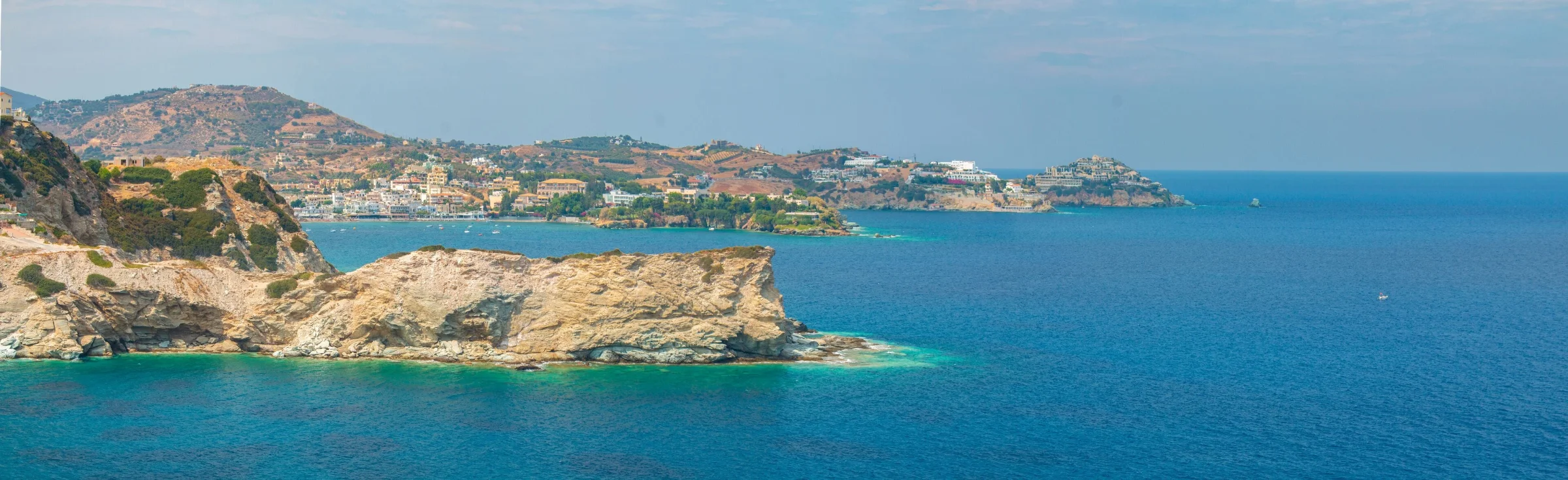
Agia Pelagia Beach sits about 20 km west of Heraklion in a sheltered bay on Crete's north coast.
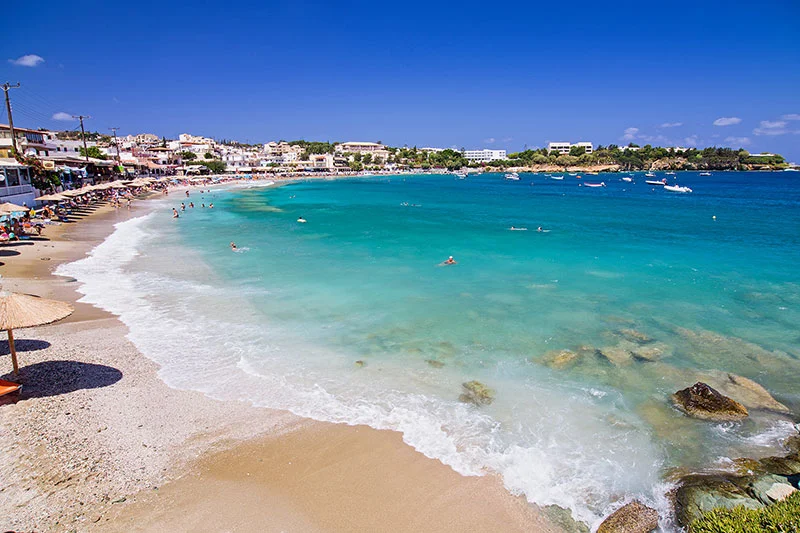
The main beach is sandy with scattered pebbles and is protected from strong summer winds, which often keeps the sea calmer than nearby open-coast beaches.
The area includes a main beach, a small cove next to it, and several nearby beaches: Lygaria, Mades, Mononaftis, Psaromoura, and Fylakes.
Agia Pelagia has a long local history, with references to the Venetian period, earlier port activity, and archaeological interest linked to ancient Apollonia.
It is a practical choice for visitors who want swimming, easy food options, and a base with regular bus connections to Heraklion.
What Is Agia Pelagia
Agia Pelagia is a seaside settlement and beach area on the north coast of Crete, within the Municipality of Malevizi in the Heraklion region. It grew from a small coastal village into a developed resort with hotels, tavernas, cafes, bars, taxis, and regular bus services. The beach is reached from the village center, so the whole place feels like a compact coastal destination rather than an isolated strip of sand.
What makes it useful for travelers is the balance between convenience and scenery. You can arrive from Heraklion without much effort, swim in relatively sheltered water, and still have food and accommodation close by. That combination is exactly why Agia Pelagia keeps appearing in destination searches for Crete.
The Sheltered Bay
The defining feature of Agia Pelagia Beach is its protected bay shape. The main beach is sheltered by Cape Souda, which reduces the impact of the north winds and makes the sea more visitor-friendly in summer. That is a major reason the beach works well for relaxed swimming, especially for travelers who want calmer water without going far from Heraklion.
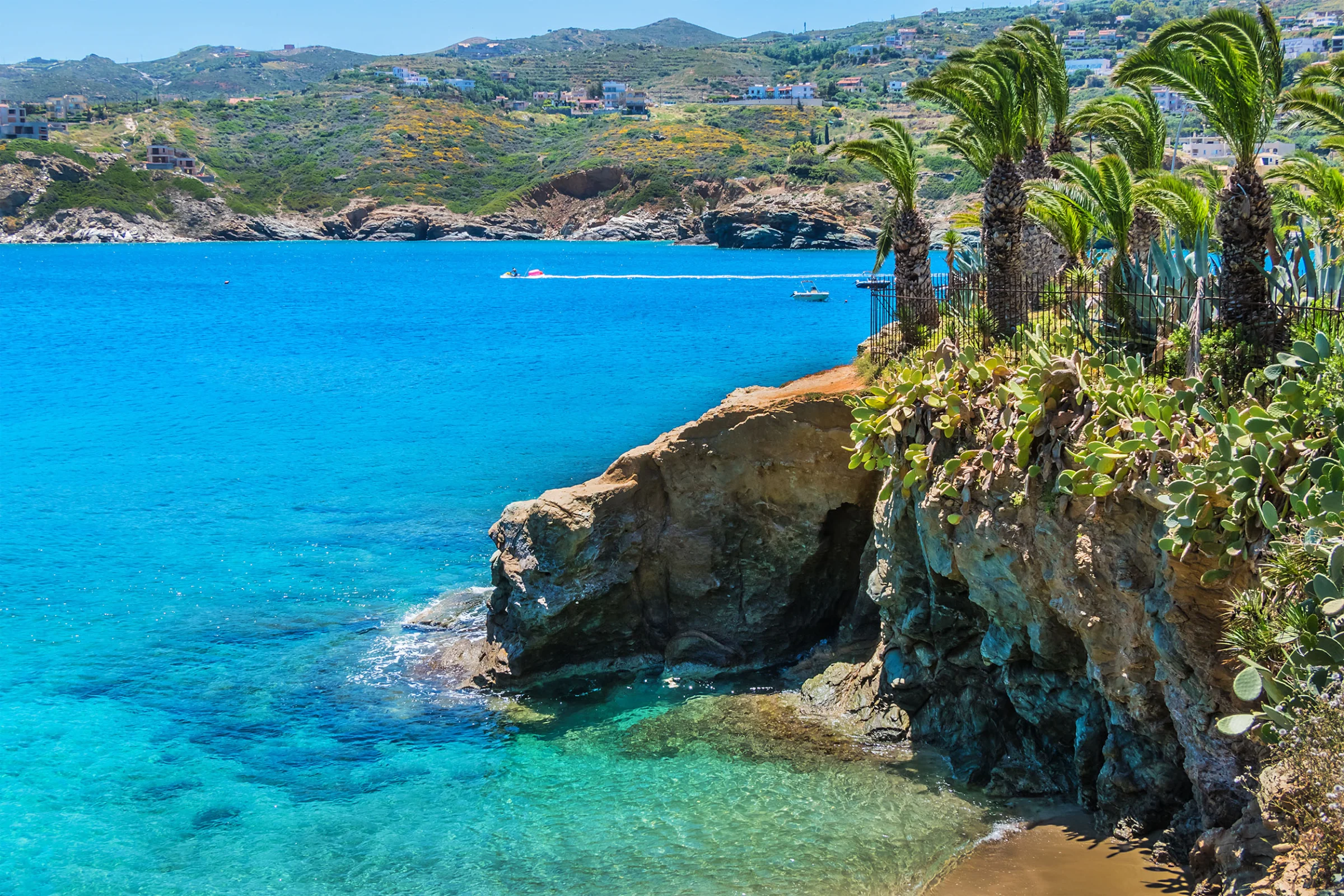
It is also a beach area with layers. The main beach is the obvious first stop, but next to it sits a smaller sandy cove reached by footpath or by sea, and beyond that are several other coves and beaches that give the area more variety than a typical single-beach resort.
History & Identity
Agia Pelagia has more than a resort identity. The area is linked to a former monastery and a chapel that gave the settlement its name, and local tradition connects the church of Agia Pelagia to the discovery of an icon. Another recurring historical thread is the Venetian period, when Agia Pelagia is described as one of the more significant ports in the region.
Archaeological references strengthen the place's identity further. The area has produced finds from the Minoan and Roman periods, and nearby remains are associated with ancient Apollonia and the port area around Cape Souda. That mix of bathing spot, religious landmark, and ancient coastal history gives Agia Pelagia a stronger sense of place than many beaches on the island.
Things To Do
Swim at the main beach. The main beach is the first reason most people come here. Sandy sections, scattered pebbles, and generally calm conditions when the sea is protected by the bay make it a reliable choice for a full day in the water.
Walk to the small cove. A smaller sandy cove sits next to the main beach and can be reached by a footpath starting near the chapel, or by swimming around from the main shore. It is quieter, and worth the short detour.
Explore nearby beaches. Lygaria, Mades, Mononaftis, Psaromoura, and Fylakes all sit close enough for a half-day beach hop, adding scenery and variety to a stay in the area. Fylakes is described as particularly attractive.
Eat at the waterfront tavernas. The coastline is lined with restaurants, cafes, and bars, so Agia Pelagia is easy to combine with lunch, sunset drinks, or a long evening meal without moving far.
Look for the historical traces. The chapel, the monastery references, and the connections to ancient port activity make the beach more interesting than a simple sun-and-swim stop, if that kind of context matters to you.
Use it as a base. Because it is close to Heraklion and connected by bus, Agia Pelagia works well for a short coastal stay or as a launching point for day trips along the north coast.
The Main Beach in Detail
The main beach of Agia Pelagia is the area's longest stretch of sand, with sources putting its length at around 450 to 521 metres. It is not a vast beach, which is part of why the place feels compact and easy to navigate. You can step from the village to the water quickly and stay close to food, shade, and services throughout the day.
The surface is sandy with scattered pebbles, and the seabed changes in sections, with rocky patches and marine life in the surrounding waters. The bay shape is what matters most in summer. It keeps conditions calmer than more exposed north-coast beaches when the meltemi winds pick up, which makes Agia Pelagia a more dependable choice for families and anyone who dislikes rough water.
For many travelers, that is the clearest answer to whether Agia Pelagia is worth visiting. It is not the most dramatic or remote beach on Crete, but it is easy, scenic, and practical, and those three things count for a lot.
History & Archaeology
Agia Pelagia is not only about sunbathing. The area holds archaeological interest because of finds from the Minoan and Roman periods, and the nearby Cape Souda is linked to the ruins of the ancient port town of Apollonia. That is a significant piece of Cretan coastal history sitting just outside a beach resort, and it is rarely mentioned in typical travel coverage.
This history is woven into the setting rather than presented in a formal archaeological park. You are more likely to encounter it through the place names, the chapel above the beach, the monastery story, and the local traditions around the icon of Agia Pelagia. It adds texture without requiring a separate excursion.
Food, Bars & Tavernas
Agia Pelagia is a strong choice for people who want beach time alongside easy meals. The settlement has restaurants, cafes, and bars close to the seafront, which makes it more convenient than isolated beaches elsewhere on Crete. You can eat by the water, return for a late swim, and stay on for sunset drinks without changing areas or needing transport.
The food scene is part of the appeal rather than just an extra. Tavernas along the seafront serve the usual Cretan staples, fresh fish, grilled meats, and mezedes, alongside the kind of relaxed service that fits a beach town. Prices are in line with what you would expect from an established resort, which means neither bargain nor expensive.
Weather & Best Time to Visit
The beach is especially comfortable in summer because its orientation and bay shape offer some protection from the prevailing meltemi winds, which reduces stronger waves. That does not make it weather-proof, but it does make Agia Pelagia more dependable than many exposed beaches on the north coast.
The best time to visit is late spring, early summer, and September. The sea is warm, the worst peak-season pressure has eased, and the beaches nearby are less crowded. July and August are the busiest months, and the area fills up considerably. If a calmer experience matters more than peak heat, the shoulder months are the better choice.
Getting There
Agia Pelagia sits about 20 to 23 km west of Heraklion, depending on the route. It is around 25 km from Heraklion International Airport and roughly 23 km from the city's ferry port, which makes it one of the more convenient beach destinations to reach on Crete without a long transfer.
Regular bus service runs between Agia Pelagia and Heraklion, and taxis are available in the settlement. If you are traveling without a car, that detail matters more than the precise distance. The logistics here are simple enough for a short stay, and the connection to Heraklion means you are never far from a larger hub.
Where To Stay
Accommodation in Agia Pelagia ranges from hotels close to the water to options slightly uphill or along the edge of the settlement. The most convenient choice is to stay within walking distance of the main beach, which lets you move between swimming, meals, and evening walks without needing transport. That matters most for visits of one or two nights.
If a quieter atmosphere is the priority, look for lodging a little away from the busiest seafront stretch. The settlement is developed and busy in parts during high season, so your room choice will shape the overall feel of the stay. For anyone deciding whether Agia Pelagia works as a base rather than a day trip, it does, as long as you choose your accommodation with that in mind.
Nearby Attractions
The most obvious additions to a stay here are the beaches and coves nearby. Lygaria, Mades, Mononaftis, Psaromoura, and Fylakes create a natural mini-itinerary for anyone who wants variety without long drives. The small cove next to the main beach is the easiest detour, reachable on foot in a few minutes.
For a more historical angle, the chapel above the beach, the monastery references, and the ruins associated with the old port and ancient Apollonia bring a different dimension to the trip. That combination of beach, village, and heritage is what makes Agia Pelagia more than another stop on the Heraklion coast. It is compact enough to cover in a day and layered enough to justify a longer stay.
Things to do nearby
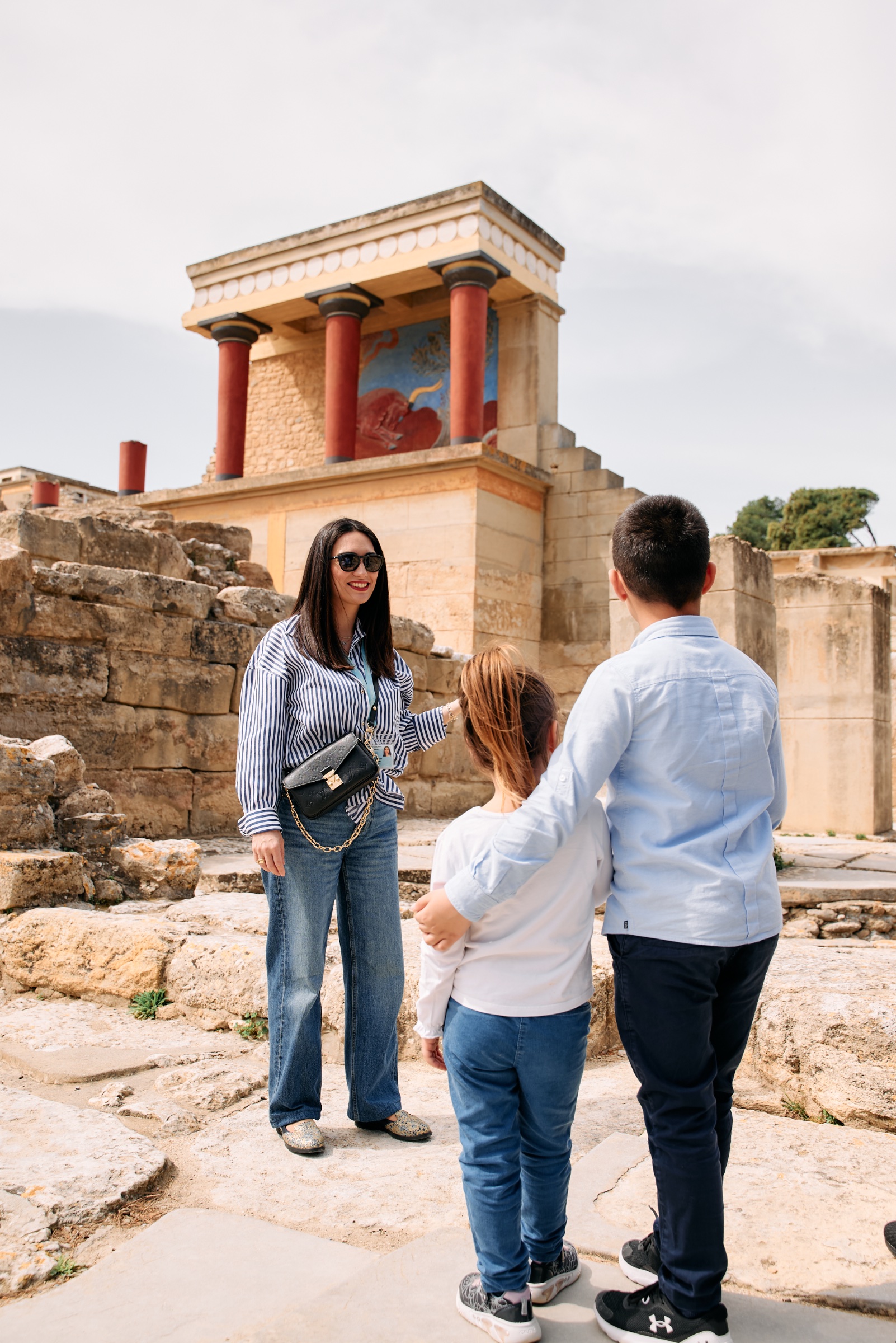
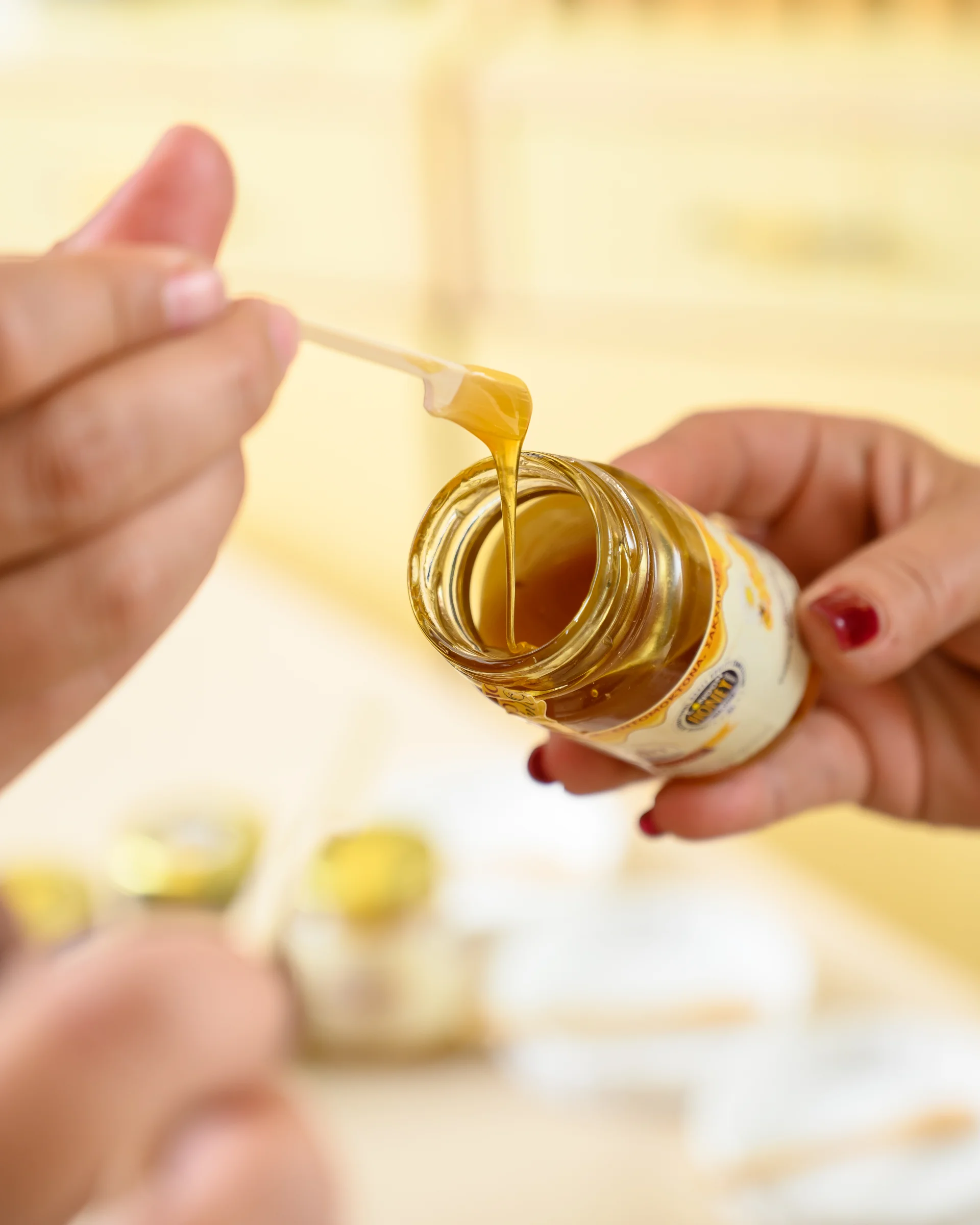
Book a guided experience in this area
Related Articles
Continue exploring Crete
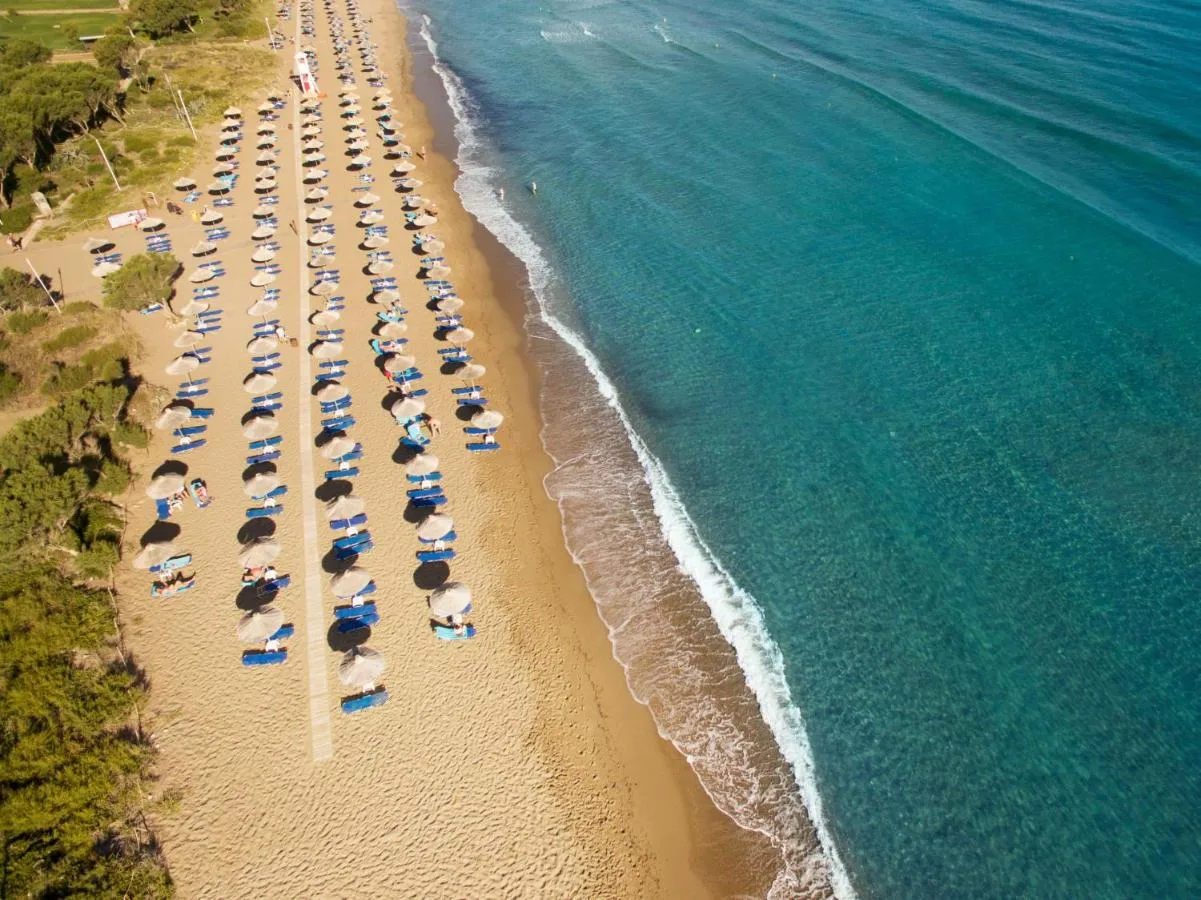
Ammoudara Beach Heraklion: Complete Visitor Guide
Ammoudara Beach combines a long sandy coastline with easy access to Heraklion city. Organised sections, water sports and beachfront restaurants make it a practical base for families, couples and active travellers. This guide covers swimming conditions, the best parts of the beach, transport and experiences around Ammoudara Heraklion.
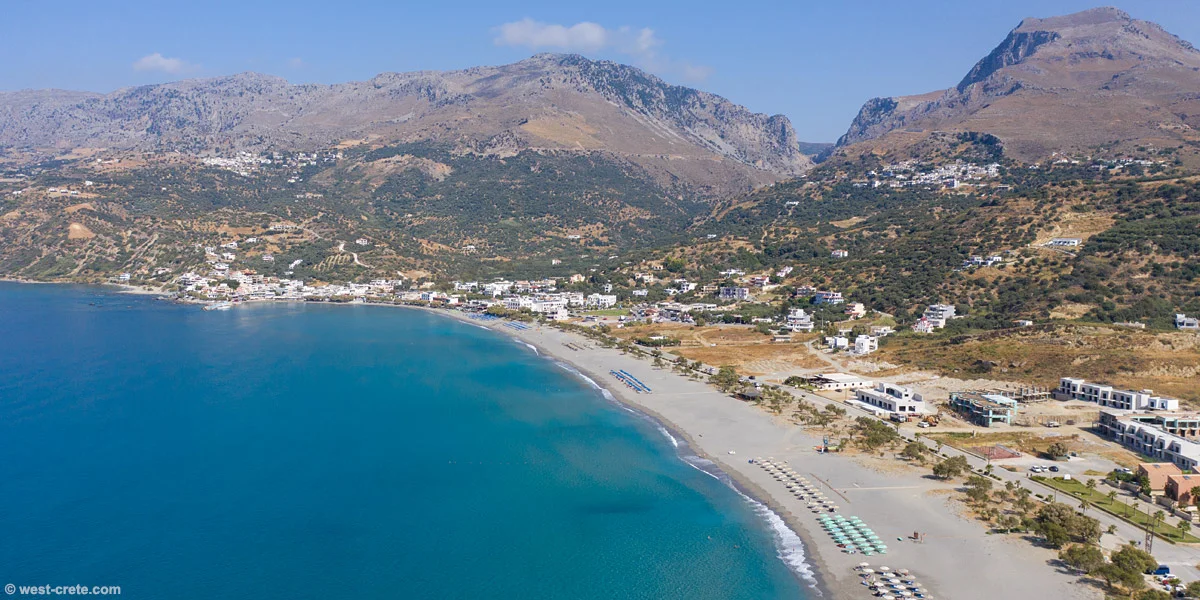
Plakias Beach: The Complete Guide to South Crete's Longest Bay
Plakias is one of the longest beaches in Crete, a 1.3 km stretch of grey-golden sand facing the Libyan Sea in the south of Rethymno. It holds a Blue Flag, offers a full range of water sports and organised facilities, and sits in a bay calm enough for families but open enough to attract windsurfers and divers. What makes it more interesting than most Cretan beach towns is that it also works as a genuine base. From here you can reach Preveli, the Kotsifou Gorge, and a string of quieter coves withi
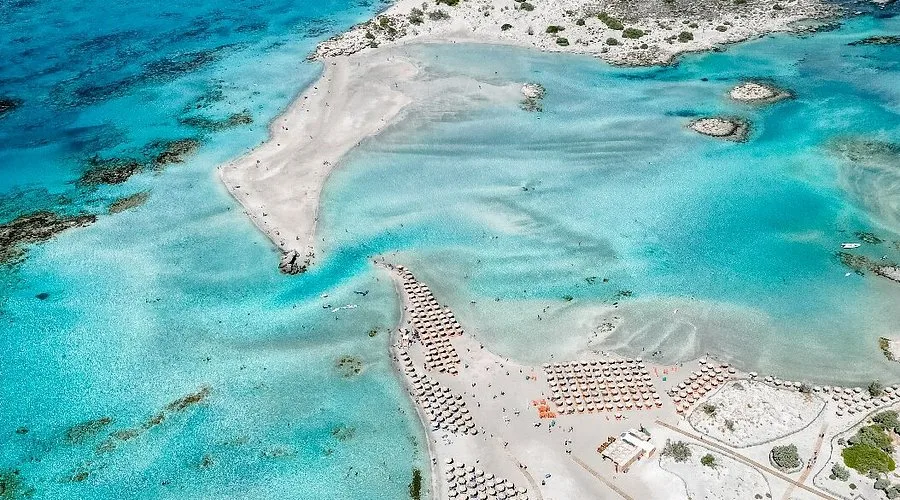
Elafonisi Beach Crete: Is the Pink-Sand Lagoon Worth the Drive?
Elafonisi Beach is one of Crete's most talked-about day trips, known for its pink-sand look, shallow water, and long drive on the island's southwest coast. It is the kind of beach people ask about before they book, because the journey, timing, and access all affect the experience. This guide answers the common questions and helps you decide whether Elafonisi is worth the effort.
Let Crete come to you
Sign up to get authentic stories, travel tips, and new experiences
By entering my email, I agree to receive marketing notifications from travel & do.