 Back to blog
Falassarna Beach: The Complete Guide to West Crete's Most Spectacular Sunset Shore
On this page
Quick Summary
Location: Northwest coast of Crete, approximately 52 km west of Chania
Nearest town: Kissamos, roughly 14 km away
Beach type: Wide sandy bay with several sections and smaller coves
Known for: Clear turquoise water, broad sand, west-facing sunsets, water sports
Water quality: Consistently clear, with strong annual ratings
Facilities: Sunbeds and umbrellas available on the main stretch, seasonal tavernas and beach bars
Water sports: Surfing, windsurfing, kitesurfing, paddleboarding
Nearby: Balos Lagoon, Gramvousa Island, Elafonissi Beach
Getting there: Car is the most practical option
Best time: May, June, September, October for a balance of weather and manageable crowds
What Falassarna Is
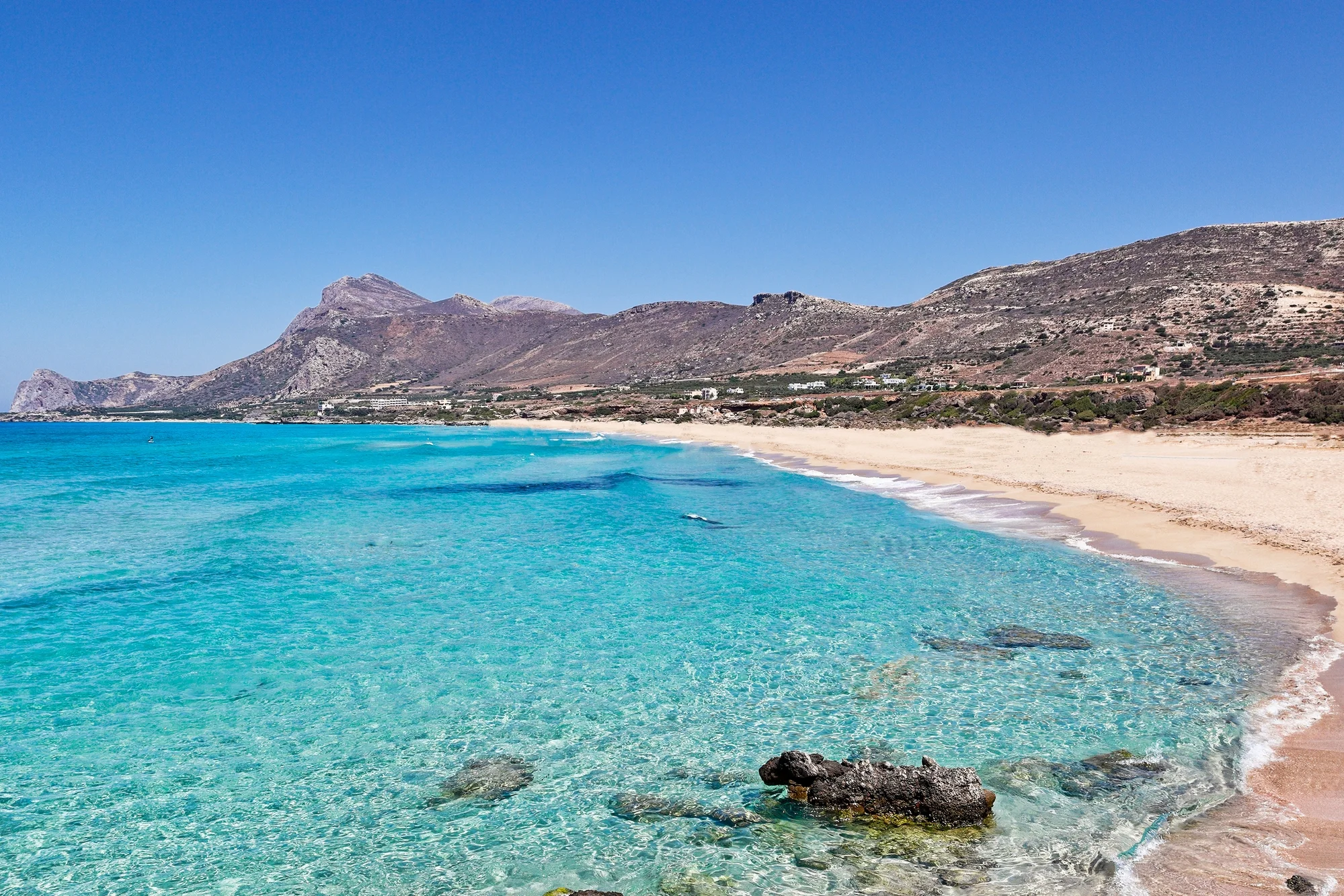
Falassarna is a coastal area on the far northwest edge of Crete, not a single strip of sand but a series of sandy sections spread along an open, west-facing shore. The main beach is the longest and best-known part, but the wider area includes smaller coves to the north and south, an archaeological site, and a landscape that feels markedly less developed than the beaches closer to Chania.
It sits at the end of a road that curves around the Gramvousa Peninsula, which means arriving here requires a deliberate decision. You do not pass through Falassarna on the way to somewhere else. That has kept it from becoming the kind of resort town that swallows its own coastline, and the beach is better for it.
The village itself is small. A handful of tavernas, some accommodation, a few places to rent water sports equipment. The beach is the settlement's entire reason for existing, and nothing about the infrastructure tries to compete with it.
The Defining Feature
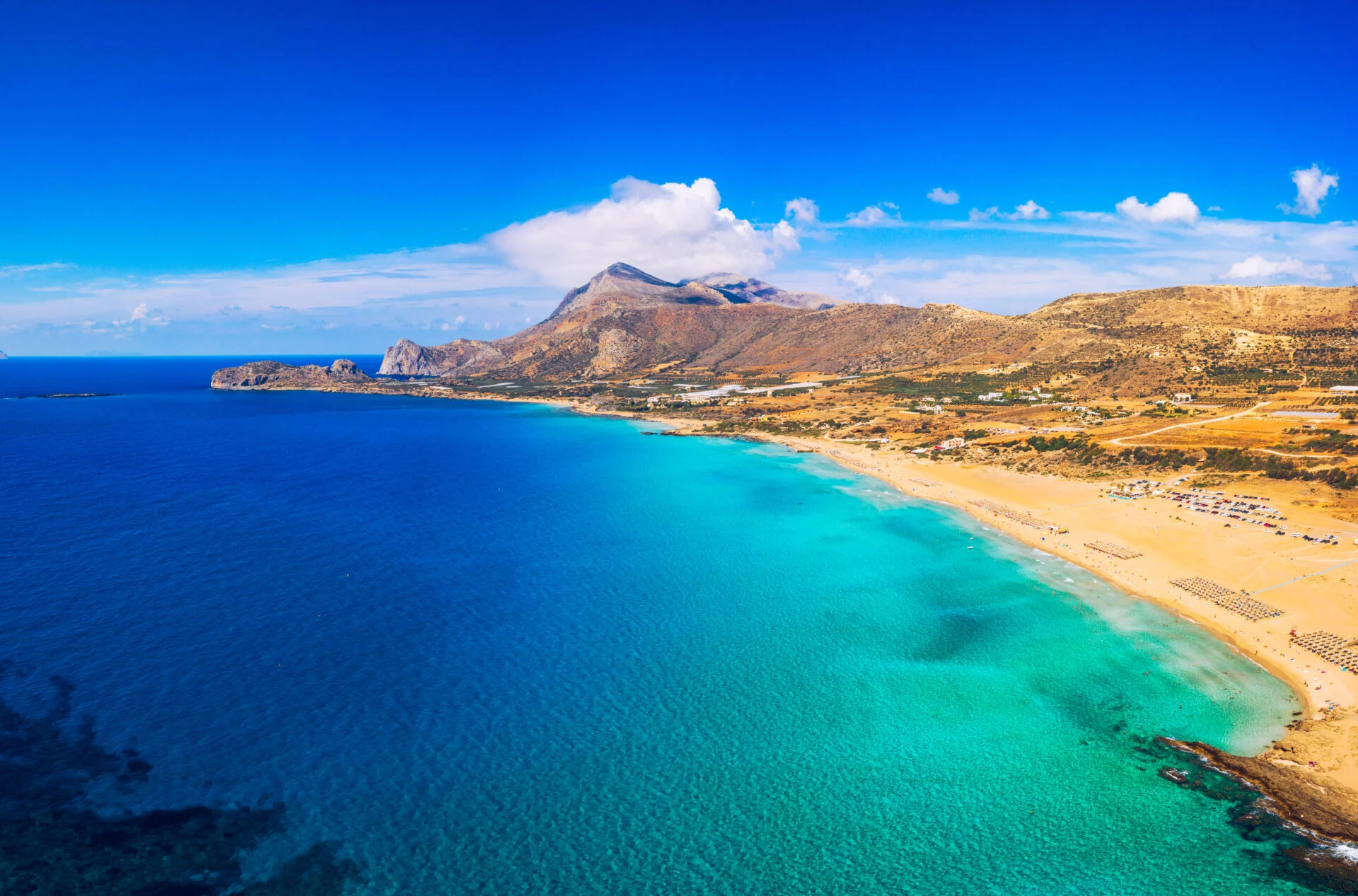
Space is what separates Falassarna from most of the beaches people compare it to. The main beach is broad as well as long, which means even on a busy August Saturday it absorbs people without feeling compressed. There is room to spread out, room between the sunbed rows and the waterline, room to walk.
The other thing that defines it is the orientation. Facing due west into open sea, Falassarna gets the full Mediterranean sunset, uninterrupted, from the waterline. The sun drops into the sea directly in front of you, and on clear evenings the colour range it produces across the water is the reason this beach appears in so many European best-of lists. That is not marketing. It is just the geography.
The water is clear and ranges from pale turquoise near the shore to deeper blue further out. The sand is fine and pale, lighter in colour than many Cretan beaches, which adds to the bleached, open-sky feeling of the place.
History and Identity
Falassarna has an archaeological layer that most visitors skip entirely, which is their loss. The ancient city of Falassarna, sometimes written Phalasarna, was one of the most significant ports on the western end of Crete during antiquity. It operated as an independent city-state and had a closed harbour, the remains of which are still visible near the beach.
The ancient harbour is now several metres above sea level, a consequence of a major tectonic uplift that affected the western part of Crete in 365 AD, one of the most powerful earthquakes recorded in the ancient Mediterranean. The quake raised the western coastline by as much as 9 metres in some places, which stranded the harbour and effectively ended the city's commercial life.
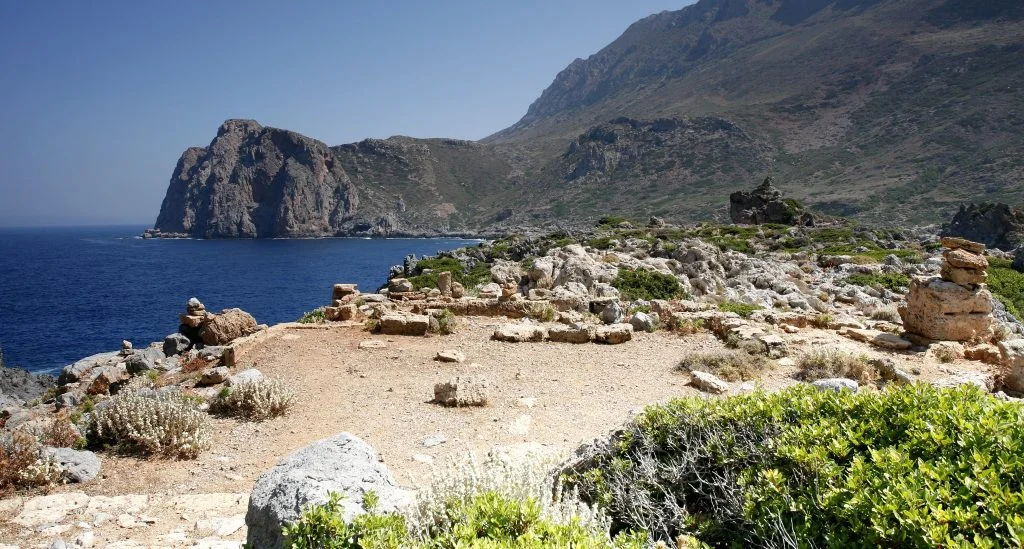
The site includes the ruins of a tower, sections of the ancient walls, rock-cut thrones whose exact purpose is still debated, and the visible outline of the old harbour basin. None of it requires a specialist interest in archaeology to be worth twenty minutes of your time. The scale of what the earthquake did to this landscape is striking even to someone who came only to swim.
Things to Do
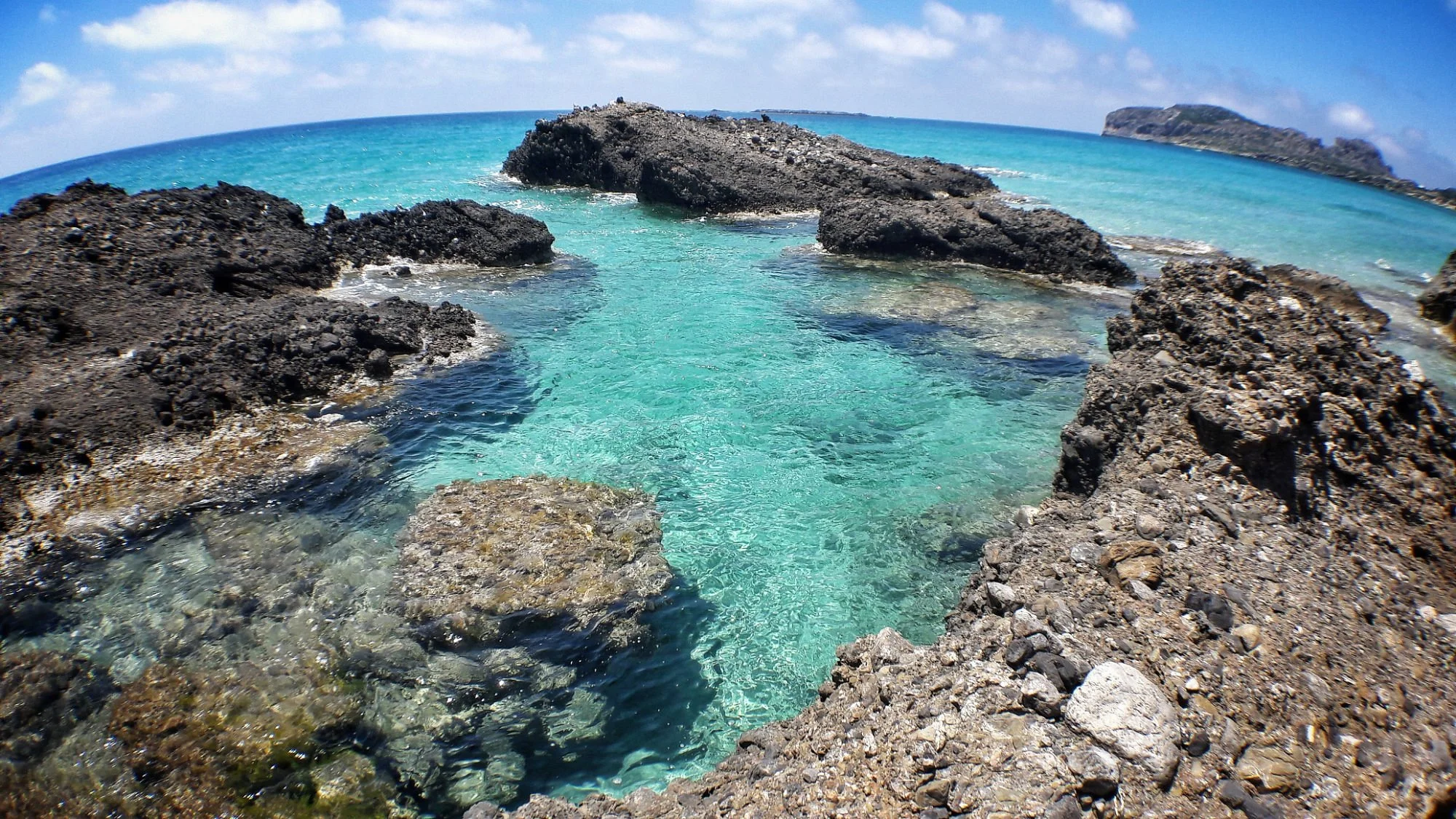
Swimming across the different sections The main beach is the obvious starting point, but walking north or south from the busiest stretch reveals quieter sections where the sand and water quality are just as good. The smaller coves that sit between rock formations are worth the extra few minutes on foot, particularly if you are visiting in July or August when the main beach is at its busiest.
Water sports Falassarna has consistent afternoon wind that arrives from the northwest through the summer months, which makes it one of the more reliable spots in Crete for wind-dependent sports. Windsurfing, kitesurfing and surfing are all possible here, with rental and instruction available from operators on the beach. Paddleboarding works well in the calmer morning hours before the wind picks up.
Watching the sunset This deserves to be treated as an activity rather than an accidental bonus. The sunset at Falassarna is west-facing with no land between you and the horizon, and the best viewing is from the beach itself or from the slightly elevated ground behind the main stretch. Arriving an hour before sundown and staying through it is a different experience from most Cretan evenings.
Visiting the ancient ruins The archaeological site is a short walk from the main beach and is freely accessible. The rock-cut thrones near the site entrance are unusual enough to make the visit worthwhile on their own. The former harbour basin, now sitting well above the current sea level, gives a physical sense of how dramatically this coastline changed in antiquity.
Using Falassarna as a base for western Crete Balos Lagoon and Gramvousa Island are the most obvious excursion from here, accessible by boat from Kissamos. Elafonissi is roughly 50 km south and can be done as a long half-day drive. The combination of Falassarna, Balos and Elafonissi covers the three most celebrated beaches in western Crete, which is why many visitors structure their entire west Crete itinerary around this corner of the island.
Water Sports at Falassarna
The wind pattern at Falassarna is what makes it more than just a scenic swimming beach. The northwest wind, known locally as a variation of the meltemi, builds through the afternoon and creates reliable conditions for anyone on a board. This is not a beginner-by-accident beach. People come here specifically for the wind.
Windsurfing and kitesurfing are the most established disciplines, with equipment hire and lessons available from beach operators during the main season. The open water and consistent wind direction make it a good learning environment as well as a satisfying spot for experienced riders.
Surfing is less common in Crete than on Atlantic-facing European coasts, but Falassarna gets more swell than most of the island's beaches precisely because it is exposed to the open sea. When the conditions are right, there is a rideable wave here that you will not find at sheltered bays further east.
Paddleboarding is best done in the early morning before the wind arrives. The water is flat, the light is good, and the coves to the north of the main beach are easy to reach from the water.
For those who prefer to stay below the surface, the clear water along this part of the coast is good for snorkelling. The rock formations at the edges of the sandy sections harbour sea urchins, small fish and the occasional octopus tucked into a crevice.
History and Archaeology
The ancient city of Falassarna deserves more attention than it gets. It was an independent Cretan city-state during the Classical and Hellenistic periods, with a closed artificial harbour that made it one of the western island's key maritime points. The harbour was built with an entrance channel that could apparently be sealed, which suggests it was designed for both trade and defence.
The 365 AD earthquake that destroyed much of the eastern Mediterranean coastline raised the Falassarna peninsula so dramatically that the ancient harbour now sits metres above sea level on dry land. You can walk around what was once the harbour basin and see the stone walls that lined it. The scale of the geological event becomes concrete when you stand there.
The site also includes the remains of a Hellenistic tower, sections of the city wall, and a set of rock-cut thrones that have no entirely agreed-upon explanation. Some scholars have connected them to ceremonial or religious use. They are large enough to sit in, which is what most visitors do.
Entry to the site is free and it is not fenced off in a way that requires formal visiting hours. The easiest approach is to walk from the northern end of the main beach.
Food, Bars and Tavernas
The eating scene at Falassarna is practical and seasonal. During the main tourist months, several tavernas and beach bars operate near the main beach. The food tends toward straightforward Greek cooking: grilled fish, salads, mezedes, cold drinks. Nothing is trying to be a destination restaurant, and that is fine because nobody comes here for the food.
The better tavernas near the beach do reliable versions of the standards. Fresh fish when available, grilled lamb, horta, tzatziki. The closer you sit to the sand, the more you are paying for the location. That is standard economics for beach dining in Greece.
For a wider choice of restaurants and a less seasonal dining scene, Kissamos is the sensible answer. It is a proper town with a harbour, a small old quarter, and enough cafes and tavernas to eat well for several evenings. It is fourteen kilometres away, which at Cretan road speeds is roughly twenty minutes.
If you are self-catering, Kissamos also has a supermarket and a morning market. Bringing supplies to Falassarna and eating simply on the beach is a very functional approach for a day trip or for anyone staying in the area in a studio or apartment.
Weather and Best Time to Visit
Falassarna faces the open Cretan Sea and gets more wind than the sheltered bays on the north coast. In practical terms this means the summer heat is more bearable than in some parts of Crete, the afternoons have a consistent breeze, and the water stays clear because there is enough movement to prevent the stillness that breeds algae in enclosed bays.
July and August bring the strongest sun, the warmest water and the most people. Facilities are fully open, water sports operators are on the beach, and the sunsets attract crowds. Book accommodation weeks in advance if you are coming in these months.
May and June are quieter, the landscape is still green from the spring rains, and the sea temperature is warm enough for most swimmers from mid-May onward. Water sports operators are beginning their season and the beach has room to breathe.
September and October are the most comfortable months for combining beach time with driving around western Crete. The water is at its warmest of the year through September, the tourist numbers have dropped, and most facilities stay open through the end of October.
Outside the main season, from November to April, the beach is empty and most of the tavernas and rental services close. The landscape is worth seeing in winter if you are already in western Crete, but Falassarna functions as a warm-weather destination.
Getting There
By car is the standard approach and for good reason. The beach is at the end of a coastal road that branches off the main Chania to Kissamos highway. The drive from Chania takes approximately 50 to 60 minutes depending on traffic and the road through the Kissamos area. The final section of road toward the beach has some sharp curves and is single-lane in places, so the last few kilometres require a slower pace.
Parking is available near the main beach, with a large informal car park that fills early on summer weekends. Arriving before 10am or after 5pm makes the parking situation considerably easier.
By bus: KTEL buses connect Chania to Kissamos several times daily. From Kissamos, the options narrow. There is a local bus that runs to Falassarna during the summer season, but the timetable is limited. The practical solution for those without a car is a taxi from Kissamos to the beach.
Organised tours from Chania cover Falassarna, sometimes combined with Balos or Elafonissi, and are a reasonable option if you do not want to drive on unfamiliar roads.
From Heraklion airport, the drive west along the E75 motorway to Chania and then to Falassarna takes around 2 hours to 2 hours 30 minutes in normal conditions.
Where to Stay
Accommodation near Falassarna is small-scale by design. There are studios, apartments and a handful of small hotels within a short distance of the beach, most of them family-run. For those who want to be as close to the water as possible, several properties sit on the hillside above the main beach with direct views over the bay.
For a wider range of options and a more complete set of services, Kissamos is the natural base. It has more accommodation, more restaurants, a petrol station and better connectivity to the rest of western Crete. The fourteen-kilometre drive to Falassarna takes under twenty minutes.
Staying in the Falassarna area itself suits those who want to spend most of their time on the beach and are content with fewer dining choices in the evening. Staying in Kissamos suits those who want Falassarna as one stop among several.
Chania is a viable base if you are also visiting other parts of the island. The city has the full range of hotels, a strong restaurant scene and easy access to the airport. The drive to Falassarna from Chania is under an hour and can be combined with a stop at Balos or the Gramvousa Peninsula in either direction.
Nearby Attractions
Balos Lagoon and Gramvousa Island The most famous combination in western Crete. Balos is a shallow lagoon with pale turquoise water and a sandbar connecting it to the island of Gramvousa, where a Venetian fortress sits on the peak. Boats run from Kissamos harbour, or it can be reached by a rough dirt road and a 20-minute walk. It is heavily visited in peak season, but the view from the top of the cliff path looking down over the lagoon is genuinely one of the best in Greece.
Elafonissi Beach Roughly 50 km south of Falassarna along the western coast of Crete. The beach is famous for its pinkish sand, shallow lagoon and the small island connected to the shore by a sandbar. It draws large crowds but remains one of the more distinctive beaches on the island.
Kissamos The nearest town of any size, with a small harbour, a good local museum covering ancient Kissamos, and a working-town atmosphere that contrasts well with a day spent on the beach. Worth an evening for dinner.
Polyrinia An ancient acropolis village in the hills above Kissamos, with the remains of a Hellenistic and later Roman settlement and views across the Gramvousa Peninsula. Very few visitors come here, which makes it one of the more quietly rewarding stops in this part of Crete.
Sfakia and the south coast If you are spending several days in western Crete, the drive from Falassarna south and east toward Sfakia through the White Mountains is one of the better road trips on the island. The coastal village of Loutro, reachable only by boat or on foot, is the reward at the other end.
Things to do nearby
Book a guided experience in this area
Related Articles
Continue exploring Crete
Ammoudara Beach Heraklion: Complete Visitor Guide
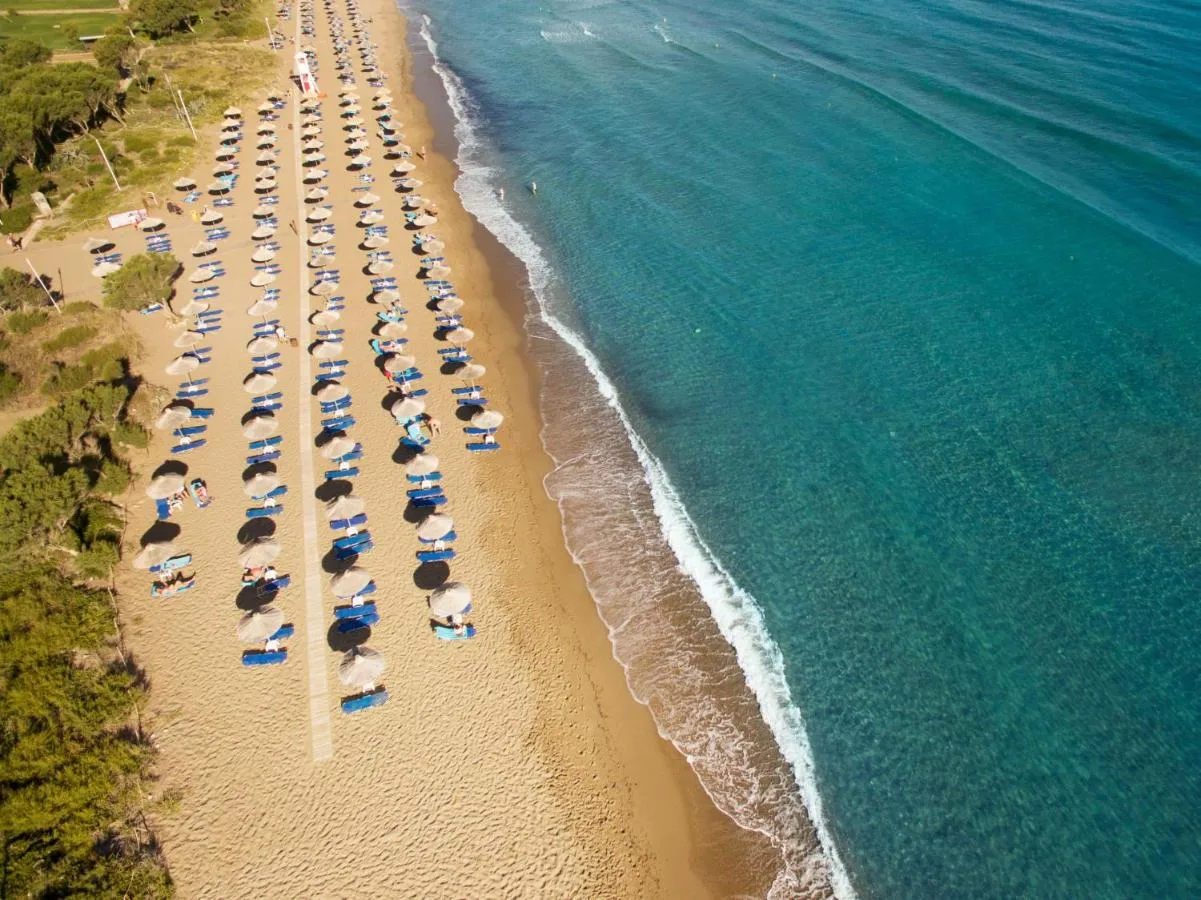
Ammoudara Beach combines a long sandy coastline with easy access to Heraklion city. Organised sections, water sports and beachfront restaurants make it a practical base for families, couples and active travellers. This guide covers swimming conditions, the best parts of the beach, transport and experiences around Ammoudara Heraklion.
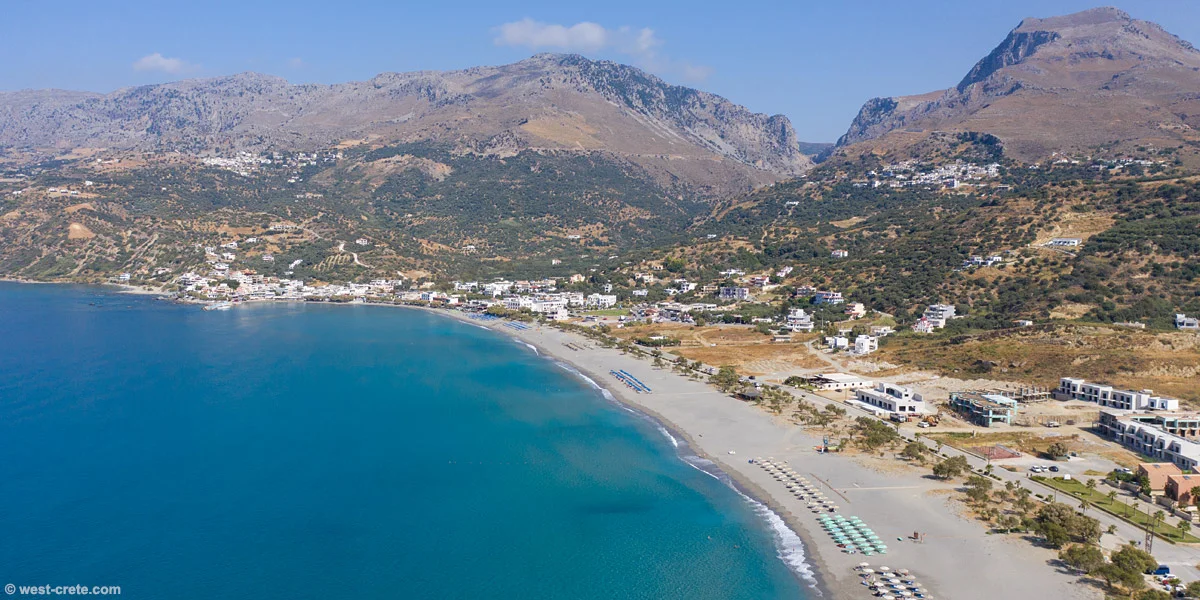
Plakias Beach: The Complete Guide to South Crete's Longest Bay
Plakias is one of the longest beaches in Crete, a 1.3 km stretch of grey-golden sand facing the Libyan Sea in the south of Rethymno. It holds a Blue Flag, offers a full range of water sports and organised facilities, and sits in a bay calm enough for families but open enough to attract windsurfers and divers. What makes it more interesting than most Cretan beach towns is that it also works as a genuine base. From here you can reach Preveli, the Kotsifou Gorge, and a string of quieter coves withi
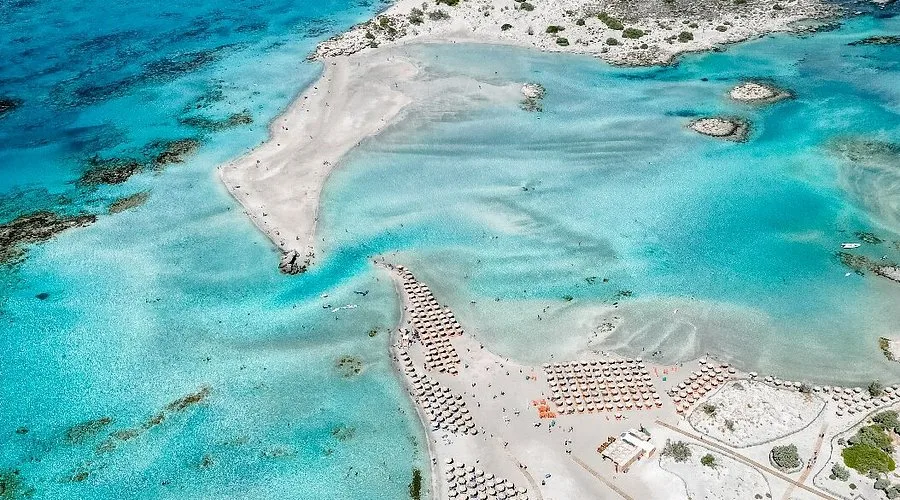
Elafonisi Beach Crete: Is the Pink-Sand Lagoon Worth the Drive?
Elafonisi Beach is one of Crete's most talked-about day trips, known for its pink-sand look, shallow water, and long drive on the island's southwest coast. It is the kind of beach people ask about before they book, because the journey, timing, and access all affect the experience. This guide answers the common questions and helps you decide whether Elafonisi is worth the effort.
Let Crete come to you
Sign up to get authentic stories, travel tips, and new experiences
By entering my email, I agree to receive marketing notifications from travel & do.