 Back to blog
Heraklion Archaeological Museum: What to See, How to Plan It, and Why It Changes Knossos
On this page
Quick Summary
The museum is the primary home of Minoan civilisation artefacts, most of them excavated from the Palace of Knossos and surrounding sites across Crete
A combined ticket covering both the museum and Knossos is available and strongly recommended for first-time visitors
The museum is located in the centre of Heraklion, making it easy to combine with an Old Town walk or lunch near the harbour
Allow two to three hours for a thorough visit, more if you plan to use an audio guide or join a guided tour
The most practical order is museum first, then Knossos, so that the artefacts give context to the palace ruins
It works well as a morning stop before an afternoon at Knossos, or as a standalone city visit for travellers with limited time
What This Museum Is
The Heraklion Archaeological Museum is, by any measure, one of the most important museums in Greece. That is not a claim made lightly in a country with no shortage of world-class collections. The difference here is specificity. Where Athens covers millennia of Greek history across a broad sweep, this museum is almost entirely focused on one civilisation, the Minoans, and it has the depth to match that focus.
The Minoans built one of the earliest and most advanced societies in Europe, flourishing across Crete from roughly 3000 BCE to 1100 BCE. They left behind palaces, frescoes, jewellery, ceremonial objects, and written records that still have not been fully deciphered. Most of the objects recovered from these sites ended up here, in a single building in the centre of Heraklion, which makes the museum not just a good addition to a Crete itinerary but an essential one.
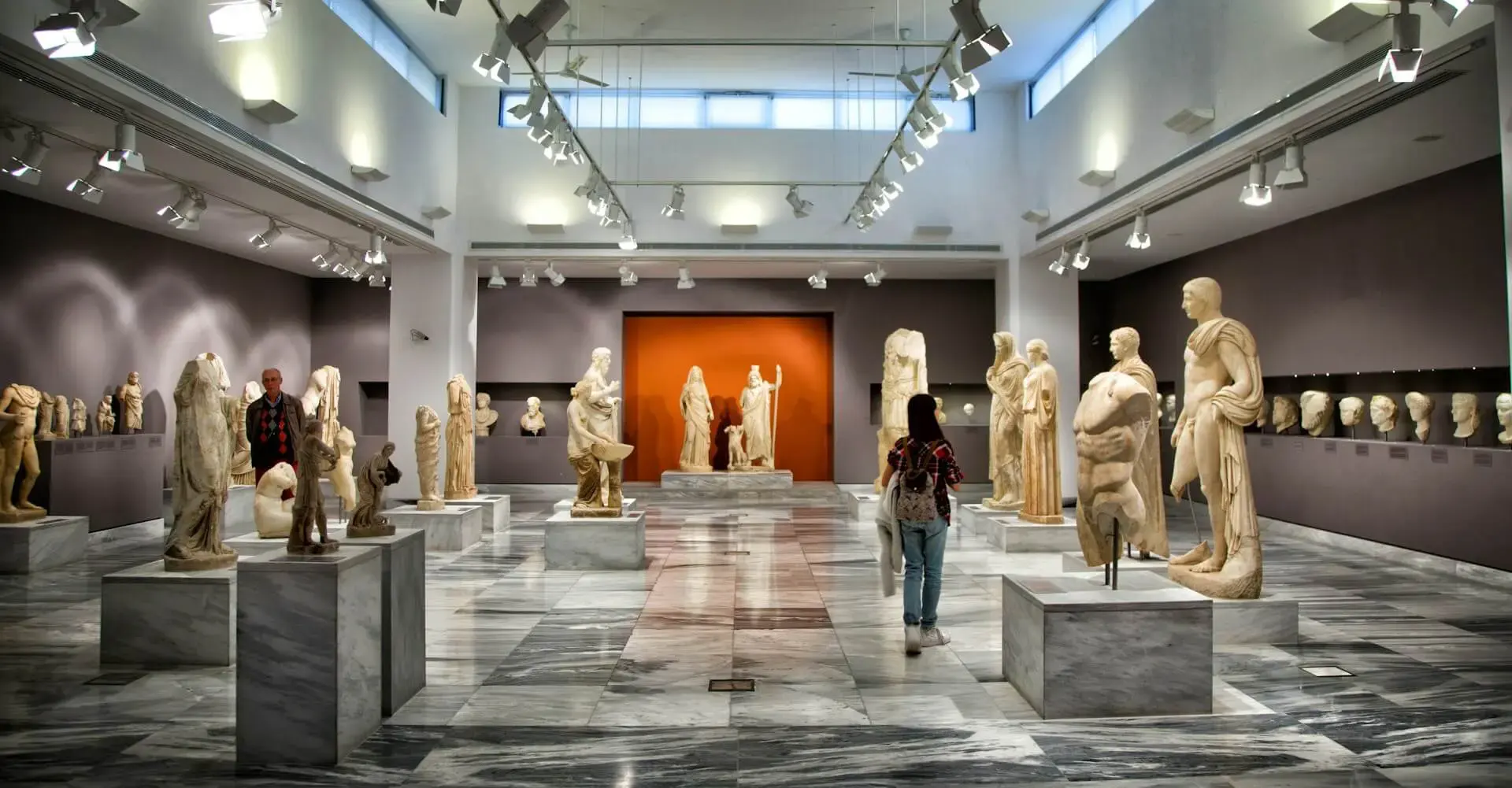
The building itself dates to the 1930s, though it has been significantly renovated since, with a major overhaul completed in 2014 that modernised the display layout and improved how objects are presented. The galleries now follow a broadly chronological order, moving from the Neolithic period through the Bronze Age and into later Minoan phases, with thematic rooms dedicated to frescoes, funerary finds, and the palace sites.
Why It Matters
For most visitors, the museum answers a question they did not know they had before arriving in Crete. You can walk around the ruins of Knossos and understand intellectually that it was a Bronze Age palace, but without context the walls and reconstructed columns are hard to read. The museum fills that gap.
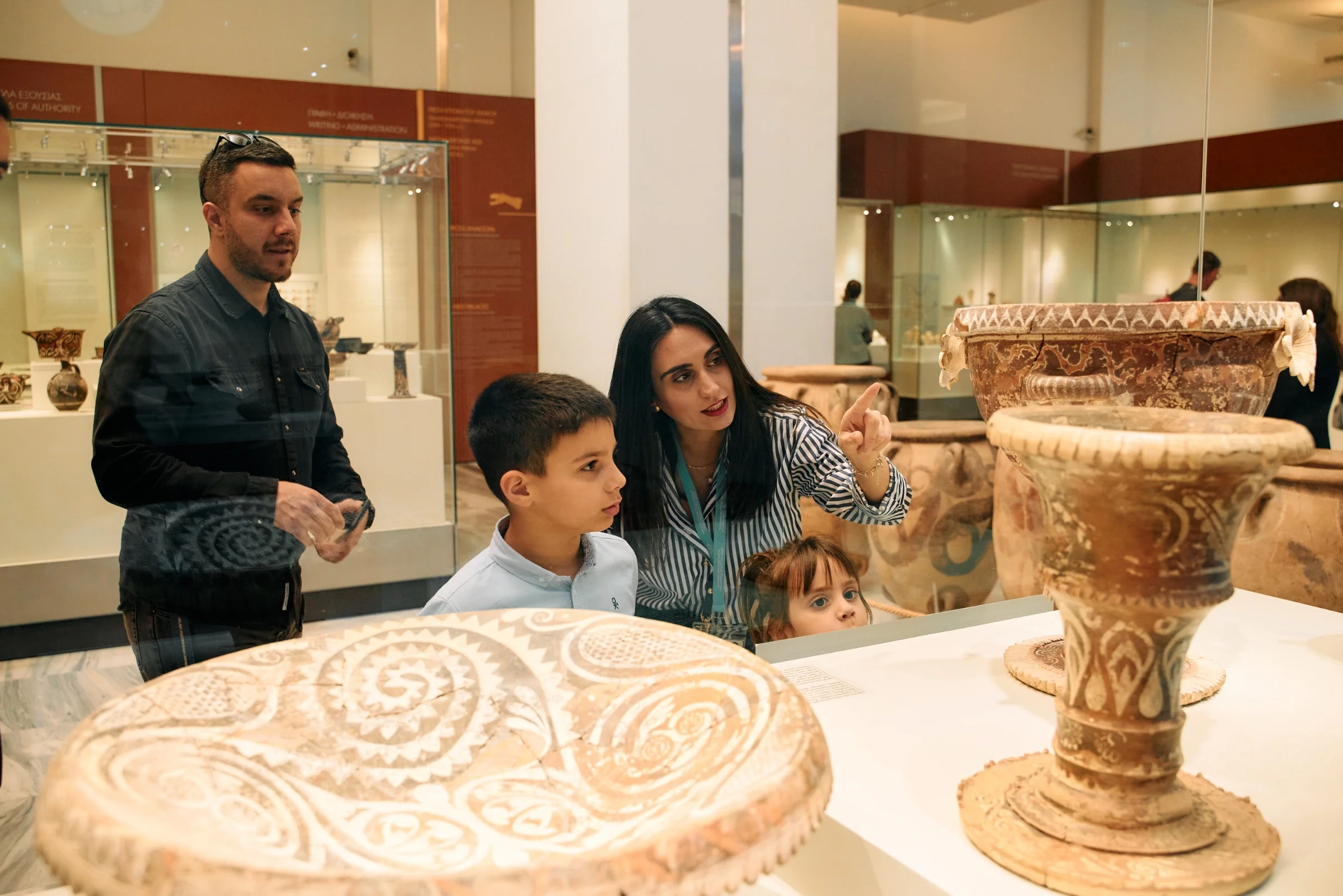
Here you see the objects that came out of those walls: the storage vessels, the ritual figurines, the Linear A tablets, the carved seal stones, and the gold jewellery. You see the frescoes that once decorated the palace corridors, including the famous Bull-Leaping Fresco and the Ladies in Blue, which are among the most reproduced images of the ancient Aegean world. Seeing them in person, even under museum lighting, is a different experience from any photograph.
This is why the sequence matters. The museum is the interpretive layer. Knossos is the spatial experience. Together they form a complete picture of what Minoan Crete looked, felt, and possibly meant. Separately, each is interesting. Together, they are genuinely hard to forget.
History and Identity
The museum was founded in the late 19th century, initially to house finds from early excavations at Knossos and other Cretan sites. The collection grew rapidly after Arthur Evans began his systematic excavation of Knossos in 1900, and within a few decades the museum had become the central repository for the most significant objects from across the island.
The current building was constructed in 1937 and has gone through several phases of expansion and modernisation. The last major renovation, completed in 2014, addressed long-standing issues with display conditions and brought the presentation up to contemporary museum standards. Labelling is now available in both Greek and English, and the layout has been reorganised to make the chronological flow easier to follow.
The collection covers nineteen galleries across two floors. The ground floor moves through prehistoric Crete and the early palace periods. The upper floor is where the most dramatic objects are found, including the large fresco panels and the finds from the peak sanctuaries and burial sites. Most visitors spend the majority of their time upstairs.
One detail that tends to surprise people is how refined the Minoan objects are. The Bee Pendant from Chrysolakkos, the Harvester Vase from Agia Triada, the Phaistos Disc with its undeciphered spiral script, these are not primitive artefacts. They reflect a society with high technical skill, strong trade connections, and a visual culture that feels surprisingly modern in its energy and movement.
Things to Do
Spend time with the frescoes. The fresco gallery on the upper floor is where most people slow down, and rightly so. The panels are large, the colours are well-preserved, and the scenes give a rare sense of what daily and ceremonial life in a Minoan palace might have looked like. The Prince of the Lilies, the Dolphins Fresco, and the procession scenes from Knossos are all here.
Study the Phaistos Disc. This small, fired clay disc covered in spiral symbols is one of the most discussed objects in the history of archaeology. Nobody has conclusively deciphered it. It is small enough that visitors sometimes walk past it too quickly. Give it a few minutes.
Follow the seal stones. The Minoan collection includes hundreds of carved seal stones, many of them tiny and displayed in lit cases. They show animals, humans, and mythological scenes in extraordinary detail given their size. They are easy to overlook but worth slowing down for.
Use the layout as a route. The galleries are designed to be walked in order, from the earliest Neolithic finds through to the later Minoan phases. Sticking to that sequence makes the collection easier to understand and the progression of Minoan skill more apparent.
Pair it with Knossos. This is the most commercially and logistically sensible thing to say to a visitor: if you are going to do one, do the other. The combined ticket exists for exactly this reason, and the two sites are less than 5 kilometres apart.
🔗 If you want to book a guided tour in advance, don't miss it.
The Knossos Connection
The relationship between this museum and the Palace of Knossos is so close that it is worth treating them as two parts of one experience rather than two separate decisions.
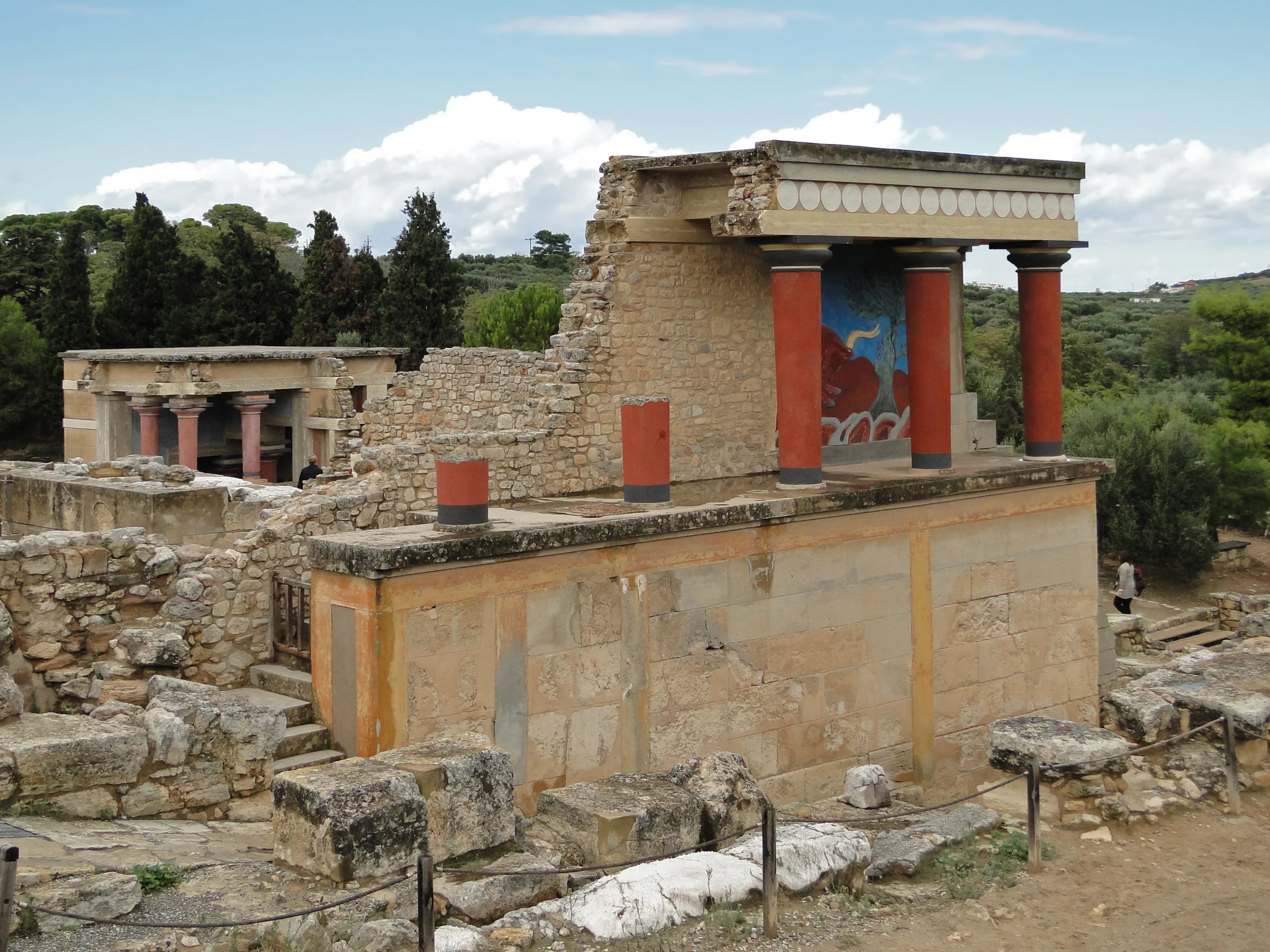
Knossos was excavated primarily by Arthur Evans between 1900 and the 1930s. Evans controversially reconstructed parts of the site using reinforced concrete and paint, which means that what you see at Knossos today is a mix of original Bronze Age structure and early 20th-century interpretation. That reconstruction has attracted criticism from archaeologists for over a century, but it does make the site more legible for general visitors than a field of raw ruins would be.
The museum does the opposite of reconstruction. It shows you the actual objects as they were found, without interpretation beyond the labelling. The frescoes displayed in Heraklion are the originals, or the best-preserved surviving fragments of them. What you see at Knossos on the walls are reproductions placed there for visual context during Evans's restorations.
Understanding that relationship before you arrive changes how you see both sites. The museum is where the real Minoan objects live. Knossos is where the architecture stands.
For visitors short on time, if you can only do one, the museum is the more controlled and complete experience. If you have a full day, start here at 9 AM, allow two to three hours, have lunch in the centre of Heraklion, and reach Knossos by early afternoon when the morning tour groups have thinned out.
Food, Bars and Tavernas
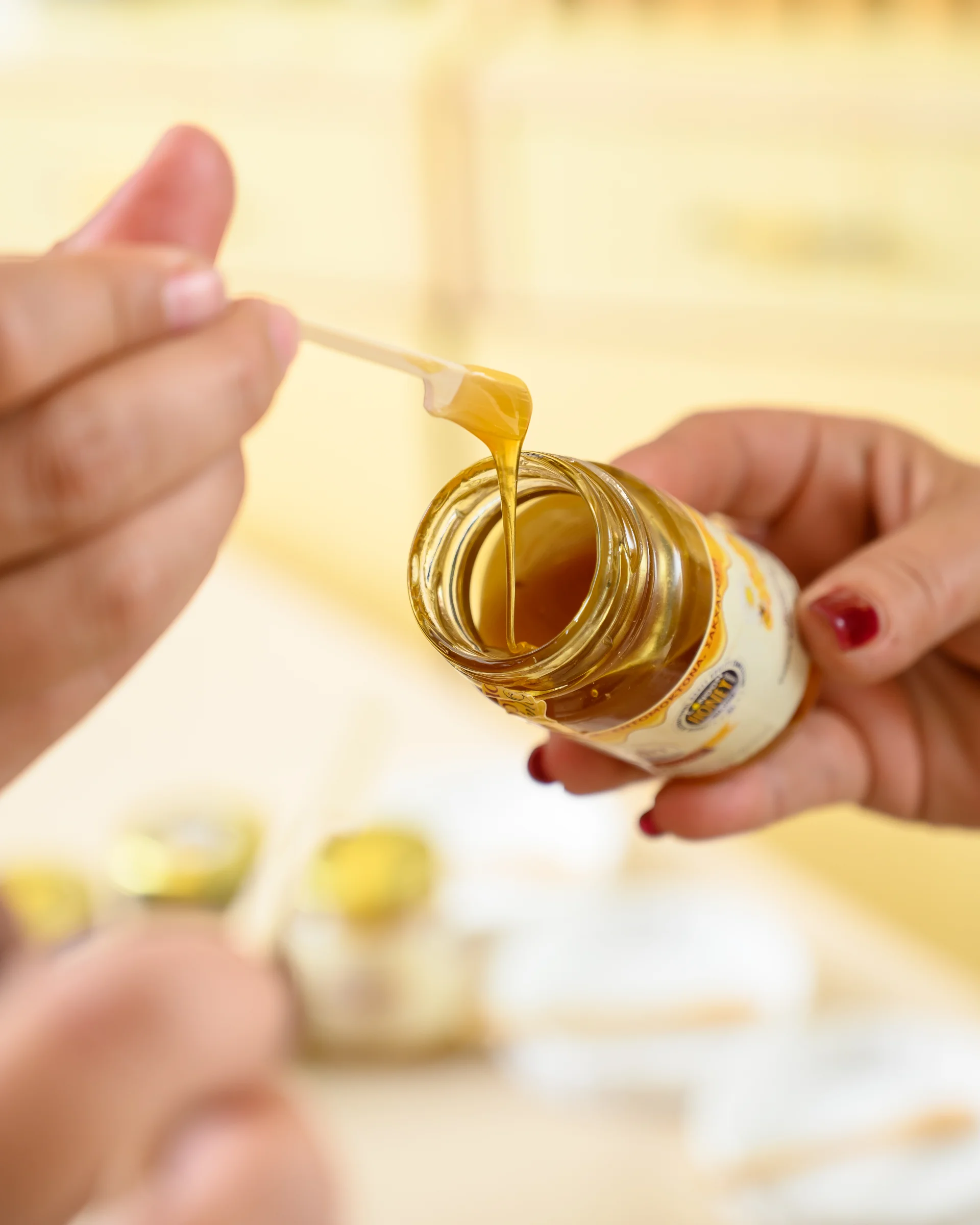
The museum is in the centre of Heraklion, which means food options are immediate and varied. The main market street, 1866 Street (also called the Agora), is a short walk away and lined with small shops selling Cretan produce, cheese, herbs, and honey. It is a good place to walk through before or after the museum even if you do not buy anything.
For a sit-down meal, the streets around Lions Square (Plateia Venizelou) have several cafes and tavernas that are reliable for a midday stop. The square itself is built around a 17th-century Venetian fountain and is one of the more pleasant spots to pause in the city centre.
If you want something quicker, the area directly outside the museum has coffee shops where you can recover before heading on to Knossos or the old harbour.
For dinner, the old harbour area near Koules Fortress has a stronger selection of restaurants and a better atmosphere in the evenings. It is about a ten-minute walk from the museum and worth including if you are spending the night in Heraklion.
Weather and Best Time to Visit
Because the museum is entirely indoors, it is one of the most season-proof attractions in Crete. You can visit in January and have a perfectly good experience. That said, the timing of your visit within a Heraklion trip does matter.
Spring (April and May) is probably the easiest time to combine the museum with Knossos and a city walk. Temperatures are mild, the tourist crowds have not yet peaked, and the daylight hours are long enough to cover all three without rushing.
Summer (June to August) is when Heraklion gets busy and hot. The museum itself is air-conditioned, which makes it a sensible midday refuge. If you are visiting in July or August, plan the museum for the middle of the day and Knossos for either early morning or late afternoon when the sun is less intense.
Autumn (September and October) is often considered the most comfortable time in Crete overall. Temperatures drop, crowds thin, and the light in the afternoon hours is very good for outdoor sites like Knossos.
Winter is quiet and sometimes grey in Heraklion, but the museum stays open year-round and is genuinely worth visiting even in the off-season if you are in the city for other reasons.
Current opening hours and seasonal schedules are listed on the official Greek Ministry of Culture website. It is worth checking before you travel, as hours can vary in low season and around national holidays.
Getting There
The museum is located at Xanthoudidou Street 2, in the centre of Heraklion, roughly a five-minute walk from Lions Square and about ten minutes on foot from the old harbour.
If you are coming from Heraklion Airport (HER), the most straightforward option is a taxi, which takes around fifteen to twenty minutes depending on traffic. The airport is about 4 kilometres east of the city centre.
If you are staying in the Old Town or near the harbour, the museum is an easy walk. Most central hotels are within fifteen minutes on foot.
For visitors coming from elsewhere in Crete, Heraklion is the island's main transport hub. Buses from Chania, Rethymno, and Agios Nikolaos all terminate at the bus station near the harbour, from where the museum is a short walk or a quick taxi.
Knossos is located about 5 kilometres south of the city centre. The easiest way to get there from the museum is by taxi or by taking Bus 2 from the stop near the Lions Square bus terminal. The journey takes around fifteen minutes.
Where to Stay
Staying in central Heraklion is the most practical choice if the museum and Knossos are your priorities. The central area puts you within walking distance of the museum, Lions Square, the market street, and the harbour, which means you can structure the day without relying on taxis for every move.
The streets around Daedalou Street and Korai Street have a good concentration of hotels at various price points, from simple guesthouses to mid-range boutique options. The area is walkable and has plenty of cafes and restaurants at street level.
If you prefer to stay somewhere quieter, the Venetian Harbour area is slightly removed from the main pedestrian zones but still close enough to walk to the museum comfortably. Some visitors prefer it for the views and the slightly slower pace.
Budget travellers will find that Heraklion has more affordable options than coastal resort towns. Because it is a working city rather than a beach destination, accommodation prices tend to be more stable year-round and less inflated in summer than in places like Elounda or Chersonissos.
Nearby Attractions
Palace of Knossos is the obvious first choice, for all the reasons already covered. It is the single most visited archaeological site in Greece after the Acropolis, and it works best when seen after the museum rather than before.
Koules Fortress stands at the entrance to the old harbour and is one of the best-preserved Venetian fortifications in the eastern Mediterranean. The walk from the museum to Koules takes about fifteen minutes and passes through the most interesting part of the city centre. The fortress itself is open to visitors and offers good views across the harbour and out to sea.
Heraklion Old Town is worth at least a couple of hours if you have them. The streets between Lions Square and the harbour contain a mix of Venetian architecture, Ottoman remnants, neoclassical buildings, and the kind of lived-in urban texture that resort towns rarely have. The Historical Museum of Crete, also in the old town, holds an El Greco painting and covers the post-Minoan history of the island in case you want to extend the cultural thread.
The Natural History Museum of Crete is located near the University of Crete campus and is a useful stop if you are travelling with children or if you want a broader picture of the island's landscape and biodiversity alongside its archaeology.
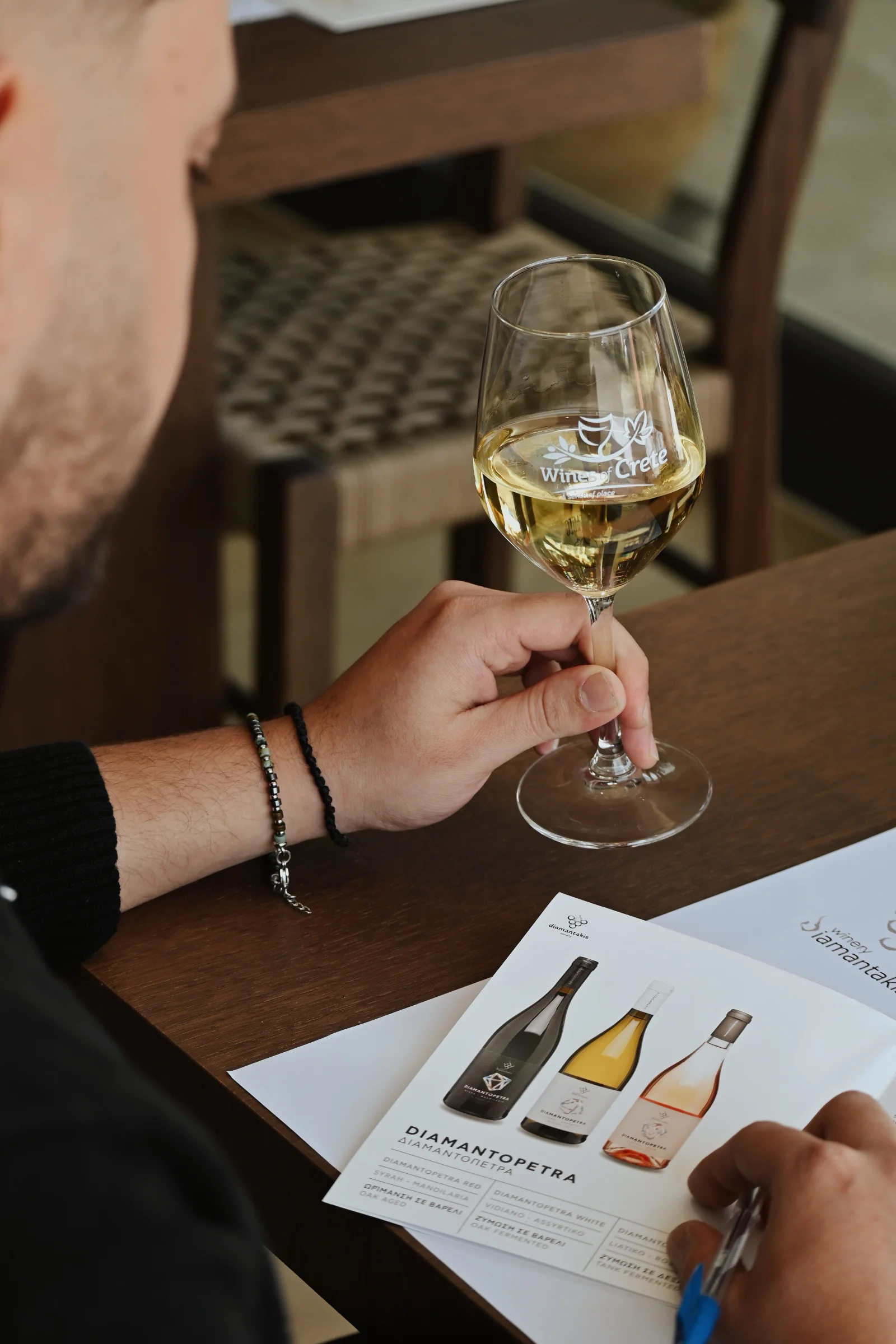
For anyone building a full multi-day stay around Heraklion as a base, the surrounding region includes Archanes, a well-preserved traditional village about 15 kilometres south of the city with its own small archaeological museum and excellent local wine production. It is easy to reach by car and rarely crowded.
Things to do nearby
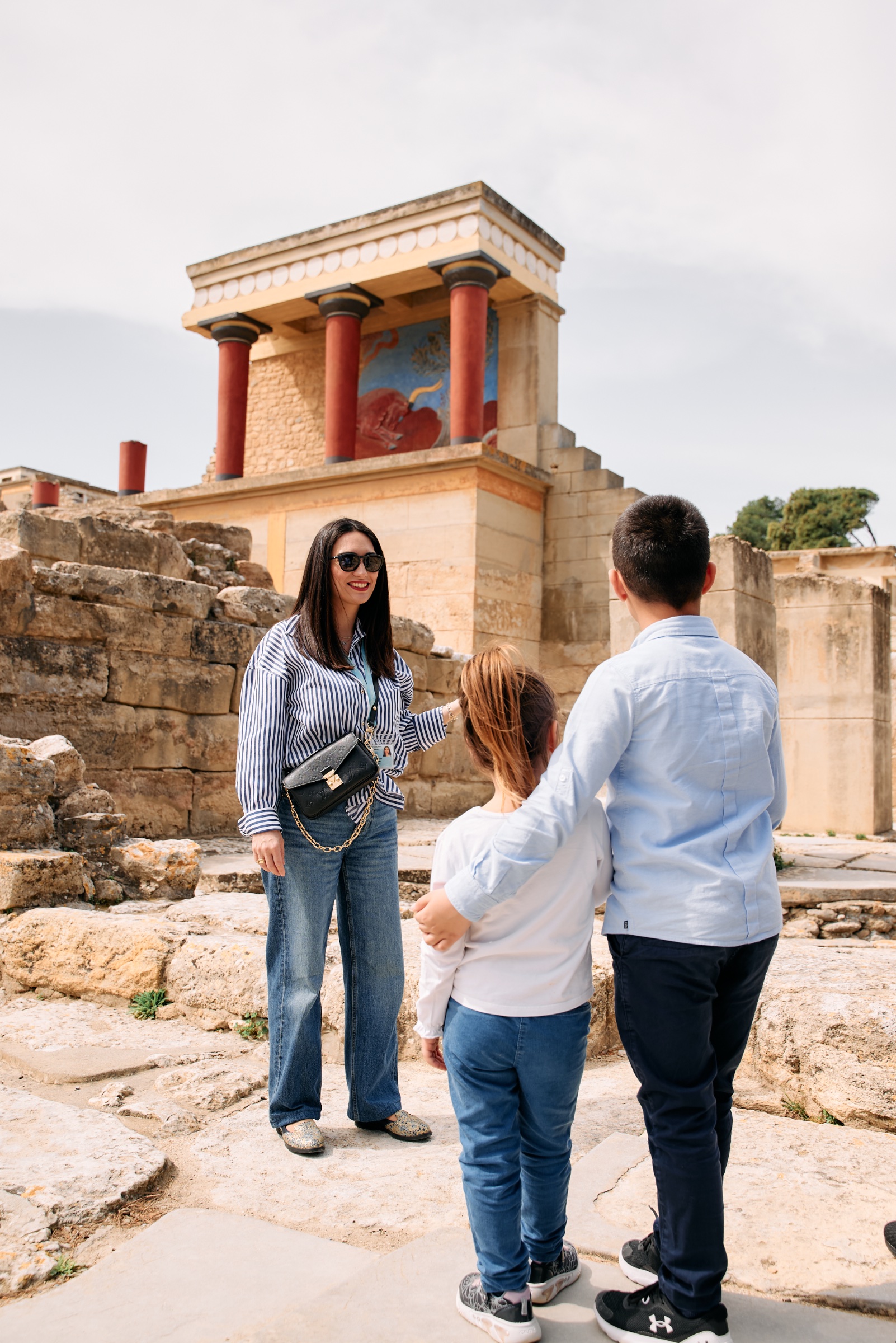
Book a guided experience in this area
Related Articles
Continue exploring Crete
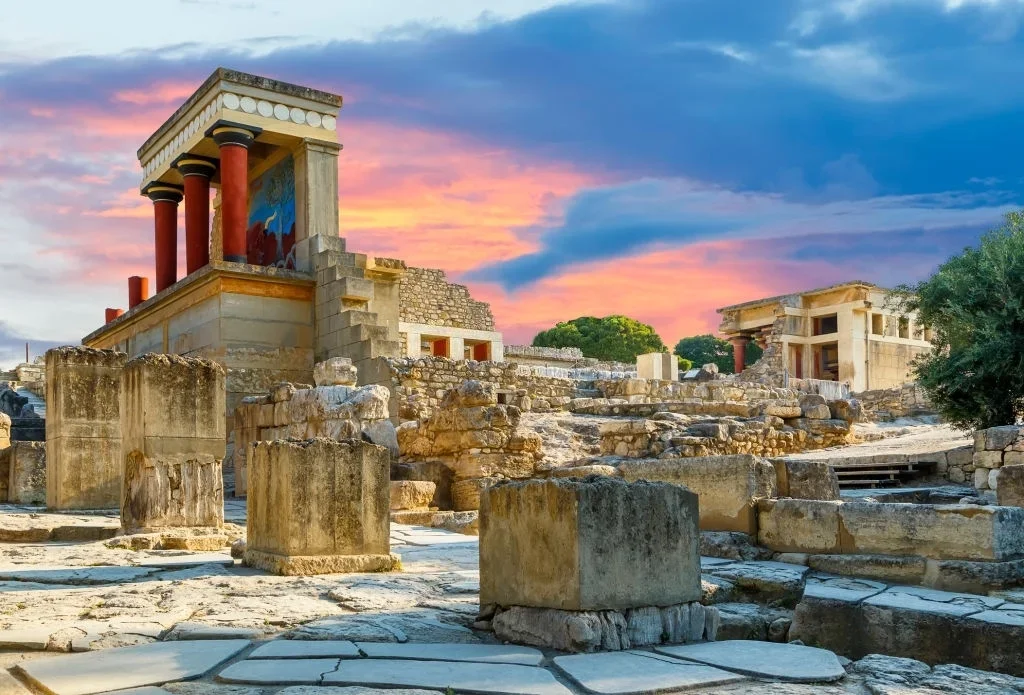
Knossos Guided Tour: What You Get, What It Costs and How to Plan the Day
A Knossos guided tour is the difference between walking past a low wall and understanding why the wall matters, because the site itself carries almost no explanatory signage. Nearly every guided tour sold for Knossos is a guide-only service: the state entrance ticket is a separate €20, bought in your own name. This guide sets out what a guided visit actually includes, what it costs once the ticket is added, and how to combine the palace with the Heraklion Archaeological Museum, where the origina
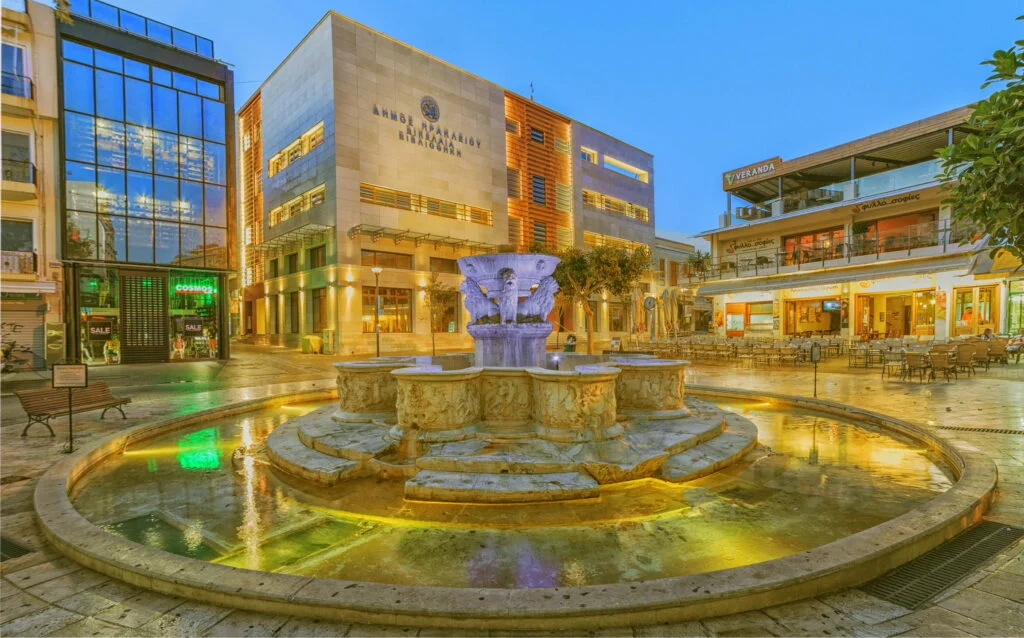
Morosini Fountain, Heraklion: The Venetian Monument at the Heart of the City
Morosini Fountain is one of Heraklion's best-known landmarks, and it sits right in the middle of the city's busiest historic square. Its Venetian design, lion heads, and central location make it an easy stop on any walk through the old town. This guide answers the most common visitor questions and explains why the fountain matters in the city's story.
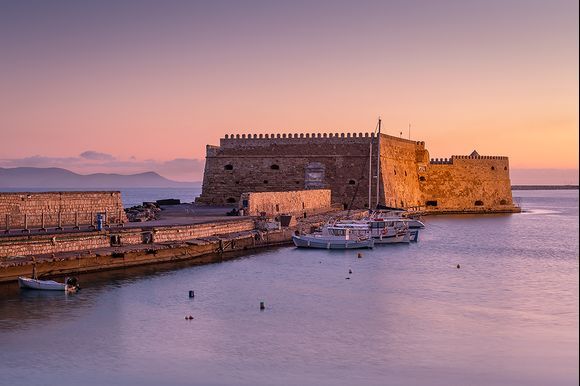
Koules Fortress: Is It Worth Visiting and How to Fit It Into a Heraklion Day
Koules Fortress stands at the entrance of Heraklion harbour, where it has dominated the waterfront for five centuries. If you are spending a day in Crete's capital, this is the landmark that sets the tone for the rest of the city. It connects directly to the Old Town, the harbour promenade, and some of the best eating and walking in central Heraklion. Start here and the rest of the day falls into place.
Let Crete come to you
Sign up to get authentic stories, travel tips, and new experiences
By entering my email, I agree to receive marketing notifications from travel & do.