 Back to blog
Morosini Fountain, Heraklion: The Venetian Monument at the Heart of the City
On this page
Quick Summary
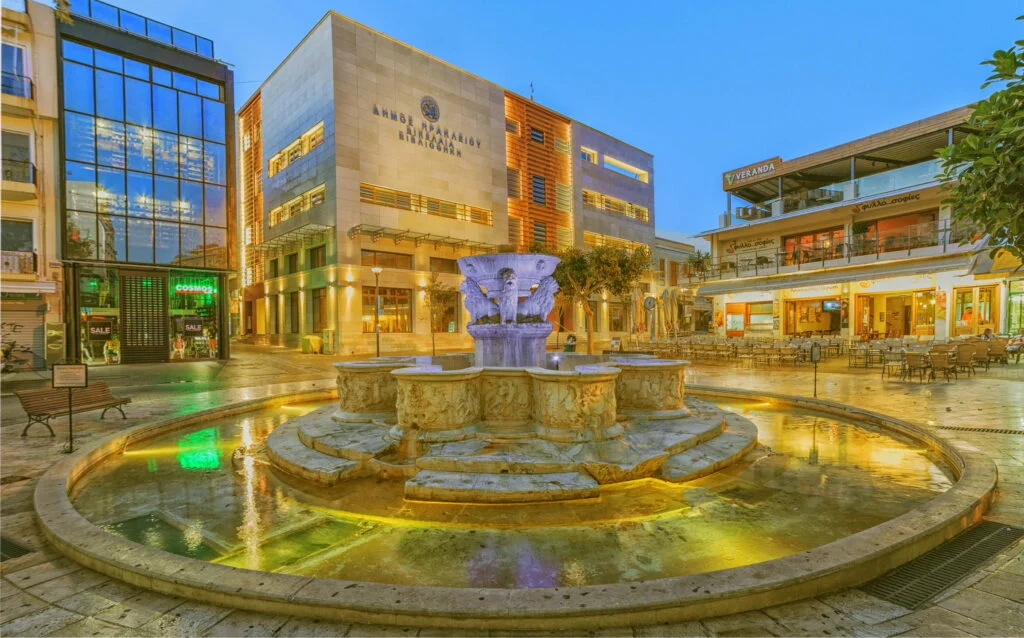
Morosini Fountain is in the city center of Heraklion, in Lions Square, also known as Eleftheriou Venizelou Square.
It was built in 1628 under Francesco Morosini and originally formed part of a major Venetian water supply project.
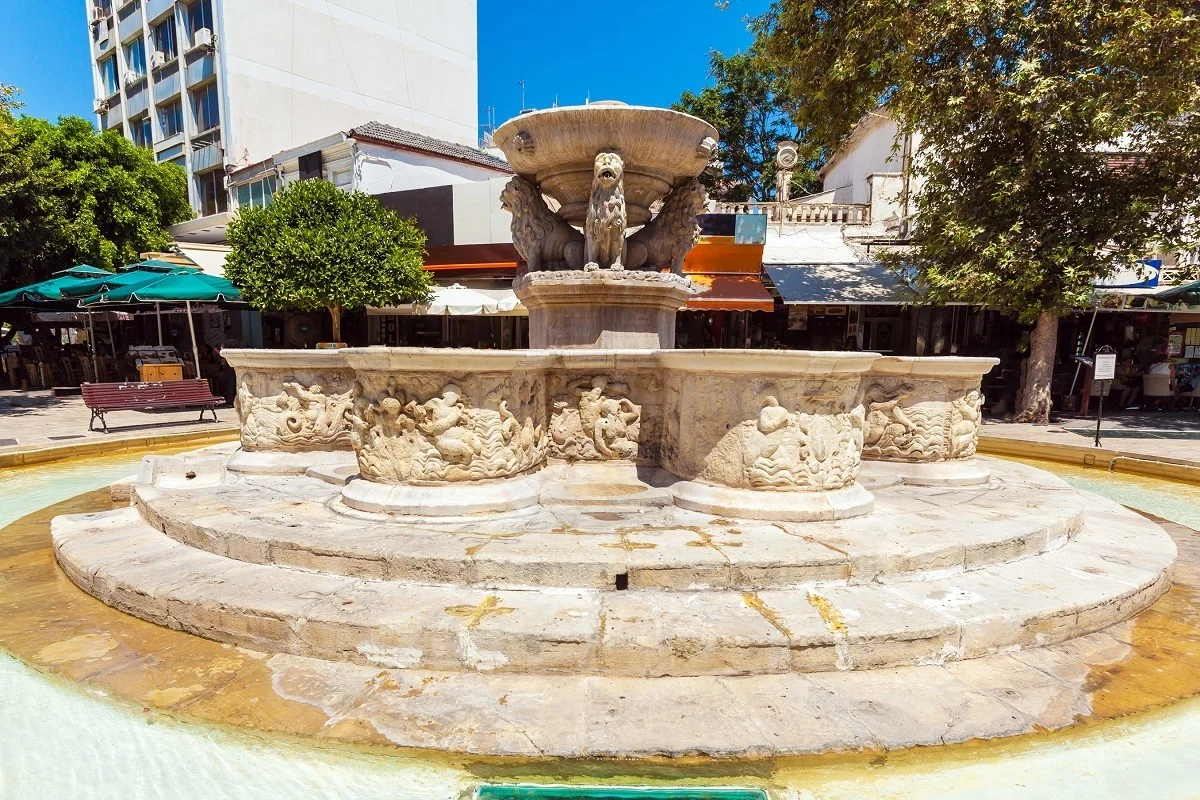
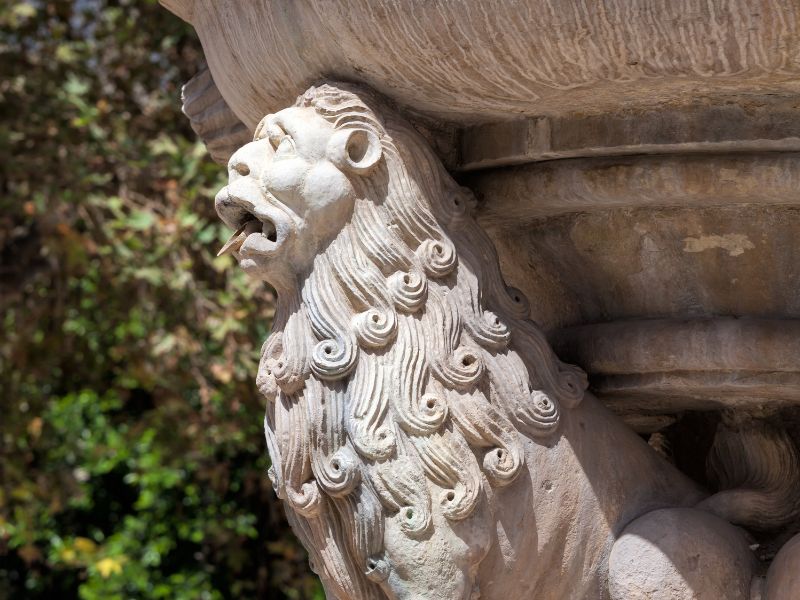
The fountain is known for its four lion heads, decorative reliefs, and restored Venetian character.
It is one of the most recognisable monuments in Heraklion and a common meeting point for locals and visitors.
It works well as a stop while exploring the old town, shopping streets, and nearby cafes.
What Morosini Fountain Is
Morosini Fountain is a Venetian-era fountain in the heart of Heraklion, and it is often referred to as the Lions Fountain. It sits in one of the city's central squares, which makes it one of the easiest landmarks to find and one of the most frequently seen by visitors.
The fountain is both a practical historic structure and a symbol of the city's Venetian past. Even if you only pass through the square on the way to another part of the old town, it is hard to miss because it anchors the entire space. Lions Square, its formal name today being Eleftheriou Venizelou Square, functions as the social and geographic centre of the old city, with pedestrian streets, cafes, and shops radiating outward from it in every direction.
Where It Is
The fountain is located in Lions Square, right in central Heraklion. The square is in the middle of the city's busiest pedestrian area, which means it is reachable on foot from most hotels, the port, and the bus station without any particular effort.
Because it is so central, the fountain is easy to combine with a walk through nearby streets, shops, and cafes. If you are staying in Heraklion for even a short time, you will likely pass it more than once.
What It Is Known For
The fountain is known for its lion heads, Venetian design, and its role in Heraklion's water history. The original structure was tied to a 15-kilometre aqueduct that carried water from Mount Juktas to the city, making it a monument to infrastructure as much as to aesthetics.
It is also known as one of the city's finest Venetian monuments following restoration work. The combination of utility and decoration is what gives it lasting appeal, with mythological and marine reliefs adding detail around the basin that reward a closer look.
History and Identity
Francesco Morosini ordered the fountain in 1628, and it was built as part of a larger effort to solve Heraklion's persistent water shortages. The aqueduct that fed it was a significant engineering project for its time, and the fountain at its end was designed to reflect Venetian civic ambition, not just to distribute water.
The decorative programme draws on classical mythology and marine imagery. The four lion heads that give the fountain its common name are the most immediately recognisable element, but the carved reliefs around the basin are worth examining closely. Tritons, sea creatures, and mythological figures fill the surfaces in a way that was typical of Venetian public monuments of the period.
The fountain's story changed during Ottoman rule, when its character and use shifted. It was later restored in 1900, which is the form visitors see today. That history matters because the monument is not just decorative. It is one of the city's clearest survivors from a layered past, carrying marks of Venetian construction, Ottoman occupation, and modern restoration in the same stone.
Things to Do
Take a photo from the square. The fountain is one of the most photographed spots in central Heraklion, especially because of the lions and the lively urban setting around it. Early morning gives you the best light and the fewest people in the frame.
Study the details. Look closely at the basin, the reliefs, and the decorative elements that reference mythology and marine life. Most visitors see the lions and move on, but the carved surfaces around the lower basin are where the real craftsmanship shows.
Use it as a meeting point and orientation anchor. Since Morosini Fountain sits in the centre of Heraklion, it is a natural place to orient yourself before a walk. Locals and visitors alike use it as a reference point, which is one reason it remains so visible in daily city life.
Continue into the surrounding streets. The square connects easily to nearby shopping lanes, cafes, and the broader old town. Dedalou Street, the main pedestrian artery, begins nearby and leads through the commercial heart of the city toward the Historical Museum of Crete and the waterfront.
The Lion of Heraklion
The name "Lion of Heraklion" causes some initial confusion for visitors. It simply refers to Morosini Fountain itself, because of the four lion heads that pour water from the central basin. The lions are the reason the fountain is so widely called the Lions Fountain, and the two names are used interchangeably throughout the city.
If you hear someone mention the Lion of Heraklion or arrange to meet at the lions, they are talking about this square. It is one of those landmarks that locals refer to by a shorthand that visitors quickly adopt after their first visit.
Walking the Old Town from Here
People often ask about the most interesting streets in Heraklion because the fountain sits at the point where several of the city's most walked routes begin. The immediate surroundings are more about urban atmosphere than any single famous street, and the real experience is the square itself and the walk outward from it.
The pedestrian lanes that run off Lions Square cover several distinct characters: shopping streets, quieter residential alleys, café-lined stretches, and the approaches to Venetian-era churches and loggia buildings. Starting at the fountain and following whichever direction feels right is a reasonable plan, and most of the old town's landmarks are within ten minutes on foot.
Food, Bars and Tavernas
Lions Square and the streets immediately around it have a high concentration of cafes and casual restaurants, which makes it one of the easiest places in Heraklion to stop for a coffee, a snack, or a meal without hunting for options.
The cafes on the square itself lean toward the tourist trade, with higher prices and slower service at peak times. The better eating is found one or two streets back, in the lanes that run parallel to the main pedestrian axis. Here you will find mezedopolia serving Cretan appetisers, tsikoudia bars, and restaurants built around local produce, olive oil, and seasonal vegetables.
Kalitsounia, the small Cretan cheese or herb pastries, are a good street snack to look for near the market area. Dakos and grilled octopus appear on most menus and are reliable choices if you want something representative of the local food culture.
Getting There
Morosini Fountain is walkable from almost anywhere in central Heraklion. The square is well-signposted and appears on every city map. If you are arriving by ferry at the port, the walk to Lions Square takes around 15 minutes through the old town. From the main bus station (KTEL), it is around 10 minutes on foot.
If you are driving, parking in the immediate centre is limited. The most practical option is to use one of the car parks near the port or the city walls and walk in. The fountain is free to visit and open at all hours.
Why It Matters
Morosini Fountain matters because it combines city identity, Venetian history, and everyday public life. It is not a relic in a museum context. It sits in the middle of a working city square where people meet, argue, eat, and pass through on their daily routines, which gives it a relevance that purely decorative monuments rarely have.
For travelers, it offers a clear historical stop with almost no effort, which is unusual in a busy city centre. The 1628 construction date places it firmly in the Venetian period that shaped so much of Crete's built environment, and the aqueduct story behind it connects the decorative surface to a practical civic ambition that is genuinely interesting once you know it.
Nearby Attractions
Morosini Fountain works well as the starting point for a wider Heraklion walking route that takes in Venetian-era landmarks, the market, and the city's main museums.
The Heraklion Archaeological Museum, one of the most important in Greece and home to the world's largest collection of Minoan artefacts, is around 5 minutes on foot from Lions Square. It is the most significant cultural stop in the city and a natural companion to the fountain for anyone with an interest in history.
The Venetian Loggia, a restored civic building from the same period as the fountain, is close by and easy to include in the same walk. The Church of Agios Titos, one of Heraklion's main Orthodox churches, is also within a few minutes on foot.
The Morosini Street market area and 1866 Street, the main covered market lane, run close to the square and give a good sense of the city's everyday life beyond the monuments. For those who want more context on Crete's modern history, the Historical Museum of Crete is further toward the waterfront and takes around 20 minutes to explore properly.
Things to do nearby
Book a guided experience in this area
Related Articles
Continue exploring Crete
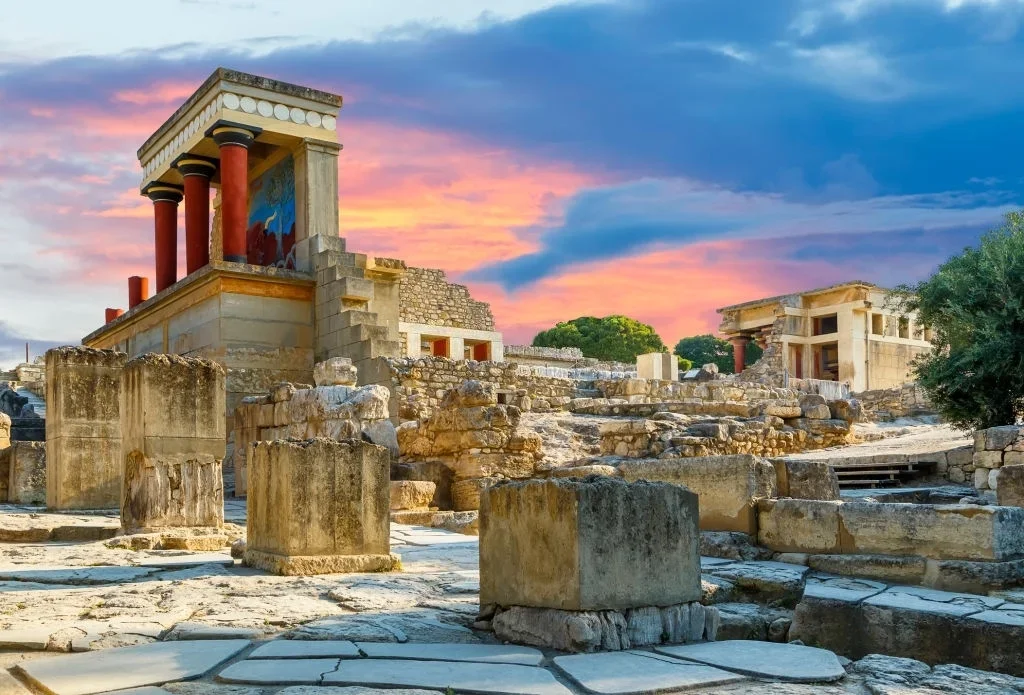
Knossos Guided Tour: What You Get, What It Costs and How to Plan the Day
A Knossos guided tour is the difference between walking past a low wall and understanding why the wall matters, because the site itself carries almost no explanatory signage. Nearly every guided tour sold for Knossos is a guide-only service: the state entrance ticket is a separate €20, bought in your own name. This guide sets out what a guided visit actually includes, what it costs once the ticket is added, and how to combine the palace with the Heraklion Archaeological Museum, where the origina
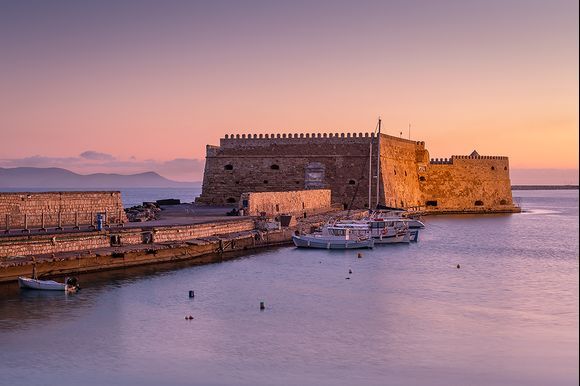
Koules Fortress: Is It Worth Visiting and How to Fit It Into a Heraklion Day
Koules Fortress stands at the entrance of Heraklion harbour, where it has dominated the waterfront for five centuries. If you are spending a day in Crete's capital, this is the landmark that sets the tone for the rest of the city. It connects directly to the Old Town, the harbour promenade, and some of the best eating and walking in central Heraklion. Start here and the rest of the day falls into place.
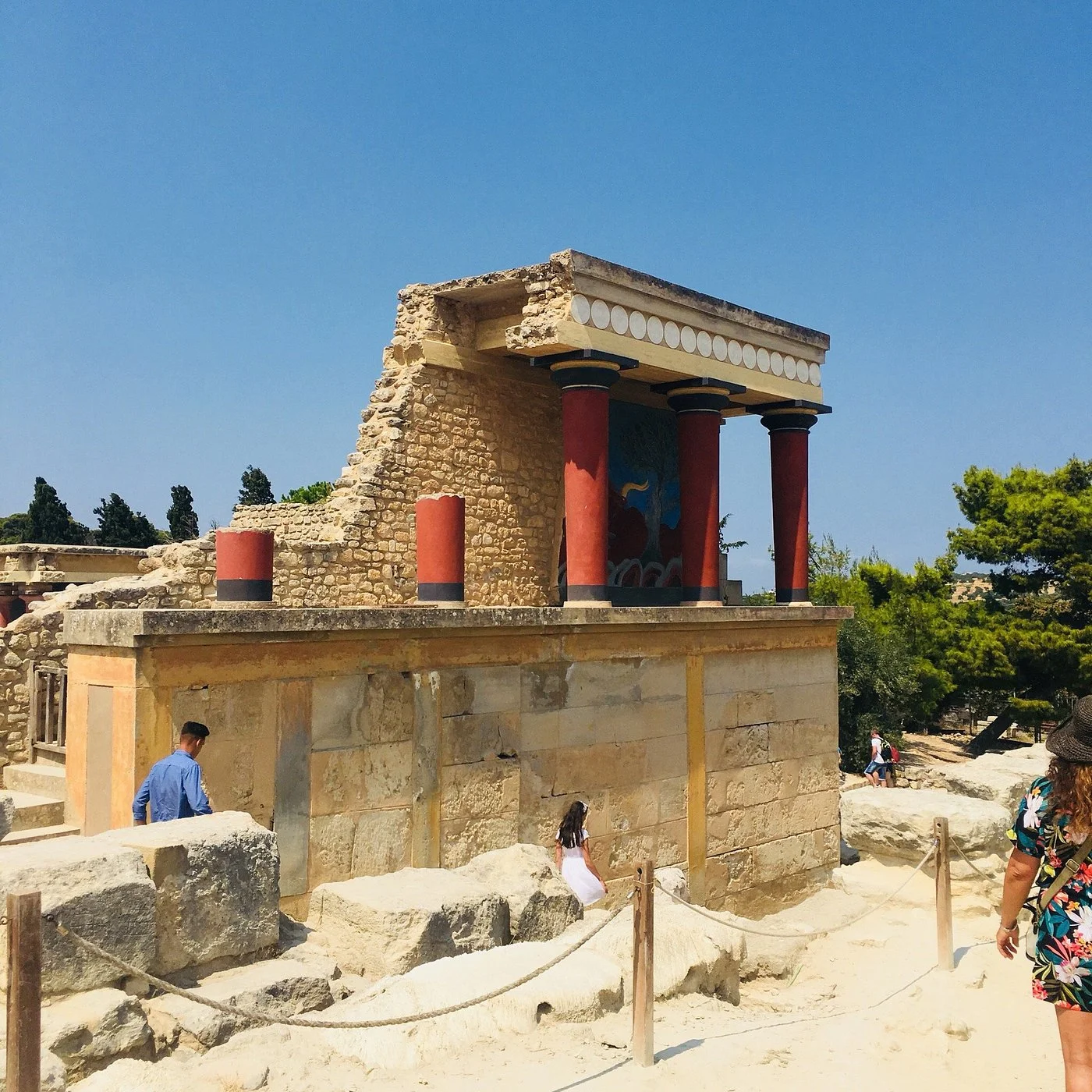
Knossos Palace in Crete: Worth It, Tickets, Labyrinth and What It’s Famous For
Knossos Palace is one of Crete's most talked-about archaeological sites, and for good reason. It combines Minoan history, royal quarters, ceremonial spaces, and one of Greece's best-known myths. This guide answers the questions people actually ask before they go, from tickets to the labyrinth story.
Let Crete come to you
Sign up to get authentic stories, travel tips, and new experiences
By entering my email, I agree to receive marketing notifications from travel & do.