 Back to blog
What to See in Kritsa, Crete: Panagia Kera, Ancient Lato and the Village Itself
On this page
Quick Summary
Kritsa is a traditional mountain village in Lasithi, near Agios Nikolaos, with strong links to Byzantine history, village life, and olive-growing.
It is one of the easiest villages in Crete to explore on foot, especially around the main lanes and central squares.
The best-known sights are the Church of Panagia Kera and the nearby Ancient Lato archaeological site.
The village is known for its views, quiet streets, craft shops, and access to countryside walks.
Many travelers use Kritsa as part of a wider eastern Crete trip based in Agios Nikolaos.
What Kritsa Is
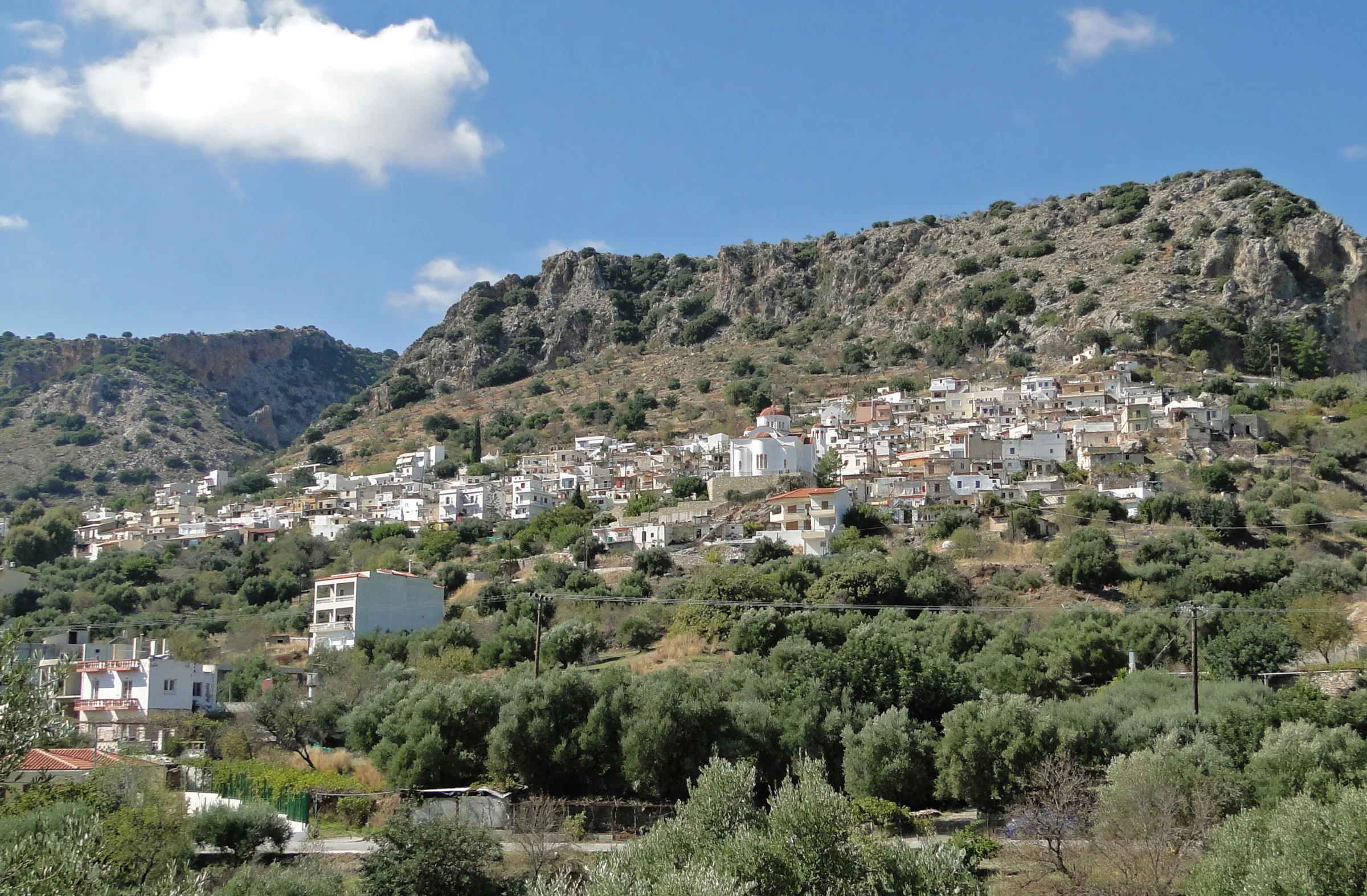
Kritsa is a historic village in eastern Crete, set in the hills of Lasithi and closely linked to Agios Nikolaos. It has the feel of a working village rather than a place built only for tourism, which is a significant part of its appeal.
Visitors come for a mix of atmosphere, heritage, and easy access to nearby sights. The village is also known for its olive groves, traditional stone houses, and a strong local identity that has held its shape despite the steady flow of day-trippers from the coast.
At around 11 kilometres from Agios Nikolaos, Kritsa sits high enough to feel removed from the beach crowds, yet close enough to reach without planning. The road up through the olive groves is itself a good introduction to the landscape of this part of Crete.
What Kritsa Is Known For
Kritsa is best known for the Church of Panagia Kera, one of the most important Byzantine churches in Crete. It is also associated with Ancient Lato, an ancient city-state located just above the village that draws visitors interested in Minoan and post-Minoan history.
Beyond the headline sights, Kritsa is known for its mountain setting, views over the surrounding valleys and Mirabello Bay, and its traditional village feel. That combination makes it a compelling answer to what Kritsa, Crete is known for: heritage, scenery, and a strong sense of place that most coastal stops cannot offer.
The village has also become known for its craft shops and weavings, a tradition that goes back generations and still shapes the character of the main street today.
History and Identity
Kritsa has deep roots, and the village is best understood through its churches, old schools, and long local continuity. The Church of Panagia Kera includes parts that date to the 13th century, which helps explain why the village attracts visitors with a serious interest in Byzantine art and history. The frescoes inside are among the best preserved on the island, covering the walls of three aisles and depicting scenes from the New Testament and the life of the Virgin Mary.
The nearby Ancient Lato site adds another layer to the story. It connects Kritsa not only to village culture, but also to one of Crete's important ancient city-states, one that was powerful enough during the Dorian period to have its own port at what is now Agios Nikolaos. That gives the area a wider historical frame than most other Cretan villages can offer.
Through the Venetian and Ottoman periods, Kritsa remained a settlement of some significance in eastern Crete. Its hilltop position, while demanding, offered the kind of defensibility that mattered in uncertain centuries. That history of self-sufficiency is still readable in the architecture and layout of the old core.
Things to Do
Visit the Church of Panagia Kera. This is the most important stop in Kritsa for most visitors, and it is known for its preserved Byzantine frescoes and historical significance. It sits just outside the village on the road from Agios Nikolaos and is easy to combine with a walk through the old lanes. The church is small, so it rarely feels crowded, and the quality of the painting inside repays a slow look rather than a quick glance.
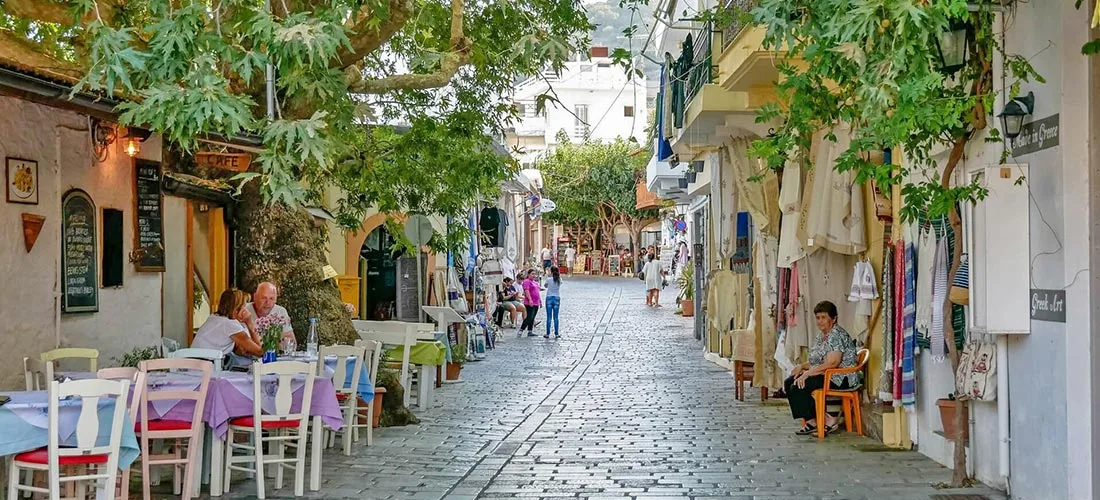
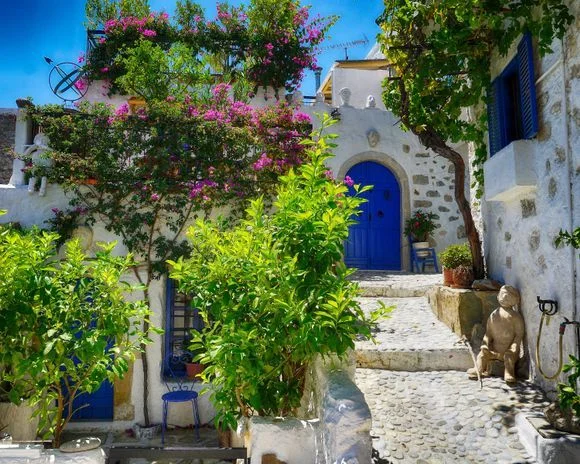
Walk the village streets. Kritsa is genuinely walkable, and that is one of its main strengths. The central area is compact, with cafes, small shops, and viewpoints that make the village feel easy to explore at your own pace. The terrain is still a hillside one, so some streets slope upward, which means comfortable shoes are a better idea than casual sandals if you want to move between the church, the old core, and the viewpoints without rushing.
Visit Ancient Lato. This archaeological site sits above Kritsa and gives the area a much broader historical interest. It is one of the strongest reasons to spend more than a few hours in the area, especially if you enjoy ruins, open views, and quieter heritage sites away from coach-tour crowds. The site is well-maintained and the views from the top are some of the best in Lasithi.
Enjoy the views. Kritsa looks out over olive groves, valleys, and the mountains around Agios Nikolaos. Even without a long walk, the scenery alone makes the village worth the detour from the coast. The best vantage points are found at the upper end of the village, above the main shopping street.
Browse local craft shops. The village has a small but genuine mix of local shops and cafes, which makes it better suited to lingering than rushing. Woven textiles, embroidery, and ceramics are the most common finds. This is the kind of place where a slow coffee break makes more sense than a timed itinerary.
Combine it with Agios Nikolaos. Many visitors base themselves in Agios Nikolaos and come to Kritsa on a short trip, which is practical because the village is close by and easy to reach by car or bus. That makes Kritsa a natural half-day or full-day addition to an eastern Crete itinerary without requiring a change of base.
History and Archaeology: Ancient Lato
Ancient Lato is a Dorian city-state dating to roughly the 7th and 6th centuries BC, and it is one of the more rewarding archaeological sites in eastern Crete precisely because it receives far fewer visitors than Knossos or Phaistos.
The city was built on a saddle between two hills, a position chosen for its defensibility and its commanding views across the valley toward the sea. The remains include a central agora, a prytaneion, several temples, and residential terraces that follow the natural contours of the hillside. Much of the stonework is still legible, which makes it easier than at some sites to understand how the city was organised.
The name Lato is thought to derive from the goddess Leto, mother of Apollo and Artemis, who was widely venerated in this part of Crete. The city had its own port, Lato pros Kamara, at what is now Agios Nikolaos, which gives the site a direct connection to the coastal town most visitors are already using as a base.
The site is open to visitors and has modest entry fees. A path leads up from the road above Kritsa, and the walk itself takes around 15 to 20 minutes from the car park. The combination of Panagia Kera, the village itself, and Ancient Lato in a single outing is one of the most satisfying half-day routes in Lasithi.
Food, Bars and Tavernas
Kritsa is not a destination built around its food scene, but it has enough to make a relaxed meal or coffee stop worthwhile. The village tavernas tend to serve straightforward Cretan food, and the quality reflects local produce rather than tourist menus.
Dakos, the Cretan barley rusk topped with tomato, olive oil, and soft cheese, is a reliable choice in any of the village kafeneions. Lamb, goat, and legume-based dishes feature heavily, as they do across the Lasithi interior. Olive oil here is local and very good, which makes even a simple salad worth ordering.
The main street has a handful of cafes where you can sit outside and watch the village go about its day. These are the kind of places that suit a mid-morning break between sights rather than a long evening meal, though some do stay open for dinner in summer.
For a wider choice of restaurants, Agios Nikolaos is the obvious option, with a harbour-front dining scene that covers everything from fresh fish to international menus.
Weather and Best Time to Visit
Kritsa can be visited year-round, but spring (April to June) and autumn (September to October) are the most comfortable seasons for walking and exploring the surrounding countryside. The temperatures are moderate, the light is good, and the village feels calm without being empty.
Summer works well too, though midday heat can make uphill walking less enjoyable, particularly around the lanes above the main street and on the path up to Ancient Lato. If you are visiting in July or August, an early start, before 10am, gives you the best conditions at both the church and the ruins.
Winter visits are quiet and the village stays open, though some shops and smaller cafes reduce their hours or close for part of the off-season.
For photography, the softer light in the morning or late afternoon is best for the lanes, the stone textures, and the valley views. For history, any season works, since Panagia Kera and Ancient Lato remain the main draw regardless of time of year.
Getting There
Kritsa is approximately 11 kilometres from Agios Nikolaos, making it one of the more accessible traditional villages in eastern Crete. The road is well-signposted and easy to follow from the main coastal route.
By car, the drive from Agios Nikolaos takes around 15 minutes. Parking is available at the entrance to the village and near the Church of Panagia Kera, which sits on the road before the main settlement.
By bus, there are regular services from Agios Nikolaos to Kritsa. The journey takes around 20 minutes and the bus drops passengers near the centre of the village. Frequency varies by season, so checking the local KTEL schedule before you go is worthwhile.
A car gives you the most flexibility, especially if you want to combine the village with Ancient Lato and other inland stops in the same day without fitting around a timetable.
Where to Stay
Staying in Agios Nikolaos makes the most sense for most visitors. It is close to Kritsa, offers a wide range of accommodation across all budgets, and gives you easy access to the rest of Lasithi, the coast, and transport connections. It is also the most practical base if you want to move through eastern Crete without changing hotels.
If you prefer a slower trip with less driving and more time in the hills, a stay in a village guesthouse in the broader Lasithi area can give you a more rural feel. That works best for travelers who want early starts, quiet evenings, and a closer connection to the inland landscape.
Kritsa itself has limited accommodation, but what exists tends to be small, family-run, and well-suited to those who want the village to themselves once the day-trippers have left.
Nearby Attractions
Kritsa fits naturally into a wider Lasithi itinerary because it sits close to heritage sites, mountain roads, and the coast at Agios Nikolaos. A single day can reasonably cover the village, Panagia Kera, Ancient Lato, and a return to the coast for an evening meal.
Agios Nikolaos is the most useful nearby town, around 11 kilometres away, with a picturesque harbour, a good archaeological museum, and a well-developed restaurant scene.
Spinalonga, the Venetian island fortress and former leper colony, is reachable by boat from Elounda, around 20 kilometres from Kritsa. It is one of the most visited sites in eastern Crete and worth combining with a Kritsa stop on a longer day.
Elounda itself offers upmarket hotels and a quieter waterfront, and the drive along the coast from Agios Nikolaos is one of the more scenic short routes in Lasithi.
Katharo Plateau, a high alpine plateau above Kritsa, is a less-visited option for those who want mountain scenery, wildflowers in spring, and a sense of real remoteness. The road up is narrow but passable, and the plateau has a small taverna that opens in the warmer months.
Things to do nearby
Book a guided experience in this area


Related Articles
Continue exploring Crete
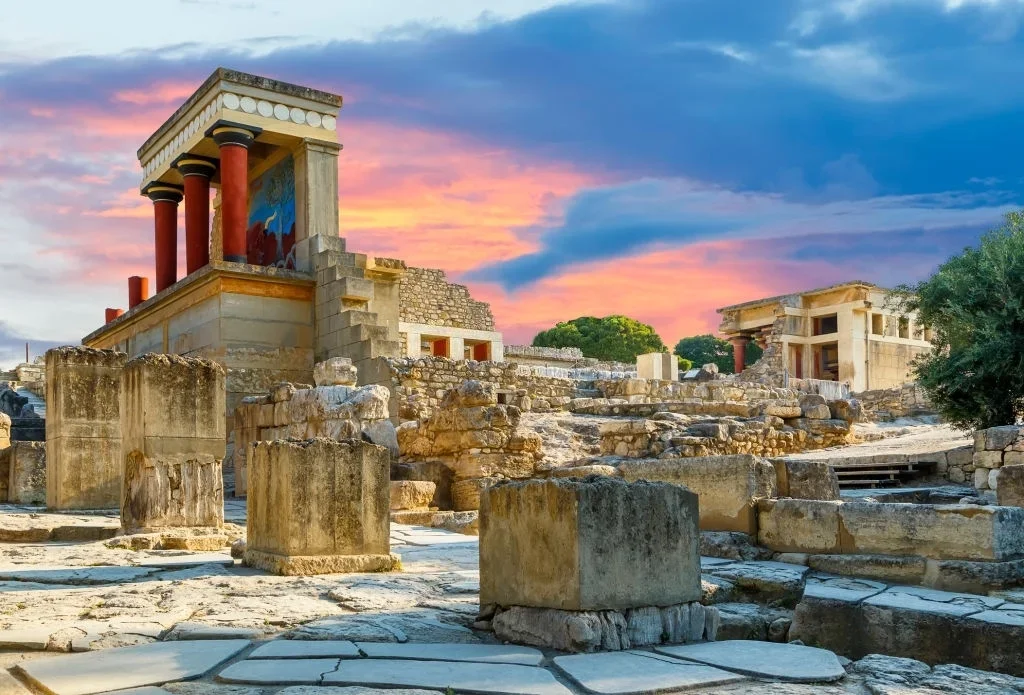
Knossos Guided Tour: What You Get, What It Costs and How to Plan the Day
A Knossos guided tour is the difference between walking past a low wall and understanding why the wall matters, because the site itself carries almost no explanatory signage. Nearly every guided tour sold for Knossos is a guide-only service: the state entrance ticket is a separate €20, bought in your own name. This guide sets out what a guided visit actually includes, what it costs once the ticket is added, and how to combine the palace with the Heraklion Archaeological Museum, where the origina
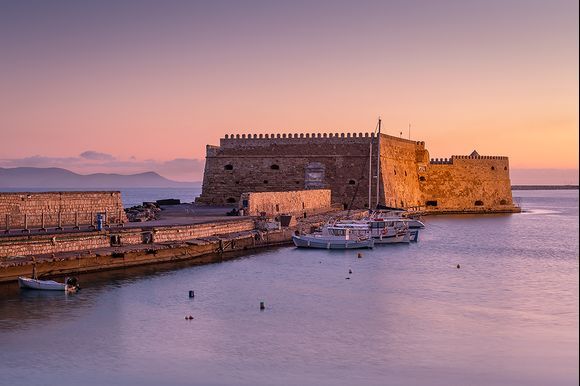
Koules Fortress: Is It Worth Visiting and How to Fit It Into a Heraklion Day
Koules Fortress stands at the entrance of Heraklion harbour, where it has dominated the waterfront for five centuries. If you are spending a day in Crete's capital, this is the landmark that sets the tone for the rest of the city. It connects directly to the Old Town, the harbour promenade, and some of the best eating and walking in central Heraklion. Start here and the rest of the day falls into place.
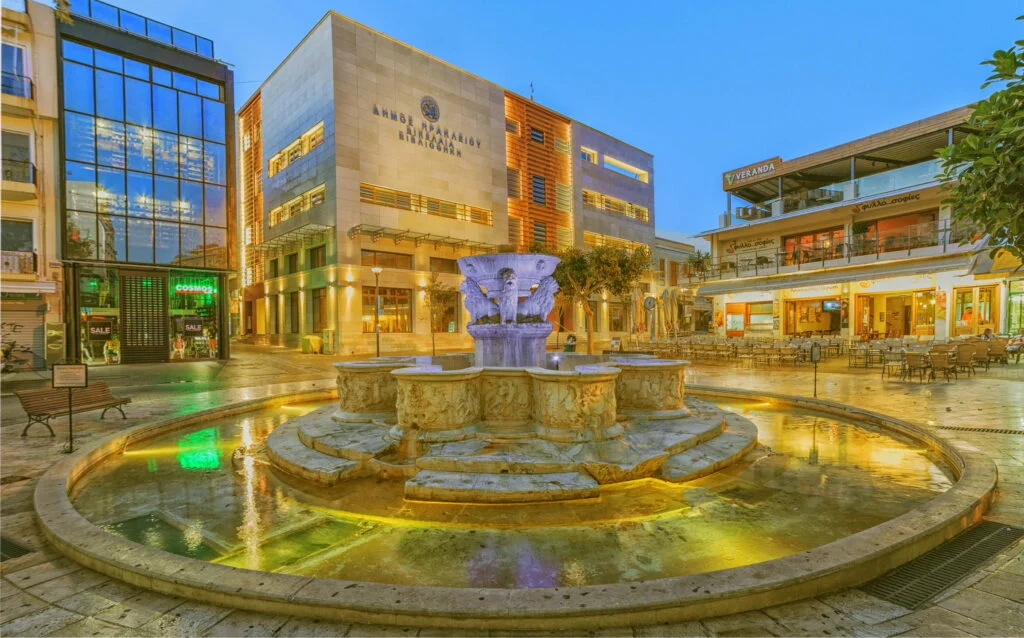
Morosini Fountain, Heraklion: The Venetian Monument at the Heart of the City
Morosini Fountain is one of Heraklion's best-known landmarks, and it sits right in the middle of the city's busiest historic square. Its Venetian design, lion heads, and central location make it an easy stop on any walk through the old town. This guide answers the most common visitor questions and explains why the fountain matters in the city's story.
Let Crete come to you
Sign up to get authentic stories, travel tips, and new experiences
By entering my email, I agree to receive marketing notifications from travel & do.