 Back to blog
Koules Fortress: Is It Worth Visiting and How to Fit It Into a Heraklion Day
On this page
Quick Summary
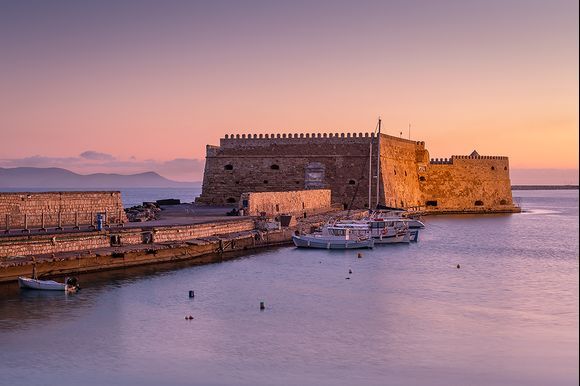
Koules Fortress sits at the entrance of Heraklion's old Venetian harbour and has stood there since the 16th century.
It is also known as Rocca a Mare, its original Venetian name, and is one of the clearest surviving examples of Venetian military architecture in the eastern Mediterranean.
The fortress was built by the Republic of Venice, later used by the Ottomans as a prison, and today functions as a cultural monument open to visitors.
A visit typically takes between 30 and 60 minutes, which makes it easy to combine with a broader Old Town walk.
Spring and early autumn are the most comfortable seasons for a harbour-based itinerary in Heraklion.
For a one-day visit, the most efficient route combines Koules, the harbour promenade, the historic centre, and a food stop in the old streets.
What Koules Fortress Is
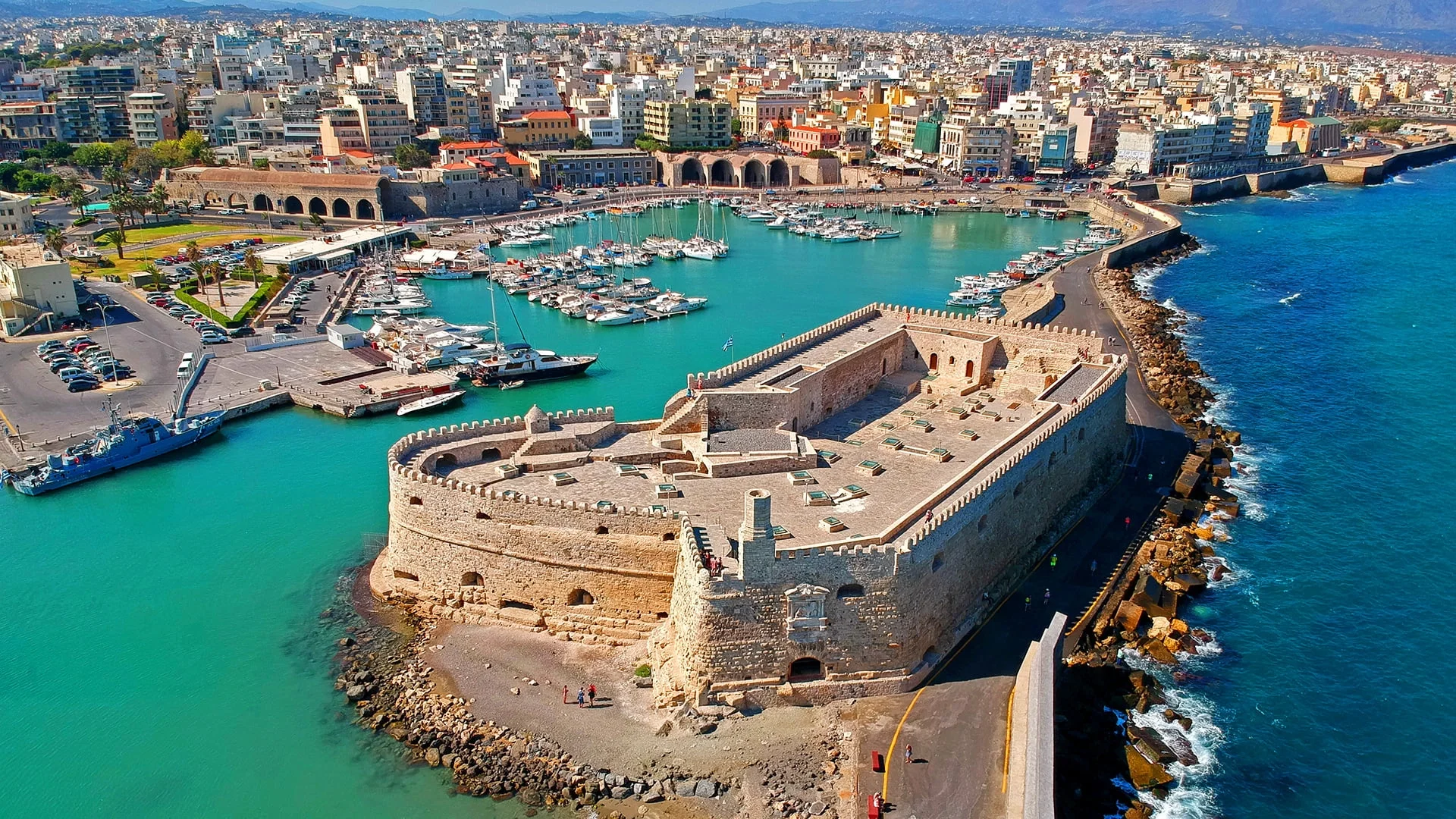
Koules Fortress is the sea gate of Heraklion. It marks the entrance to the old Venetian harbour and is one of the first things you see when arriving at the waterfront, which is part of why it matters even on a short visit. The structure is square, heavily built, and sits directly on the water, with thick limestone walls that were designed to take artillery fire and keep the harbour intact.
The question of whether Koules is worth visiting has a straightforward answer: yes, particularly if you want a compact sight that delivers history, sea views, and a strong sense of place without taking up most of your day. It is not a large all-day attraction. The visit runs between 30 and 60 minutes depending on how much time you spend inside, and that is part of its appeal. It works as a starting point, not a destination in itself.
It's Defining Feature
What makes Koules distinct is its position. The fortress sits right on the water at the tip of the harbour breakwater, which means it reads differently from every angle. From the promenade it looks like a compact military block. From a boat it looks like a threshold. From the upper level, which visitors can reach, it offers one of the cleaner panoramic views of Heraklion's coastline and port.
The Venetian construction style is another defining element. The walls are thick and plain by design, built for function rather than display, but the details that remain, including carved reliefs and inscriptions, give the structure its character. It is a building that rewards attention. The longer you look at it, the more it tells you about the city it was built to protect.
History & Identity
Koules stands on the site of an earlier Byzantine tower, which was used to defend the city against pirate attacks well before Venice arrived. The fortress we see today dates to the 16th century and was constructed by the Republic of Venice as part of the broader defensive system around Candia, the Venetian name for Heraklion. It took several decades to complete and replaced an earlier Venetian structure that had been damaged by earthquake.
The fortress carries three carved reliefs of the Lion of St. Mark, the symbol of Venetian rule, which are still visible on the outer walls. These were a standard marker of Venetian authority across the Mediterranean and give the building its clearest visual link to that period of Cretan history.
After Venice lost Crete to the Ottoman Empire in 1669, Koules was repurposed as a prison. That layer of history adds a darker dimension to what might otherwise read as a straightforward piece of military architecture. The building was used as a place of detention for decades and that fact is part of what is preserved and interpreted inside.
The name Koules comes from the Turkish word for tower and replaced the Venetian name Rocca a Mare over time. Both names are still used today, often interchangeably, which reflects the layered identity of the harbour itself.
Things to Do
Walk the outer perimeter first. Before going inside, take a full lap around the fortress from the water's edge. The scale of the walls and the harbour setting make more sense from the outside, and this is where the best angles for photographs are. The view back toward the city from the tip of the breakwater is one of the more rewarding in Heraklion.
Go inside and take the stairs. The interior includes the main hall, former dungeon spaces, and architectural details that are easy to miss if you only see the exterior. The upper level is accessible and gives you an elevated view of the harbour, the coastline, and on clear days the mountains behind the city. It is worth the short climb.
Find the Lions of St. Mark. There are three carved reliefs on the outer walls and they are easy to walk past without noticing. Slow down at the main entrances and look at the carved surfaces. These are among the best-preserved Venetian markers of their kind in Crete.
Use it as the anchor of a city walk. Koules connects naturally to the harbour promenade, the old market streets, and the historic centre. It makes sense as the first stop on a Heraklion day route rather than an isolated monument visit. Build the rest of the day outward from here.
Stay for the light. The harbour is at its best in the early morning and late afternoon, when the light on the water changes the mood of the whole waterfront. If your visit is flexible, arriving before the main tourist hours makes the walk around the fortress noticeably more comfortable.
How to Spend a Day in Heraklion
For a one-day visit to Heraklion, Koules belongs in the first half of the itinerary. A practical route starts at the harbour, moves through the historic centre, includes a lunch stop somewhere in the old streets, and finishes with a slower afternoon walk back toward the waterfront or the Venetian walls.
Heraklion's Old Town is what gives the city its character beyond the port. The street network is compact and easy to walk, and it connects to Koules naturally without requiring transport. For most short-stay visitors, the strongest approach is not choosing between the fortress and the Old Town but treating them as a single route.
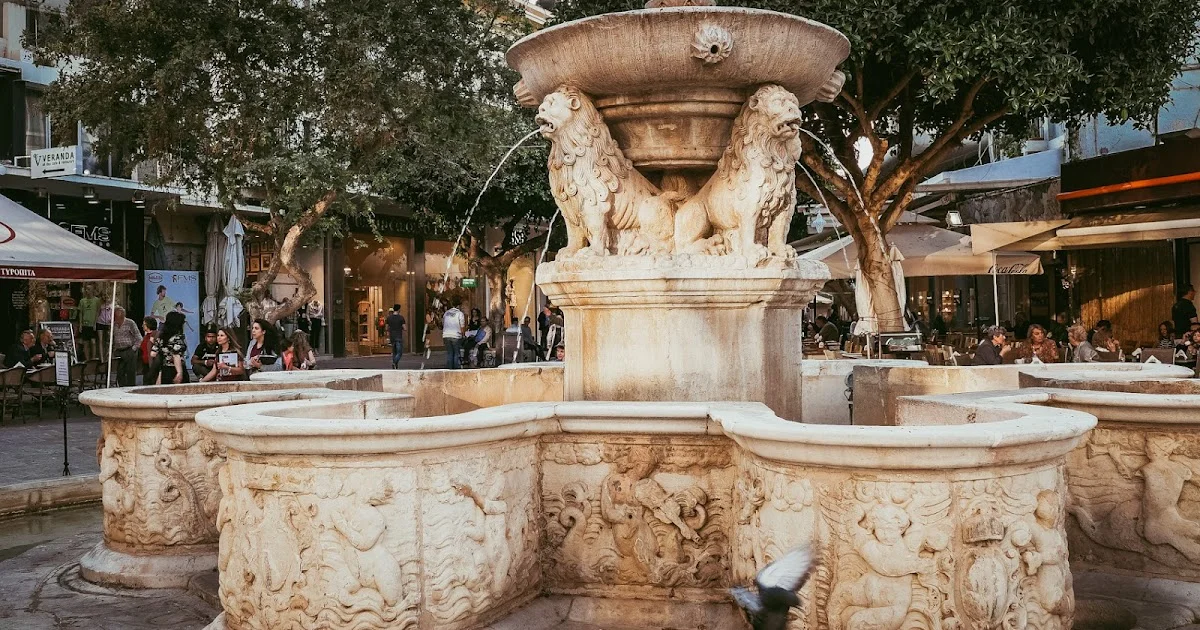
The area around the Morosini Fountain in Lions Square is a natural midpoint on this kind of day. It sits at the heart of the pedestrian centre and gives you a pause point between the harbour and the broader city. From there, the Heraklion Archaeological Museum, one of the most important in Greece, is a short walk and an obvious addition if your schedule allows more than a half-day.
The Historical Museum of Crete is another option that fits the same general area and covers the period from early Christian times through to the 20th century. It works as a complement to Koules rather than a repeat of it, because the two sites cover different chapters of the same city.
History & Archaeology
Koules is not an excavation site but it sits inside one of the most historically layered urban waterfronts in the Aegean. The Venetian harbour system of which it was a part included not just the fortress but also shipyards, arsenals, and a full chain of defensive walls around the city. Several of the Venetian arsenals, the long vaulted boathouses used to build and repair warships, are still standing just behind the harbour and are worth a look as part of the same visit.
The broader Venetian defensive walls of Heraklion, which ring the old city, are one of the best-preserved examples of Renaissance military engineering in the Mediterranean. They were designed by the Venetian engineer Michele Sanmicheli and took decades to build. Koules was the seaward anchor of this system, which is why its position at the harbour entrance matters as much as the building itself.
For visitors with a specific interest in Venetian Crete or military architecture, this combination of the fortress, the arsenals, and the city walls gives Heraklion a depth that goes well beyond a single monument stop.
🔗 If you want to plan a full Heraklion day with things to do, check our full list.
Food, Bars & Tavernas
The area between Koules and the centre is one of the more convenient places to eat in Heraklion, which is useful when you are combining a harbour visit with a city walk. The harbour promenade has the expected run of cafés and tourist-facing spots, but moving a few streets back into the old centre quickly gives you better options.
Pagopoeion, located in an old ice factory near the harbour, is one of the more atmospheric bars in the city for a mid-morning coffee or an afternoon drink. It has a terrace and an interior that work at different times of day.
For food, the streets around Plateia Kornarou and the covered market on 1866 Street are more useful than anything directly on the waterfront. The market street is where locals shop and eat and gives you a more accurate read on the city than the harbour-facing restaurants. A simple lunch of cheese, olives, and fresh bread from the stalls here is often the best meal of a Heraklion day.
For a sit-down taverna, the area around Theotokopoulou Street in the old centre has a handful of reliable options that do straightforward Cretan food without the tourist-menu pricing that creeps into the harbour spots. Grilled fish, dakos, and local cheese are the standard order and rarely disappoint.
Weather & Best Time to Visit
Heraklion has a dry Mediterranean climate, which means the summer months are hot, sunny, and busy. July and August are the peak tourist months and the harbour area reflects that, with more visitors, more heat at midday, and longer queues at the fortress entrance.
April, May, and October are the most comfortable months for a city-based visit. Temperatures are mild enough for extended walking, the harbour light is good in the morning and afternoon, and the city has a less compressed feel than it does in high summer. The fortress is also more pleasant to explore when you are not sharing the upper level with large groups.
If you are visiting in summer, the best strategy is to be at Koules before 10am or after 5pm. The middle of the day is the worst time to be on an exposed waterfront in August, and the city centre is more enjoyable once the midday heat passes. That timing also gives you the best harbour light for photographs.
Winter visits are possible and the city has its own character between November and February, but several attractions reduce their hours and the harbour loses some of its activity. For most visitors, the spring and autumn windows give the best balance.
Getting There
Koules Fortress is at the eastern end of the harbour, roughly a 10-minute walk from the centre of Heraklion. From Lions Square and the main pedestrian streets, the route to the waterfront is straightforward and flat, which makes it easy on foot at any pace.
If you are arriving by ferry, the port of Heraklion is immediately adjacent to the fortress. You will see Koules as you dock, which means it is the most obvious first stop after leaving the boat. That proximity is one of the reasons it features on so many short-stay itineraries.
By car, parking in central Heraklion requires some planning. The most practical options are the paid car parks near the port or the broader centre. Driving directly to the fortress is not practical, so parking once and walking is the better approach. The city centre is compact enough that a single parking stop covers most of what you need for a day visit.
There is no specific bus stop at the fortress, but several city bus routes stop in the centre and the harbour area is within easy walking distance of the main bus hub at KTEL Heraklion. If you are coming from another part of Crete by intercity bus, the station is close enough to walk to the waterfront from.
Where to Stay
For a one-day or short-stay visit that focuses on the fortress and the Old Town, the most practical base is central Heraklion, within walking distance of the harbour. The area around Lions Square and the pedestrian streets gives you direct access to Koules, the Archaeological Museum, and the old market without needing transport for any of it.
Harbour-facing hotels are available in the area and add atmosphere if you want to see the waterfront from your room, but they are not essential. The priority is proximity to the historic centre rather than a specific view.
For budget travellers, there are smaller guesthouses and aparthotels in the streets behind the main squares that offer practical accommodation at lower prices than the harbour-front options. These tend to be quieter than the waterfront hotels and are often closer to the local cafés and tavernas.
If you are combining Heraklion with a broader Crete trip, a central city base for one or two nights is usually enough to cover the main sights at a reasonable pace without feeling rushed.
Nearby Attractions
The most immediate extension of a Koules visit is the Venetian Arsenals, the long arched boathouses directly behind the harbour that were used to build and repair the Venetian fleet. They are a short walk from the fortress and give you a fuller picture of how the harbour functioned as a working military and commercial port.
The Heraklion Archaeological Museum is the strongest single addition to a Koules day. It holds the most significant collection of Minoan artefacts in the world and is one of the main reasons to spend a full day in the city rather than just a few hours. It is about a 10-minute walk from the harbour.
Lions Square and the Morosini Fountain sit at the centre of the old pedestrian network and connect the harbour to the broader city. The fountain dates to the Venetian period and is the natural midpoint of any Old Town walk.
The Historical Museum of Crete on Sofokli Venizelou Street covers a different historical range than the Archaeological Museum, from early Christian Crete through to the 20th century, and takes roughly an hour to visit properly.
For those with more time, the Venetian walls and bastions that ring the old city are one of the most undervisited parts of Heraklion. Several of the bastions are accessible on foot and the walk along the walls gives a different perspective on the city's scale and its defensive logic.
Things to do nearby
Book a guided experience in this area
Related Articles
Continue exploring Crete
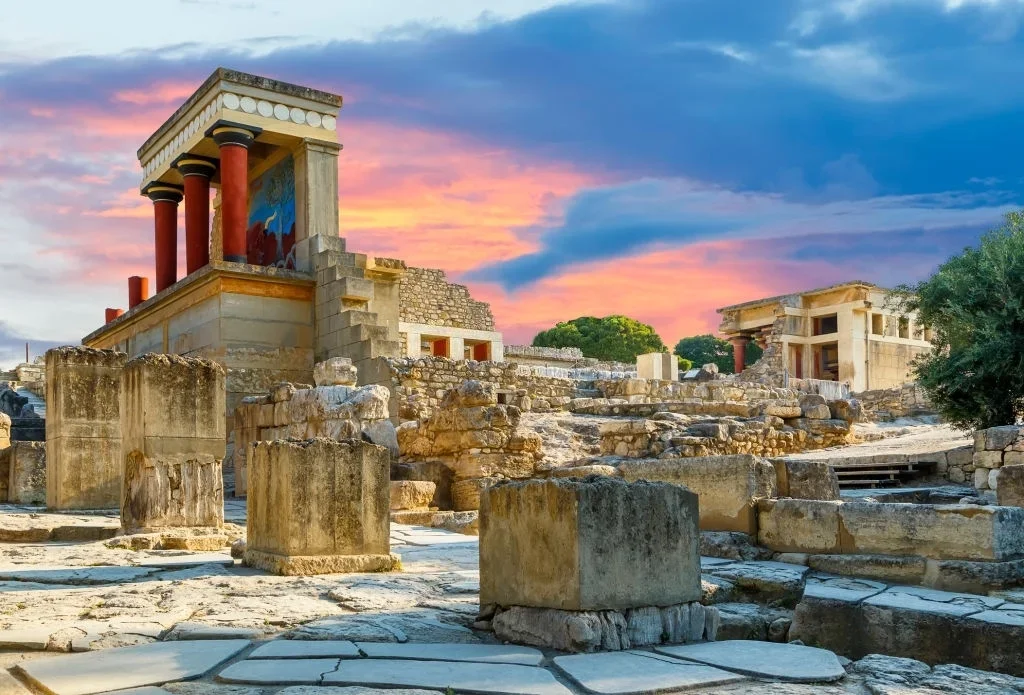
Knossos Guided Tour: What You Get, What It Costs and How to Plan the Day
A Knossos guided tour is the difference between walking past a low wall and understanding why the wall matters, because the site itself carries almost no explanatory signage. Nearly every guided tour sold for Knossos is a guide-only service: the state entrance ticket is a separate €20, bought in your own name. This guide sets out what a guided visit actually includes, what it costs once the ticket is added, and how to combine the palace with the Heraklion Archaeological Museum, where the origina
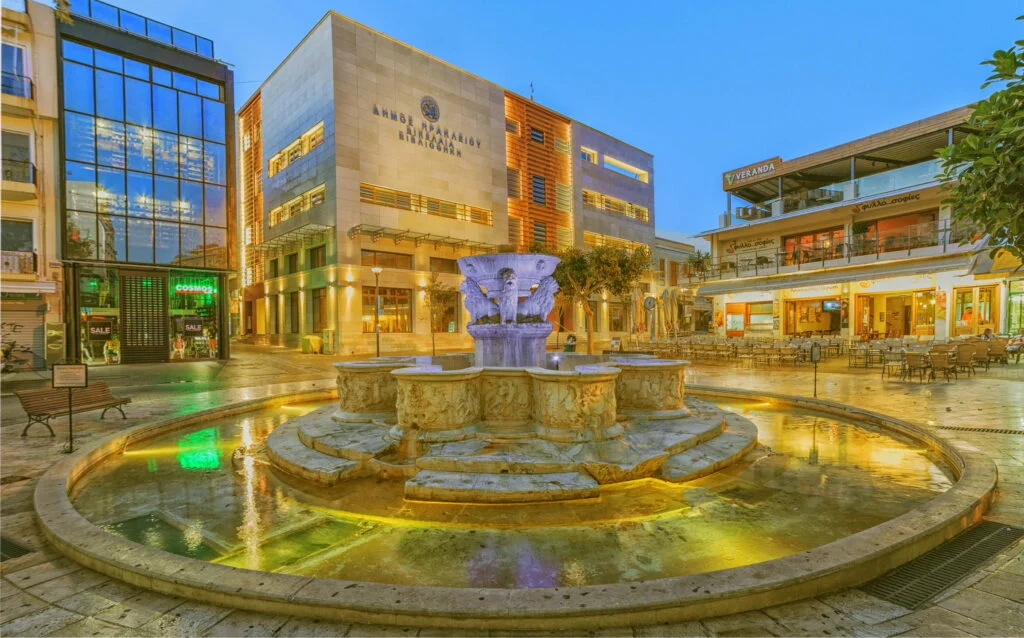
Morosini Fountain, Heraklion: The Venetian Monument at the Heart of the City
Morosini Fountain is one of Heraklion's best-known landmarks, and it sits right in the middle of the city's busiest historic square. Its Venetian design, lion heads, and central location make it an easy stop on any walk through the old town. This guide answers the most common visitor questions and explains why the fountain matters in the city's story.
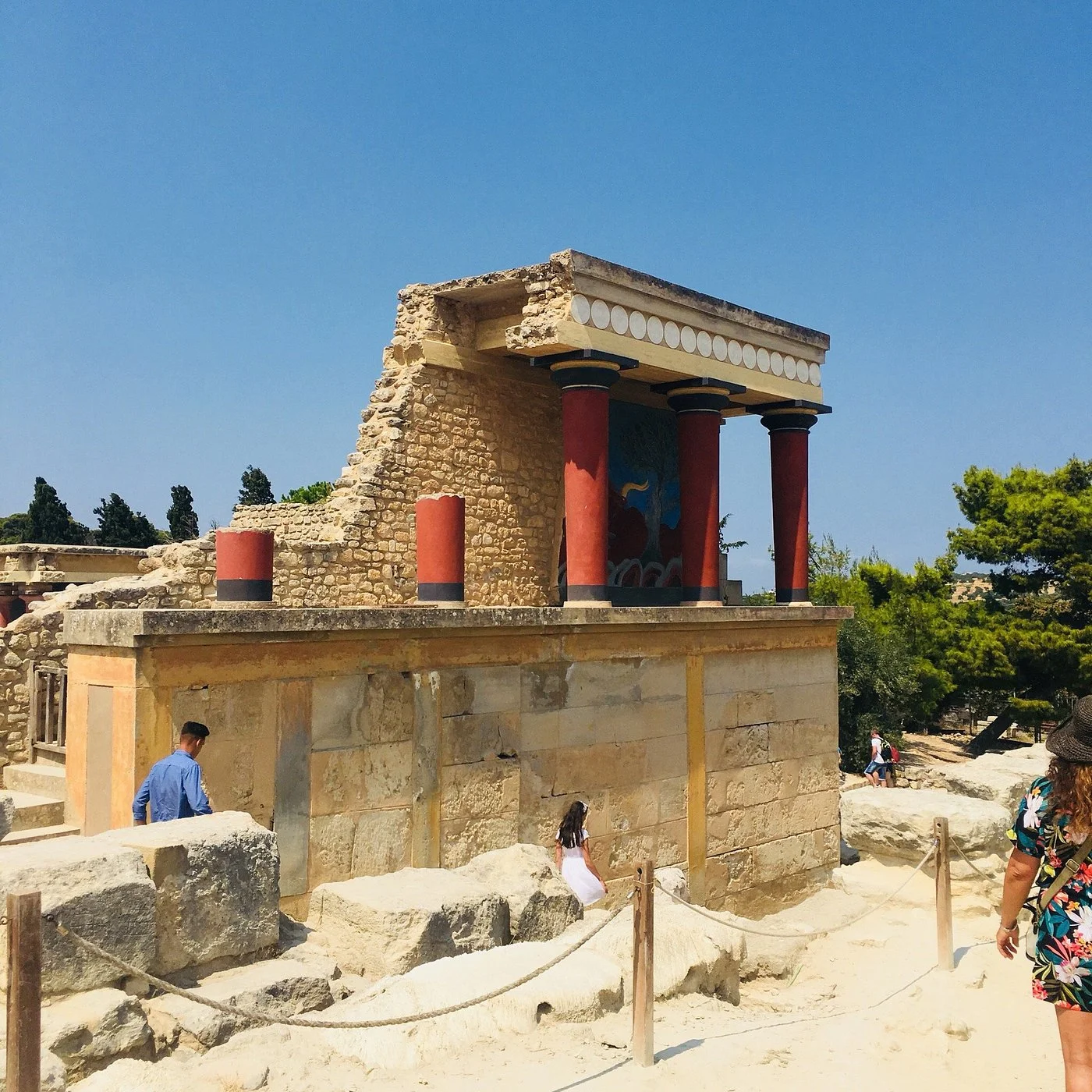
Knossos Palace in Crete: Worth It, Tickets, Labyrinth and What It’s Famous For
Knossos Palace is one of Crete's most talked-about archaeological sites, and for good reason. It combines Minoan history, royal quarters, ceremonial spaces, and one of Greece's best-known myths. This guide answers the questions people actually ask before they go, from tickets to the labyrinth story.
Let Crete come to you
Sign up to get authentic stories, travel tips, and new experiences
By entering my email, I agree to receive marketing notifications from travel & do.