On this page
Quick Summary
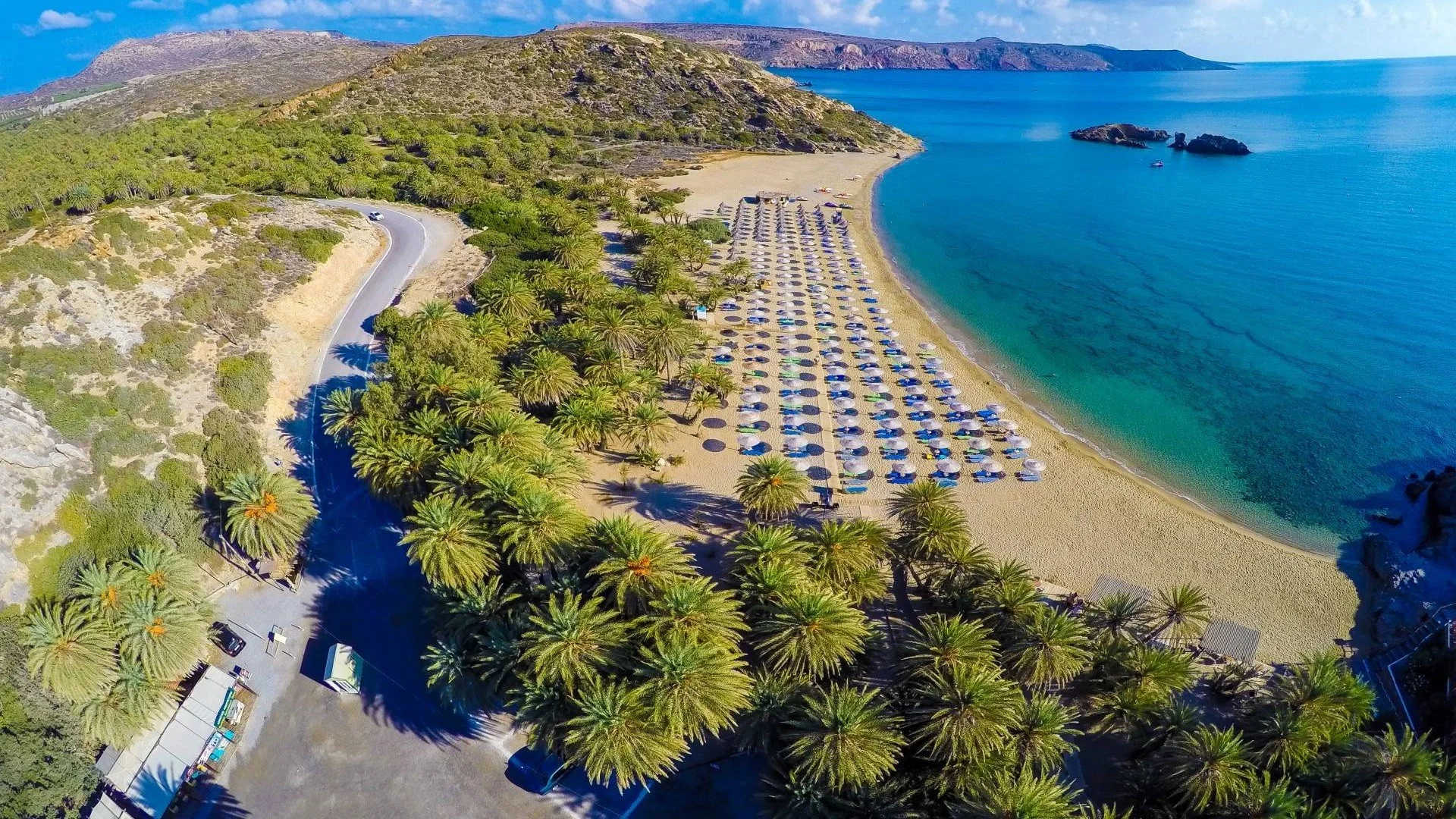
Vai Beach sits on the far northeast coast of Crete and is best known for the palm forest directly behind the sand.
You can swim here. It is a proper beach with fine sand, chairs, and facilities, not just a viewpoint.
The palm forest is protected, and development around the beach is minimal.
Toplou Monastery is the strongest nearby cultural stop, a short drive from Vai on the same road.
The beach is around 24 km east of Sitia and roughly 94 km east of Agios Nikolaos. A rental car is the only practical way to get here.
The legend linking the palms to Phoenician sailors is part of the beach's identity, but that story has since been disproved by researchers.
What Vai Beach Is
Vai Beach is a sandy bay on the northeastern tip of Crete, a few kilometres from the very end of the coastal road that runs east from Sitia. It belongs to the municipality of Sitia and sits within a protected landscape that has kept development away from the shoreline.
What makes Vai stand out from the rest of the island's coast is the palm forest. The trees, a native species of Cretan date palm called Phoenix theophrasti, rise directly from the ground behind the beach and give the bay an appearance that reads as far more exotic than a typical Aegean beach. There is nothing else quite like it in Greece, and that is not a phrase to use lightly on an island with as many beaches as Crete.
The beach itself is real. It has fine sand, a clear bay for swimming, sunbeds, and a restaurant nearby. Visitors come here to spend time, not just to take a photograph. The protected setting means there are no hotels on the waterfront, no rows of shops, and no late-night noise. It is a daytime destination with a strong sense of place.
The Palm Forest
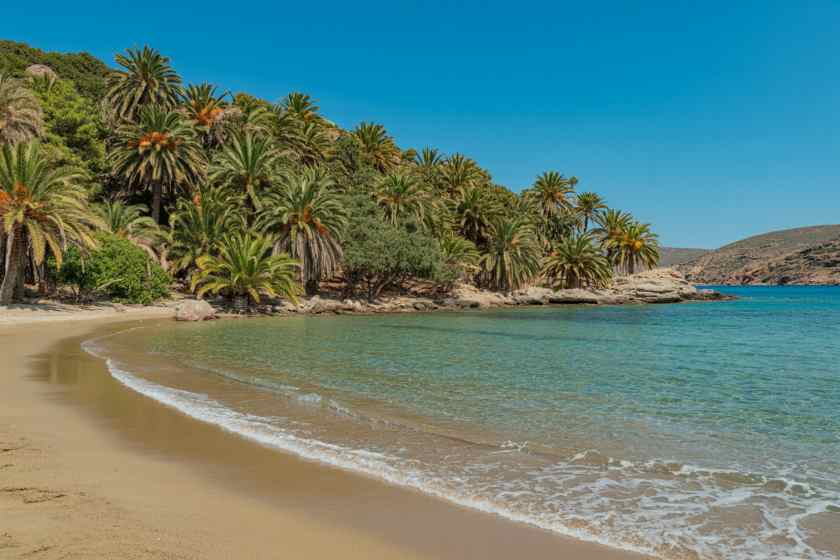
The palms at Vai are not imported. They belong to a species called Phoenix theophrasti, a wild Cretan date palm that grows in a handful of locations across the eastern Mediterranean. Vai holds the largest natural forest of this species in Europe, which alone is enough to make the site significant from a botanical and ecological standpoint.
The forest is protected under Greek law, and visitors are not allowed to walk through it freely. There are marked paths and a viewing platform that let you see the trees up close without damaging the root systems. That restriction is one reason the forest has survived in reasonable condition while tourist traffic has grown over the decades.
The palms grow low and dense in places, with their fronds catching the light above the sand. In the morning, when the beach is quieter, the combination of the trees, the sea, and the rocky headlands to either side produces a scene that genuinely looks different from the rest of Crete.
History and Legend
The most famous story attached to Vai is the one about Phoenician sailors. According to the legend, traders passing along the northeastern coast stopped here and threw date pits into the sea. The palms that grew from those pits eventually became the forest visible today.
It is a good story. It gives the beach a sense of deep time and connects it to the ancient trade routes that crossed the eastern Mediterranean. It is also, according to researchers, not true.
The current scientific understanding is that Phoenix theophrasti is a native Cretan species that has grown in this part of the island for thousands of years, long before any Phoenician contact with the coast. The forest is not the result of discarded pits but of a plant that simply belongs here.
That does not make the legend less interesting. It still shapes how many visitors experience the beach, and it adds a layer of myth to what would otherwise be an ecological curiosity. Knowing the story and knowing it has been disproved are both worth having before you arrive.
The land around Vai and much of the northeast coast has historically been under the ownership of Toplou Monastery, which is one of the most powerful monastic institutions in Crete. That relationship between the monastery and the land goes back centuries and is part of why the area developed so slowly compared to the more tourist-heavy parts of the island.
Things to Do
Walk to the viewpoint. Behind the Palm Beach Restaurant there is a viewing platform that gives you a clear look at the full bay and the palm canopy from above. There is also a lesser-known viewpoint further north, past the main forest area, which gives a different angle on the headland. Neither is a long walk. Both are worth the few minutes it takes.
Spend the day on the sand. Vai is not a stop-and-go beach. The sand is fine, the bay is sheltered enough for comfortable swimming most days, and the chair rentals mean you can settle in properly. If you have been moving quickly through eastern Crete, this is a good place to slow down.
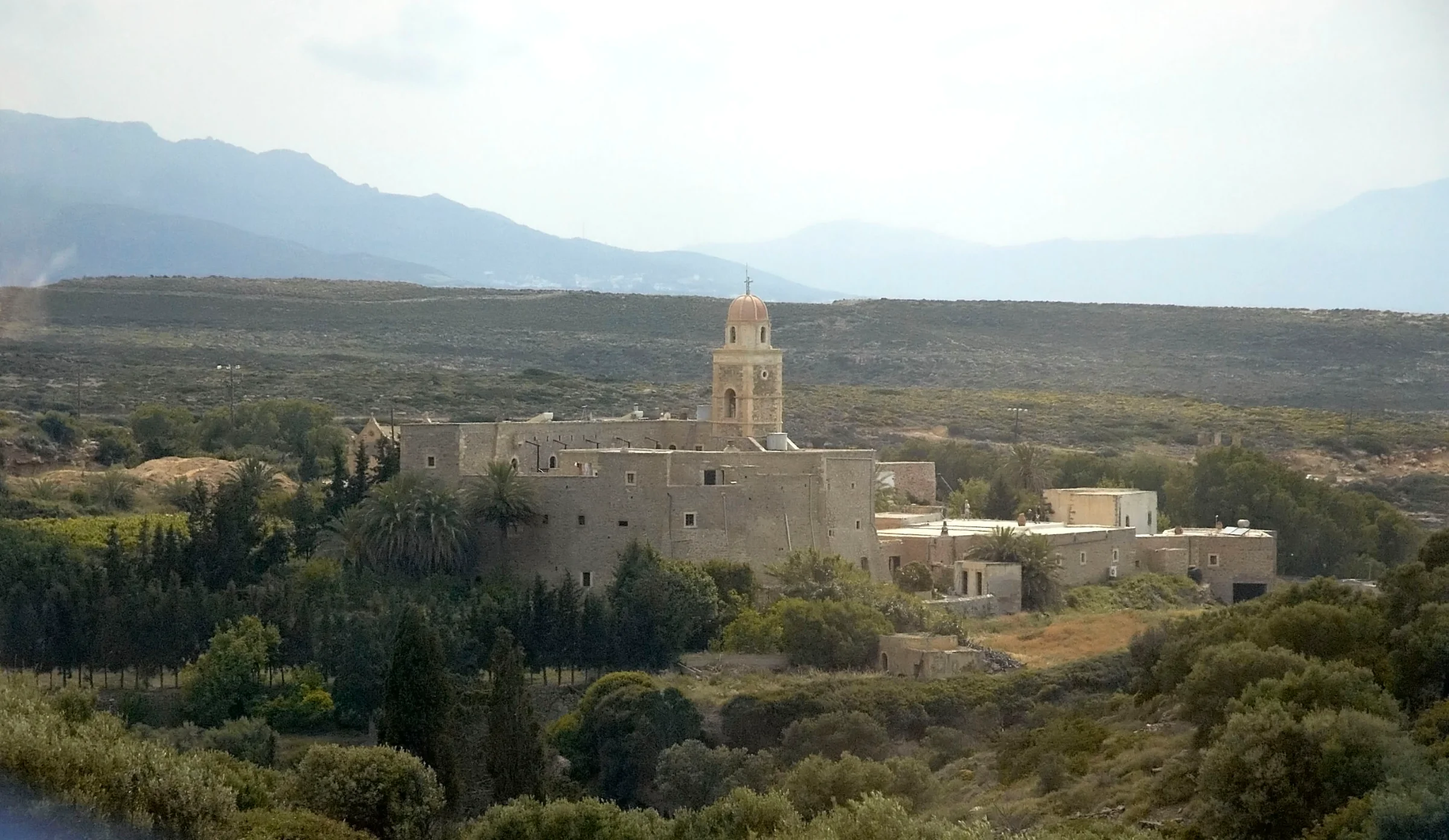
Visit Toplou Monastery. The monastery sits on the road between Sitia and Vai, roughly 8 to 9 km before the beach. It is one of the most historically significant monasteries in Crete, with a fortified exterior, an important collection of Byzantine icons, and a long history tied to the island's resistance during various occupations. Combined with Vai, it turns a beach day into something with more substance.
Use Vai as a base point for the northeast. The surrounding coast includes Palaikastro, Kouremenos, and several quieter beaches that appear far less often in travel content. If you have a car and a day to spend, the northeastern corner of Crete rewards slow exploration.
Swimming at Vai
Yes, Vai is a swimming beach. It has sand, it has chairs, it has a restaurant, and the bay is calm enough on most summer days for a comfortable swim. There is nothing about the beach that limits it to a photo stop.
The main thing to keep in mind is exposure. Vai sits on the northeastern tip of Crete, which means north or northeast winds can make conditions choppier than they look on a map. On a calm day the water is clear and the swimming is easy. On a windier day you will notice it.
A morning visit generally gives you the best light, the calmest water, and fewer people on the sand. The beach gets busier through the late morning and into the early afternoon, particularly during July and August when tour groups and day visitors arrive from Sitia and Agios Nikolaos.
Food, Bars and Tavernas
Facilities at Vai are modest by design. The protected status of the area means there is no resort strip, no row of bars, and no late-night option. What there is, however, is enough for a comfortable beach day.
The Palm Beach Restaurant near the viewing platform is the main food and drink option on site. It covers the basics: coffee, cold drinks, snacks, and food. Reviews are mixed, as is often the case with monopoly beach restaurants, but it does the job.
For anything more substantial, Sitia is the better option. The town has a working harbour lined with fish tavernas, and the food quality is consistently higher than what you find at a remote beach stop. If your day includes Toplou Monastery and Vai, finishing the afternoon with dinner in Sitia completes the circuit naturally.
Palaikastro, closer to Vai, also has a handful of places to eat. It is smaller and less polished than Sitia but worth knowing about if you are staying in that part of the coast.
Weather and Best Time to Visit
Eastern Crete runs warmer and drier than the western end of the island. Vai benefits from that pattern, and the beach is realistically usable from late May through early October.
June and September are the most comfortable months for a visit. The water is warm, the crowds are manageable, and the midday heat is not yet at its most intense. July and August bring more visitors and higher temperatures. The beach can get crowded, particularly once tour buses start arriving from Sitia in the late morning.
An early arrival, around 8:30 or 9:00, gives you the best version of Vai. The light hits the palm fronds well in the morning, the water is usually calm, and you will have the sand to yourself for at least an hour before the day-trippers appear.
Wind is worth checking before you go. The northeast coast can catch strong meltemi winds in summer, which do not make the beach unusable but do change the experience significantly.
Getting There
By rental car. This is the only realistic way to visit Vai independently. Public transport options are limited and infrequent, and the road from Sitia is not served reliably by bus outside summer schedules.
Vai is approximately 24 to 25 km east of Sitia, which translates to around 35 minutes of driving on a straightforward road. From Agios Nikolaos, the distance is roughly 94 km, which takes about an hour and a half. From Heraklion, the drive is longer still, over two hours. Vai is not a quick detour if you are based in central Crete.
The road from Sitia is well-signed and in good condition. Parking near the beach is available but fills up quickly in high season. Arriving before 10:00 in July or August means you will have no trouble finding a space.
There are also organized day trips from Agios Nikolaos and Sitia that include Vai and Toplou Monastery. These work well if you do not have a rental car, but they tend to arrive at the beach during peak hours, which is the least comfortable time to be there.
Where to Stay
Sitia is the most practical base for visiting Vai. The town has a good range of accommodation from small hotels to apartments, a lively waterfront, and several decent restaurants. It is far enough from Vai to give you a proper town experience but close enough for an easy morning drive.
Palaikastro is another option, closer to Vai but with fewer services. It suits visitors who want to be near the northeastern coast and are happy to rely on a car for everything.
If you are building a longer eastern Crete itinerary, staying in or near Agios Nikolaos gives you access to a wider range of accommodation and restaurants while still putting Vai within range as a day trip. It means a longer drive on the morning you go, but it gives you more flexibility for the rest of your time on the island.
Nearby Attractions
Toplou Monastery is the most important stop near Vai and deserves more than a passing mention. Founded in the 15th century, the monastery has a fortified appearance more like a small castle than a place of worship, which reflects its history as a refuge during various periods of conflict on the island. Inside, the Church of Our Lady holds a large icon by Ioannis Kornaros, one of the most celebrated works of Cretan Byzantine art. The monastery is still active and is open to visitors during regular hours.
Palaikastro is a small town a few kilometres south of Vai with a Minoan archaeological site nearby. The site, sometimes called Roussolakkos, is one of the largest Minoan towns excavated in Crete, though it is less developed for tourism than Knossos or Akrotiri. It is worth a short visit if you have an interest in Bronze Age archaeology.
Kouremenos Beach, close to Palaikastro, is a windswept bay known for kitesurfing and windsurfing. The strong winds that make it less suitable for a quiet swim make it one of the better spots in eastern Crete for water sports.
Sitia itself is worth an afternoon or an evening. The town has a Venetian fortress, a small archaeological museum with finds from the eastern part of the island, and a harbour that still functions as a working port. It has a quieter pace than Agios Nikolaos and feels less shaped by tourism.
FAQs
Is Vai Beach worth visiting?
Yes, particularly if you are already in eastern Crete. The palm forest is genuinely unusual, the beach is good for swimming, and combining it with Toplou Monastery makes for a complete half-day. It is less worthwhile as a standalone trip from Heraklion, given the driving time involved.
Can you swim at Vai Beach?
Yes. Vai has fine sand, clear water, and sunbed rentals. It is a proper beach stop, not a viewpoint. Wind conditions from the northeast can affect the sea on some days, but most summer days are calm enough for a comfortable swim.
What is the prettiest beach in Crete?
There is no single answer, and most honest travel coverage avoids claiming one. Vai is consistently placed among the most distinctive beaches on the island because of the palm forest. For pure water clarity or dramatic scenery, other parts of Crete also have strong claims.
What is the legend of Vai Beach?
The legend says the palm forest grew from date pits thrown into the sea by Phoenician sailors thousands of years ago. It is a compelling story and still repeated widely, but researchers have established that the palms are a native Cretan species that predate any Phoenician contact with the coast.
Things to do nearby
Book a guided experience in this area
Related Articles
Continue exploring Crete
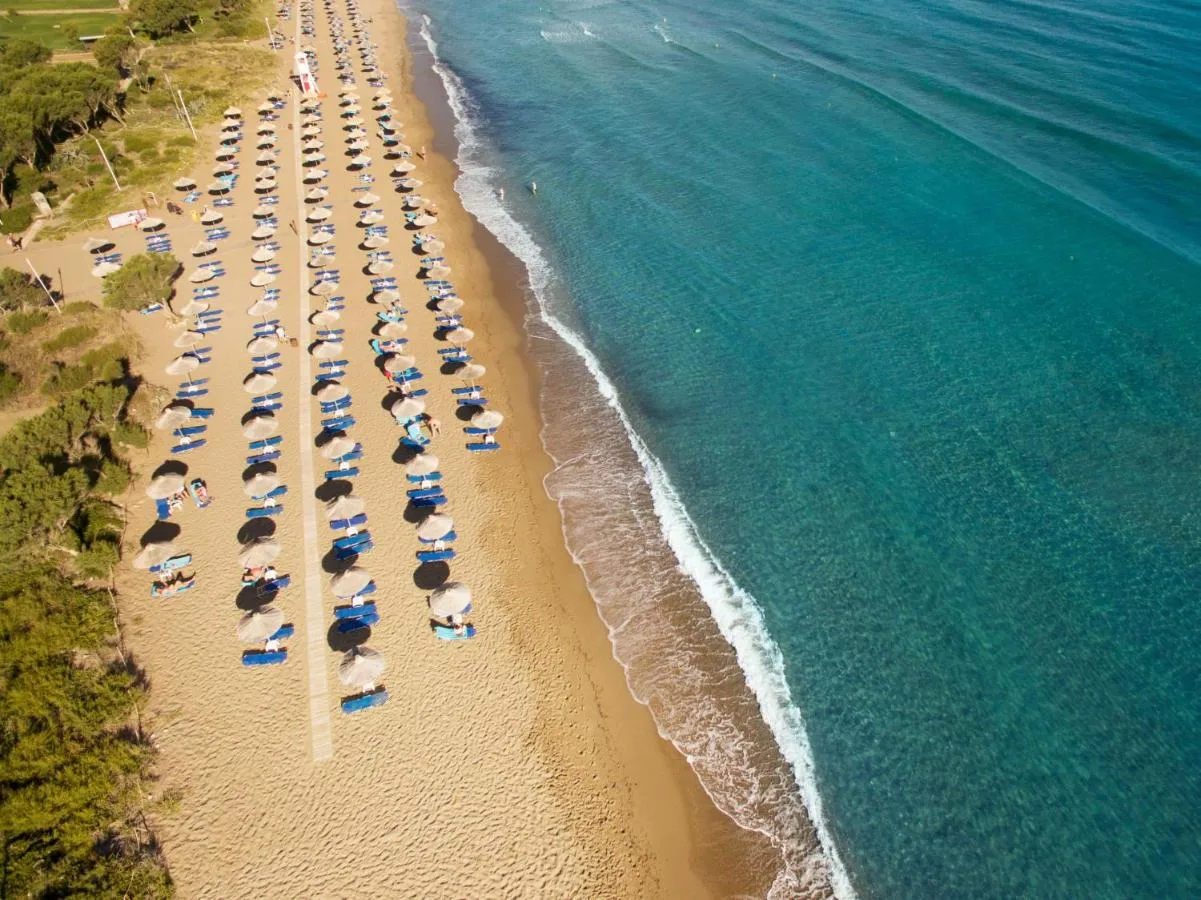
Ammoudara Beach Heraklion: Complete Visitor Guide
Ammoudara Beach combines a long sandy coastline with easy access to Heraklion city. Organised sections, water sports and beachfront restaurants make it a practical base for families, couples and active travellers. This guide covers swimming conditions, the best parts of the beach, transport and experiences around Ammoudara Heraklion.
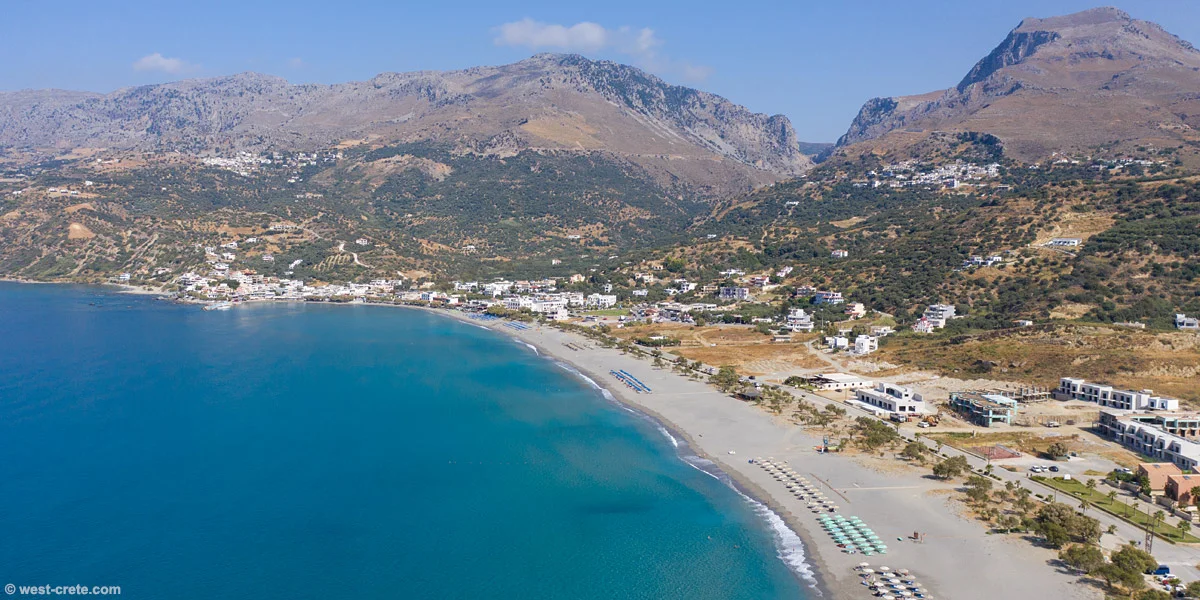
Plakias Beach: The Complete Guide to South Crete's Longest Bay
Plakias is one of the longest beaches in Crete, a 1.3 km stretch of grey-golden sand facing the Libyan Sea in the south of Rethymno. It holds a Blue Flag, offers a full range of water sports and organised facilities, and sits in a bay calm enough for families but open enough to attract windsurfers and divers. What makes it more interesting than most Cretan beach towns is that it also works as a genuine base. From here you can reach Preveli, the Kotsifou Gorge, and a string of quieter coves withi
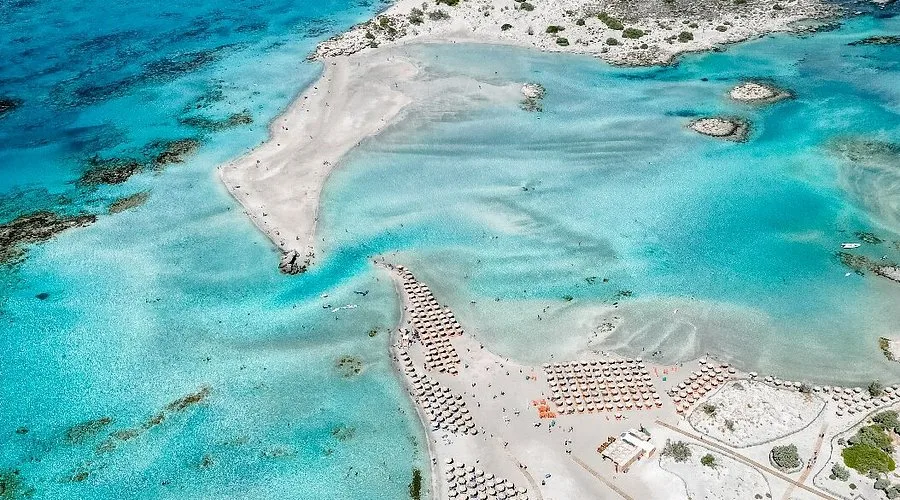
Elafonisi Beach Crete: Is the Pink-Sand Lagoon Worth the Drive?
Elafonisi Beach is one of Crete's most talked-about day trips, known for its pink-sand look, shallow water, and long drive on the island's southwest coast. It is the kind of beach people ask about before they book, because the journey, timing, and access all affect the experience. This guide answers the common questions and helps you decide whether Elafonisi is worth the effort.
Let Crete come to you
Sign up to get authentic stories, travel tips, and new experiences
By entering my email, I agree to receive marketing notifications from travel & do.