 Back to blog
Agritourism in Crete: Staying on a Farm and Joining Daily Life
On this page
Quick Summary
Agritourism in Crete usually means staying on or near a farm and joining everyday rural activities.
The best stays often include cooking, harvesting, farm animals, and local food made from organic or home-grown ingredients.
Eleonas Country Village, Kamihis Farm, and Arevitis-style properties show the range of agritourism stays in Crete.
These experiences are popular with families, couples, and travelers who want a quieter side of the island.
Good agritourism often feels personal, hands-on, and tied to local food culture.
What Agritourism Means
Agritourism in Crete means staying in a place where farming, food, and rural life are part of the stay itself. It is not just a hotel in the countryside. It is a setting where the guest can take part in daily life on the land.
That can include vegetable gardens, olive groves, farm animals, bread baking, cheese making, or Cretan cooking. In the best cases, the stay feels like a living introduction to the island's traditions rather than a standard room-and-breakfast experience.
Why Crete Fits
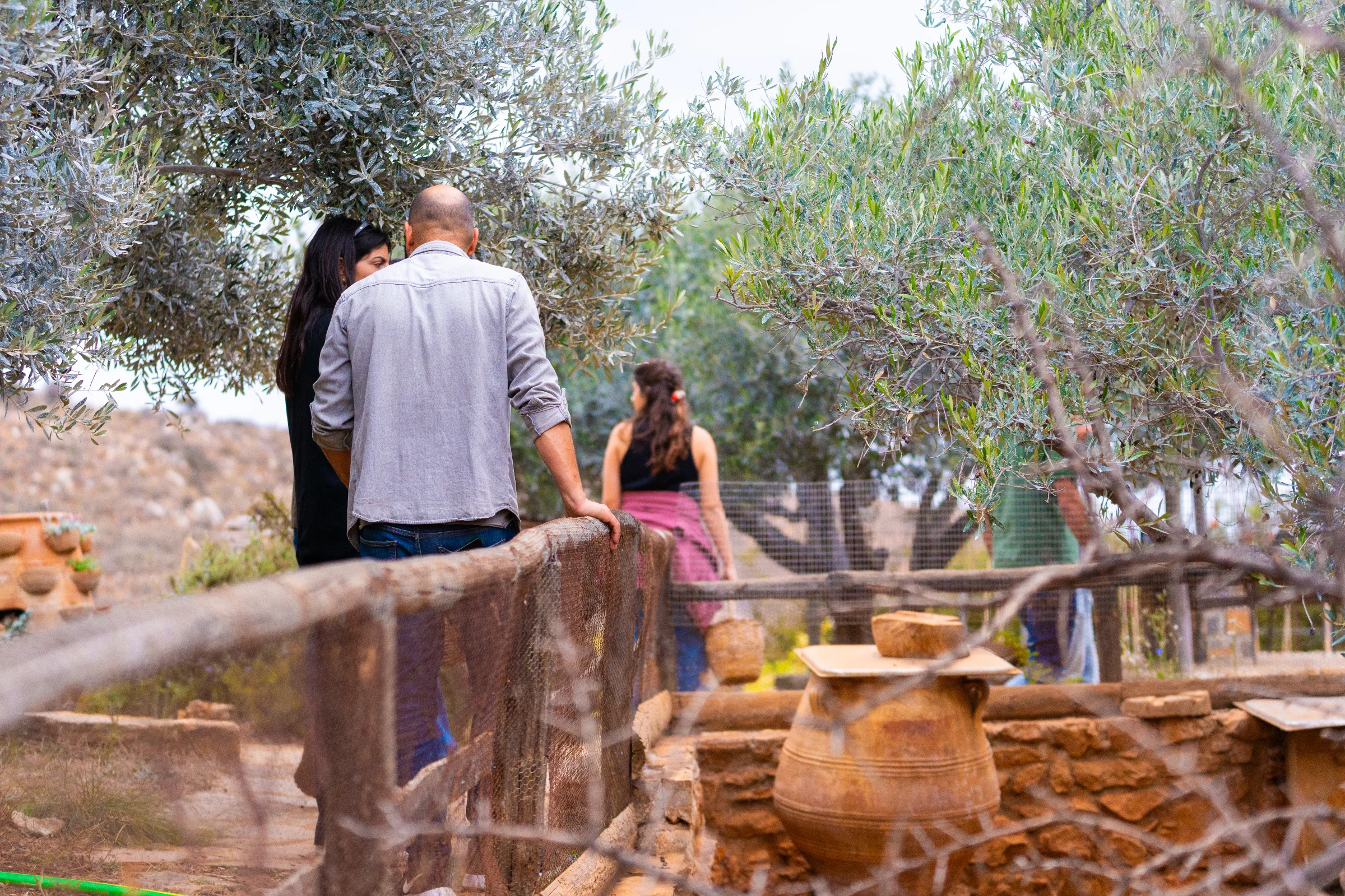
Crete is a natural fit for agritourism because rural life is still visible and active across the island. The connection to land and food culture is strong enough that a stay can feel like part of the island's daily rhythm, which is harder to find in places where agritourism is mostly a marketing label.
Farms here are not reconstructed for visitors. They are working properties with olive groves, animals, kitchen gardens, and seasonal produce that genuinely shapes what you eat. That authenticity is what separates the best Cretan stays from countryside accommodation found elsewhere in Greece.
What To Expect
What you will experience at an agritourism stay in Crete depends on the property, but the most common pattern is simple: a rural location, local food, and some kind of hands-on activity. You may be invited to help in the garden, meet farm animals, collect produce, or join a cooking session.
Some stays are more relaxed and focus on atmosphere, while others are more active and educational. Either way, the best ones are designed to show how food is grown and how Cretans live with the land.
Pace is different from a standard hotel stay. Things move more slowly, and that is usually the point. Plan to spend at least two nights to get a real sense of the rhythm.
Best Types Of Stay
The strongest agritourism stays usually fall into three groups.
Farm stays, where you sleep on or near the property and join farm routines, are the most immersive. You wake up to the sounds of the land and eat what the farm produces that morning.
Country villages, where cottages or guest rooms sit in a rural landscape and connect you to local life, offer more comfort with a similar atmosphere. Eleonas Country Village in the Rethymno area is a good example of this format done well.
Educational farms, where the stay is built around activities, food, and learning, are especially good for families and travelers who want to come away with practical knowledge. Kamihis Farm fits this category, with a clear focus on the farm itself rather than just the accommodation.
Each type has a slightly different feel, but all of them work best when they keep the experience local and personal.
Activities You May Join
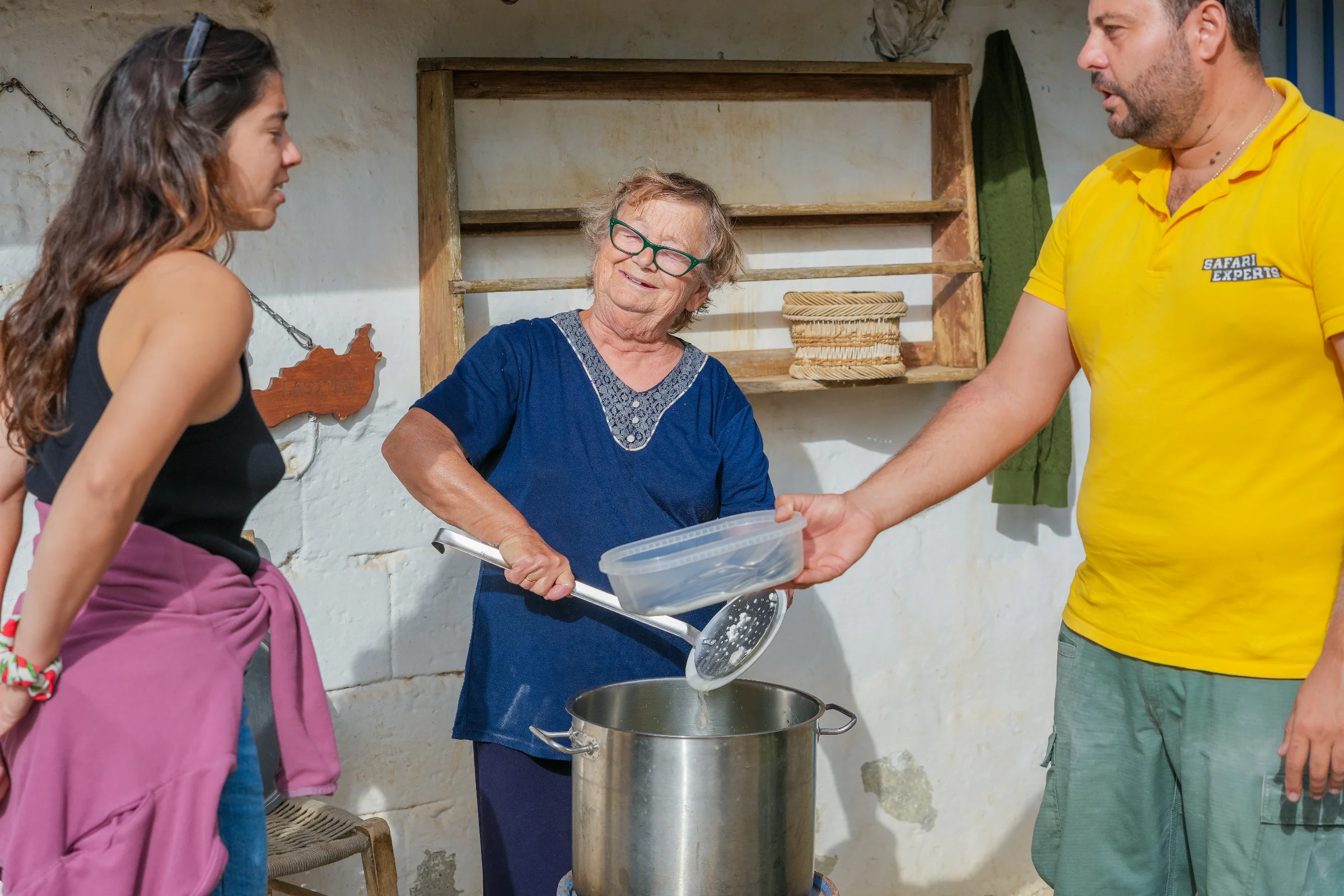
Agritourism stays in Crete often include activities that make the trip more memorable than a standard hotel stay. Common examples include feeding or meeting farm animals, harvesting vegetables and fruit, making bread, and joining a Cretan cooking session.
Some places also offer cheese making or food prepared in a wood oven. These details matter because they turn the stay into a practical experience, not just a scenic one.
Food And Daily Life
Food is one of the main reasons people choose agritourism in Crete. The best stays serve food made from local ingredients, often from the farm itself or from trusted nearby producers.
That usually means fresh vegetables, herbs, fruit, bread, olive oil, and dishes shaped by traditional Cretan cooking. Olive oil in particular is central to almost every meal, and staying on a property with its own olive grove gives you a different relationship with it than buying a bottle at an airport.
Family Appeal
Agritourism is especially good for families because it gives children space, animals, and a slower pace. Some stays are set near gorges, rural valleys, or village paths, which adds an outdoor dimension without requiring much planning.
It also suits adults who want a calmer holiday rhythm. Instead of moving between beaches and busy towns every day, you can spend time in one place and let the landscape shape the trip.
Where To Look
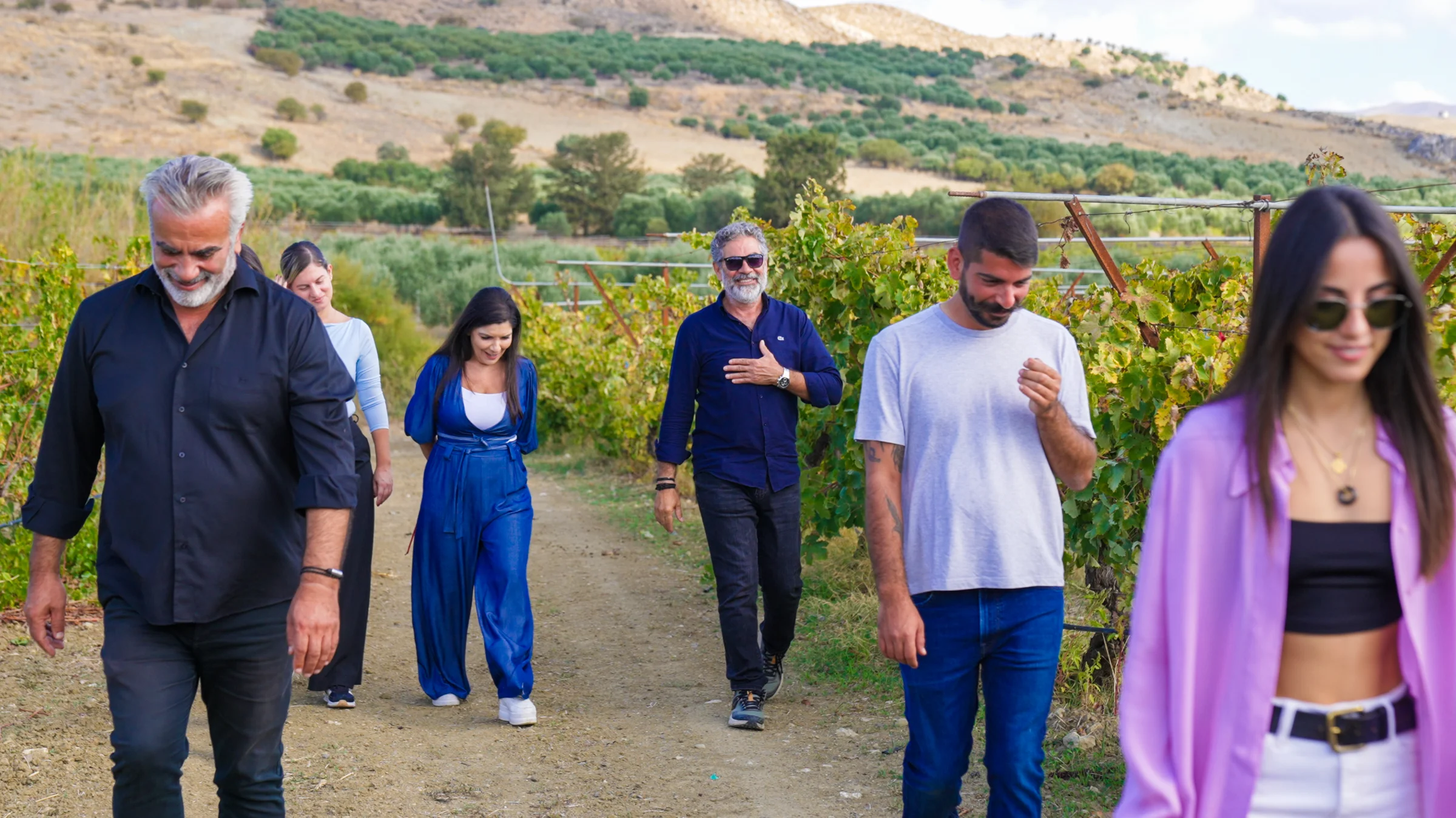
Western Crete, the Chania region, and mountain or village settings come up consistently as the strongest areas for agritourism. Places around Eleonas Country Village and Kamihis Farm show how these stays often sit close to olive groves or rural valleys rather than resort strips.
Heraklion access can also be practical for some stays, particularly those that note a short drive from the airport or main roads. The main rule is to look beyond the coast and search for properties that clearly mention farm activities, cooking, or local produce.
How To Choose
Choose a stay that shows real farm activity rather than using the word "rural" as decoration. Look for concrete details such as harvesting vegetables, farm animals, traditional bread, cheese making, or Cretan cooking.
Also check location and access. Some stays are close to an airport or main road, while others are more remote and better for travelers who want a deeper countryside setting. If you want a true agritourism feel, the more visible the farm life, the better.
Group size matters too. Some of the best agritourism properties are small and book up quickly in summer, so planning ahead makes sense.
What Makes It Worth It
Agritourism in Crete is worth it when you want the island to feel slower and more local. It gives you a direct connection to food, land, and everyday routines that many visitors do not see.
It is also a good choice if you want to balance beach time with something more rooted in place. For many travelers, that mix is what makes a Crete trip feel complete. A few days on a farm between coastal stops changes how you read the rest of the island.
Related Articles
Continue exploring Crete
One Day in Heraklion: The Complete Itinerary for Crete's Capital
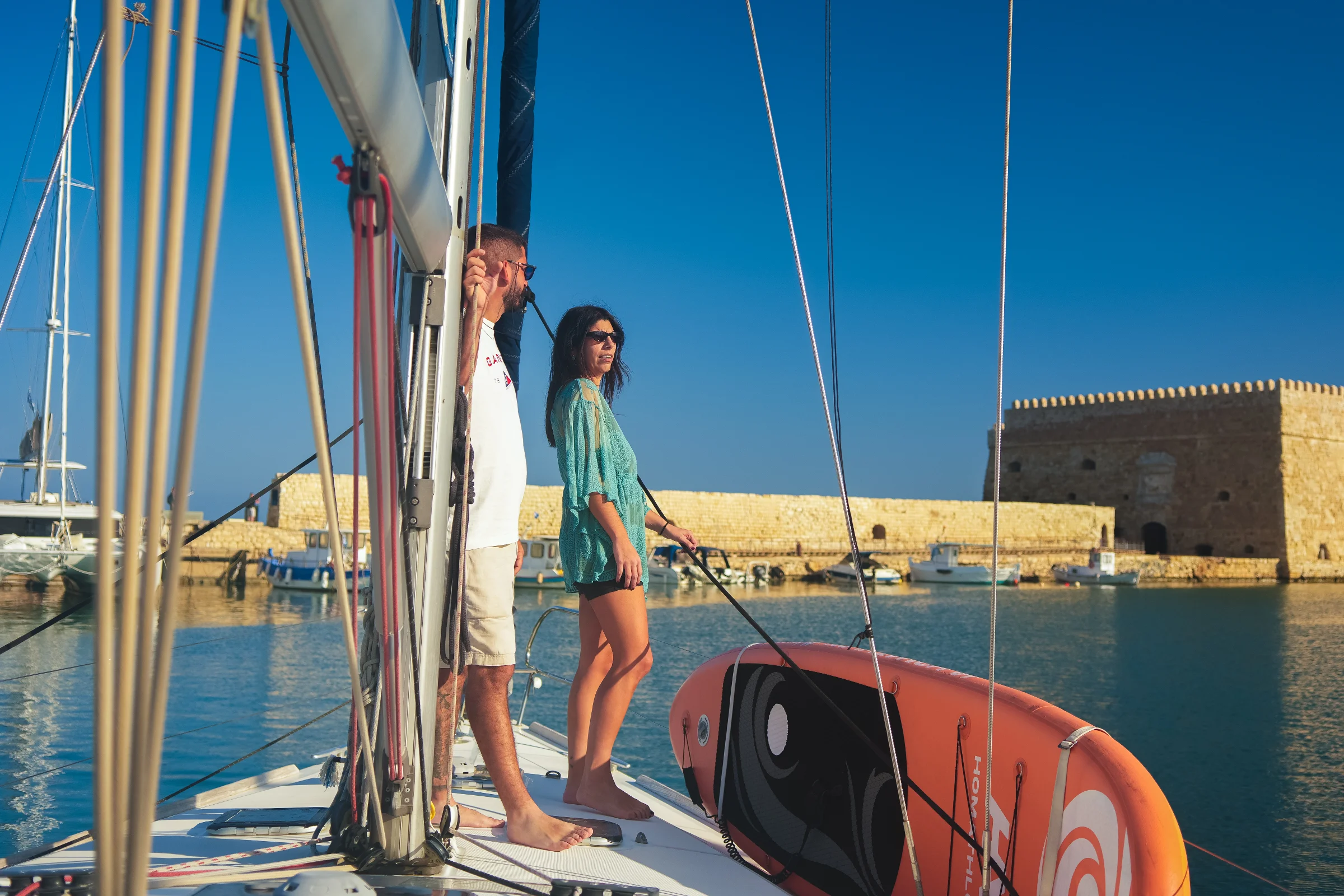
Most visitors get exactly one day in Heraklion, and most of them spend it queuing at Knossos in the worst of the afternoon heat. It does not have to go that way. This is the order we would put the day in — the palace first thing, the Old Town on foot while the shade still favours you, the museum indoors when the sun is at its worst, and the Venetian harbour at the end. Every time and price below comes from our own booking calendar, so you can plan the day around what is genuinely running rather
Cretan Red Wine: The Grapes, the Blends and What the Label Hides
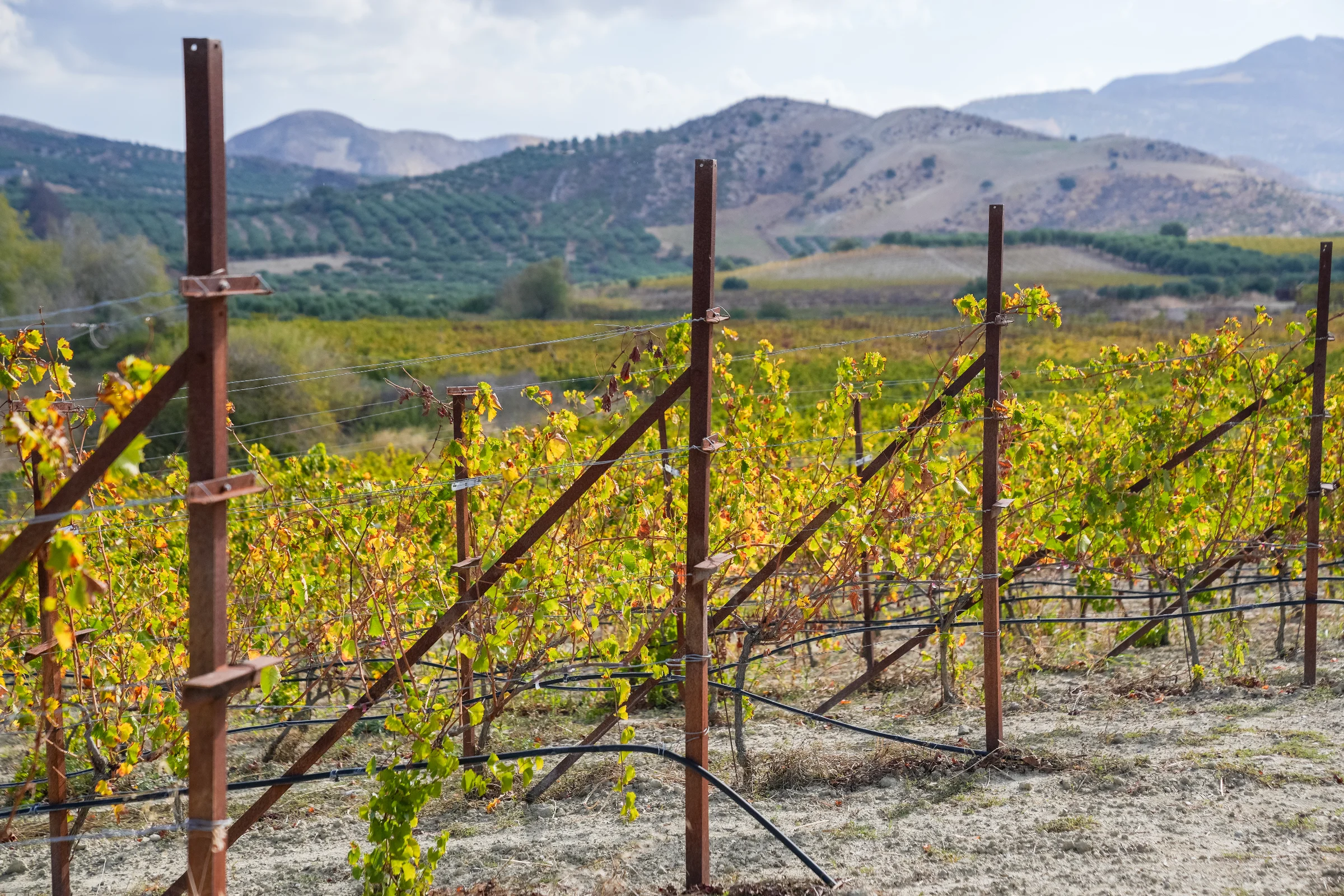
Crete's red wines are easier to enjoy than to read. The island's leading red grape is almost never named on the front of a bottle, the two appellations built on it print no recipe at all, and the most confident Englishlanguage writing about Cretan wine repeats three claims that Greek planting and appellation records flatly contradict. This is the grapebygrape, labelbylabel version: what the four native reds taste like, why they are blended rather than bottled alone, what a PDO and a PGI
Venetian Fortresses of Crete: History and Visitor Guide
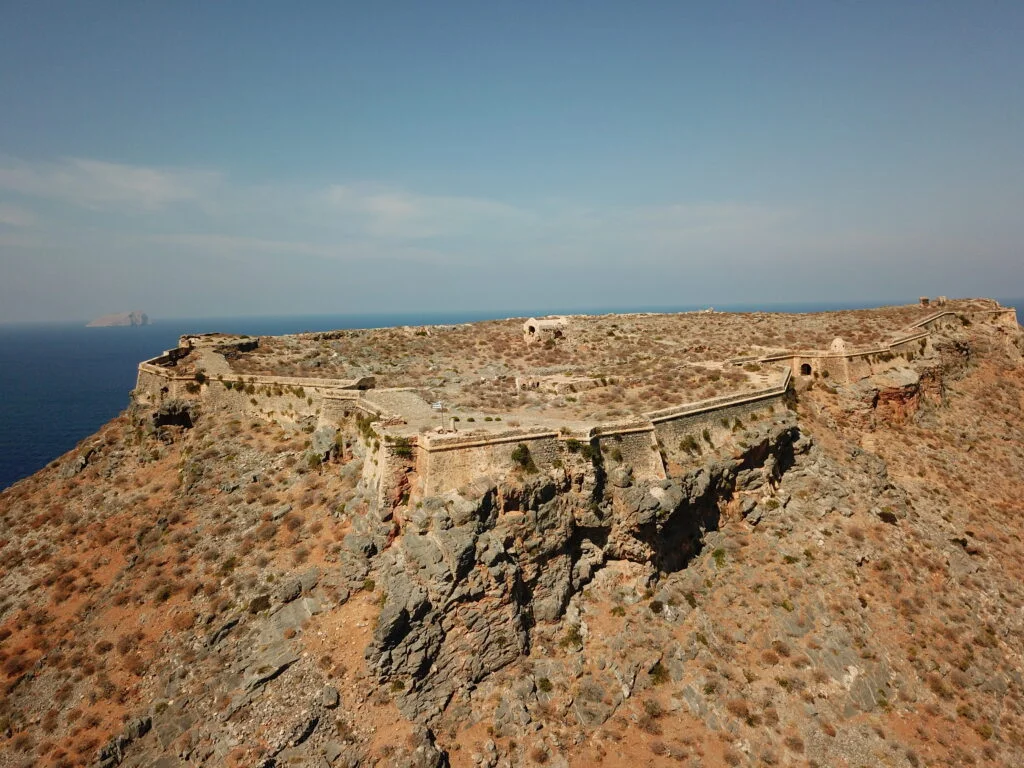
The Venetian fortresses of Crete still guard harbours, hilltops and remote islands across the coast. Some have become city landmarks, while others require a boat journey or a steep walk to reach their walls. This guide covers their history, the best fortresses to visit and how to include them in a trip around Crete.
Let Crete come to you
Sign up to get authentic stories, travel tips, and new experiences
By entering my email, I agree to receive marketing notifications from travel & do.