 Back to blog
Bali Beach Rethymno: A Small Bay With Big Appeal
On this page
Quick Summary
Bali Beach is in the Rethymno regional unit of Crete, roughly halfway between Heraklion and Rethymno town, on the north coast road.
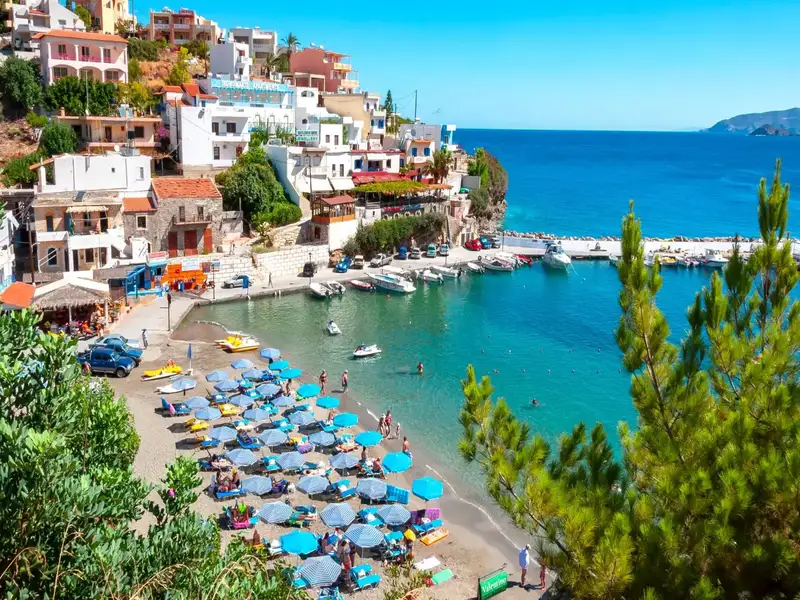
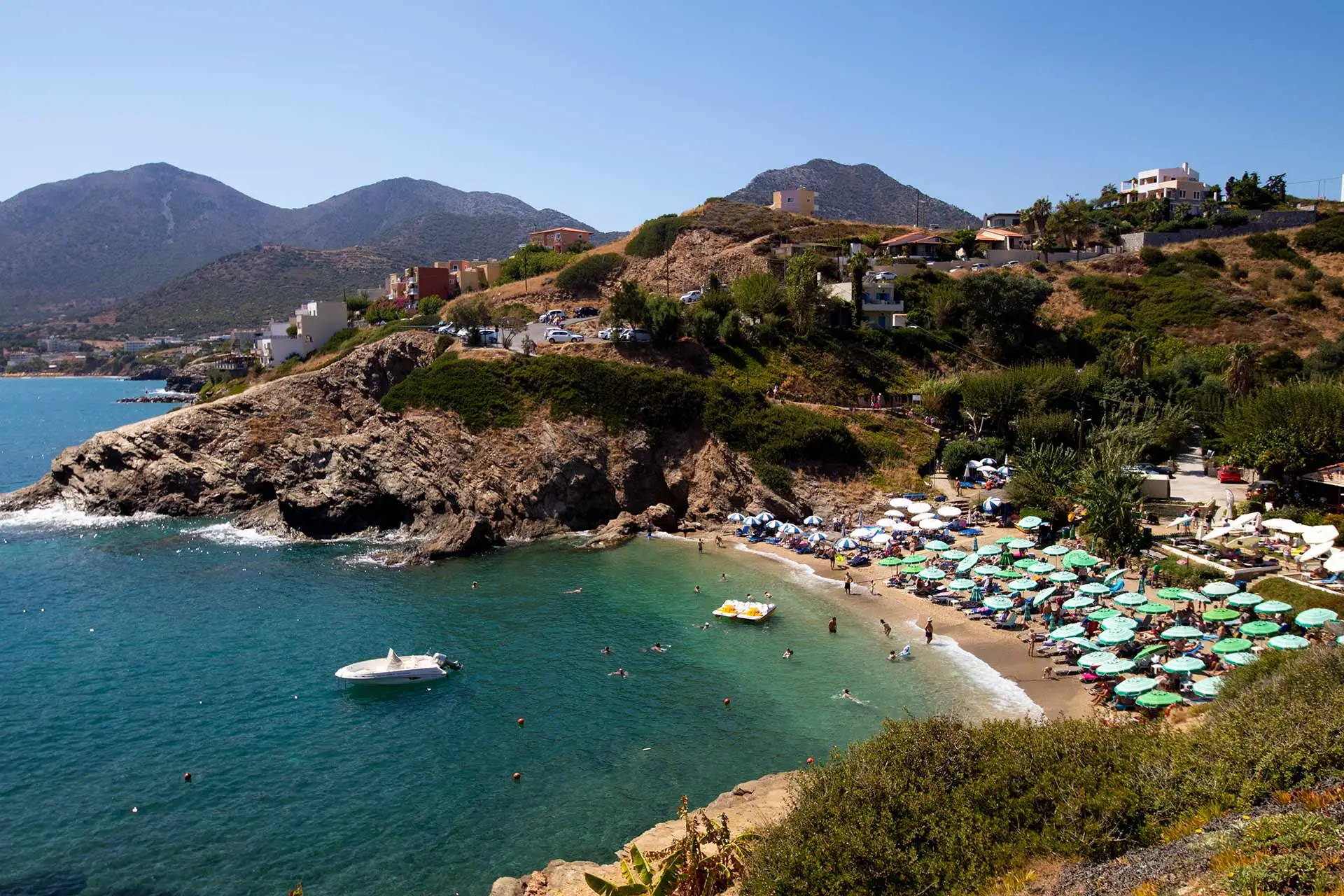
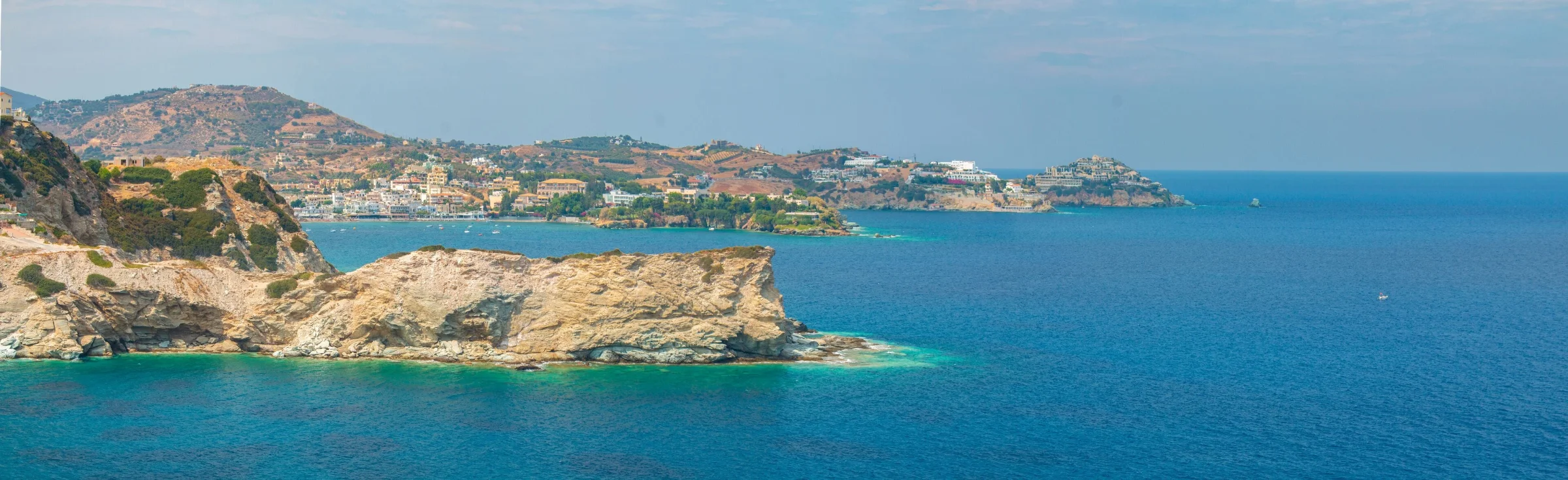
The area is not a single long beach but a cluster of sheltered sandy coves, each with calm water and easy access from the village.
Regular bus connections run to both Heraklion and Rethymno, and the road position makes it one of the more accessible beach stops on the island.
Sea-facing hotels are a strong part of the local identity. Bali is built for overnight stays as much as day trips.
The best way to experience it is to combine the main bay with the smaller neighbouring coves and a short walk through the village.
May, June, and September are generally the best months, offering warm water without the peak-season crowds of July and August.
What Is Bali Beach
Bali is a seaside village on the north coast of Crete, in the Rethymno prefecture. When most people search for "Bali Beach," they are really looking for a broader coastal area made up of several small coves rather than one continuous strip of sand. That is a distinction worth making early, because it shapes how you plan your visit.
The village wraps around the bays, which means the beach, the accommodation, the tavernas, and the transport connections are all close together. There is no long walk from a car park to the water. You step out of a hotel or a café, and the sea is in front of you. That kind of layout is rarer than it sounds on Crete, where many beaches require a drive or a hike from the nearest settlement.
Bali's position on the north-coast corridor is one of its defining practical features. The national road linking Heraklion and Rethymno runs close by, which means you can reach Bali from either city without a complicated detour. For travelers building a north-coast itinerary, it is a natural stop.
Things to do in Rethymno
Its Defining Feature
The bay is sheltered. That one fact explains most of what makes Bali work as a beach destination.
Sheltered water means calmer conditions for swimming, which matters when you compare Bali to more exposed stretches of the Cretan coastline that can become rough in summer wind. Families with children, people who prefer gentler entry into the sea, and anyone who finds large open beaches a bit relentless will feel more comfortable here.
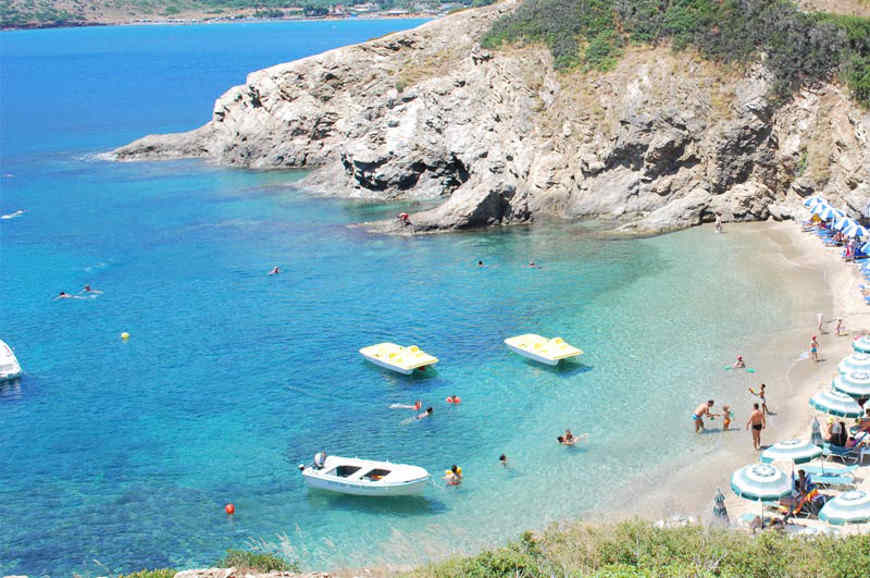
The sheltered layout also affects the light and the mood of the place. Because the bay is contained by hills on several sides, it has a quieter feel than beaches on a more open shoreline. In the morning especially, before the sun climbs fully, the water can look unusually still and clear.
That calmness is not the same as emptiness. In July and August, Bali is busy, and the main coves fill up. But even at peak season the scale of the place keeps it from feeling overwhelming in the way that some of Crete's larger beach resorts can.
History and Identity
Bali's identity is shaped by its geography and its position on the north coast. It is a fishing village that grew into a tourist destination, and the transition happened gradually enough that the village character has not been entirely lost. You can still find tavernas run by local families, small boats moored in the bay, and a pace that does not feel manufactured.
The relationship between Bali and the two main cities on either side of it, Heraklion to the east and Rethymno to the west, is part of how the place has always been understood. It is a stop between two larger centres, which historically made it a point of rest and provisioning. Today that same position makes it a practical overnight base for travelers moving along the north coast.
The hotel presence in Bali is substantial and has been built up over decades. Sea-facing accommodation, rooms with views over the bay, and small hotels that sit directly above the water have become a core part of the destination's identity. That is not a recent development. The relationship between the beach and the bed has been a defining combination here for a long time.
There is no major archaeological site within the village itself, but the wider Rethymno region is rich in Minoan and Venetian history, and Bali's proximity to both Heraklion and Rethymno means that day trips to significant sites are straightforward.
Things to Do
Swim in the sheltered bay. The main beach at Bali offers calm, clear water with a gradual entry that suits most swimmers. The bay's enclosed shape keeps conditions relatively manageable even on days when the open sea is rougher further along the coast.
Move between the coves. Bali is made up of several small bays, not a single beach. Walking between them, or taking a short boat ride where available, gives the visit more variety. Each cove has a slightly different character, some more organised with sunbeds and services, others quieter and more natural.
Walk through the village. The village is compact enough that you can cover it on foot without any planning. The walk from the harbour area up through the older streets and back down to the beach takes less than half an hour and gives you a much clearer picture of how the place is actually put together.
Stay for sunset from a sea-facing spot. The hills around the bay create a good frame for evening light. Several hotels and tavernas have terraces or balconies that face the water, and the view at dusk, with the boats in the bay and the hillside behind, is one of the more reliable pleasures of a stay here.
Use Bali as a base for the north coast. Because of its road position, Bali works as a launching point for day trips to Rethymno town, the Venetian harbour, the archaeological museum, or beaches further east toward Heraklion. A rental car or the regular bus service makes those trips easy.
🔗 Our guide to beaches in Rethymno covers more coastal options along this stretch of the north coast.
The Main Beach In Detail
The term "Bali Beach" is shorthand for a coastal cluster, and understanding that makes planning easier. The most-used bay, the one that most photos and most hotel descriptions refer to, is a sandy cove with calm, shallow-to-medium-depth water and a line of small boats along one edge.
The beach has sunbed rental available through the summer season. The water clarity is generally good, helped by the sheltered position and the relatively modest amount of boat traffic. There are no strong currents to worry about under normal conditions, which is part of why the spot is popular with families.
The adjacent coves, some accessible by a short walk along the rocks and some requiring a longer path around the hillside, are part of what makes a full day here more interesting than it might initially appear. The variety of small beaches means you are not stuck on one stretch of sand from morning to evening.
What the main beach is not is wild or dramatic. The scale is small, the setting is a village bay rather than an isolated cove, and you will share it with other visitors through the summer. If what you want is a remote Cretan beach with nothing around it, Bali is not that. If what you want is a well-positioned, attractive, and genuinely swimmable bay with food and a bed nearby, it is a strong option.
Food, Bars and Tavernas
The food options in Bali are tied directly to the village layout. Because the settlement is compact and built around the waterfront, the restaurants and tavernas are easy to find without much planning.
The majority of the eating options sit along or close to the harbour and the main bay. Fish and seafood are the obvious choices, given the fishing village background. Several tavernas serve local catches, and the freshness tends to be reliable rather than exceptional. You are eating in a small village on a well-travelled tourist route, which means the standards are consistent but you should not expect the kind of discovery you might find in a less-visited spot.
For breakfast and coffee, the cafes along the waterfront are the practical choice. Most open early enough for a pre-swim coffee and stay open through the evening for drinks.
The village does not have a strong bar scene in the late-night sense. Bali's rhythm is beach-focused rather than nightlife-focused. Evenings tend to wind down at a reasonable hour, which suits the demographic of most visitors here.
Weather and Best Time to Visit
Crete has a long beach season by European standards, and Bali benefits from the island's generally reliable summer weather. The sea is swimmable from around late May through to mid-October, with the warmest water temperatures in August and September.
The sheltered shape of the bay gives Bali a slight edge over more exposed beaches when it comes to wind. On days when the open north coast gets a strong northerly, the coves at Bali can remain considerably calmer. That is not a guarantee, but it is a consistent pattern that locals and regular visitors note.
July and August are the busiest months. The village is at full capacity, the beaches fill up by mid-morning, and accommodation prices are at their peak. For a relaxed visit, neither month is the ideal choice.
May and June offer warm enough weather for swimming, much lower visitor numbers, and a more authentic sense of the village. The sea is not yet at its warmest, but for most people it is perfectly comfortable. September is often the strongest month overall: the water has been warming for three months, the crowds have thinned, and the light in the evenings is cleaner.
October is viable for those who do not require peak sea temperatures. The village is quieter and some businesses begin to wind down, but the weather is often still good enough for beach time.
Getting There
The practical answer to how to reach Bali is simple: by car, by bus, or by transfer from Heraklion or Rethymno.
By car, Bali is on the E75 national road, which is the main north-coast artery. The journey from Heraklion takes around 45 minutes under normal conditions, and from Rethymno town around 30 minutes. There is parking available in the village, though it fills up quickly in high season, particularly on weekends.
By bus, KTEL Rethymno operates regular services along the north coast route, and Bali is a scheduled stop. The bus service makes the destination accessible without a rental car, which is useful for travelers based in either city who want a beach day without driving.
From Heraklion Nikos Kazantzakis International Airport, the drive is around 50 minutes by car. For the airport transfer, car hire or a taxi is the most direct option.
The bus remains the most practical non-car option, and the frequency of service through the summer season means you are not relying on a single departure. Checking current KTEL timetables before travelling is worth doing, as schedules adjust between seasons.
Where to Stay
Bali has a notable concentration of sea-facing accommodation relative to its size. The hotel density around the main bay is high, and many properties have been built specifically to take advantage of the views over the water.
The options range from small family-run guesthouses to mid-range hotels with pools and organised beach access. There is not much at the luxury end of the scale, and there are no large international resort chains here. The accommodation character is independent and relatively intimate, which fits the village setting.
Staying directly in the village, within walking distance of the main coves, is the obvious choice. Some accommodation sits on the hillside above the bay, with better views but a steeper walk to the water. For most visitors, particularly those with children, a property at sea level is more practical.
Booking in advance for July and August is necessary. For shoulder-season visits, more flexibility is available, but popular sea-facing properties still fill up quickly.
Nearby Attractions
Bali's position between two significant cities makes it easy to combine with a wider programme.
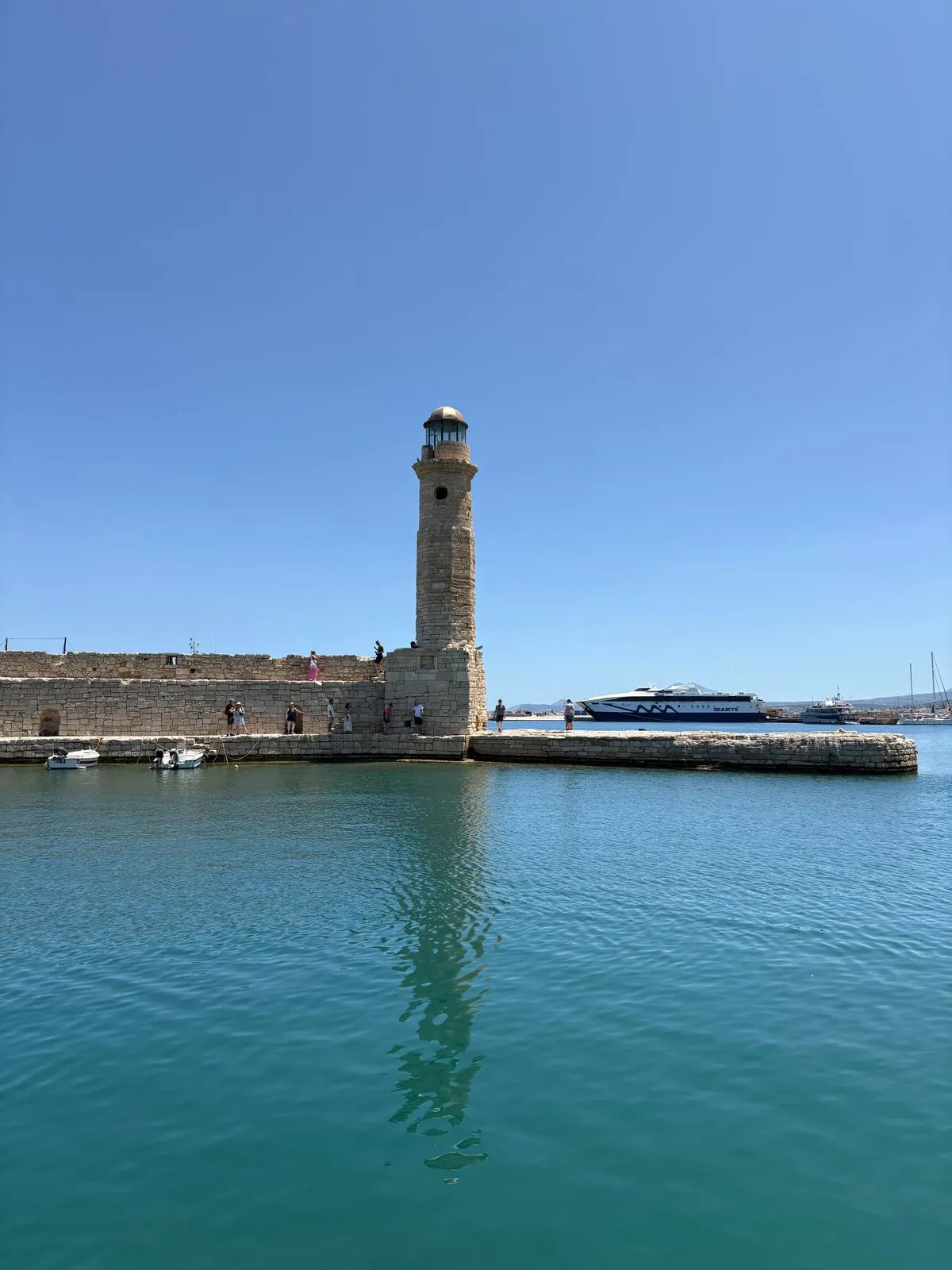
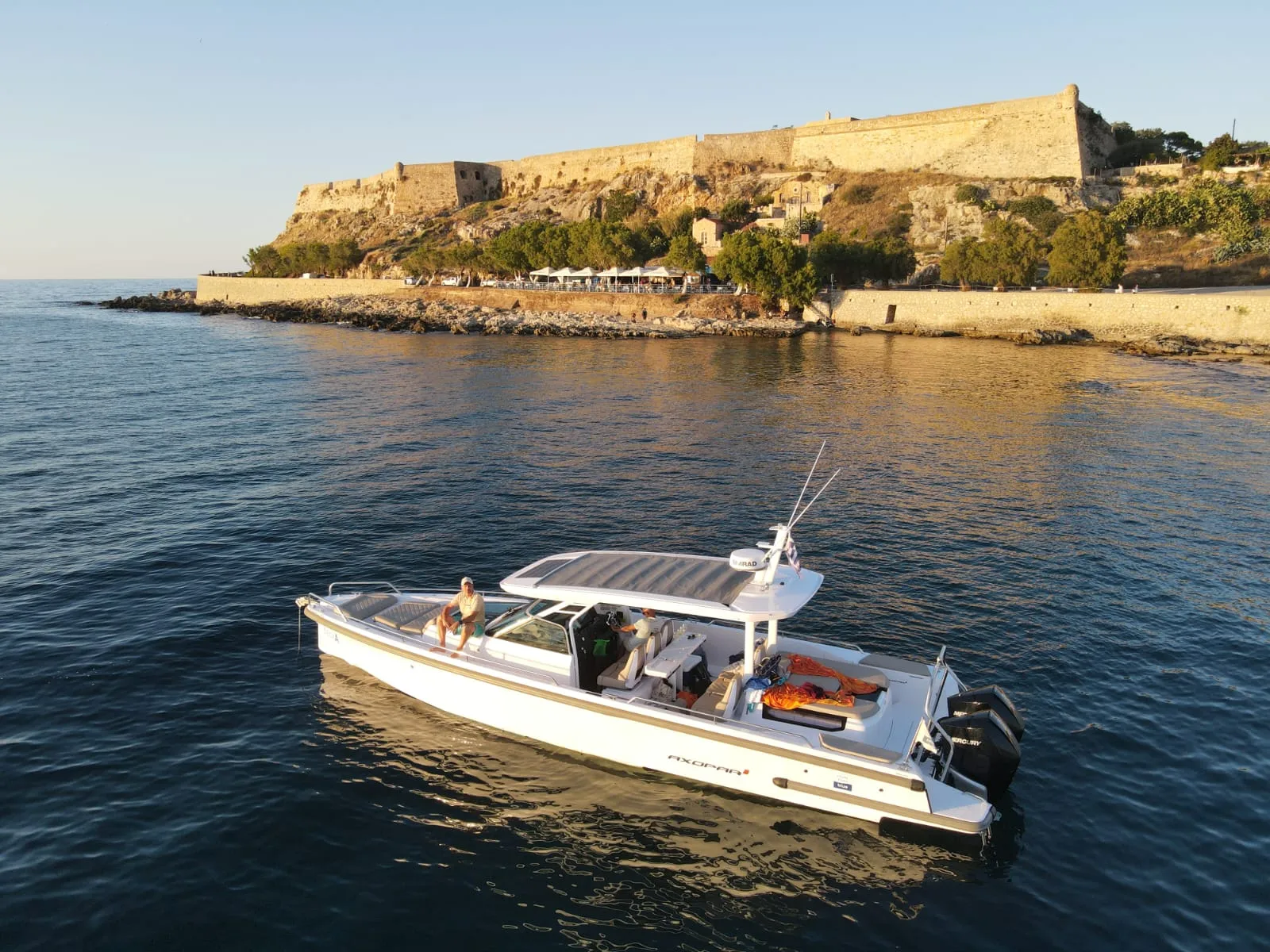
Rethymno town, roughly 30 kilometres to the west, is one of the best-preserved Venetian harbour towns in Greece. The old town, the lighthouse, the Fortezza fortress, and the Archaeological Museum of Rethymno make it a full day trip. From Bali, the drive or bus ride is short enough that you can be back for a late-afternoon swim.
Heraklion, around 50 kilometres to the east, gives access to the Heraklion Archaeological Museum, one of the most important in the Mediterranean, and the nearby Minoan palace site at Knossos, which is less than half an hour from the city centre.
Along the north coast between Bali and Rethymno there are several smaller coves and beaches worth stopping at if you have a car. The coastline in this stretch is varied and not as heavily developed as the strip east of Heraklion.
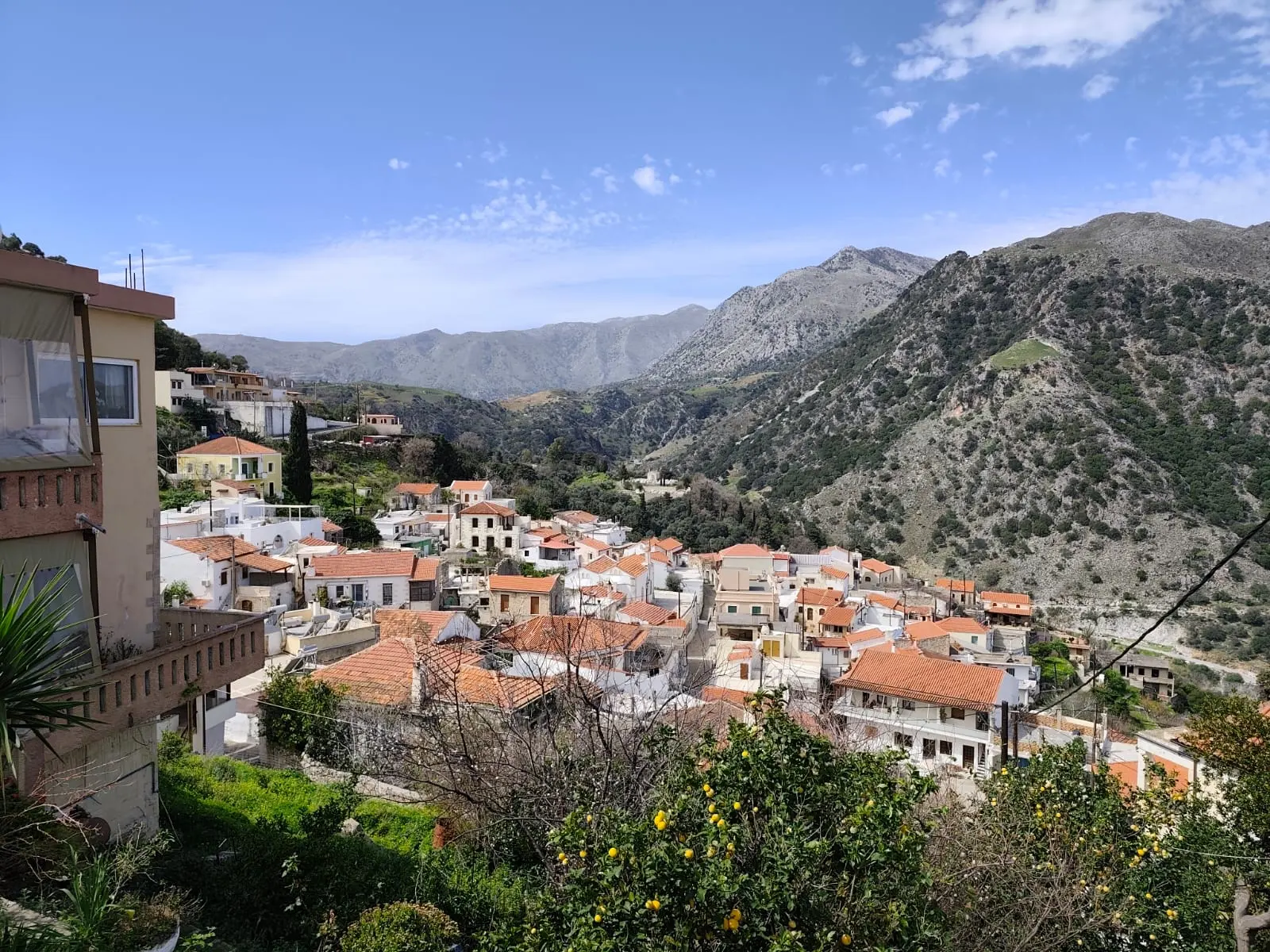
For those who want to explore the interior of the island, the mountain villages of the Rethymno hinterland are accessible within an hour's drive and offer a completely different experience from the coastal strip.
Bali is best understood as a convenient, attractive base from which the broader Cretan north coast is easily reachable, rather than as an isolated destination that demands its own dedicated trip. That combination of a good beach and a useful location is, ultimately, what keeps it on the search results.
Things to do nearby
Book a guided experience in this area
Related Articles
Continue exploring Crete
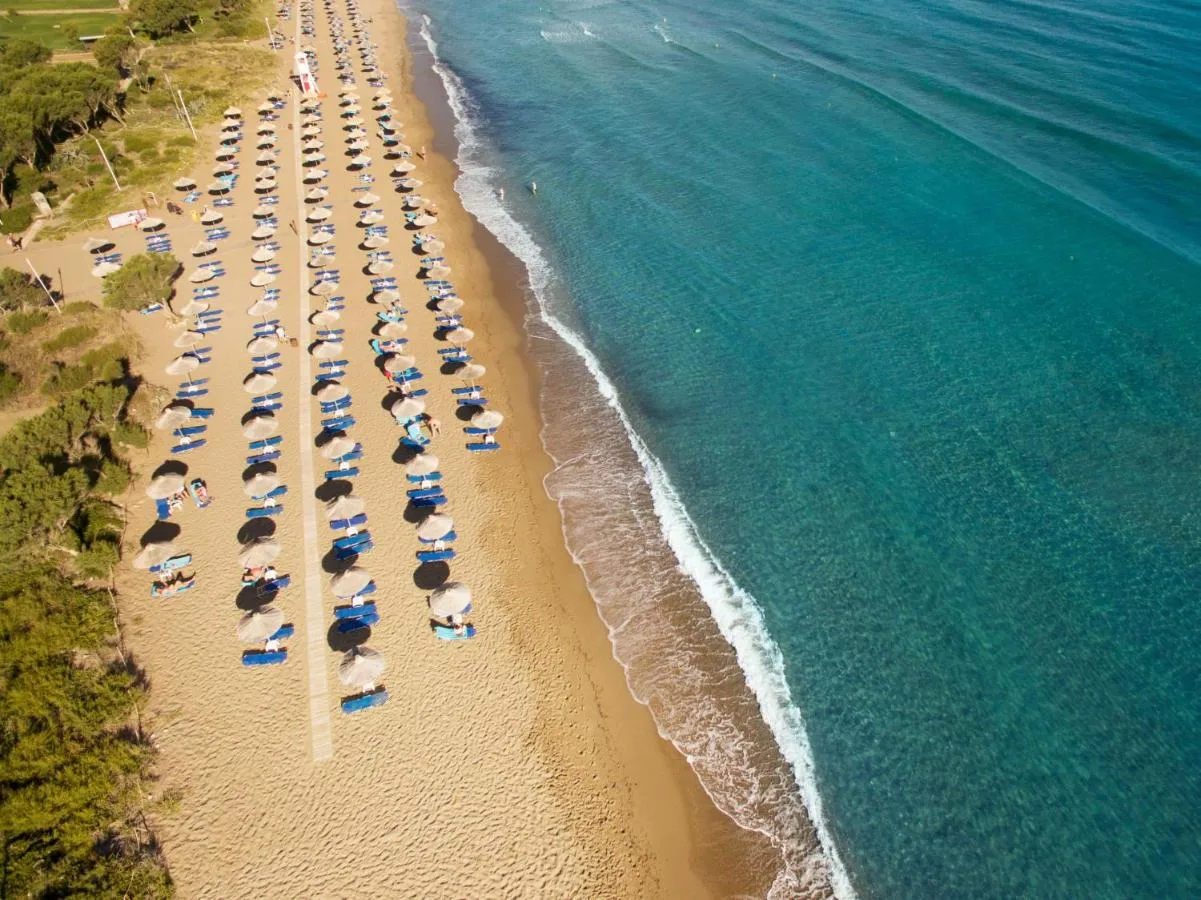
Ammoudara Beach Heraklion: Complete Visitor Guide
Ammoudara Beach combines a long sandy coastline with easy access to Heraklion city. Organised sections, water sports and beachfront restaurants make it a practical base for families, couples and active travellers. This guide covers swimming conditions, the best parts of the beach, transport and experiences around Ammoudara Heraklion.
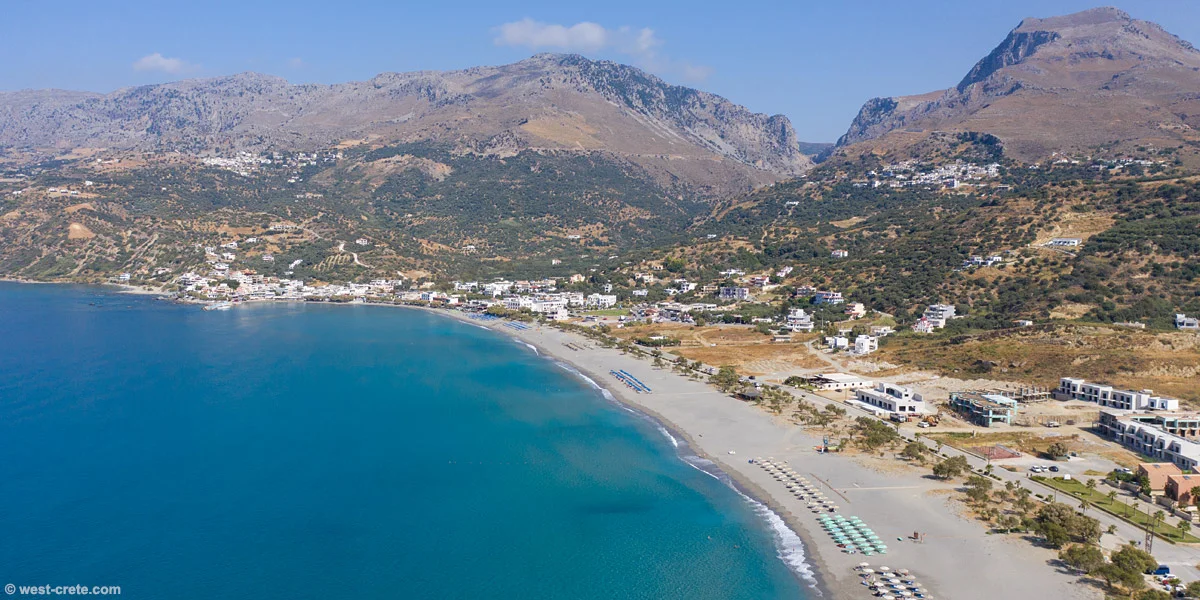
Plakias Beach: The Complete Guide to South Crete's Longest Bay
Plakias is one of the longest beaches in Crete, a 1.3 km stretch of grey-golden sand facing the Libyan Sea in the south of Rethymno. It holds a Blue Flag, offers a full range of water sports and organised facilities, and sits in a bay calm enough for families but open enough to attract windsurfers and divers. What makes it more interesting than most Cretan beach towns is that it also works as a genuine base. From here you can reach Preveli, the Kotsifou Gorge, and a string of quieter coves withi
Agia Pelagia Beach, Crete: What to Know Before You Go
Agia Pelagia Beach is one of the easiest Cretan beaches to reach from Heraklion, and one of the most rewarding for a short stay or a full beach day. Set in a sheltered bay with clear water, nearby coves, tavernas, and a strong local identity, it works well for visitors who want more than just sand and sea. This guide covers what makes it different, when to go, and why many travelers choose it as a base in northern Crete.
Let Crete come to you
Sign up to get authentic stories, travel tips, and new experiences
By entering my email, I agree to receive marketing notifications from travel & do.