 Back to blog
Cretan Red Wine: The Grapes, the Blends and What the Label Hides
On this page
- Quick Summary
- Introduction
- The Four Red Grapes of Crete
- Kotsifali
- Mandilaria
- Liatiko
- Romeiko
- Why Almost Every Cretan Red Is a Blend
- The Appellations That Govern a Cretan Red
- PDO Peza
- PDO Archanes
- PDO Dafnes
- PDO Sitia
- PDO HandakasCandia
- What PGI Means on a Cretan Red Label
- What Cretan Red Wine Tastes Like, and How to Serve It
- Three Things English Wine Writing Gets Wrong
- Crete did not escape phylloxera
- Vilana is not the island's most planted grape
- Eleven is a shortlist, not a census
- Cretan Reds Compared With the Reds You Already Drink
- Food and the Cretan Table
- Weather, Harvest and the Drinking Season
- Getting to the RedWine Villages
- How to Choose a Tasting That Actually Pours Reds
- Common Mistakes to Avoid
- Where to Stay
- Final Thoughts
Quick Summary
Cretan red wine rests on four native grapes: Kotsifali, soft and aromatic and the backbone of the island's classic reds; Mandilaria, dark and tannic, which exists in these blends to supply what Kotsifali lacks; Liatiko, the pale, perfumed one that stands alone; and Romeiko, the western oddity behind the oxidative marouvas style. Seven wine PDOs sit on Crete and every one of them is in the regional units of Heraklion or Lasithi. Two of those appellations, Peza and Archanes, are built on Kotsifali and Mandilaria together, and neither specification states a percentage. Tastings that pour these reds start at 15 euro near Heraklion and run to full winery days at 120 to 130 euro.
Introduction
There is a specific moment on most Crete wine trips when the reds stop making sense. A host pours something mediumbodied and plummy, calls it the local red, and the label says Peza. It does not say Kotsifali. Ask what is in it and you get two grape names and no proportions. Ask why the proportions are not on the bottle and you will get a shrug that is, as it turns out, entirely correct: the appellation's own product specification does not set any.
That is the honest starting point for Cretan red wine, and it is more interesting than the usual pitch. The island's leading red is a grape most visitors drink without ever seeing named, because it works best in company. The variety that partners it is grown as far away as Rhodes under a different name. The one red that does get bottled on its own is the palest of the four. And the region's reputation for having escaped phylloxera, which you will read on page after page, is simply not true.
This guide covers the grapes, the blends, the appellation rules and the practical business of getting the reds poured. It is deliberately about what is in the glass rather than which winery to drive to.
Wine Tasting in Crete
The Four Red Grapes of Crete
Four native red varieties account for nearly everything you will be poured, and they divide neatly by what each one is for.
Kotsifali
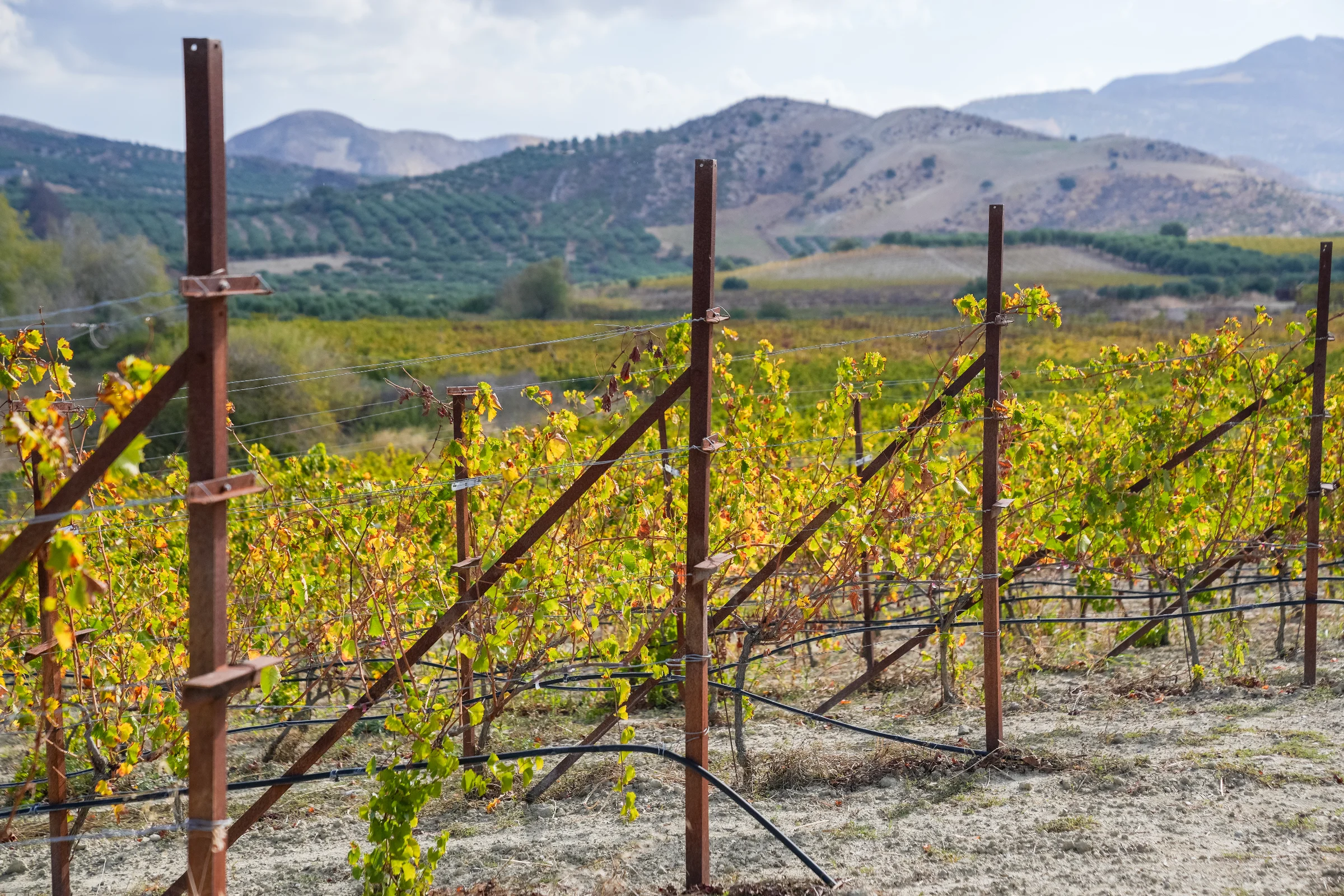
Kotsifali is the workhorse red of the Heraklion hills and the variety behind the classic Cretan blends. On its own it produces what the Greek wine sector's own description calls a typically Mediterranean wine: pale, intense in aroma, relatively high in alcohol, and soft in both tannin and acidity. It gives roundness, sweet floral and driedfruit aromatics and generous body, and it gives almost no structure, which is why it is so rarely asked to carry a bottle alone. The Cretan producers' own association offers the shorthand: Kotsifali is the island's answer to Merlot.
It is also worth being precise about its weight in the vineyard, because the usual summaries err in both directions. Across Crete, Liatiko leads by planted area. On the Heraklion prefecture's own vineyard register, though — the regional unit that holds every red appellation — Kotsifali is the largest wine grape of any colour, ahead of Vilana, Liatiko and Mandilaria in that order. It is a regional heavyweight rather than an islandwide one.
The usual shorthand for the grape's weakness — that it is simply low in colour — is worth sharpening, because Greek viticultural work names something more specific. The defect it identifies is colour instability: the problem is not only how much colour the wine starts with but how poorly it holds it, and the same work notes that red Peza and Archanes have documented colourdurability problems with age. That is a different fault from a pale wine that stays pale, and it is the one Mandilaria is there to fix. Mandilaria is not just adding colour; it is adding colour that stays put.
Mandilaria
Mandilaria is the corrective, and it is best understood as the exact inverse of Kotsifali. It gives deep, stable colour and firm, sometimes uncompromising tannin, with good acidity and low alcohol. Bottled alone it can be austere. Put the two together and each supplies what the other is missing: Kotsifali brings the aroma, the body and the alcohol, Mandilaria brings the colour and the frame.
It is not a Cretan exclusive. On Rhodes the same variety is called Amorgiano and is solely responsible for that island's red PDO, and it appears in the red of PDO Paros as well.
Liatiko
Liatiko is the one that does not need a partner. It is pale, aromatic and earlyripening, with red cherry, dried herbs and soft tannins, and it is made both as a dry red and as a sundried sweet wine with centuries of history behind it. It is also, contrary to almost every Englishlanguage summary of the island, the most planted grape variety on Crete by area. Not the most planted red. The most planted, full stop.
Romeiko
Romeiko belongs to the far west, above all to Kissamos. Its berries are pigmented but its colour is pale and unstable, so the same grape is turned into red, rose and white wine, and Greek sources file it inconsistently. It oxidises readily, which suits marouvas, a deliberately oxidative style aged in large old barrels that are never fully emptied between vintages. It tastes closer to a dry sherry than to a table red.
Wine Tasting in Crete
Why Almost Every Cretan Red Is a Blend
The blending here is not a stylistic preference or a commercial shortcut. It is a solution to a specific technical problem, and once you see it the whole category makes sense.
Kotsifali is aromatic, alcoholic, soft and pale. Mandilaria is deeply coloured, tannic, acidic and low in alcohol. A wine made from either alone is unbalanced in a predictable direction: the first is a perfumed wine with no grip whose colour drifts early, the second a hard wine with no flesh. Together they produce a mediumbodied red with red fruit, Mediterranean herbs, real colour and soft but present tannin. Crete arrived at this pairing long before anyone wrote it into an appellation, and when the appellations were finally written they did not merely permit the combination — they require the two grapes to be cofermented, in the binding varieties clause rather than in descriptive prose.
The clearest proof that this is an engineering fix rather than a tradition is that Greek law writes the two grapes' opposite natures into the appellation minima, variety by variety. The PDO HandakasCandia specification sets a minimum natural alcohol of 12.7 per cent for must from Kotsifali and 10.5 per cent for must from Mandilaria — the same wine, a 2.2point gap, legislated grape by grape. It is rare for an appellation to say out loud that two of its permitted varieties arrive at the crush in different condition, and rarer still to put a number on the difference.
The same logic runs through the island's other red rules. The Dafnes and Sitia appellations both allow a minority of Mandilaria into an otherwise Liatiko dry red, for exactly the same reason: Liatiko is pale and needs colour. Where Crete once had one answer to that problem it now has two, because a generation of producers has also started blending Kotsifali with Syrah and Cabernet Sauvignon, which does the same structural job with a different accent. Those wines are often very good. They are also, by definition, outside the native appellations.

The Appellations That Govern a Cretan Red
Seven registered wine PDOs sit on Crete, and all seven are in the regional units of Heraklion and Lasithi. Chania and Rethymno have no wine PDO at all and are covered by PGI only. That single fact explains more Cretan labels than any tasting note, and it is the reason a redwine trip points inland and south from Heraklion rather than west.
Five of the seven permit red wine: Peza, Archanes, Dafnes, Sitia and HandakasCandia. The two Malvasia appellations are sweet and whitevinified, and one of them permits the red grape Liatiko only on condition that it is vinified as a white. Worth knowing before you go looking for it: no Cretan PDO permits rosé at all, so every Cretan rosé you meet, and there are good ones, is a PGI wine.
PDO Peza
Peza is the largest and bestknown of the red zones, covering both colours: a white made from Vilana alone and a red made from Kotsifali and Mandilaria. The specification names the two grapes and stops there. It states no percentages, which is precisely why secondary sources quote three different ratios for the same wine, and why you should distrust any page that prints one with confidence.
PDO Archanes
Archanes is red only, from the same two varieties, and again with no ratio in the document. The specification does venture a characterisation of the local style, and it hedges it carefully, attributing the firmer character of Archanes reds to the village's highalcohol, aromatic Kotsifali together with what it calls a possibly increased proportion of Mandilaria. When the appellation's own paperwork hedges the balance, no guide should be more certain than the document is.
PDO Dafnes
Dafnes, southwest of Heraklion, is the Liatiko appellation, and here a widely repeated figure is simply wrong. The dry red is not one hundred per cent Liatiko: the ministry specification requires at least eighty per cent Liatiko with the balance, up to twenty per cent, Mandilaria. Only the sweet styles are Liatiko alone.
PDO Sitia
Sitia, in Lasithi, is built the same way: a dry red of at least eighty per cent Liatiko with Mandilaria making up the remainder, and sweet reds from Liatiko alone. It sits a long drive east of the main tourist bases, which is why far fewer visitors ever taste its reds at source.
PDO HandakasCandia
Created in December 2011, HandakasCandia covers dry white and dry red, its red made from Kotsifali and Mandilaria. Its zone overlaps and largely encloses the three older Heraklion zones, making it the largest appellation of the region and a name you will increasingly see on labels that could also have said Peza.
Wine Tasting in Crete
What PGI Means on a Cretan Red Label
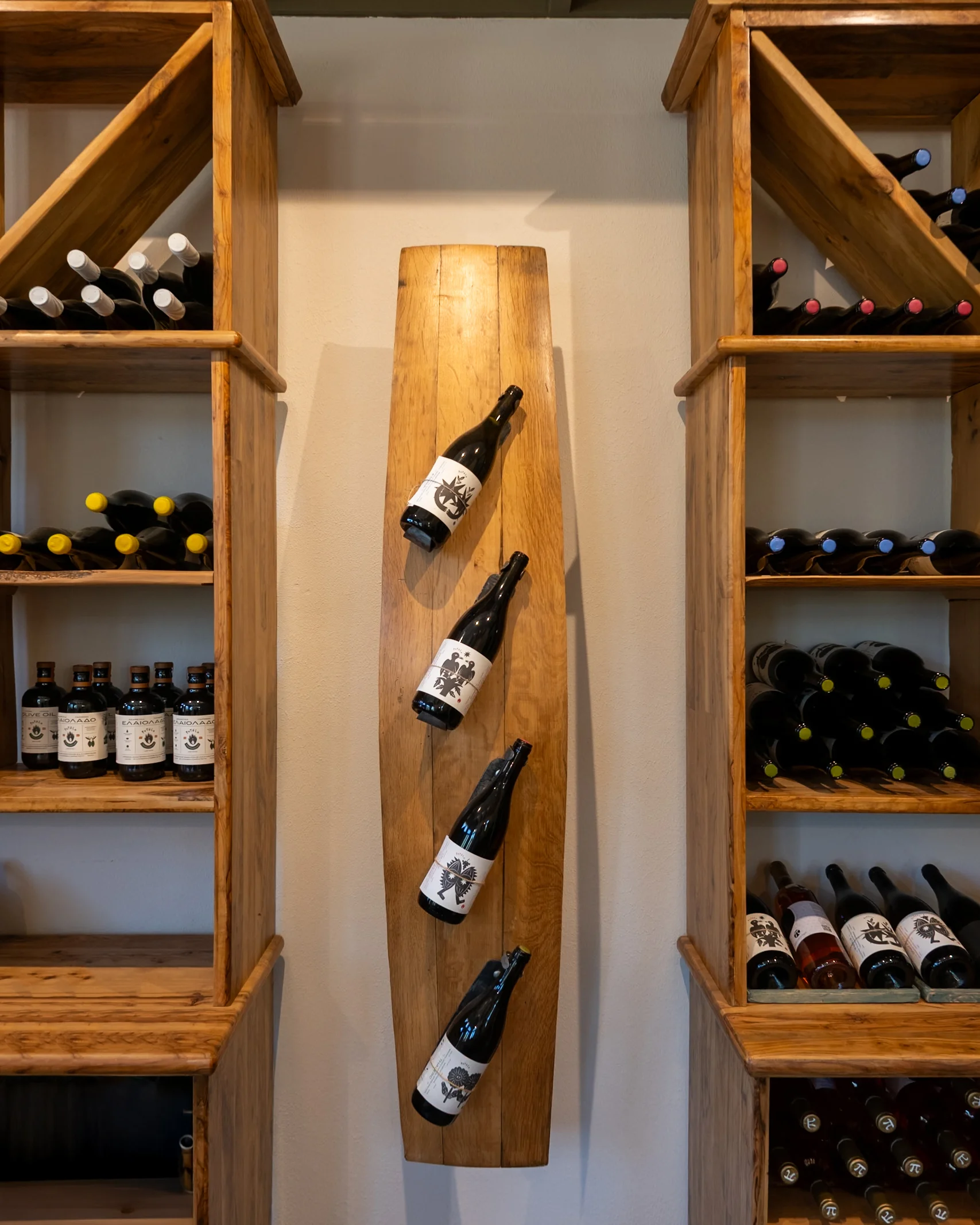
Here is the labelreading rule that saves the most confusion. Because PDO Peza and PDO Archanes both require the cofermented Kotsifali and Mandilaria blend, a wine made from Kotsifali alone cannot use either name, however good it is and however local the fruit. It has to be sold under a broader designation instead, so the varietal bottlings you find are labelled PGI Heraklion or PGI Crete.
The same applies to a Kotsifali blended with Syrah or Cabernet Sauvignon, and here the rule is absolute rather than a matter of degree: no Cretan PDO permits an international variety at all. Search all seven specifications for Syrah, Cabernet Sauvignon, Merlot, Grenache, Mourvedre or Chardonnay and you find nothing. The PGI Crete specification lists them explicitly, alongside the natives, which is where every such bottle necessarily ends up — together with the fiftyfifty Kotsifali and Liatiko blends and every varietal Vidiano on the island.
There is an EU labelling rule sitting underneath all of this that explains why producers so often print neither grape. Name a single variety on a label and at least 85 per cent of the wine must be that variety; name two or more and the wine must be 100 per cent those varieties, listed in descending order of proportion and in identical type size. A producer who prints "Kotsifali Mandilaria" is therefore publishing a hierarchy and committing to it. Printing the place name instead leaves the balance where the appellation left it, as a cellar decision.
On Crete a PGI label is not a step down in quality. It is very often where the most ambitious and most experimental wines live, precisely because the winemaker has chosen not to be bound by a blend rule.
So the practical reading is inverted from what most visitors assume. PDO on a Cretan red tells you the wine is a Kotsifali and Mandilaria blend from a defined zone. PGI on a Cretan red tells you the producer wanted to do something the appellation does not permit, which is frequently the more interesting bottle.
What Cretan Red Wine Tastes Like, and How to Serve It
The classic Peza or Archanes red is mediumbodied, dry and moderately tannic, with red and dark cherry, sour cherry, plum, dried Mediterranean herbs and a warm spice note behind the fruit. It is a wine with no hard edges, built to sit alongside food rather than to be studied.
The appellation paperwork is unexpectedly useful here, because the ministry files carry an official organoleptic description. PDO Peza's red is defined as bright ruby with orange highlights, a nose of spices and dried fruits, and a palate that is harmoniously balanced, round and long in the finish. Those orange highlights are not a flaw being politely described; they are the colourinstability of the lead grape, written into the appellation's own idea of what the wine should look like.
Most of these wines are ready when they are released. How long the better ones keep is genuinely disputed — Cretan sources put the everyday bottles at two to three years and barrelaged examples at five to seven, while the Greek sector body stretches the extracted styles to eight, so treat any single figure as an estimate. What is not disputed is the legal ladder, because it is written into the appellations: to print Réserve on a dry red Peza or Archanes the wine needs two years' total ageing, of which at least twelve months in oak and six in bottle; Grande Réserve needs four years, at least eighteen months in oak and eighteen in bottle. A plain PDO red has no minimum ageing at all.
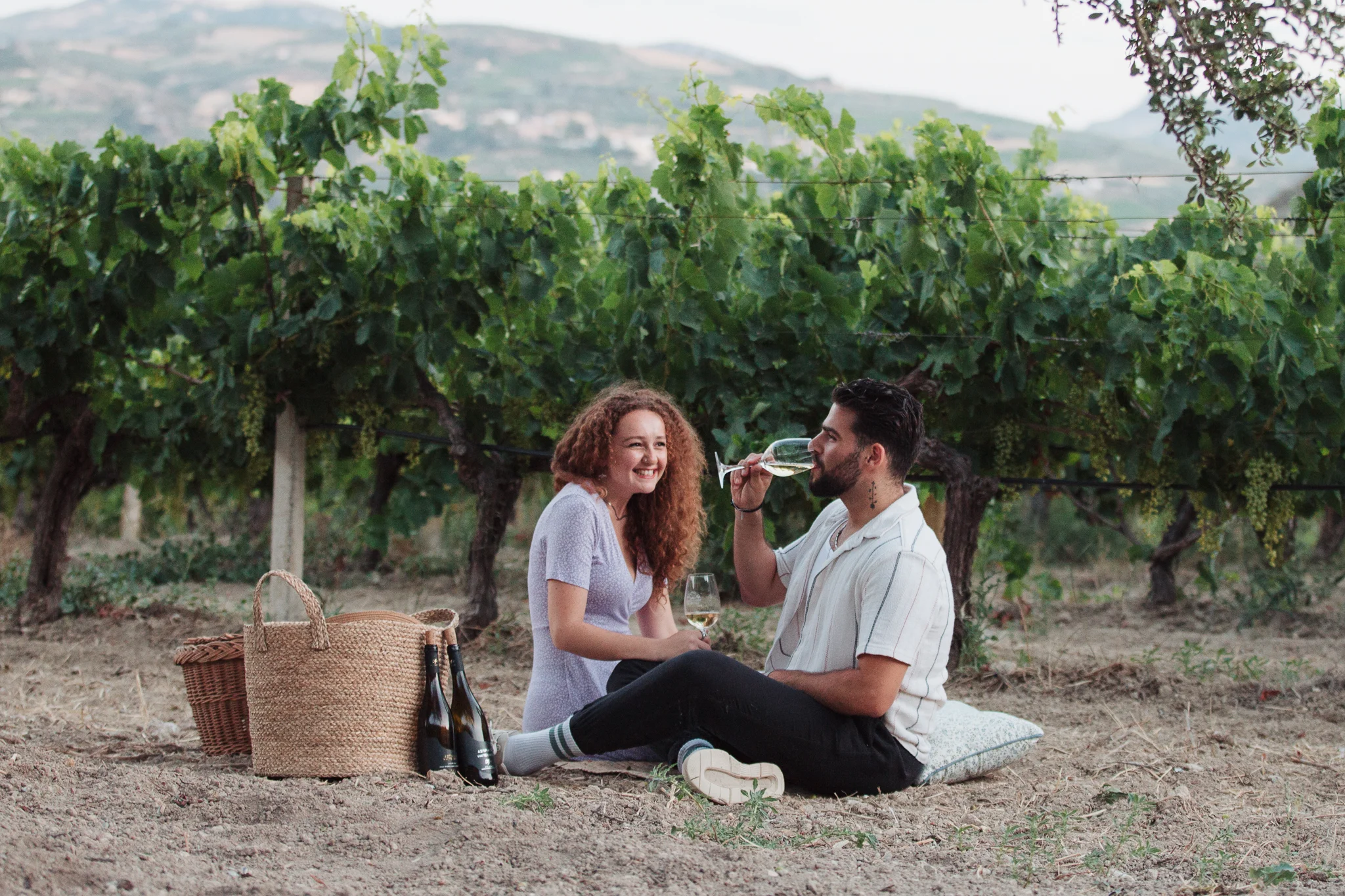
On temperature, ignore the instinct to chill. Cretan producers are strikingly consistent here and they land on 16 to 18°C for the PDO blends, which is cellarcool rather than cold. These wines are soft and low in acid, and overchilling flattens the aromatics that are the whole point of the grape. The exception is the lighter unoaked styles, including an unoaked varietal Kotsifali: those take a genuine chill and are much better for it on a hot evening.
Wine Tasting in Crete
Three Things English Wine Writing Gets Wrong
Cretan wine attracts an unusual amount of confidently wrong writing, mostly because a small number of claims have been copied between Englishlanguage pages for years without anyone checking them against Greek records. Three matter enough to correct.
Crete did not escape phylloxera
This is the most persistent one. Phylloxera did reach Crete, roughly a century later than it reached France, arriving in the 1970s — Greek agronomic records put the first confirmed outbreak in April 1977, in the village of Choustouliana in the Mesara, while parts of the English wine press date it to 1974. Replanting on American rootstock followed from the middle of the 1980s. The island did not sit the epidemic out, and the central vineyards that supply the Heraklion appellations are grafted.
The honest correction cuts both ways, though, because the opposite blanket claim is wrong too. The PDO Sitia product specification states in plain Greek that the greater part of the vineyards in its zone are ownrooted and prephylloxera. So the accurate version is neither "Crete escaped" nor "everything is grafted": the epidemic arrived very late, the main zones replanted, and pockets of the east kept their own roots. If a page tells you the whole island is ungrafted, it is repeating a myth; if it tells you nothing is, it has not read the Sitia paperwork.
Vilana is not the island's most planted grape
Vilana is the leading white of the Heraklion appellations, which is a real distinction, and it has been quietly inflated into a false superlative. Greek planting data puts Liatiko, a red, first by area across the island — and inside the Heraklion regional unit itself, Vilana is second to Kotsifali. If you want a single sentence that captures Cretan viticulture, it is that the island's most planted variety is a pale red that most visitors never order.
While we are correcting planting claims: Crete's winegrape vineyard covers roughly 6,900 hectares, about a tenth of the Greek total. The figure of 50,500 hectares still printed by parts of the wine press counts table and sultana grapes, and overstates the wine vineyard by a factor of seven.
Eleven is a shortlist, not a census
The figure of eleven indigenous varieties comes from the Cretan producers' association, whose varieties page features eleven grapes and which has never presented it as a total. Peerreviewed ampelography counts at least thirtysix cultivars of Cretan origin. Nor are they exclusively Cretan: Mandilaria is an Aegean grape as much as a Cretan one, and Malvasia di Candia is Italian by centre of gravity despite the Venetian name for Heraklion sitting inside its own.
Cretan Reds Compared With the Reds You Already Drink
Comparisons are imperfect, but they save a lot of guessing at a cellar door.
A Kotsifali and Mandilaria blend sits closest to a warmclimate southern Rhone or a softer Chianti in weight and role: mediumbodied, savoury, herbal, built around food rather than fruit intensity. It is not a Bordeaux analogue, because the tannin is rounder and the aromatics are sweeter and more floral.
Varietal Kotsifali is the surprise. Unoaked, chilled slightly, it behaves like a light summer red and will happily sit next to fish, which is not something most people expect from a red on a Greek island. The oaked versions move toward something plusher, with the alcohol more obvious.
Liatiko is the one people compare to lighter Pinot Noir, and the comparison holds for colour, weight and perfume while missing the herbal, sunbaked edge that is entirely its own. Mandilaria on its own is the opposite end: dark, firm and gamey, the closest thing Crete has to a structured, ageable red, and the one bottle here that genuinely rewards a decanter.
Set against Santorini, which is the comparison visitors actually make, the difference is direction rather than quality. Santorini's reputation is built on a white. Crete's most planted variety is a red, its appellation structure is redled in Heraklion, and its whites, good as they are, are the newer story.
Food and the Cretan Table
These reds were shaped by the food they grew up next to, which is why they work so easily with it. The Kotsifali and Mandilaria blends are at their best with rich meat cooking: slowcooked lamb, casseroles and stews, sausage, roasted meats and hard aged cheese such as graviera. The herbal, savoury streak in the wine matches the oregano, thyme and rosemary that run through Cretan cooking, and the soft tannin copes with tomato and olive oil far better than a firmer red would.
Liatiko goes lighter and broader: tender meats, mushrooms, vegetable dishes and cheese that is not too sharp. Sweet Liatiko belongs at the end of the meal with nuts, dried fruit or a piece of hard cheese. A chilled varietal Kotsifali is the one to reach for when the table is mixed and half the party is eating fish.
Weather, Harvest and the Drinking Season
The Cretan wine season runs from April to early November, and the shoulder months either side of high summer are the most comfortable for it, both because the heat is manageable and because producers have time to talk. Harvest generally runs from early or midAugust through September, with later varieties sometimes picked into October, so a latesummer visit can catch the presses working.
What you cannot plan around is an islandwide opening season, because there is not one. Individual estates publish start and end dates that differ by as much as six weeks, and a few receive visitors on weekdays yearround. Check the specific producer, not the island.
Wine Tasting in Crete
Getting to the RedWine Villages
Crete's redwine country is the belt of hills immediately south of Heraklion. Peza and Archanes lie a short drive south past Knossos; Dafnes is southwest, toward the edge of the Psiloritis massif. The three sit close enough together that a single day comfortably covers two of them, and all three are within easy reach of Heraklion's airport and port.
The east is a different proposition. Sitia's vineyards are a long drive beyond Agios Nikolaos and do not fit into a day trip from the centre of the island. The far west, for Romeiko, is a separate trip rather than a detour.
Driving is the obvious option and the reason most people end up regretting it: flights of five to seven wines are normal here, and the arithmetic settles the designateddriver question before it is asked.
How to Choose a Tasting That Actually Pours Reds
Cretan tasting flights lead with whites for good commercial reasons, so the single most useful thing you can do is say what you want before the first glass is poured. Ask for the reds specifically, and ask for them side by side.
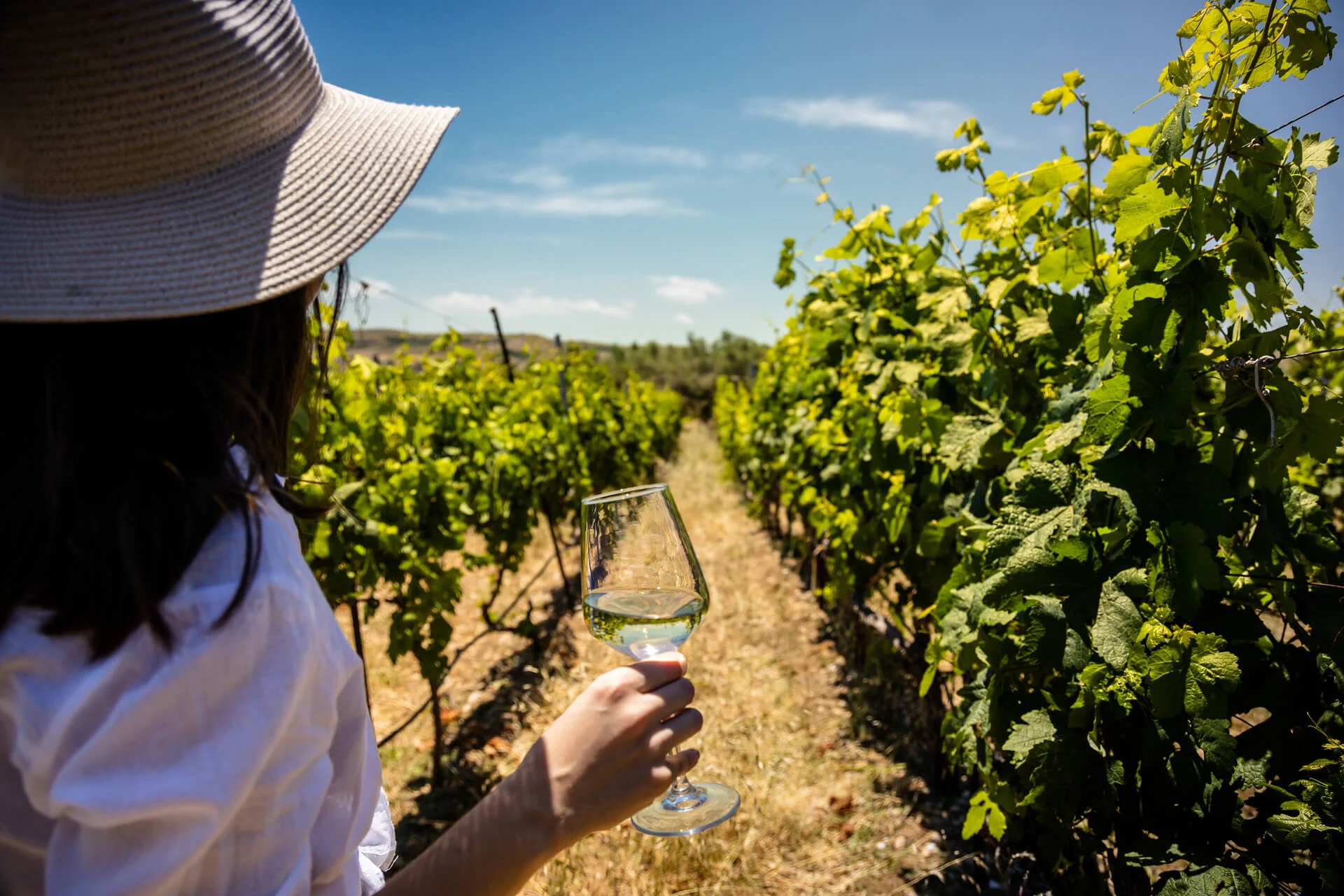
Work from flight size. A fivewine flight will include the house red blend and gives you the shape of the island in an hour. A sevenwine flight is where a varietal or a reserve red starts appearing. A vineyard visit adds the ground the grapes came from, which is where the altitude and the stony soil stop being abstractions. A full day buys the cellar, the vineyards and usually a proper lunch, and it is the format that most reliably gets a producer talking about the blend rather than the brand.
Two requests are worth making by name. Ask whether the estate makes a varietal Kotsifali, because if it does, tasting it beside the PDO blend teaches more in two glasses than any amount of reading. And ask which reds on the list are not on the printed flight, since the more serious bottles are frequently poured only on request.
Wine Tasting in Crete
Common Mistakes to Avoid
Judging Cretan reds by colour is the first and most common. Kotsifali and Liatiko are both pale by nature, and drinkers who read pale as thin miss the aromatics entirely.
Assuming PDO outranks PGI is the second, and on this island it is close to backwards. Expecting the grape name on the front label is the third: on a Peza or Archanes bottle you will see the place, not the variety, and that is the appellation working as designed rather than an omission.
Serving these wines at room temperature in August is the fourth and most easily fixed. And the last is ordering only whites in a Heraklion cellar because Vidiano has the reputation. The reds are the reason the appellations exist here.
Where to Stay
Staying in or just south of Heraklion puts you inside the redwine belt: Peza, Archanes and Dafnes are all a short drive into the hills, and the airport is close enough to make a tasting work on an arrival or departure day. Archanes itself makes an unusually pleasant base, with tavernas within walking distance of the vineyards.
For the eastern reds around Sitia, a base in Lasithi shortens what is otherwise a punishing drive. Chania, for Romeiko, is a separate trip and should be planned as one.
Final Thoughts
Cretan red wine is not difficult, but it is badly explained almost everywhere, and the two facts that unlock it are barely mentioned in English. The island's signature red grape is blended because on its own it cannot hold a wine together, and the appellation that governs it deliberately declines to say in what proportion. Learn those, ask for the reds by name, taste a varietal Kotsifali next to a PDO blend, and serve the results cooler than instinct suggests. That is the whole trick, and it turns a wall of unfamiliar labels into a short and genuinely interesting list.
Frequently asked questions
What is the main red wine grape in Crete?
Kotsifali is the backbone of the island's classic red blends and the named red variety of both PDO Peza and PDO Archanes. By planted area, though, the island's leading variety is Liatiko, a different red, which is grown across Heraklion and Lasithi and bottled on its own.
Why is Kotsifali always blended with Mandilaria?
Because each fixes the other's weakness. Kotsifali is aromatic, fullbodied and high in alcohol but low in colour, tannin and acidity; Mandilaria is deeply coloured, tannic and acidic but low in alcohol. Blended, they make a balanced mediumbodied red that neither grape can produce alone.
Can you buy a red wine made only from Kotsifali?
Yes, and a growing number of producers make one, but it cannot be sold as PDO Peza or PDO Archanes because both appellations require the blend. Varietal Kotsifali appears under PGI Heraklion or PGI Crete instead, made both unoaked and with several months in French oak.
What does a Cretan red wine taste like?
The classic blend is mediumbodied and dry, with red and dark cherry, plum, dried Mediterranean herbs and a warm spice note, soft tannins and no hard edges. Liatiko is paler, lighter and more perfumed; Mandilaria on its own is dark, firm and gamey.
Should Cretan red wine be chilled?
A short chill suits almost all of them. These are warmclimate reds with generous alcohol and soft acidity, and a spell in the fridge before serving tightens them. Varietal Kotsifali and Liatiko take a real chill and are much better for it in summer.
Is PDO better than PGI on a Cretan wine?
Not reliably. PDO tells you the wine follows a blend rule for a defined zone. PGI tells you the producer chose not to, which on Crete covers varietal Kotsifali, every varietal Vidiano and most of the experimental bottles. Judge the producer, not the acronym.
How much does it cost to taste Cretan reds?
Short guided tastings near Heraklion start at around 15 to 22 euro for a flight of five, a family winery with food pairing runs about 52 euro, a vineyard tour about 75 euro, and full winery days with lunch and transport sit between 120 and 130 euro.
Which Cretan wine region should I visit for reds?
The hills south of Heraklion. Peza, Archanes and Dafnes hold the island's red appellations and sit close enough together for a single unhurried day. Chania and Rethymno have no wine PDO at all, so a western trip is about producers rather than appellations.
Related Articles
Continue exploring Crete
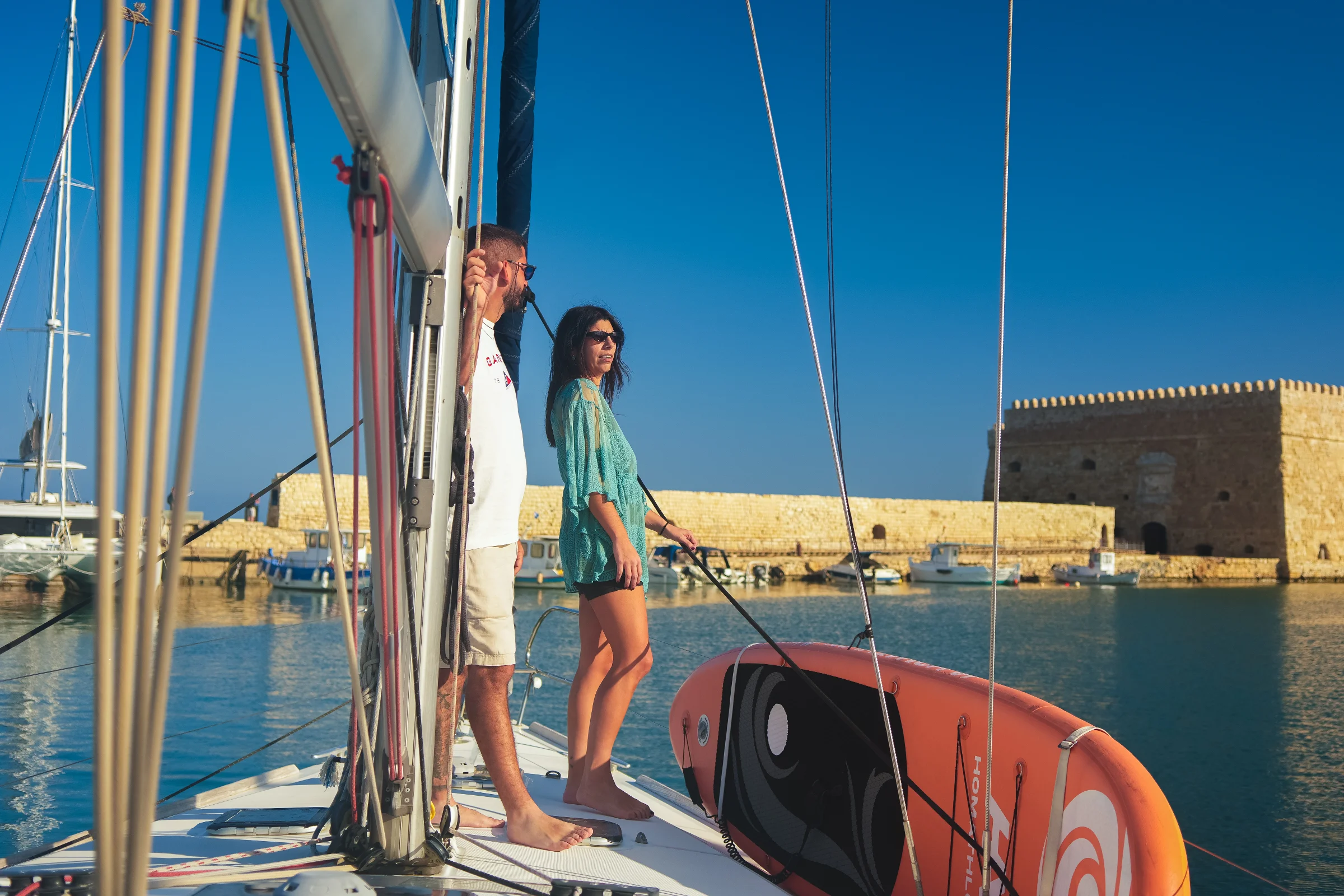
One Day in Heraklion: The Complete Itinerary for Crete's Capital
Most visitors get exactly one day in Heraklion, and most of them spend it queuing at Knossos in the worst of the afternoon heat. It does not have to go that way. This is the order we would put the day in — the palace first thing, the Old Town on foot while the shade still favours you, the museum indoors when the sun is at its worst, and the Venetian harbour at the end. Every time and price below comes from our own booking calendar, so you can plan the day around what is genuinely running rather
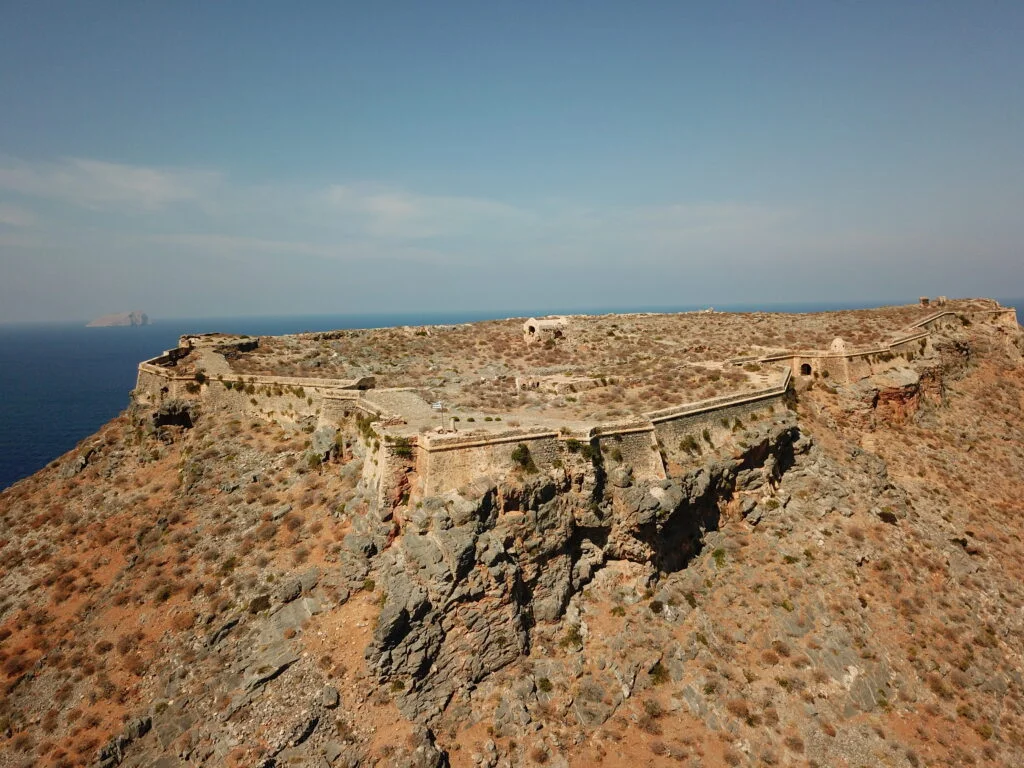
Venetian Fortresses of Crete: History and Visitor Guide
The Venetian fortresses of Crete still guard harbours, hilltops and remote islands across the coast. Some have become city landmarks, while others require a boat journey or a steep walk to reach their walls. This guide covers their history, the best fortresses to visit and how to include them in a trip around Crete.
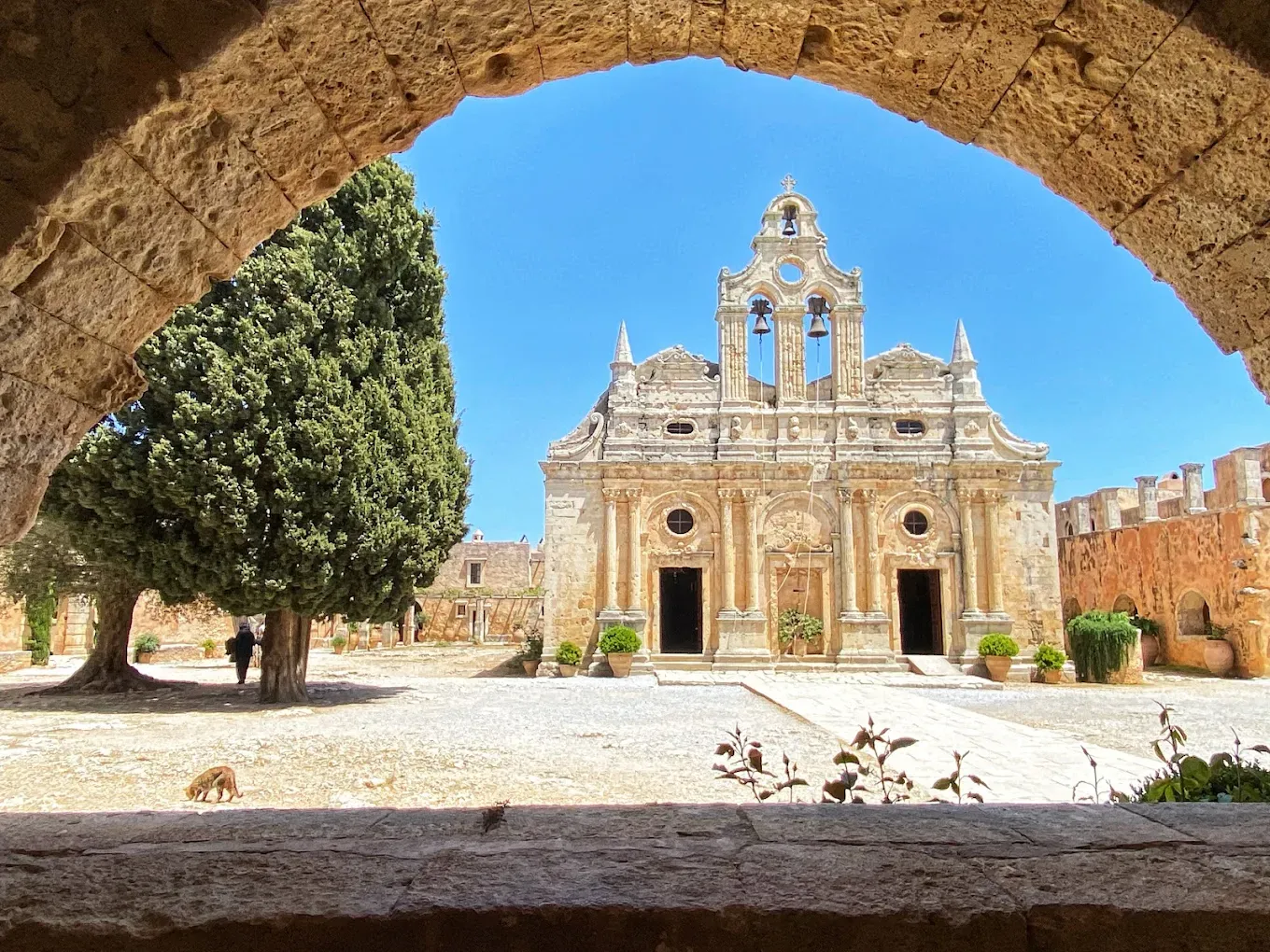
Arkadi Monastery: History, What to See and Visitor Guide
Arkadi Monastery is one of the most important historical and religious sites in Crete. Its peaceful courtyard and Renaissance church stand at the centre of a story shaped by learning, resistance and the events of 1866. This guide covers the history of Moni Arkadiou, what to see and how to plan a visit from Rethymno.
Let Crete come to you
Sign up to get authentic stories, travel tips, and new experiences
By entering my email, I agree to receive marketing notifications from travel & do.