 Back to blog
One Day in Heraklion: The Complete Itinerary for Crete's Capital
On this page
- Quick Summary
- Why One Day Is the Number Most People Get
- The Day at a Glance
- 08:00 to 10:30 — Knossos
- 10:30 to 13:00 — the Old Town on foot
- 13:00 to 14:30 — lunch
- 14:30 to 17:00 — the Archaeological Museum
- 17:00 onwards — the Venetian harbour
- Morning: Knossos Before the Heat
- Late Morning: The Old Town on Foot
- Lions Square and the Morosini Fountain
- The Loggia and Agios Titos
- 1866 Street, the market street
- The Venetian walls and the Kazantzakis grave
- Midday: Where and How to Eat
- Afternoon: The Archaeological Museum
- Late Afternoon: Koules and the Venetian Harbour
- Evening, If You Still Have It
- Not a Ruins Person? The Same Day, Spent Differently
- On the water
- On foot, out of the city
- Offroad
- Tickets, Times and What the Day Costs
- Getting There and Getting Around
- Weather and the Best Time to Come
- How to Choose Between the Three Versions of the Day
- Choose the classic itinerary if it is your first time on Crete
- Choose a guided version if you dislike ruins
- Choose the water or the hills if you have seen Knossos before
- Common Mistakes to Avoid
- Doing Knossos in the afternoon
- Assuming a combined ticket exists
- Booking a guided tour and expecting to skip the queue
- Building the day around a Wednesday morning museum visit
- Coming on a Tuesday and expecting the full walk
- Trying to add Chania
- Leaving the harbour for the middle of the day
- Where to Stay
- If You Have More Than One Day
- Final Thoughts
Quick Summary
One day in Heraklion works best in this order: Knossos at opening, the Old Town on foot late morning, lunch, the Heraklion Archaeological Museum through the hottest part of the afternoon, and the Venetian harbour and Koules at the end of the day. Knossos and the museum cost 20 euros each to enter, there is no combined ticket, and a guided walkthrough of either runs 80 euros on top of the entrance fee. Everything in the historic centre is walkable. If you would rather not spend the day among ruins, the same hours buy a fourhour sail to Dia Island from 90 euros, a fivehour hike along the Venetian aqueduct at 80 euros, or a fourhour offroad run into the hills behind Ammoudara at 98 euros.
Why One Day Is the Number Most People Get
Heraklion is where Crete begins for almost everyone. The island's main airport sits a few minutes east of the centre, the ferries from Piraeus tie up in its harbour, and the bus station that serves the whole of the north coast is a short walk from the water. That makes it the city travellers pass through rather than the city they stay in — arriving in the morning and leaving for a resort in the afternoon, or coming back in from Hersonissos for a day and returning at night.
It also means Heraklion gets judged in a hurry, and usually unfairly. This is a working port city of concrete apartment blocks and traffic, wrapped around a Venetian core that survived a twentyone year siege and then the twentieth century. It does not announce itself the way Chania's harbour does. What it has instead is the single most important archaeological site in the Aegean on its southern edge, the museum that holds everything dug out of it, and a food culture that locals take seriously enough to argue about. A day is enough to see why the city is worth more than a day.
The Day at a Glance
08:00 to 10:30 — Knossos
Go first, before the tour coaches. The site opens early, there is very little shade once you are inside, and the queues that form at the reconstructed sections put you in full sun for ten or fifteen minutes at a time.
10:30 to 13:00 — the Old Town on foot
Back into the centre for Lions Square, the Morosini Fountain, Agios Titos, the Loggia and the market street.
13:00 to 14:30 — lunch
Long, shaded, and not rushed.
14:30 to 17:00 — the Archaeological Museum
Indoors, airconditioned, and deliberately timed for the worst of the heat.
17:00 onwards — the Venetian harbour
Koules, the breakwater walk, dinner in the Old Town afterwards.

Morning: Knossos Before the Heat
Knossos sits about five kilometres south of the city centre, close enough that a city bus runs to it regularly from the centre and a taxi takes minutes. It was inscribed on the UNESCO World Heritage List in 2025 as part of the Minoan Palatial Centres, and it is the reason most people come to Heraklion at all.
Two hours is enough. Much of what you walk over is foundation courses more than three and a half thousand years old, punctuated by the sections Arthur Evans rebuilt in concrete in the early twentieth century — the north entrance with its charging bull, the throne room, the grand staircase. Those reconstructions are contested by archaeologists and they are also the only reason a nonspecialist can read the site at all. The famous frescoes on the walls are replicas. The originals are in the museum you will see after lunch, which is the strongest argument for doing both on the same day and in that order.
There is a newer reason to go early that no itinerary written before this summer mentions. In a heatwave the Ephorate of Antiquities can shut the site for the middle of the day: it did exactly that on 22 July 2026, closing Knossos from 12:00 to 17:00. A midday plan in July or August is not merely uncomfortable, it is occasionally impossible.
The single most common mistake here is walking in without a guide. The information boards are thin, the site is a maze by design, and without someone to tell you what you are looking at, a palace complex reduces to a field of low walls in the sun. Our guided walkthrough of the palace runs 90 minutes and costs 80 euros, with departures through the day from 08:00 onwards. It is a guide, not a ticket — the 20 euro site entrance is separate, and there is no skiptheline element to it, so arriving early still matters. Children under twelve are half price, and the groups are small, between two and fifteen people.
Late Morning: The Old Town on Foot
Come back into the centre and start at Liberty Square, which is where the bus from Knossos will put you and which sits directly outside the museum you will return to later.
Lions Square and the Morosini Fountain
Walk in along Dedalou rather than the wider shopping street: it is narrower, shadier and it delivers you into Lions Square. The Morosini Fountain in the middle, with its four stone lions, was the public end of an engineering project that brought water down to the city from the slopes of Mount Giouchtas through an aqueduct inaugurated in 1628. The lions themselves are older than the fountain.
Two honest notes about it. The fountain no longer runs water — restoring the flow is a stated goal for 2027, not a current feature — and the protective railings that went up around it in June 2026 came down again after an outcry from the city's tourism bodies, with conservation work expected to resume in the autumn. It may be fenced again by the time you read this, so look before you plan a photograph around it. There is no ticket and no closing time; it is a public square.
The Loggia and Agios Titos
A few steps away, the Venetian Loggia — the meeting house of the city's nobility, rebuilt after the war — is now Heraklion's town hall, and its restoration won a Europa Nostra award in 1987 as the most successful reuse of a historic building in Greece. It is a working municipal building, so treat the arcaded façade from the street as the visit. Round the corner is Agios Titos, which has been a Byzantine church, an Ottoman mosque and a church again, and which holds the skull of Saint Titus. Neither stop takes long.
1866 Street, the market street
This is where a Heraklion morning stops being a monument tour. Do not picture a covered market hall — that is Chania's. This is an openair pedestrian run of small shopfronts squeezed against each other, selling souvenirs alongside fruit and vegetables, herbs and spices, cheese and cured meat, with cafes and small tavernas between them. Much of the city's everyday food shopping has moved out to the suburban street markets, so come for the atmosphere and the edible souvenirs rather than expecting a working food hall. The shops keep their own hours and Sunday is quietest.
The Venetian walls and the Kazantzakis grave
If you have the legs for it in the heat, the walls that held off the Ottoman siege for twentyone years are still there: roughly three kilometres of rampart past four gates and seven bastions, usually walked from the St Andrew bastion. The Martinengo Bastion at the high point holds the grave of Nikos Kazantzakis, who wrote Zorba the Greek and was buried outside consecrated ground. It is a plain slab under a large wooden cross, and the epitaph reads: "I hope for nothing. I fear nothing. I am free." There is no ticket and no gate — you walk uphill onto the bastion, about twenty minutes from the market, and the view over the city is the reason to make the climb.
Midday: Where and How to Eat
Heraklion eats late and slowly, and lunch is the meal where you should give in to that. The tavernas behind the market and in the lanes off the main squares cook seasonally: wild greens, pulses, slowcooked meat, cheeses that change with the altitude they came from, and olive oil treated as an ingredient rather than a dressing. Order several small plates for the table rather than a main each. Raki arrives at the end whether you ask for it or not.
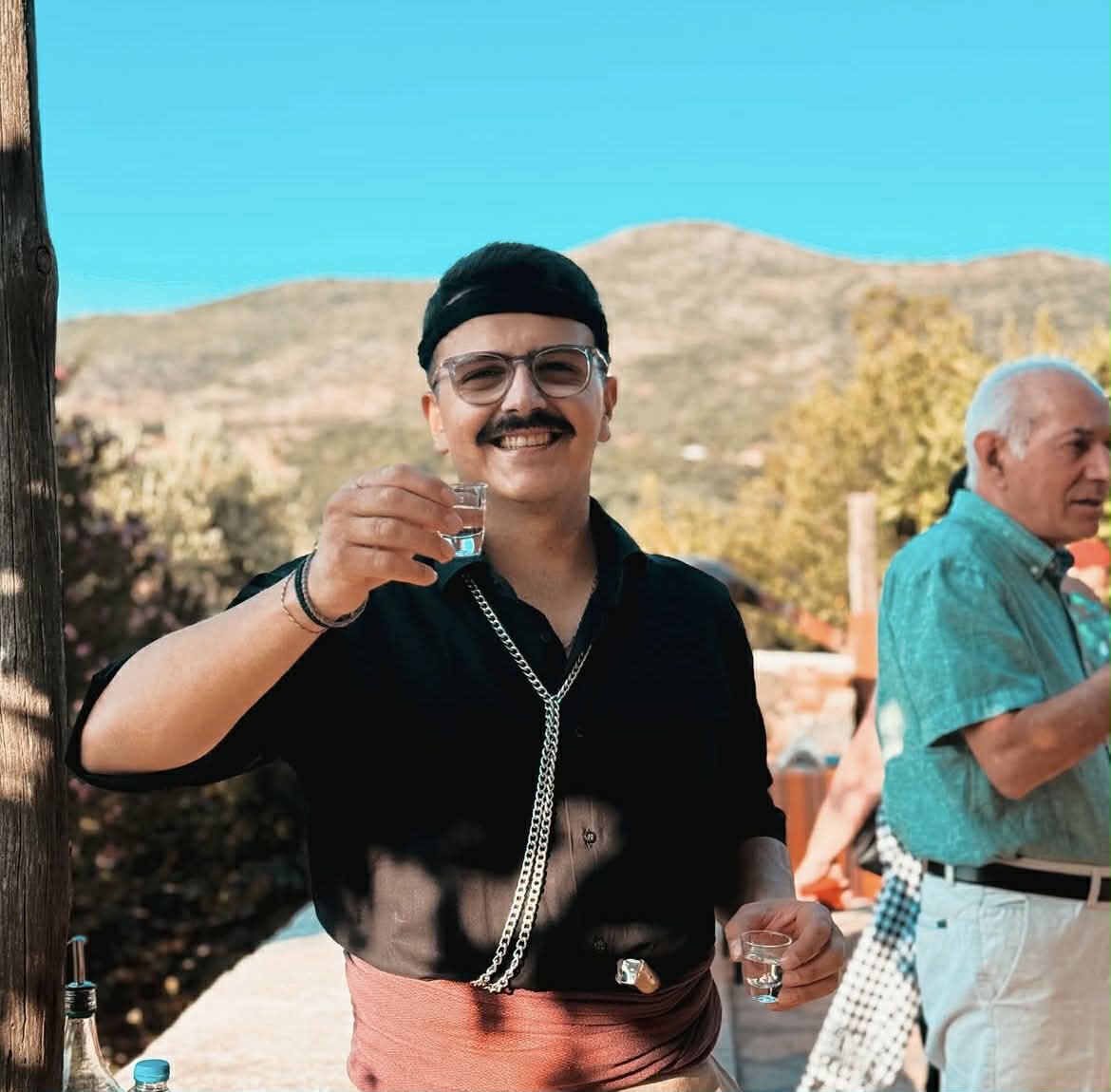
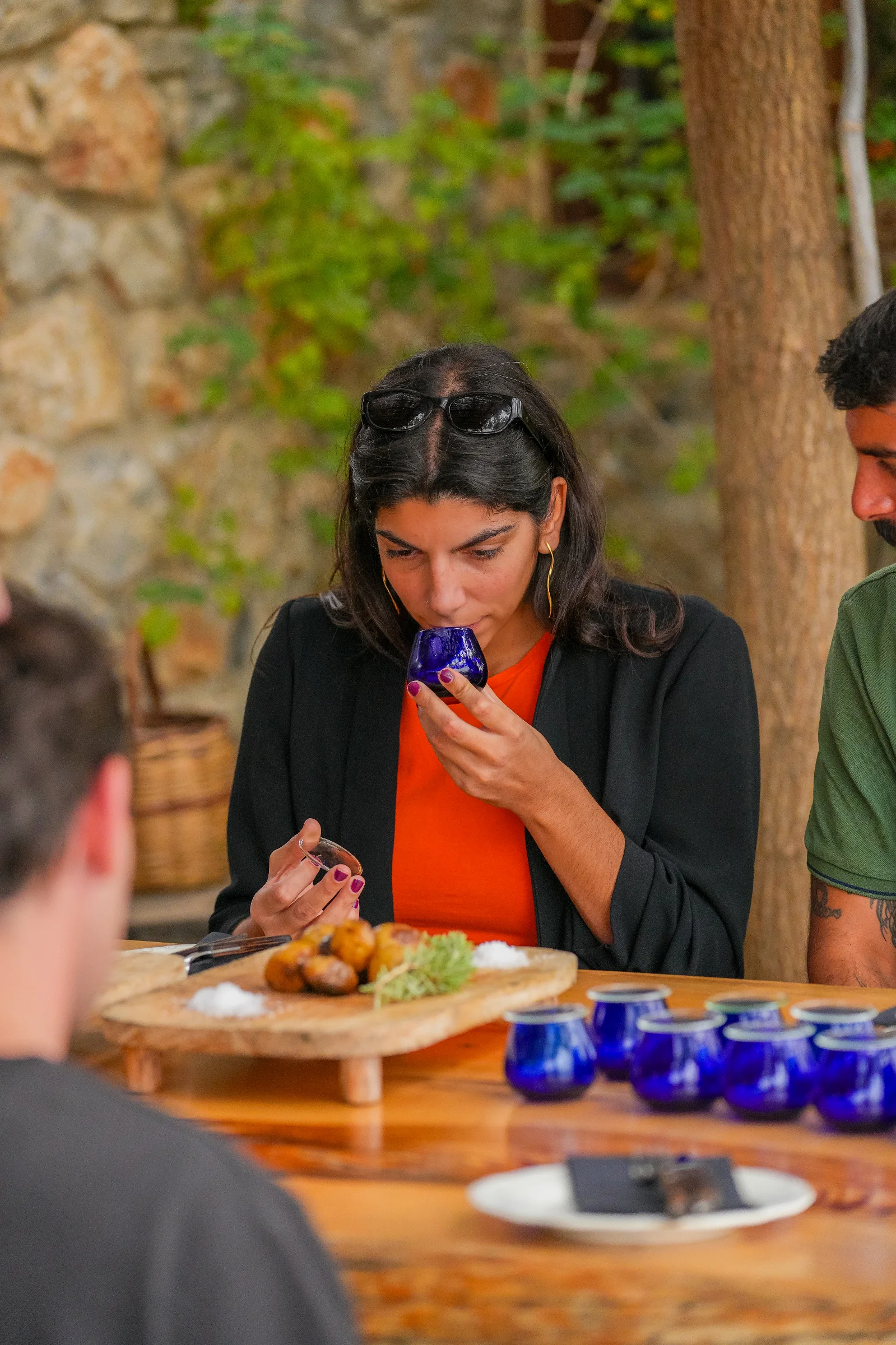
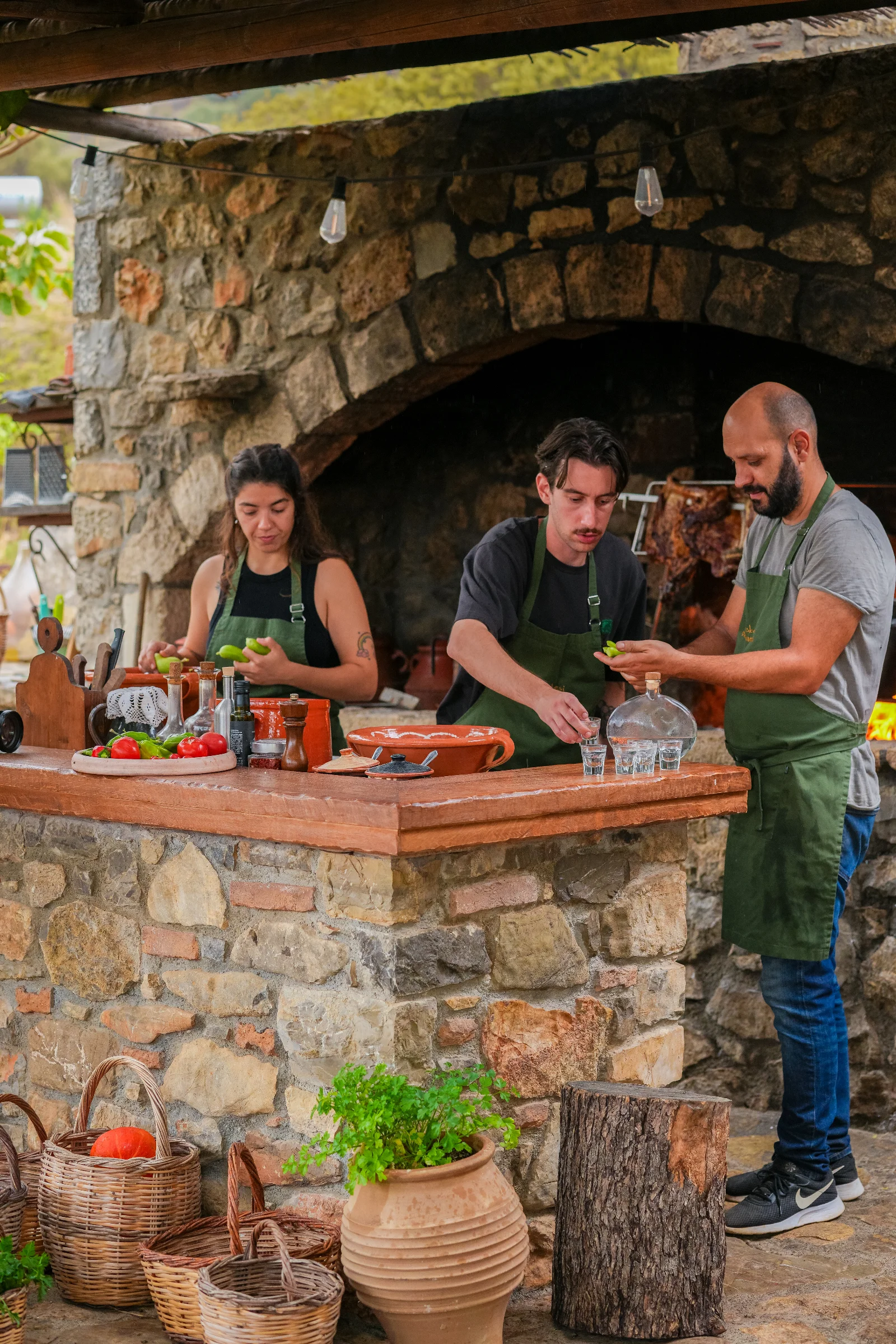
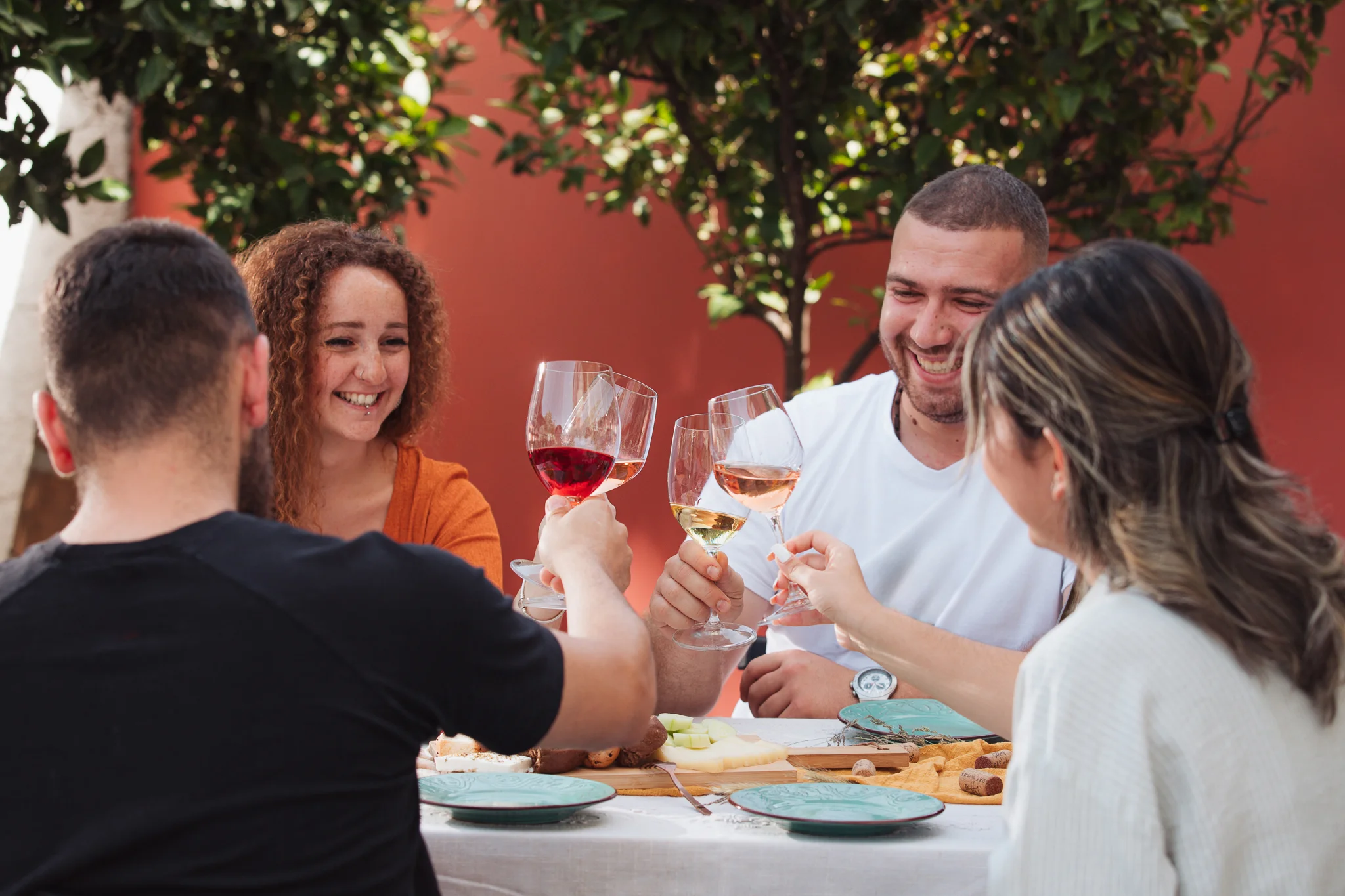
If you would rather have the city explained while you eat it, a guided food walk through the Old Town built around ten separate tastings runs three hours and costs 150 euros, starting at 09:00, 12:00 or 15:00 — the midday departure turns lunch into the centrepiece of the day rather than an interval. At the other end of the scale, an hourlong tasting of five Cretan wines in the centre costs 15 euros, and a twohour food and wine pairing course runs 30 euros with starts every two hours from 11:00 to 17:00.
Afternoon: The Archaeological Museum
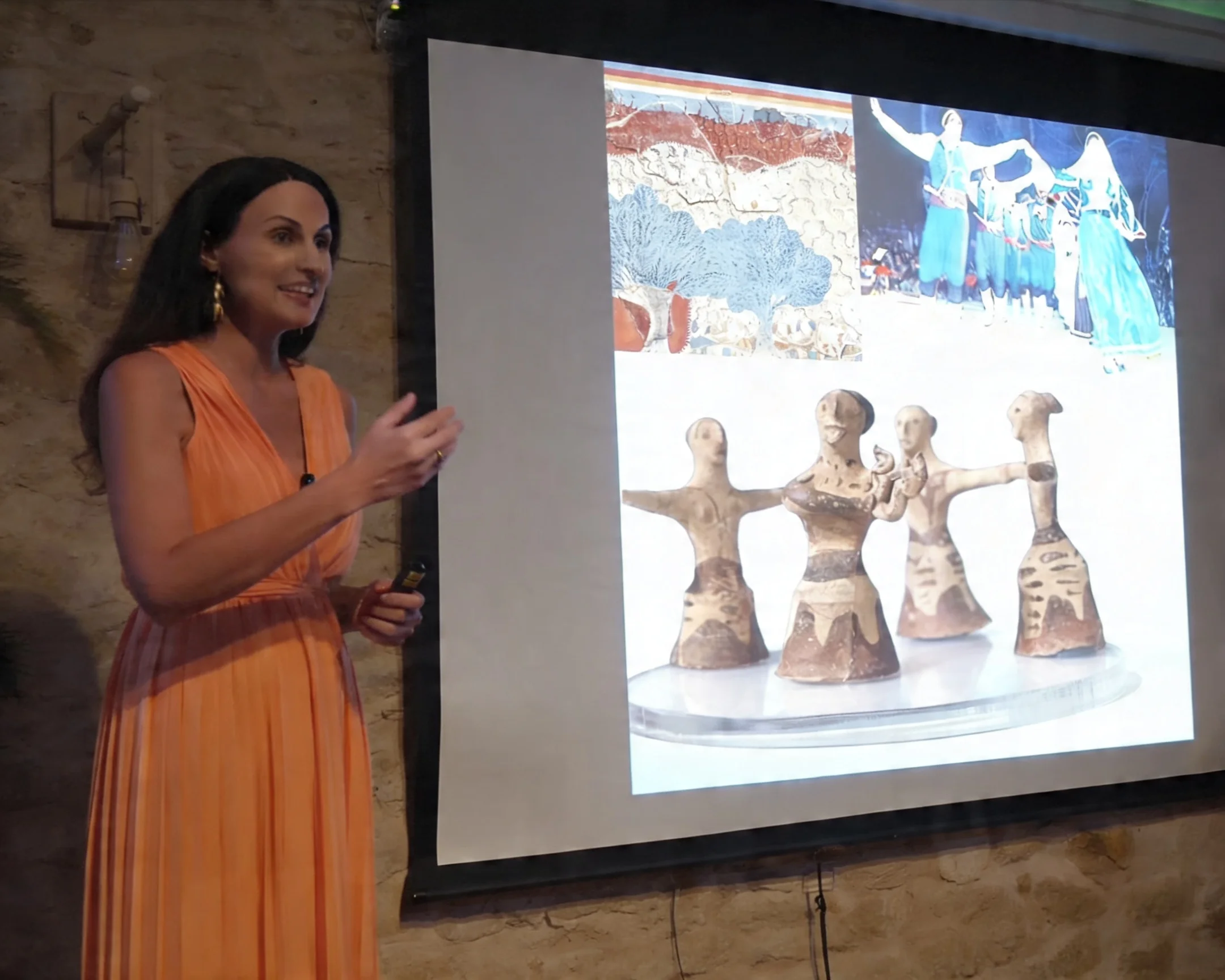
The museum is the other half of Knossos and the reason to structure the day this way. Everything portable that came out of the palace came here: the bullleaping fresco, the snake goddesses, the Phaistos Disc, the Agia Triada sarcophagus, gold from Malia. Two hours is a comfortable visit, three if you read.
Doing it in the afternoon is a heat strategy as much as a curatorial one. The building is airconditioned and it is the most pleasant place in Heraklion to be between two and five in the afternoon in July. Entrance is 20 euros. Our guided tour of the collection is 90 minutes at 80 euros, again guideonly with the ticket separate, and its standing departure is early — 08:00 — so if you want that guide rather than the Knossos one, you invert the day and do the museum first.
One thing to know before you plan around it: in the summer season the museum opens at 13:00 on Wednesdays. It does not close on Tuesdays. If your one day in Heraklion is a Wednesday, the morning belongs to Knossos and the Old Town whether you like it or not.
Late Afternoon: Koules and the Venetian Harbour
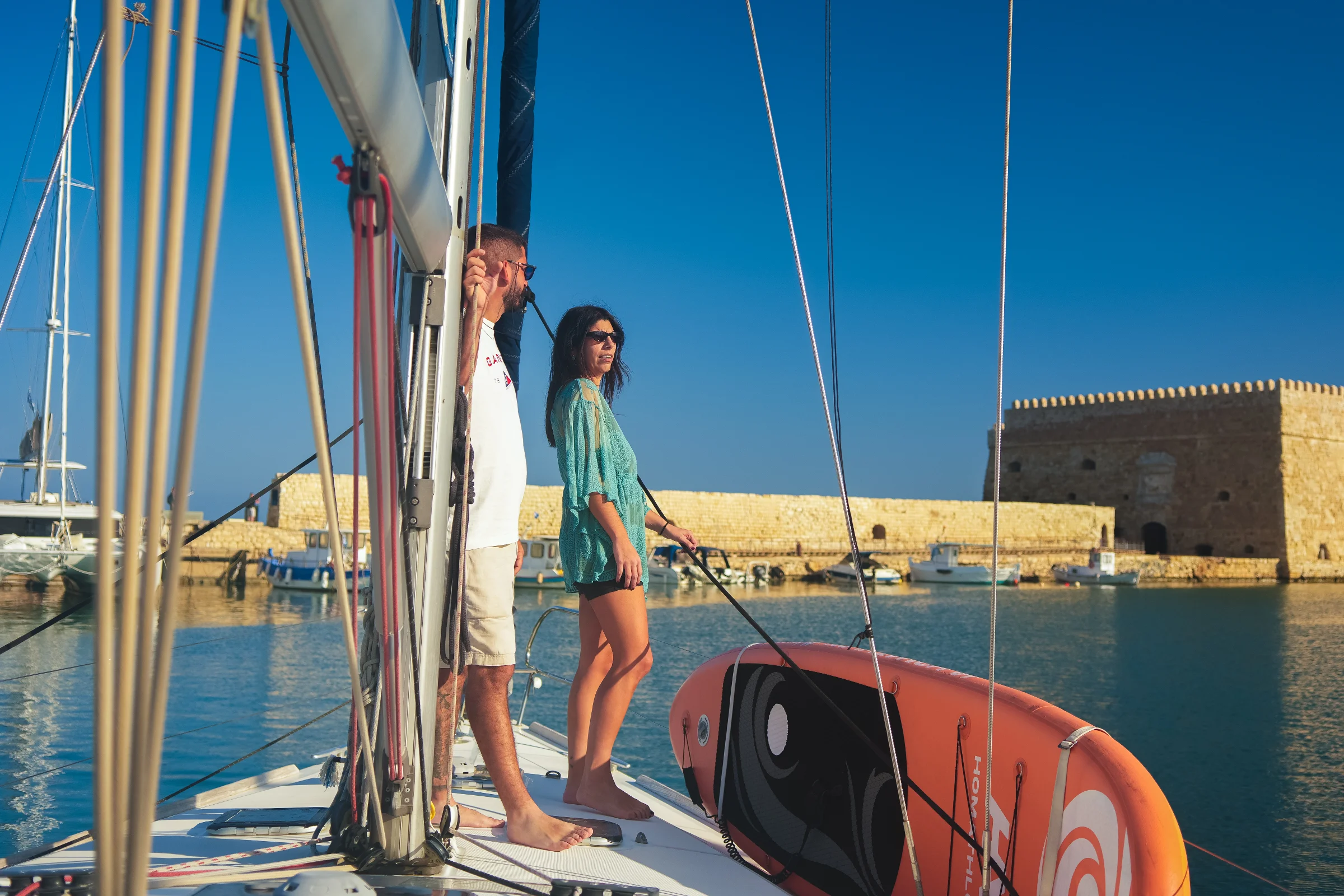
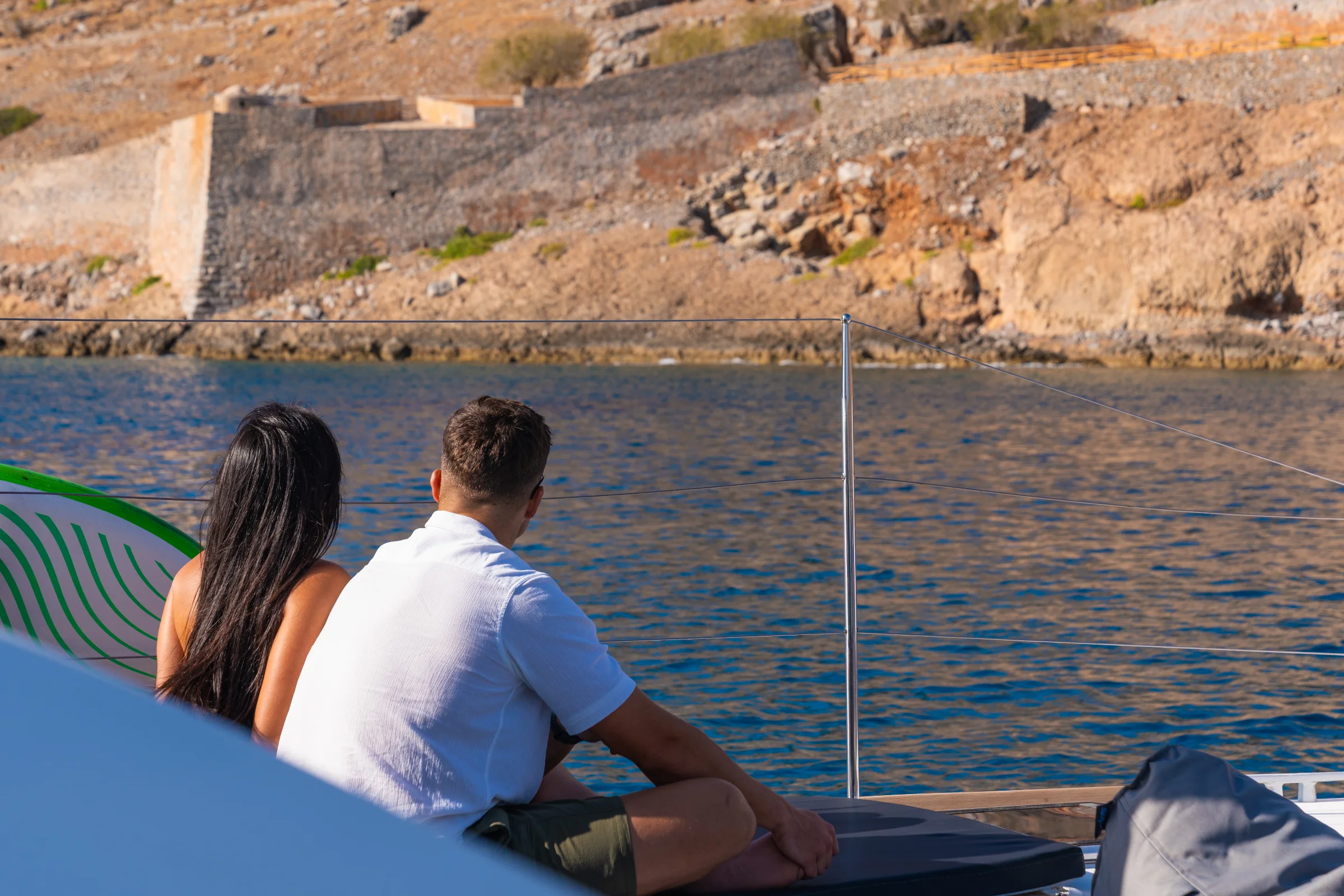
Walk down 25th August Street to the water — about ten to fifteen minutes from Lions Square, a little under a kilometre, gently downhill past St Titus and the Loggia. The Koules, which the Venetians called Rocca a Mare, is the squat fortress on the mole that appears on every photograph of the city, built in the sixteenth century as part of the chain of forts that were supposed to hold Crete. Inside it is cool, vaulted and largely empty; the reason to climb it is the roof, which gives you the whole waterfront, the breakwater and the mountains behind the city in one turn of the head.
Admission is 10 euros, or 5 reduced. Through 31 August it is open 08:00 to 20:00 with last entry twenty minutes before closing, and the hours step back through the autumn — 19:30 in early September, 19:00 from midSeptember, 18:30 from October, 18:00 from midOctober, and 08:30 to 15:30 from November. The detail that catches people out is that it closes every Tuesday, yearround. If your one day is a Tuesday, the fortress is off the itinerary and the mole walk beside it is the consolation. The lift has been reported out of service, which puts the rooftop terrace out of reach for anyone who cannot manage stairs, so ring ahead if the view is the point.
The walk out along the mole itself needs no ticket, and in the last hour of light it is the best thing in Heraklion that costs nothing.
Evening, If You Still Have It
If your day has an evening in it, Heraklion improves. This is a city that eats at nine and stays out. A Cretan folklore evening with live music, dancing and a buffet dinner runs 40 euros and starts at 19:15. On the water, the afternoon departure of the Dia Island cruises leaves in the middle of the afternoon and is out until 20:30 or 21:00, so it is on the water for sunset in season. Inland, an offroad run into the hills with a barbecue at the end starts at 17:30 and comes back at 22:30 for 82 euros.
Not a Ruins Person? The Same Day, Spent Differently
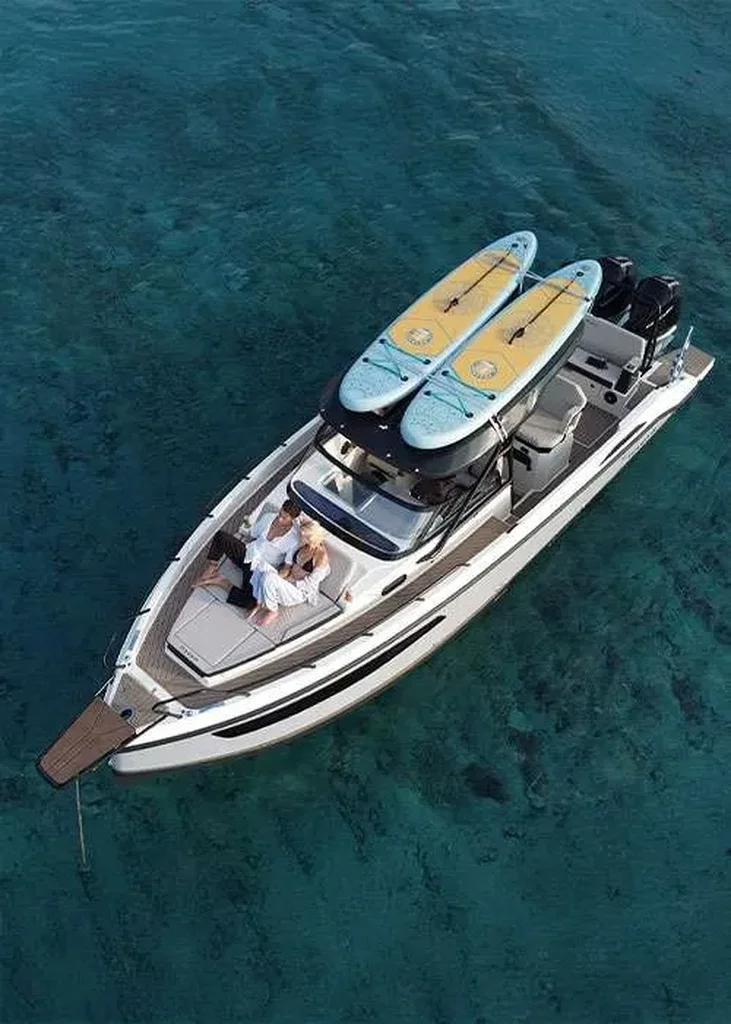
Nothing about one day in Heraklion obliges you to spend it on archaeology, and about half of everything we run on Crete is in or launches from this city. Three alternatives use the same hours.
On the water
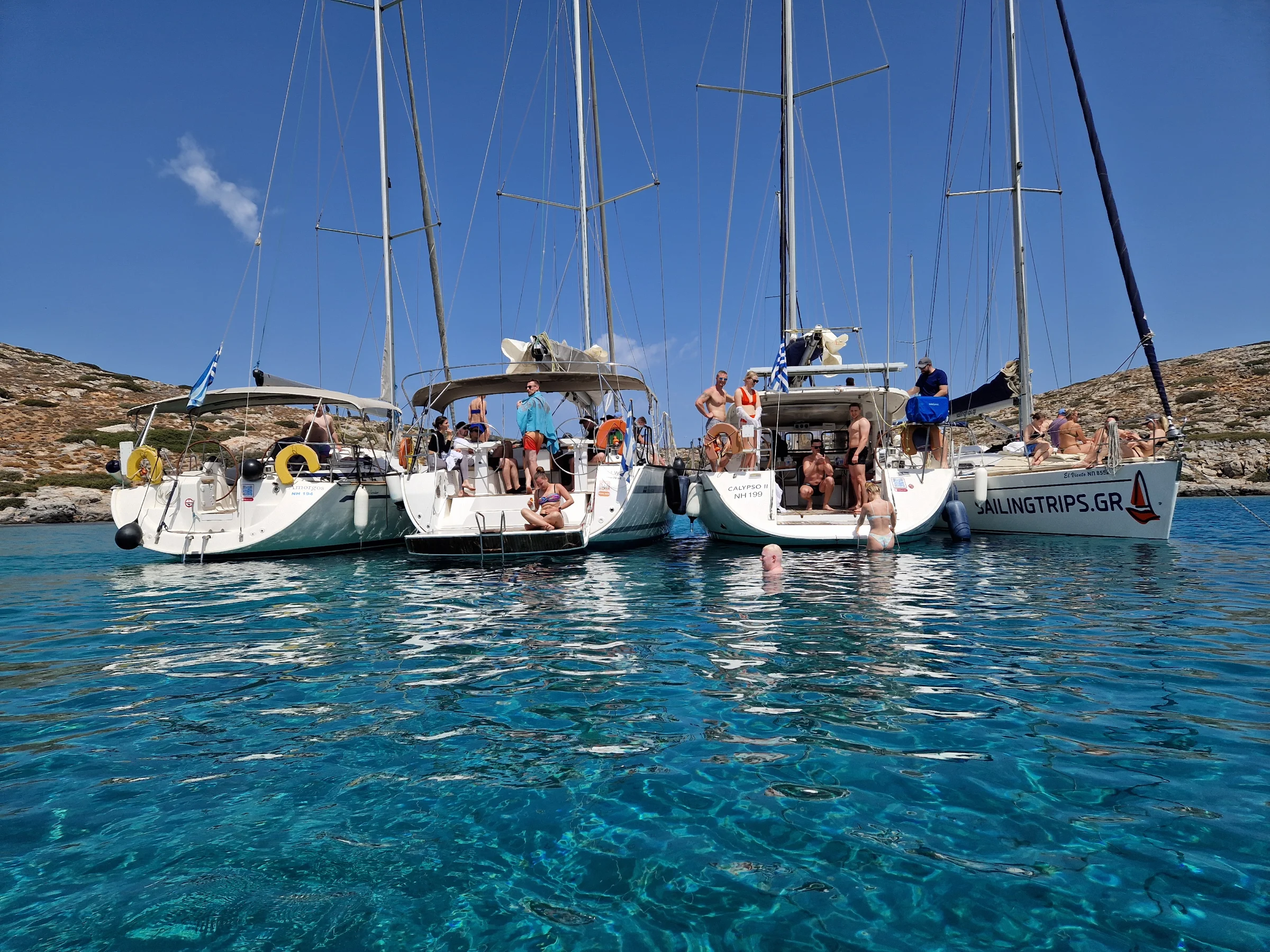
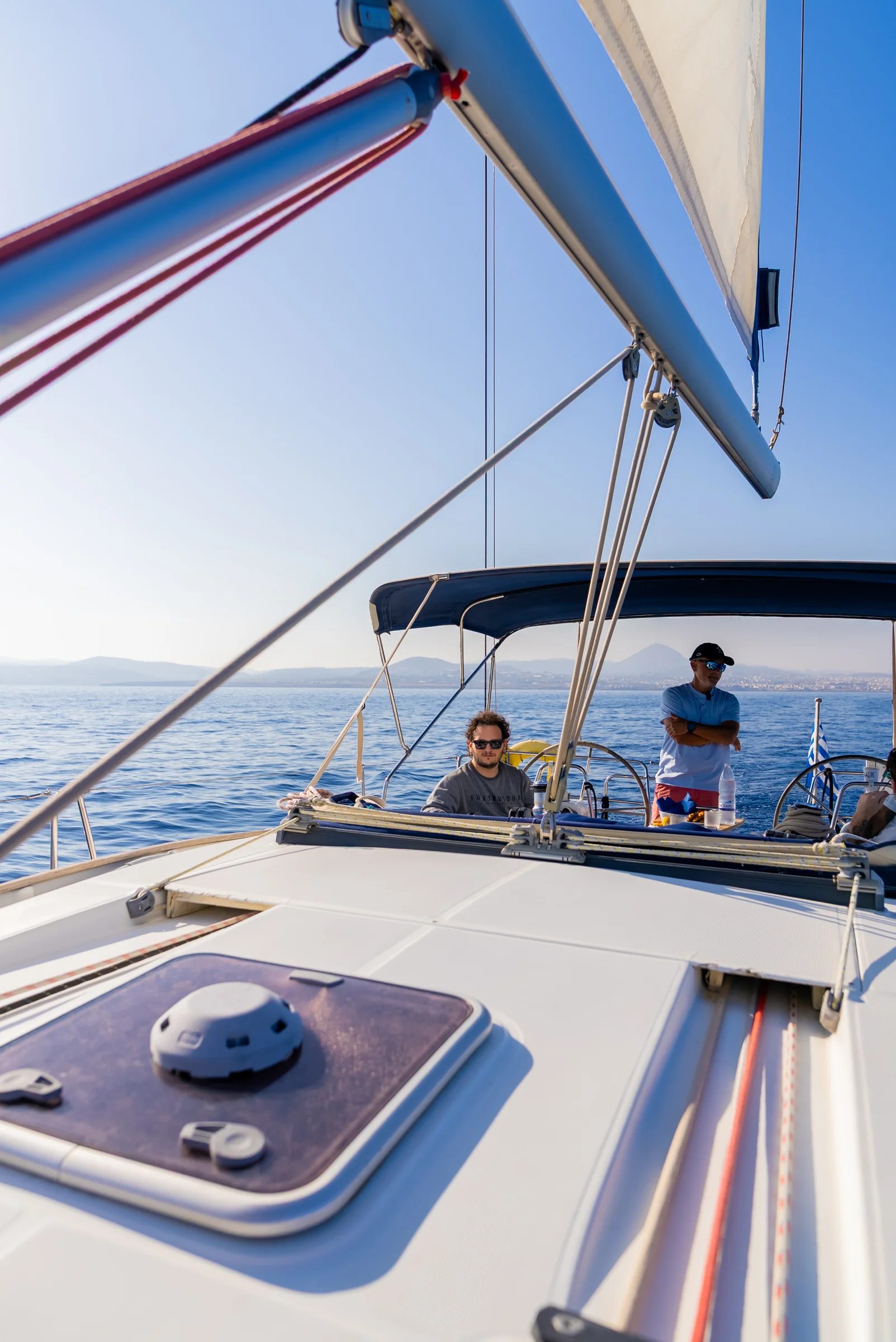
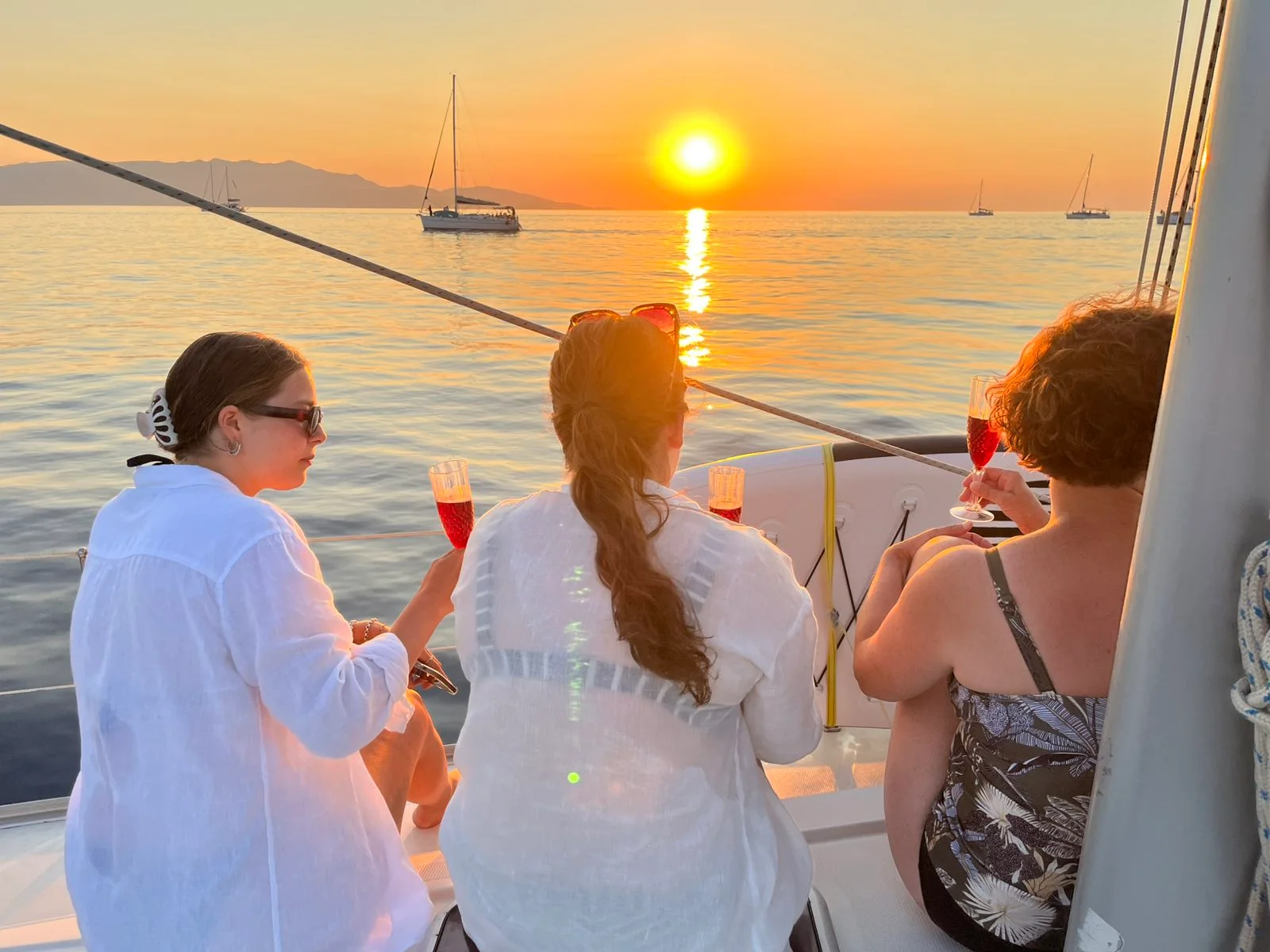
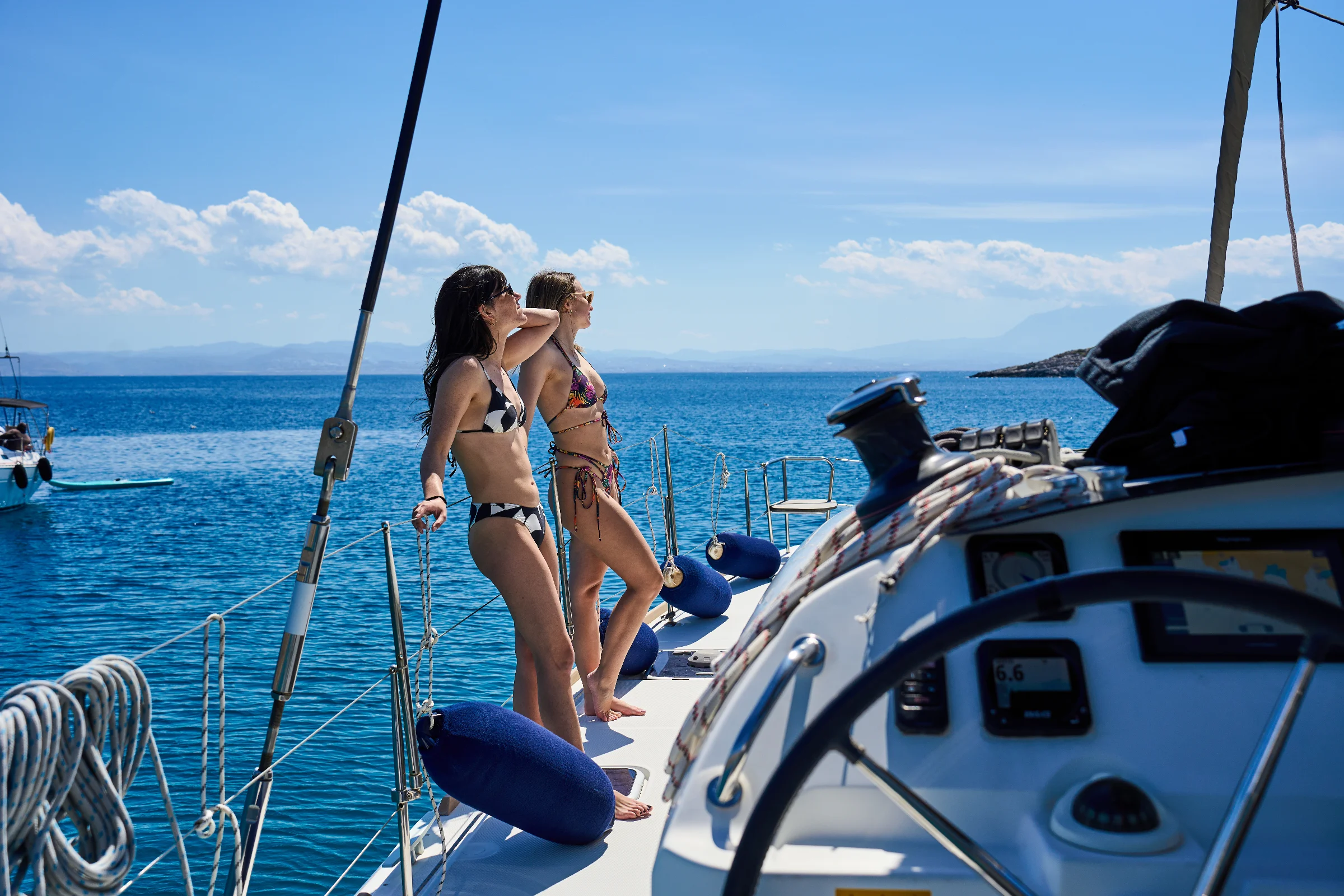
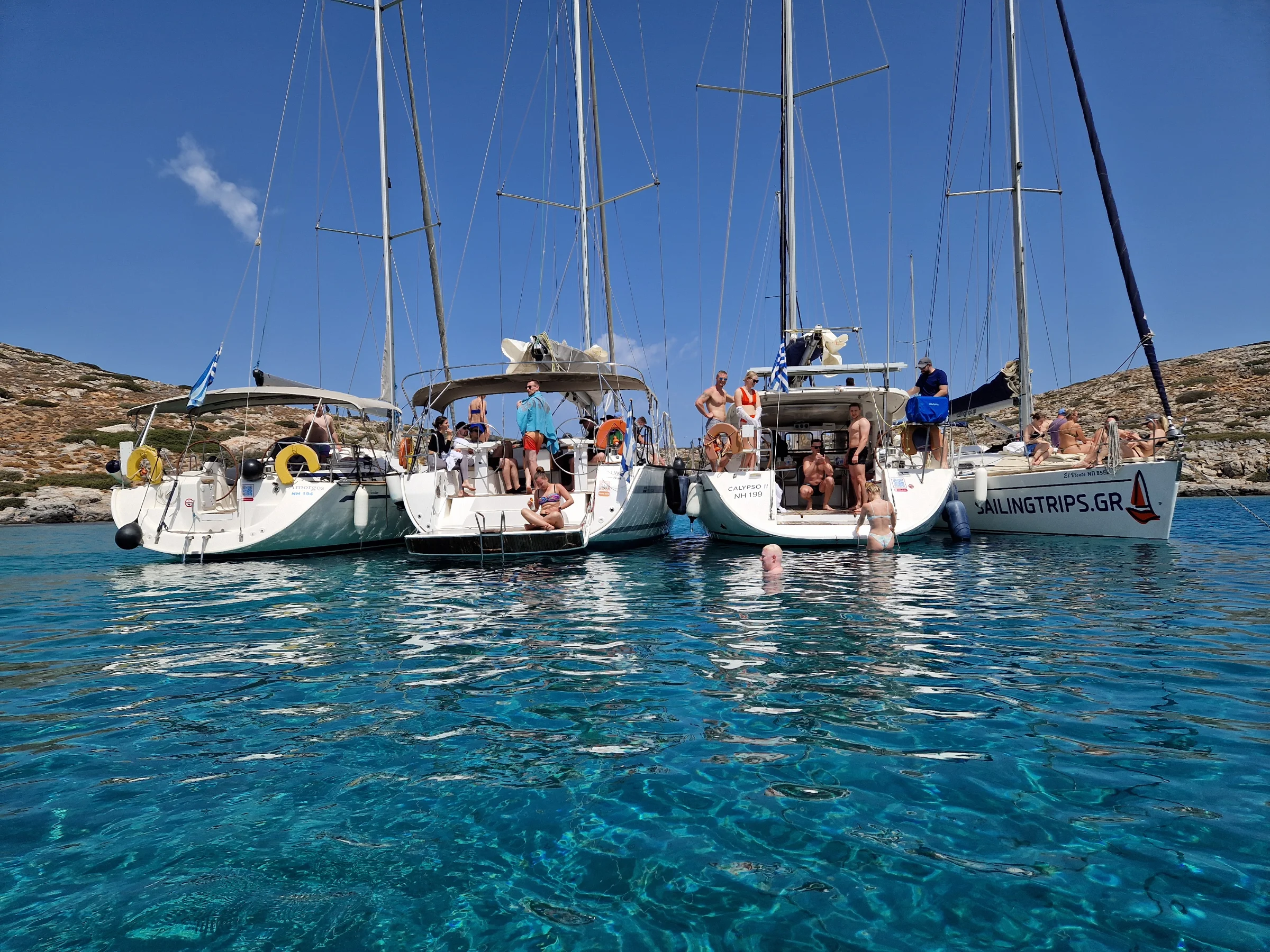
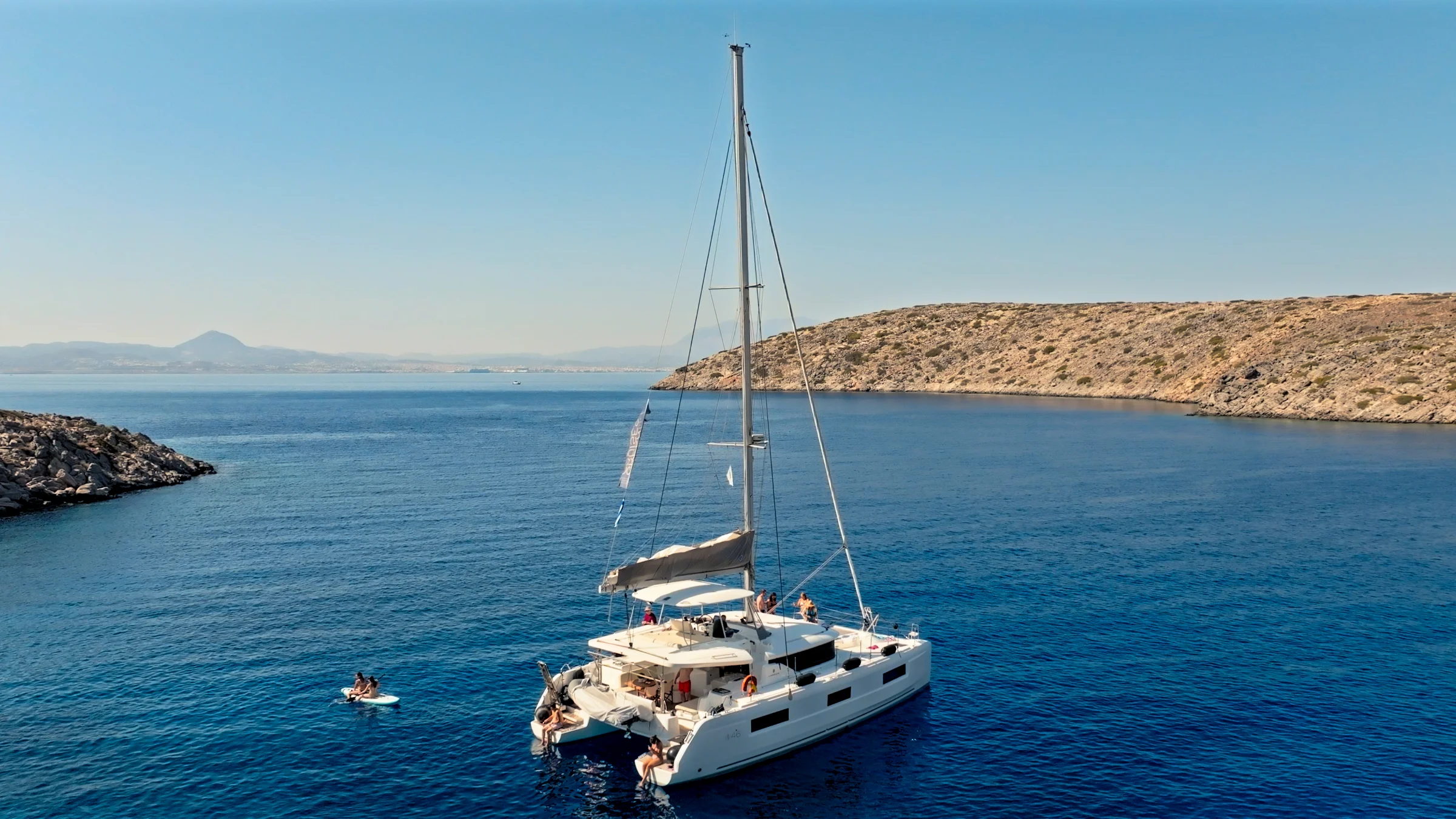
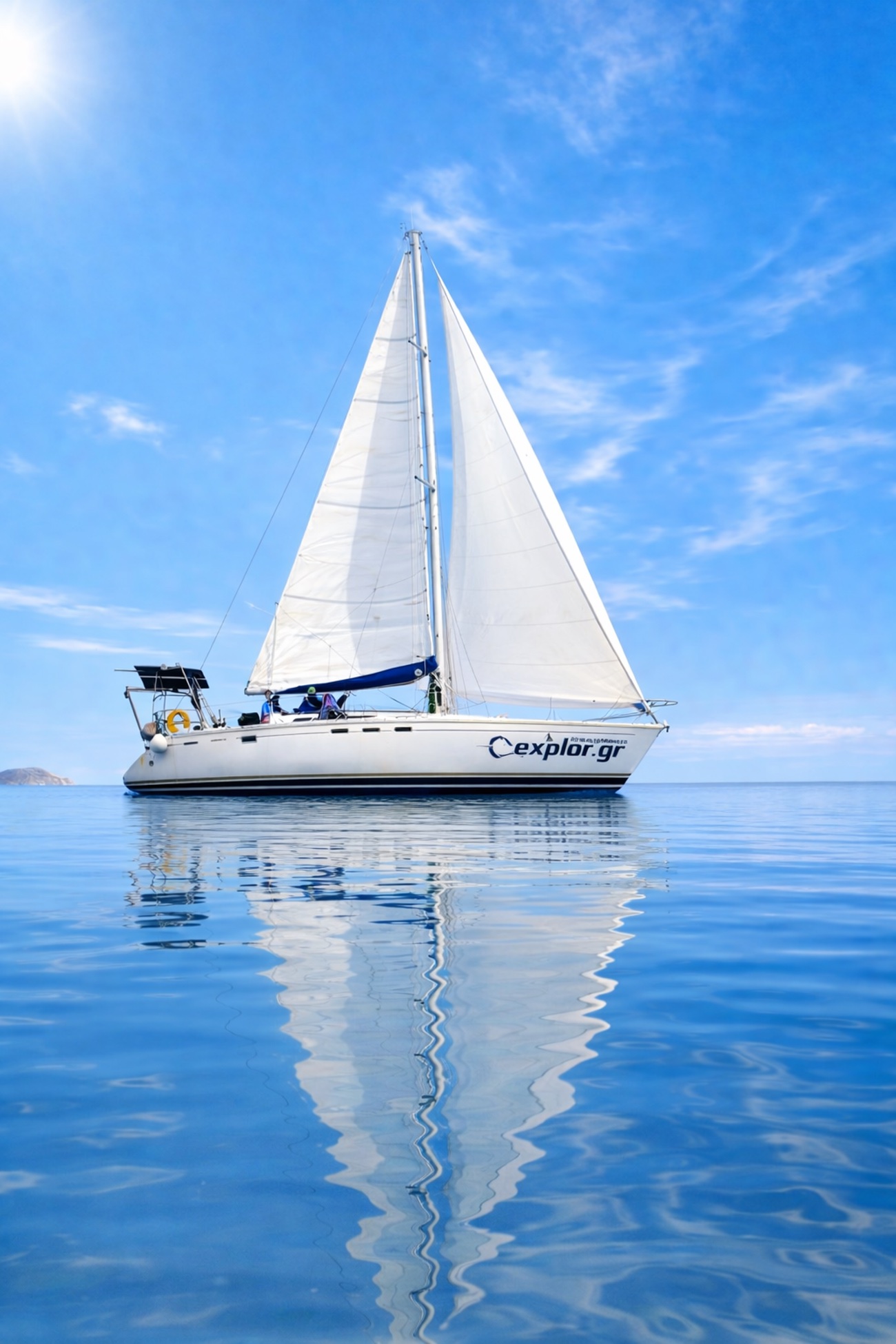
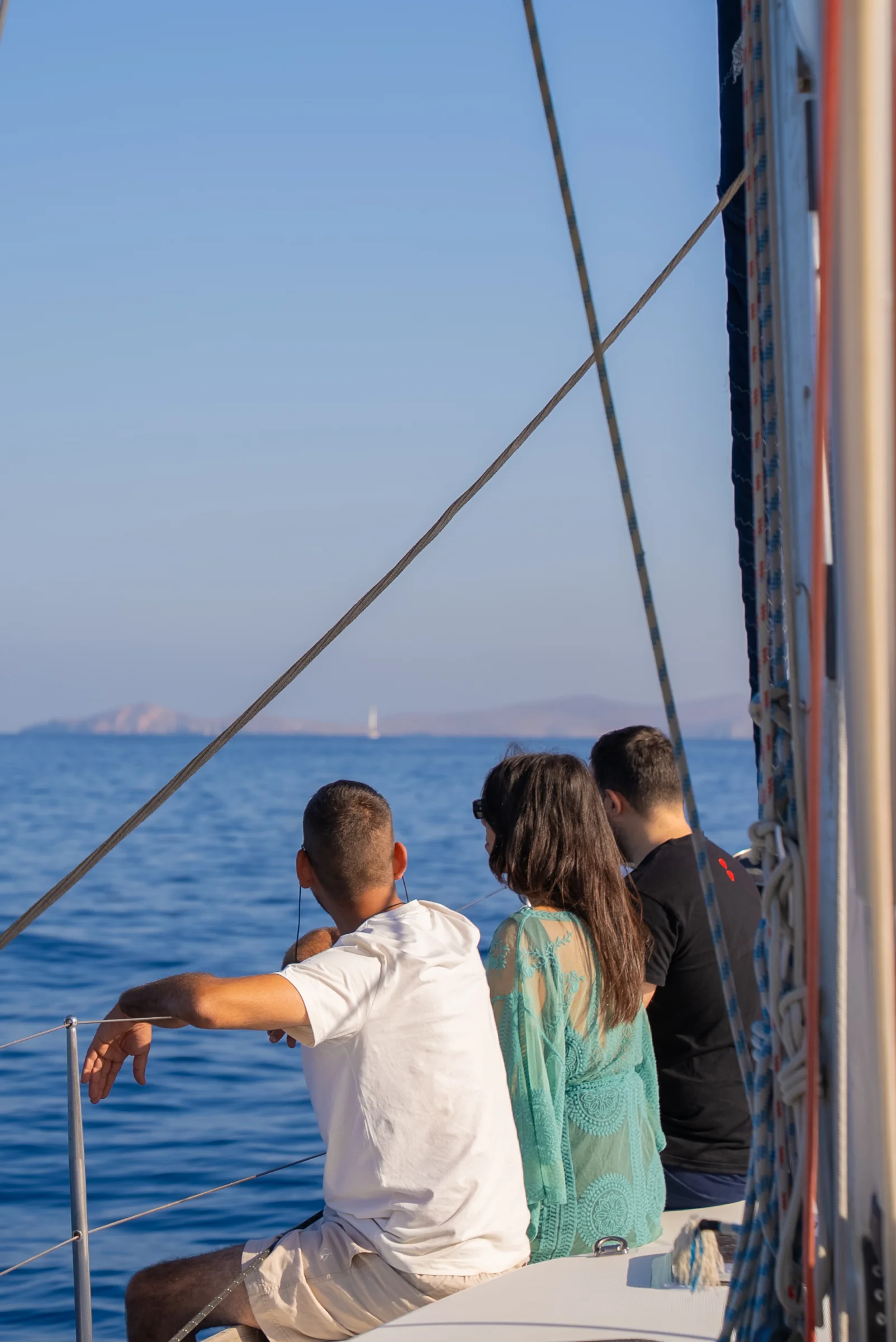
Dia Island lies seven nautical miles off the harbour, uninhabited, with no ferry or public boat of any kind — the only way onto that water is a booked trip. A smallgroup sail leaves at 09:30 and is back at 14:00 for 90 euros, which leaves the whole afternoon free. The larger shared catamaran runs 09:00 to 15:00 at the same starting price and makes the crossing the whole day.
On foot, out of the city
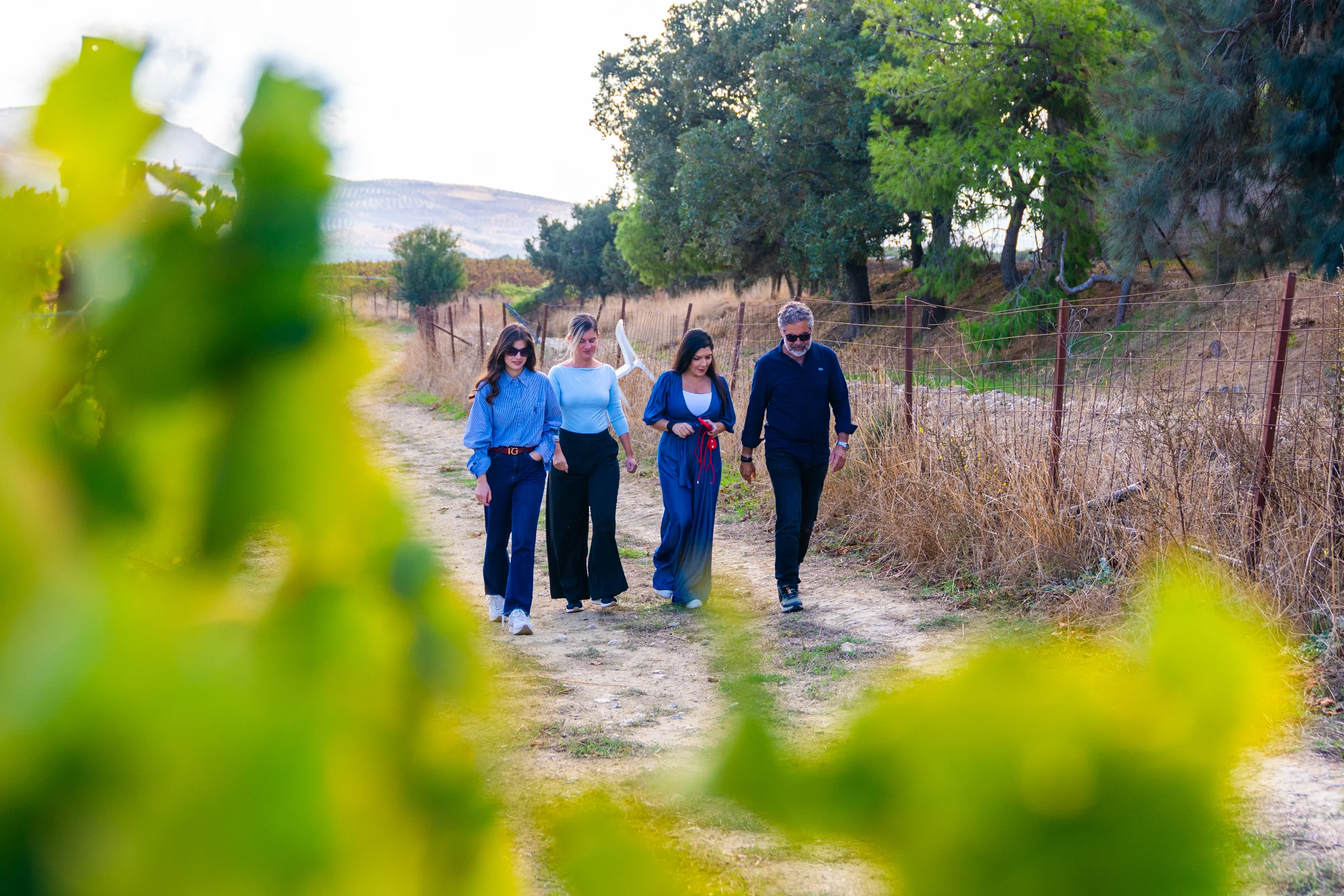
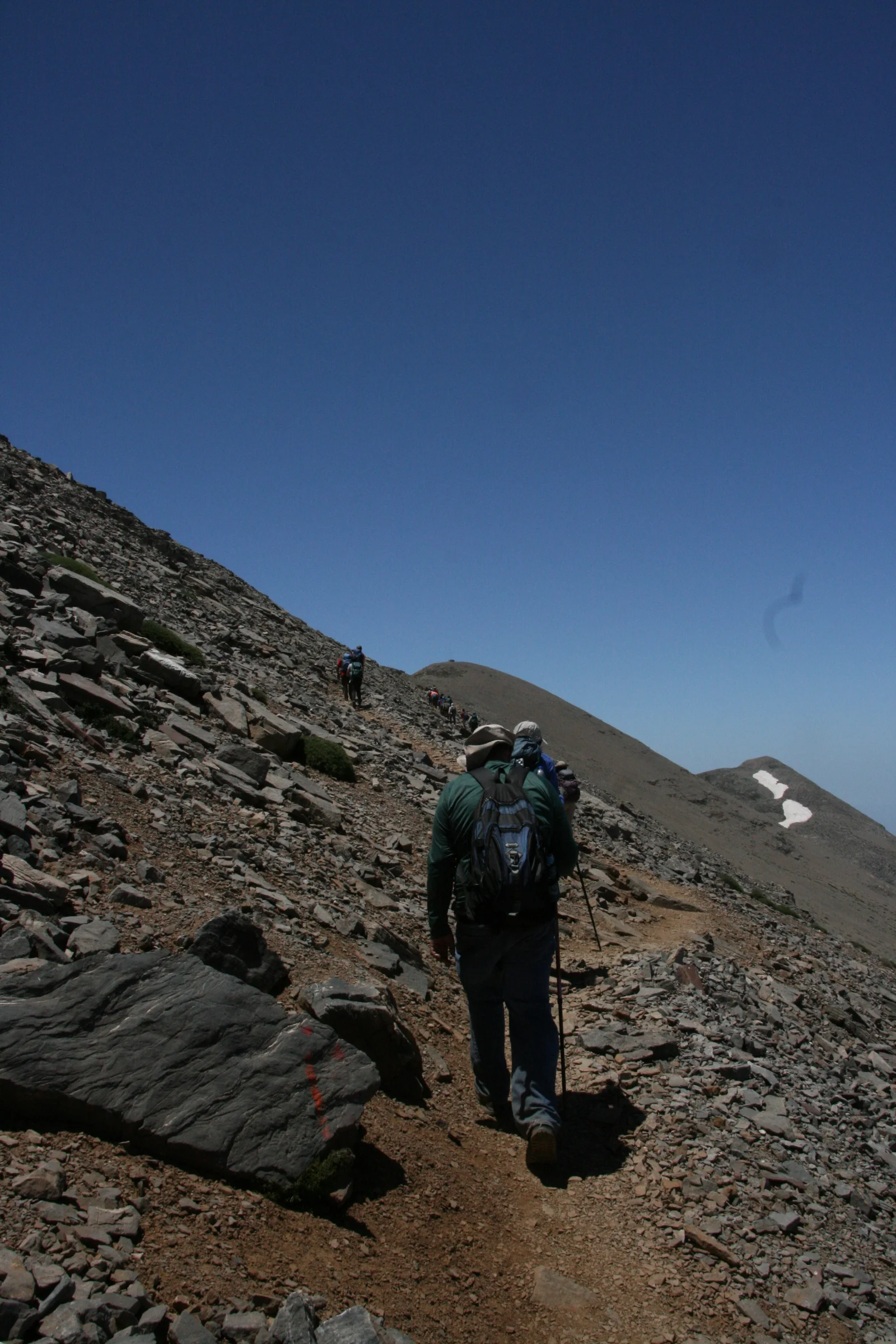
The Venetian aqueduct that fed the Morosini Fountain still stands in sections in the hills south of Heraklion, and the guided hike along it leaves at 09:00 and returns at 14:00 for 80 euros. It is the one walk near the city that connects to something you will have already seen in the centre.
Offroad
A fourhour quad run from Ammoudara, on the western edge of the city, leaves at 09:00 and is back by 13:00, from 98 euros. There is a second departure at 17:00 that runs to 21:00 for people whose day starts late.
Tickets, Times and What the Day Costs
Two 20 euro entrance tickets are the fixed cost of the classic version of this day, and they do not combine. The old joint Knossosandmuseum ticket is gone, and the Ministry says so on the museum's own page in as many words — the combo ticket is not valid any more. Ignore any guide still quoting it. Knossos has a 10 euro reduced rate; the museum offers no summer reduction. Add a guide to either and you are at 80 euros a person on top. A day built on the palace, the museum, a proper lunch and a coffee in Lions Square lands somewhere around 60 to 70 euros a head without a guide, and roughly double that with one.
The alternatives are not more expensive. A half day on the water at 90 euros or a hike at 80 euros both include the thing you came for and neither carries a separate entrance fee. That comparison surprises people who assume the museum day is the budget option.
Getting There and Getting Around
The airport is immediately east of the city and the transfer into the centre is short by any means. Ferries from Piraeus arrive in the harbour, most of the summer sailings overnight, which drops you into the city early in the morning — the best possible start for a oneday itinerary, because you are at Knossos before the coaches. The intercity bus station is a few minutes' walk from the port and connects the whole north coast, so a day in Heraklion is easy to build from Hersonissos, Malia, Rethymno or Agios Nikolaos.
Inside the historic centre you walk. The Old Town, the market, the squares and the harbour form a compact triangle and the buses only skirt it. The city bus network is worth using for exactly two journeys: out to Knossos, and west to the beach at Ammoudara. Between about one and four in the afternoon in high summer, plan your route by shade rather than by distance.
Weather and the Best Time to Come
Heraklion in July and August is hot, and it is hotter than the forecast because the lightcoloured stone throws the heat back at you. The archaeological sites have no shade worth the name. That is the whole reason the itinerary above frontloads the outdoor half of the day.
May, June, September and October are better in every respect: still warm, still fully open, materially less punishing between noon and four, and quieter at Knossos. Our sailing and offroad season runs April to October, so an earlyautumn day in Heraklion still has every option in this guide available to it.
How to Choose Between the Three Versions of the Day
Choose the classic itinerary if it is your first time on Crete
Knossos and the museum together are the reason the island is in the history books, and seeing them in that order on the same day is genuinely the best way to understand either. Do not split them across a trip if you only have the one day.
Choose a guided version if you dislike ruins
The commonest complaint about Knossos is that it looks like rubble. That complaint is almost always made by someone who walked it alone. Ninety minutes with a guide is the difference between a field of stones and a fourthousandyearold building you can read.
Choose the water or the hills if you have seen Knossos before
Repeat visitors, cruise passengers who did the palace last time, and anyone travelling with teenagers who have had enough of ruins are all better served by a half day out of the city. Dia in the morning leaves the Old Town for the afternoon, which is a perfectly good compressed version of the same day.
Common Mistakes to Avoid
Doing Knossos in the afternoon
The single worst decision available. You arrive at the hottest hour, into the largest crowds, with no shade, and you queue in the sun.
Assuming a combined ticket exists
It does not. Budget for two separate 20 euro entries.
Booking a guided tour and expecting to skip the queue
Ours are guideonly and so are most. You still buy and hold your own entrance ticket.
Building the day around a Wednesday morning museum visit
In summer it opens at 13:00 that day.
Coming on a Tuesday and expecting the full walk
Koules closes every Tuesday, and so does the Municipal Art Gallery in the Basilica of St Mark, which also shuts on Sundays. Knossos, the Archaeological Museum, the squares, the market street and the walls are all still there, but Tuesday quietly removes two of the indoor stops.
Trying to add Chania
It is roughly three hours away by road. So is Sitia at the other end. On a oneday itinerary Heraklion is the destination, not the base.
Leaving the harbour for the middle of the day
Koules is exposed and the mole has no shade. It is a lateafternoon place.
Where to Stay
For one night around a single day, stay near the port and the Old Town rather than out at a resort. It puts the market, the squares, the harbour and the bus station inside a fifteenminute walk, and it means an early ferry or an early start for Knossos does not begin with a transfer. If you are staying longer and want a base rather than a room, the villages inland toward Archanes and the coast west of the city both put you within half an hour of everything in this guide while giving you somewhere quieter to come back to.
If You Have More Than One Day
The obvious second day is a beach and a second Minoan site. Ammoudara is a short bus ride west of the centre and is the city's own beach; Agia Pelagia sits in a cove further along the same coast. Inland, the wine villages around Archanes and Dafnes are twenty to thirty minutes out and hold most of the island's protected designations — an hourlong tasting there starts at 15 to 25 euros, a vineyard tour with food at 52 to 75 euros. Further afield, the Lasithi Plateau, the Psiloritis massif and the south coast all work as full days from the city.
Final Thoughts
The mistake with Heraklion is treating it as the place you have to get through on the way to Crete. Given one day and put in the right order — the palace early, the city on foot, the museum out of the sun, the harbour at the end — it holds up against any city on the island, and it is the only one that can explain where all of this came from. If ruins are not why you came, the same day buys a crossing to an uninhabited island seven miles offshore, or a walk along a fourhundredyearold aqueduct, and both leave you back in the Old Town in time for a long dinner.
Frequently asked questions
Is one day in Heraklion enough?
For Knossos, the Archaeological Museum and the Old Town, yes, that is a full, wellshaped day and it is the version most visitors want. It is not enough to add a beach or a second site, and it is not enough to eat properly twice.
How much time do I need at Knossos?
Two hours covers the site comfortably, including the reconstructed sections. A guided walkthrough is 90 minutes and most people stay on afterwards to look at what they have just had explained.
Is there a combined ticket for Knossos and the museum?
No. Each is 20 euros and they are bought separately.
Should I visit Knossos or the museum first?
Knossos first, for heat and crowds. The museum makes far more sense once you have walked the building its contents came out of.
Can I do Knossos and the museum in the same day?
Comfortably. They are about five kilometres apart and the museum sits on the square the Knossos bus returns to.
What can I book in Heraklion that is not archaeology?
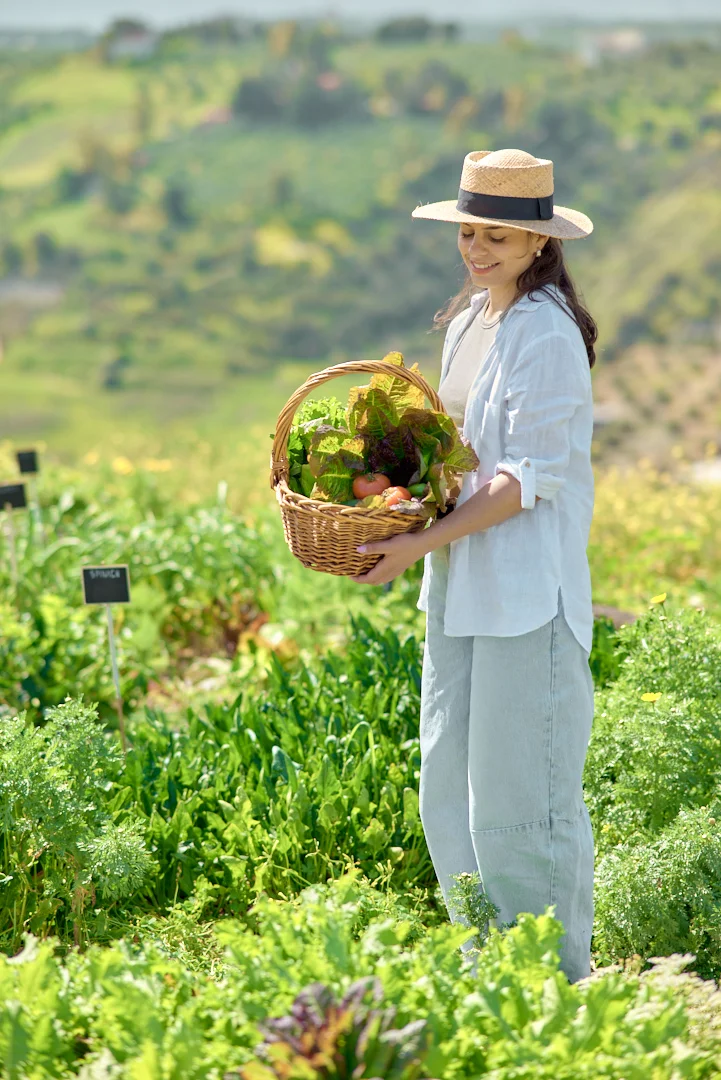
A halfday sail to Dia Island from 90 euros, a guided hike along the Venetian aqueduct at 80 euros, a quad run from Ammoudara at 98 euros, beekeeping and honey tasting at 80 euros, a twohour farm and saladmaking session at 70 euros, and wine tastings in the city from 15 euros.
Is Heraklion worth visiting at all if I only care about beaches?
Honestly, not for a whole day. Take the morning for Knossos, then go west to Ammoudara or Agia Pelagia. The city's own strengths are archaeological and culinary rather than coastal.
What is the best month for one day in Heraklion?
May, June, September or early October. Everything is open, the sites are bearable in the middle of the day, and Knossos is markedly quieter than in August.
Related Articles
Continue exploring Crete
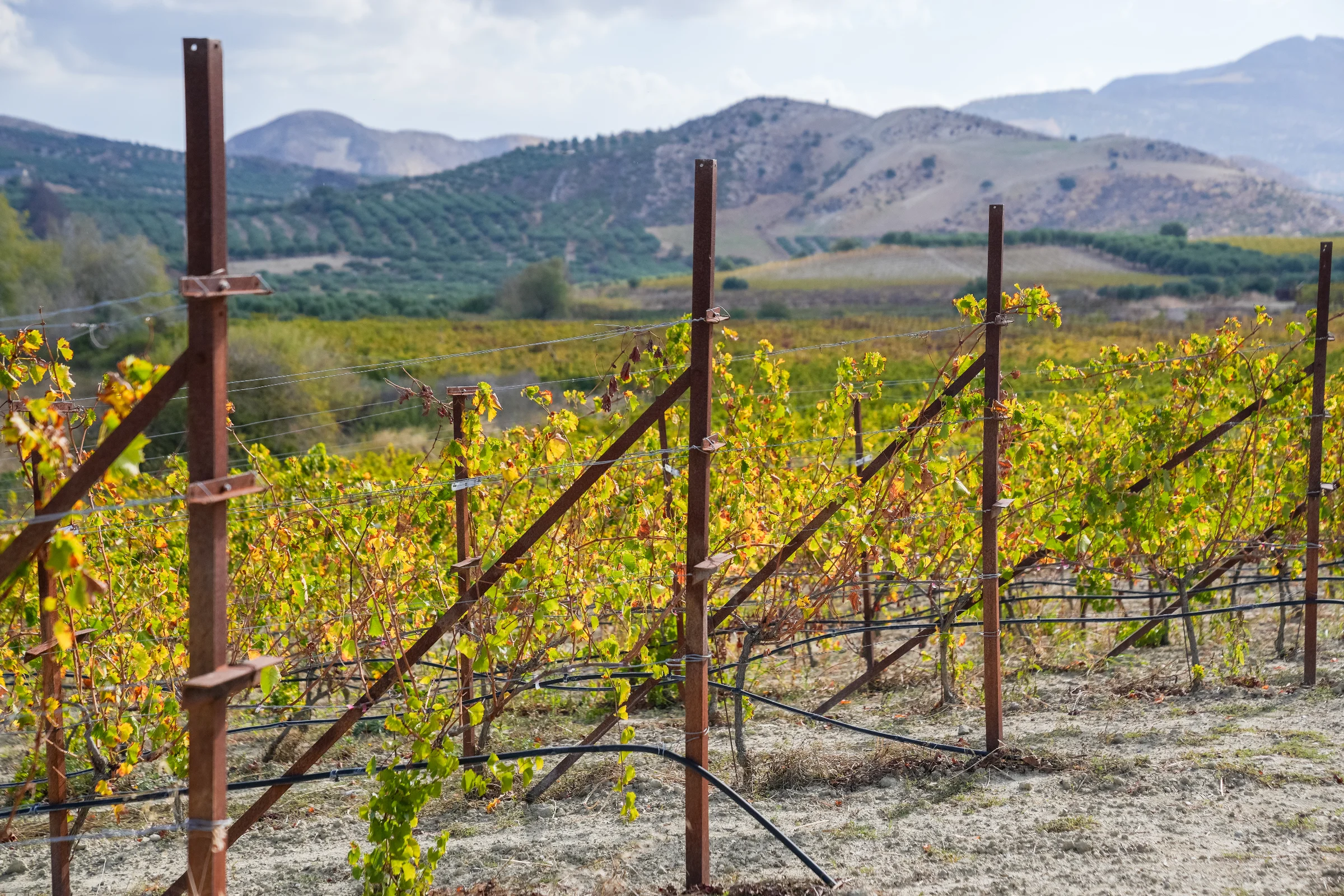
Cretan Red Wine: The Grapes, the Blends and What the Label Hides
Crete's red wines are easier to enjoy than to read. The island's leading red grape is almost never named on the front of a bottle, the two appellations built on it print no recipe at all, and the most confident Englishlanguage writing about Cretan wine repeats three claims that Greek planting and appellation records flatly contradict. This is the grapebygrape, labelbylabel version: what the four native reds taste like, why they are blended rather than bottled alone, what a PDO and a PGI
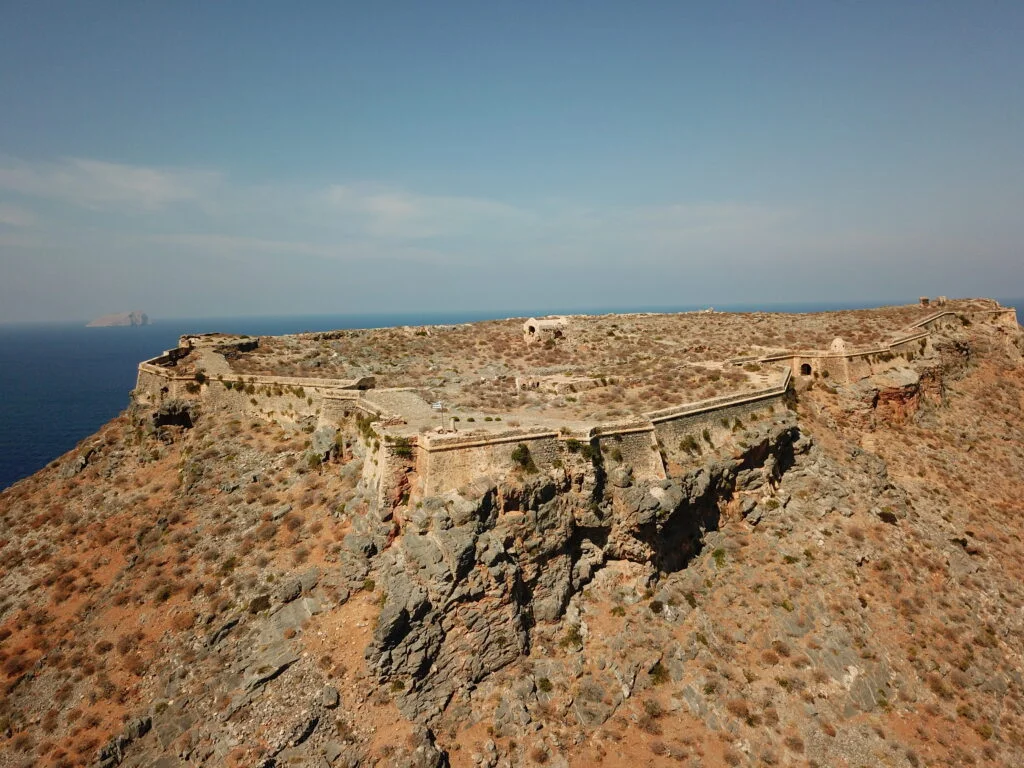
Venetian Fortresses of Crete: History and Visitor Guide
The Venetian fortresses of Crete still guard harbours, hilltops and remote islands across the coast. Some have become city landmarks, while others require a boat journey or a steep walk to reach their walls. This guide covers their history, the best fortresses to visit and how to include them in a trip around Crete.
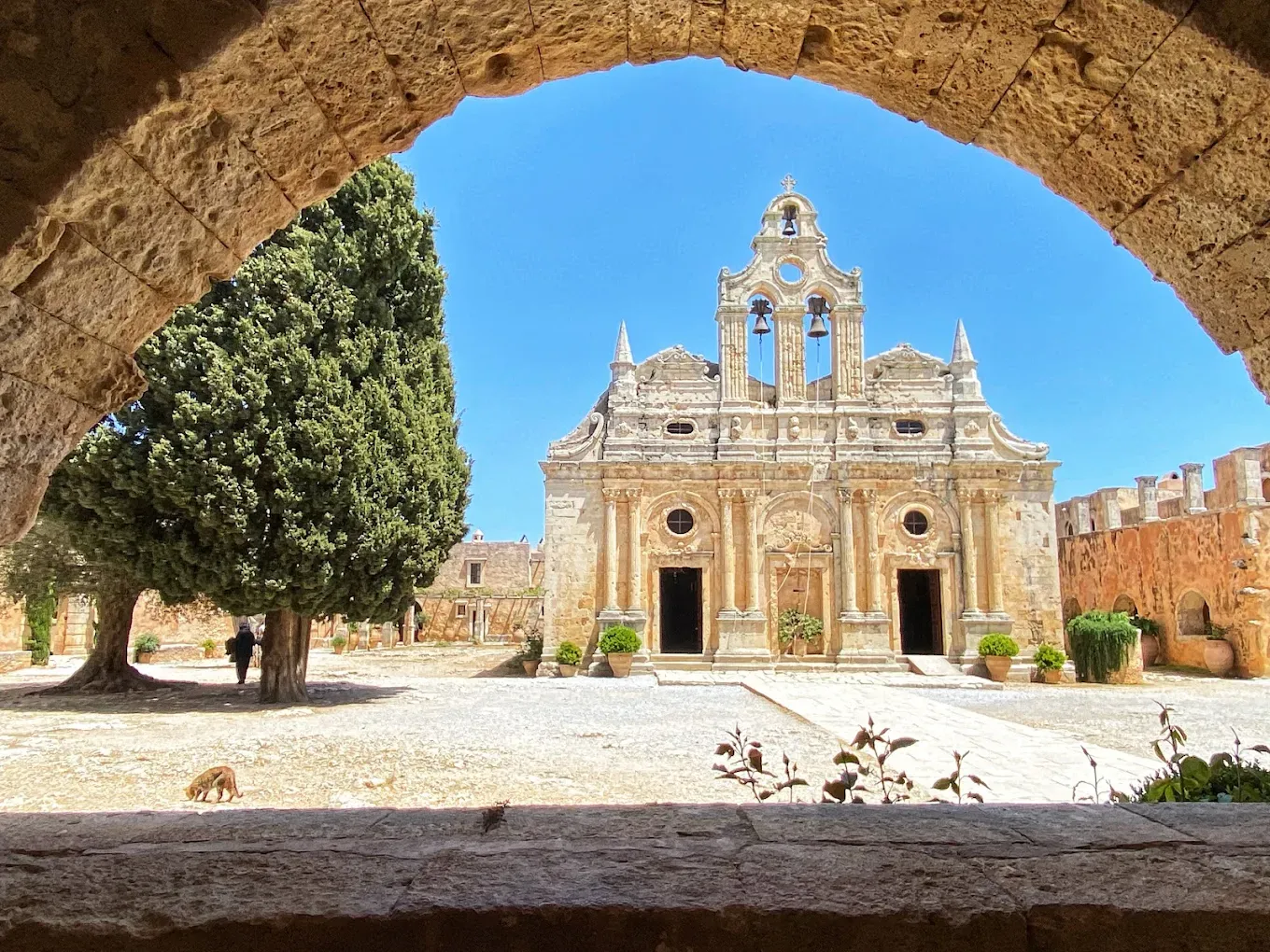
Arkadi Monastery: History, What to See and Visitor Guide
Arkadi Monastery is one of the most important historical and religious sites in Crete. Its peaceful courtyard and Renaissance church stand at the centre of a story shaped by learning, resistance and the events of 1866. This guide covers the history of Moni Arkadiou, what to see and how to plan a visit from Rethymno.
Let Crete come to you
Sign up to get authentic stories, travel tips, and new experiences
By entering my email, I agree to receive marketing notifications from travel & do.