 Back to blog
Farm-to-Table Experiences in Crete: Eat Where the Food Is Grown
On this page
Quick Summary
Farm-to-table experiences in Crete combine local ingredients, agricultural settings, and traditional cooking methods.
The strongest examples are tied to slow food, agritourism, educational farms, or a taverna that grows much of what it serves.
Places like Dounias and Ntounias show how Cretan food can come directly from the land to the table.
Good outings often feature wood fire, clay pots, and ingredients grown steps from the kitchen.
These experiences work best when you want more than a meal, because they add context, story, and place.
What Farm-to-Table Means in Crete
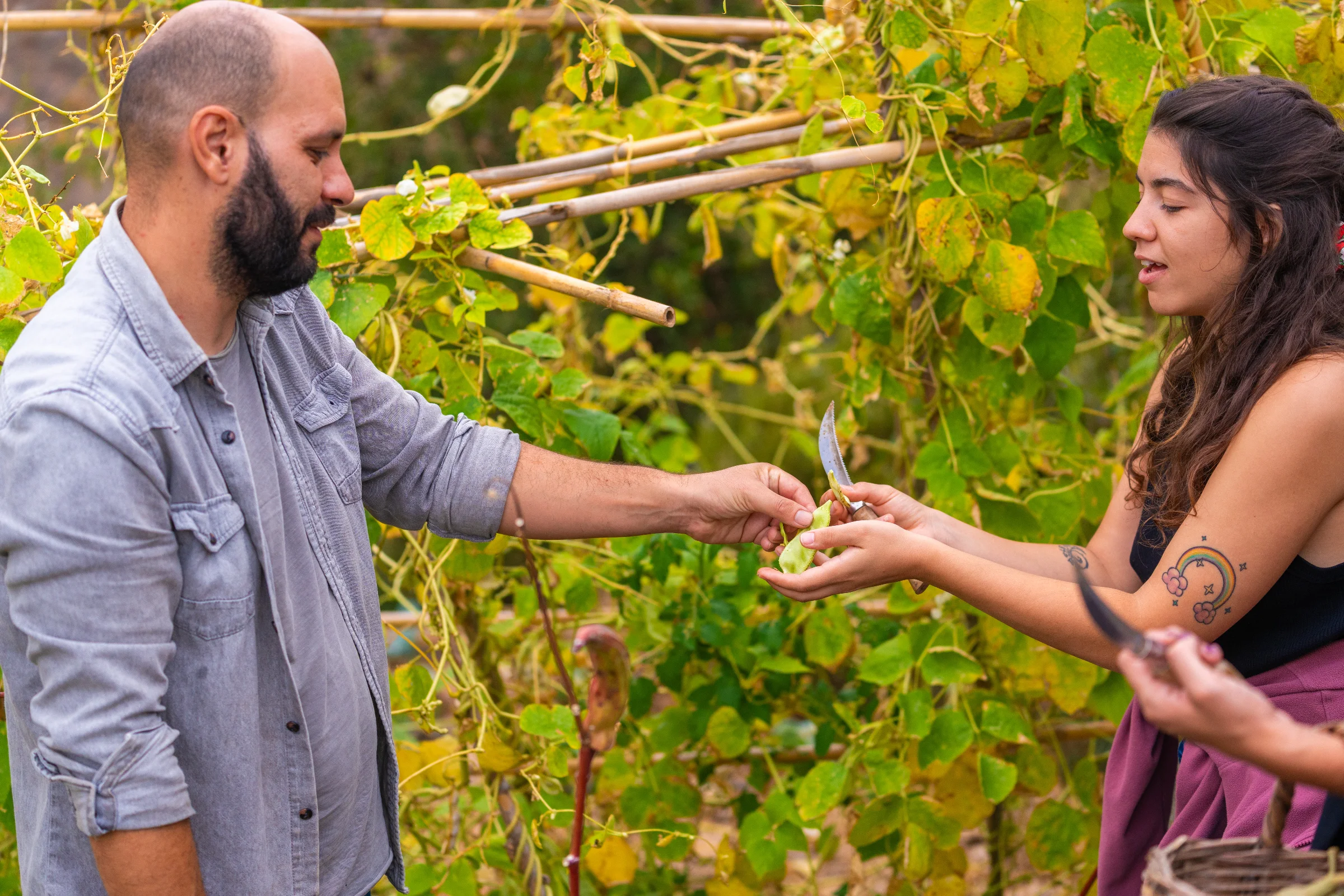
Farm-to-table in Crete means eating food that is grown, raised, or produced close to where you sit down to eat. In practice, that can mean a restaurant using its own farm produce, a slow food taverna with a kitchen garden, or an agritourism estate that shapes its entire menu around what the property grows.
The idea is not only about freshness. It is also about learning how the Cretan diet works, how local producers think about seasonality, and why the relationship between land and plate matters so much on the island. Food here has always been tied to the land in a way that is practical, not decorative. The olive tree, the kitchen garden, the goat on the hillside, these are not storytelling props. They are the actual supply chain.
Why Crete Fits This Kind of Experience
Crete is one of the best places in Greece for farm-to-table dining because the island already has a strong food identity built around local produce, olive oil, and traditional cooking. Many of the strongest experiences are framed as slow food or agritourism, which means the food is part of a broader story rather than a stand-alone dish.
This makes Crete especially interesting for travelers who want to go beyond restaurant hopping. A good meal here can include a farm visit, an educational walk through the growing areas, a look at how specific ingredients are handled, or a menu shaped entirely by what the property produces. The food and the landscape reinforce each other, and that combination is harder to find elsewhere in Greece.
What to Expect
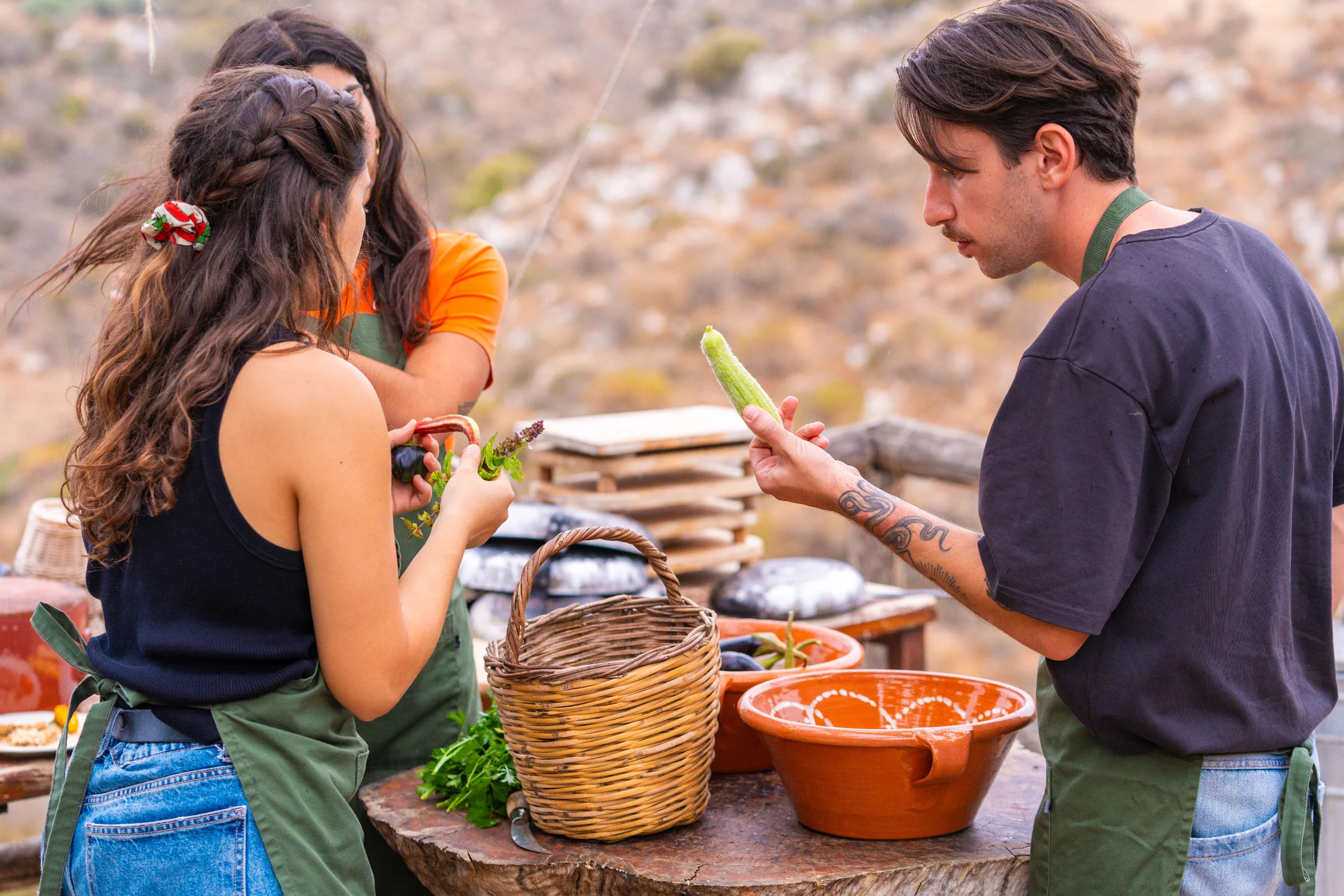
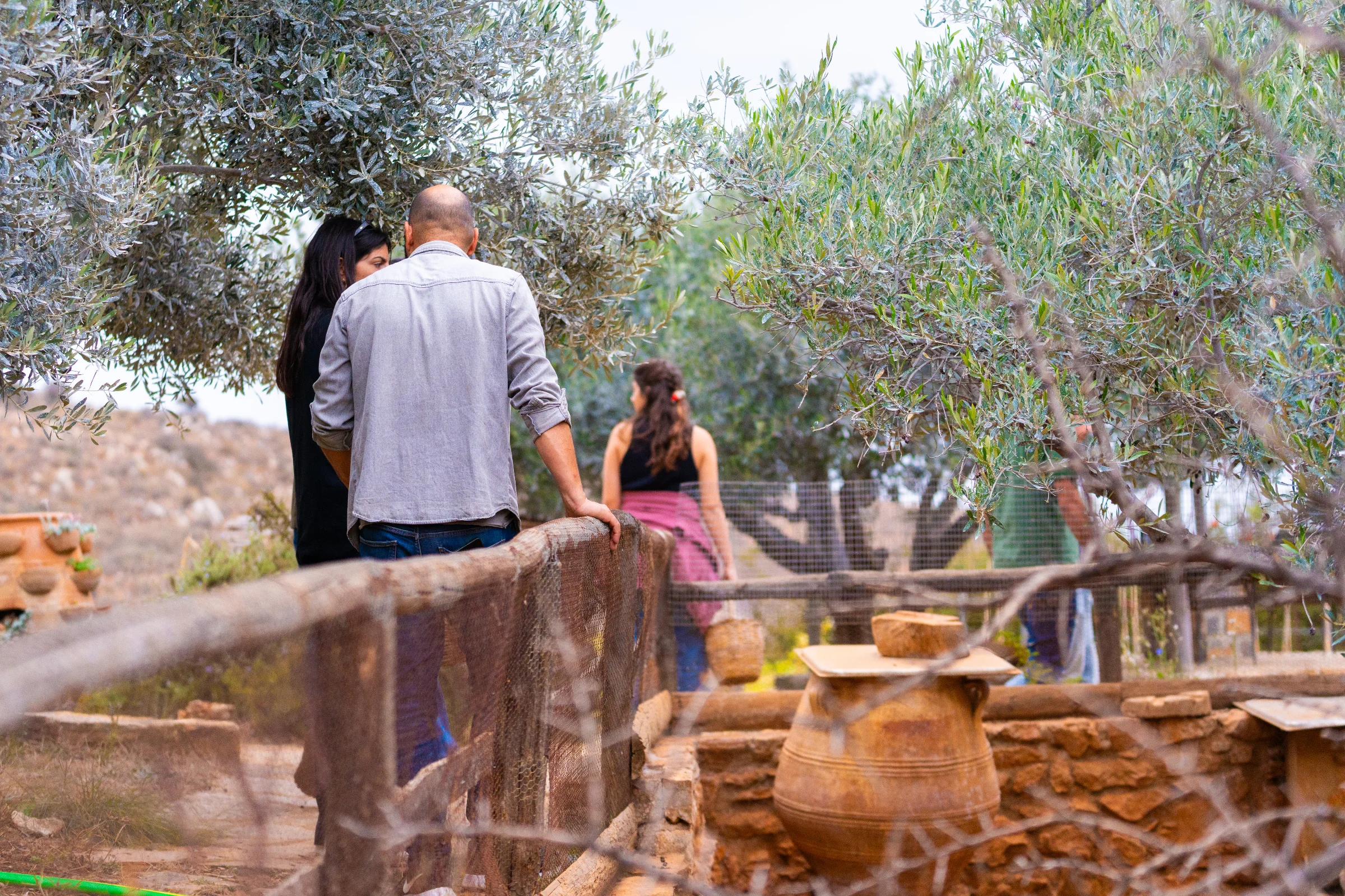
What you will experience at a farm-to-table outing depends on the place, but the common thread is a closer look at where the food comes from. You may see vegetable beds, aromatic herbs, olive trees, clay pots, wood fires, or an open kitchen that shows the cooking process rather than hiding it behind closed doors.
Many of the best experiences are deliberately slow and educational. Instead of a rushed lunch, you get a meal that explains the island's food culture through ingredients, preparation, and the people behind it. The hosts often speak about the land they work, the varieties they grow, and the methods passed down through the family. That conversation is part of what you are paying for.
Pace is also important. These are not grab-and-go experiences. Plan for two to three hours at minimum, and treat the outing as the main event of the day rather than a stop between other things.
How to Choose a Good Experience
Choose a place that clearly explains where the ingredients come from. If the description mentions farm-grown produce, named local farmers, an educational farm, or agritourism, that is usually a reliable signal. Vague claims like "fresh local food" or "traditional recipes" on their own are less convincing without some evidence of a direct connection to the land.
Also look at the cooking style. Wood-fired cooking, clay pots, and traditional recipes usually signal a stronger Cretan identity than a generic local food label. If you want the most meaningful version, pick a place that explains its farming methods and not just its menu.
Group size matters too. Smaller, more intimate experiences tend to be more genuine than large-capacity operations where the farm element has become a backdrop rather than the point.
The Best Experiences in Crete
The strongest examples include places like Dounias and Peskesi, where slow food and agritourism are central to the concept. These are not just restaurants. They are food experiences built around the land, the farm, and the kitchen, and they make the connection between agriculture and cooking visible at every stage.
Peskesi in Heraklion is one of the most talked-about farm-to-table restaurants on the island. The kitchen works with its own farm in the Malevizi area, sourcing heritage grain varieties, legumes, wild greens, and livestock raised on traditional feed. The menu changes with the season and reads like a record of what the Cretan countryside produces at any given time of year. It is a good choice for travelers based in or passing through Heraklion who want a serious introduction to the island's food culture without driving into the mountains.
Peskesi Farm itself, in Malevizi outside Heraklion, takes the concept one step further. Visiting the farm gives you a direct look at where the ingredients come from, how the land is managed, and what traditional Cretan agriculture actually looks like in practice. The value in each case comes from seeing how the meal connects to the place, not only from what ends up on the plate.
Western Crete, particularly the area around Chania and the White Mountains, is also strong for this type of experience, with places consistently linked to mountain villages, working farms, and educational producers rather than coastal resorts.
Slow Food and Agritourism
Slow food and agritourism are the two ideas that underpin the best Cretan farm-to-table experiences. Slow food means the meal follows the pace of the land and the season. There is no fixed menu that runs all year. What you eat depends on what is ready, what has been harvested that week, and what the kitchen knows how to do with it.
Agritourism adds a visit-or-stay dimension that connects food with farming and rural life more broadly. In Crete, that combination often includes picking vegetables, gathering wild greens, or watching how ingredients move from the field to the kitchen. It is one of the clearest ways to understand why food on the island is so closely tied to daily life and identity.
What You Will Eat
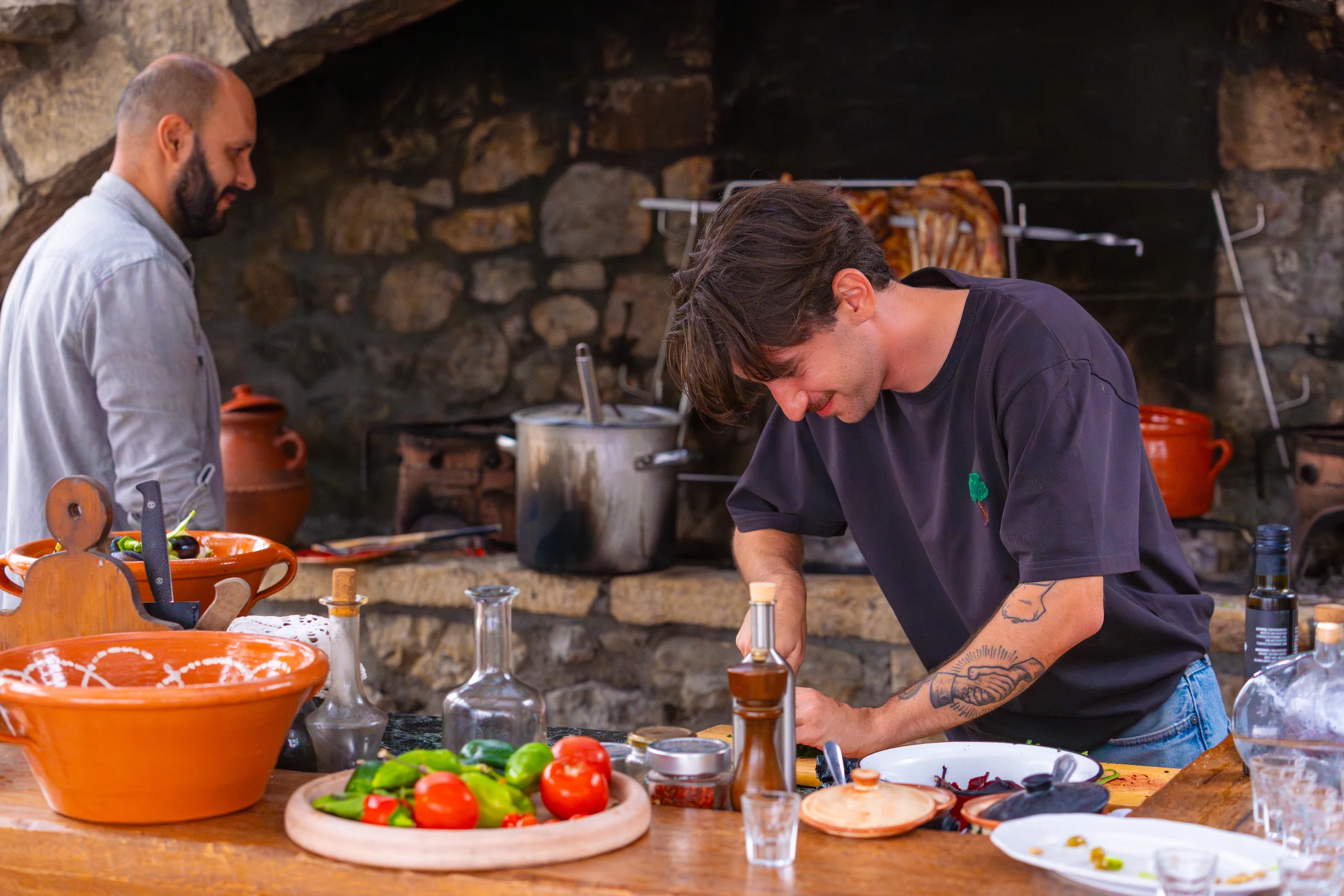
Expect dishes built around local produce, traditional recipes, and the Cretan pantry. Olive oil, vegetables, legumes, herbs, and seasonal ingredients appear again and again. Cheese made on the property, bread from a wood-burning oven, and cured meats from animals raised nearby are common at the better places.
Some menus use ingredients cooked entirely over wood fires or in clay pots, which gives the food a deeper, more rooted flavour. The cooking method is part of the story, because it helps explain why these meals feel different from standard tourist food. There is a logic to how the ingredients are treated, and it comes from decades of practice rather than a chef trend.
Wild greens, known locally as horta, are a good indicator of seasonality. If they appear on the menu in the right months, the kitchen is paying attention to the land. If they are on the menu all year, the connection to the farm is probably more marketing than practice.
Farm-to-Table vs a Regular Taverna
A regular taverna can still serve excellent local food, and many of them do. The difference with a farm-to-table experience is transparency. You are not just told the food is local. You often see the farm, the garden, the olive trees, or the kitchen process.
That visibility is what gives the experience its value. It turns lunch into a practical lesson in Cretan food culture, which is why these places often leave a stronger impression than a standard dinner stop. The meal becomes something you can trace back to a specific place and a specific way of doing things.
This also makes them more meaningful for travelers with a genuine interest in food. If you care about olive oil, you can ask about the variety and the harvest. If you are curious about cheese, someone can usually show you where the animals are kept. The door is open in a way it rarely is at a typical taverna.
Where to Go
Western Crete is the strongest area overall, with the best concentration of genuine farm-to-table and agritourism options around Chania, the Apokoronas region, and the foothills of the White Mountains. The landscape here supports the kind of small-scale mixed farming that makes these experiences possible.
Central Crete, around Rethymno, also has good options, particularly at estate-style properties that have been operating agritourism programs for some time.
If you are planning a wider island trip, adding one of these meals to a day that already includes rural sights, olive groves, or village stops makes sense. The food and the landscape read together more clearly that way, and you leave with a better understanding of why Crete's food culture has lasted as long as it has.
Why It Stands Out
Farm-to-table experiences in Crete stand out because they are not just about eating well. They are about seeing how a place feeds itself, how tradition survives in the kitchen, and how a meal can explain a region better than any museum exhibit.
When the ingredients are grown nearby and the cooking is tied to local method and local memory, the meal becomes part of the journey rather than a pause in it. That is a harder thing to manufacture than a nice view or a renovated building. The best places in Crete have it without trying, because the land has always worked that way.
Related Articles
Continue exploring Crete

One Day in Heraklion: The Complete Itinerary for Crete's Capital
Most visitors get exactly one day in Heraklion, and most of them spend it queuing at Knossos in the worst of the afternoon heat. It does not have to go that way. This is the order we would put the day in — the palace first thing, the Old Town on foot while the shade still favours you, the museum indoors when the sun is at its worst, and the Venetian harbour at the end. Every time and price below comes from our own booking calendar, so you can plan the day around what is genuinely running rather
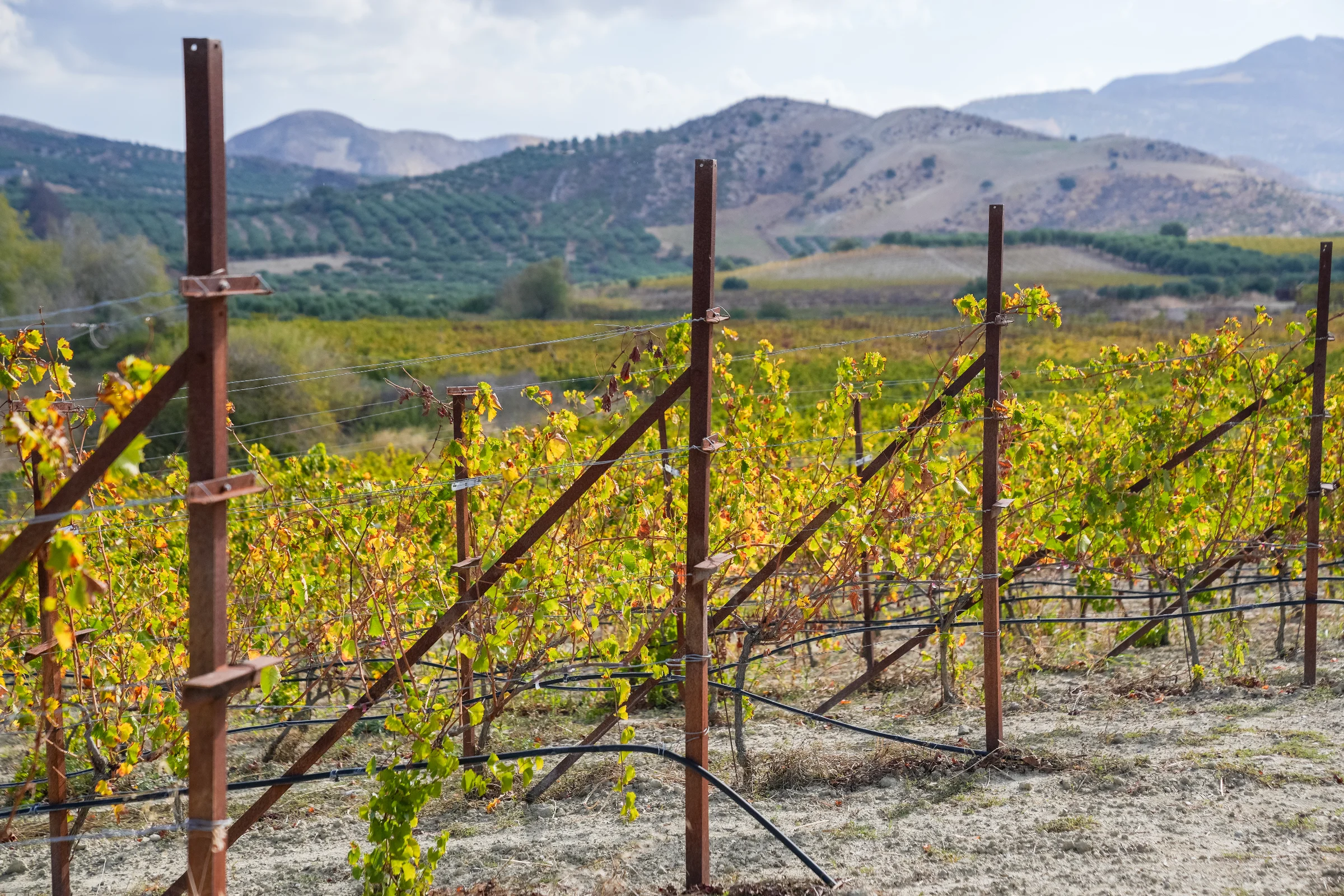
Cretan Red Wine: The Grapes, the Blends and What the Label Hides
Crete's red wines are easier to enjoy than to read. The island's leading red grape is almost never named on the front of a bottle, the two appellations built on it print no recipe at all, and the most confident Englishlanguage writing about Cretan wine repeats three claims that Greek planting and appellation records flatly contradict. This is the grapebygrape, labelbylabel version: what the four native reds taste like, why they are blended rather than bottled alone, what a PDO and a PGI
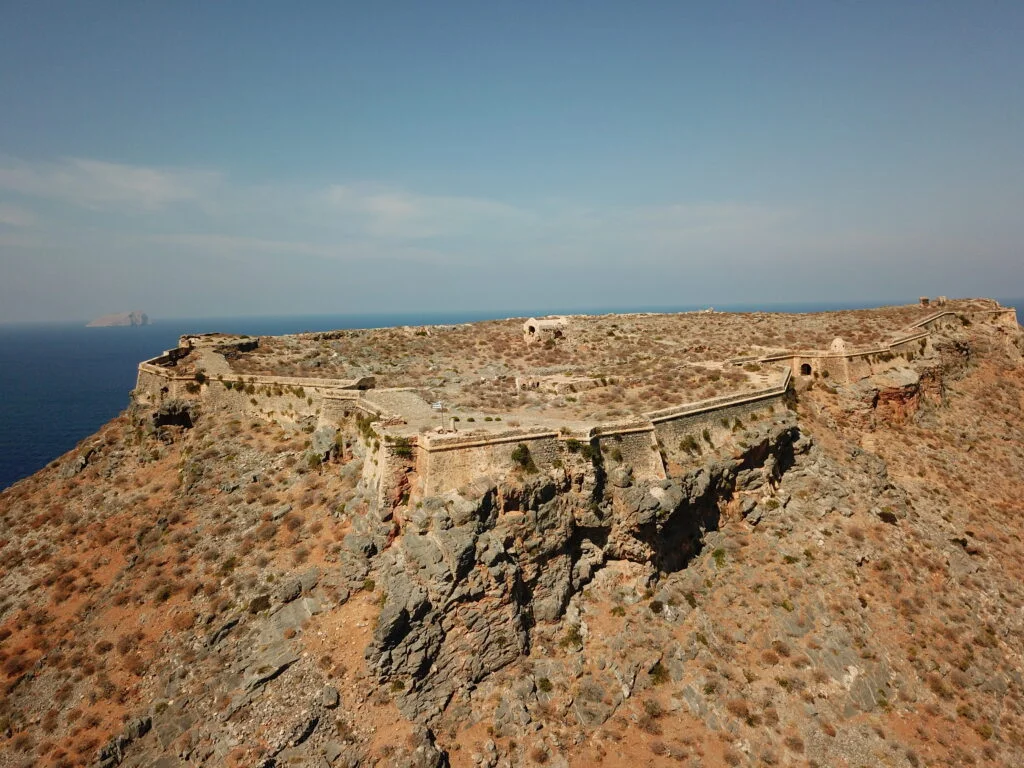
Venetian Fortresses of Crete: History and Visitor Guide
The Venetian fortresses of Crete still guard harbours, hilltops and remote islands across the coast. Some have become city landmarks, while others require a boat journey or a steep walk to reach their walls. This guide covers their history, the best fortresses to visit and how to include them in a trip around Crete.
Let Crete come to you
Sign up to get authentic stories, travel tips, and new experiences
By entering my email, I agree to receive marketing notifications from travel & do.