 Back to blog
Olive Oil Tasting in Crete: How to Choose a Tour and What to Expect
On this page
Quick Summary
Crete is one of Greece's major olive oil regions, and olive oil tastings often focus on local groves, mills, and extra virgin oil.
Good tours may include a visit to an olive grove, an olive mill, a tasting room, and food pairings.
A strong tasting should help you understand aroma, flavour, texture, varieties, and production methods.
The best tours are usually farm-to-table style experiences rather than a simple product demo.
Cretan olive oil is closely associated with the Koroneiki variety and a long production tradition.
What an Olive Oil Tasting Is
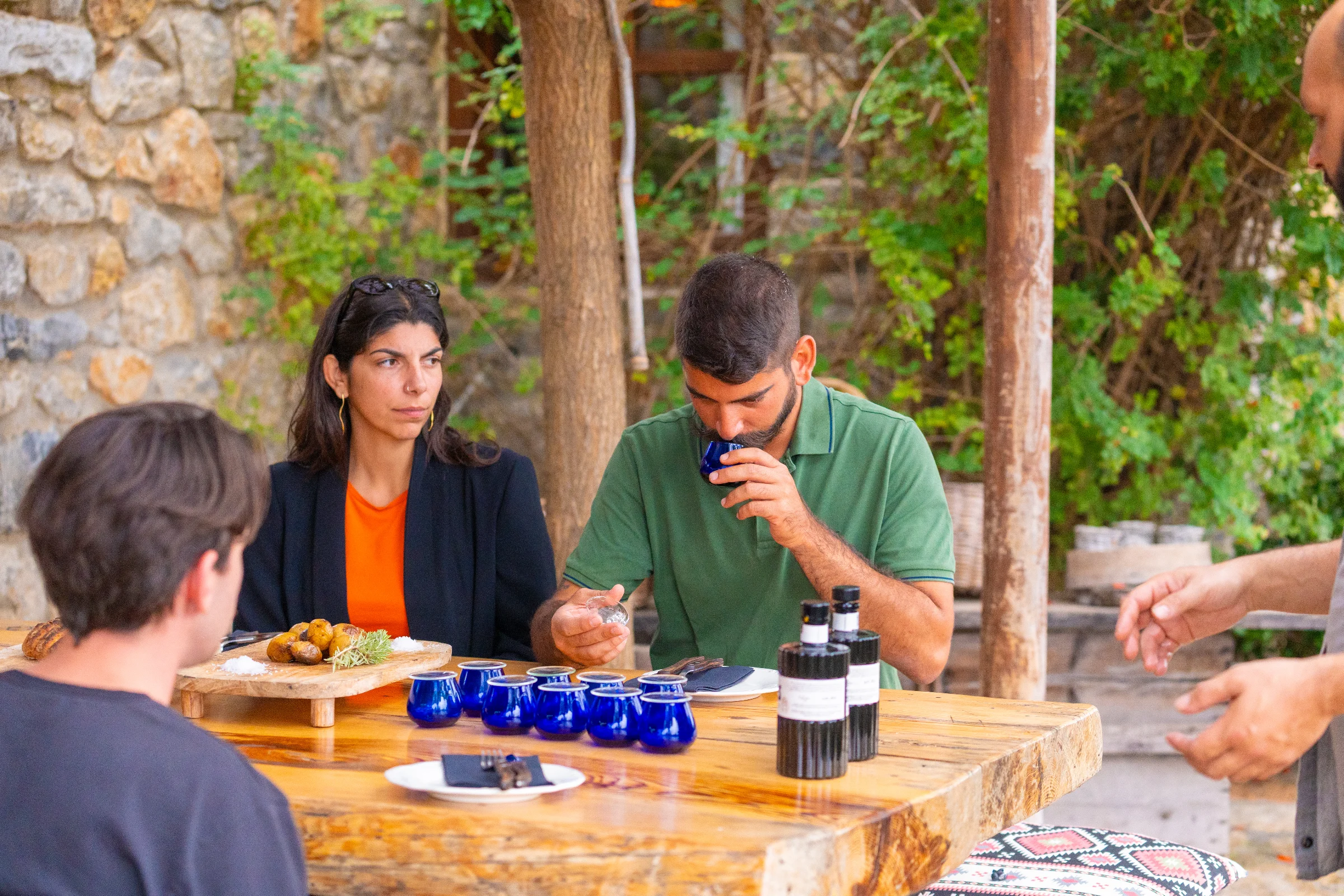
An olive oil tasting is a guided session where you sample oils and learn how to judge quality through aroma, flavour, and texture. In Crete, these tastings often go beyond the glass and include a real look at how oil is grown and produced, which makes them more interesting than a standard food sample.
That matters because olive oil in Crete is not treated as a side product or a table condiment. It is part of the island's identity, present in nearly every dish and deeply connected to the landscape you see from the road. Many tours are designed to show the journey from grove to mill to tasting room, and the best ones make that journey feel like a genuine story rather than a sales pitch.
Why Crete Is Good For It
Crete produces a significant share of Greece's total olive oil output, and the tradition of cultivation on the island stretches back thousands of years. The landscape across much of the island, particularly in the areas around Heraklion, Chania, and Rethymno, is defined by olive groves, many of them ancient, some with trees that are centuries old.
That depth of tradition makes Crete an unusually strong place for olive oil experiences. You are not visiting a newly fashionable agritourism concept. You are visiting farms that have been pressing oil for generations, with producers who can speak about variety, soil, altitude, and harvest in a way that comes from actual knowledge rather than a brochure.
The most interesting part for visitors is often how personal the experience feels. You are not just tasting a product. You are seeing how it is made and how producers talk about variety, harvest, extraction, and storage, which is a different kind of understanding from anything you can get from reading a label.
What to Look For When Tasting
If you have never tasted olive oil seriously before, start with three things: aroma, balance, and finish.
Good oil should smell fresh. The range of aromas in high-quality extra virgin oil is wider than most people expect, running from cut grass and green apple through to tomato leaf, artichoke, and fresh herbs, depending on the variety and harvest timing. Flat or musty aromas are a sign of poor quality or old oil.
On the palate, look for fruitiness, bitterness, and a peppery finish. The bitterness and pepperiness are not flaws. They are markers of freshness and polyphenol content, which indicates quality. An oil that tastes flat, greasy, or without any finish has usually been stored poorly or was not good to begin with.
The best tastings also explain why cold-press extraction and proper storage matter, because both affect how much of the flavour survives from grove to bottle. An oil pressed at low temperatures and stored in dark, cool conditions will taste significantly better than one that has been exposed to heat or light, even if it came from the same grove.
How to Choose a Tour
Choose a tour that includes more than a tasting table in a shop. The strongest experiences usually involve a grove, a mill, a tasting room, and some context from the producer or a knowledgeable guide. That structure gives you the full picture from tree to oil, rather than just the end product.
Look for tours that specifically mention extra virgin oil, local varieties, farm-to-table elements, or a visit to an olive estate. If you want something deeper, look for tours that explain how olives are harvested, how the oil is extracted, and how to read flavour profiles. These are the details that turn a pleasant tasting into something you actually remember.
Small group sizes matter too. A tasting with ten people and a guide who can take questions is a different experience from a large group passing through an industrial operation. If the tour description reads like a factory visit, it probably is one.
What Happens During a Tasting
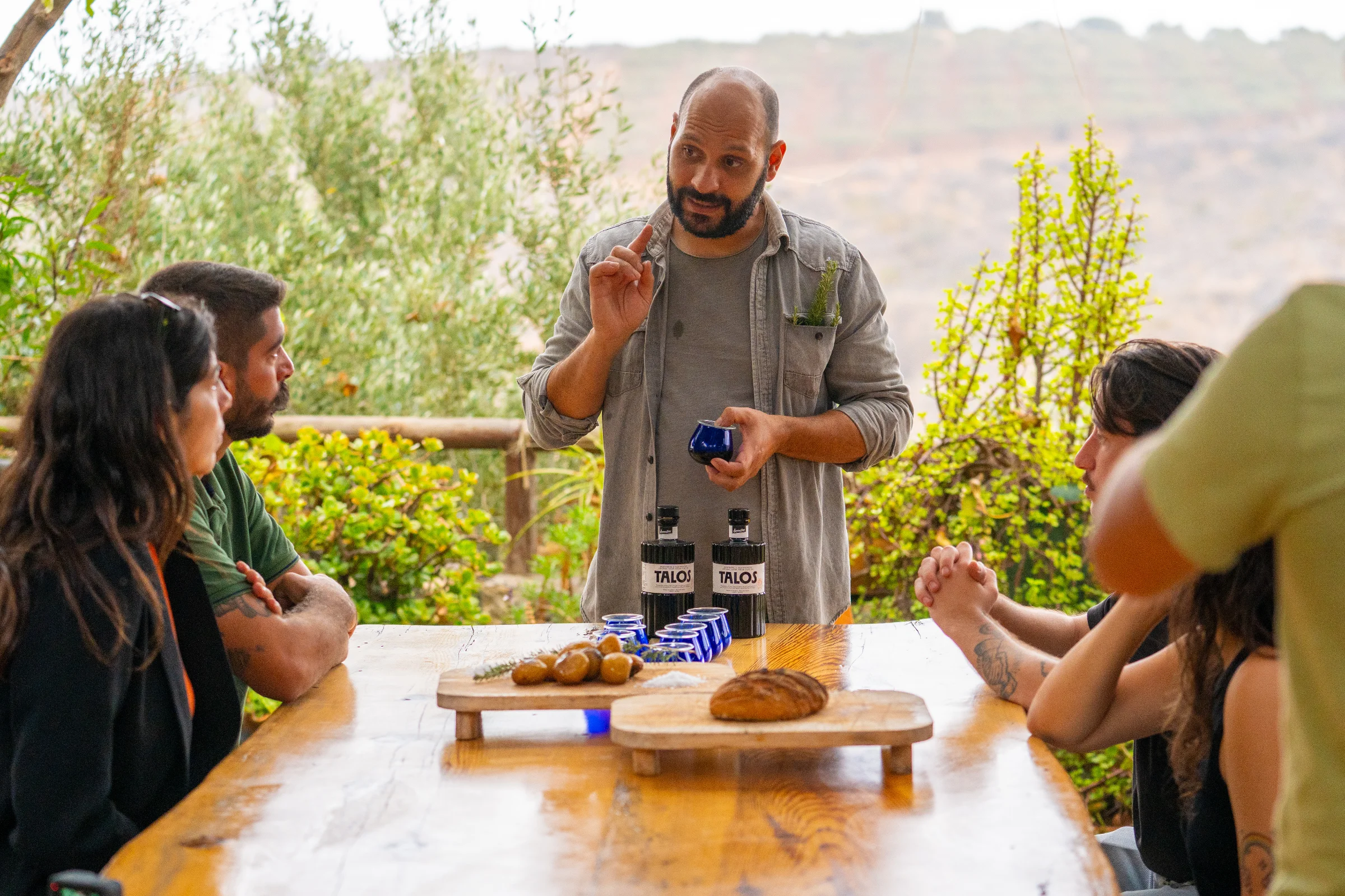
A good tasting usually begins with a short introduction to the grove, the mill, or the producer's approach to cultivation and extraction. This context matters because it helps you understand what you are about to taste and why it might be different from other oils.
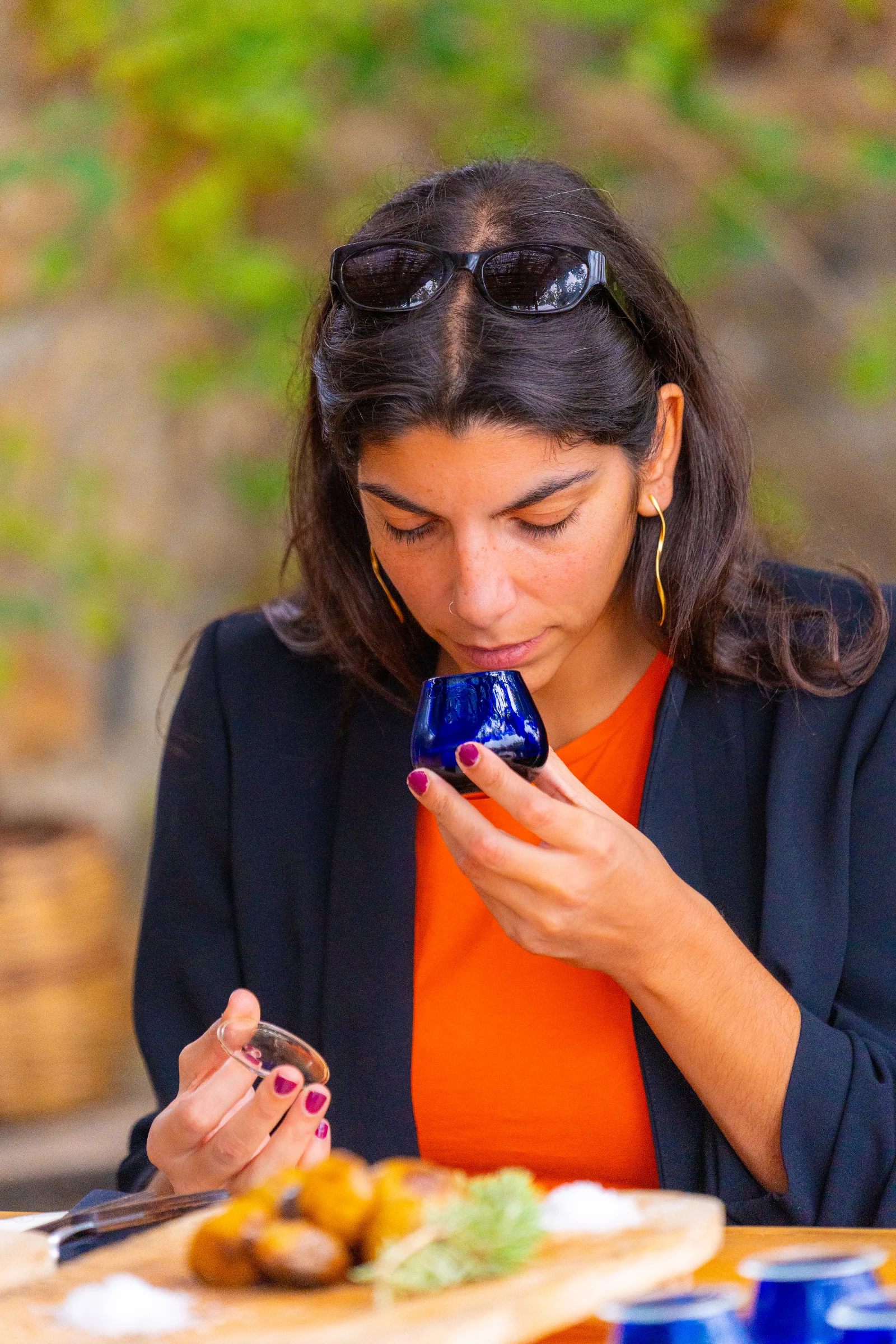
After the introduction, you sample oil in a structured way. The standard method is to warm a small glass of oil in your hands, cover it, smell it carefully, then sip it and let it coat your mouth before swallowing. The guide will usually talk you through what to notice at each stage: the aroma profile, the initial taste, the middle texture, and the finish.
Many tastings also pair oils with bread, olives, local cheeses, or other Cretan foods. This is genuinely useful because it shows how the oil behaves in combination with food rather than in isolation. A strong, peppery oil that seems aggressive on its own may be exactly right on a piece of rye bread with soft cheese. The pairing element is where a tasting starts to feel like a meal rather than a test.
The better experiences also allow time to compare two or three different oils, which is when the differences in variety, harvest timing, and extraction method become noticeable even to someone without a trained palate.
The Koroneiki Variety and Cretan Oil
The Koroneiki variety dominates Cretan olive oil production and is the reason the island's oil has such a distinctive character. Koroneiki is a small olive with a high oil content and a flavour profile that tends toward the green and peppery end of the spectrum, with pronounced fruitiness and a long finish.
Because the olives are small, pressing them requires more effort per litre of output than larger varieties, which is part of why quality Koroneiki oil commands higher prices. The intensity of flavour is also higher than in milder Italian or Spanish varieties, which surprises some first-time tasters who are used to a softer, more buttery profile.
At a good tasting, you will likely hear about harvest timing in relation to Koroneiki. Olives harvested earlier, while still green, produce oil with higher polyphenol content, more pronounced bitterness and pepperiness, and a greener, more complex aroma. Oil from fully ripe olives is milder, smoother, and more golden in colour. Neither is objectively better. They are suited to different uses, and understanding the difference is part of what a Crete olive oil tasting teaches you.
Some producers also work with other local varieties, including Tsounati and Mastoidis, which give a different balance of flavours. Tasting a Koroneiki oil alongside one of these alternatives in the same session is one of the most educational things you can do, because the contrast makes the distinctive characteristics of each much clearer.
What Makes a Good Tour
The best tours feel personal, educational, and connected to a real place rather than a commercial operation. Family-run farms, traditional olive mills, and estate visits tend to be more memorable than large-format agritourism setups, because the person explaining the oil usually made it.
Tours that combine olive oil with local food are especially strong because they show how the product fits into the wider Cretan table. A tasting that ends with a small meal built around the oils you have just tried, with local bread, olives, cheese, and perhaps a glass of wine, gives you a more complete picture of Cretan food culture than a tasting alone.
Small group size, time for questions, and a guide who can explain technique and variety without reading from a script are all signs of a tour worth booking.
Where to Go
Good olive oil experiences are found across Crete, but western Crete, particularly the countryside around Chania and the Apokoronas area, has a high concentration of estate tours and farm-based tastings. The area around Heraklion also has strong options, particularly for travelers who want to combine an olive oil experience with time in the city or a visit to nearby archaeological sites.
Many producers welcome visitors year-round, though the experience during harvest season, roughly October to December, has a different quality. The mill is running, the oil is freshest, and the process is visible in real time rather than explained in retrospect. If your trip falls during those months, it is worth looking for experiences that include harvest participation.
If you are planning a holiday with food at its centre, combining olive oil tasting with a winery visit, a Cretan cooking class, or a local market tour gives you a fuller sense of the island's food culture than any single experience can on its own.
Practical Tips
Book a tour that gives you real context, not only a quick tasting. If possible, choose one that includes an estate, olive mill, or guided walk through the groves. The grove walk in particular connects the oil to the landscape in a way that a tasting room alone cannot.
Bring an open mind when tasting. Bitterness and pepperiness are positive attributes in quality extra virgin olive oil, not flaws. If your first reaction is that an oil is too strong, give it a moment and try it with bread. The combination often resolves the intensity into something much more balanced.
If you plan to buy a bottle to take home, ask the producer about harvest date, storage conditions, and which variety is in the bottle. A good producer will answer all three without hesitation. An oil bottled within the last year, stored in dark conditions, and made from Koroneiki will almost certainly be better than anything you can find in a supermarket at home.
Travel with the bottle upright, wrapped in clothing for insulation, and use it within a few months of opening. Olive oil does not improve with age once the bottle is open.
What to Expect
What to expect at an olive oil tasting in Crete depends on the operator, but the strongest versions feel educational, sensory, and relaxed in roughly equal measure. You move from the grove or mill into a tasting space, sample a few oils with guidance, and come away with a clearer sense of what quality actually means in practice.
Expect a focus on freshness, extra virgin quality, and the relationship between land and flavour. In the better experiences, you come away understanding not only what the oil tastes like, but why it tastes that way, which is the difference between a useful half-day and a forgettable one.
Related Articles
Continue exploring Crete

One Day in Heraklion: The Complete Itinerary for Crete's Capital
Most visitors get exactly one day in Heraklion, and most of them spend it queuing at Knossos in the worst of the afternoon heat. It does not have to go that way. This is the order we would put the day in — the palace first thing, the Old Town on foot while the shade still favours you, the museum indoors when the sun is at its worst, and the Venetian harbour at the end. Every time and price below comes from our own booking calendar, so you can plan the day around what is genuinely running rather
Cretan Red Wine: The Grapes, the Blends and What the Label Hides
Crete's red wines are easier to enjoy than to read. The island's leading red grape is almost never named on the front of a bottle, the two appellations built on it print no recipe at all, and the most confident Englishlanguage writing about Cretan wine repeats three claims that Greek planting and appellation records flatly contradict. This is the grapebygrape, labelbylabel version: what the four native reds taste like, why they are blended rather than bottled alone, what a PDO and a PGI
Venetian Fortresses of Crete: History and Visitor Guide
The Venetian fortresses of Crete still guard harbours, hilltops and remote islands across the coast. Some have become city landmarks, while others require a boat journey or a steep walk to reach their walls. This guide covers their history, the best fortresses to visit and how to include them in a trip around Crete.
Let Crete come to you
Sign up to get authentic stories, travel tips, and new experiences
By entering my email, I agree to receive marketing notifications from travel & do.