 Back to blog
Preveli Palm Forest, Crete: The Complete Guide to the Beach, the Walk, and the Gorge
On this page
Quick Summary
Preveli Palm Forest is in southern Crete, near Preveli Beach and Kourtaliotiko Gorge.
The area is known for its palm grove, river, lagoon, and sea views.
The forest is home to Phoenix theophrasti, a rare native palm species found only in Crete and a few other locations in the eastern Mediterranean.
You can reach it by car, public transport, boat, or organised tour, then continue on foot.
The walk from the trailhead to the beach is short, but the descent and return still need attention in hot weather.
It is one of the most memorable beach-and-nature combinations in Crete.
What Preveli Palm Forest Is
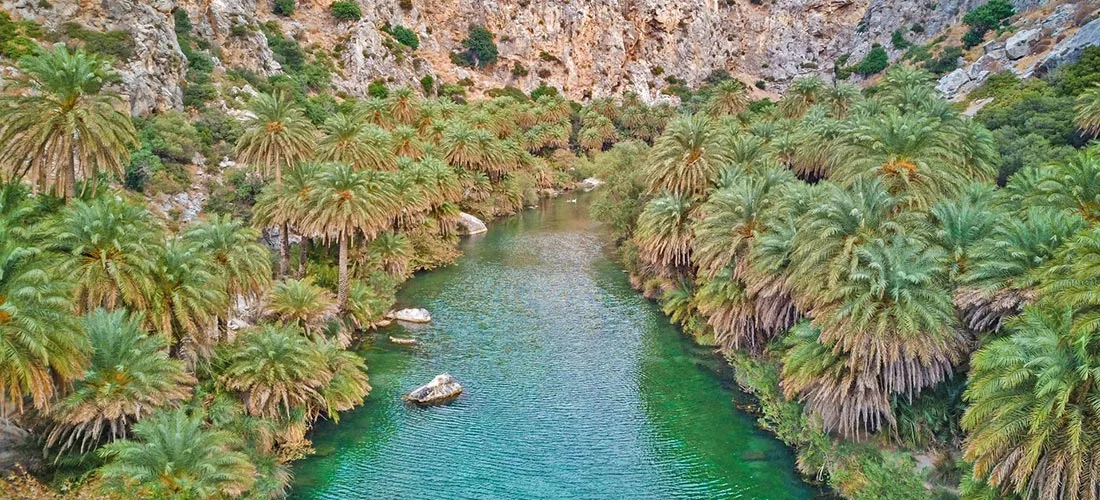
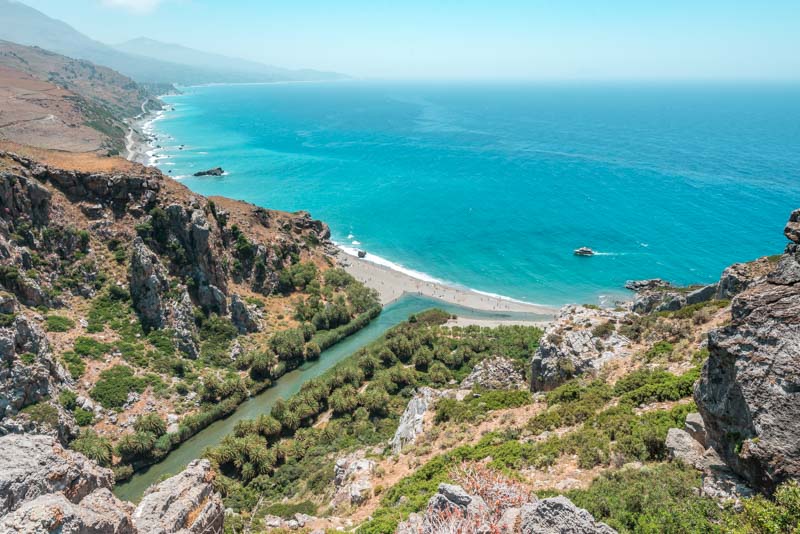
Preveli Palm Forest is a coastal palm grove in southern Crete, set in the area around Preveli Beach where the Megalopotamos River meets the Libyan Sea. It is part of a landscape where river, forest, and ocean come together in a very compact area, which is what makes it unusual even by Cretan standards.
The forest is one of the main reasons visitors come here, but it is not just a botanical stop. It is tied to the beach, the gorge, and the whole approach to Preveli, so the experience feels more like a short journey through different landscapes than a single viewpoint. Walking through the grove, crossing the river, and arriving at the sea all happen within a short distance of each other.
That layered quality is what people tend to remember. You get cliffs, palm shade, fresh water, and open sea in one visit, which is why Preveli appears so often on lists of the most distinctive natural places in Greece.
Why the Palm Forest Matters
The grove at Preveli contains Phoenix theophrasti, the Cretan date palm, which is native to Crete and is one of the rarest wild palm species in Europe. Unlike the date palms you see planted along roadsides and in hotel gardens across the Mediterranean, these are naturally occurring, growing here because the conditions of the river valley suit them.
That distinction matters because the grove at Preveli is not a decorative planting. It is a genuine natural feature with botanical and ecological significance, which is part of why the area has been protected. The combination of a freshwater river flowing through a coastal palm grove into the sea is rare even within Crete, and there is nothing quite like it elsewhere on the island.
For visitors, the practical effect is that the grove feels different from other beach approaches. The shade, the sound of the water, and the density of the palms make the walk down to the beach genuinely interesting rather than just a means to an end.
![Preveli Palm Forest path through the Phoenix theophrasti grove with river visible and sea beyond]](https://cdn.travelndo.com/content/blog/tnd_preveli-palm-forest-crete-guide_015c8e4c298eeedc.jpg)
How to Get There
The most common way to reach Preveli is by car. The road from Rethymno passes through or near Plakias and then continues along a winding road that descends toward the coast. The last section is narrower and slower than the main road, and parking is available near the trailhead area, usually with a fee during the main season.
From Rethymno, the drive takes around 45 to 60 minutes depending on traffic and the route you take. From Chania, it takes considerably longer, around 1.5 to 2 hours, which means a Preveli visit from Chania works better as a full day built around the trip rather than a casual detour.
Without a car, the options are public transport combinations, which require a bus to Plakias followed by a local connection or taxi, or an organised day tour from Rethymno. Tours often bundle Preveli with Kourtaliotiko Gorge and Preveli Monastery, which gives you a fuller day without the driving. Some boats also access Preveli Beach from the sea during summer, though this route depends on weather and operator schedules.
The Walk Down
The walk from the main parking and trailhead area to Preveli Beach takes around 15 to 20 minutes at a comfortable pace. The path descends through the landscape toward the sea, passing viewpoints before you enter the grove itself. The route is not technically demanding, but it is uneven in places and involves a real descent.
The return climb is where people most often underestimate the effort. What goes down must come back up, and on a hot summer afternoon that can feel significantly more demanding than the approach. The path is exposed in sections, and the heat in July and August is real.
Comfortable, closed shoes are a better choice than sandals. The path has rocky sections where grip matters, and the terrain around the river crossing area can be slippery depending on conditions. Bringing water is not optional, particularly in summer.
For visitors with limited mobility, the walk presents a real challenge. There is no accessible route to the beach itself, so the experience is primarily suited to those who can manage a short but moderately steep walking trail in both directions.
Things to Do
Walk through the grove. The palm forest is the main attraction, and the walk through it on the way to the beach gives you the best sense of what makes the site unusual. The combination of shade, river water, and the dense line of palms feels different from anything else in Crete.
Swim at Preveli Beach. The beach at the end of the walk has clear water and a setting that combines the river mouth, the lagoon area near the grove, and the open Libyan Sea. Many visitors come for the view and stay for a long swim. The water is generally calm within the sheltered part near the river, and rougher in the open sea section.
Stop at the viewpoints above. The view over the palms, the river, and the beach from the path above is one of the strongest reasons people remember this place. It is also the clearest way to understand the geography of the site before you descend. The curve of the river mouth, the density of the grove, and the line of the cliffs all become legible from above.
Visit Kourtaliotiko Gorge. The gorge is often part of the same day trip from Rethymno and lies along the road to Preveli. It adds a dramatic inland contrast, with steep limestone walls, a river, and a small chapel at the bottom. If you are driving yourself, stopping at the gorge viewpoints on the way to or from the beach adds around 30 minutes and costs nothing.
Visit Preveli Monastery. The monastery sits above the beach area and is an easy stop to combine with the forest and beach. It has a small museum, a significant collection of religious items, and a role in Cretan history as a place that sheltered Allied soldiers during the Second World War. It is worth including if you want the day to have a historical dimension as well as a natural one.
History and the Monastery
Moni Preveli, the monastery above the beach, was founded in its current form during the 17th century, though there has been a religious presence in the area for much longer. The monastery played an active role during the Cretan resistance to Ottoman rule in the 19th century, and it became significant again during World War II, when the monks helped shelter and evacuate hundreds of Allied soldiers following the Battle of Crete in 1941.
Those soldiers, many of them British, Australian, and New Zealand troops, were hidden in the area and eventually evacuated by submarine from Preveli Beach itself. The monastery has a small memorial and museum items related to this period, which give the site a weight beyond its architecture.
The building itself is a clean, whitewashed complex with a well-kept courtyard and views down toward the sea. Visitors are welcome during opening hours, though modest dress is expected as at any active Orthodox monastery.
Food, Bars and Tavernas
Preveli Beach itself has a small snack bar and refreshment stand that operates during the summer season. It sells drinks and basic food, and the prices reflect the remoteness of the location. If you want a proper meal, plan for it before or after your visit rather than at the beach.
Plakias, the nearest coastal town, is the most practical place for food. It has a good selection of tavernas along the seafront, with fresh fish and standard Cretan dishes. The town is small but well-equipped for visitors, and it makes a natural stopping point for lunch after a morning at Preveli or before an afternoon visit.
Rethymno offers the widest choice in the area if you want a more varied meal or a longer stop. The old town has a mix of traditional tavernas and modern restaurants, and the harbour-front is one of the most attractive eating areas in Crete.
Weather and Best Time to Visit
The best times to visit Preveli are May, June, September, and October. In these months the weather is warm without being extreme, the crowds are smaller than in high summer, and the walk down and back up is significantly more comfortable.
July and August are the hottest and busiest months. The beach is worth visiting, but the midday walk under direct sun on an exposed path is genuinely tiring, and the parking area can fill quickly on peak days. If you visit in high summer, an early start, before 9am, gives you the best conditions for both the walk and the beach before the crowds and heat build.
Spring visits, particularly in May, have the added interest of the river running well after winter rainfall, which makes the grove and the lagoon area near the river mouth look at their fullest. By late summer, the river level drops and the lagoon shrinks, which changes the character of the site somewhat.
Photography is strongest in the morning and late afternoon, when the light hits the palms at an angle and the colours of the water are more vivid.
Getting There and Where to Stay
Rethymno is the most practical base for a Preveli visit. It is the closest town with a full range of accommodation, restaurants, and services, and the drive to the trailhead is manageable for a day trip in either direction.
Plakias is a quieter alternative, with a small selection of hotels, apartments, and tavernas directly on the coast. Staying here puts you closer to Preveli and allows an early departure before the day-trippers arrive from Rethymno.
Agia Galini, further east along the south coast, is another possibility, though it is less convenient as a base for Preveli specifically. It suits travelers who want to cover more of the south coast over several days.
Visitors coming from Heraklion can reach Preveli in around 1.5 hours via the main north coast highway and then south through the mountains. It is a long day but manageable, particularly if you combine the trip with a stop at the gorge.
Nearby Attractions
Kourtaliotiko Gorge is the most obvious nearby stop, lying directly on the road from Rethymno to Preveli. The gorge has a small church, natural springs, and dramatic cliff walls. It is most easily seen from the viewpoints along the road, though a short walk down toward the river is possible if conditions allow.
Preveli Monastery is within a few minutes of the beach parking area and is easily combined with the forest and beach in the same outing. It has historical significance, a small museum, and views that reward a short visit.
Damnoni Beach, on the southern coast between Plakias and the Preveli road, is a quieter alternative if you want to swim somewhere more accessible after the Preveli walk. It has tavernas, sunbeds, and calmer conditions than Preveli in summer.
Plakias Beach itself is a long, wide beach with full facilities and easy access, which makes it a natural counterpart to Preveli on the same day. The contrast between the two, one natural and challenging to reach, the other developed and straightforward, makes them a good pairing for a full day on the south coast.
Things to do nearby
Book a guided experience in this area
Related Articles
Continue exploring Crete
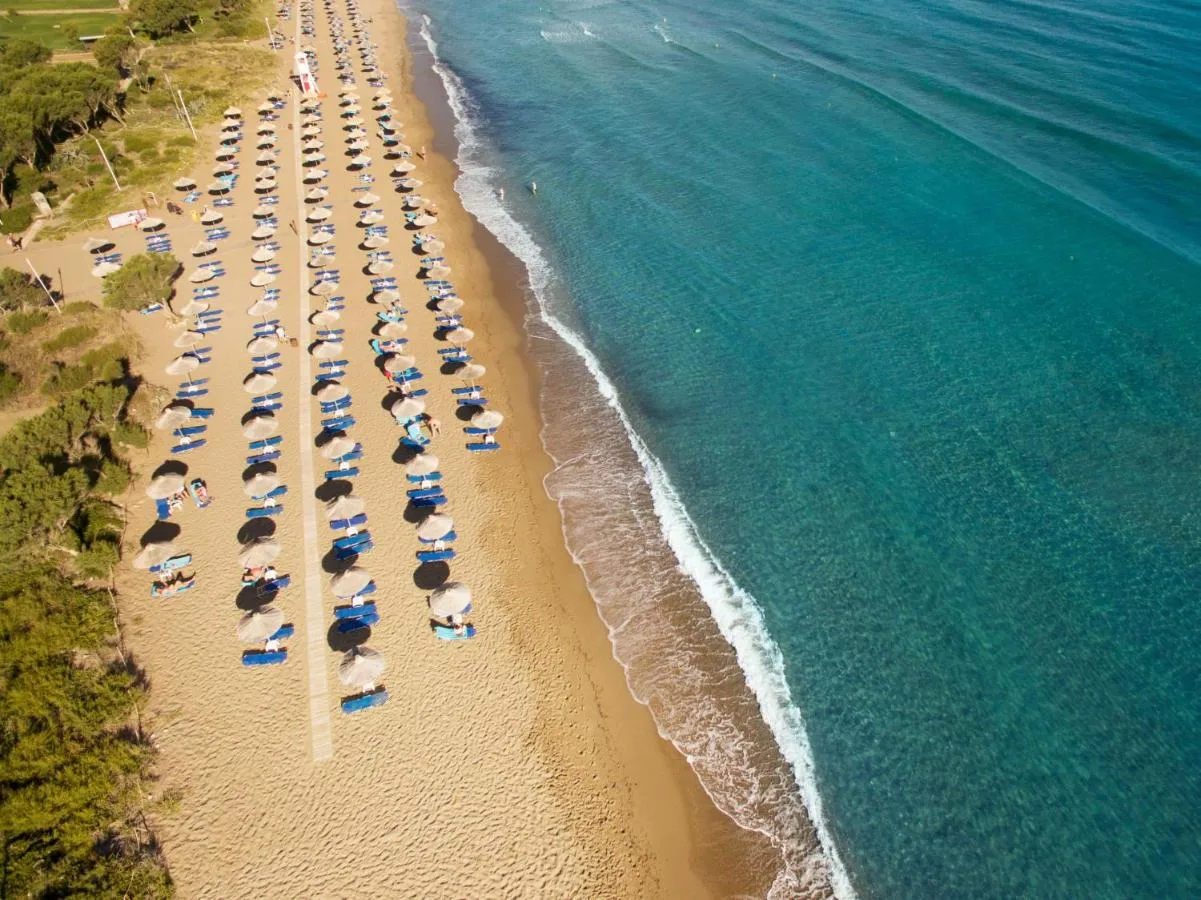
Ammoudara Beach Heraklion: Complete Visitor Guide
Ammoudara Beach combines a long sandy coastline with easy access to Heraklion city. Organised sections, water sports and beachfront restaurants make it a practical base for families, couples and active travellers. This guide covers swimming conditions, the best parts of the beach, transport and experiences around Ammoudara Heraklion.
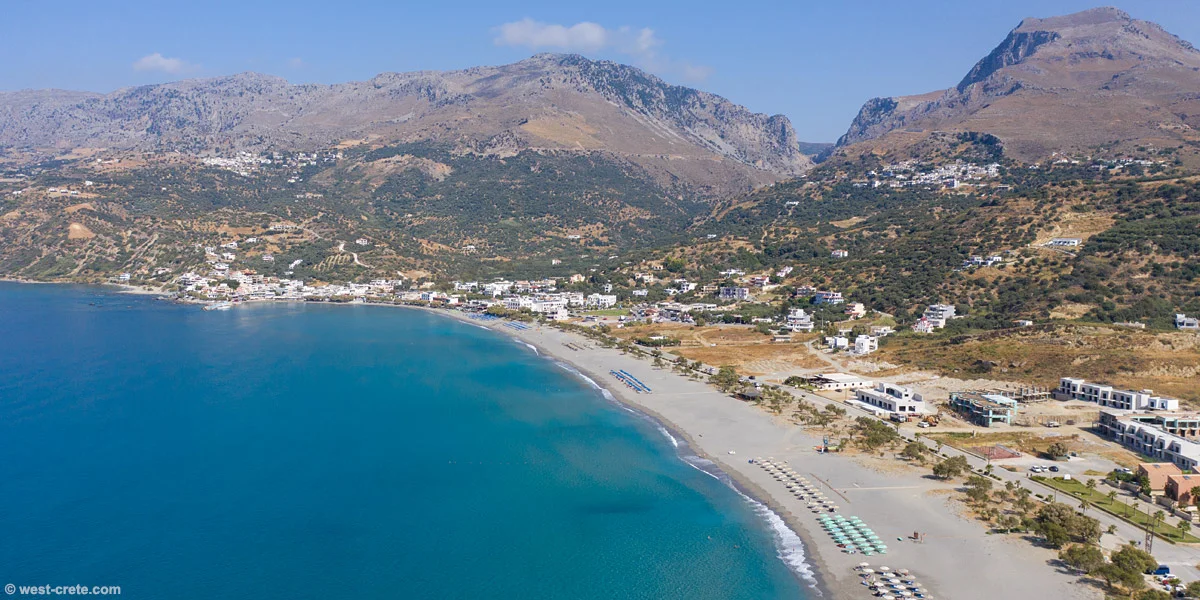
Plakias Beach: The Complete Guide to South Crete's Longest Bay
Plakias is one of the longest beaches in Crete, a 1.3 km stretch of grey-golden sand facing the Libyan Sea in the south of Rethymno. It holds a Blue Flag, offers a full range of water sports and organised facilities, and sits in a bay calm enough for families but open enough to attract windsurfers and divers. What makes it more interesting than most Cretan beach towns is that it also works as a genuine base. From here you can reach Preveli, the Kotsifou Gorge, and a string of quieter coves withi
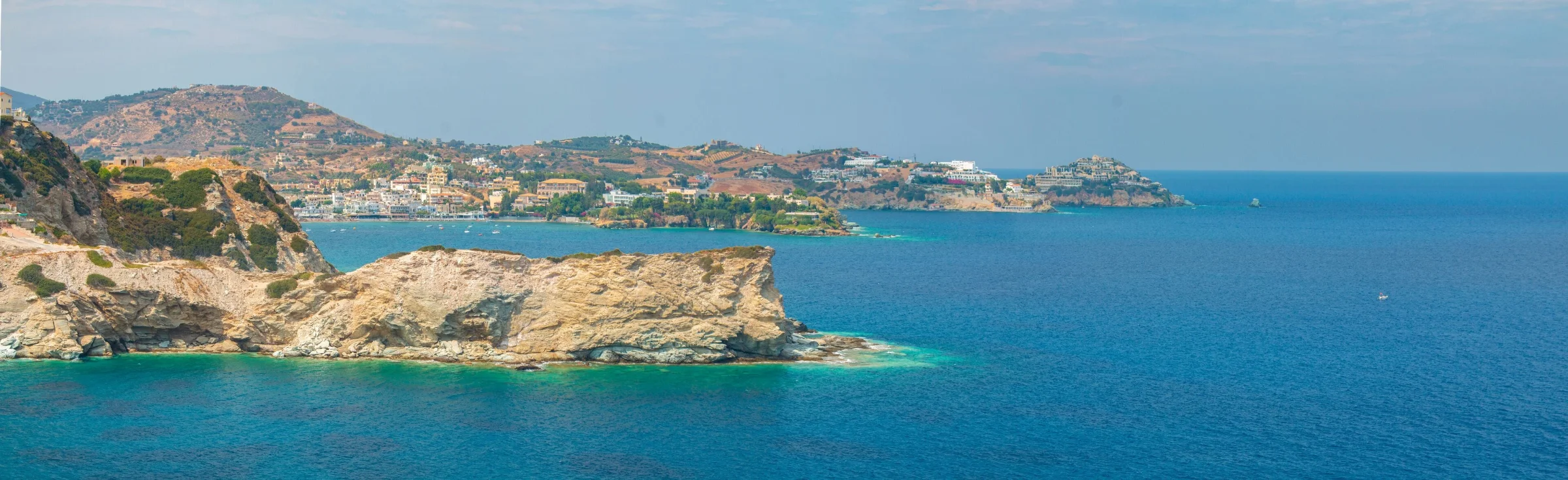
Agia Pelagia Beach, Crete: What to Know Before You Go
Agia Pelagia Beach is one of the easiest Cretan beaches to reach from Heraklion, and one of the most rewarding for a short stay or a full beach day. Set in a sheltered bay with clear water, nearby coves, tavernas, and a strong local identity, it works well for visitors who want more than just sand and sea. This guide covers what makes it different, when to go, and why many travelers choose it as a base in northern Crete.
Let Crete come to you
Sign up to get authentic stories, travel tips, and new experiences
By entering my email, I agree to receive marketing notifications from travel & do.